
ByteDance Employee's $30 Million Path to Sudden Wealth, Is a Single Crypto Account Enough to Make It Happen?
TechFlow Selected TechFlow Selected
ByteDance Employee's $30 Million Path to Sudden Wealth, Is a Single Crypto Account Enough to Make It Happen?
The ByteDance stock god built their fortune on stock options.
 Navigating Web3 tides with focused insights
Recently, news of ByteDance employee Leto Bao resigning after earning $30 million from stock trading went viral on social media. The popularity of AI-related stocks goes without saying, and many people's first reaction is that employees of major tech companies have more capital, so making money is naturally easier.
But the reality is not so. According to the blogger's own description, he completed his first round of capital accumulation from tens of thousands of dollars to millions through options early on, and subsequently achieved a new wealth leap by leveraging the storage stock market trend. Regardless of whether the details are entirely accurate, this story points to the same reality: in the US stock market, what truly changes the capital curve is often a combination of industrial mainlines, core targets, and high-elasticity tools.
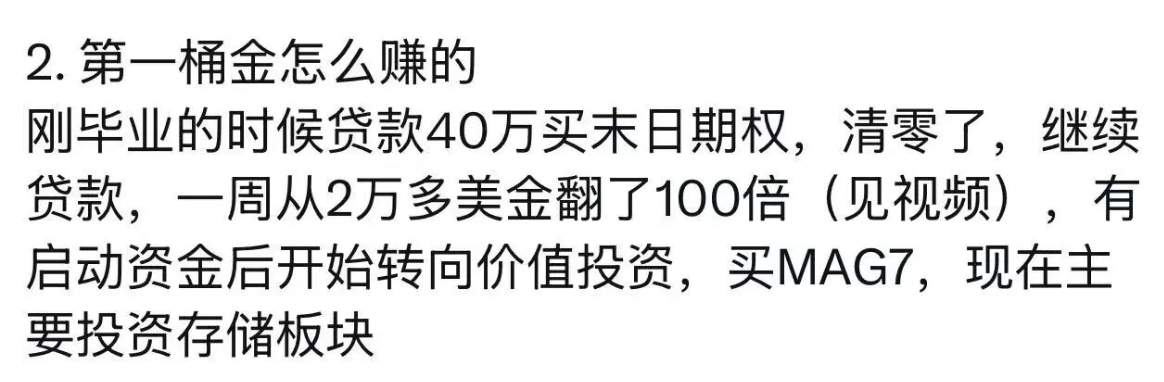
Leto Bao Xiaohongshu
In the past, this method was only a game for traditional US stock traders. Users needed brokerage accounts, USD funds, familiarity with US stock trading rules, and access to derivative tools like options. But with Bitget announcing the launch of the crypto industry's first US stock options feature, the entire path above can be completed in one go on Bitget.
Why Options Are the Amplifier of US Stock Wealth Effects
If stocks determine direction, options determine elasticity, which is the wealth effect.
In the US stock market, options have always been one of the tools that can most amplify capital efficiency. If a user is bullish on a stock, they can directly buy the underlying stock or buy call options. Buying the underlying stock requires full payment of the stock price, while buying options only requires paying the premium to gain exposure to the price changes of the same underlying asset.
For high-priced or high-volatility stocks like Nvidia and Microsoft, or Micron and SanDisk, the appeal of options is very direct. Users do not need to put up large principal amounts to participate in stock price fluctuations. If the direction is judged correctly, the time window is appropriate, and volatility cooperates, the return elasticity brought by options is far higher than that of the underlying stock, and even higher than the contract trading familiar to the crypto community. This is also why options always appear frequently in many US stock get-rich-quick stories.
Once the underlying asset price exceeds the strike price, the option's intrinsic value begins to increase, and the price rises rapidly
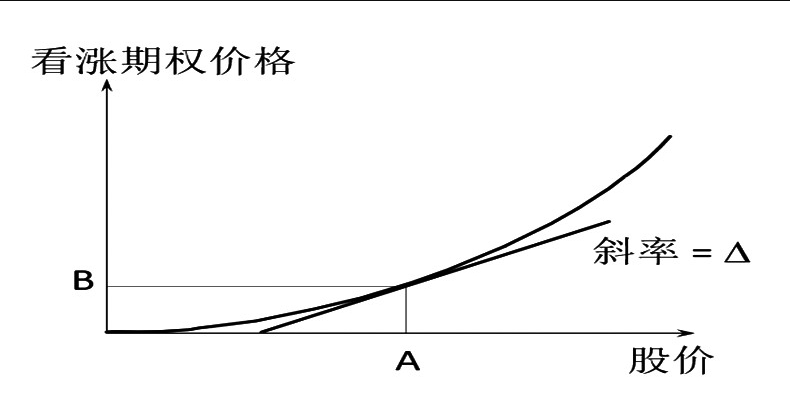
Of course, the other side of options is equally obvious, which is that returns and risks are extremely compressed. Especially zero-day options (0DTE), which are options bought and expired on the same day, have low prices, high volatility, and fast decay, becoming one of the intraday trading tools most favored by US stock retail investors. It can turn hundreds of dollars into thousands or tens of thousands of dollars within a few hours, or it can cause the premium to go to zero within a few hours.
But whether liked or not, options have become one of the most important ways of expressing capital in the US stock market. The total annual trading volume of US options has exceeded 1.52 billion contracts, with a daily average trading volume of over 61 million contracts. In the daily average trading volume of S&P 500 index options, more than half come from 0DTE options. This way of trading, which uses small bets to win big and is short, flat, and fast, is naturally suitable for the crypto industry which favors high risk and high volatility.
Bitget Brings US Stock Options into Crypto Trading Platforms
According to Bitget information, Bitget initially opened 540+ stock options, covering core indices such as S&P 500, Nasdaq 100, Dow Jones 30, and mainstream ETFs, and will gradually release more stock and ETF options subsequently.
US stock spot solves the problem of buying assets, while options solve the problem of expressing elasticity. Users can buy Nvidia, Apple, Tesla, or express judgments on the short-term rise and fall of these stocks, earnings fluctuations, and market sentiment changes through options. For crypto users accustomed to high-volatility assets, options are not unfamiliar. Like perpetual contracts, they compress direction, time, and leverage sensation into one trading tool. The difference is that stock options are connected to a batch of the most mature underlying assets in the US stock market.
Moreover, there are many types of option strategies. For example, value investment heavyweight Duan Yongping habitually uses options for investment, building a large position in Pop Mart by selling put options (sell put), and at the same time, Leto Bao mentioned above is also a professional user of options.
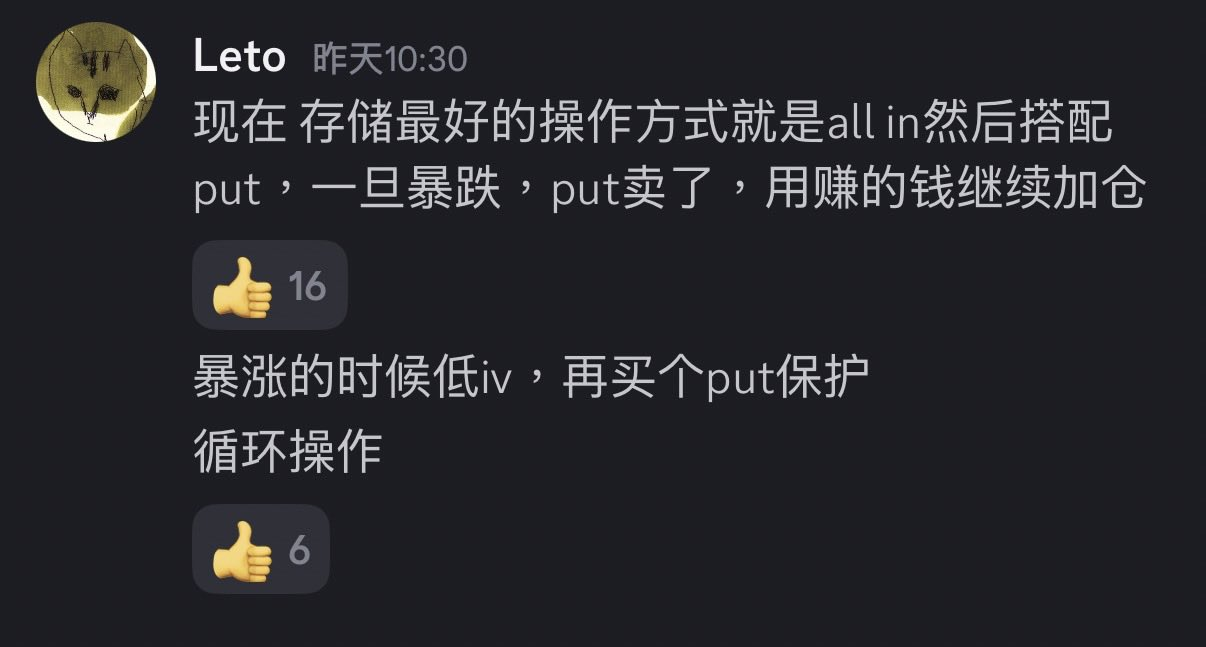
Leto Bao: Classic Play for Roller Coaster Market Trends
However, Bitget's first phase of option rules did not directly maximize complexity.
The trading hours for this options trading launch are 9:30 to 16:00 Eastern Time, supporting cash trading only, and does not support buying options on margin. Long call and Long put margin rates are 100%, meaning buying options requires full occupation of the premium, without additional leverage stacking. The settlement cycle is T+1, consistent with US stocks.
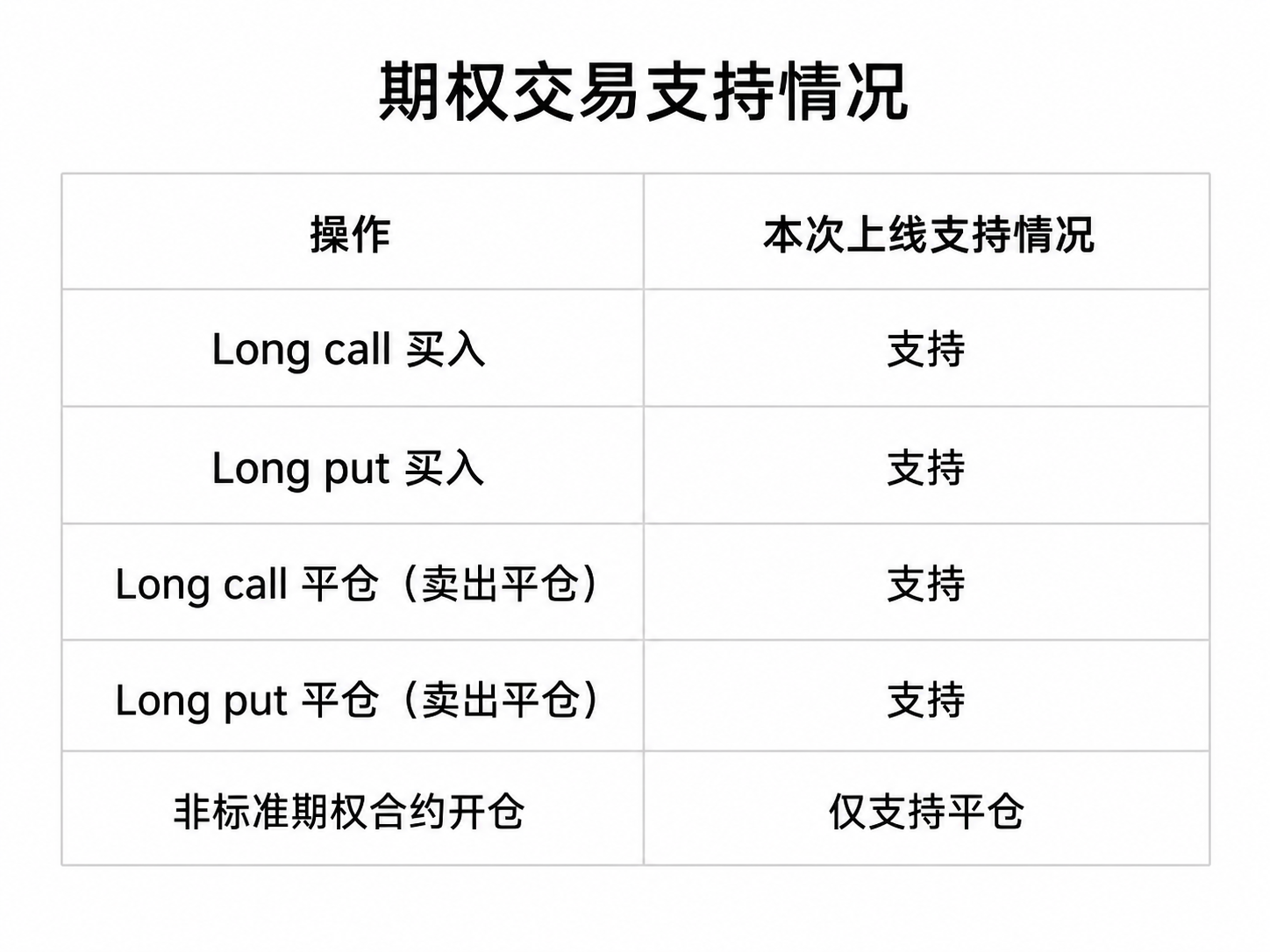
At the same time, the product supports profit and loss estimation upon order placement, displaying maximum profit and maximum loss predictions, and also supports order modification, cancellation, and order record queries. For crypto users contacting US stock options for the first time, such functions are very important. Because for options trading, being bullish or bearish is no different from spot, but where the specific risk boundaries lie varies greatly.
This set of rules is essentially to reduce the probability of user misuse when entering the options market for the first time. Bitget first accesses important capabilities such as buying calls and buying puts, allowing users to express direction judgments with premiums, while limiting the maximum loss to within the premium range.
Bitget's US Stock Layout Is Not a Single Point Launch
Over the past period, Bitget has made continuous layouts around US stocks and RWA: launching Ondo US stock tokens → trading volume accounting for about 90% of the entire network → Pre-IPO entrance → launching US stock rToken, connecting the exchange ecosystem → US stock direct connection, and now US stock options—Bitget is building a complete US stock product line.
The reason can be said to be obvious. What crypto users truly need is to capture global risk asset opportunities more efficiently. In the past, funds in trading platforms mainly flowed between BTC, ETH, and altcoins. But when US stock tech stocks became the mainline most concerned by global capital, users naturally also hope to use the same account system to trade Nvidia, Micron, Apple, Microsoft, and S&P 500 ETFs.
The US stock market is the deepest risk asset pool globally. AI, semiconductors, cloud computing, software, consumer technology, almost all global capital cannot bypass US stocks. The crypto market has high volatility and high capital efficiency, but asset quality is not stable. The US stock market is the opposite, with high asset quality and deep liquidity, but the traditional trading process is not friendly enough for crypto users.
What Bitget wants to solve is this gap.
Starting from tokenized stocks, users can access US stock exposure in crypto accounts; through Pre-IPO, users can access pre-listing opportunities; through US stock direct connection, users get closer to the real and safe stock market; through US stock options, users gain higher elasticity trading tools.
Reviewing this series of layouts, Bitget's goal has been shown very clearly, to move the main trading layers of the US stock market into crypto accounts: spot exposure, pre-listing opportunities, real liquidity, and options tools.
rToken Is the Base of Bitget's US Stock Product Line
In this US stock product line of Bitget, the core product is rToken.
Many people see tokenized stocks and easily understand them as synthetic assets most familiar in the crypto circle, which are counterparty transactions without roots or sources. But Bitget's positioning of rToken is completely different. rToken is backed 1:1 by real US stock shares, regulated by New York State law, shares are held at licensed US brokerages, and custodial and brokerage infrastructure is provided by regulated partner Alpaca Securities. Alpaca is registered with FINRA and protected by SIPC.
This means that rToken is not purely synthetic exposure, but an RWA product supported by real underlying stocks.
The biggest difference between it and previous stock tokens lies in the source of liquidity. Many RWA stock tokens rely on on-chain liquidity and secondary market trading, and prices may require additional mechanisms to track underlying stocks. Once on-chain liquidity is insufficient, prices may deviate from the real US stock market.
During US stock trading hours, including regular trading, pre-market, after-hours, and night sessions, rToken spot orders will be routed directly to Nasdaq (NASDAQ) and New York Stock Exchange (NYSE) order books through brokerages. After orders are executed in the US stock market, the trading results are reflected back into Bitget's spot order records.
Simply put, rToken accesses native US stock market liquidity through partners, which makes its latest price, bid-ask spread, and order book completely consistent with the underlying stock market, while US stock tokens launched by other issuers still rely on market makers to provide liquidity. Theoretically, Nasdaq naturally has the best liquidity in the entire market, but how big is this gap exactly?
Actual test data shows that taking SanDisk (SNDK) as an example, from the bid-ask spread of the same period, the difference between rToken and bStock is not obvious, but from order depth and 24h trading volume, rToken has a clear advantage, leading by 260x and 1000x respectively. This means that if small amount transactions (within a few hundred dollars) are to be conducted, the experience and cost difference between the two is not large; but if large amount transactions (thousands or even tens of thousands of dollars) are to be conducted, bStock will bring extremely serious trading slippage loss, while rToken's carrying capacity is obviously better.
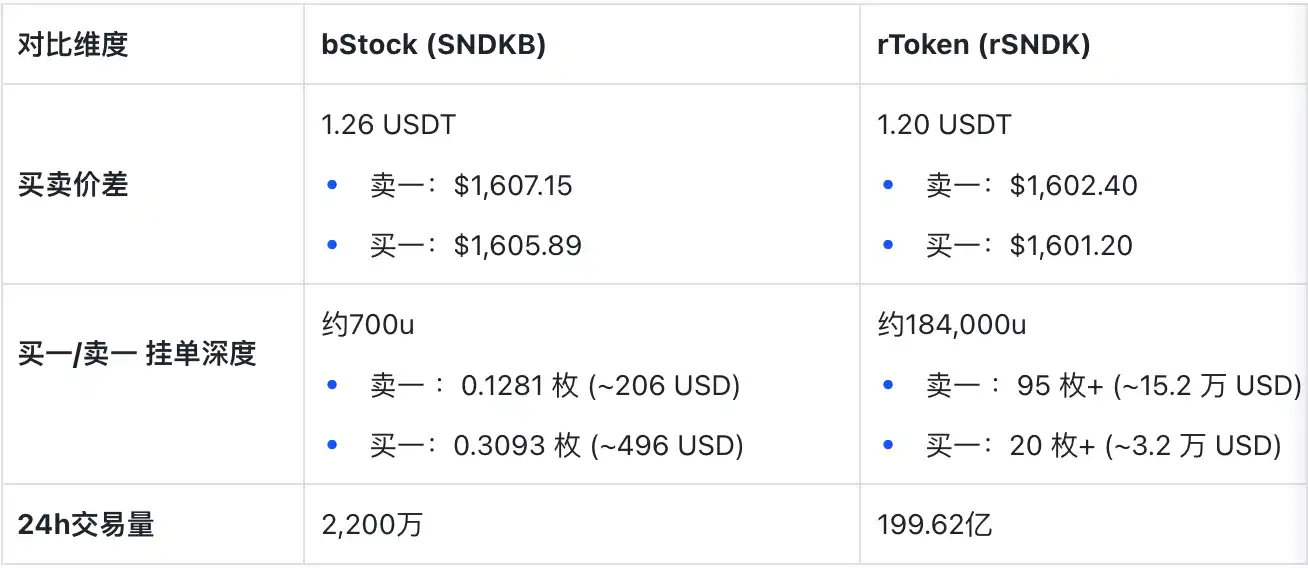
This is also why rToken is the base of Bitget's US stock product line. With rToken, Bitget can string together US stock exposure, trading liquidity, account capital efficiency, and subsequent derivative tools.
Three Key Advantages of rToken
The new pattern brought by Bitget rToken can be summarized into three aspects: native US stock liquidity, extreme capital efficiency, and higher compliance standards.
First is liquidity.
If you choose the world's large stock markets, how can it be considered truly utilizing them if you do not use their liquidity? rToken supports 5x24 access to native US stock market liquidity. During US stock trading hours, rToken's price and liquidity are synchronized with the underlying stock market. Orders are routed directly to US trading platforms, reducing the risk of price deviation or de-pegging.
And the main disadvantage of tokenized stocks such as Ondo also lies here. rToken's liquidity in US stock direct connection mode is consistent with traditional brokerages, user orders face the vast US stock market, while tokenized stocks are mainly exchange users and market makers in the crypto industry, which not only easily produces liquidity shortages and large slippage, but may also cause chain reactions such as liquidation due to liquidity shortages.
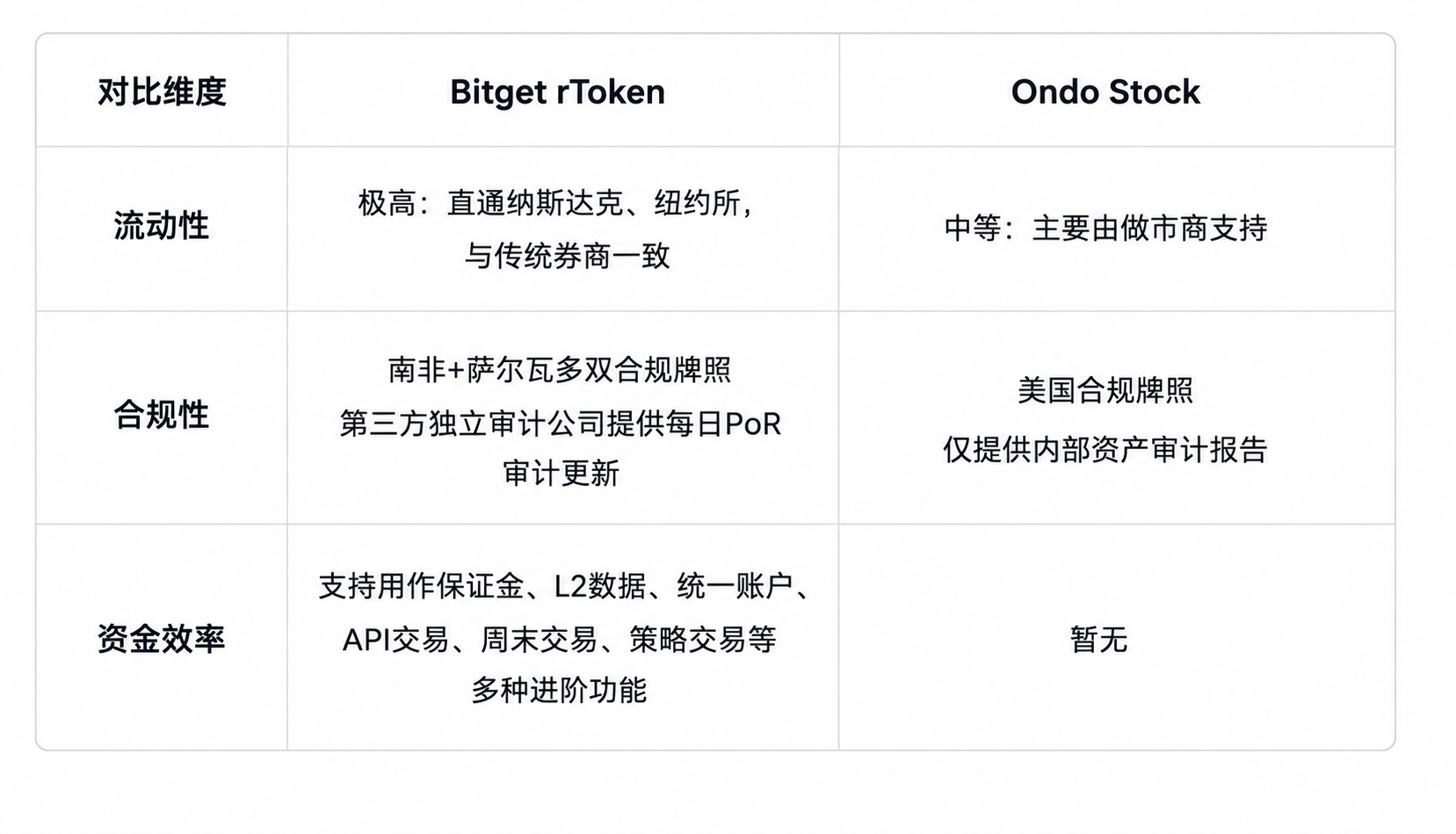
Bitget rToken vs Ondo Tokenized Stocks Comparison
For some popular stocks, rToken also supports 24/7 trading. That is to say, during periods when the US market is closed, including weekends and holidays, users can still trade rToken related to some popular stocks. Bitget will provide in-house liquidity during these periods to support continuous price discovery.
This is very important for crypto users. The crypto market has no weekends, and news will not wait for the US stock market to open. Capex updates, AI orders, chip updates, earnings previews, macro data, and social media leaks may all occur during non-US stock trading hours. If users can only wait until the next trading day to react, they will miss the first-time pricing. rToken's 24/7 trading capability is exactly filling this gap.
Second is capital efficiency.
After rToken is sold, funds can be reinvested immediately without waiting for T+1 settlement. rToken can also be transferred, withdrawn, allocated between sub-accounts, or used for different margin models like other crypto assets. Within a unified trading account, the same rToken position can be used across spot, derivatives, and lending.
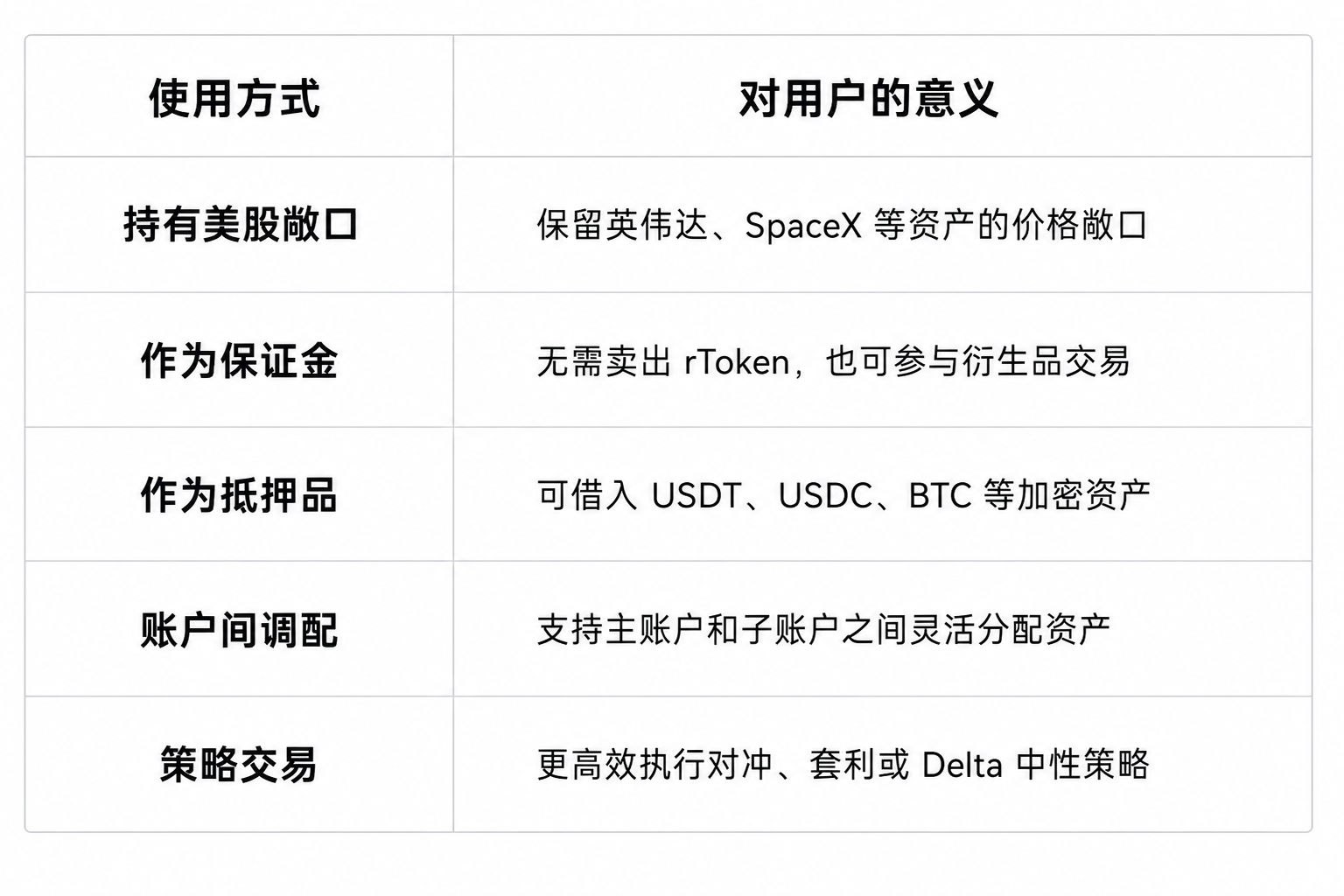
This makes rToken a collateral asset that can be called. Professional users can use rToken as futures trading margin or borrow assets such as USDT, USDC, BTC as collateral while retaining US stock exposure, without selling underlying positions. Currently, this function supports about 20 rTokens including Nvidia, SpaceX, etc.
This is also where Bitget stands out compared to most RWA stock products. It does not just provide "stock tokens that can be bought", but incorporates rToken into its own trading ecosystem, allowing US stock assets to continue participating in margin, lending, hedging, and multi-asset strategies. For professional users, US stock exposure is no longer just configuring positions, but can also become underlying assets for improving capital efficiency.
Finally is compliance and transparency.
Reality launched by Bitget is the compliant RWA issuance protocol behind rToken, its issued rToken is strictly 1:1 pegged to underlying US stocks, assets are custodied at US securities broker Alpaca registered with FINRA and protected by SIPC, and cooperates with US audit firm The Network Firm, it is one of the few RWA products providing audited daily Proof of Reserve (PoR) data.
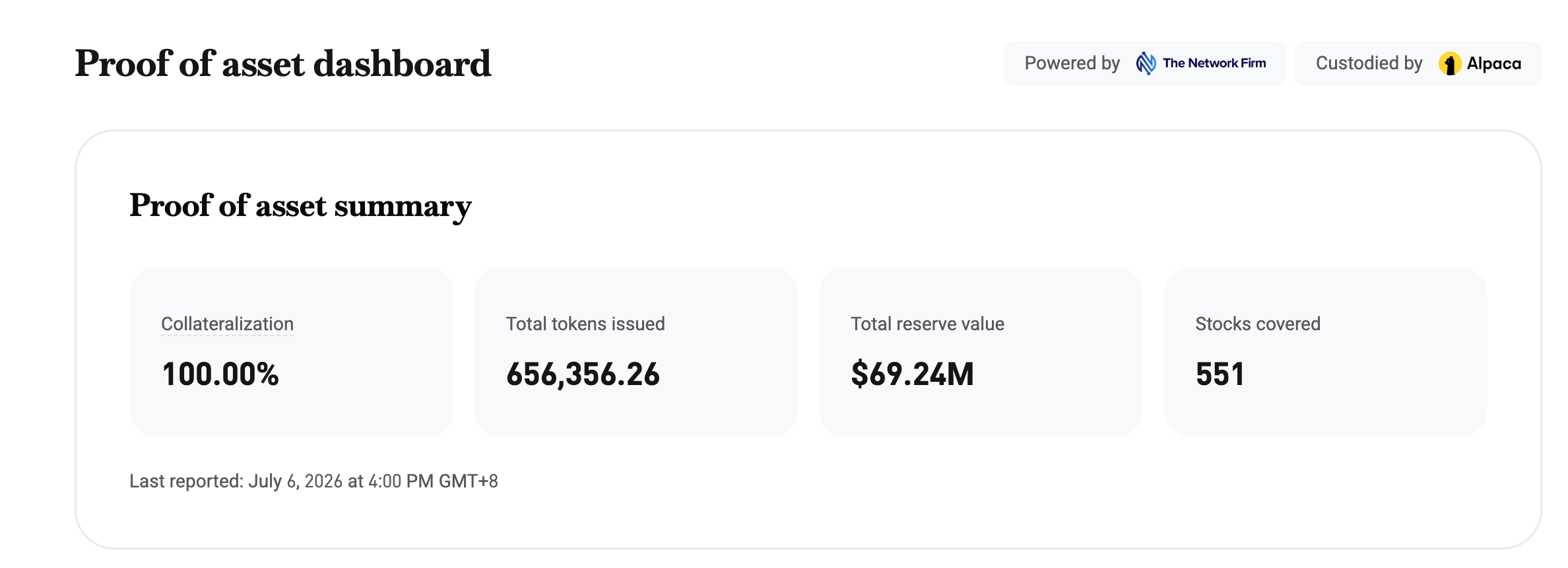
Because it is tokenization of real stocks, corporate actions such as dividends, stock splits, reverse stock splits, and capital returns will also be handled according to traditional US stock market conventions. If the underlying stock distributes dividends, eligible rToken holders will automatically receive USDT dividends after deducting applicable US withholding tax. If stock splits or reverse stock splits occur, rToken balance and price will be adjusted accordingly, and the total holding value remains unchanged. This makes rToken closer to a complete stock product experience, not just a price symbol.
Looking at it comprehensively, the significance of rToken is not simply buying and selling US stocks, but also attempting to combine stock-level trading experience with the flexibility and transparency of crypto assets.
When US Stock Wealth Paths Enter Crypto Accounts
The reason why the ByteDance employee $30 million resignation event sparked discussion is partly because the wealth number is relatively exaggerated, and also because it lets more people see the wealth path in the US stock market in the AI era again: first use options to obtain high elasticity, then use industrial mainlines and core stocks to undertake larger capital scales.
In the past, this path mainly belonged to traditional US stock traders. Now, Bitget is trying to connect it into crypto accounts.
Of course, the road of Bitget's US stock full link is not all smooth sailing. First is the white-hot competition in the industry. Due to the overall downturn in the crypto market, stocks have become a must-fight ground for everyone. For example, industry giant Binance also launched tokenized stocks bStocks shortly after Bitget launched rToken, and also chose the same service provider Alpaca as rToken; second is that crypto users are not familiar and trusting enough of the stock services launched by the platform, users need long-term education, and even the platform itself is crossing the river by feeling the stones, and the platform and users need to slowly adapt to each other; and due to the low conversion cost between stablecoins and fiat currencies, the appeal of traditional brokerages is higher for high-net-worth users.
However, Bitget's US stock trading foresight and deep layout have kept it advantageous in the competition. rToken provides US stock exposure and stock-level trading experience, Pre-IPO supplements pre-listing opportunities, US stock direct connection is closer to the real market, and options provide higher elasticity risk expression tools. Combined together, it means crypto trading platforms are no longer just crypto asset trading venues, but may also become new entrances connecting global risk assets. This also means that the challenge for the platform in the next stage may no longer be just liquidity, technical capabilities, and US stock access channels, but how to gain the trust of traditional brokerage users in product experience, asset transparency, and long-term stability, and further reach a wider investment group.
Join TechFlow official community to stay tuned
Telegram:https://t.me/TechFlowDaily
X (Twitter):https://x.com/TechFlowPost
X (Twitter) EN:https://x.com/BlockFlow_News
 BlockBeats