








Brad Pitt's F1 movie still makes the crypto community proud
TechFlow Selected TechFlow Selected
Brad Pitt's F1 movie still makes the crypto community proud
Spending $100 Million: Why Do Crypto's Big Spenders Love F1 Teams?
 Navigating Web3 tides with focused insights
By: Lüdong Xiao Gong
"Oh my god, this is so intense—it's way more powerful than anything I've ever driven before," said Brad Pitt, one of Hollywood’s most iconic actors, after his first-ever F1 driving experience.
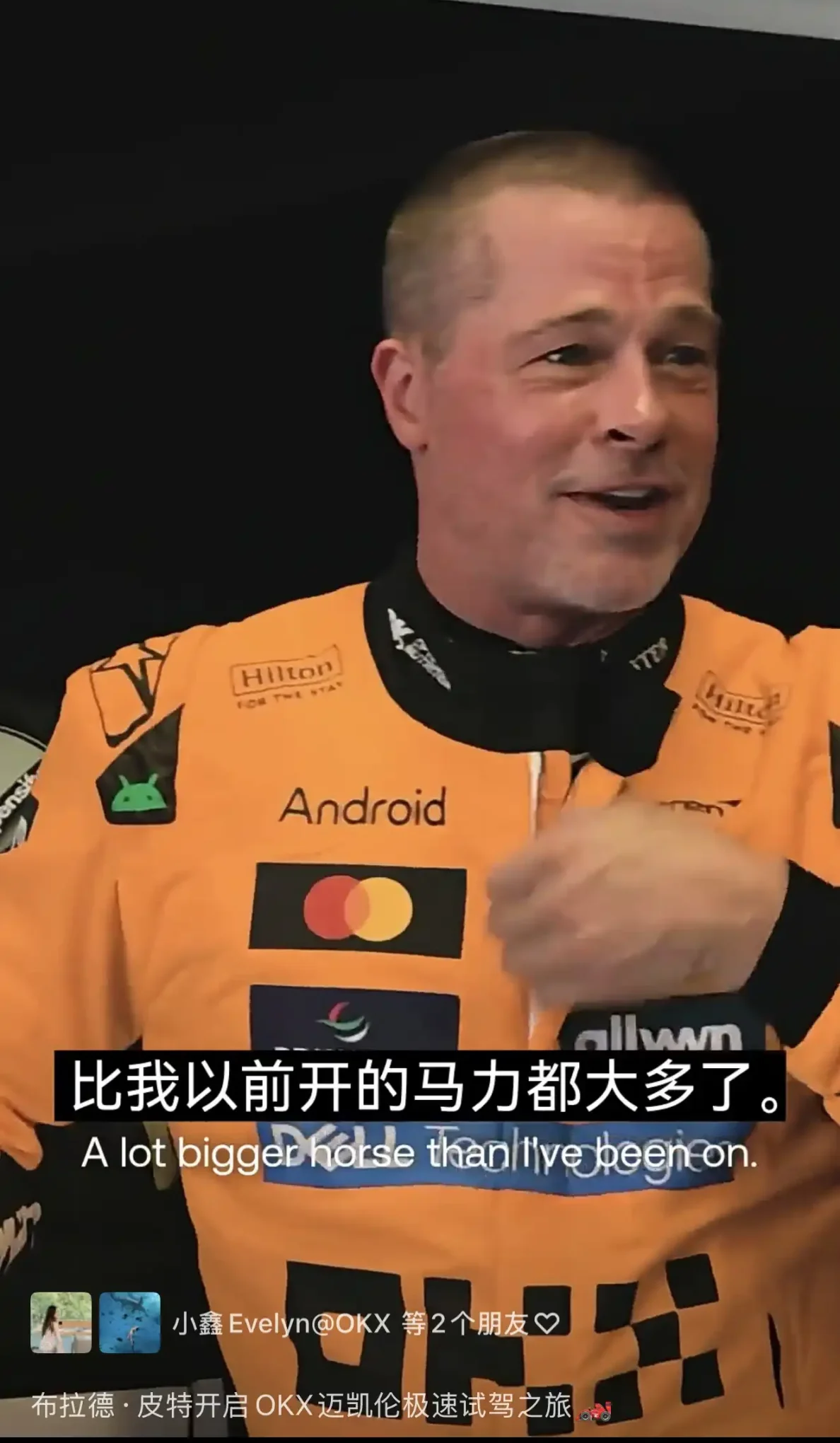
This month, *F1: The Movie*, starring Brad Pitt, earned $56 million in its opening week in North America and surpassed $144 million globally, marking Apple’s first true box office blockbuster in film history.
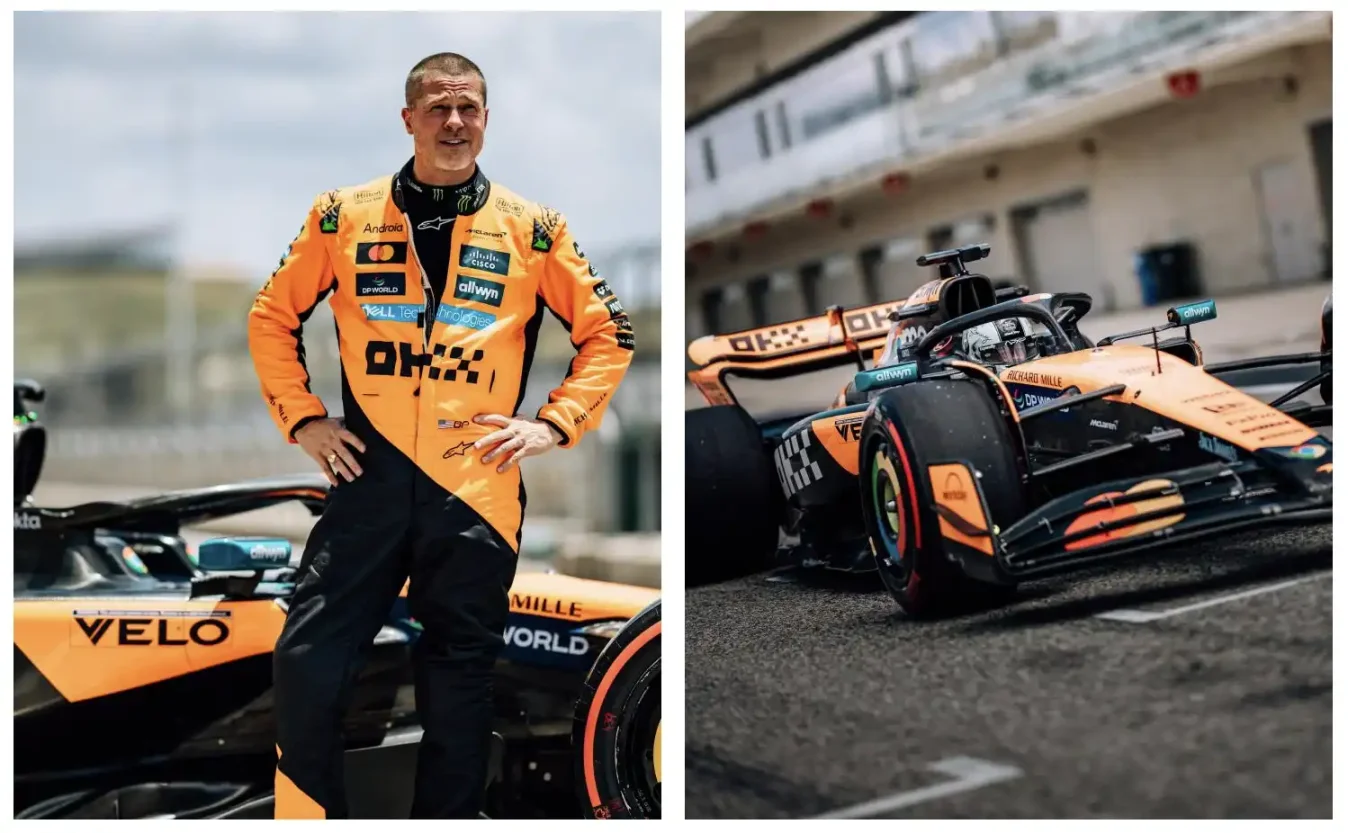
Produced with a nearly $300 million budget, the film has drawn widespread attention not only for its IMAX real-shot filming and participation from actual racing teams, but also for capturing the interest of the crypto community. During the movie's promotion, lead actor Brad Pitt personally test-drove the McLaren MCL60 race car from the 2023 season, completing his first-ever F1 driving experience.
On Brad Pitt’s race suit and car was a logo instantly recognizable to anyone in crypto—OKX.
Since the FTX era in 2021, cryptocurrency exchanges such as FTX and Crypto.com have entered into multi-season sponsorship deals with top-tier F1 teams, making collaborations between crypto platforms and elite F1 teams increasingly common.
Today, BlockBeats takes a close look at the roster of crypto exchange “backers” that have sponsored F1 teams.
Which F1 Teams Have Been Sponsored by Crypto “Backers”?
FTX: Mercedes-AMG Petronas
In September 2021, FTX signed a multi-season sponsorship deal with Mercedes-AMG Petronas F1 Team, with undisclosed financial terms.

The FTX logo appeared prominently on the car’s rear wing, cockpit front edge, and even on the drivers’ helmets.
At the time, FTX had been operating for less than two years but had already invested over $345 million in sports marketing. Choosing Mercedes—the team that won both constructors’ and drivers’ championships for seven consecutive years from 2014 to 2020—reflected founder SBF’s belief that the partnership would elevate FTX’s global standing.

However, just one year later, in November 2022, FTX collapsed. Mercedes immediately announced it would suspend all collaboration, urgently removing FTX branding from cars and equipment ahead of the Brazilian Grand Prix, and confirmed it would not renew the partnership. Numerous analyses, including from U.S. media, cited this case as emblematic of the risks associated with F1’s blind embrace of crypto advertising.
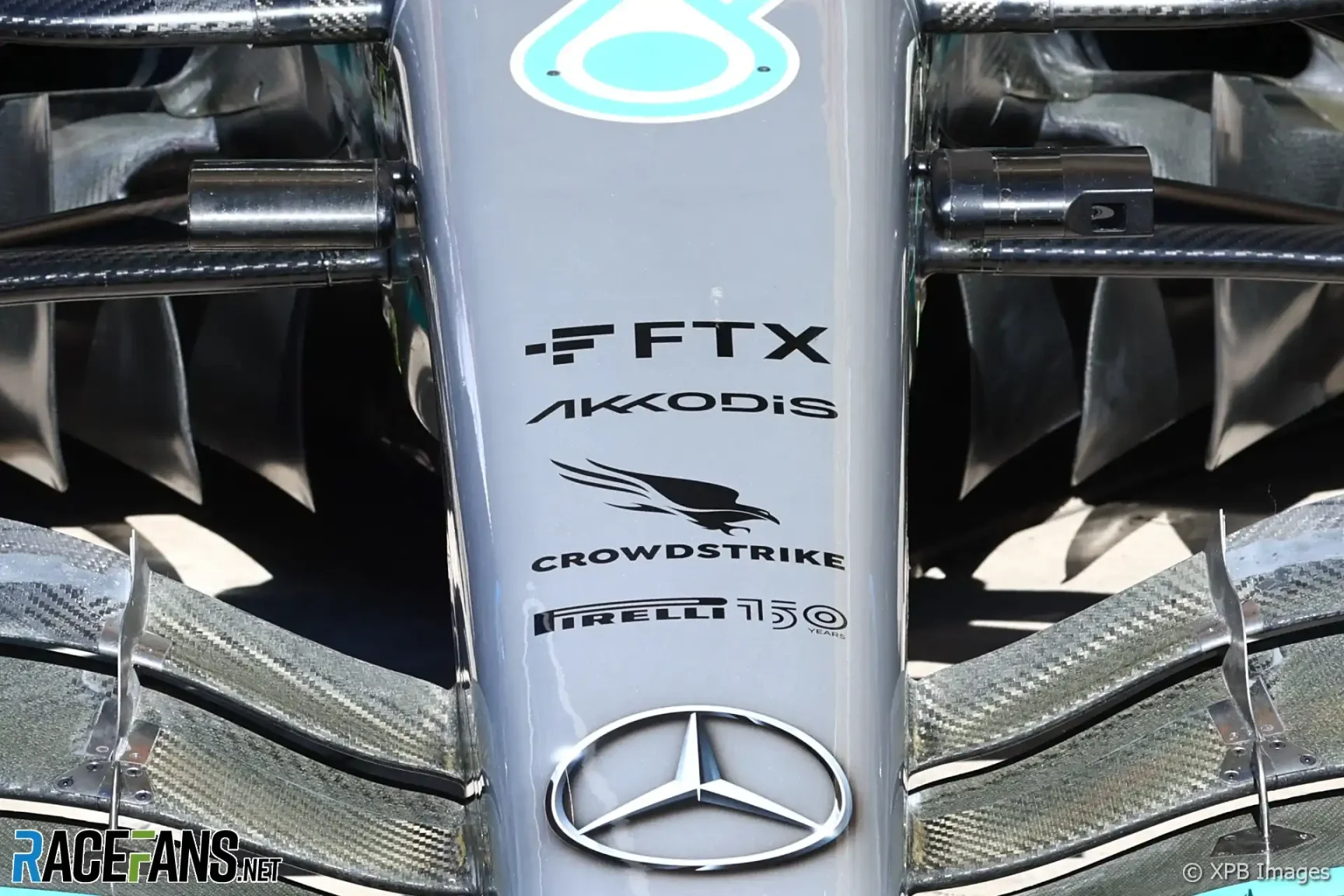
Mercedes’ commercial director publicly expressed caution regarding crypto sponsorships, adopting a more reserved stance and keeping significant distance from any crypto institutions since. Currently, Mercedes remains one of only four F1 teams not affiliated with any crypto platform, alongside Ferrari, Haas, and AlphaTauri.
Crypto.com: F1 Official & Aston Martin
In March 2021, Crypto.com made its first move into F1 by announcing a multi-season sponsorship agreement with Aston Martin Cognizant F1 Team. Its logo appeared on the side pods of the AMR22 car, driver uniforms, and related peripheral equipment.
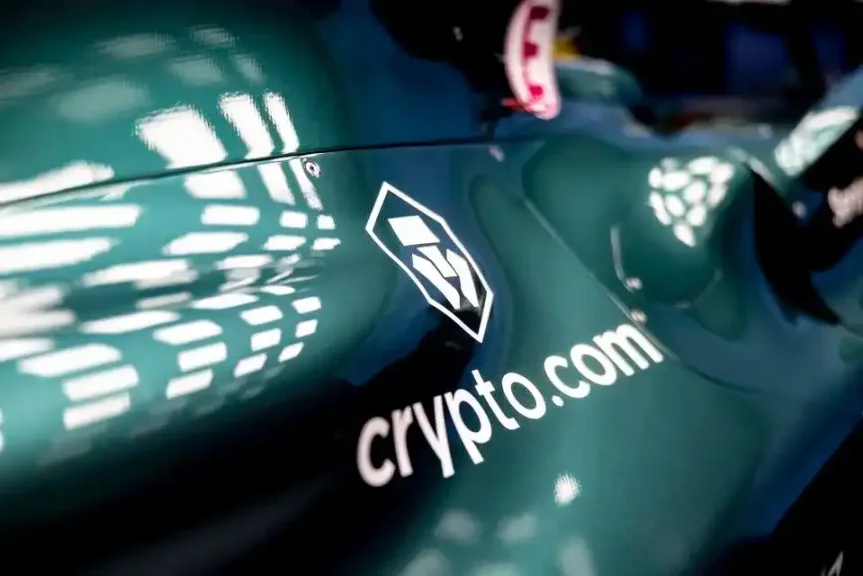
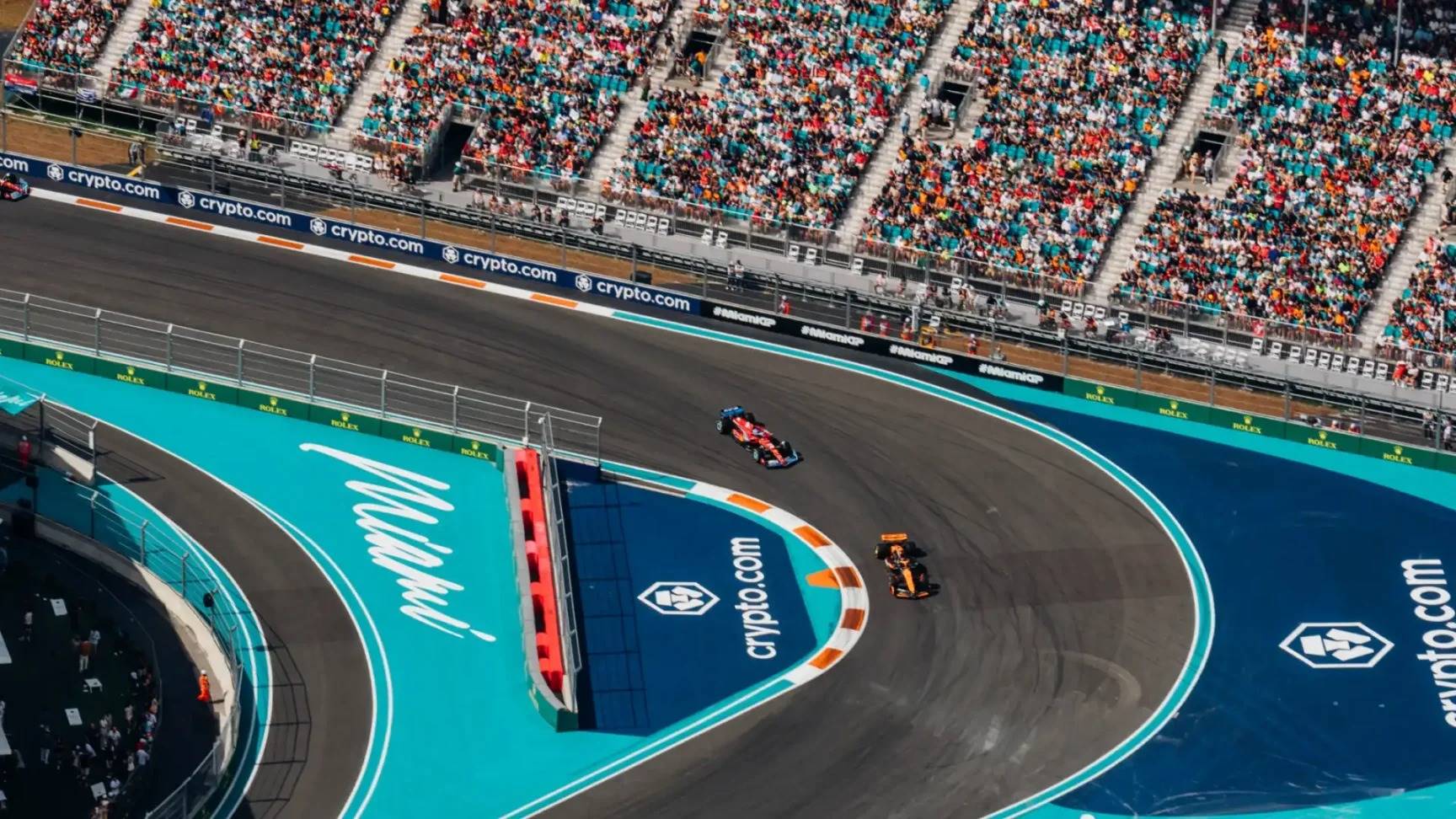
Unsatisfied with just team-level exposure, three months later, Crypto.com signed a five-year, ~$100 million exclusive sponsorship deal with F1 itself, officially becoming the “Official Cryptocurrency Partner of Formula 1.” Capitalizing on this, the platform launched a series of F1-themed NFTs, gaining unprecedented visibility. This marked the first large-scale integration of a crypto brand into top-tier F1 racing.
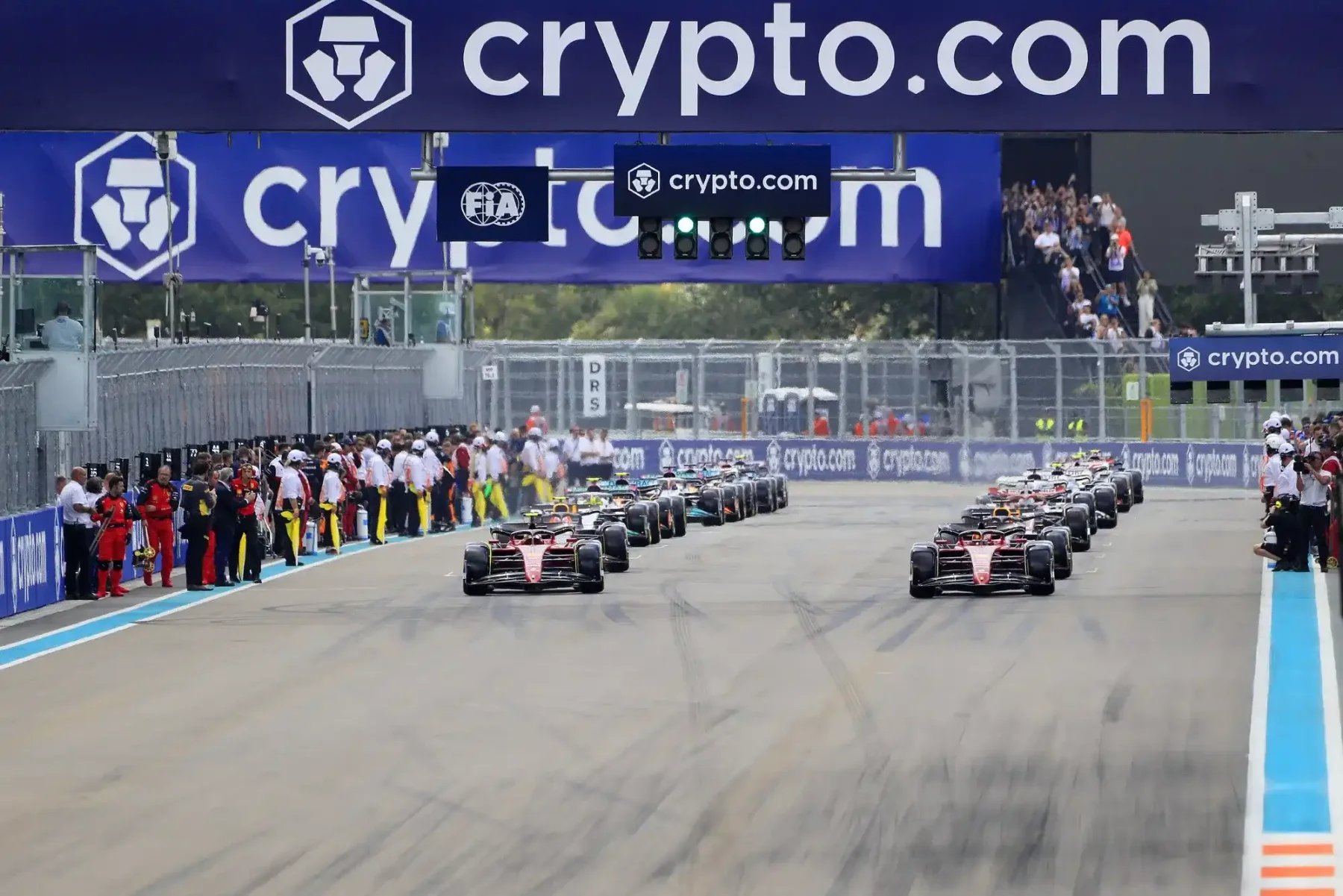
By the end of 2024, the partnership was extended through 2030, making Crypto.com one of the longest-running crypto sponsors in F1 history and among the earliest exchanges to back an F1 team.
Coinbase: Aston Martin Aramco F1
Following the resurgence of the crypto industry under the Trump administration, even traditionally conservative platforms like Coinbase began embracing bold moves.
In February 2025, Coinbase announced a multi-year partnership to become the official crypto partner of Aston Martin Aramco F1 Team—an inaugural step into F1 team sponsorship, with financial details undisclosed.
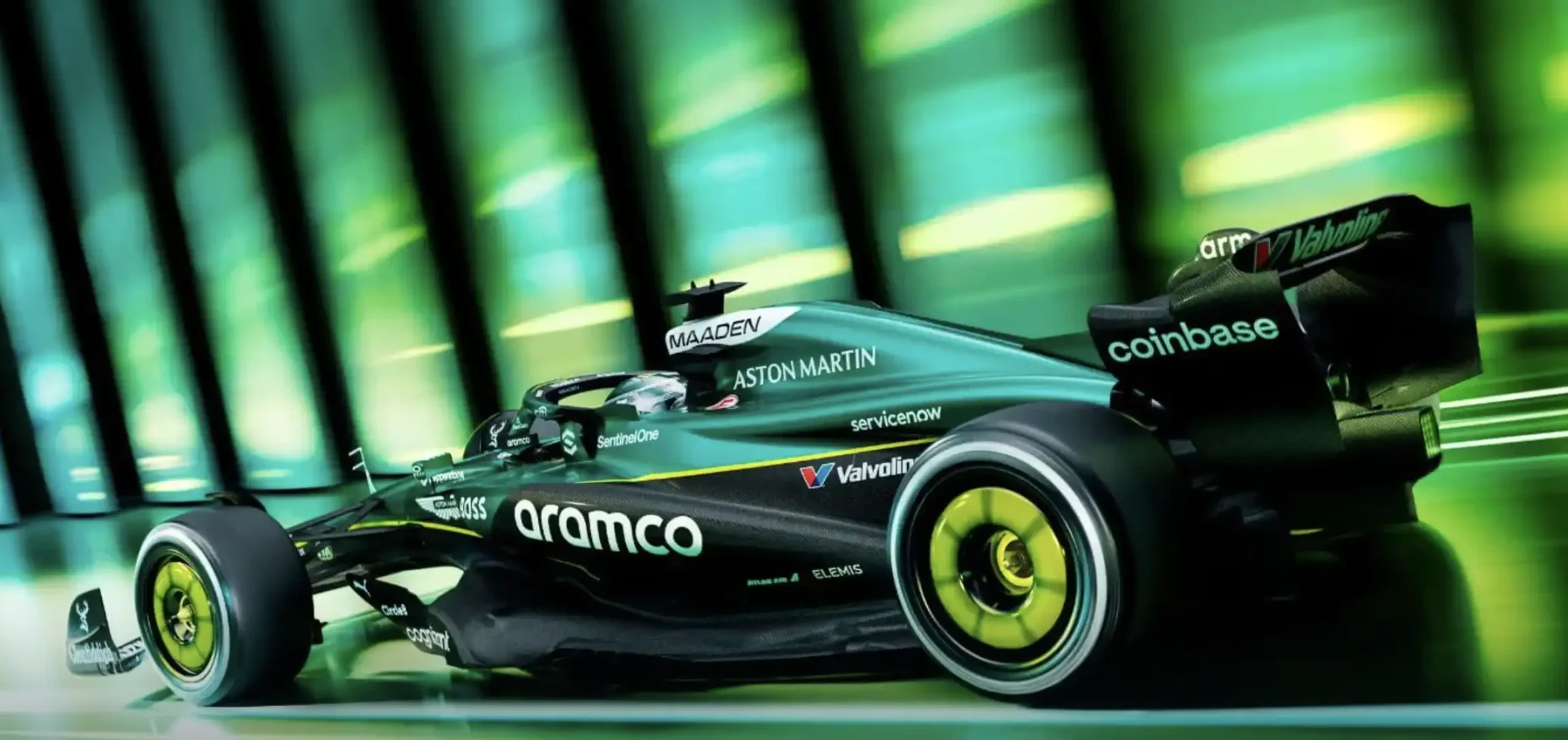
A landmark aspect of this deal: Coinbase became the first partner in F1 history to settle the entire sponsorship fee using USDC stablecoin. According to joint reports by Reuters and News.Bitcoin, the full payment was processed via Circle-issued USDC, enabling a fully on-chain transaction from contract signing to fulfillment.
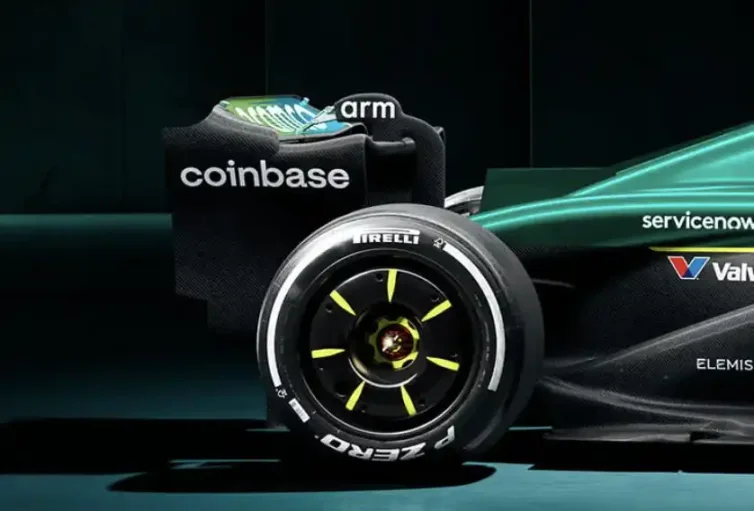
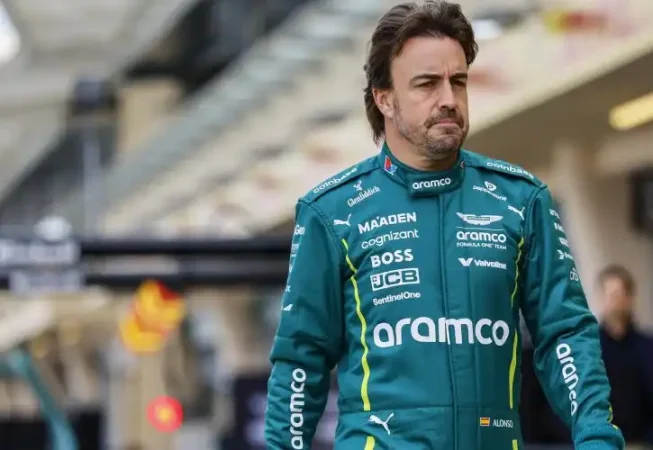
In terms of branding, the Coinbase logo occupies prime visibility zones on the AMR25 car, including the halo structure, rear wing endplates, and chest areas of drivers Lance Stroll and Fernando Alonso’s race suits. Especially during helicopter shots and close-ups, the halo placement ensures high-frequency exposure, delivering immense brand value.
OKX: McLaren Racing
In May 2022, OKX announced its role as McLaren F1 Team’s “Principal Cryptocurrency Partner,” with a multi-season agreement confirmed to extend through at least 2026.
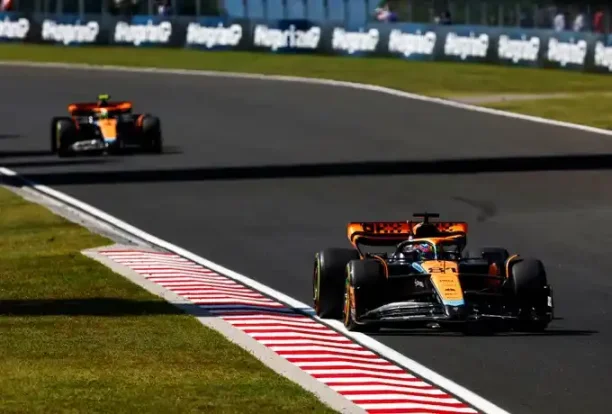
According to estimates from Marketing Brew, Coinspeaker, and others, OKX invests between $25 million and $50 million annually—placing it among the higher tiers of crypto sponsors in F1. The OKX logo appears on high-exposure areas of the MCL36 and MCL60 chassis, including side pods, nose cones, and rear wing panels, while driver gear is also updated accordingly.
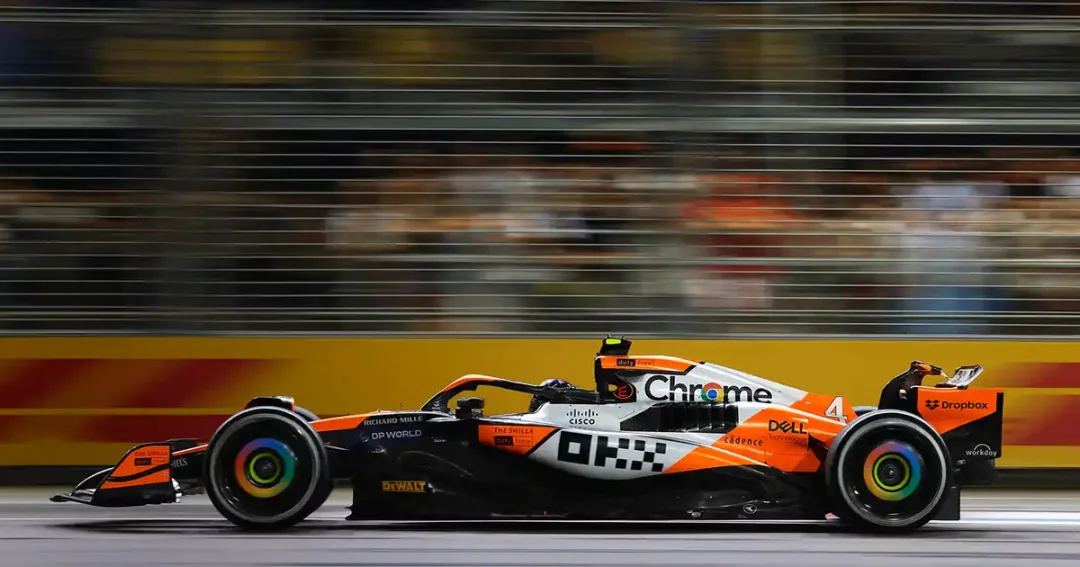
Beyond traditional branding, OKX launched a “Stealth Mode” themed livery, supported by social media content and short-form video campaigns, generating over 1 billion social impressions and 180 million video views. At the end of the 2024 season, McLaren issued a public statement thanking OKX for its significant commercial contributions. The car Brad Pitt drove was the 2023 MCL60 model.
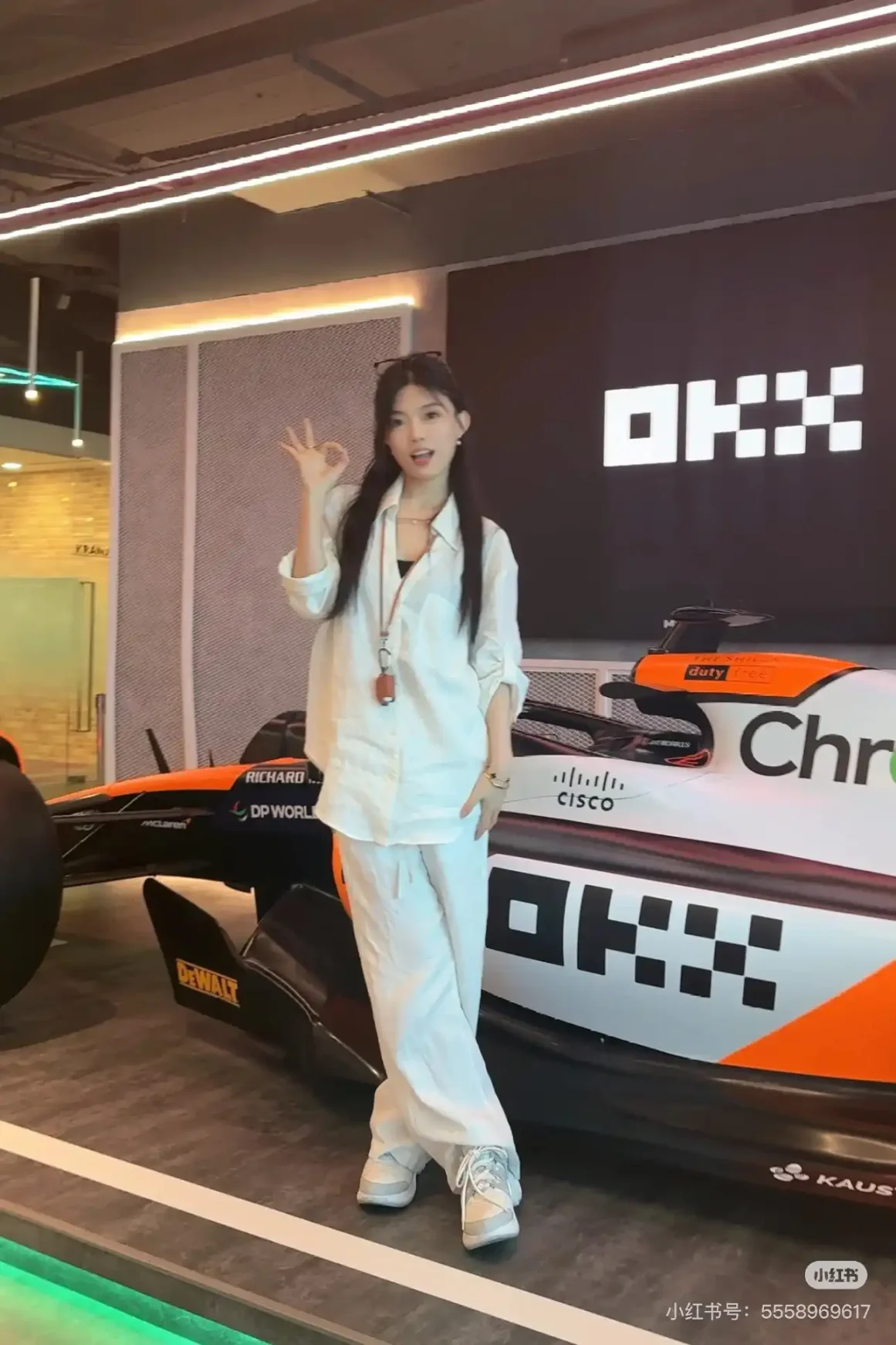
The very F1 car previously driven by Brad Pitt now sits in OKX’s headquarters office in Singapore.
Bybit: Oracle Red Bull Racing
In early 2022, crypto exchange Bybit announced a partnership with top-tier F1 team Oracle Red Bull Racing, described at the time as the “largest single-year crypto investment ever made in international sports.”
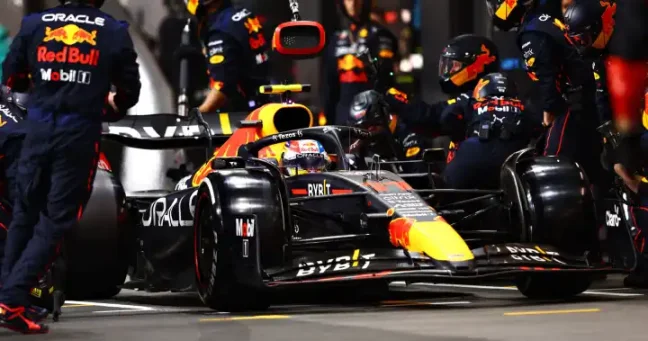
The three-year deal totaled $150 million—averaging $50 million per year—ranking Bybit among the top five sponsors in F1 that year.
Bybit’s logo featured prominently on the rear wing, front wing, and side pods of the Red Bull race cars. Drivers Max Verstappen and Sergio Pérez also wore Bybit branding on their race suits and helmets. Additionally, Bybit participated in Red Bull’s commercial initiatives, including esports driver training programs.
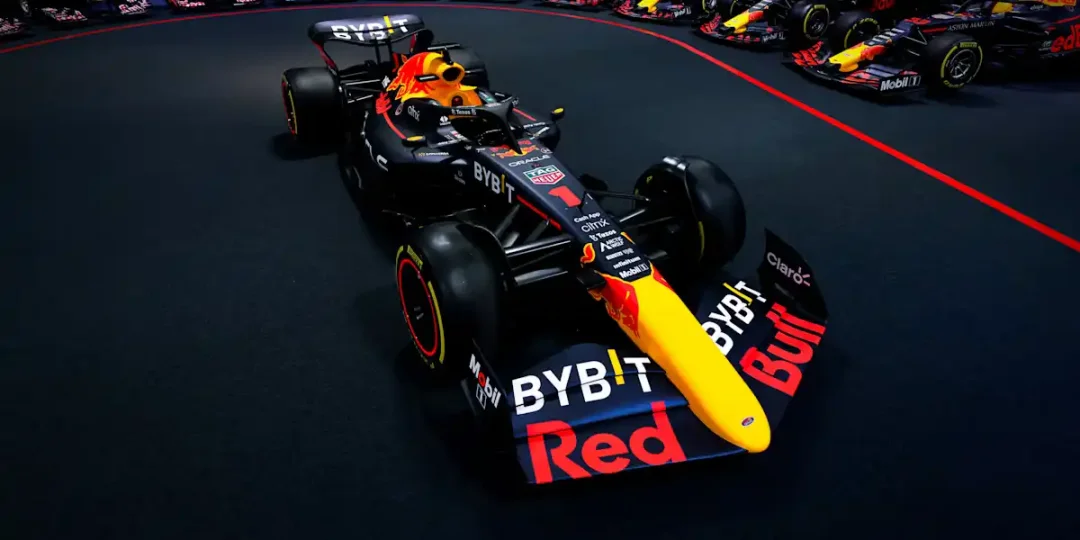
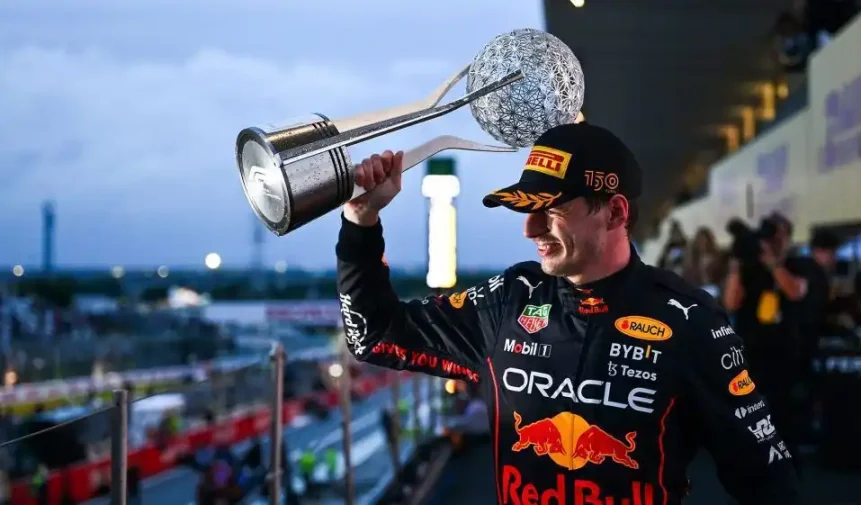
This period coincided with Red Bull’s peak dominance. Starting in 2022, the team swept both drivers’ and constructors’ titles for two consecutive years, with Verstappen breaking multiple F1 records and cementing his status as the “new king of motorsport.” Leveraging Red Bull’s global reach, Bybit significantly expanded user growth in Europe and Asia. By the end of the 2024 season, Bybit chose not to renew, concluding the partnership naturally.
Gate: Red Bull Racing
In 2025, marking its 12th anniversary, veteran exchange Gate officially became the new official crypto trading partner of Red Bull Racing, succeeding Bybit as a top-tier F1 sponsor. Estimated total investment exceeds $100 million across multiple seasons.

Starting from the 2025 season, the Gate brand will appear in core visual zones of the Red Bull car—including the rear wing, headrest, chassis, team apparel, and on the side of four-time world champion Max Verstappen’s helmet. This high-frequency visibility provides strong momentum for Gate to increase global recognition.
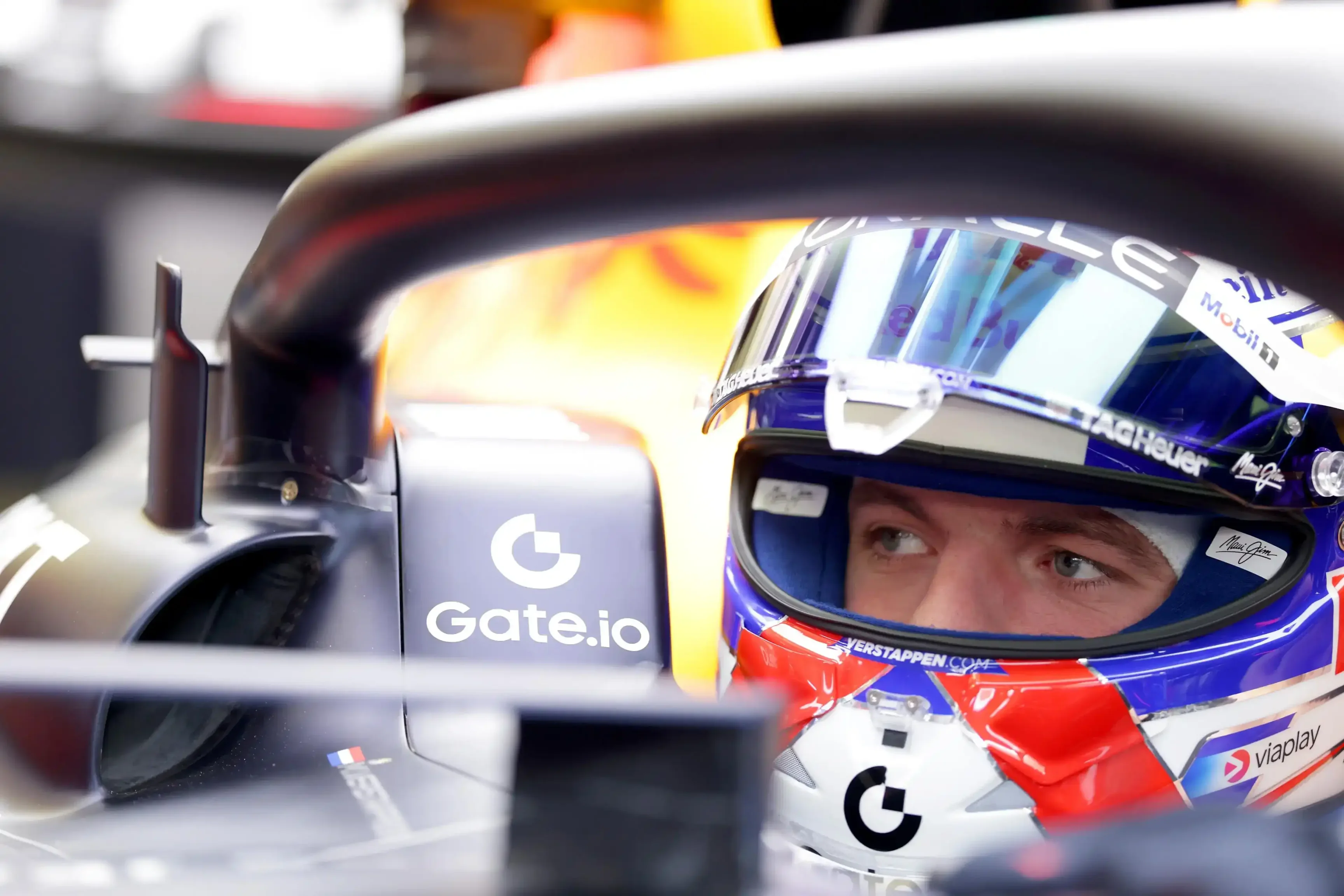
Following the precedents set by OKX and Bybit, Gate’s entry into F1 is seen as part of a broader “brand upgrade,” signaling further progress in its international expansion strategy.
Binance: Alpine F1 Team
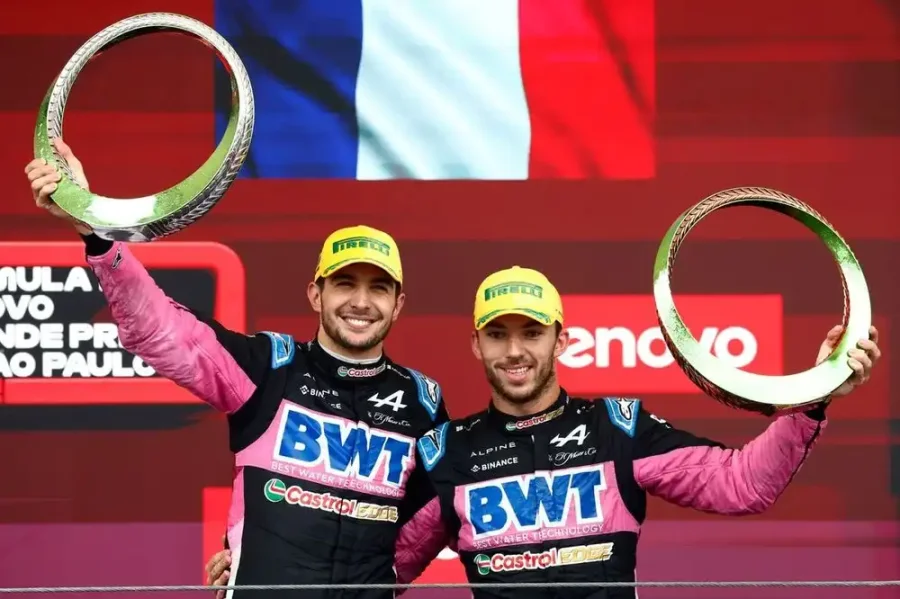
In February 2022, Binance entered a multi-layered partnership with French team Alpine F1 Team (formerly Renault F1; rebranded starting the 2021 season) as its official crypto platform and NFT partner.
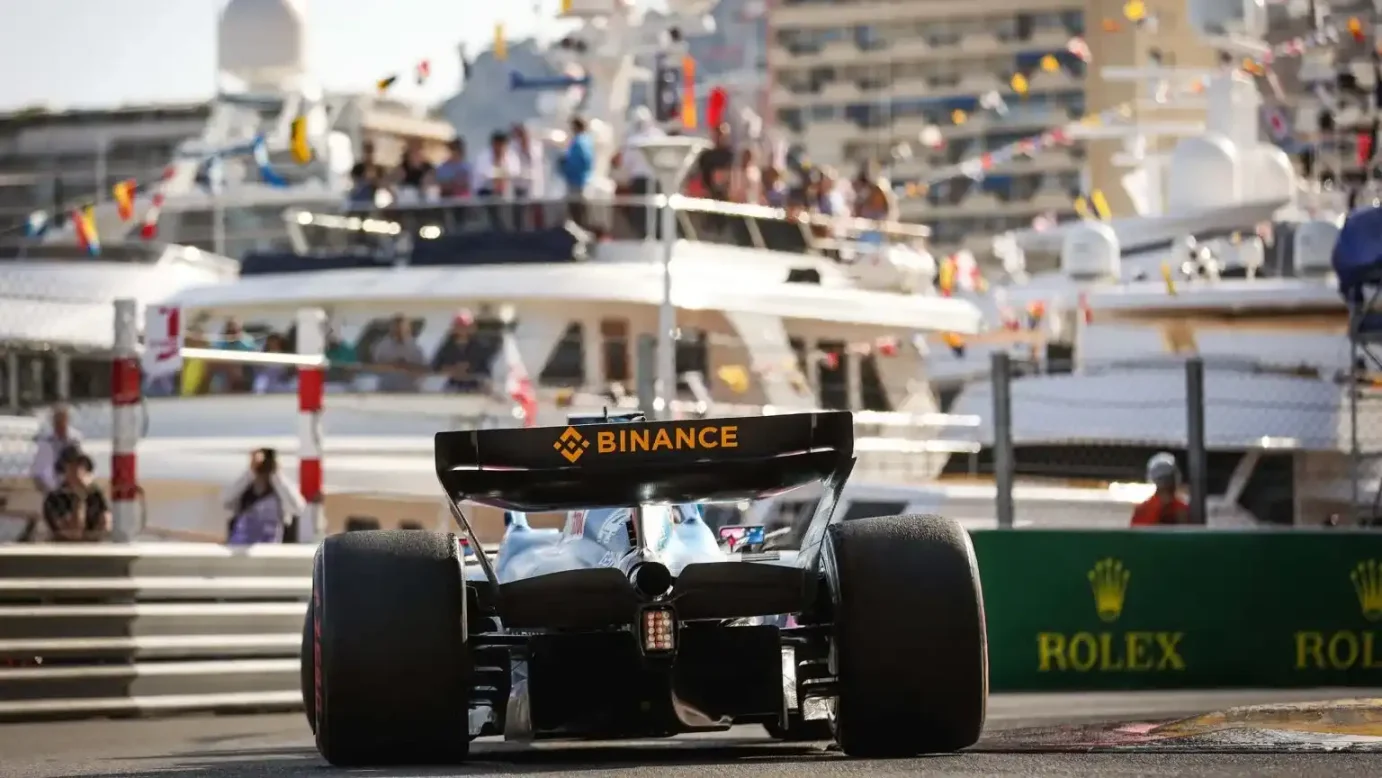
This collaboration led to the creation of the fan token $ALPINE. On May 6, 2025, Binance listed the ALPINEUSDT perpetual contract with up to 75x leverage, which surged over 47% on its first day.
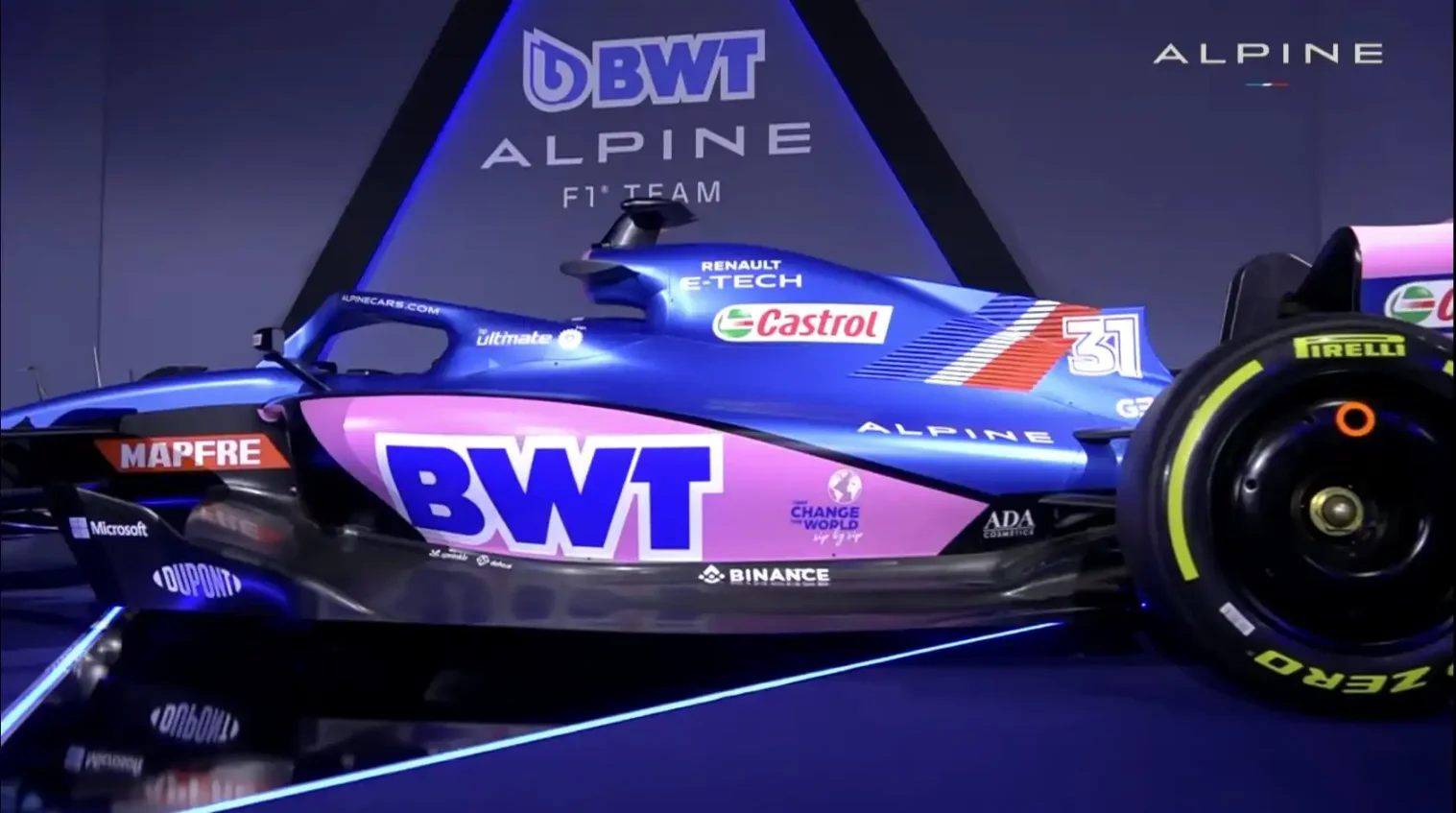
Visually, the Binance logo appeared on the side pods and rear wings of the A522 and A523 models, as well as on driver racewear and select garage areas. While Alpine F1 hasn’t achieved top-tier results, its joint efforts with Binance to build a Web3 fan community represent a meaningful fusion of motorsport and crypto innovation.
Kraken: Williams Racing
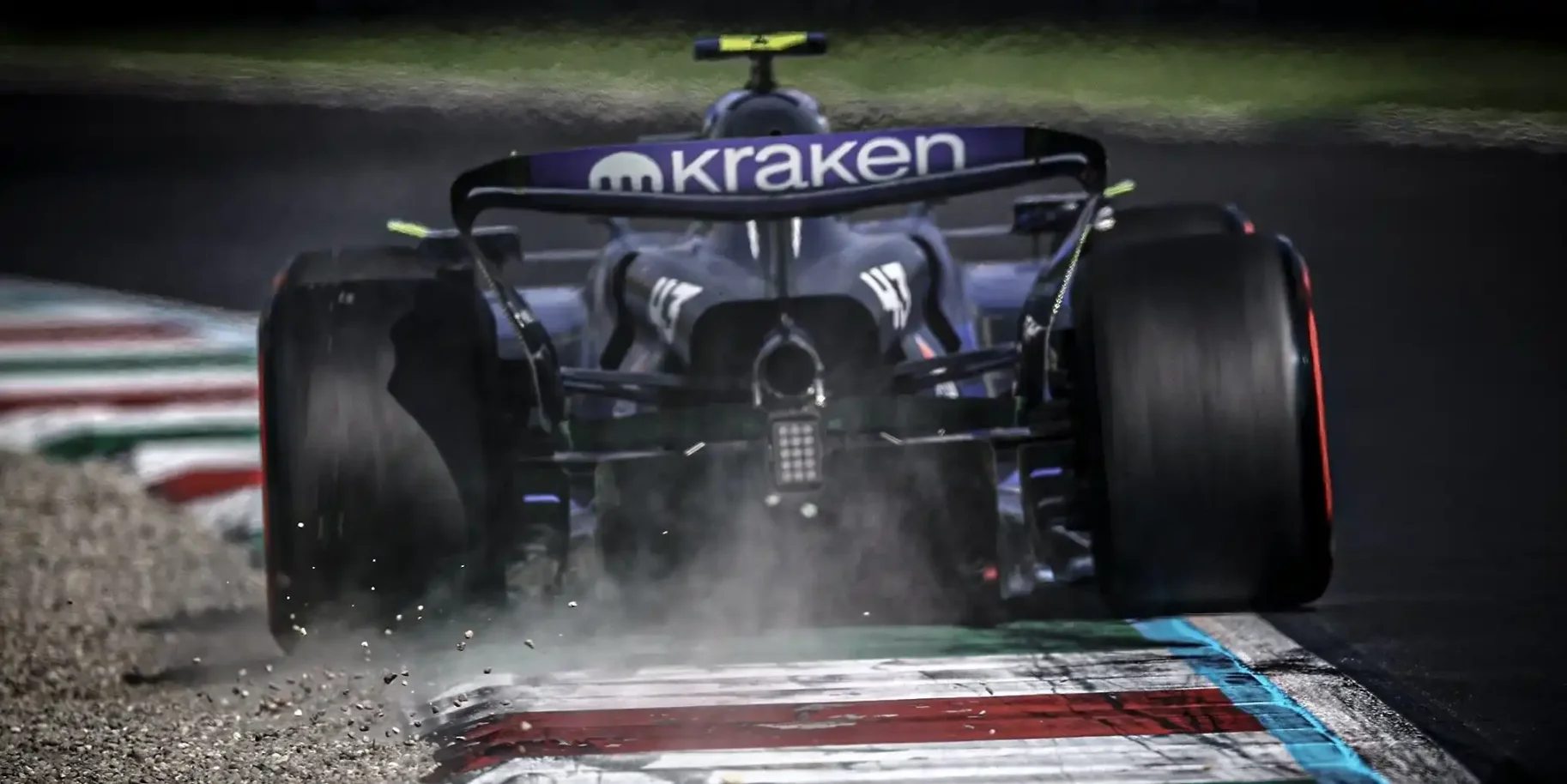
In March 2023, crypto exchange Kraken announced its role as the official crypto partner of Williams Racing.

Under the agreement, Kraken’s branding features on high-visibility areas of the FW45 car, including the rear wing, front nose, and driver equipment. Despite Williams’ recent mid-to-backfield performance, its rich racing heritage, British identity, and flexible partnership model remain appealing.
As of the 2024 season, Kraken remains a primary partner of Williams, with plans to extend the collaboration into 2025 and beyond.
Why Do Crypto “Backers” Love F1 Teams?
There was a time when cigarette giants dominated F1 sponsorships. Marlboro red and John Player Special gold defined the visual landscape of Michael Schumacher’s era. But starting in 2006, tobacco advertising was banned globally, forcing these brands to exit and leaving prime sponsorship slots open for new premium brands to fill.
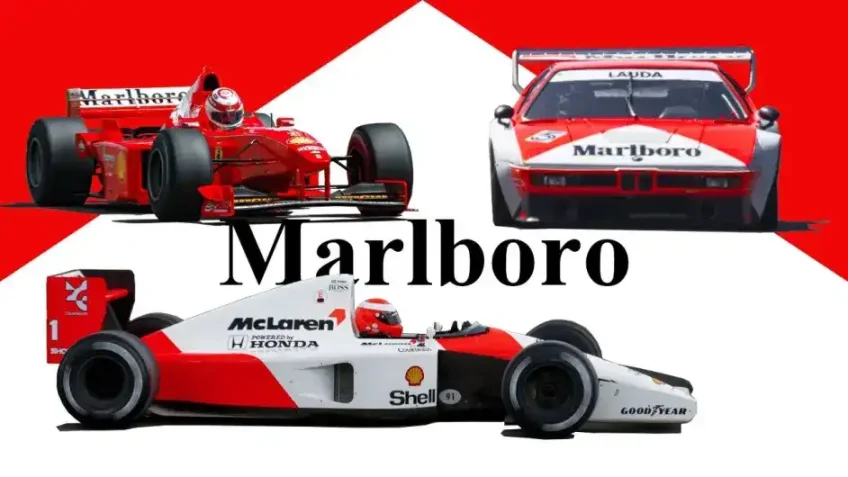
The successors were gambling and financial services—industries inherently linked to risk, excitement, and affluent audiences. From betting odds to asset management, these sectors naturally align with F1’s ethos of “speed and adrenaline.”
Today, an increasing number of logos belong to familiar crypto exchanges. Unlike gambling’s overt association with gray-market activities, crypto platforms excel at crafting an image of “technology + future finance.”
F1 has long been considered one of the “gentleman’s sports.” Its connotations of speed, cutting-edge technology, elegance, and elite culture place it in the same category as golf, yachts, and vintage watches. It naturally attracts wealthy individuals willing to pay for status—a perfect demographic match for mainstream crypto brands today.
What truly makes F1 sponsorship “seductive” is the network of resources behind it. At its core, F1 is a closed ecosystem centered around old money. This includes historic European aristocratic families and traditional power structures. There’s an unwritten rule in F1: even if you’re wealthy, you can’t enter unless the inner circle accepts you.
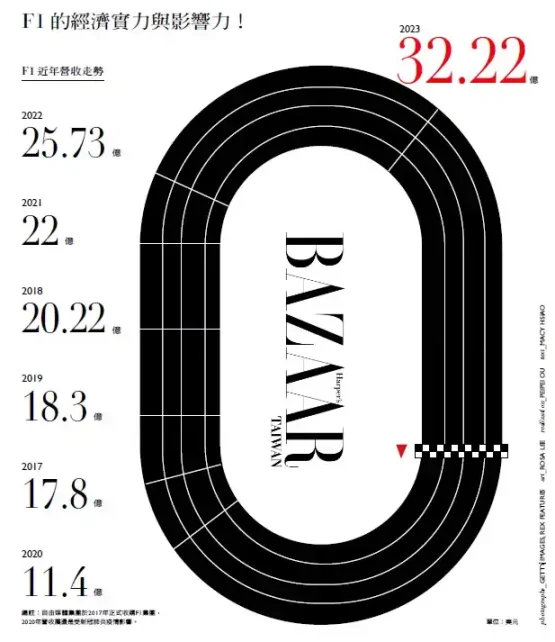
F1 Revenue Trend
From a business standpoint, F1 is a tightly knit, old-money-dominated club. Entry requires more than capital—it demands status, connections, and acceptance as “one of us.” As one longtime F1 investor revealed: “F1 is extremely closed-off, built around old-money families with a strong class consciousness. If they don’t accept you, no amount of money will get you in.”
Within this ecosystem, “sponsorship” is not just about logo exposure—it’s a social access pass. It grants entry to the pit lane, access to exclusive PR tickets, and opportunities to engage directly with drivers, executives, and other sponsors. These invitations are never sold—they go only to family, investors, and key partners. Many deals, collaborations, and funding rounds are born in these garages.
This explains why many crypto platforms willingly spend tens of millions of dollars just to place their name on the side of a McLaren, Red Bull, or Aston Martin—the goal isn’t advertising, it’s identity. More precisely, it’s a declaration: I am qualified. I belong in this world.
From a resource perspective, F1 host cities are global political and financial hubs—Monaco, Singapore, Abu Dhabi, Las Vegas—each Grand Prix serving as a gathering of global elites. Compared to ad conversion rates, this “quasi-Davos level” of brand exposure holds far greater appeal for the crypto industry.
And precisely for this reason, despite top-tier sponsorships often costing $50 million annually, crypto’s deep-pocketed players continue to flock to F1 without hesitation.
Join TechFlow official community to stay tuned
Telegram:https://t.me/TechFlowDaily
X (Twitter):https://x.com/TechFlowPost
X (Twitter) EN:https://x.com/BlockFlow_News
 BlockBeats











