Tesla's profits plunge 70%, Musk announces reduced DOGE work
TechFlow Selected TechFlow Selected
Tesla's profits plunge 70%, Musk announces reduced DOGE work
Musk "returns" to his entrepreneur identity.
 Navigating Web3 tides with focused insights
Author: Zhou Yongliang
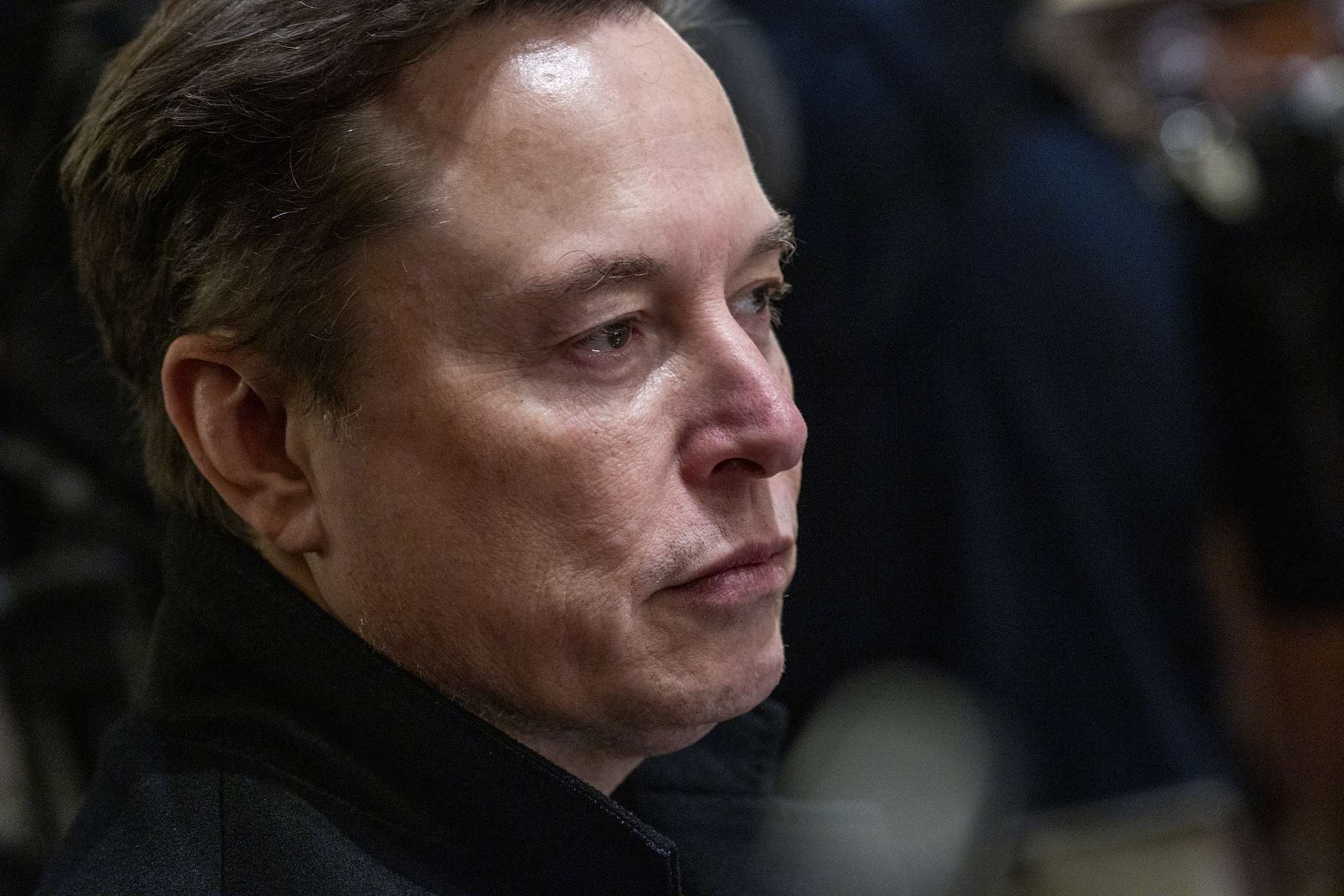
Tesla has released its first earnings report since Donald Trump's re-election.
On April 23, Tesla published its financial results for the first quarter of 2025. The report showed that Tesla’s Q1 revenue reached $19.335 billion, a 9% decline compared to $21.3 billion in the same period last year. In terms of profitability, Tesla reported a net profit of just $409 million, down 71% from $1.39 billion a year earlier; adjusted net income was $934 million, a 39% decrease from $1.536 billion in the prior-year quarter.
Despite current performance challenges, Musk once again served up a "big pie." During the earnings call, he stated that preparations for production of its new low-cost vehicle are on track and expected to begin in the first half of 2025. Additionally, mass production of Robotaxi (autonomous taxis) is still projected to gradually commence starting in 2026.
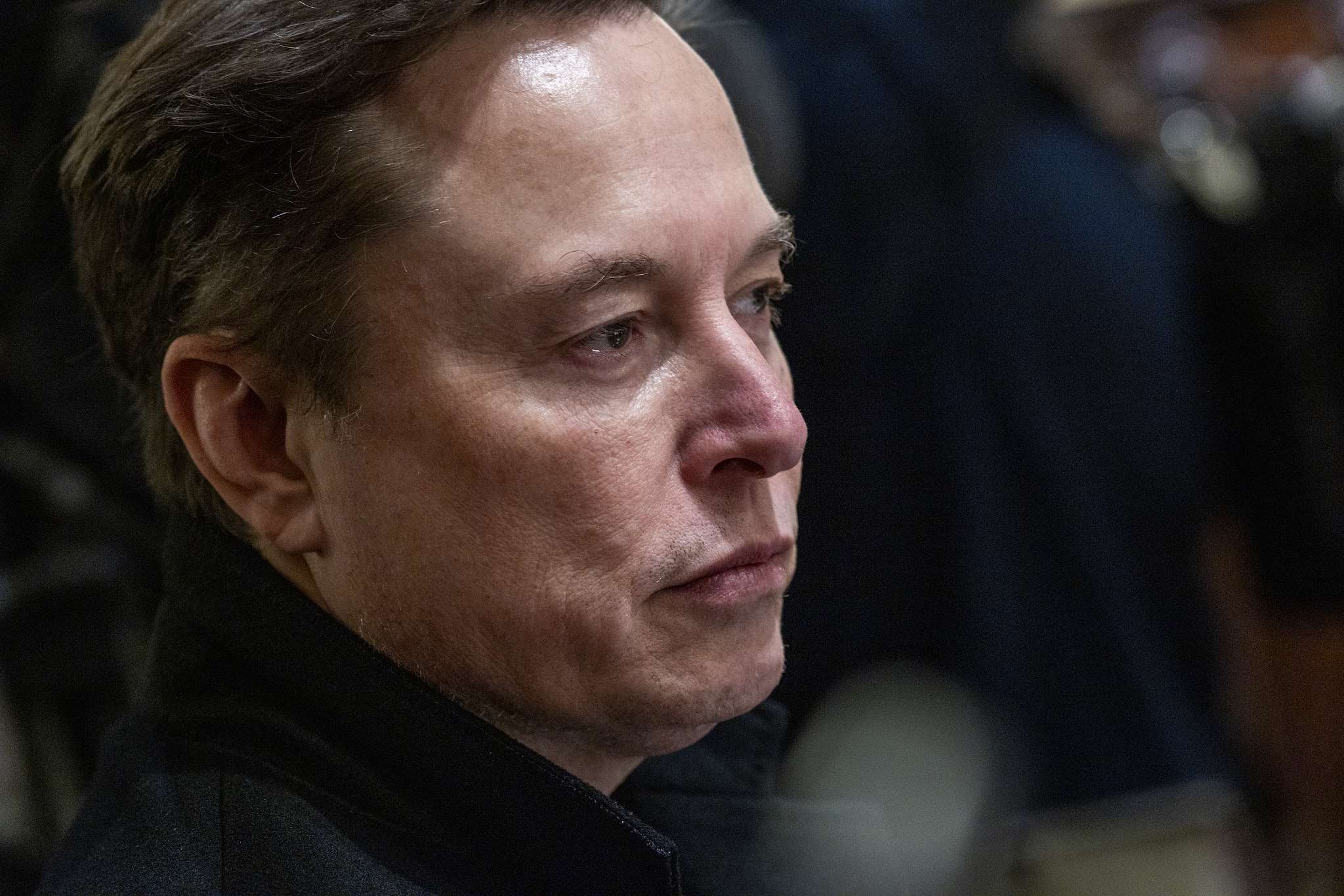
Musk also mentioned that beginning in May, he will reduce his work with the U.S. Department of Government Efficiency (DOGE) to one or two days per week.
Following the earnings call, Tesla’s stock rose after market close. At time of writing, shares were up 5.39% in after-hours trading. However, year-to-date, Tesla’s stock has declined over 40%, wiping out more than $530 billion in market value and erasing all gains made after the U.S. election.
Net Profit Plunges 71%
In fact, signs of Tesla’s declining performance had already emerged. In early April, Tesla reported first-quarter deliveries of 336,700 vehicles, an 13% drop year-on-year—the lowest quarterly delivery figure since Q2 2022.
This downturn is particularly surprising given that Tesla had long maintained growth rates between 20% and 100%, which underpinned its status as the world’s most valuable automaker by market capitalization.
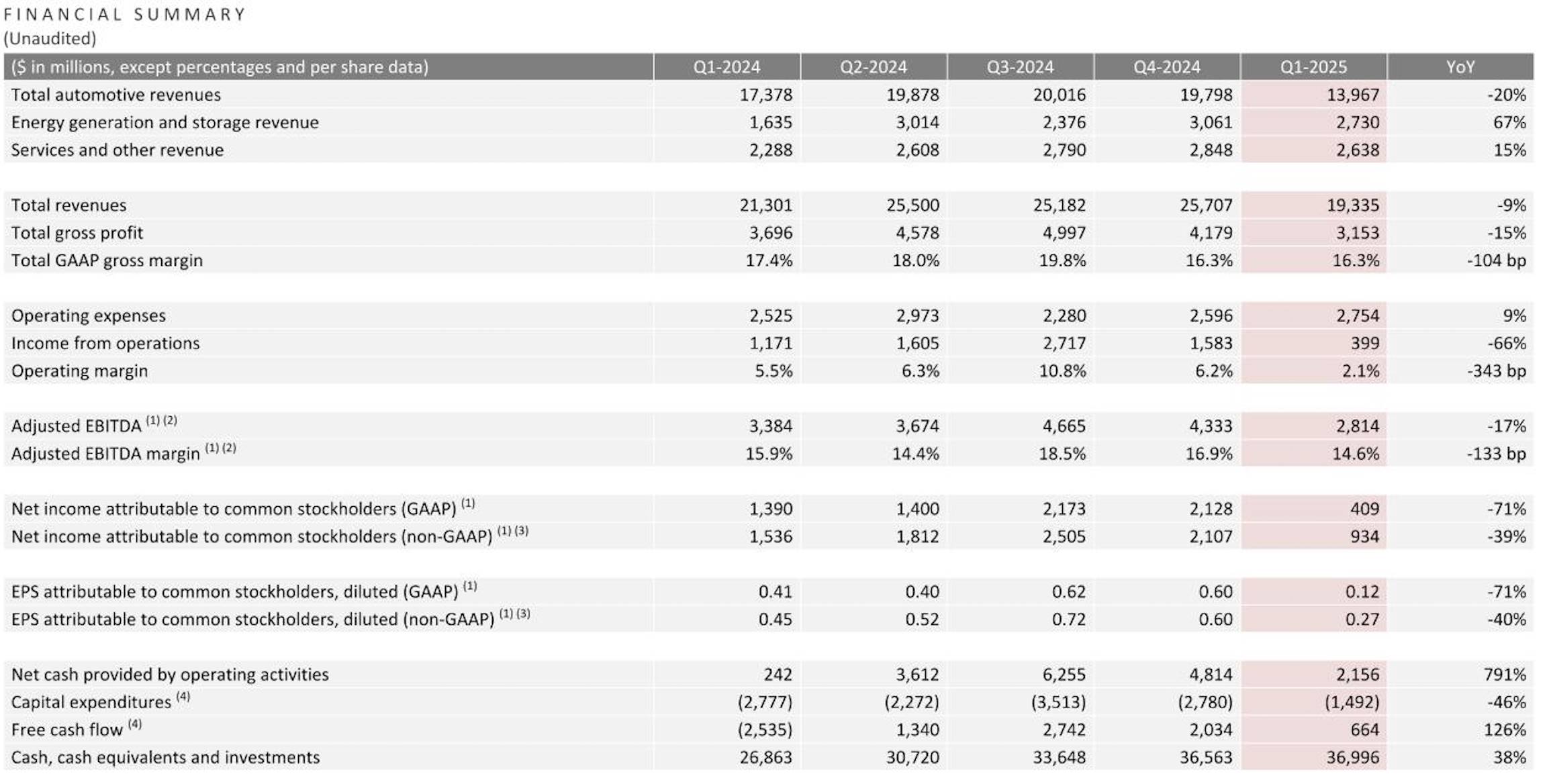
Main financial data from Tesla's Q1 2025 report | Source: Tesla earnings report
Regional market performances varied significantly. Tesla’s operations in China remained relatively stable, delivering 137,000 vehicles in the first quarter—an increase of 3.6% year-over-year. Nevertheless, while growth was achieved, the pace has notably slowed compared to previous years.
In contrast, both the U.S. and European markets faced sharper declines. Data shows that Tesla delivered approximately 142,000 vehicles in the U.S. during Q1, down more than 10% year-on-year. The European market nearly experienced a “collapse,” with sales plunging over 50% in key markets such as Germany, Denmark, and Sweden. The Netherlands saw sales nearly halved, while France recorded a 41% year-on-year decline.
Although Musk repeatedly emphasizes that Tesla is an artificial intelligence and robotics company—not merely an automaker—its current revenue structure remains heavily reliant on automotive sales.
As such, the performance of its car business directly impacts Tesla’s overall financial health. In the first quarter of this year, Tesla’s total revenue stood at $19.335 billion, down 9% from the same period last year. Revenue from automotive sales totaled $13.967 billion, a 20% decline year-on-year.
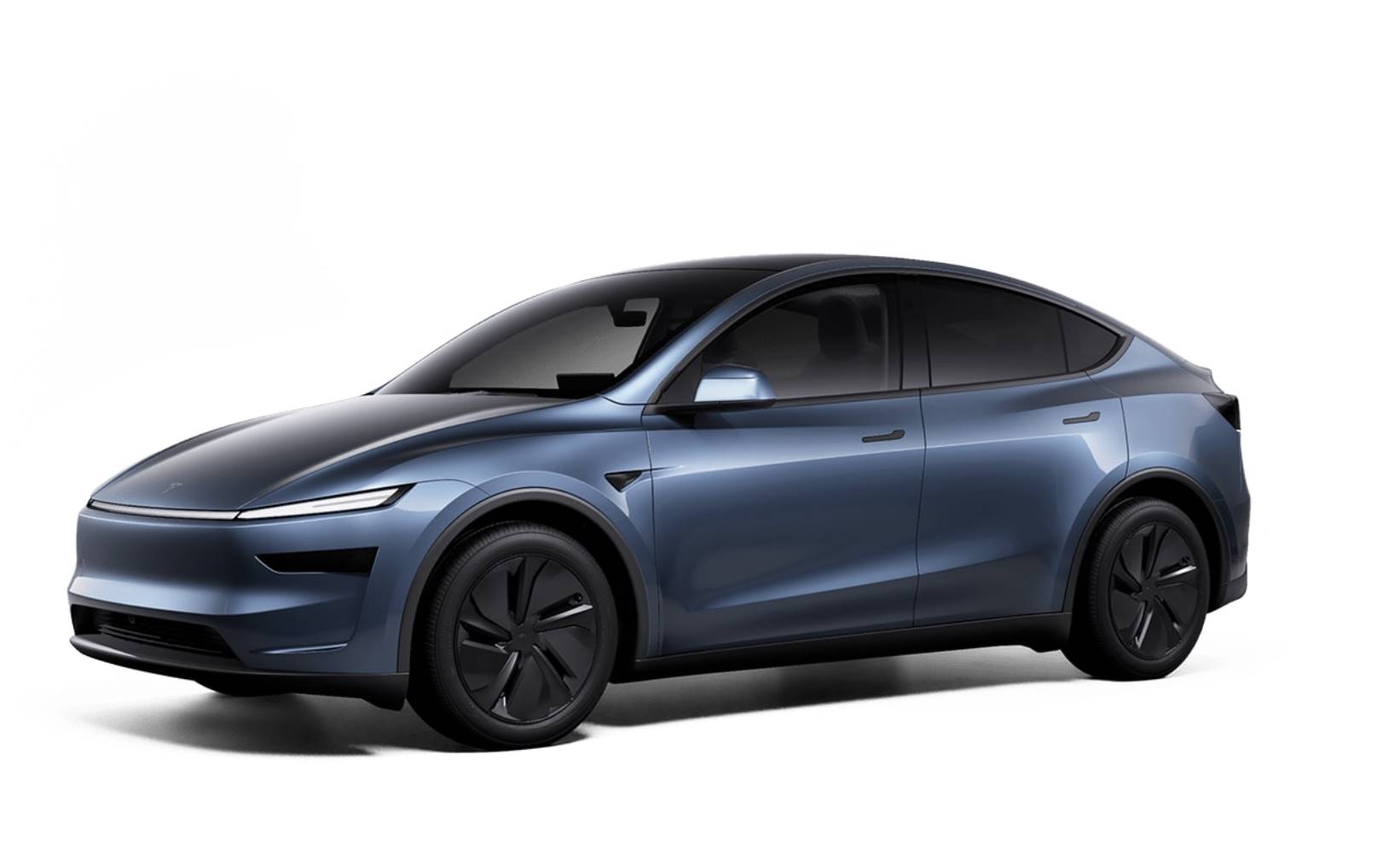
The Tesla Model 3 has been overtaken by the Xiaomi SU7 in the Chinese market | Source: Tesla
Tesla attributed the decline in automotive revenue partly to reduced deliveries caused by Model Y updates across four factories, as well as lower average selling prices (ASP) due to model mix and increased sales incentives.
However, external observers largely blame Musk’s controversial role as head of the Department of Government Efficiency (DOGE) under the Trump administration, which may have damaged Tesla’s brand image and triggered protest activities and vandalism at some Tesla showrooms. In Europe, Musk’s public support for far-right political parties in Germany and the UK has further contributed to significant sales drops.
Despite challenges in its core auto business, Tesla’s energy storage division demonstrated strong growth momentum, emerging as its “second growth engine.” Revenue in this segment reached $2.73 billion, a robust 67% increase from $1.635 billion in the same period last year. Meanwhile, Tesla’s services business maintained steady growth, generating $2.638 billion in revenue, up 15% from $2.288 billion a year ago.
Notably, production capacity at Tesla’s Shanghai Megapack factory is rapidly ramping up, having already produced more than 100 Megapack units.
Besides revenue, gross margin remains a critical metric for evaluating Tesla. The company’s overall gross margin fell to 16.3%, down 1.1 percentage points from 17.4% in the same period of 2024—the lowest level in over a decade. Specifically, automotive gross margin (excluding regulatory credits) dropped to just 12.5%. This indicates that Tesla’s profit margins are being squeezed under rising costs and intensifying market competition.
The dual decline in volume and margins directly impacted Tesla’s bottom line. Net income attributable to shareholders in Q1 2025 was $409 million, a 71% plunge from $1.39 billion a year earlier. Adjusted net income of $934 million also fell 39% compared to $1.536 billion in the prior-year period.
To “Significantly” Reduce DOGE Responsibilities
Besides the disclosed Q1 financials, investor attention is focused on several other factors: Musk’s role in the Trump administration and his future priorities, Tesla’s Q2 guidance, progress on affordable models and Robotaxi, fulfillment of autonomous driving promises, and the impact of tariffs.
During the recent earnings call, Musk acknowledged that Tesla indeed encountered some “unexpected setbacks” this year. However, he stressed that the company’s operations remain solid and that Tesla is “not on the brink of death.”
Regarding speculation about Musk potentially stepping down from the Department of Government Efficiency (DOGE) in May—which sparked widespread discussion about whether he might return full-time to Tesla—he addressed the matter directly.
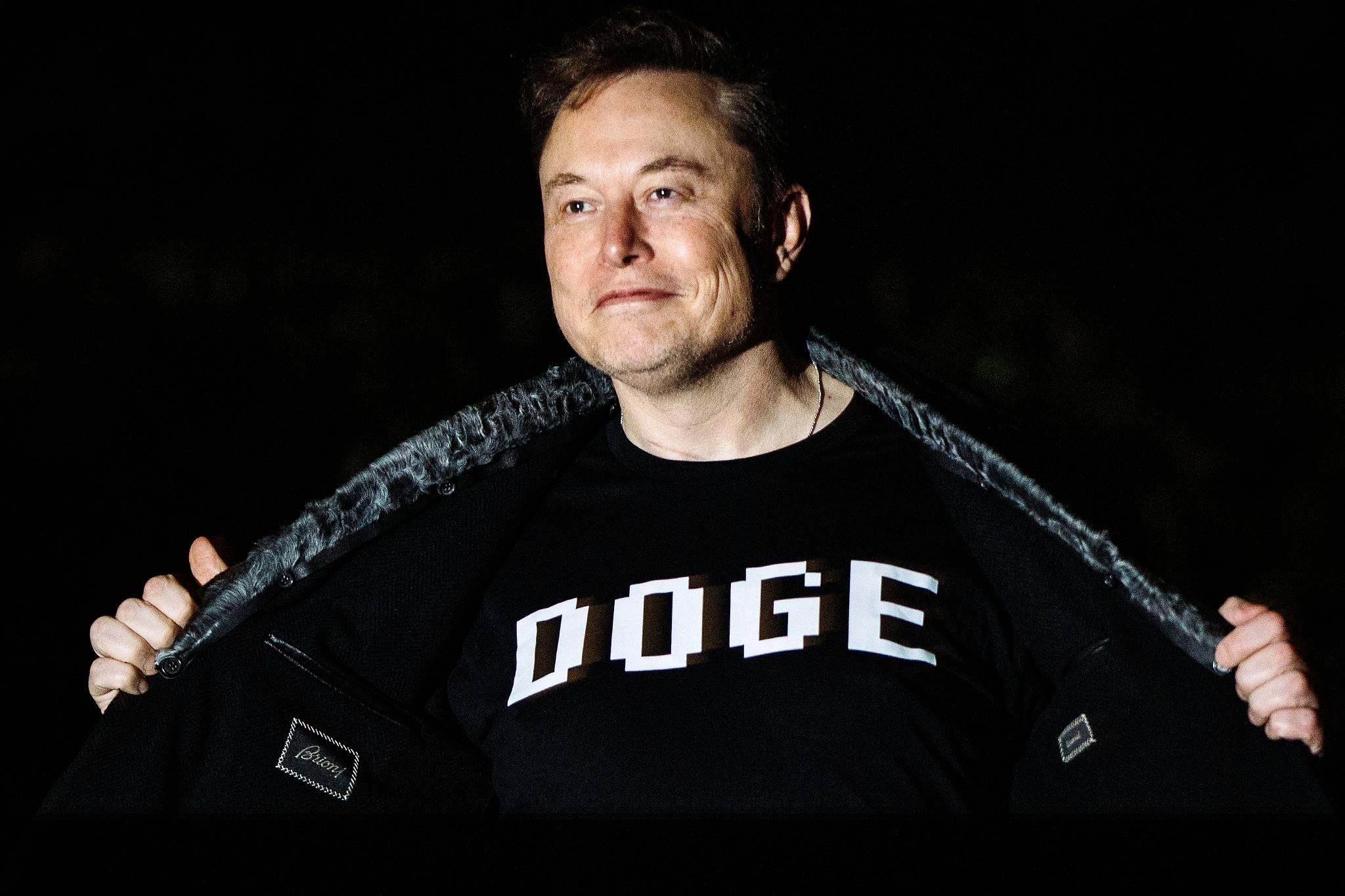
The DOGE led by Musk is facing backlash | Source: Visual China
Musk admitted that his government experience has “generated some backlash,” but insisted it is “vital work.” He clarified that he does not intend to resign from his government post. Instead, starting in May, he plans to scale back his involvement to one or two days per week—seeking a new balance between governmental duties and Tesla operations.
Beyond DOGE, progress on affordable vehicles and autonomy remains another focal point.
Musk revealed during the call that preparations for the low-cost new model are progressing as planned, with production expected to start in the first half of 2025. Tesla also plans to begin mass-producing its autonomous taxi, named “Cybercab,” in 2026, with pilot operations set to launch in Austin, Texas, as early as June 2025. Notably, the Cybercab will feature a fully autonomous design without a steering wheel, accelerator, or brake pedal.
It is also worth noting that Tesla claims Model 3, Model Y, and Cybertruck are now capable of autonomous operation from the production line to logistics zones at its Fremont and Texas Gigafactories.
Yet, too many “big pies” can cause indigestion. Tesla has been promising affordable models and full self-driving for years, yet large-scale delivery remains unrealized. Moreover, the company provided no specific details about the upcoming affordable vehicle, leaving investors hopeful but cautious.
Automotive import tariffs represent another pressing issue. Compared to other automakers, Tesla faces relatively limited direct exposure, primarily because most vehicles sold in the U.S. are produced domestically. In contrast, many major automakers import part of their vehicles from Mexico and other countries.
On this topic, Musk said he has offered advice on tariff policy to President Trump but acknowledged that final decisions rest with the president. “I will continue advocating for lower tariffs rather than higher ones, but there’s only so much I can do,” he said.
In January 2025, Musk declared that this year would be the most important in Tesla’s history—a preparation phase for an “epic revolution” in 2026. Yet, judging by actual figures, Tesla’s revolutionary opening has gotten off to a dismal start. Will Tesla rise from the ashes or see its bubble burst? The answer may lie within Musk’s next “big pie.” For now, what matters most is stabilizing sales while waiting for AI, robotics, and autonomous driving businesses to mature.
Join TechFlow official community to stay tuned
Telegram:https://t.me/TechFlowDaily
X (Twitter):https://x.com/TechFlowPost
X (Twitter) EN:https://x.com/BlockFlow_News
 极客公园
极客公园