The OpenAI that wants to swallow Chrome and become the "single gateway" to the digital world
TechFlow Selected TechFlow Selected
The OpenAI that wants to swallow Chrome and become the "single gateway" to the digital world
"Anti-monopoly" is just a pretext; OpenAI's real intention is to quickly acquire a massive, ready-made user base.
 Navigating Web3 tides with focused insights
As antitrust regulators continue to wield the hammer against Google—pushing for the potential divestiture of Chrome—OpenAI has already signaled its eagerness to step in.
In the early hours of April 23, Beijing time, just one day after the trial on whether Google should be forced to spin off Chrome, Nick Turley, Head of ChatGPT Product at OpenAI, appeared as a witness invited by the U.S. Department of Justice.
Turley revealed that if Google is ultimately compelled to split up and sell Chrome, OpenAI will participate in the bidding.
When asked whether OpenAI desires Chrome, his answer was unequivocal: "Yes, we want it—and so do many others in the industry."
He even sketched out a vision on the spot, imagining what an OpenAI-led Chrome might look like. Turley described an "AI-first" browsing experience—not only integrating ChatGPT capabilities but also introducing AI Agents capable of performing tasks on behalf of users.
Considering that OpenAI itself has been under antitrust scrutiny across multiple countries over recent years, it seems particularly inconsistent for OpenAI to take such a strong stance against Google during this investigation. Its vocal support for breaking up Google—especially targeting Chrome, which holds a dominant share of global browser usage—reveals clear strategic intent.
Why is OpenAI so eager to acquire Chrome? And what impact would such a move have on the broader AI industry?
01
Swallowing an Elephant: The Pursuit of 3 Billion Users!
According to official OpenAI data, ChatGPT had 300 million weekly active users as of December 2024. In contrast, Chrome’s user base in 2024 stood at:
3.45 billion.
What OpenAI is really after is the gateway to the next technological era—the chance to elevate its user count to an entirely new scale.
While this marks the first time U.S. antitrust authorities have seriously discussed splitting Chrome from Google, this isn’t the first time OpenAI has shown deep interest in the browser space.
As early as November last year, rumors surfaced that OpenAI was developing a browser internally codenamed "NLWeb"—a web browser integrated with ChatGPT, where natural language search could be a core feature, aiming to enhance user experience through conversational interaction.
These rumors weren't baseless. According to The Information, OpenAI has hired two key former Google Chrome engineers—Ben Goodger and Darin Fisher—to support this potential project.
OpenAI aims to leverage ChatGPT and SearchGPT to deliver smarter, more intuitive search experiences. Users could make conversational queries (e.g., “Find a family-friendly vacation hotel” or “Recommend food events in New York”) and receive highly personalized recommendations, moving beyond traditional keyword-based searches.
Although proceedings like the potential breakup of Chrome are typically complex—and Google is almost certain to appeal any ruling, meaning final resolution could take years—OpenAI's urgency to acquire Chrome aligns with outside perceptions of its recent strategy: securing top-tier industry assets through direct acquisition—be they products, technologies, or ecosystem partnerships.
Given how strongly the Matthew effect ("the rich get richer") dominates this field, concerns raised by global antitrust regulators about Chrome are not unfounded.
According to a March 2024 report from Cloudflare, the global CDN giant, Chrome currently holds 65.85% of the worldwide browser market—1.93 times the combined share of all other major browsers.
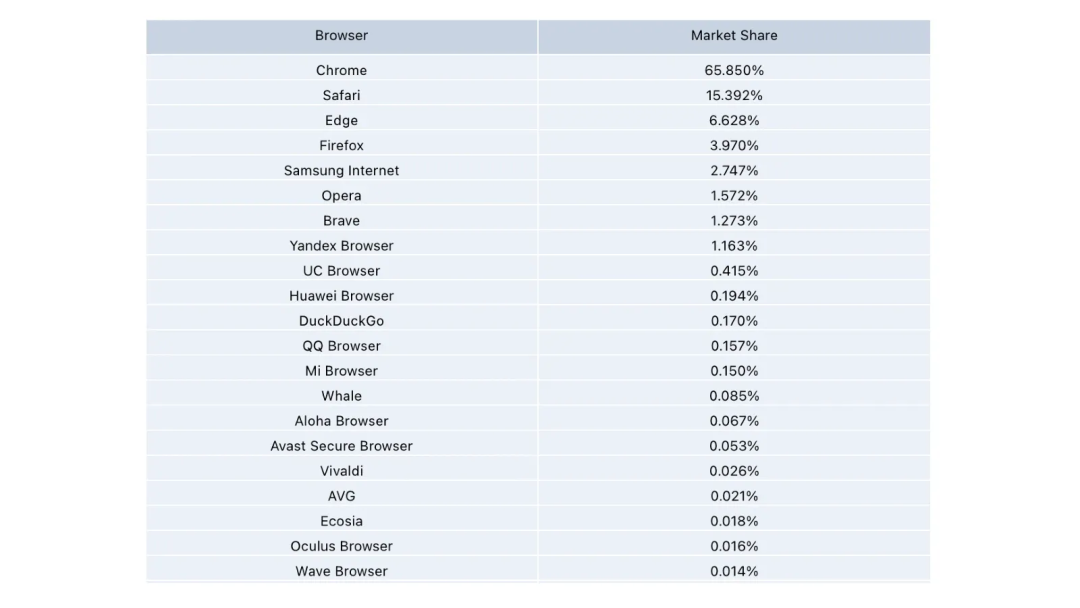
Global browser market share in 2024 | Source: Cloudflare
Historically, antitrust actions against Chrome have primarily focused on fears that Google uses it to reinforce its monopoly in search. Rarely has attention been directed at Chrome as a platform itself. Meanwhile, Chromium—the open-source browser engine led by Google—remains the technical foundation for numerous major browsers including Microsoft Edge and Dia.
02
A Rejected Proposal, and OpenAI’s Burning Ambition
Yet as the most watched player in the age of AI tools, OpenAI’s interest in the "king of browsers," Chrome, goes far beyond surface-level ambition. OpenAI executive Nick Turley publicly stated that last year, the company reached out to Google to discuss a potential partnership—one that would deeply integrate ChatGPT into Chrome while leveraging Google’s search technology to improve result quality.
Earlier reports from Bloomberg highlighted "significant quality issues" in OpenAI’s collaboration with the current “top supplier” for search. While the article didn’t name the company, it’s widely known that ChatGPT currently relies heavily on Microsoft Bing for search results.
Clearly, Google—with its own Gemini ecosystem—was unwilling to let OpenAI move into Chrome. Google even views OpenAI as a major threat to Gemini, choosing to reject normal commercial cooperation and cutting off OpenAI’s access to Google Search API, preventing OpenAI from gaining an advantage over Gemini.
Ultimately, Google rejected OpenAI’s partnership proposal. Turley acknowledged during the hearing:
"(OpenAI) currently has no partnership with Google."
For OpenAI, the bottleneck may not lie in search technology, but rather in rapidly acquiring massive, high-quality user bases—an increasingly urgent challenge as OpenAI faces its own user growth plateau.
This may explain why OpenAI chose this critical moment—when Google is under antitrust scrutiny—to strike a blow.
The antitrust issue is secondary; OpenAI’s real goal is fast access to an existing, enormous user base.
In Google’s strategic vision, the Chrome ecosystem plays a vital role in building a defensible moat around its AI ambitions—especially now that products like Perplexity and Dia have emerged, and use cases involving AI agents such as Computer Use and Manus rely heavily on browsers as essential platforms.
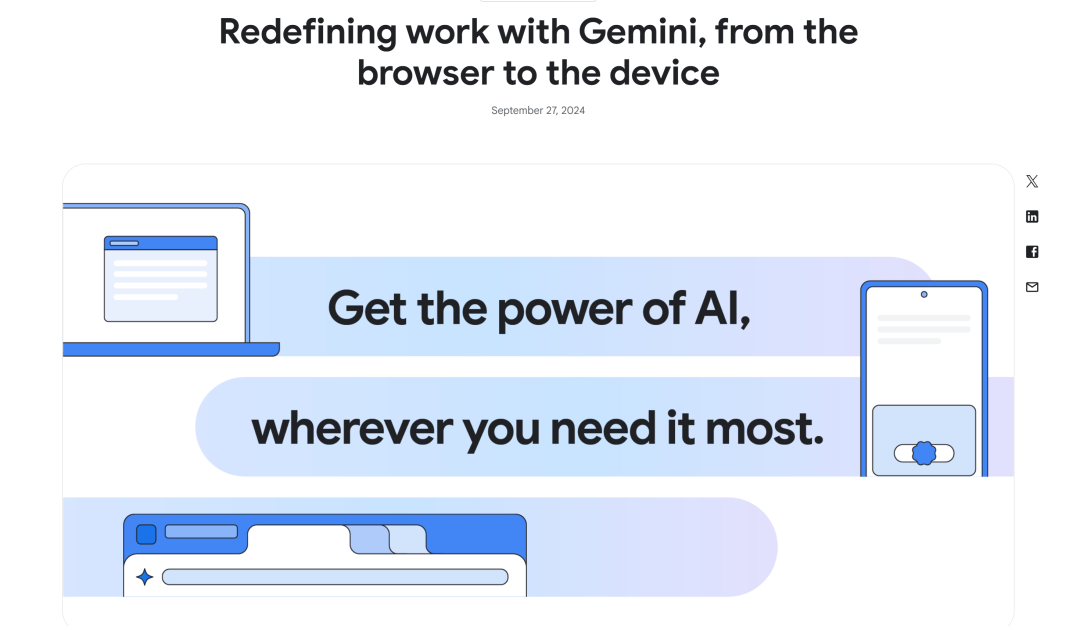
Chrome is a key component of the Gemini app ecosystem | Image source: Google
Beyond browsers, OpenAI makes no secret of its broader ambitions to compete head-on with Google across ecosystems. It plans to integrate ChatGPT into Samsung’s Galaxy smartphones and has accelerated its push into hardware—establishing a consumer hardware division and acquiring io Products, an AI hardware startup founded in 2024 by former Apple design chief Jony Ive.
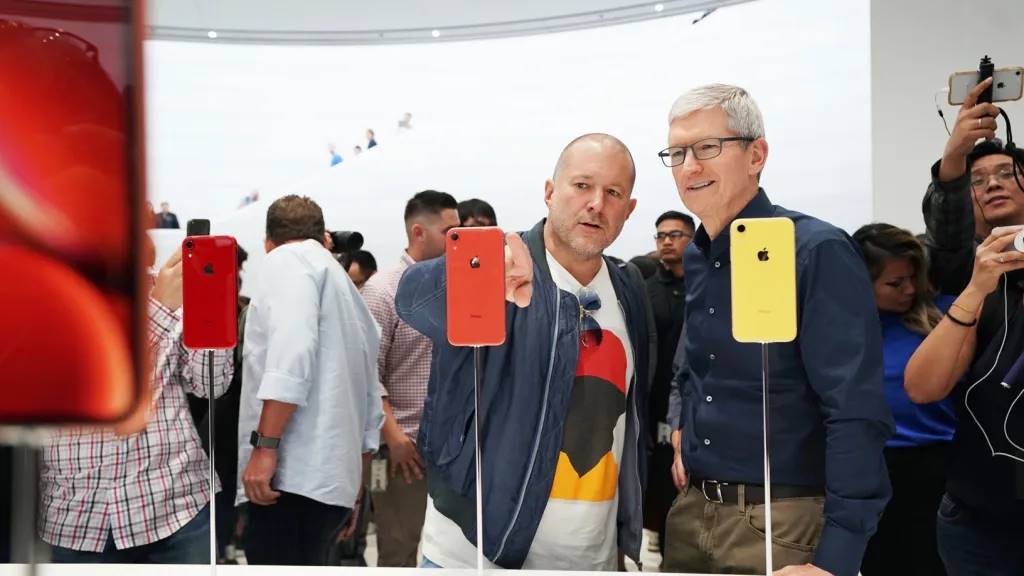
Jony Ive, once the soul of Apple’s hardware design, is now partnering with OpenAI to build hardware | Image source: Apple
OpenAI’s pursuit of Chrome is, on the surface, a battle for browser dominance—but in reality, it represents the final piece in securing an end-to-end ecosystem in the AI Agent era. For both Google and other players exploring AI-powered browsers, converting Chrome’s vast user base into loyal users of their own AI browser offerings remains a critical strategic question.
From NLWeb development to collaborations with Samsung and io Products, OpenAI is aggressively building a vast AI-centric ecosystem through integrated software and hardware strategies.
By issuing an early "acquisition offer" for Chrome, OpenAI isn’t just seeking to double its user base overnight—it’s also signaling its determination to dominate the coming era of AI Agent-driven browsers.
Join TechFlow official community to stay tuned
Telegram:https://t.me/TechFlowDaily
X (Twitter):https://x.com/TechFlowPost
X (Twitter) EN:https://x.com/BlockFlow_News