Why the Next Wave of AI Agent Hype Will Definitely Be Based on Web2AI Standard Framework Protocols like MCP+A2A?
TechFlow Selected TechFlow Selected
Why the Next Wave of AI Agent Hype Will Definitely Be Based on Web2AI Standard Framework Protocols like MCP+A2A?
The next wave of AI Agent momentum is building, but it's no longer about pure storytelling or hyped-up concepts—it must be driven by pragmatism and real-world applications to succeed.
 Navigating Web3 tides with focused insights
Author: Haotian
Why am I confident that the next wave of AI Agent adoption will be built upon web2AI standard frameworks like MCP and A2A? The logic is simple:
1) The core issue with web3 AI Agents lies in excessive conceptualization—narrative outweighs practicality. While we talk about grand visions such as decentralized platforms and user data sovereignty, the actual user experience of these products remains abysmal. After already going through one cycle of hype and disillusionment, few retail users are still willing to pay for lofty promises that can't be delivered;
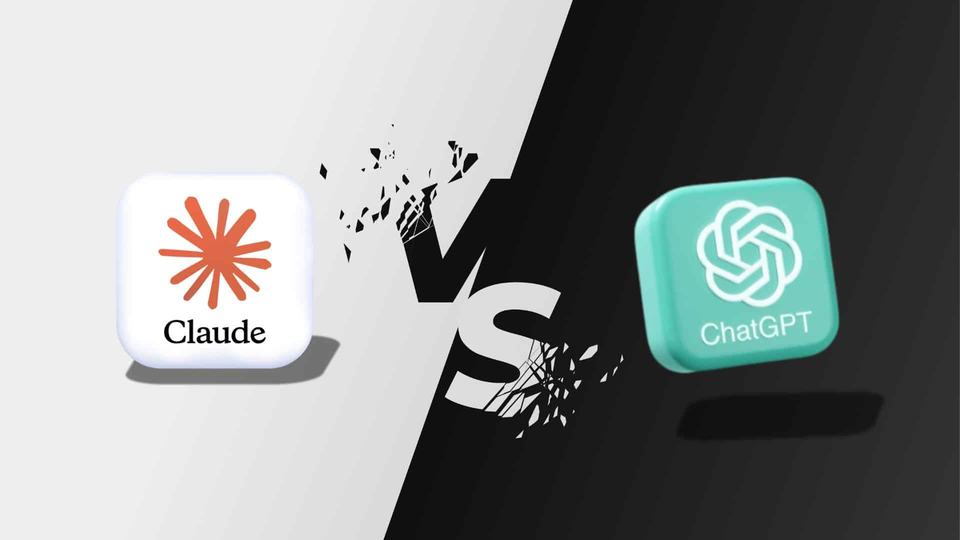
2) Protocols like MCP and A2A from the web2 AI space have rapidly gained traction precisely because of their tangible, hands-on utility. MCP acts like a USB-C port for the AI world, enabling seamless connections between AI models and various data sources or tools. There are already many real-world use cases—for instance, users directly controlling Blender via Claude to create 3D models, UI/UX professionals generating complete Figma design files using natural language, or developers using Cursor to fully write, edit, and commit code via Git—all within a single workflow.
3) Previously, there was strong anticipation that web3 AI Agents would bring innovation in verticals like DeFai and GameFai. However, most such applications remain at the level of flashy demos on natural language interfaces, falling far short of true usability.
In contrast, combining MCP and A2A enables building powerful Multi-Agent collaboration systems, where complex tasks are broken down and delegated to specialized agents. For example, an analysis agent could read on-chain data and assess market trends, then coordinate with prediction agents and risk-control agents—shifting from the old paradigm of single-agent monolithic execution to a new model of multi-agent division of labor.
All successful MCP use cases so far provide proven blueprints for the next generation of trading and gaming agents in web3.
Beyond this, hybrid frameworks based on MCP and A2A also offer advantages in terms of user-friendliness for mainstream (web2) audiences and faster application deployment. At this point, the key is simply integrating web3’s value capture mechanisms and incentive designs with practical应用场景 like DeFai and GameFai. Projects that stubbornly cling to pure web3 idealism while rejecting web2 pragmatism will likely miss the next wave of AI Agent evolution.
In short, the next surge in AI Agents is coming—but it won’t be driven by narratives or hype. It must be grounded in practicality and real-world application.
Join TechFlow official community to stay tuned
Telegram:https://t.me/TechFlowDaily
X (Twitter):https://x.com/TechFlowPost
X (Twitter) EN:https://x.com/BlockFlow_News
 Haotian | CryptoInsight