Trump Appoints Wall Street's "Sheriff": Where Will Jay Clayton's Regulatory Scalpel Strike Next?
TechFlow Selected TechFlow Selected
Trump Appoints Wall Street's "Sheriff": Where Will Jay Clayton's Regulatory Scalpel Strike Next?
The U.S. Attorney's Office for the Southern District of New York, where Jay Clayton is set to take a position, has previously brought lawsuits in multiple cryptocurrency cases, including those involving FTX and Kucoin.
 Navigating Web3 tides with focused insights
By Ava Benny-Morrison and Sridhar Natarajan, Bloomberg
Translation: Luffy, Foresight News
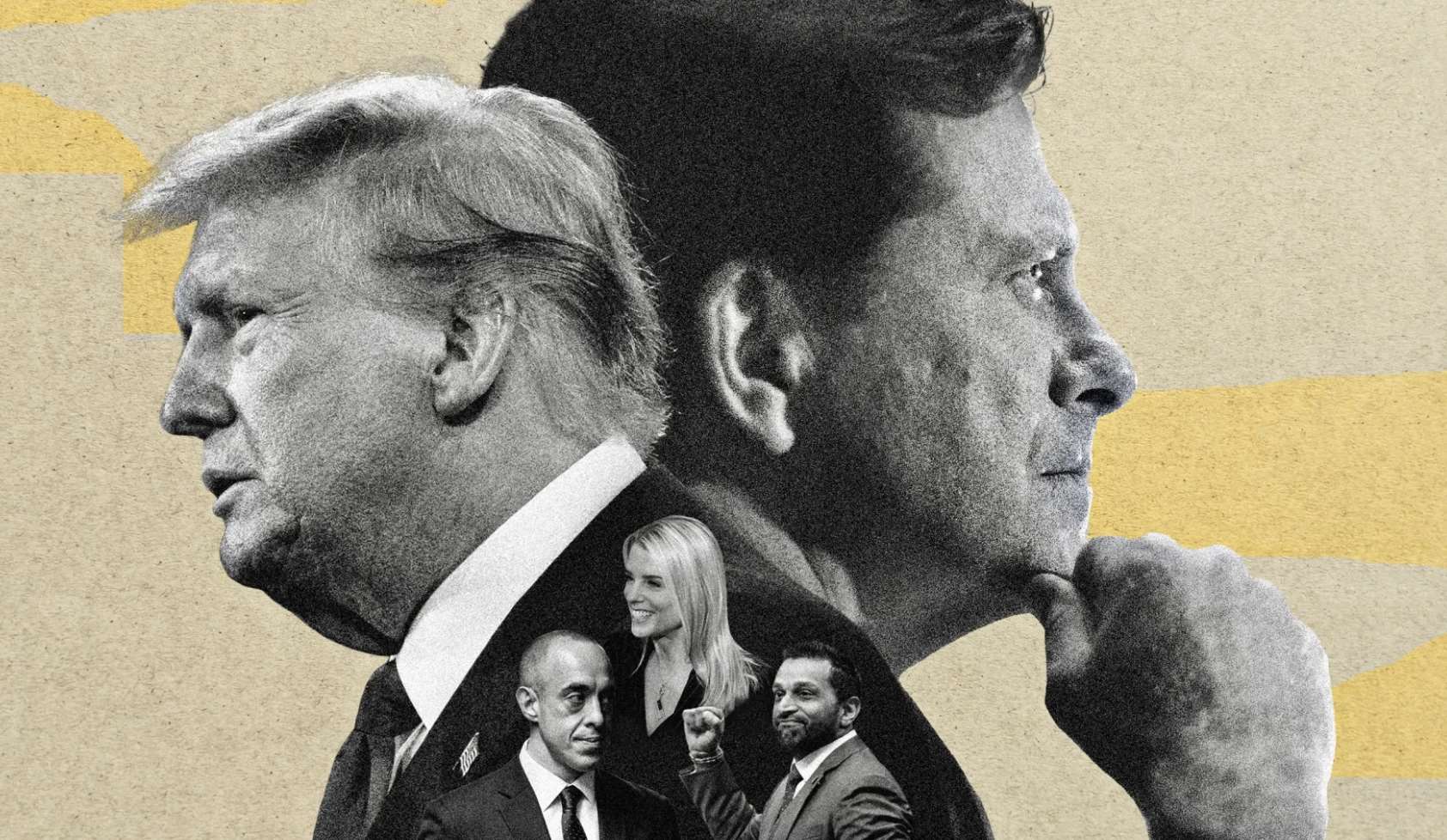
His résumé reads like a legend: top law firm partner, Washington regulator, Wall Street dealmaker.
It was Jay Clayton who stepped in when revelations about Leon Black’s ties to Jeffrey Epstein triggered turmoil at Apollo Global Management. The veteran lawyer quelled internal strife, restored trust, and steered the trillion-dollar asset management giant back on course.
Now, he is set to do it again at another seat of power in New York.
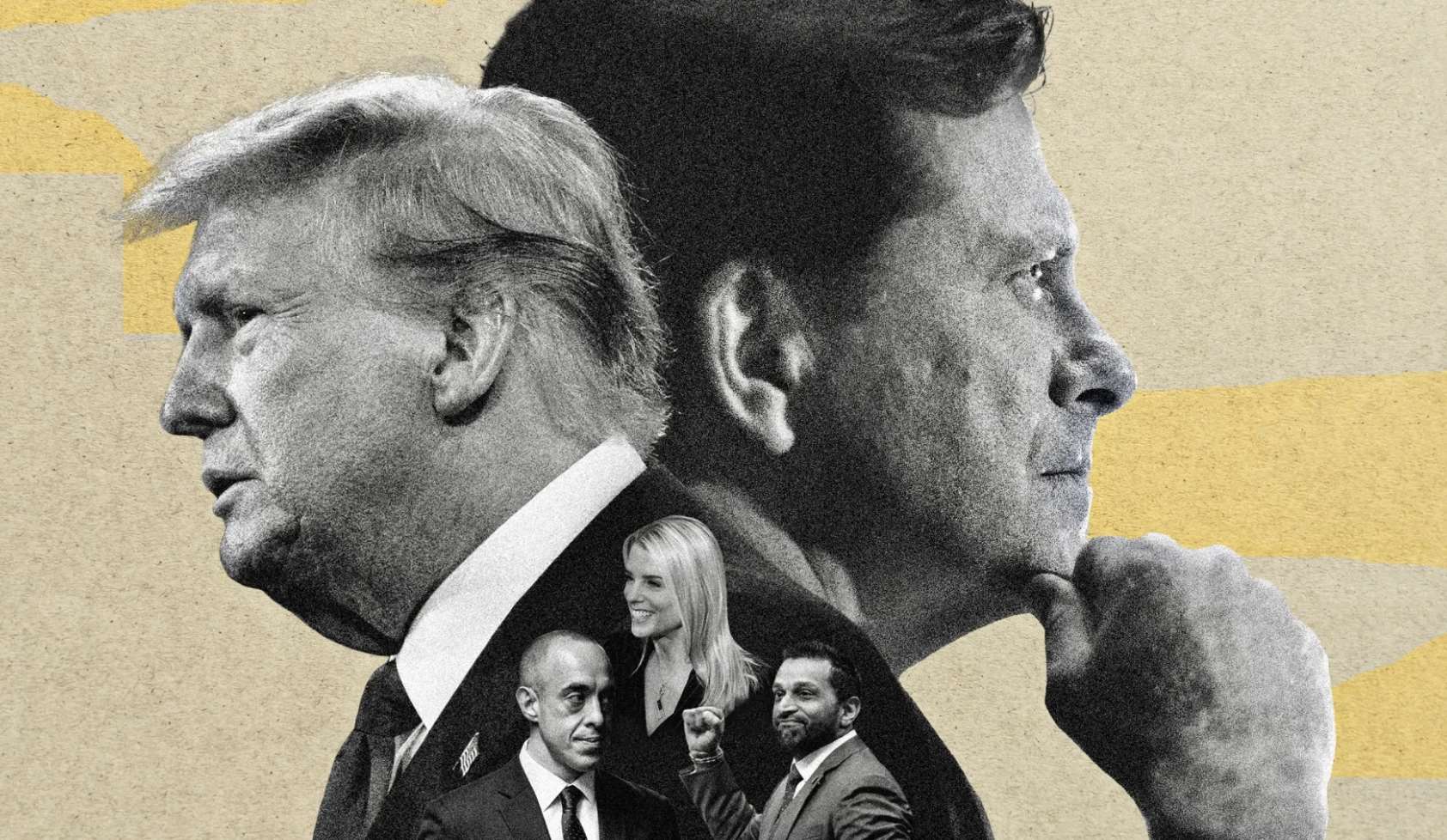
Clayton is poised to take one of the most coveted roles in American law—the top prosecutor at the U.S. Attorney’s Office for the Southern District of New York (SDNY)—effectively becoming Wall Street’s “de facto sheriff.” At 58, he is preparing to lead an institution long known for fiercely guarding its independence, just as President Trump vows to use the Justice Department to target his perceived enemies.
“We were facing a reputational crisis, and Jay took personal risk by joining us—he brought incredible steadying force,” Apollo CEO Marc Rowan said in an interview. Rowan predicts Clayton will succeed again: “Whether you’re Republican, Democrat, or independent, you’ll like Jay Clayton.”
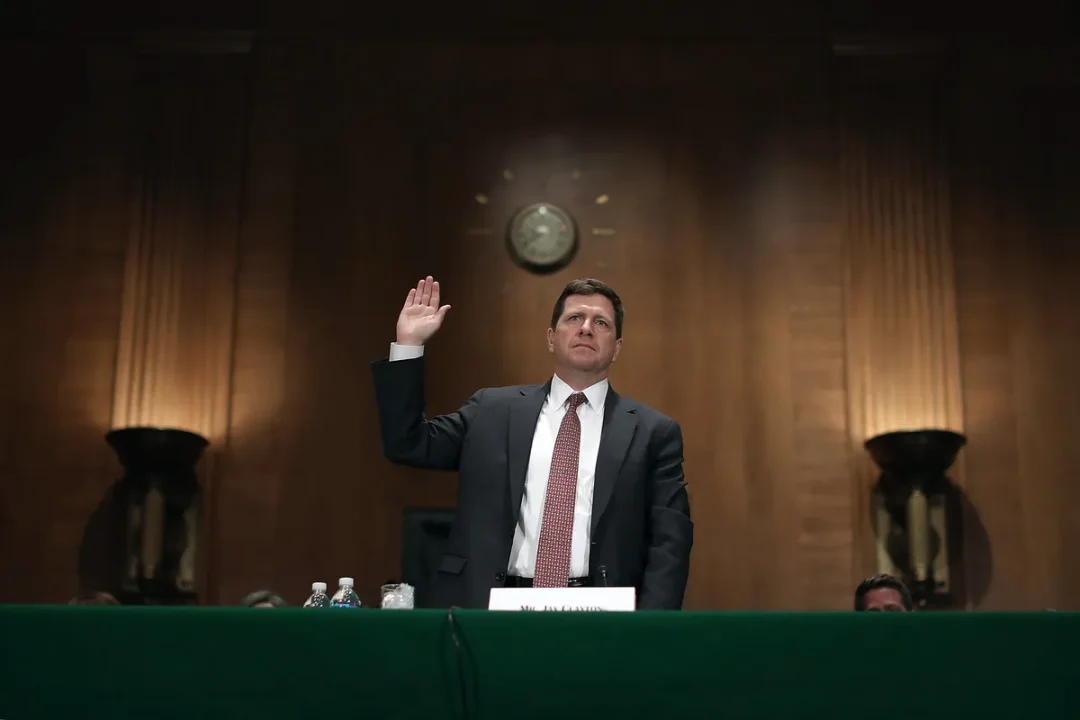
Clayton led the SEC during Trump’s first term and later became chairman of Apollo. Source: Getty Images
In private conversations with allies, associates, and potential new hires, Clayton has sent a clear message to the SDNY: stay the course. He intends to preserve the office’s integrity while aligning with Trump’s policy priorities to withstand pressure from Washington.
“His pro-American stance matches what the president wants,” Rowan said, noting that Clayton had been on shortlists for government roles months earlier.
Yet Trump’s unconventional interventions into the office—long seen as a “sovereign district”—complicate Clayton’s mission. Senior White House officials pressured the SDNY to drop charges against New York City Mayor Eric Adams, triggering a wave of prosecutor resignations and fueling fears that the office could become a political weapon for the White House.
The stakes are enormous. From 1980s junk-bond king Michael Milken to crypto prodigy Sam Bankman-Fried and enigmatic billionaire Bill Hwang, all were pursued by the very office Clayton is now set to inherit. Trump later pardoned Milken.
This article draws on conversations with more than 30 people who spoke anonymously about their interactions with Clayton and other SDNY prosecutors. Clayton declined to comment.
His first challenge will be shielding the office from Trump’s interference. Just weeks ago, the SDNY refused to follow presidential directives in the Adams case, prompting Justice Department leadership to dig through message logs in an effort to paint respected prosecutors as political opportunists.
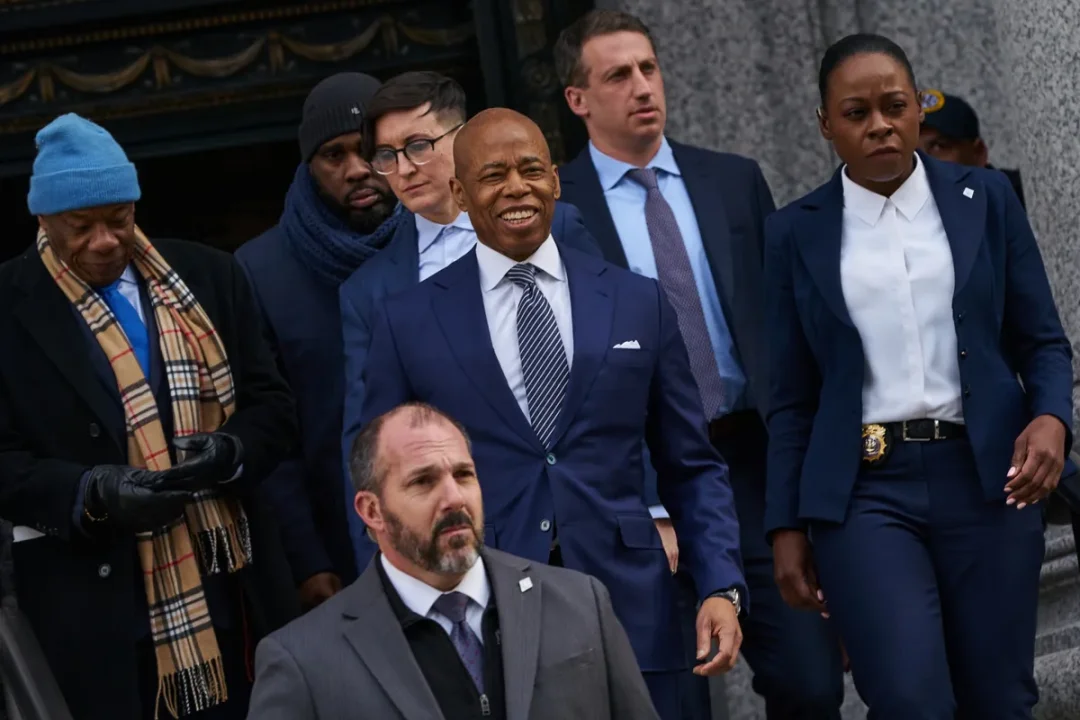
Trump pressured the SDNY to drop charges against Mayor Adams (center). Source: Bloomberg
Clayton says he successfully avoided friction and improper influence during his tenure leading the Securities and Exchange Commission (SEC) under Trump, even as the agency clashed with crypto entrepreneurs and Elon Musk—both later became Trump supporters. But his new role may prove far more perilous.
“I never saw Trump have any interest in or interfere with the SEC—he probably thought it was a football league,” said Whitney Tilson, a former hedge fund manager and mayoral candidate. “But he wants the Justice Department to serve his agenda and fully politicize it. If Clayton doesn’t go along, he’ll be fired.”
While awaiting Senate confirmation, Clayton has been consulting judges and former SDNY leaders—including Damian Williams and Preet Bharara, who was famously dismissed by Trump during his first term.
Unlike the radical overhauls transforming other U.S. agencies, Clayton is crafting a prosecution agenda aligned with administration goals without dismantling institutional norms.
The office could focus sharply on human trafficking, anti-Semitic hate crimes, and campus protests. Tensions flared recently when federal agents arrested a Palestinian activist at Columbia University and sought to revoke her green card—a move that sparked demonstrations.
The SDNY may also play a broader role in enforcing Trump’s hardline immigration policies, coordinating closely with the Justice Department in Washington. That prospect unsettles longtime defenders of the office’s autonomy.
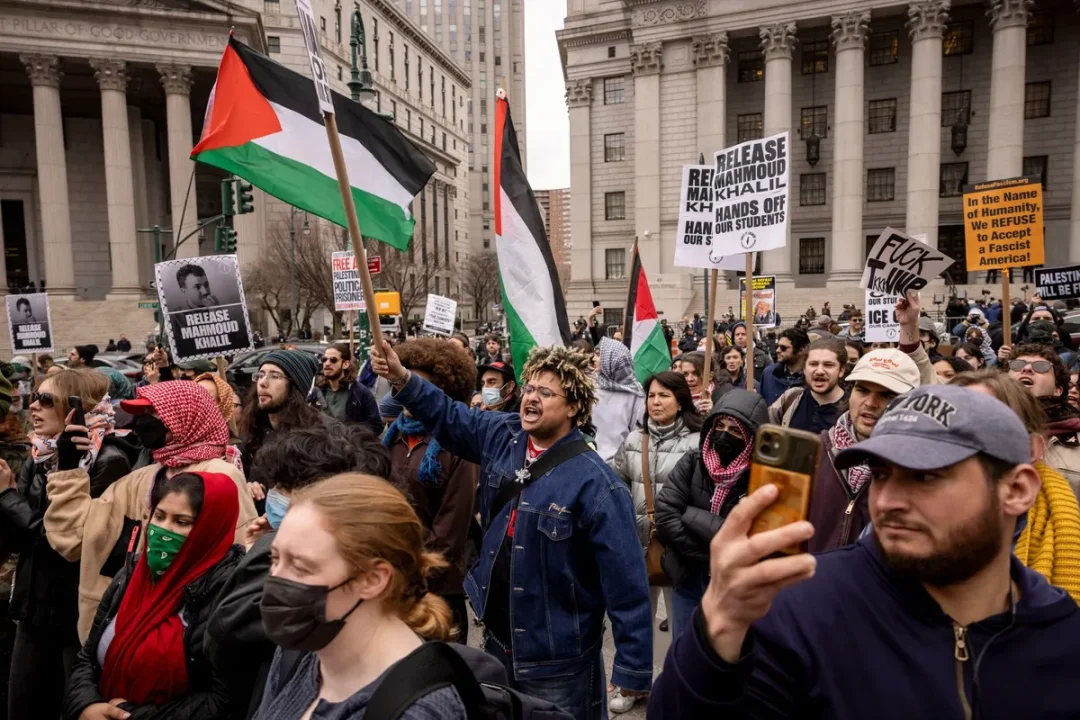
The attempt to deport a Palestinian activist sparked courtroom protests. Source: Bloomberg
Outside observers widely expect Clayton to continue pursuing white-collar crimes like money laundering, though perhaps less aggressively than under Biden. He publicly opposed U.S. investigations into Wall Street’s use of WhatsApp, privately criticized excessive scrutiny of short-sellers, and questioned regulators’ lack of market sensitivity in reviewing large trades.
He favors actions against non-U.S. firms embroiled in scandals—such as China’s Luckin Coffee and Germany’s Wirecard—a stance that resonates with Trump and U.S. business leaders frustrated that strict enforcement targeting only American companies gives foreign rivals an edge.
“Jay takes a pragmatic approach to prosecutions—he won’t get bogged down in minor issues,” said John Waldron, president of Goldman Sachs. “His influence will extend beyond the Southern District.”
During his time as SEC chair, Clayton styled himself a “defender of 401(k)s” and now aims to scrutinize whether celebrity meme-stock traders are harming ordinary retail investors.
That may disappoint those who preferred the Biden-era model of aggressive Wall Street oversight.
Though not considered part of Trump’s inner circle, Clayton maintains close ties with him—they are golf partners. Respected in New York social circles, Clayton avoids the bombast of many Fox News regulars but still articulates Trump’s views clearly on television.
This moderate image stands in stark contrast to other Justice Department leaders. FBI Director Kash Patel likened investigators who probed the president to “criminal thugs.” Attorney General Pam Bondi has openly vowed to “clean out” DOJ staff she believes despise Trump. This month, after Bondi accused the FBI’s New York office of withholding Epstein files, its head was forced out. Days later, two senior SDNY prosecutors leading the Adams investigation were reassigned.
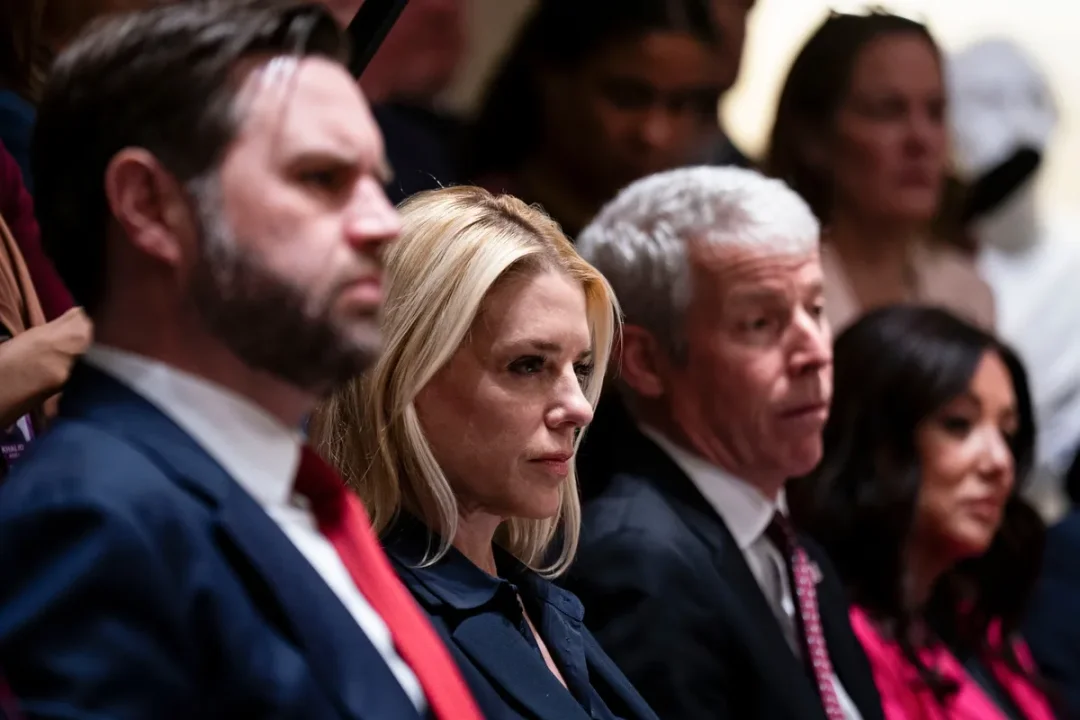
Attorney General (center) vows to “clean out” DOJ employees hostile to Trump. Source: Bloomberg
This disdain for career civil servants clashes with Clayton’s cultivated persona. As SEC chair, his “Call me Jay” motto put staff at ease. He played on the agency’s softball team and hosted happy hours with beer and wine on the tenth-floor terrace—behavior at odds with MAGA hardliners’ calls to purge the “deep state.”
“He wasn’t well known at first, but quickly won people over,” said Steve Peikin, who helped lead the SEC’s enforcement division. “I brought him some controversial matters—only once did he push back on political grounds, and he told us to be tougher, not softer.”
Under Clayton, the SEC teamed up with the SDNY to charge Chris Collins, the first sitting congressman to endorse Trump, with insider trading. A senior Justice Department official at the time said Trump was furious. He later pardoned Collins.
Clayton’s career path: raised in Hershey, Pennsylvania, educated at the University of Pennsylvania, then a rapid ascent in New York’s legal world. During the 2008 financial crisis, he secured last-minute investments for Lehman Brothers, participated in JPMorgan’s emergency rescue of Bear Stearns, and helped Goldman Sachs raise $5 billion from Warren Buffett.
While playing golf in 2020, Trump asked Clayton what position he wanted in a second administration. The SEC chair replied: U.S. Attorney for the Southern District of New York.
Trump’s clumsy attempt to install Clayton by ousting then-U.S. Attorney Geoff Berman sparked a political firestorm, ending Clayton’s chances. So he returned to Sullivan & Cromwell, leveraging corporate connections until stepping in as Apollo’s peacemaker.
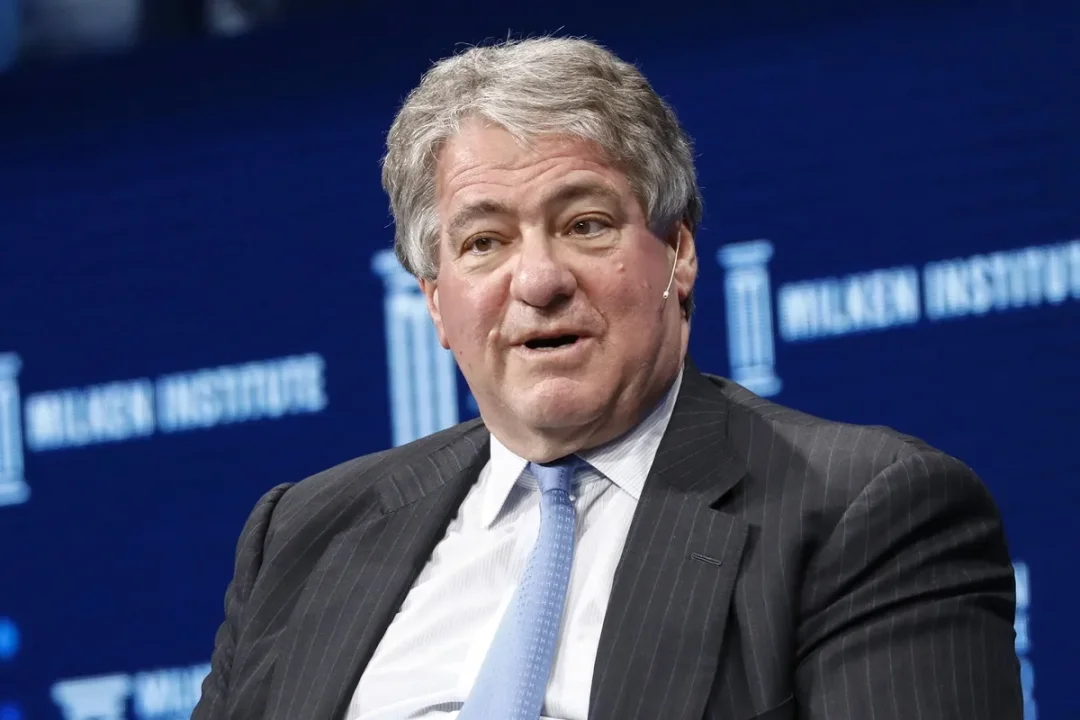
Former Apollo CEO Leon Black. Source: Bloomberg
After news broke that Apollo’s chairman Leon Black paid Jeffrey Epstein $158 million for various services, investor confidence wavered. Co-founder Josh Harris seized the moment to stage a leadership coup, deepening chaos. In a settlement, co-founder Rowan became CEO and Clayton was named chairman.
Over four years working with Rowan, Clayton helped restructure the board and drive expansion. The company’s stock tripled. “Clayton was instrumental in guiding the transformation,” said Pat Toomey, an Apollo board member and former Pennsylvania senator.
Trump didn’t wait for Clayton to assume office before asserting control over the SDNY.
The new administration appointed Danielle Sassoon—an accomplished conservative prosecutor—to lead the office temporarily before Clayton’s Senate confirmation. But she soon faced pressure to drop the high-profile case against Mayor Adams. She resigned, followed by others, including Hagan Scotten, a Special Forces veteran affectionately known as “Captain America” by colleagues.
In his resignation letter, Scotten said the Justice Department would eventually find someone “stupid enough or cowardly enough” to drop the charges. Acting Deputy Attorney General Emil Bove ultimately had to step in personally to terminate the case. Clayton has told confidants the Adams matter will no longer be an issue after the June mayoral primary. Adams denies any wrongdoing.
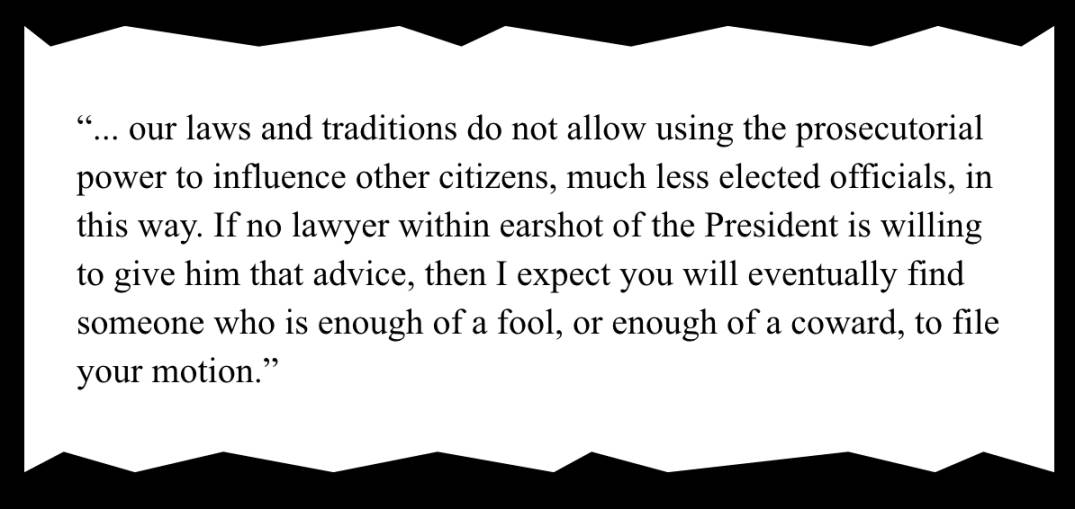
Excerpt from Scotten’s resignation letter
“Jay will be good for the Southern District, especially during turbulent times,” said Nicole Friedlander, a former Manhattan federal prosecutor. “He won’t come in like a bull in a china shop, micromanaging others’ work.”
Other sources of instability remain. Government officials warn assistant U.S. attorneys on probationary status could be fired, and some prosecutors have been told they might be sent to the border to handle immigration cases. At least one prosecutor involved in the Ross Ulbricht case received threats after Trump pardoned the Silk Road founder, calling those who prosecuted him “scum” and “lunatics.” Defense lawyers are lobbying the deputy attorney general’s office to intervene and undermine other SDNY cases.
“It’s deeply disturbing how norms keep eroding,” said former New York Governor Eliot Spitzer. “This is merely the 83rd example.”
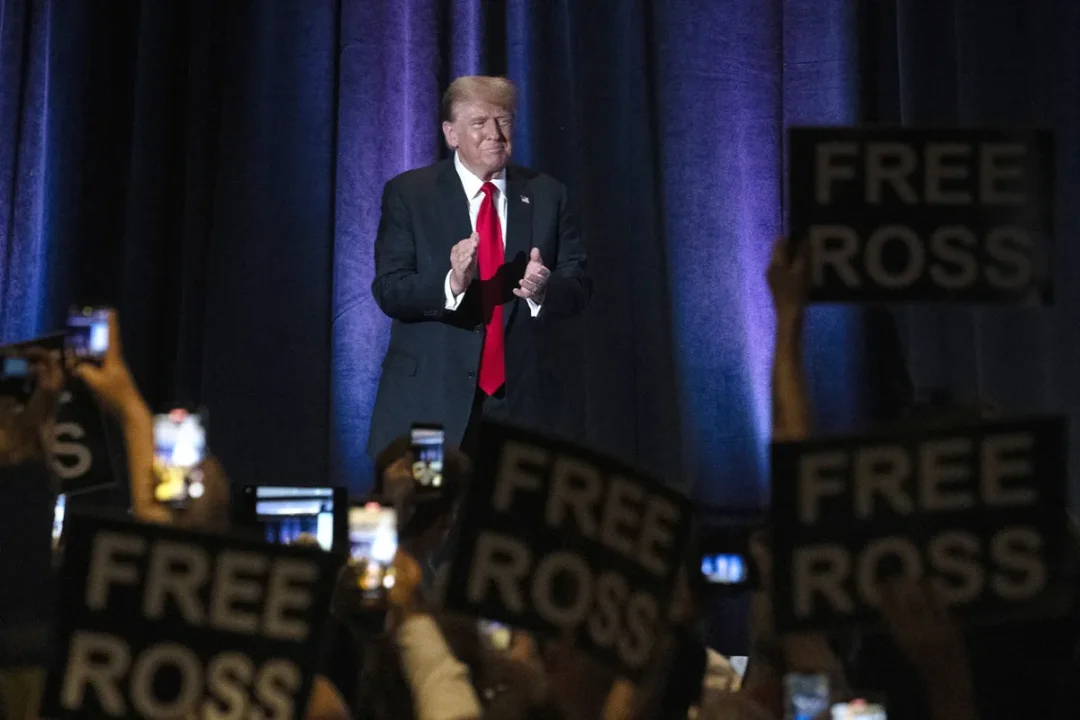
At a conference last year, audience members held signs reading “Free Ross.” Source: AFP
A common criticism of Clayton is his lack of prosecutorial experience—a traditional prerequisite for the role.
Bob Stebbins, who worked with him at the SEC, dismisses this. He compares it to Clayton’s brief stint as captain of the Cambridge University basketball team, which Clayton himself once called the “least credible part” of his résumé.
“He wasn’t a great shooter, nor particularly tall,” Stebbins said. “But he was an excellent leader.”
Matthew Podolsky, the current acting head of the SDNY, has cycled through four different titles since the election. A former editor of The Harvard Lampoon, renowned for handling high-stakes Wall Street cases, he now leads a battered office.
Earlier this month, SDNY prosecutors gathered at a wine bar in Chelsea, eating sliders and drinking from an open bar, reflecting on an office once seen as the launchpad for stellar careers. Despite the festive atmosphere, attendees say anxiety ran deep.
Recalling the event, host Bharara said what happened “broke my heart.” He joked that Podolsky had set a record for the “longest-serving U.S. Attorney for the Southern District of New York—in weeks.”
Join TechFlow official community to stay tuned
Telegram:https://t.me/TechFlowDaily
X (Twitter):https://x.com/TechFlowPost
X (Twitter) EN:https://x.com/BlockFlow_News
 @Bloomberg