Tether in Africa: Solar Kiosks and a New Business Model for Stablecoins
TechFlow Selected TechFlow Selected
Tether in Africa: Solar Kiosks and a New Business Model for Stablecoins
Tether is exploring innovative solutions for electrification in Africa.
 Navigating Web3 tides with focused insights
Author: Erik Hersman, Founder of Gridless, an off-grid energy infrastructure company in Africa
Translation: TechFlow
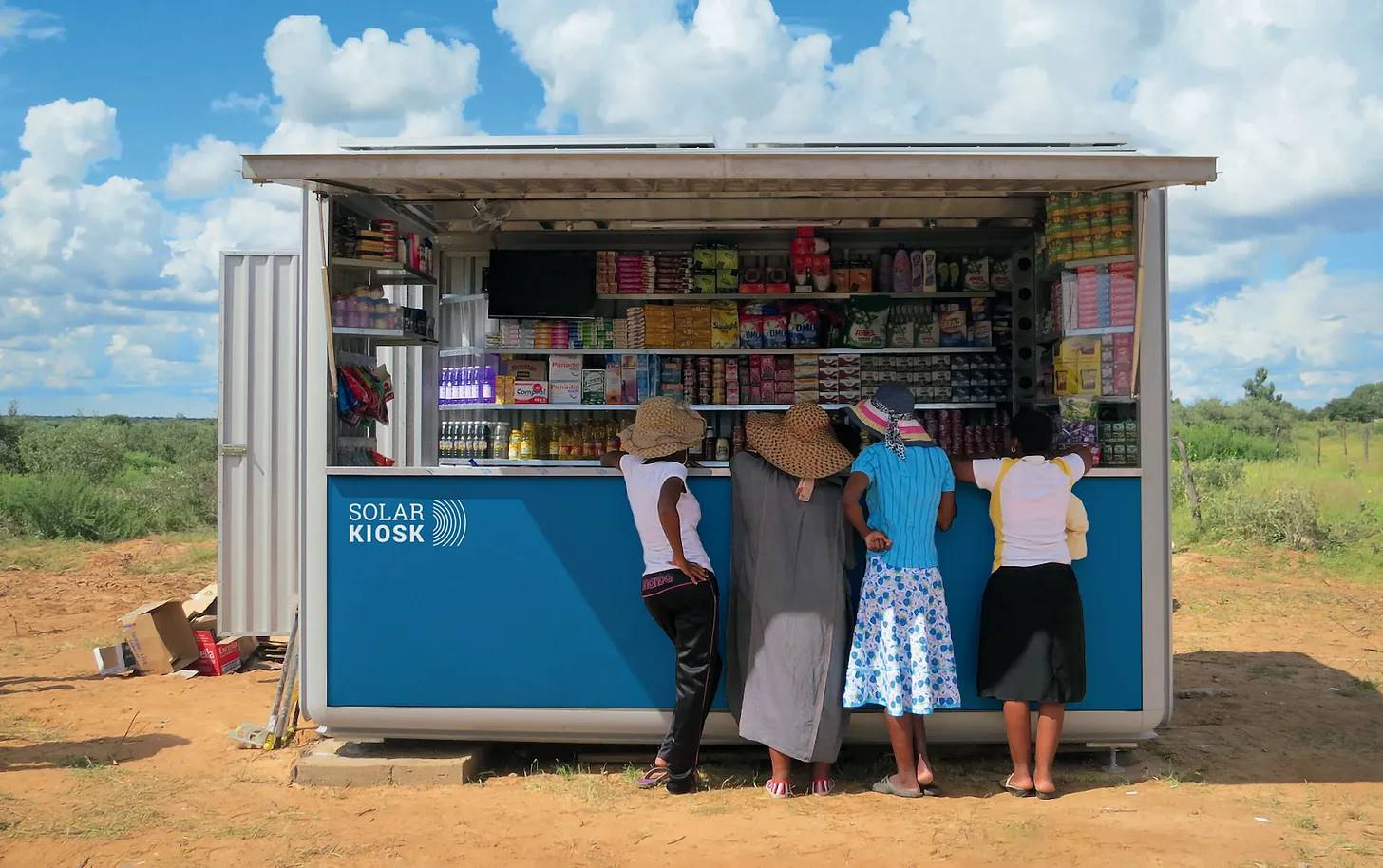
Two days ago, Tether CEO Paolo Ardoino announced a new initiative on Twitter: expanding solar kiosks across Africa. Hundreds of these solar kiosks are already operational, offering monthly subscription services for high-performance batteries paid for using USDt and Bitcoin. Tether plans to scale this model to 100,000 solar kiosks, accelerating electrification across the African continent.
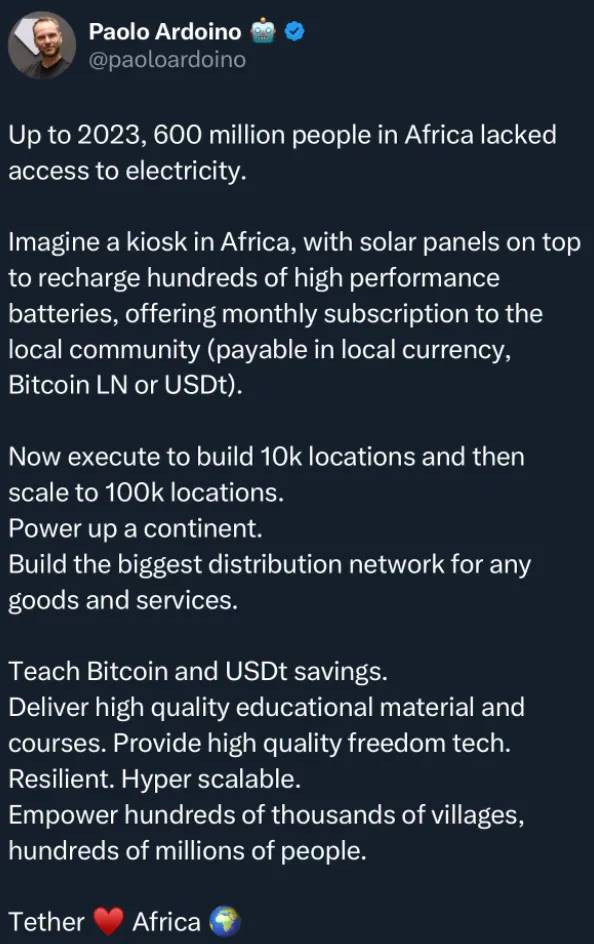
My initial reaction was that this is a highly meaningful effort. As I highlighted in a recent article on Africa’s off-grid energy potential, innovative energy solutions are key to driving development across Africa. Electrification on the continent is not a zero-sum game—no single solution can fully address Africa’s power deficit. Currently, up to 600 million people in Africa lack access to electricity, accounting for 83% of the global population without power. Therefore, exploring new off-grid energy models is an inevitable direction for the future.
I strongly agree with Paolo's perspective—Tether is a once-in-a-century company. In 2024 alone, Tether generated profits of $13.7 billion. Its usage continues to grow in the U.S., EU, and China, while demand for USDt is rapidly rising in developing countries. As local currencies depreciate in certain regions, people increasingly turn to stablecoins (digital tokens pegged to fiat currencies like the U.S. dollar) to hedge against economic risks. Take Ethiopia (population ~123 million), for example—its currency, the birr, depreciated by about 30% in mid-2023. Today, Ethiopia has become one of Africa’s fastest-growing stablecoin markets, with retail stablecoin transaction volumes increasing 180% year-on-year.
(Note: As detailed information has not yet been released, parts of the analysis of Tether’s model in this article are speculative.)
Re-examining Solar Kiosks in Africa
Tether’s plan for Africa combines off-grid solar kiosks with stablecoin-based financial services—an entirely new element in this model. Before diving deeper, it’s important to understand the background of this space.
Over the past 15 years, numerous solar kiosk projects have emerged across Africa, launched by both commercial enterprises and NGOs. Their operational models—and reasons for success or failure—offer valuable insights for evaluating Tether’s initiative. For instance:
-
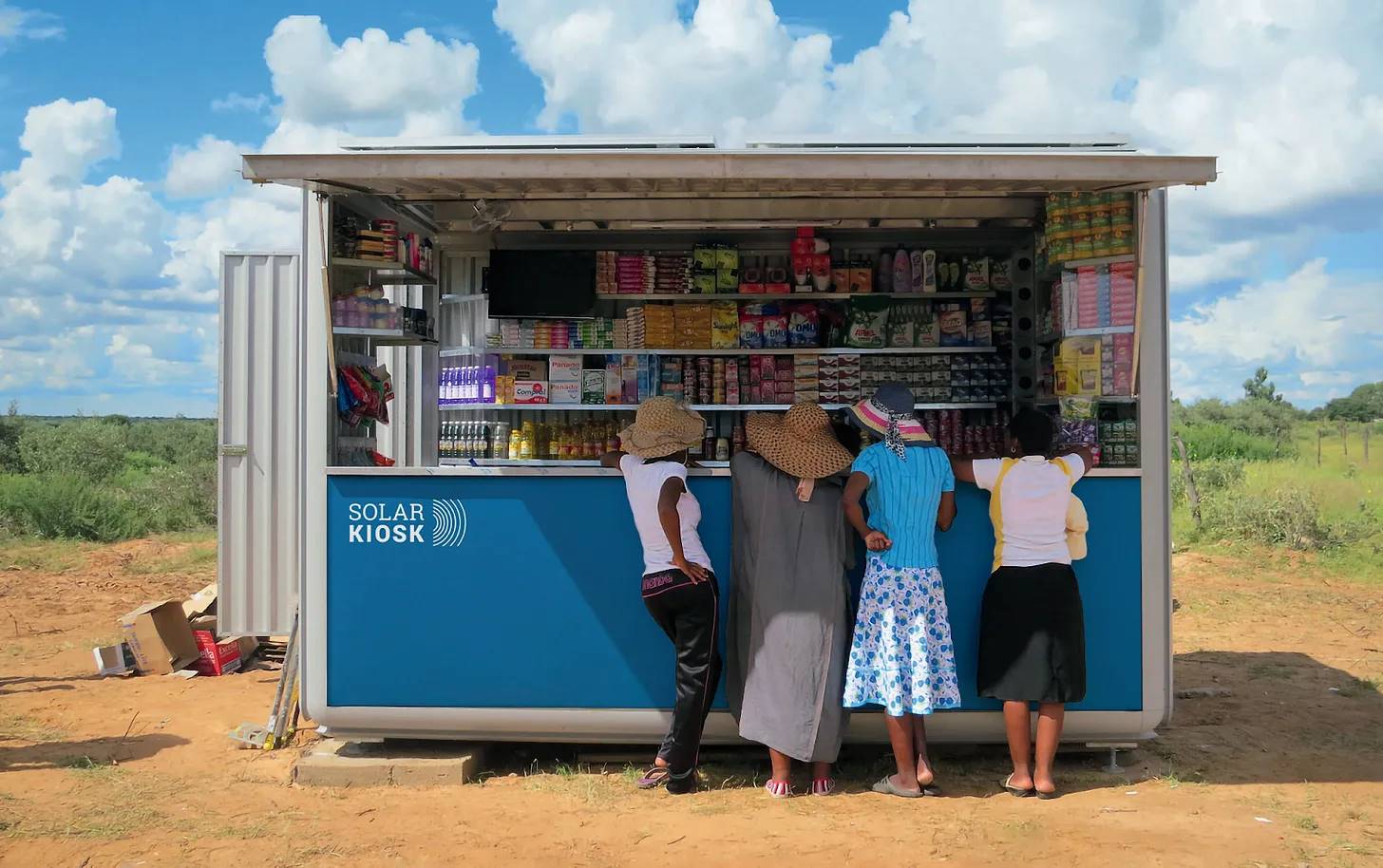
Solar Kiosk (2011–2019): Operated in Ethiopia, Kenya, Botswana, Tanzania, Rwanda, and Ghana, peaking at 250 solar kiosks.
-
ARED “Shiriki Hubs” (ongoing): Active in Uganda and Rwanda, currently operating 60 solar kiosks.
-
Community Energy Kiosks: Part of Malawi’s SOGERV project, small-scale with only 4–10 units.
Many solar kiosk projects in Africa have struggled with profitability and organic growth, often relying on grants or funding from impact investors to survive. It remains unclear how Tether will structure its business model. However, it is believed that Tether is likely to adopt a franchise approach. Regardless of the chosen model, several factors deserve close attention:
-
Financing determines success
Tether’s initiative is backed by a highly profitable for-profit company, laying a solid foundation for long-term success. By contrast, grant-dependent financing models—especially in post-US-AID-era Africa—are insufficient to support large-scale expansion. Socially responsible investments may help in early stages, but achieving widespread deployment requires deep-pocketed capital partners capable of sustained investment.
-
Providing broader community services is critical
If solar kiosks serve only as low-margin battery charging stations, local operators often struggle to earn sufficient income. For sustainability, these kiosks typically evolve into social hubs offering additional services such as WiFi, mobile payments, phone charging, airtime sales, and even communal spaces where villagers can gather to watch football matches at night—boosting foot traffic and revenue.
Tether’s solar kiosk initiative starts strong: stable funding and secured growth capital. Moreover, since franchisees are often already mobile money agents, integrating USDt as a payment option would be seamless, enabling smooth operation of the subscription model. Additionally, built-in WiFi functionality adds further value to communities, enhancing both appeal and utility.
However, scaling in rural African markets is far from easy. The “last mile” presents significant logistical and operational challenges, and competition in the off-grid solar sector is intense. Pay-as-you-go home solar systems have existed for 13 years, yet many companies failed due to underestimating market competitiveness and logistical complexity. Theft and vandalism risks, along with the difficulty of building brand trust in low-trust environments, remain major hurdles.
The Rise of Stablecoins in Africa
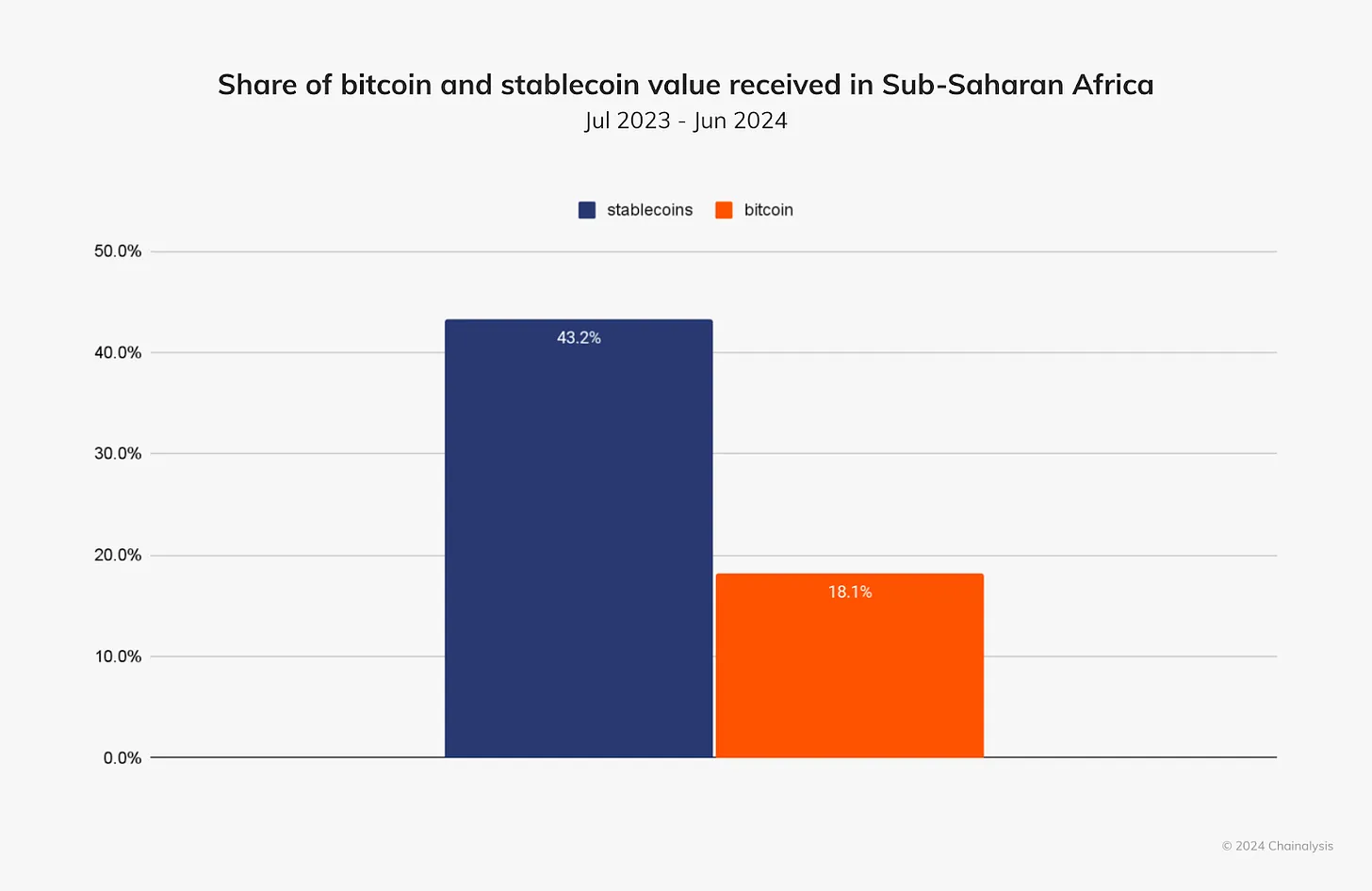
In recent years, Africa has become a major growth region for cryptocurrency adoption, with stablecoins gaining particular popularity. By mid-2024, stablecoins accounted for approximately 43% of total crypto transaction value in sub-Saharan Africa. This rapid rise reflects growing concerns over local currency instability. In fact, in Africa, stablecoins are even more widely used than Bitcoin, becoming the primary tool for value transfer. This trend indicates that stablecoins are increasingly becoming integral to Africa’s financial ecosystem.
Stablecoins like USDt have already demonstrated practical use cases in African economies. A typical application is cross-border trade and payments. Many small and medium-sized enterprises, unable to open U.S. dollar bank accounts, opt for stablecoins to conduct international transactions. They can convert local currency into USDt and complete international transfers within minutes, with recipients quickly converting them into hard currency. This method drastically improves upon traditional cross-border payment processes. Compared to high-cost bank wire transfers that take weeks, or risky reliance on black-market forex exchanges, USDt bypasses intermediaries and expensive remittance fees, making it an essential tool for many import-export businesses. Stablecoins are reshaping Africa’s trade landscape. Beyond trade, they are also used for paying overseas tuition, purchasing inventory, and other everyday transactions. Their widespread adoption addresses persistent pain points in traditional finance—such as high costs and delays in cross-border payments—making them particularly effective in African markets and a core component of the continent’s crypto ecosystem.
Nevertheless, stablecoin adoption faces regulatory challenges. Some governments worry that widespread USDt usage could lead to capital flight and undermine local currency stability. This concern is especially pronounced in countries like Malawi and Nigeria. Due to severe currency depreciation, many individuals prefer USDt for domestic and international payments, further eroding confidence in local currencies. Currently, stablecoins occupy a “gray area” in Africa: widely used informally, but lacking official recognition. This ambiguity creates barriers to large-scale integration. Companies may hesitate to openly adopt USDT due to fears of future penalties, while fintech startups face uncertainty amid the absence of clear regulatory frameworks.
Nonetheless, there are strong reasons to believe Tether can perform well in African markets. Tether’s substantial financial strength gives it a competitive edge. This backing opens doors to numerous opportunities. Furthermore, Tether aims to extend stablecoin usage beyond urban traders to rural populations. Merchants who already use USDt in supply chains connecting to China and other international markets will find it natural to replicate this model locally. Through this strategy, Tether could significantly accelerate stablecoin adoption across Africa while delivering convenient financial services to underserved users.
Tether’s Solar Kiosk Project Has Strong Potential for Success
The most innovative aspect of Tether’s plan lies in integrating stablecoin payments and related financial services directly into the solar kiosk model. This fusion could reshape the industry—but also comes with challenges.
On one hand, stablecoins have already gained grassroots traction in Africa due to their ability to solve real financial problems. If Tether successfully extends stablecoin usage to physical solar kiosks in rural areas, it could greatly enhance financial inclusion. Imagine a farmer who not only charges their phone at a solar kiosk but also converts part of their cash income into a digital USDt balance. This balance helps protect against local inflation and offers a more stable store of value. They could use it to purchase farming supplies or receive remittances from relatives abroad within minutes.
Theoretically, such kiosks go beyond mere energy providers—they become informal “micro-banks,” supporting populations excluded from traditional banking. By combining energy access with fintech, this model could significantly elevate community development—meeting power needs while offering safer savings and transaction methods. Unlike conventional solar kiosks focused solely on energy and connectivity, Tether’s innovation lies in embedding financial services directly into the infrastructure.
From a business standpoint, the model appears financially sustainable and potentially profitable. Yet, profit may not be the sole objective. Tether’s strategy likely includes expanding stablecoin usage while building brand presence and credibility in emerging markets. Amid increasing regulatory pressure in the U.S. and EU, Tether is turning its focus toward the Global South to unlock new growth avenues. This suggests Tether might tolerate initial losses in the solar kiosk project to gradually build a comprehensive ecosystem. This approach mirrors M-Pesa’s evolution in Kenya: through long-term investment and patient market cultivation, widespread user adoption and commercial success were ultimately achieved.
Comparing Tether’s Model with Gridless’ Model
As another company dedicated to providing innovative financing and off-grid energy solutions in Africa—and one that has achieved actual profitability—Gridless differs significantly from Tether’s approach. Below is a comparison of the two models:
Tether’s plan involves deploying solar kiosks to provide African communities with flexible payment options and educational services. Gridless, by contrast, focuses on building low-cost hydropower stations in areas with natural water resources, using surplus electricity for Bitcoin mining to ensure financial sustainability.
Financing Approach
-
Gridless Model: Secures financing by using Bitcoin as collateral, enabling scalable growth.
-
Tether Model: Leverages its vast reserves to directly fund projects, enabling rapid expansion.
Energy Source
-
Gridless Model: Uses hydropower, benefiting from low-cost, renewable water resources.
-
Tether Model: Relies on solar power, harnessing abundant and low-cost sunlight.
Revenue Streams
-
Gridless Model: Generates profit through Bitcoin mining and meeting local electricity demand.
-
Tether Model: Earns revenue via USDt (or Bitcoin) payment processing, possibly earning interest on float management, or encouraging users to adopt other Tether financial services.
Growth Potential
-
Gridless Model: While geographically constrained by the availability of flowing water, it delivers localized, stable energy solutions and achieves intrinsic financial sustainability through Bitcoin mining.
-
Tether Model: Benefits from strong capital backing and standardized solar kiosk designs, allowing faster market penetration. However, it may encounter regulatory hurdles related to cryptocurrencies and face operational complexities in managing thousands of physical locations.
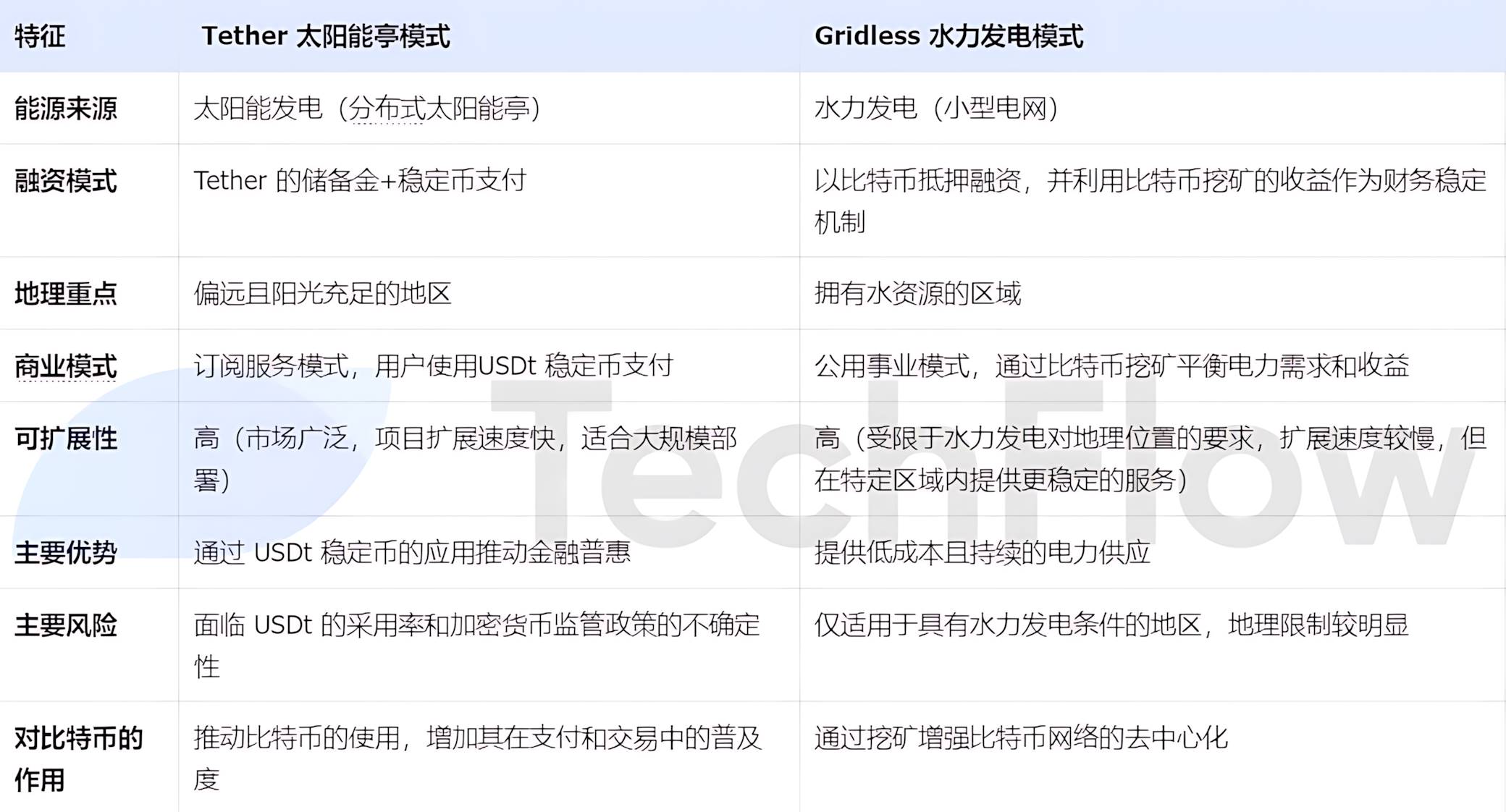
It’s clear that both models demonstrate strong innovation in combining renewable energy with cryptocurrency, though their applications differ slightly. Tether’s solar kiosks can quickly reach underserved areas, particularly sun-rich regions where grid extension is impractical. Gridless’s hydro model, while slower to deploy, emphasizes long-term infrastructure development, offering communities more consistent and reliable power to support sustained economic growth.
Ideally, a hybrid approach could be adopted—deploying solar kiosks in areas unsuitable for hydropower to fill energy gaps. This would maximize the overall impact of off-grid electrification in Africa, delivering reliable energy to more communities while advancing sustainable development goals.
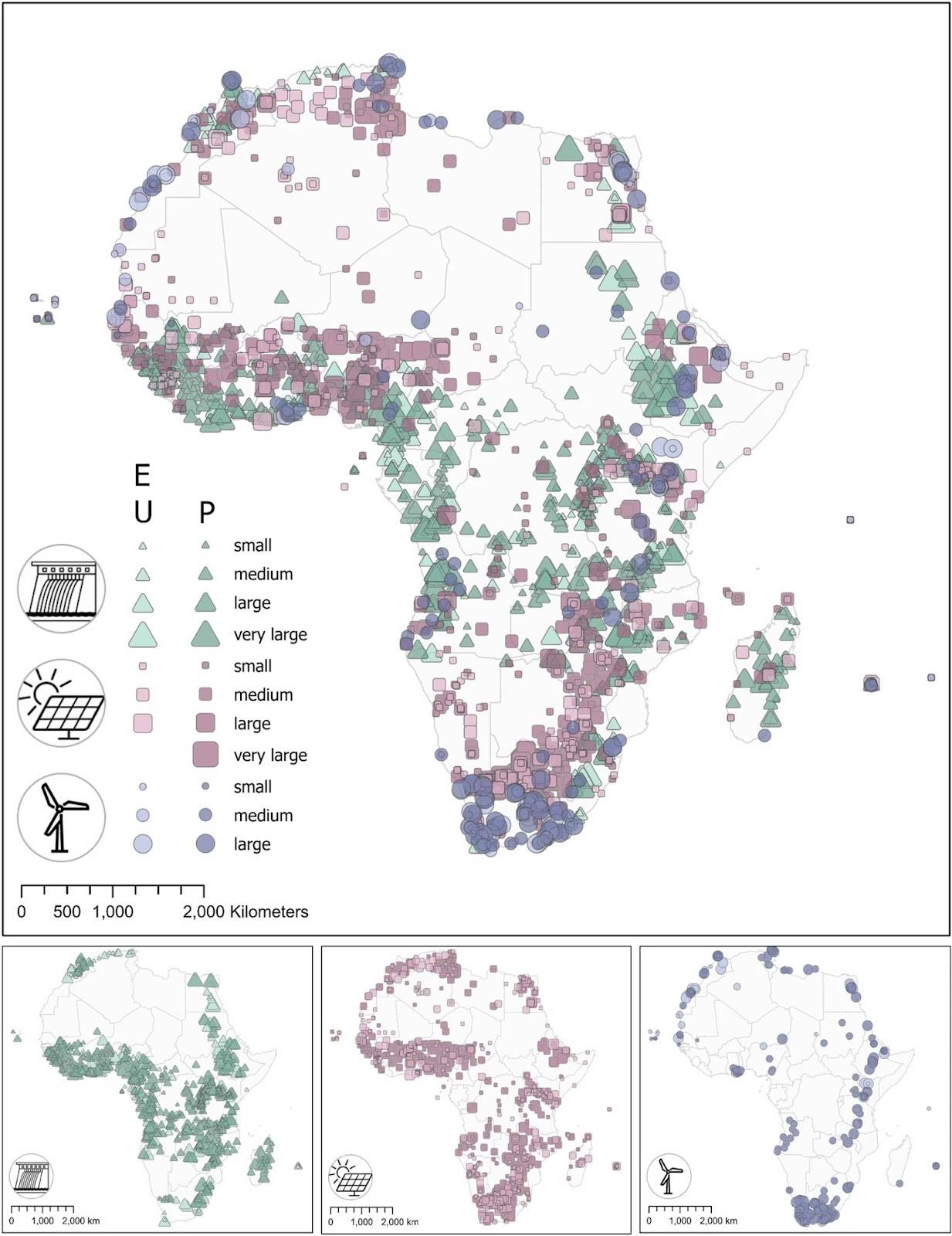
Map of hydropower, solar, and wind energy potential in Africa
As shown above, while solar and hydropower overlap in some regions, large areas are better suited to one form of energy over the others. Tether’s solar kiosks primarily target sunny, grid-poor regions like the Sahel and the Horn of Africa—areas characterized by high solar irradiation and limited hydropower potential. These regions are ideal for modular, rapidly deployable solar kiosks that not only deliver electricity but also internet access and financial services. Gridless, meanwhile, focuses on East and Southern Africa, where abundant rivers support small-scale hydropower stations. With steady river flows, these sites can provide 24/7 electricity, ensuring continuous power for community development.
Join TechFlow official community to stay tuned
Telegram:https://t.me/TechFlowDaily
X (Twitter):https://x.com/TechFlowPost
X (Twitter) EN:https://x.com/BlockFlow_News
 @africansignals