British man's millionaire dream shattered: 8,000 bitcoins buried deep in landfill
TechFlow Selected TechFlow Selected
British man's millionaire dream shattered: 8,000 bitcoins buried deep in landfill
At its peak, the bitcoin stored on this hard drive was worth over $872 million, making it the most valuable hard drive ever.
 Navigating Web3 tides with focused insights
By 1912212.eth, Foresight News
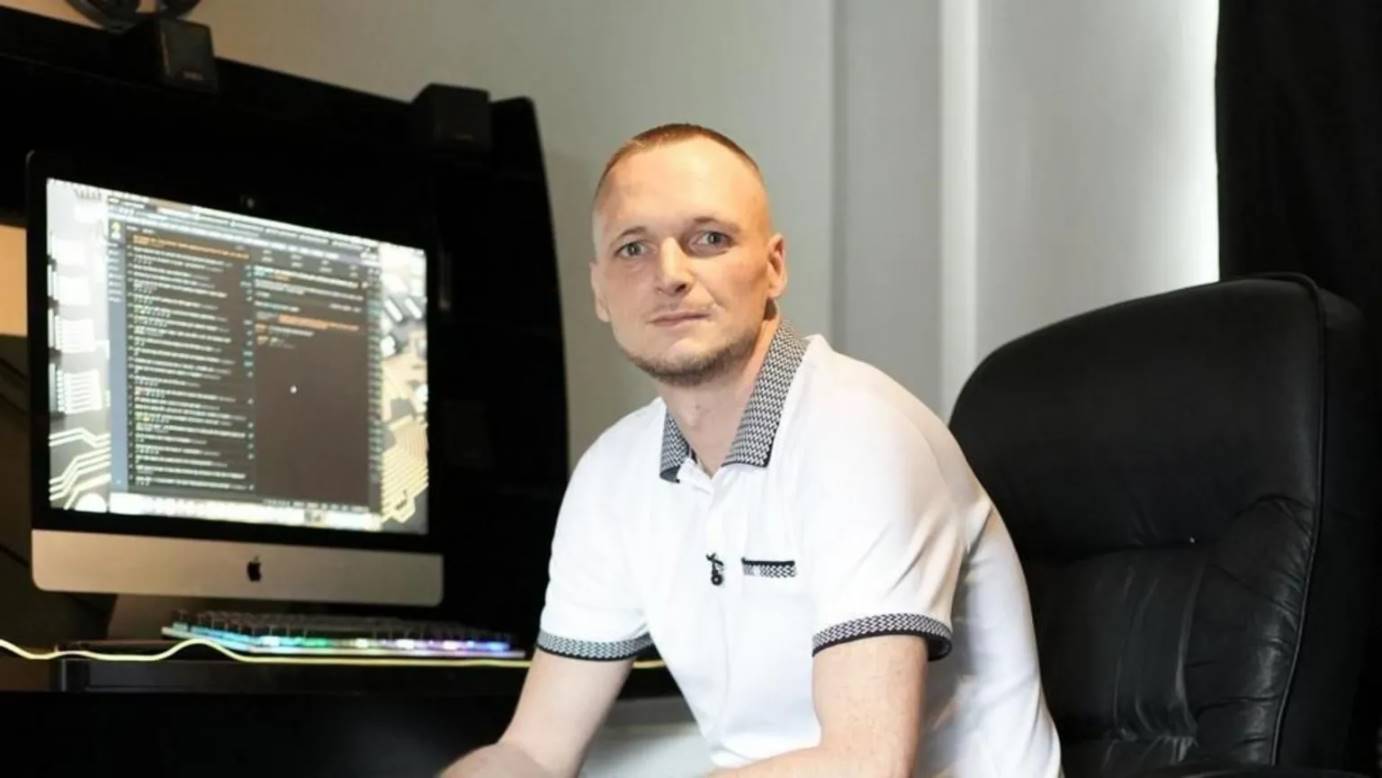
On March 13, a bizarre treasure hunt spanning over a decade came to an end in the UK Court of Appeal. James Howells, a 38-year-old software engineer, failed in his bid to obtain permission to excavate a landfill site in Newport to recover a hard drive he accidentally discarded back in 2013—containing 8,000 bitcoins worth a fortune. At Bitcoin's all-time high of $109,000 per coin, the lost bitcoins were once valued at over $872 million, earning the title of the most expensive hard drive in history.
This extraordinary legal battle was as dramatic as a plot from Mark Twain’s *The Million Pound Bank Note*, but unlike the novel’s protagonist, Howells did not become a billionaire.
The Rise and Fall of a Golden Hard Drive
The story begins in 2009.
Back then, Bitcoin was just born—an obscure novelty. Yet young IT engineer Howells sensed its potential early on. From a young age, he had been passionate about technology. His mother once worked in microchip manufacturing, and as a teenager, he frequently used the internet, building his first computer at age 13—a testament to his technical aptitude. He later studied computer science at university and held various IT-related jobs throughout his career, including exposure to encryption technologies through the Bowman communications systems project.
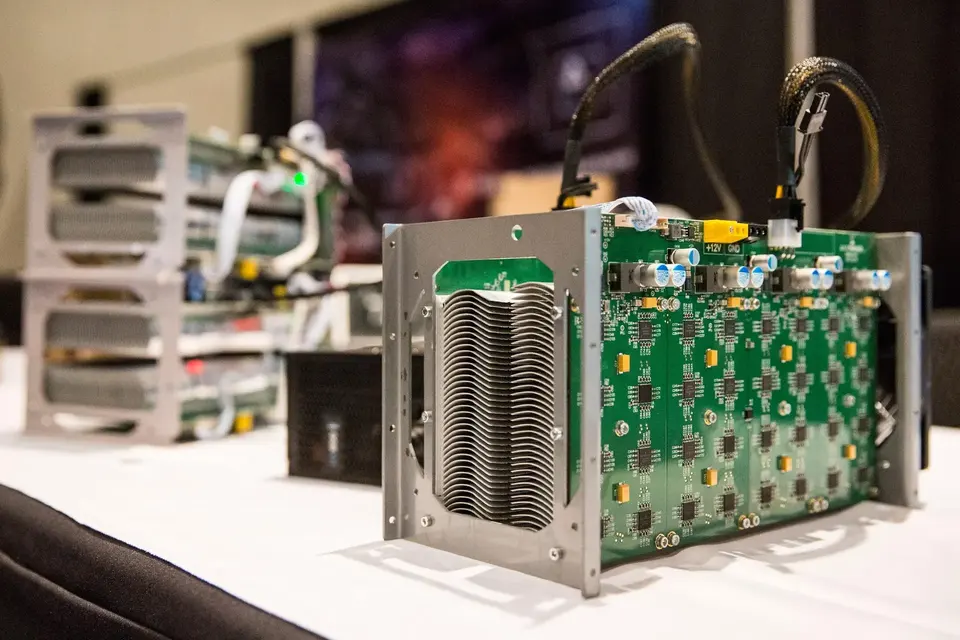
On January 4, 2009, Bitcoin officially launched, with mining difficulty nearly negligible. According to the New York Times, Howells may have been one of only five miners worldwide at the time. Using an ordinary Dell XPS laptop from his home, he mined a total of 8,000 bitcoins.
At that time, Bitcoin was practically worthless, so he paid little attention. Howells stored the private keys on an old hard drive and casually tossed it into a drawer.
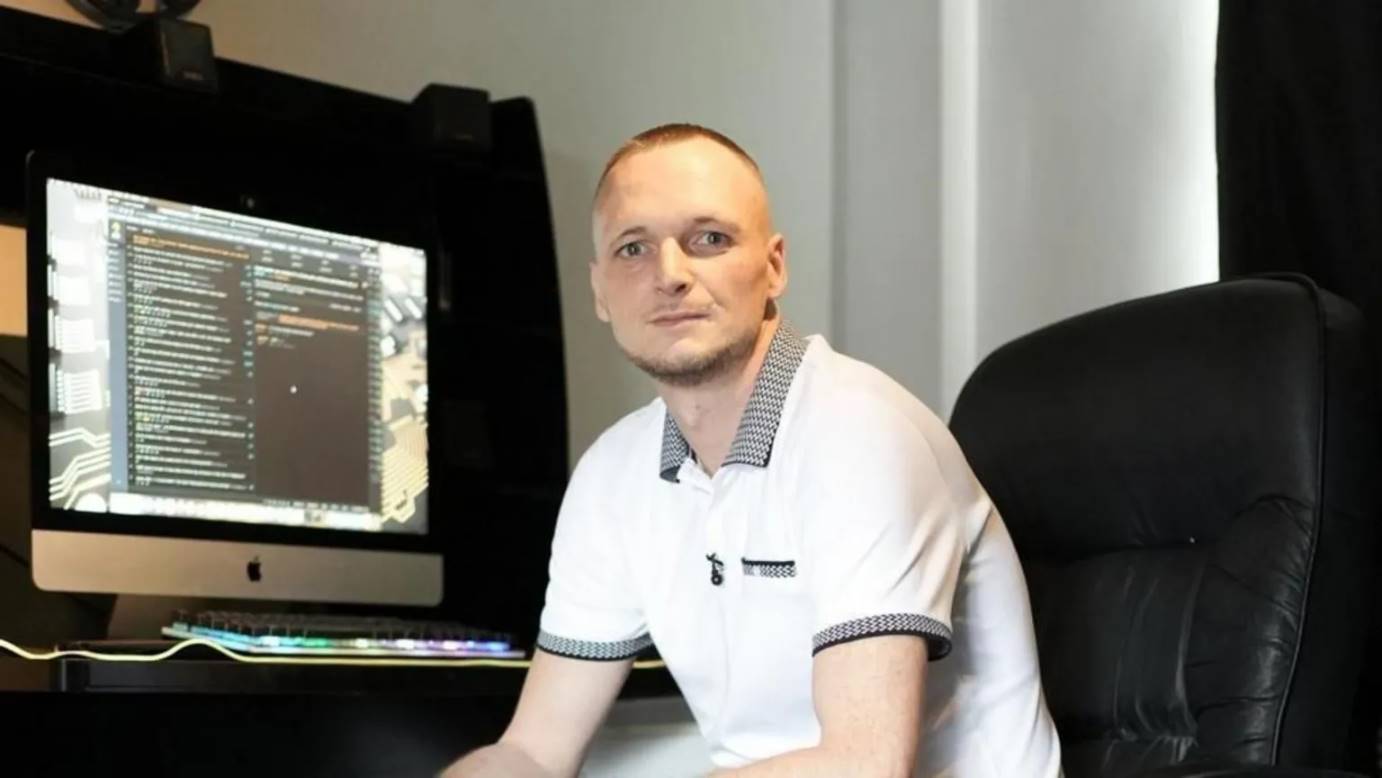
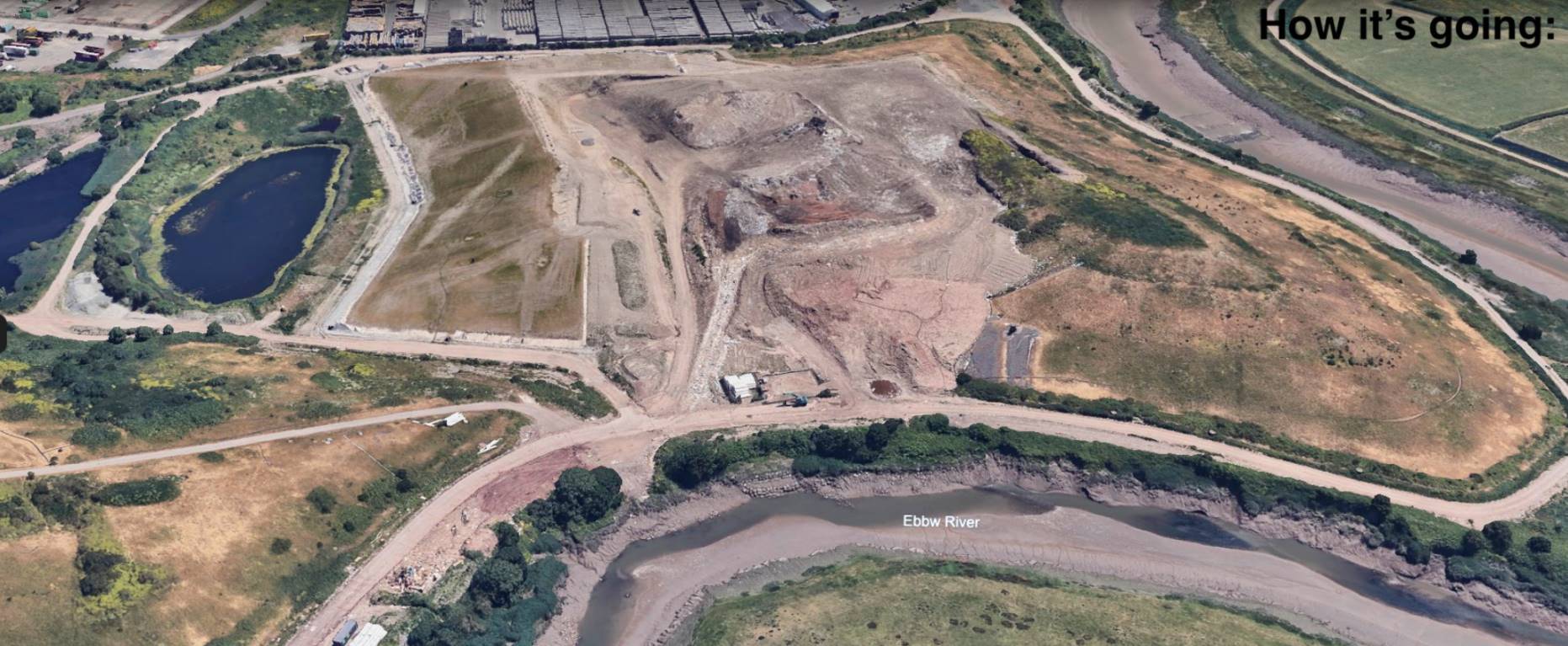
Fast forward to 2013—Bitcoin prices began soaring, while Howells’ personal life took a disastrous turn. His partner complained about clutter at home, prompting him to conduct a major cleanup. Tragically, the hard drive containing the Bitcoin private keys was mistaken for broken junk and thrown out with other electronic waste, eventually ending up in a landfill on the outskirts of Newport. At the time, Bitcoin was trading at $13 per coin.
"I had no idea what I'd actually thrown away," Howells later recalled. "It wasn’t until months later, when the price skyrocketed, that I realized my fortune was buried under a mountain of trash."
Bitcoin surged from $13 to $100,000—a more than 7,700-fold increase.
From Shock to Action: A Long Legal Battle
By late 2013, Bitcoin surpassed $1,000, and Howells realized he might have discarded a goldmine. By late 2024, Bitcoin briefly exceeded $100,000, making those 8,000 coins worth around $800 million—an unimaginable fortune. He then began negotiations with Newport City Council, seeking permission to excavate the landfill.
However, the council remained uncooperative. They argued that the landfill already contained hundreds of thousands of tons of waste, and excavation would be extremely costly, potentially releasing hazardous gases and endangering public health and the environment. Undeterred, Howells offered to fund the operation himself and assemble a professional team, even promising to donate part of the proceeds to the local community—but was flatly rejected.
Determined, Howells turned to the courts. Over the years, he pursued cases through various levels of the British judiciary, attempting to claim ownership rights. His legal team made creative arguments, describing the hard drive as a modern-day treasure trove that rightfully belonged to its owner. But the courts were unconvinced. The lower court ruled that ownership of garbage transfers upon disposal, and excavation permits fall under local authority jurisdiction.
Final Appeal Denied: The Court’s Ruling
On March 13, the UK Court of Appeal upheld the previous ruling, bringing the case to a close. In their judgment, judges emphasized that environmental protection and public safety take precedence over individual property claims. They also noted there was no evidence the hard drive could still be located or that data recovery was feasible. The court added wryly: “Even if Bitcoin is priceless, we cannot turn landfills into gold mines.”
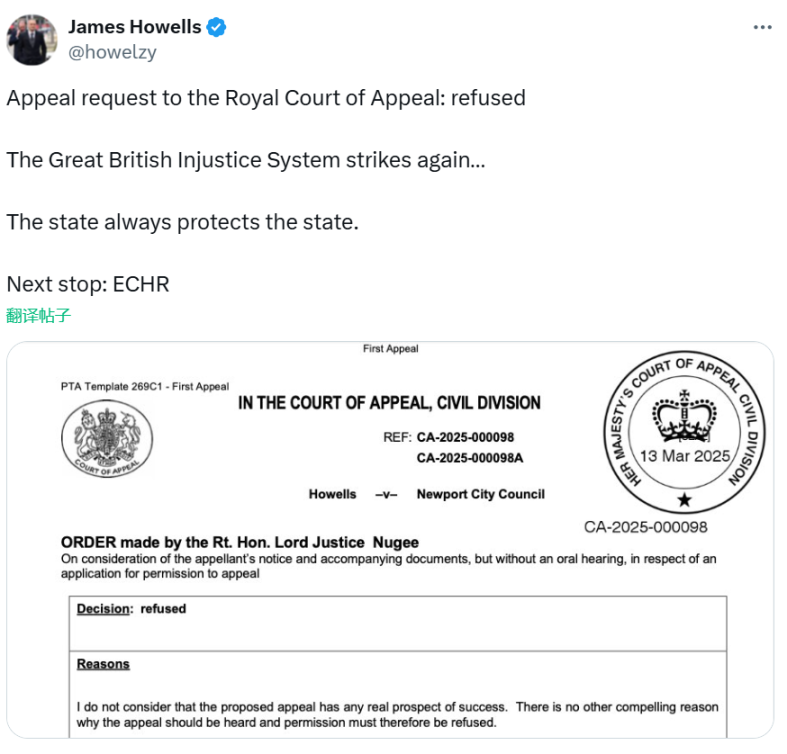
After the verdict, Howells expressed deep disappointment. “I respect the court’s decision,” he said, “but that doesn’t mean I’ll give up. My bitcoins are still down there—I’ll find a way someday.” Still, he admitted that over a decade of accumulated waste made the recovery effort nearly impossible.
Conclusion
The bizarre case quickly sparked widespread online discussion. Some sympathized with Howells, calling him a tragic hero who narrowly missed becoming a billionaire; others mocked him, asking how anyone could casually toss $800 million into the trash. One netizen joked: “If that hard drive is ever found, those bitcoins will probably come with a stench of garbage.”
Howells’ ordeal serves as an expensive lesson. Today, Bitcoin enthusiasts often cite his story as a cautionary tale: back up your private keys, store them securely, and never let your wealth end up in the trash. For most people, this remains a surreal and amusing news story—after all, not everyone gets to throw a mountain of gold into a landfill and expect the courts to help dig it back out.
The landfill in Newport remains quiet and undisturbed, and the legendary hard drive likely continues to slumber beneath the waste. In February, BBC reported that the landfill is expected to close sometime during the 2025–2026 fiscal year. This “Bitcoin treasure hunt” may ultimately conclude with nothing but a sigh.
Join TechFlow official community to stay tuned
Telegram:https://t.me/TechFlowDaily
X (Twitter):https://x.com/TechFlowPost
X (Twitter) EN:https://x.com/BlockFlow_News
 Foresight News