When KOLs fight for "KOL rounds," there are no winners left in a bear market
TechFlow Selected TechFlow Selected
When KOLs fight for "KOL rounds," there are no winners left in a bear market
No winners, but no endgame either.
 Navigating Web3 tides with focused insights
Written by: TechFlow
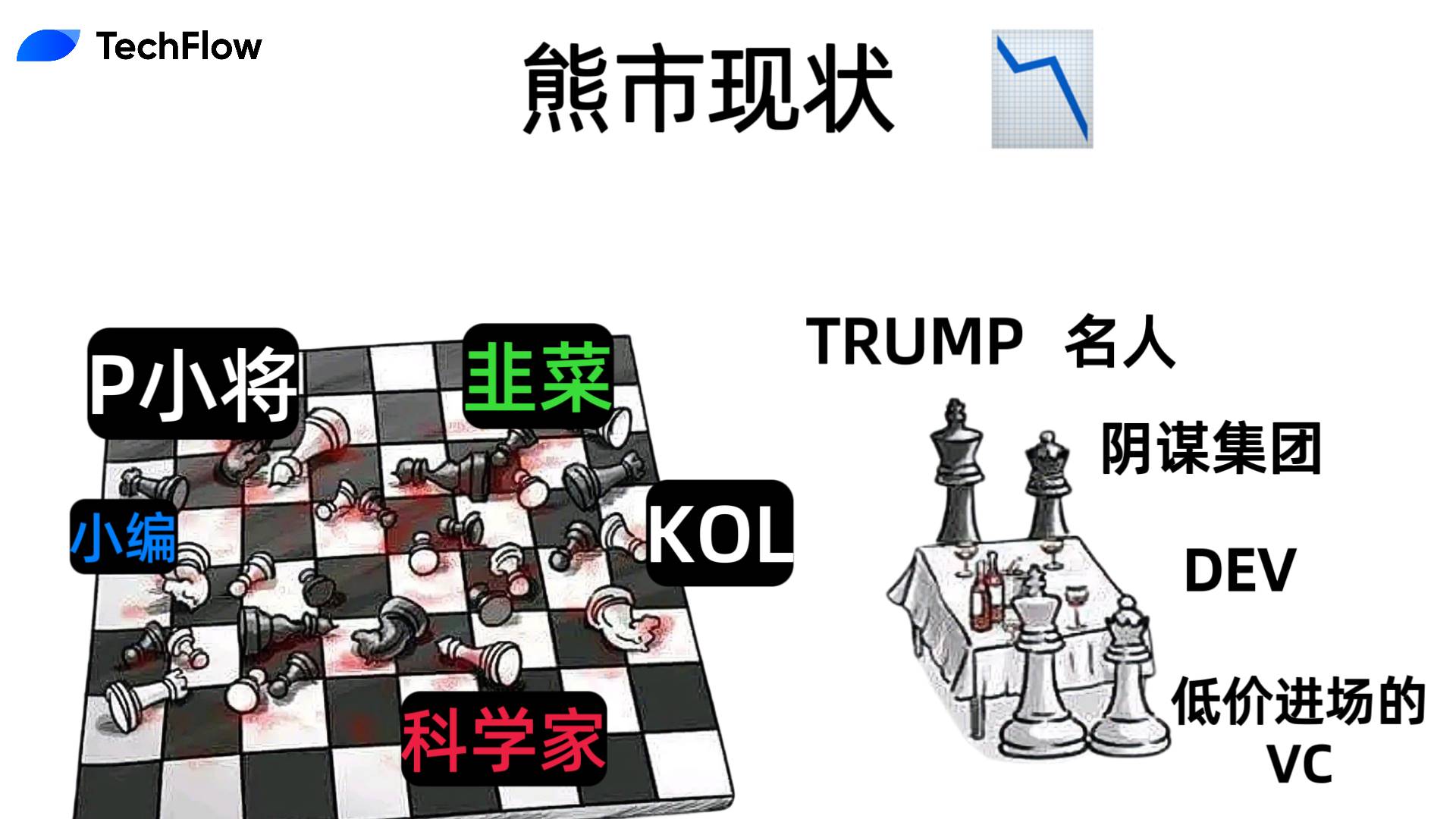
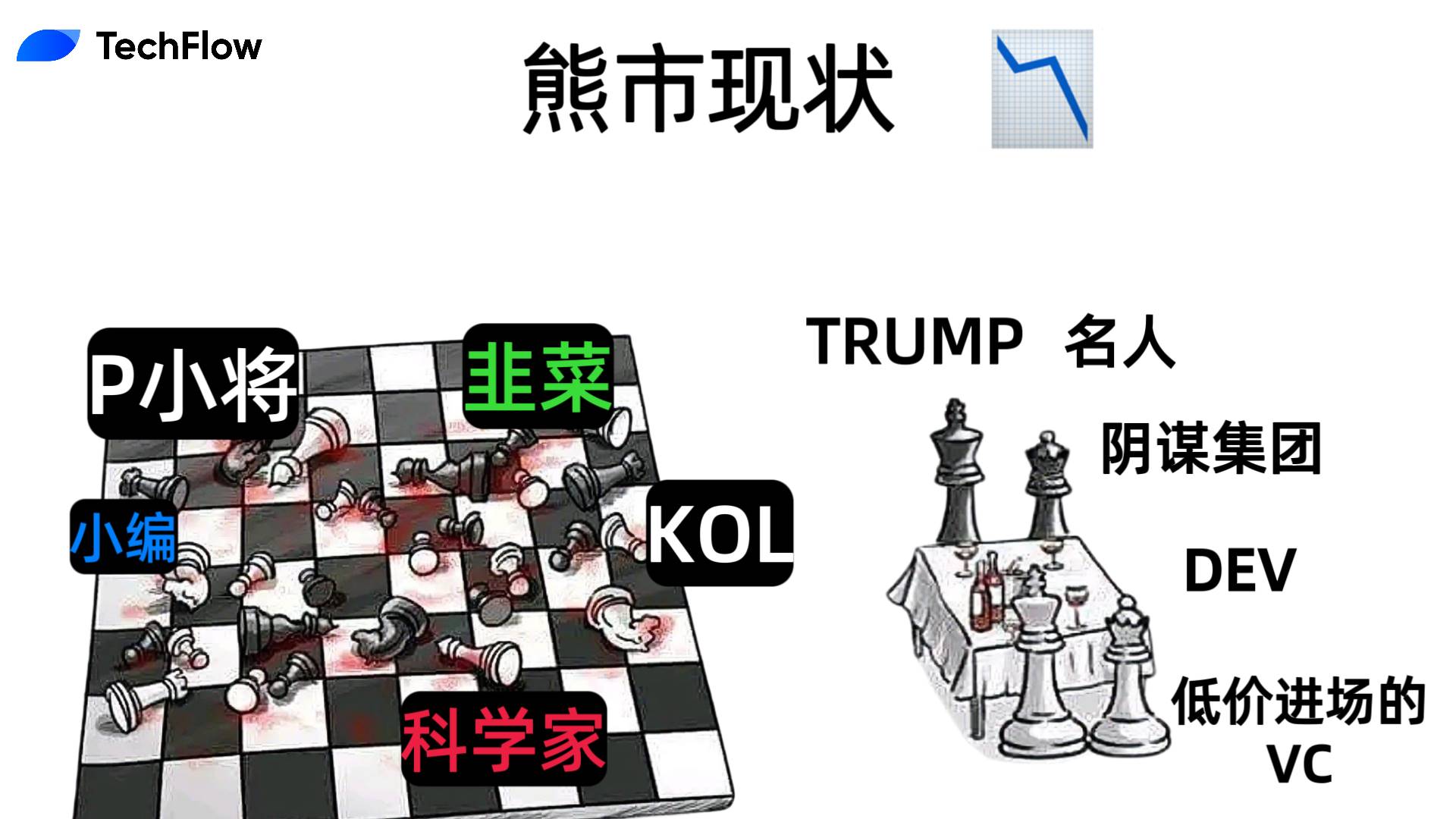
Presidential scandals, celebrity token launches, long and short liquidations, AI projects failing to deliver... The crypto market since the beginning of the year has been brutal—any single one of these events would be enough to devastate retail investors.
As seasoned bagholders, we’ve had no choice but to swallow it all—the lack of reliable information, overreacting to rumors, undisciplined trading. These weaknesses are magnified during scam seasons and bear markets, making losses almost inevitable.
But it's not just retail investors who are suffering.
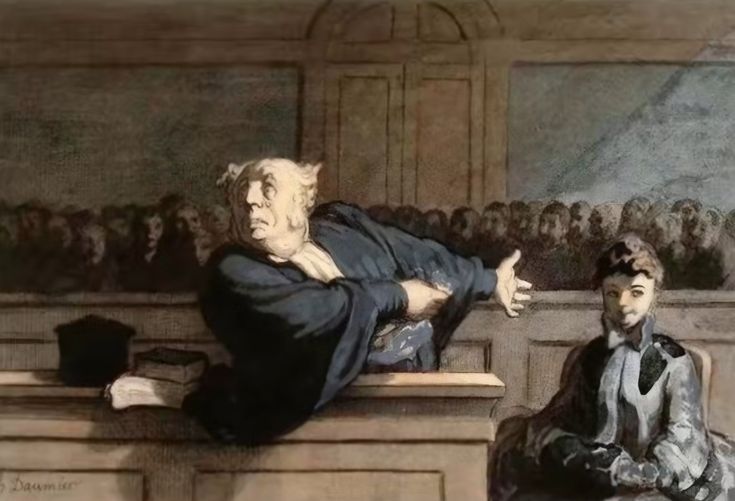
When the market turns south, most people stand little chance of winning—even those once seen as being on top of the food chain, like KOLs (Key Opinion Leaders).
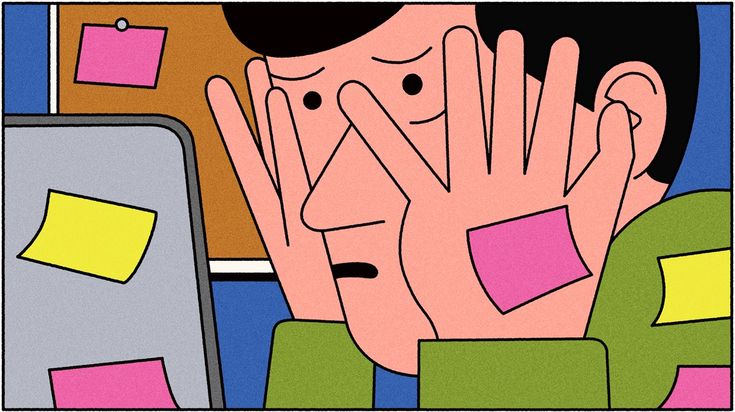
KOLs, long perceived as allies of project teams in harvesting retail money, are now also reporting losses and frustration amid this bull-bear transition.
And what turned them into "big-time bagholders"? That thing you once couldn’t access, but is now a hot potato:
The KOL Round.
From Win-Win Tool to Lose-Lose Trap
Bear markets bring disputes and demands for accountability—but who would have thought KOLs would soon be demanding justice for themselves?
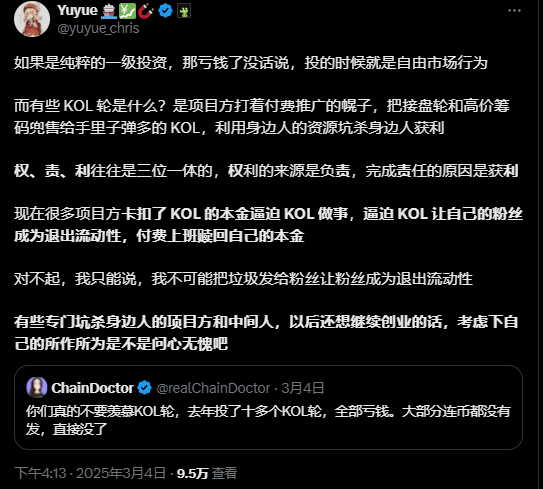
On March 4, 2025, ChainDoctor let out a sigh: “Don’t envy the KOL round. I invested in over ten KOL rounds last year—all losing money. Most didn’t even launch tokens—they just vanished.”
Perhaps KOLs can afford losses better than average investors, but the fact remains: they’re losing too.
You might dismiss this as performance or sympathy-seeking, but the growing chorus of complaints from across the community suggests many KOLs are genuinely burned.
After that post, prominent Chinese-speaking crypto KOLs launched a collective critique of the KOL round. Well-known figure yuyue bluntly condemned:
“Some so-called KOL rounds are just disguised paid promotions, where project teams offload overpriced, unsellable tokens onto KOLs—exploiting their network to profit at the expense of those closest to them…”
You might still question why KOLs would lose money, but in reality, KOLs sit downstream in the token issuance pipeline.
The typical fundraising chain goes like this:
Seed round (friends and family), private sale (VCs and strategic partners), KOL round (discounted tokens sold to influencers for promotion), public sale (retail participation), then exchange listing (open trading).
The KOL round usually follows the private sale. Projects sell tokens at a discount to KOLs, who leverage their influence on X (Twitter) and Telegram to boost visibility and credibility.
In a bull market, this can be mutually beneficial: projects raise funds, KOLs profit from the gap between cost and secondary market prices, and retail investors may ride the momentum for gains.
But in a bear market, the picture darkens.
Liquidity dries up, trading volumes shrink, token prices collapse. Often, project teams cash out early while KOLs remain locked—typically 3 to 6 months—unable to exit before value plummets to zero.
As one sharp comment noted:
“Today’s KOL round is a classic lose-lose: projects fail to raise real capital or exit via retail, so they turn to ad-dependent KOLs instead. KOLs end up paying with money, effort, and reputation.”
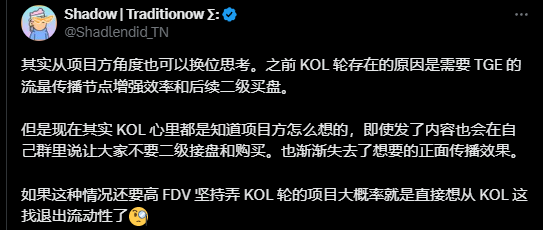
This isn’t just about bad market conditions anymore—some project teams are actively targeting KOLs as part of their exit liquidity.
Worse, KOLs now face pressure from both sides. Project teams know KOLs understand the risks, yet exploit their greed or financial needs (like monetizing traffic) to push deals through. KOLs take the gamble hoping to “hit big,” only to suffer losses.
On the other side, retail trust in KOLs is fading. Some now treat KOL endorsements as reverse indicators—when a KOL promotes something, it’s assumed the price will drop. This weakens marketing impact, suppresses token prices, and further damages KOL reputations.
If you're not planning to exit after one scam, doesn't everyone want to protect their reputation and help others profit too?
From win-win mechanism to multi-party loss, in this bear market, perhaps there are no winners left among those downstream.
Agency: The Professionalism of Middlemen
You may not realize it, but behind the KOL round lies an often-overlooked player: the Agency.
In simple terms, agencies handle project promotion needs and connect them with suitable KOLs.
But their role goes far beyond matchmaking. They must balance the project team’s goal—maximizing exposure at minimal cost—with the KOL’s need—to earn stable returns, or at least avoid losses.
Dov, a representative agency operator, posted:
“I’ve never let my KOLs lose a single dollar. Either we pay in stablecoins upfront, clear and final, or the KOL round includes a buyback guarantee—worst case, we return the principal.”
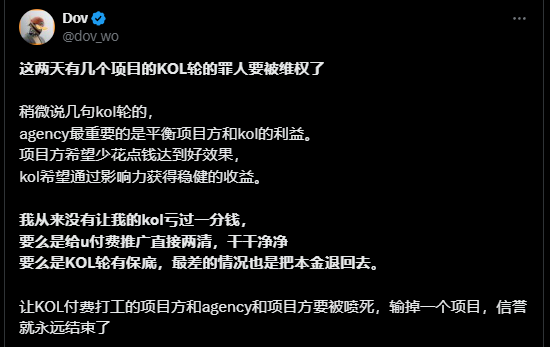
This shows that, like any sector in crypto, professionalism varies widely.
Reputable agencies implement safeguards—cash payments or guaranteed buybacks—to protect KOLs. But if an agency lacks judgment and picks poor projects, KOLs face token devaluation and lockup risk, leading to real losses.
The fate of those doing the work often depends on the ethics and competence of those assigning the tasks.
In the crypto marketing chain, only scammers benefit from one-off schemes. Repeatedly exploiting others reduces future opportunities—narrowing your path forward.
After all, no one’s a fool forever. Sustainable profit comes from lasting cooperation.
Yet everyone might be a good middleman downstream, while unknowingly becoming a victim upstream.
No Winners, But No Endgame Either
The cruelty of a bear market isn’t limited to retail investors feeling the cold—it forces even those once considered powerful, like KOLs, to confront harsh realities.
In this bull-bear cycle, project teams, KOLs, retail investors, and agencies have played different roles, yet none emerged victorious.
KOLs demanding accountability reflect the broader state of the crypto ecosystem.
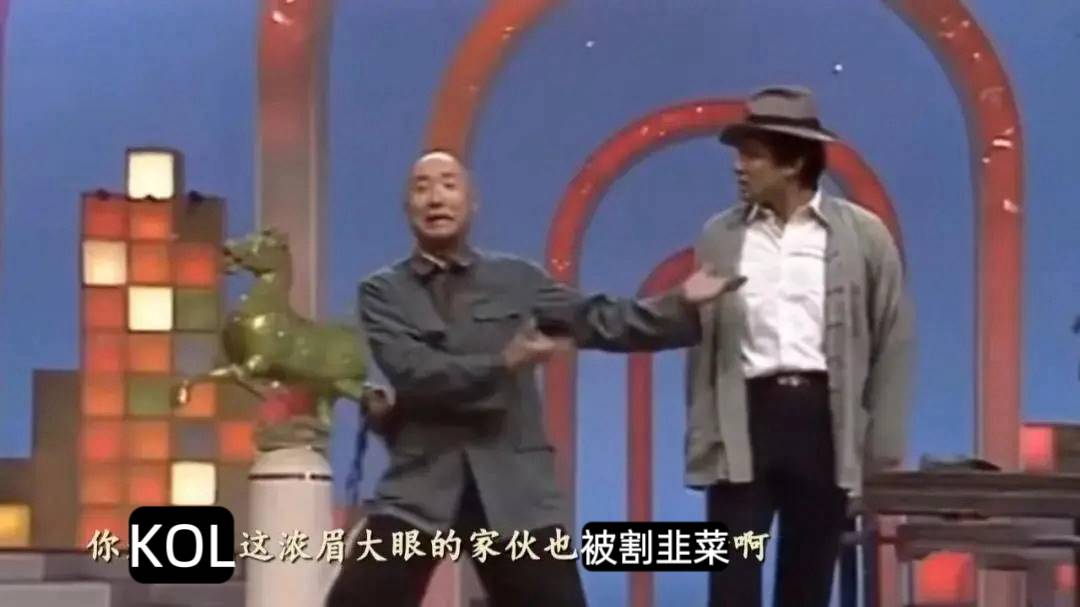
The degradation of the KOL round—from a win-win tool in bull markets to a lose-lose trap in bear markets—reveals a deep crisis of trust. Short-sightedness by project teams, profit-driven behavior by KOLs, blind following by retail, and inadequate professionalism from agencies—all have been amplified in this environment.
When the market falls, everyone tries to survive, yet few escape being harvested.
KOLs getting “rekt” isn’t merely a dispute over profits—it reflects systemic imbalance in the crypto market. When liquidity vanishes and funding chains break, everyone downstream becomes a passive casualty.
Looking back, the controversy around KOL rounds is essentially growing pains in industry evolution.
When KOLs fight for their rights, they’re indirectly speaking for the entire ecosystem. Only after enduring such bear markets can participants truly understand: in a market without rules and trust, short-term winners eventually become long-term losers.
Yet from a broader perspective, this could also be an opportunity for reshuffling. Market bottoms often mark the start of ecological improvement. Only through reflection and adjustment amid pain can the next cycle of prosperity emerge.
Will the next bull market arrive as expected? That may depend on whether today’s participants can truly learn from this bear market—and find a new equilibrium for genuine “win-win” outcomes.
Join TechFlow official community to stay tuned
Telegram:https://t.me/TechFlowDaily
X (Twitter):https://x.com/TechFlowPost
X (Twitter) EN:https://x.com/BlockFlow_News
 深潮TechFlow