The Radical "Trump Crypto Advisory Group"
TechFlow Selected TechFlow Selected
The Radical "Trump Crypto Advisory Group"
Trump's "Crypto Magnificent Eight."
 Navigating Web3 tides with focused insights
By Zhou Zhou, Foresight News
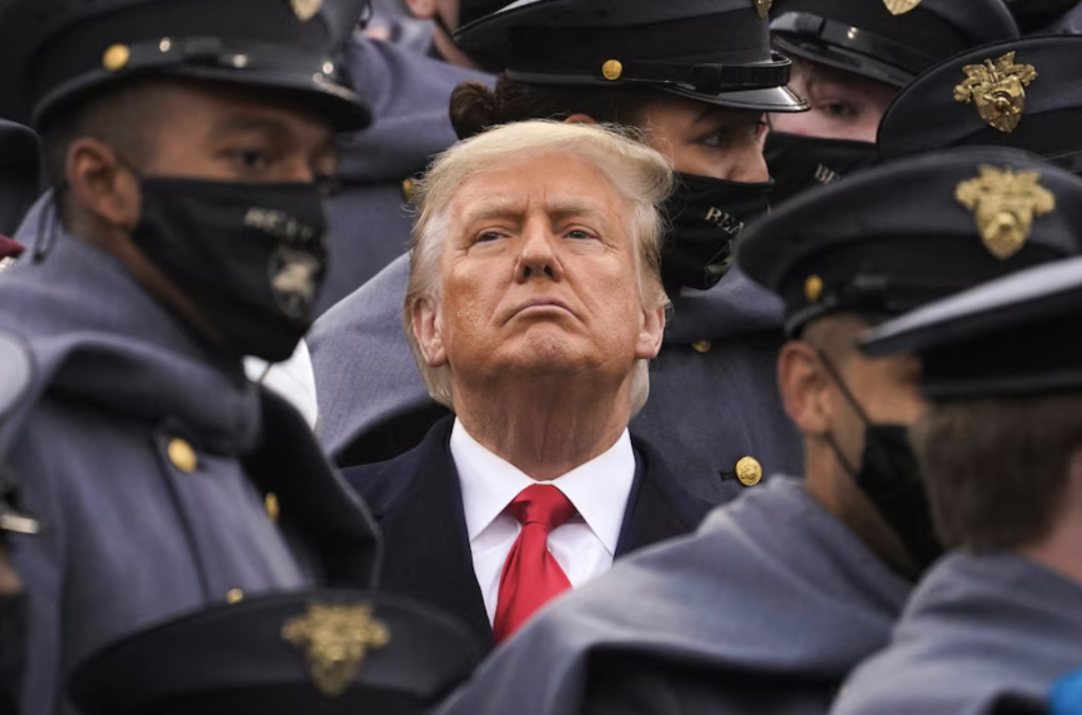
Just as the "Traitorous Eight" sparked a technological revolution in Silicon Valley, Trump's "Eight Generals" are now reshaping the cryptocurrency industry.
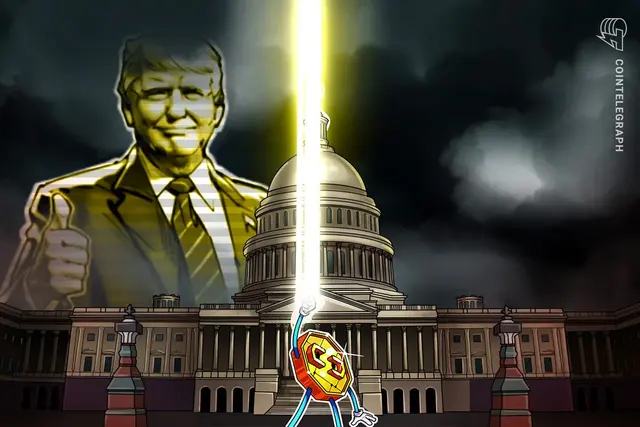
In contrast to the Biden administration’s strict crypto regulation, the Trump era is ushering in a wave of crypto-friendly policies across American politics and business. At the heart of this shift is Trump’s “crypto advisory team”—a group of high-ranking government officials who are not only outspoken supporters of digital assets, but in some cases, outright radicals.
This pro-crypto stance is deeply tied to the backgrounds of these advisors. Many are either prominent members of PayPal's legendary “PayPal Mafia,” or were the most vocal crypto advocates within regulatory bodies like the SEC and CFTC.
Trump himself has already left a clear mark on the crypto markets in terms of both impact and influence. Since November 2024, he has driven three major market movements. In November 2024, one month after winning the election, the entire crypto market—including altcoins—saw a sustained rally for an entire month. On January 18, 2025—just two days before officially resuming presidential duties—Trump launched his own memecoin, $TRUMP, which reached an $80 billion market cap within three days. The broader crypto market was drained of liquidity, with all other cryptocurrencies plummeting that day. When his wife subsequently launched her own memecoin, it marked a key turning point from bull run to bear market.
Then in early March 2025, Trump struck again, announcing plans to include BTC, ETH, Solana, ADA, and XRP in a national strategic reserve. Within a single day, major cryptocurrencies surged, reversing a week-long downtrend. Once the news cycle faded, however, the market cooled once more. It’s evident that nearly every move by Trump’s team triggers significant volatility in the crypto markets.
Behind Trump, his crypto advisors are even more sophisticated players. Not only do they hold powerful positions at the highest levels of U.S. governance, but their support for cryptocurrency is unequivocal—and in many cases, radical. Over the next four years starting in 2025, they will continue to profoundly shape the trajectory of the entire crypto industry.
With this in mind, I’ve compiled a list of eight key figures surrounding Trump who are currently exerting—and will continue to exert—direct and substantial influence on the crypto sector. They are: David Sacks (Crypto Czar), Mark T. Uyeda (Acting SEC Chair), Paul Atkins (nominee for SEC Chair), Hester Peirce (“Crypto Mom”), Brian Quintenz (CFTC Chair), Scott Bessent (Treasury Secretary), Howard Lutnick (Commerce Secretary), and JD Vance (Vice President).
Crypto Czar David Sacks: Bitcoin Has the Potential to Become the Next Internet
David Sacks is the main driving force behind the first-ever White House Crypto Summit, scheduled for March 7.
Sacks is one of the most pivotal figures in Trump’s crypto inner circle. On January 23, 2025, Trump signed an executive order establishing the “President’s Working Group on Digital Asset Markets,” which is led directly by David Sacks.
On December 5, 2024, Trump announced via his Truth Social platform that Sacks would serve as the “White House AI and Crypto Czar.” In the announcement, Trump stated that Sacks would “guide government policy on artificial intelligence and cryptocurrency” and “work to make the United States a global leader in both fields.”
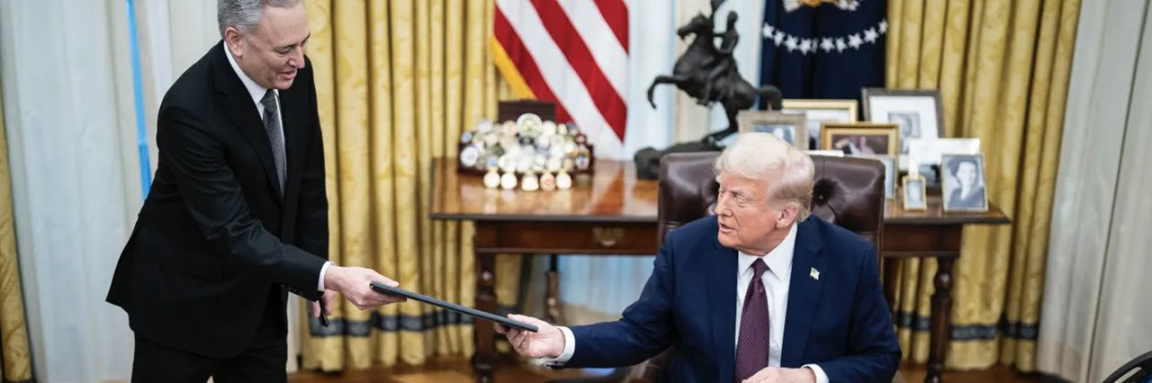
David Sacks and Trump
The role of “Crypto Czar” is a newly created position under Trump designed to advance cryptocurrency development. It carries significant centralized authority, enabling rapid coordination across federal agencies such as the SEC, Treasury Department, and Commerce Department to push forward the crypto agenda.
David Sacks is a visionary investor and entrepreneur. As early as 2013, he publicly expressed bullish views on Bitcoin, tweeting: “Bitcoin has the potential to be the next internet—the internet of money. I’m buying.” He began purchasing Bitcoin in 2012 and has repeatedly emphasized its transformative potential as “non-sovereign money.” He believes Bitcoin operates independently of governments, secured by mathematics and cryptography, offering a financial system outside state control.
Beyond being a Silicon Valley venture capitalist, Sacks was also a founding member of PayPal, closely associated with Elon Musk and Peter Thiel—as part of the famed “PayPal Mafia.” He also played a key role during Musk’s 2022 acquisition of Twitter.
In 2017, Sacks founded Craft Ventures, a venture capital firm that has made significant investments in crypto and AI startups, including early backing for dydx and Lightning Labs.
Acting SEC Chair Mark T. Uyeda: The War on Crypto Must End
“The war on crypto must end. We need safe harbors and regulatory sandboxes so innovation can thrive,” Uyeda said in an interview with Stuart Varney on November 23, 2024.
Uyeda is the current Acting Chair of the SEC and is widely known for his favorable stance toward cryptocurrencies.
Prior to his appointment, he consistently opposed the SEC’s approach under former Chair Gary Gensler of regulating the crypto industry through enforcement actions rather than clear rules—a method he argued had disastrous consequences for industry growth. Alongside Hester Peirce, he opposed the SEC’s rejection of Coinbase’s rulemaking petition, arguing the commission should actively respond to industry needs.
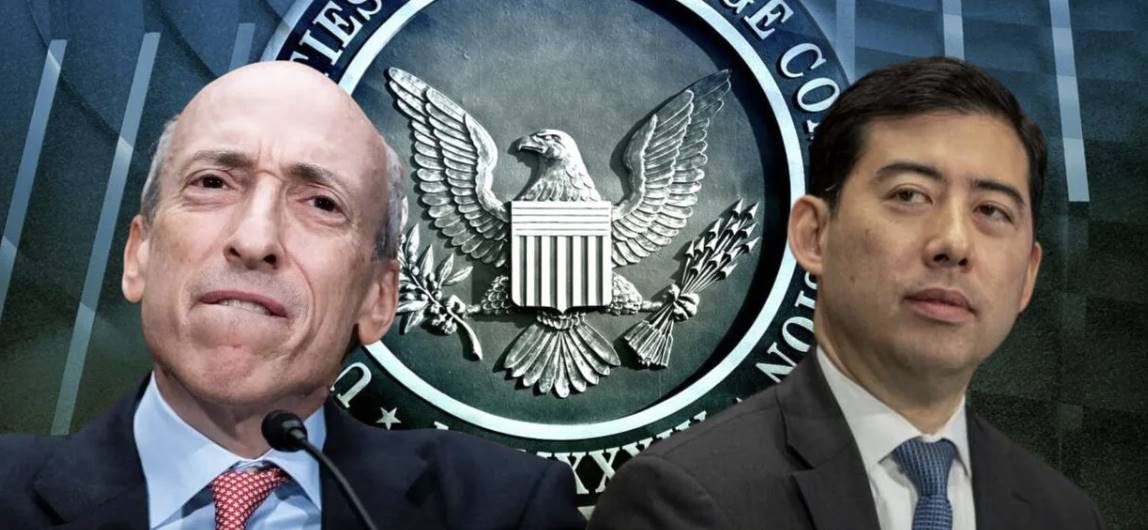
Left: Former SEC Chair Gary Gensler; Right: Current Acting SEC Chair Mark T. Uyeda
Since becoming Acting Chair, Uyeda has moved swiftly, announcing on January 21, 2025, the formation of a new “Crypto Task Force” led by SEC Commissioner Hester Peirce, aimed at developing a comprehensive and clear regulatory framework for digital assets.
Shortly after taking office, Uyeda nominated Paul Atkins, another well-known crypto supporter and former SEC commissioner, to serve as permanent SEC Chair—pending Senate confirmation.
SEC Chair Nominee Paul Atkins: Digital Assets Are Key to Making America Great Again
Both “Crypto Mom” Hester Peirce and Acting SEC Chair Mark T. Uyeda previously served as attorneys on Paul Atkins’ private legal team during his time as an SEC commissioner, maintaining long-standing professional relationships with him.
Nominated by Trump to serve as SEC Chair (pending final Senate confirmation), Atkins declared upon his nomination in January 2025: “Digital assets are a key innovation to making America great again. The SEC’s role should be to support vibrant and innovative capital markets—not stifle new technologies with outdated frameworks.”
Atkins is widely regarded as a staunch crypto advocate and has received broad support from the crypto community. Ripple CEO Brad Garlinghouse and Gemini’s Cameron Winklevoss have publicly praised his nomination, viewing it as a step toward “common-sense regulation” for digital assets.
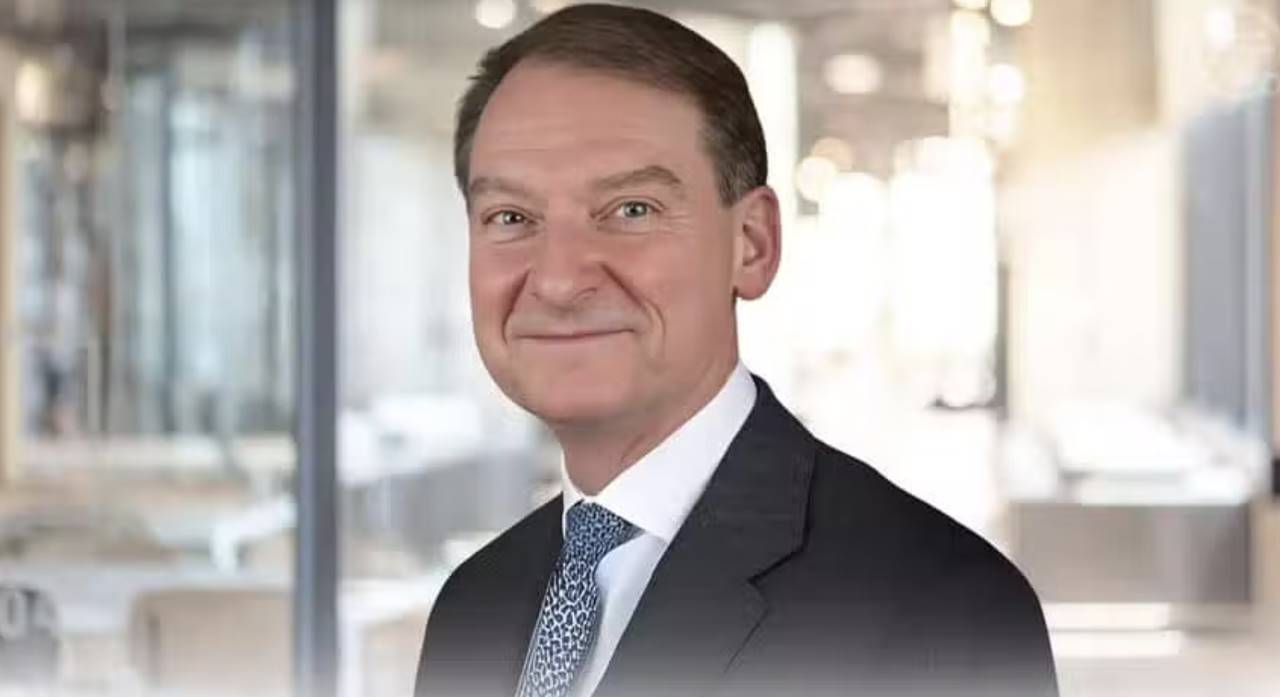
Atkins is currently CEO of Patomak Global Partners, a consulting firm serving the financial services and cryptocurrency industries.
He will join other pro-crypto financial officials in the Trump administration, including Treasury Secretary Scott Bessent and Commerce Secretary Howard Lutnick, forming a cohesive pro-digital asset policy team.
Crypto Mom Hester Peirce: DeFi Is a Testbed for Financial Democratization
During the Biden administration, Hester Peirce was already the most vocal pro-innovation voice within the SEC. She once said: “DeFi is a testbed for financial democratization.”
As early as 2018, she stated: “We may be entering a new era where all financial transactions are recorded on blockchains… We should welcome this possibility, not try to eliminate it.”
Now, Peirce has become a central female figure in Trump’s advisory circle, renowned for her open-minded approach to cryptocurrency and blockchain technology.
Appointed as an SEC commissioner in 2018, Peirce has consistently advocated for crypto innovation throughout her tenure.
In 2018, she issued a dissenting statement when the SEC rejected the Winklevoss Bitcoin ETF application, saying: “The SEC’s reasons for rejecting a Bitcoin ETF are unconvincing. We’re depriving investors of choice without evidence that markets will suffer.” It was this stance that first earned her the nickname “Crypto Mom” within the crypto community.
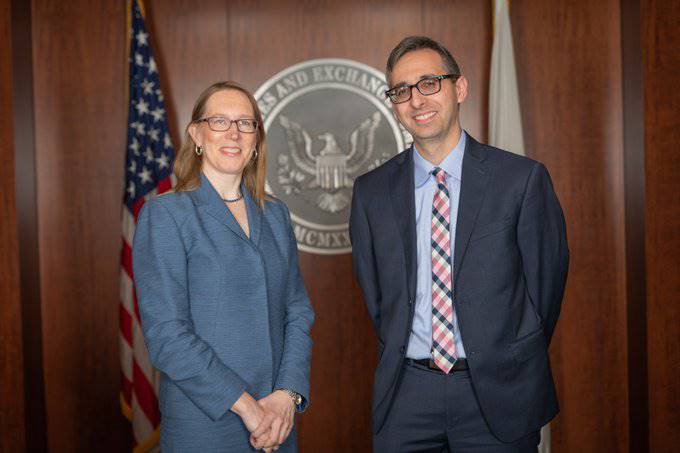
Crypto Mom Hester Peirce
Peirce’s contributions to the crypto space include criticizing the SEC’s overly restrictive regulation for stifling innovation, repeatedly opposing the denial of spot Bitcoin ETFs, and advocating for clearer regulatory frameworks for decentralized finance (DeFi).
In 2020, she introduced a “safe harbor” proposal, suggesting that crypto projects be granted a three-year grace period free from stringent securities regulations, allowing them time to develop and achieve decentralization. Though the proposal was never adopted by the SEC, it sparked widespread discussion across the industry. She remains one of the few commissioners to support the listing of Bitcoin ETFs.
On March 3, 2025, the SEC officially released the membership list of its “Crypto Task Force,” confirming Peirce as its leader.
CFTC Chair Brian Quintenz: Bitcoin Is a Commodity, Like Gold or Oil
“Bitcoin is a commodity, just like gold or oil,” says Brian Quintenz, current Chair of the U.S. Commodity Futures Trading Commission (CFTC).
Quintenz previously served as head of policy for a16z’s crypto division. Now, he holds the influential position of CFTC Chair.
He is widely seen as one of the key figures advancing crypto policy within the Trump administration.
Nominated by President Donald Trump, Quintenz was formally confirmed by the Senate and assumed office in February 2025.
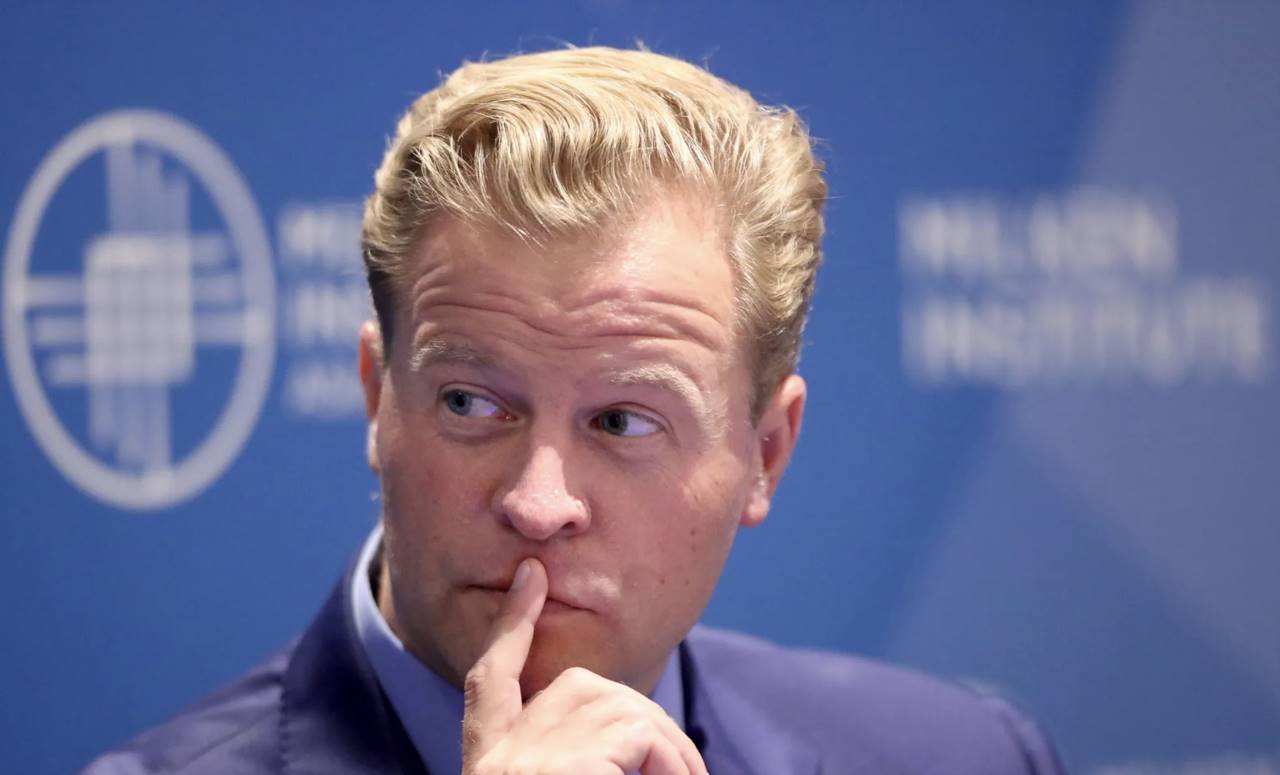
From 2017 to 2021, Quintenz served as a CFTC commissioner. During that time, he chaired the agency’s Technology Advisory Committee and led numerous public policy discussions and briefings on cryptocurrency and blockchain technology. He championed a “light-touch” regulatory approach, emphasizing investor protection without sacrificing innovation.
He played a key role in launching the first regulated Bitcoin and Ethereum futures contracts on U.S. derivatives exchanges, demonstrating deep understanding and strong support for the crypto market.
Quintenz supports classifying most digital assets as commodities rather than securities—a position aligned with CFTC jurisdiction. He has publicly challenged the SEC’s stance on assets like Ethereum, arguing that if Ethereum were deemed a security, its futures contracts would be illegal. He advocates for the CFTC to become the primary regulator of crypto markets to avoid the SEC’s rigid regulatory framework.
After leaving the CFTC, Quintenz joined Andreessen Horowitz (a16z) as Head of Policy for its crypto division, where he continued pushing for regulatory reforms favorable to the industry.
On a personal level, Quintenz has invested in the Grayscale Bitcoin Trust, reflecting his confidence in crypto assets.
At the national level, he remains an active advocate: “A national crypto reserve isn’t a dream—it’s a strategy. The CFTC will work with the government to explore how Bitcoin can strengthen U.S. economic resilience,” he said at a summit in March 2025.
Treasury Secretary Scott Bessent: Cryptocurrency Is About Freedom, A National Crypto Reserve Is Not a Dream
“A national crypto reserve is not a dream, but a strategy. Bitcoin can enhance the resilience of the U.S. economy,” said current Treasury Secretary Scott Bessent in January 2025.
Bessent is a radical supporter of cryptocurrencies. He has predicted Bitcoin could reach $980,000. According to financial disclosure filings from the U.S. Office of Government Ethics published in January 2025, Bessent holds between $250,000 and $500,000 worth of BlackRock’s spot Bitcoin ETF (IBIT).
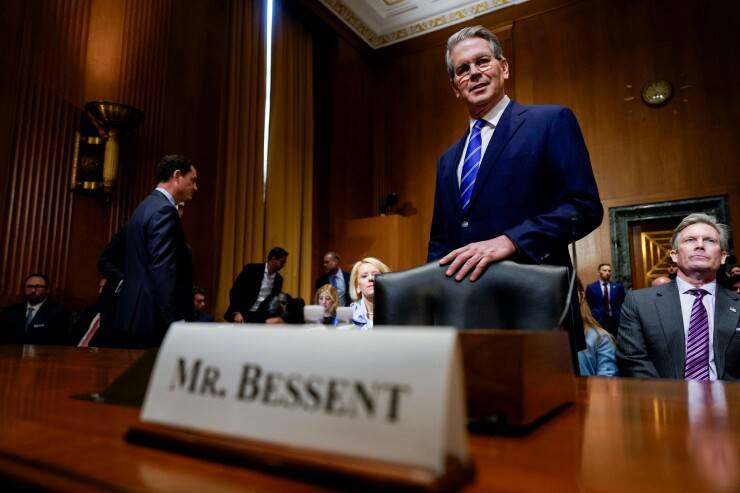
Scott Bessent in the photo
Bessent is the founder of Key Square Capital Management and previously served as a partner and chief investment officer at George Soros’s Soros Fund Management.
Bessent has repeatedly voiced strong support for cryptocurrencies, especially Bitcoin. He sees crypto as representing “freedom” and a critical component of financial innovation. In a July 2024 interview with Fox Business, he stated: “Cryptocurrency is about freedom. The crypto economy is here to stay.” He also noted that Bitcoin appeals to younger generations and those excluded from traditional banking systems, helping to “cultivate America’s market culture.”
He supports Trump’s proposal to establish a Strategic Bitcoin Reserve, believing it would position the United States as a global leader in digital assets.
Commerce Secretary Howard Lutnick: Bitcoin Is the Economy of the Future!
“Bitcoin is the economy of the future!” declared current U.S. Commerce Secretary Howard Lutnick during a public speech.
Lutnick holds a positive view of cryptocurrencies and has openly supported Bitcoin and other digital assets. He compares Bitcoin to gold and champions its role in global free trade. In February 2025, Lutnick was confirmed by the U.S. Senate as Secretary of Commerce.
Prior to this role, Lutnick served as CEO of financial services firm Cantor Fitzgerald, which is a key partner of Tether, the issuer of the world’s largest stablecoin USDT. Cantor manages a portion of Tether’s reserve assets, including U.S. Treasuries.
As CEO of Cantor Fitzgerald, Lutnick has been a strong backer of Tether (USDT), vouching for the legitimacy of its reserves. He emphasized that as a primary U.S. government bond dealer, Cantor can meet large-scale redemption demands, ensuring the stability of Tether.
Lutnick also posted on X: “Tether is the backbone of the crypto economy. Those who question it don’t understand modern finance.”
Vice President JD Vance: The First Presidential Candidate to Own Bitcoin
JD Vance, the current Vice President of the United States, is the first U.S. presidential candidate in history to own Bitcoin.
Vance frequently frames Bitcoin as a tool to resist government control over finance. During his 2024 campaign, he said: “Bitcoin represents a decentralized future. We need to protect it from bureaucratic overreach.” While he hasn’t explicitly endorsed Trump’s “National Bitcoin Reserve” plan, his views align closely with that vision.

In 2022, when the Canadian government froze bank accounts linked to Ottawa trucker protests, Vance tweeted: “This is why crypto thrives—because if your political views are wrong, the government cuts off your access to banking.”
According to public disclosures from 2023, Vance held between $250,000 and $500,000 worth of Bitcoin (BTC) via Coinbase. After being nominated as vice-presidential candidate in July 2024, he liquidated his personal Bitcoin holdings to avoid potential conflicts of interest—mirroring his wife Usha Vance’s resignation from Munger, Tolles & Olson, a law firm that had provided legal services to Coinbase.
Like Crypto Czar David Sacks, Vance’s career in Silicon Valley has connected him deeply with tech leaders supportive of crypto. In 2019, he co-founded Narya Capital, a venture fund focused on Midwest tech startups, alongside PayPal co-founder Peter Thiel and Eric Schmidt. After being elected Senator in 2022, he stepped down as a partner but retained at least $500,000 in equity in the firm.
Final Thoughts
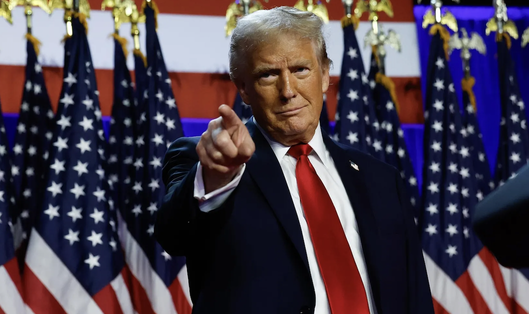
Trump has become the single most influential figure in the global cryptocurrency ecosystem today.
This radical pro-crypto stance stems not only from Trump’s personal inclinations but also from the longstanding beliefs of his core team and key supporters.
As early as 2013, Crypto Czar David Sacks began publicly supporting Bitcoin. As a founding member of PayPal, he believed BTC aligned with PayPal’s original vision: creating a global currency. In 2018, then-SEC commissioner Hester Peirce and then-CFTC commissioner Brian Quintenz were already publicly criticizing the government’s overly harsh crypto regulation—today, they lead those very agencies.
When an arrow drawn seven years ago finally hits its target in 2025, the momentum it unleashes will continue to ripple forward.
Join TechFlow official community to stay tuned
Telegram:https://t.me/TechFlowDaily
X (Twitter):https://x.com/TechFlowPost
X (Twitter) EN:https://x.com/BlockFlow_News
 Foresight News