Decoding DeFi 2025: Ten Key Insights from Consumer Finance to Technological Innovation
TechFlow Selected TechFlow Selected
Decoding DeFi 2025: Ten Key Insights from Consumer Finance to Technological Innovation
From stablecoins to intent execution layers, innovation is entering the fast lane.
 Navigating Web3 tides with focused insights
Author:Delphi Digital
Translation: Yuliya, PANews
As the market refocuses on practical value, decentralized finance (DeFi) is regaining momentum. From stablecoins to intent execution layers, innovation is accelerating—here are 10 key insights into the future of DeFi.
1. Consumer-Grade DeFi Applications Are Coming
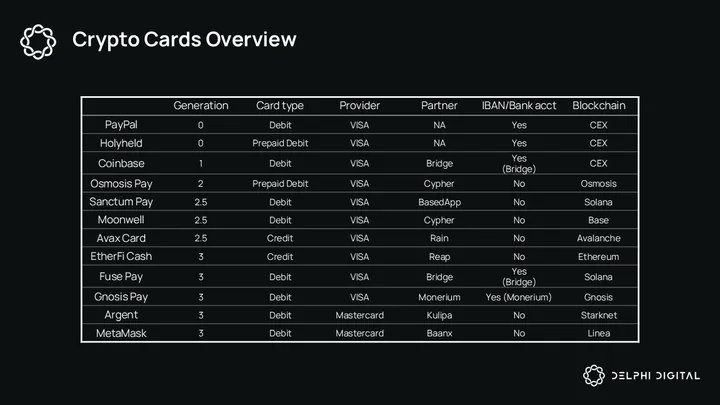
Crypto payment cards are evolving from simple cash-out channels into self-custodial smart contract wallets capable of direct interaction with DeFi protocols. New-generation crypto cards like Gnosis Pay, Argent, and Fuse support programmable spending, automatic top-ups, and integration with lending protocols, bringing the vision of banking without banks closer than ever before.
2. zkTLS Opens New Frontiers in DeFi
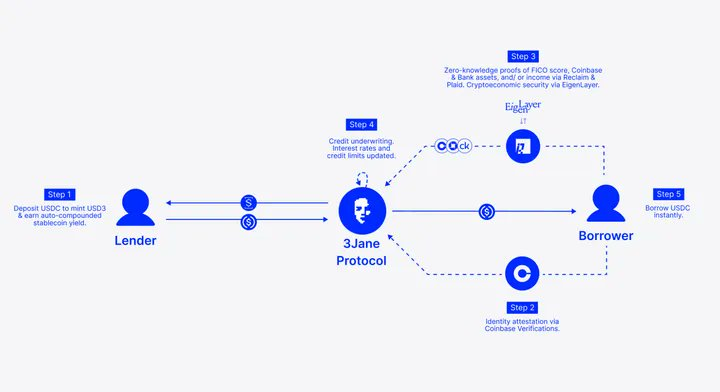
Zero-knowledge TLS (zkTLS) technology allows users to prove sensitive data on-chain without revealing private information. Projects such as 3Jane (credit lending), Camp Network (customized user experience), and Showdown (Web2 gaming) are leveraging zkTLS to expand DeFi into new markets. This could bring on-chain credit scoring and low-collateral lending into the mainstream.
3. Revenue-Sharing Stablecoins Reshape Market Dynamics
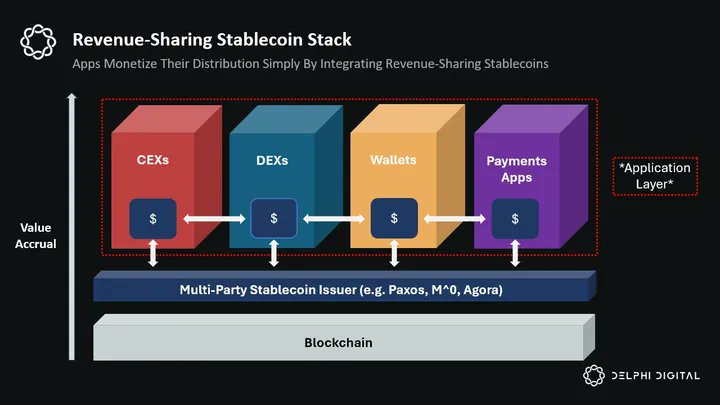
Stablecoin issuers generate substantial income from reserve interest, but DeFi projects are disrupting this model. Next-generation stablecoins like M^0, Agora, and Paxos USDG share revenue with applications, incentivizing wallet and DeFi platform integrations. This model may decentralize stablecoin issuance and reshape competition by rewarding distribution partners, rather than relying solely on network effects.
4. DeFi Value Shifts from Protocol Layer to Frontends
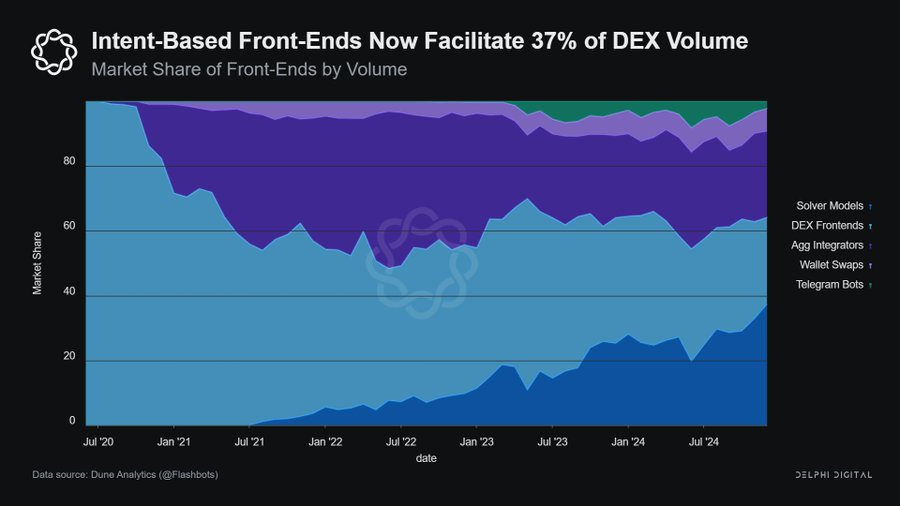
The value in DeFi protocols is shifting toward entities that control exclusive order flow—especially wallets and intent-driven frontends. Platforms like Jupiter and Phantom are positioning themselves for order flow monetization, aiming to reshape DeFi's value distribution. As the MEV supply chain matures, competition will shift from DEXs to frontends, where distribution power becomes key to value capture.
5. 2025 Will Be a Year of DEX Growth and Aggregator-Driven Trading
With rising DEX volumes and aggregators redefining execution methods, on-chain trading is undergoing a major transformation.
-
Angstrom focuses on solving MEV and LVR issues;
-
Bunni v2 enhances passive liquidity strategies;
-
Whetstone Research revolutionizes token issuance through Doppler.
6. Uniswap’s Strategic Expansion
Uniswap is transforming from a single DEX into foundational liquidity infrastructure for DeFi:
-
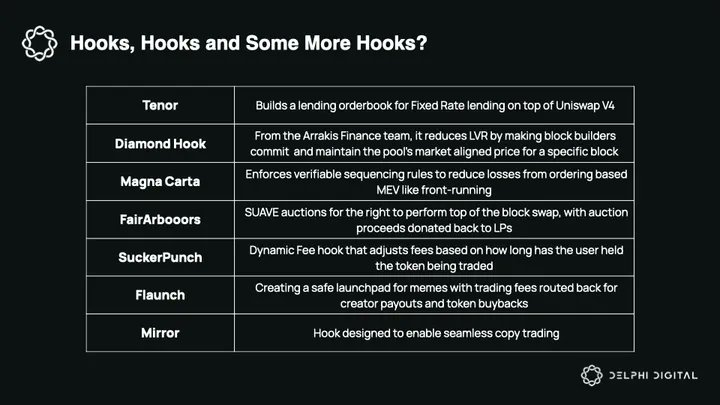
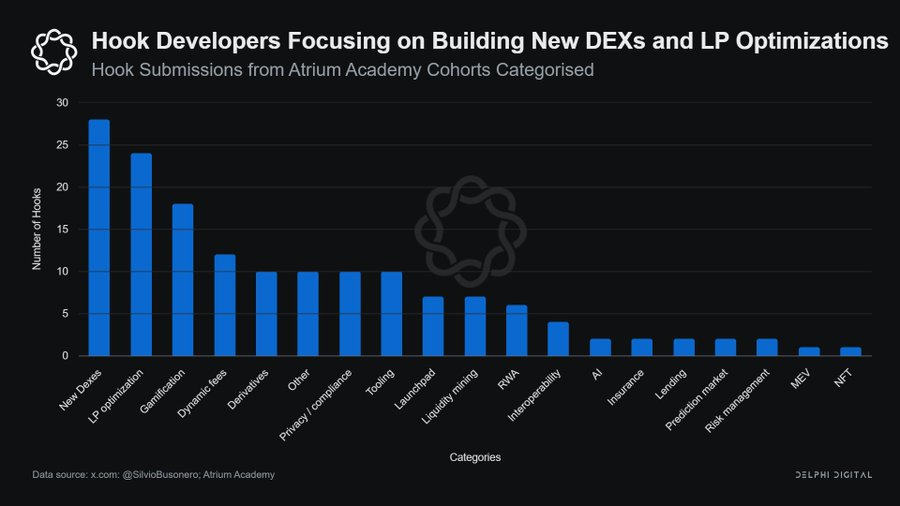
Uniswap Labs v4 introduces Hooks, enabling customizable AMMs, automated LP management, and advanced order types;
-
Unichain, a blockchain dedicated to DeFi, offers high speed and MEV resistance;
-
UniswapX has the potential to become the primary intent execution layer in DeFi.
7. Paradigm Shift in DeFi Trading
DeFi trading is moving toward modular, intent-driven, and high-speed execution. A new generation of DEX architectures is emerging to optimize liquidity, execution quality, and MEV protection:
-
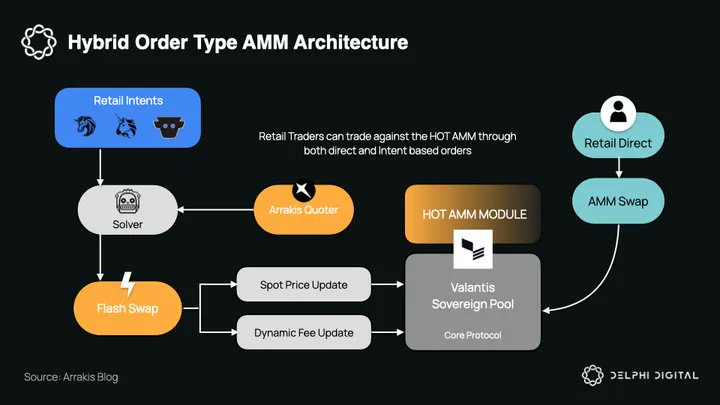
Valantis Labs provides a modular DEX framework enabling flexible exchange development;
-
Arrakis Finance integrates OTC order flow via RFQ, protecting LPs from MEV;
-
Fluid leverages "smart collateral" for leveraged market making and automated fee optimization;
-
Orderbook DEXs: High-performance blockchains like Monad, Sui, and Aptos are enabling efficient orderbook-based trading.
8. Evolution of Prediction Markets
Prediction markets are no longer just for speculation. For example:
-
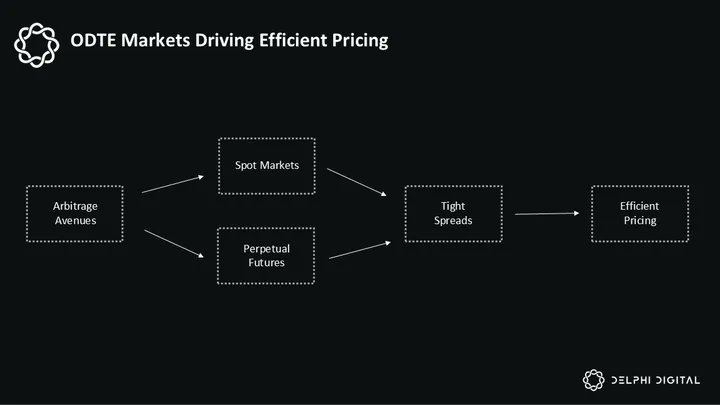
Limitless Exchange offers on-chain 0DTE derivatives with efficient pricing and leverage;
-
Truemarkets ensures fair outcomes using its Truth Oracle combined with AI-driven validation and decentralized governance.
As these models evolve, prediction markets may become a core component of on-chain finance.
9. Starknet's Development
Despite ongoing challenges, Starknet is building a foundation for growth through low-cost transactions, staking mechanisms, and an expanding ecosystem.
Key catalysts:
-
Bitcoin rollups could position Starknet as a leader in BTC Layer 2;
-
Lower blob costs offer scalability advantages over other L2s;
-
On-chain gaming is emerging as a new adoption driver.
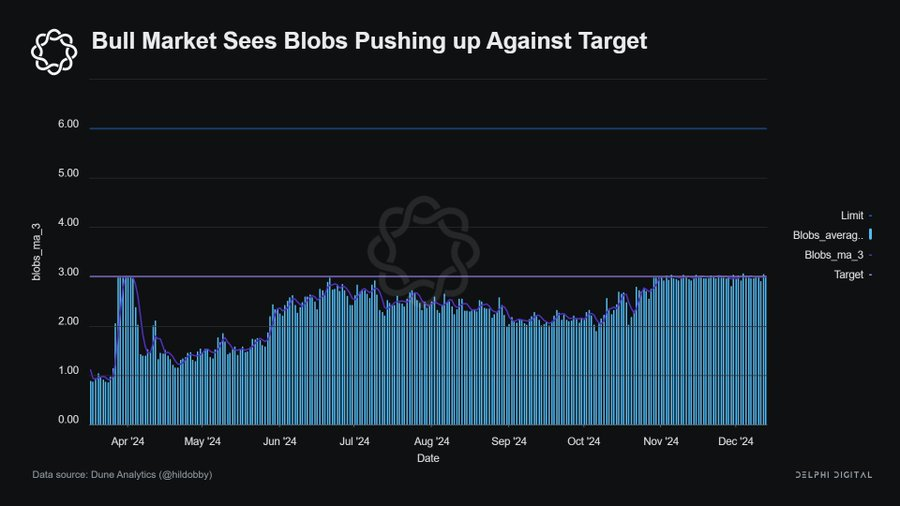
10. Challenges and Innovation
Despite rapid progress, DeFi still faces several critical challenges:
-
High entry barriers: Limited support from centralized exchanges forces users to rely on Ethereum bridges or intermediaries;
-
Inadequate token incentives: Many top-tier protocols lack token or points programs, reducing user engagement.
Yet, these challenges highlight significant room for innovation and growth in areas such as:
-
Low-collateral lending products
-
Lending aggregators
-
Interest rate derivatives
-
On-chain securitization protocols
-
Advanced prediction markets
Looking ahead, the next wave of DeFi will focus on efficiency improvements, risk management, and the development of more sophisticated financial instruments.
Join TechFlow official community to stay tuned
Telegram:https://t.me/TechFlowDaily
X (Twitter):https://x.com/TechFlowPost
X (Twitter) EN:https://x.com/BlockFlow_News
 Delphi Digital