









In the crypto world, the hardest trade is not trading
TechFlow Selected TechFlow Selected
In the crypto world, the hardest trade is not trading
The key to trading lies in significant opportunities, not in striving to trade every day.
 Navigating Web3 tides with focused insights
Author: Delta
Translation: TechFlow
Whether you're a full-time trader or someone who trades part-time after work, you may have experienced those maddening days. You sit in front of your screen, staring intently at price movements, waiting all day for a trading signal. You watch the X-minute chart (depending on your timeframe), seeing it crawl forward like a snail, slowly draining your patience and energy—like Dementors sucking away your happiness in the movies. Yet, after four hours, no trading signal has appeared.
You decide to step away briefly—to smoke a cigarette, buy lunch at the nearby bakery, or go to the bathroom and take a shower. But when you return, you find that a perfect trading signal has just emerged—a textbook setup meeting all your rules—but you've missed it.
You sit back down and continue staring at the screen. Another four hours pass, with only exhausting, monotonous price fluctuations in sight. At this point, you start feeling like you've wasted the entire day, scolding yourself: "I didn't accomplish anything today; what a complete waste of time." Your mind begins to question: "Trading is your job, right? But if you didn't execute any trades today, does that even count as work?"
Unwilling to let the day end without results, you start browsing through various altcoins, desperately searching for a "barely acceptable" trading opportunity. Eventually, you randomly place a trade on one and lose $1,000.
In a fit of rage, you smash your keyboard.
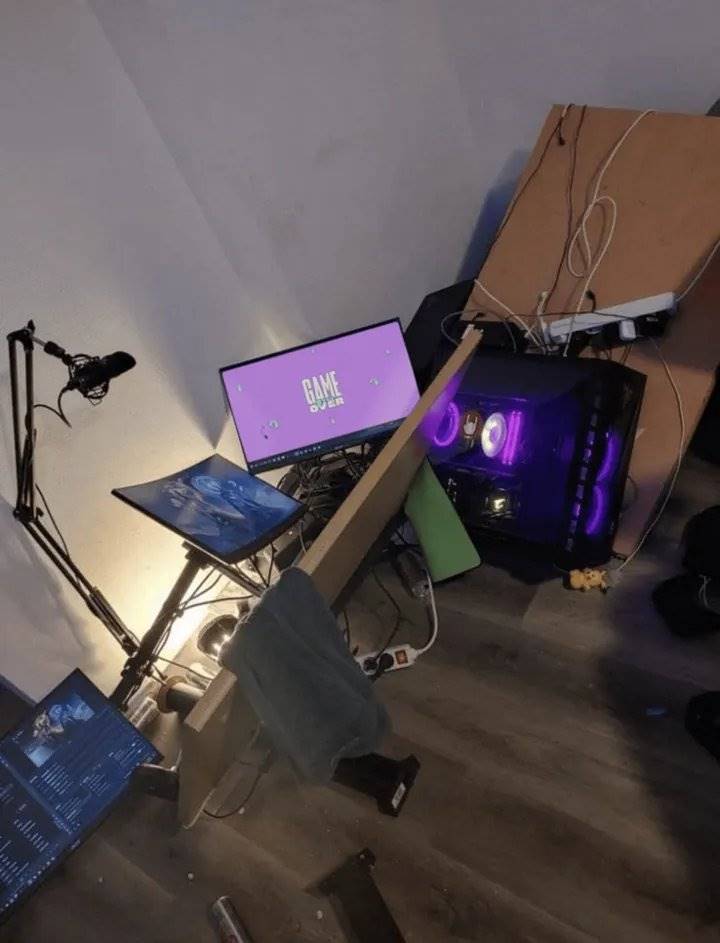
If you make irrational decisions due to boredom and frustration, such days can become some of the worst experiences for a trader. Many people, tired of waiting or feeling they "haven't completed their work," begin trading blindly, with no edge or plan whatsoever. Trading without a clear edge or plan is almost guaranteed to result in losses. Even with an edge, data shows that profits are only achieved over time through strict, consistent execution. Therefore, what you need to do is follow your plan every time, allowing your account balance to grow steadily over time.
However, some traders, lacking patience, choose to increase leverage in an attempt to profit quickly. As a result, not only do they suffer heavy losses, but they also completely disrupt their originally effective trading strategies, ultimately losing more than they gain.
"The hardest trade is no trade."
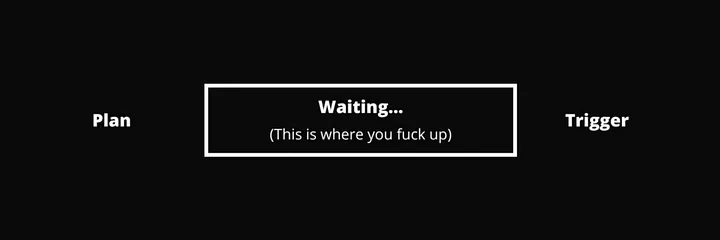
In reality, trading is mostly a game of patient waiting—only when the market presents suitable opportunities should you act decisively.
As many traders say—"2% of my career is spent executing trades, and 98% is spent patiently waiting."
If you already have a clear edge system that gives you a higher probability of profitable trades than losing ones, why wouldn't you choose to wait patiently?
The ideal PNL curve for most traders should look like this:
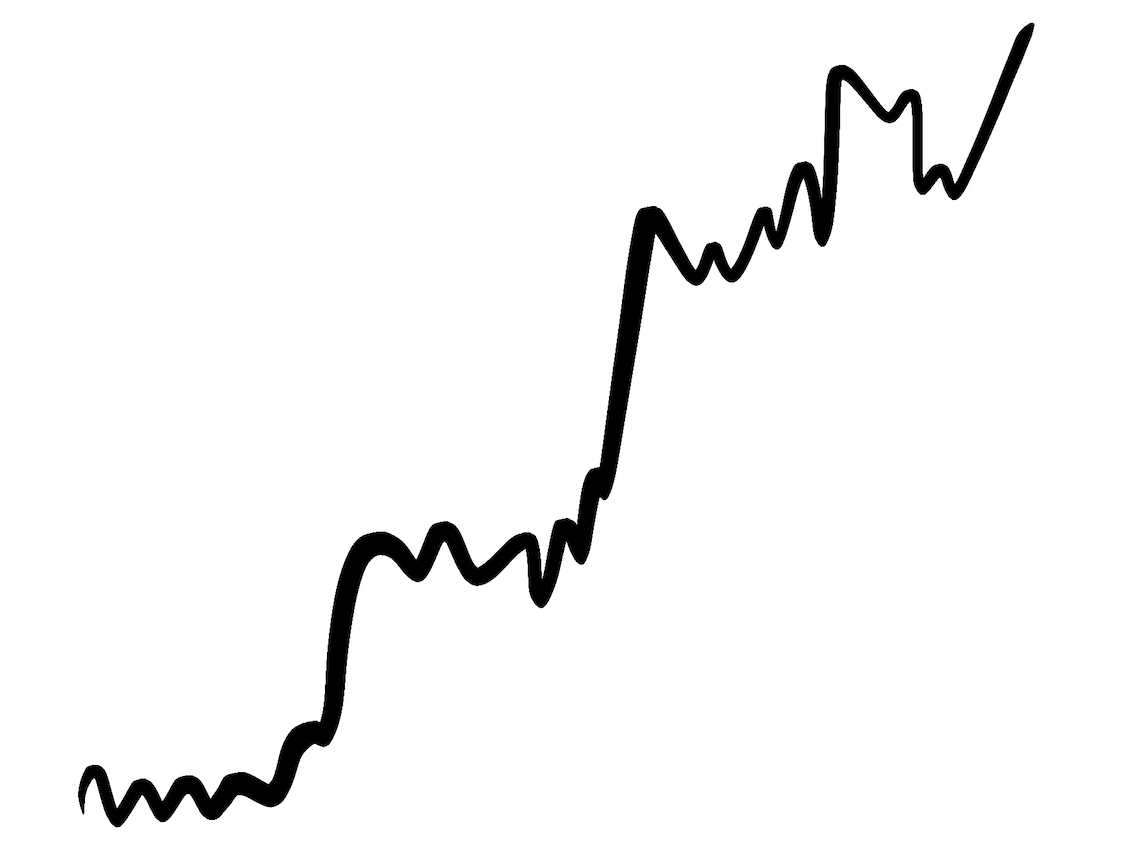
Slow and steady growth, with occasional large upward jumps representing successful trades taken with confidence and larger positions during rare market opportunities.
Trading is a long-term game. Not every day will offer trading opportunities, nor will you profit every day. Your primary goal is to stay in the market as long as possible so you can seize big opportunities when they arise.
As mgnr said on Twitter:
"The key to trading is catching the big moves, not trying to trade every single day."
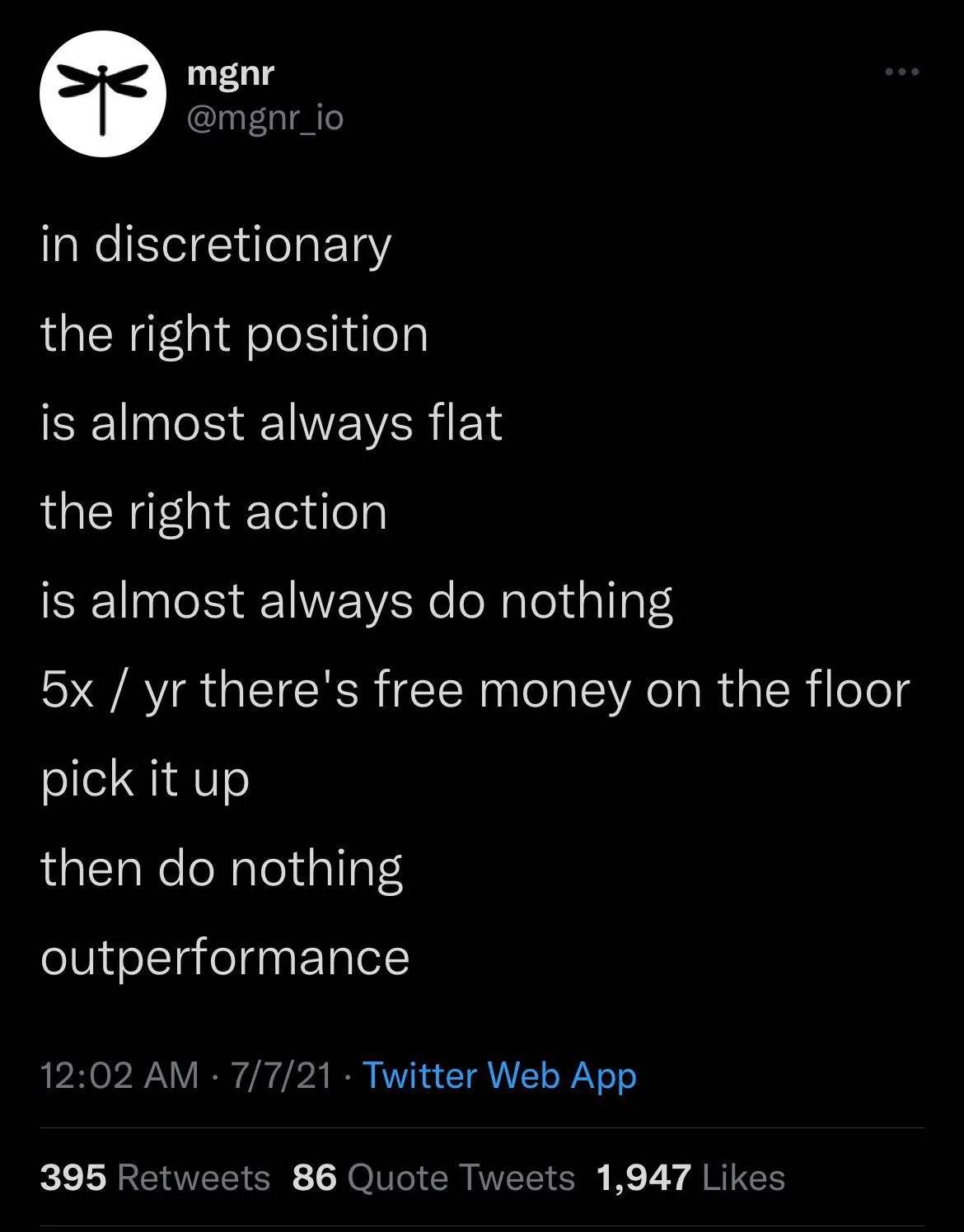
Of course, if you're a short-term trader, this advice might not apply as much.
But you can still draw inspiration from it: The majority of your portfolio's growth may come from concentrated, high-conviction major trades. Until these opportunities arise again, your job is to gradually build capital through focus and strict discipline.
If you feel bored, try the following methods to keep yourself occupied:
In my upcoming article "Trading Journal 101," I mentioned that the main purpose of keeping a trading journal is to help you answer these three critical questions about your trading:
-
How can you earn more from winning trades?
-
How can you minimize losses from losing trades?
-
How can you find more profitable trading opportunities?
— TOM DANTE
If you keep working to optimize your edge system—such as finding more trading triggers or exploring new trading edges—you create more "work" or trading opportunities for yourself while staying productively busy. If you don't want to change your current trading system, then cultivate a hobby. Playing video games, running, sharing thoughts on Twitter, chatting with friends on Discord, playing poker—these activities can all free you from boredom.
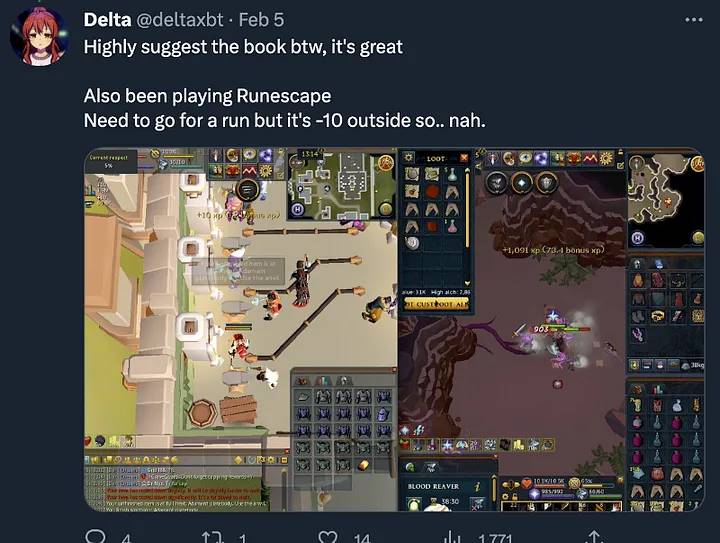
Personally, I enjoy playing RuneScape or some PS5 games.
So, how do you solve this problem?
Unfortunately, there's no perfect solution for dealing with boredom in trading, nor is there a magical "secret key."
For me, the most effective method is making a promise to myself: no matter what happens, no matter how bored I get, I will only act when it aligns with my systematic trading rules or when I genuinely feel the timing is right—not out of boredom or impulsive urges.
Never trade out of boredom or just because you "feel like trying"—that's pure gambling. We participate in trading not to gamble, but to engage in positive expected value trades. Positive expected value means that, over the long run, these trades generate consistent profits. If I just wanted to gamble, I'd rather play blackjack.
Learn self-control. If you notice your emotions spiraling, know when to step back and leave the market to avoid making foolish decisions.
Traders who lose money due to impatience are everywhere—don't let yourself become one of them.
Join TechFlow official community to stay tuned
Telegram:https://t.me/TechFlowDaily
X (Twitter):https://x.com/TechFlowPost
X (Twitter) EN:https://x.com/BlockFlow_News
 @deltaxbt






