Ethereum faces wave of liquidations, Solana ecosystem Meme boom cools—when will the crypto market reach its turning point?
TechFlow Selected TechFlow Selected
Ethereum faces wave of liquidations, Solana ecosystem Meme boom cools—when will the crypto market reach its turning point?
Although the fundamentals are positive, the market currently faces many uncertainties, including the specific implementation of tariff policies, and possible responses from China and the European Union.
 Navigating Web3 tides with focused insights
Original: BlockBlick
Compiled by: Yuliya, PANews
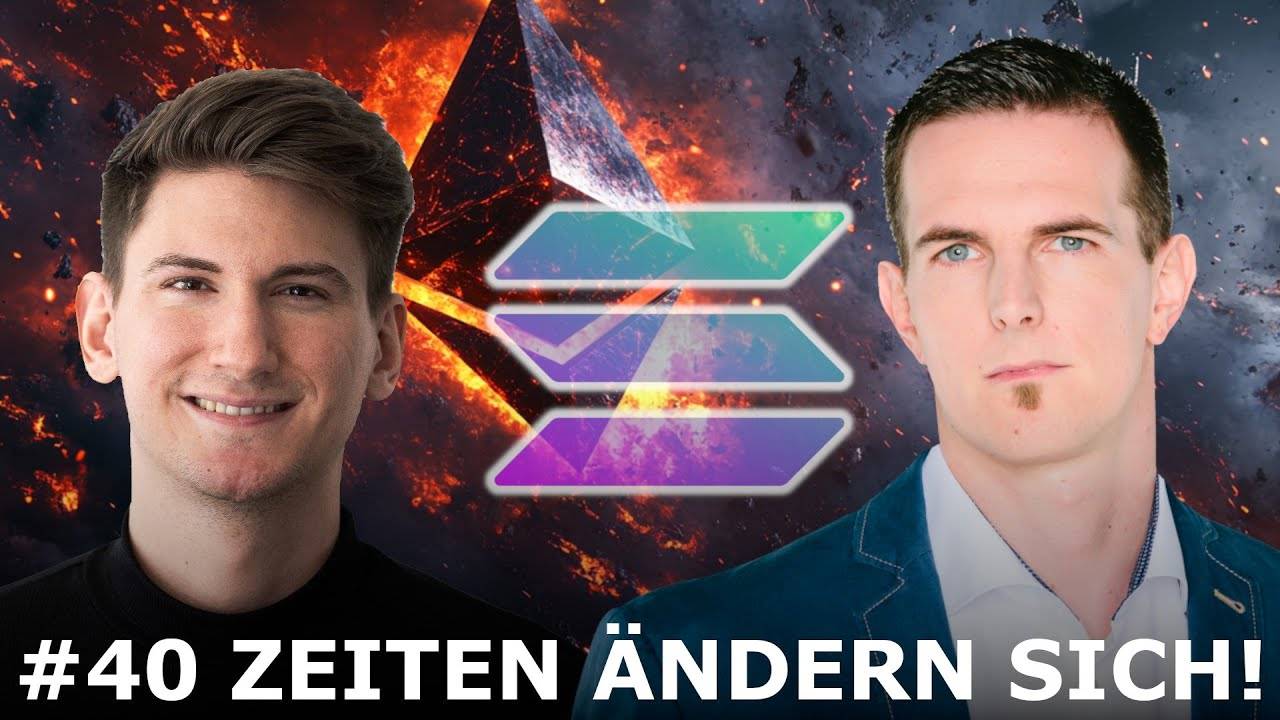
After months of intense volatility in the crypto market, the latest episode of BlockBlick's podcast provides a detailed analysis of recent market dynamics, particularly focusing on Ethereum and Solana, as well as the broader outlook for the cryptocurrency market. PANews has compiled the transcript of this episode.
Ethereum: Price Slump and Ecosystem Progress
Recently, the Ethereum market has experienced significant fluctuations, reaching a record high in daily liquidations. According to data from Coinglass, the combined long and short liquidations on Ethereum in a single day surpassed previous major events, including the FTX collapse and the Three Arrows Capital crisis. Market sentiment is extremely weak, with short positions on Ethereum in the CME futures market also hitting a new high, indicating waning investor confidence in Ethereum. Despite this, some investors are taking advantage of the price correction to position themselves, with Ethereum-related ETFs attracting over $300 million in inflows this week.
Technical Ecosystem Developments
Despite weak prices, Ethereum’s technical ecosystem continues steady progress:
-
Transaction throughput hits new highs: The transaction processing capacity of both the mainnet and Layer 2 networks has reached historical highs, indicating improved network scalability.
-
Gas limit increased: The gas limit on the Ethereum mainnet has been raised by over 20%, increasing transactions per second (TPS) while significantly reducing fees. Over the past week, Ethereum mainnet transaction costs have dropped to historic lows. Layer 2 solutions like Base have increased their gas limits to 60 million in an effort to boost throughput and further stimulate demand.
-
Growth in tokenized assets: The total value of tokenized assets on the Ethereum mainnet has exceeded $17 billion, maintaining its dominant market share. Real-world assets such as loans, commodities, and U.S. Treasuries are being increasingly moved onto blockchains, with over 80% of these tokenized assets deployed on Ethereum’s mainnet and its Layer 2 networks.
Inflation Concerns
However, low gas fees also reflect declining usage of the Ethereum network, with reduced ecosystem activity. For the first time since The Merge, Ethereum has entered an inflationary state—its current supply now exceeds pre-Merge levels, meaning the circulating supply of ETH tokens is increasing. As shown in Ultrasound Money charts, Ethereum had maintained a deflationary trend for several years, but the rise of Layer 2 scaling solutions has reduced reliance on the main chain, leading to fewer fee burn events and gradually pushing supply back into inflation.
Still, compared to Bitcoin, Ethereum’s inflation rate remains relatively low, with expectations that it will fluctuate between -1% and +1% in the future. While this has caused some concern, such fluctuations were anticipated and do not necessarily indicate long-term threats to the health of the Ethereum ecosystem.
Notably, only 1% of Bitcoin miners’ revenue last week came from transaction fees, with the rest primarily derived from block rewards. Given Bitcoin’s four-year halving cycle, if mainnet transaction volume does not increase significantly, miners could face income challenges in the future.
Solana: Technical Stability and Meme Coin Momentum
Improved Technical Stability
In contrast to Ethereum’s struggles, Solana has demonstrated strong momentum. Although its price has pulled back from a historical high of $250 to $202, the decline has been relatively mild. Solana recently achieved a key milestone: running for an entire year without any major outages, a significant achievement in its development history. Even during peak periods such as the meme coin frenzy and the launch of Trump-themed meme coins, the network remained stable over the past 35 days.
According to Artemis data, Solana leads significantly in daily active addresses:
-
Solana: 5–6 million active wallets per day
-
Base: Approximately 700,000–800,000
-
Ethereum mainnet: Around 400,000
These developments may reshape competitive dynamics in the crypto market. While Ethereum maintains leadership in enterprise applications and real-world asset tokenization, Solana’s advantages in performance and user engagement cannot be overlooked. For market participants, this competition offers more diversified investment opportunities.
The Dual Impact of the Meme Coin Boom
Recent activity in the Solana ecosystem has been partly driven by the popularity of memecoins, especially through platforms like Pump.fun. Data shows that the platform generates around 70,000 new tokens daily, totaling 7.5 million so far. According to CoinMarketCap, the total number of issued tokens approaches 11.04 million, indicating Pump.fun’s substantial market share.
However, the memecoin surge has brought negative side effects: massive capital inflows into memecoins have diverted attention and funding from other projects, fragmenting market capital. Additionally, many investors have suffered losses due to the highly speculative nature of memecoins, further eroding market confidence. This represents a key challenge facing the crypto market today: despite large inflows of capital, most funds are flowing into short-term, high-risk investments, with a lack of sustainable, long-term projects. While certain projects like Bitcoin and Solana show steady growth, others struggle to generate meaningful value. This imbalance places the entire market in an unsustainable state, making Ethereum stand out even more as a leader among projects with enduring value.
Although Solana has made strides in technical stability, on-chain activity has recently declined. Data indicates that both active addresses and memecoin trading volumes on Solana have retreated from their peaks, signaling cooling enthusiasm. The launch of the Trump-themed meme coin is seen as the peak of this rally. With speculation fading, Solana must find new drivers for growth. Similarly, Base and other blockchains are seeing comparable drops in activity, suggesting weakening retail participation across the broader crypto market.
At the same time, Bitcoin’s network activity is showing similar signs of weakness, with overall blockchain activity experiencing a downturn. A key issue in the current market is that many investors appear to have lost enthusiasm for cryptocurrencies, especially in the absence of abundant “cheap money” and large-scale market incentives. Macroeconomic factors such as higher interest rates have reduced demand for risk assets, leading to underperformance in the crypto market.
High Interest Rates, Inflation, and Money Supply
Historically, cyclical booms and busts are common in the crypto market. Periods of low sentiment often mark the emergence of new entry opportunities. Currently, we are in a phase of relatively negative market sentiment and declining activity—but this may precisely signal the precursor to a future rebound. As shown by the Crypto Fear and Greed Index, times of fear often present long-term opportunities. At such moments, investors may begin repositioning, potentially shifting market sentiment toward optimism.
The primary constraint in the current market is the interest rate environment. A genuine altcoin bull run—the so-called "alt season"—can only occur when cheap capital is widely available. However, in this cycle, with U.S. interest rates remaining near 4.5%, such conditions have not materialized.
On liquidity, from November last year until January 20, the day Trump took office, billions of dollars in stablecoins flowed daily into exchanges like Binance and Coinbase. This strong momentum has now weakened—while inflows remain positive, their pace has clearly slowed and could soon turn negative.
Looking ahead, market focus centers on the Federal Reserve’s policy moves. Current U.S. inflation remains elevated, and the Fed is not yet ready to cut rates, which to some extent constrains market growth and delays the onset of a true alt season.
The next Fed rate decision will take place on March 18–19. Trump is actively pushing for rate cuts, a key part of his policy agenda. Only with ample liquidity can businesses thrive and venture capital flourish. Trump has strongly criticized the January 29 decision to hold rates steady, but until inflation is fully under control, rate cuts face obstacles.
Data shows U.S. inflation is nearing the 2% target. Since June 2022, inflation has steadily declined, despite occasional plateaus, maintaining a clear downward trajectory. Market expectations now assign a 92% probability to a Fed rate cut in March—a very strong consensus. However, some argue that Trump’s proposed tariff policies could trigger an inflation rebound, though such impacts may be limited to specific goods and take time to appear in economic data.
Falling oil prices are crucial for controlling inflation, and Trump is aggressively promoting increased domestic oil production. Additionally, a weaker dollar provides favorable support for Bitcoin prices. Therefore, from a data perspective, the current moment may represent a solid entry opportunity.
While fundamentals appear positive, the market currently faces numerous uncertainties—including the implementation of tariff policies and potential responses from China and the EU. These factors weigh on the market, but such conditions won’t last indefinitely.
Institutional and Regulatory Developments
Major changes are underway in the market. While not all issues are resolved, several developments are noteworthy:
-
Crypto Task Force: Under HEFTP’s leadership, a dedicated crypto task force has been established. It will work swiftly to build a regulatory framework, clarifying rules for all participants in the crypto and blockchain markets. The task force will publish updates regularly via its official website.
-
Bitcoin ETF plans: Trump Media Group plans to launch a Bitcoin ETF named “Truth Bitcoin Plus ETF,” signaling its move into the ETF space and an attempt to expand its influence in the crypto market.
-
Klarna enters crypto payments: European payment giant Klarna is expanding into crypto. It plans to integrate crypto payment functionality into its existing app, allowing users to make direct crypto payments through the Klarna platform in the future.
-
Rumors about China’s market: There are renewed rumors that China might reconsider its stance on cryptocurrencies. While such reports surface every few years and their credibility remains unverified, they still warrant attention.
Overall, the cryptocurrency industry is undergoing unprecedented structural transformation:
-
The U.S. is building a proactive regulatory framework, demonstrating leadership ambitions in crypto—similar to its early support for tech giants like Facebook and Amazon during the internet era.
-
Other countries worldwide now recognize that crypto markets are becoming a vital part of the future economy and are expressing interest in participation.
-
While these changes take time and may not meet demands for rapid evolution, the direction is clear.
The current market cycle is indeed longer than previous ones—and there are good reasons:
-
Persistent high interest rates
-
Ongoing inflation pressure
-
Fundamentally different from the massive monetary easing during the pandemic
-
A more stable economic environment, with the Fed under no urgent pressure to cut rates
Positively, the economy’s ability to withstand current high interest rates is itself a sign of health, indicating solid fundamentals and laying the groundwork for sustainable future growth.
Summary and Recommendations
The current market environment differs significantly from past cycles. Excessively loose policy could lead to renewed inflation in the long term—an outcome clearly undesirable.
For market participants, staying calm and rational is critical. Key actions include:
-
Avoid leverage for now
-
Remain patient and accept that recovery may take longer
-
Stay engaged with the market without fully disengaging
-
Learn from the forced liquidations seen last Monday and avoid repeating those mistakes
Maintaining cautious and rational investment thinking is more important than ever. Market dynamics will continue evolving—what matters most is staying vigilant and strictly managing risk.
Join TechFlow official community to stay tuned
Telegram:https://t.me/TechFlowDaily
X (Twitter):https://x.com/TechFlowPost
X (Twitter) EN:https://x.com/BlockFlow_News
 PANews