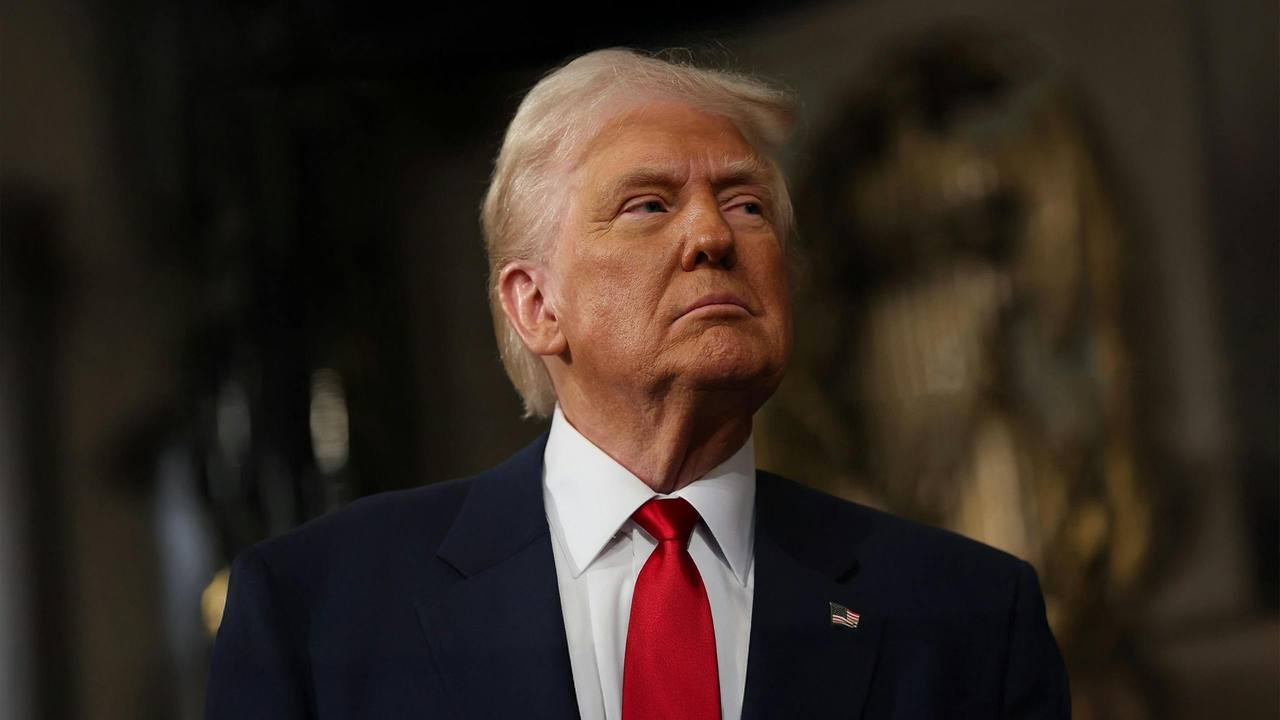
Trump signs crypto executive order to establish digital asset reserve, SEC repeals SAB 121
TechFlow Selected TechFlow Selected
Trump signs crypto executive order to establish digital asset reserve, SEC repeals SAB 121
Trump has fulfilled many of the promises he made at last July's Bitcoin conference, and is expected to almost completely overturn the previous cryptocurrency regulatory model.
 Navigating Web3 tides with focused insights
Author: Weilin, PANews
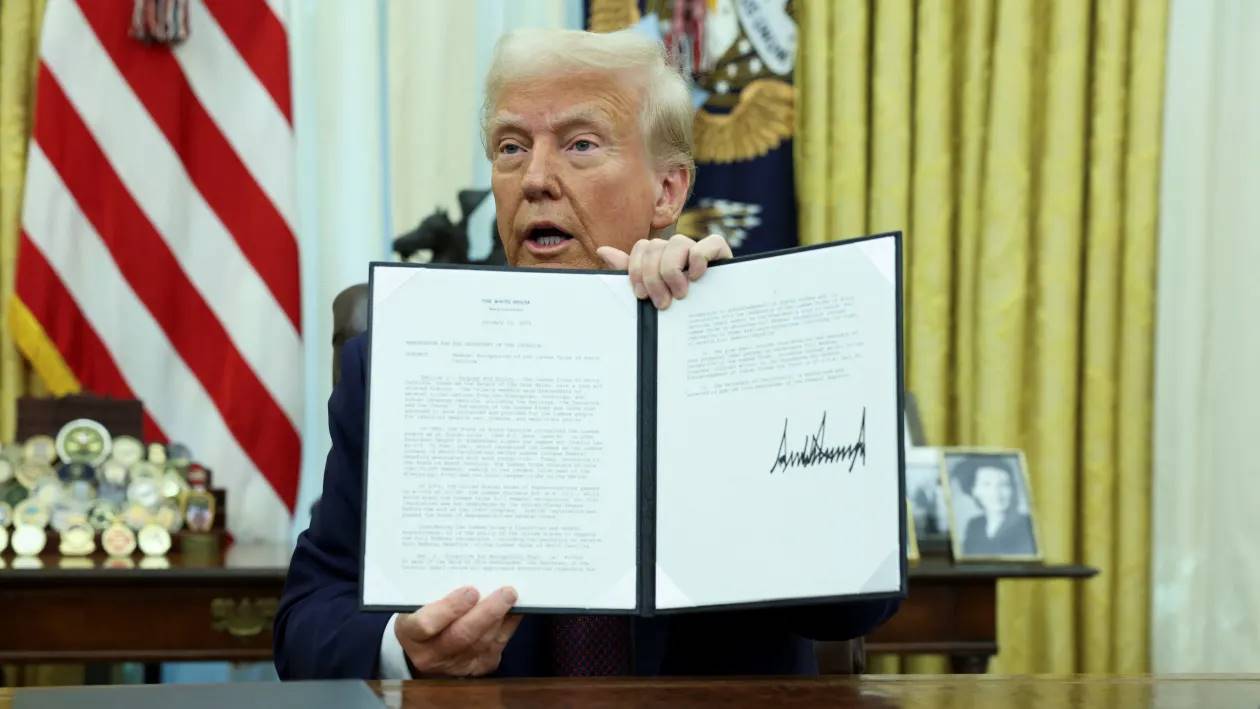
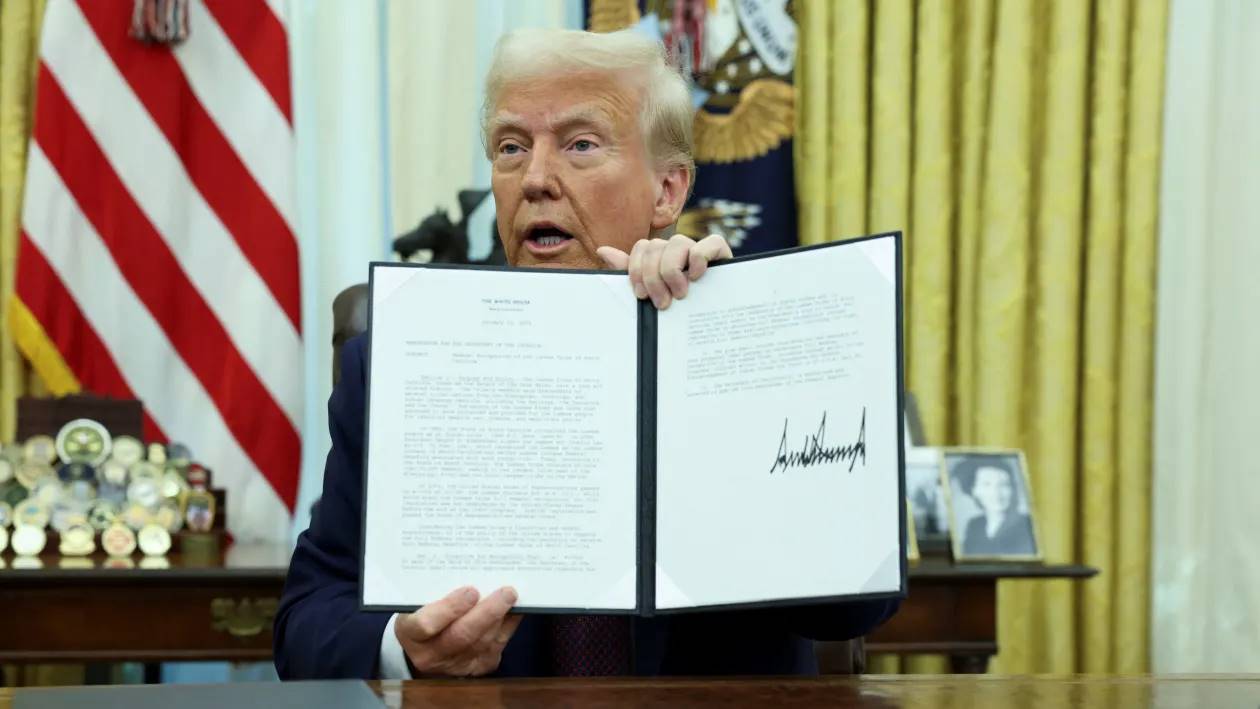
On January 23 local time—Trump's third day in office—he signed the executive order titled "Strengthening U.S. Leadership in Digital Financial Technology." The order proposes establishing a "President’s Working Group on Digital Asset Markets" to explore federal regulation of stablecoins and potential frameworks for a national digital asset reserve. It also explicitly bans the "creation, issuance, circulation, or use" of a central bank digital currency (CBDC).
At the same time, the U.S. Securities and Exchange Commission (SEC) announced the rescission of Staff Accounting Bulletin No. 121 (SAB 121), long criticized by the crypto industry.
While it remains unclear whether certain legal and policy actions initiated by presidential executive order may be challenged or overturned in court, Trump has already fulfilled many promises he made at last July’s Bitcoin Conference, signaling an almost complete reversal of previous crypto regulatory approaches.
Crypto Executive Order: Establish Presidential Task Force, Assess National Digital Asset Reserve
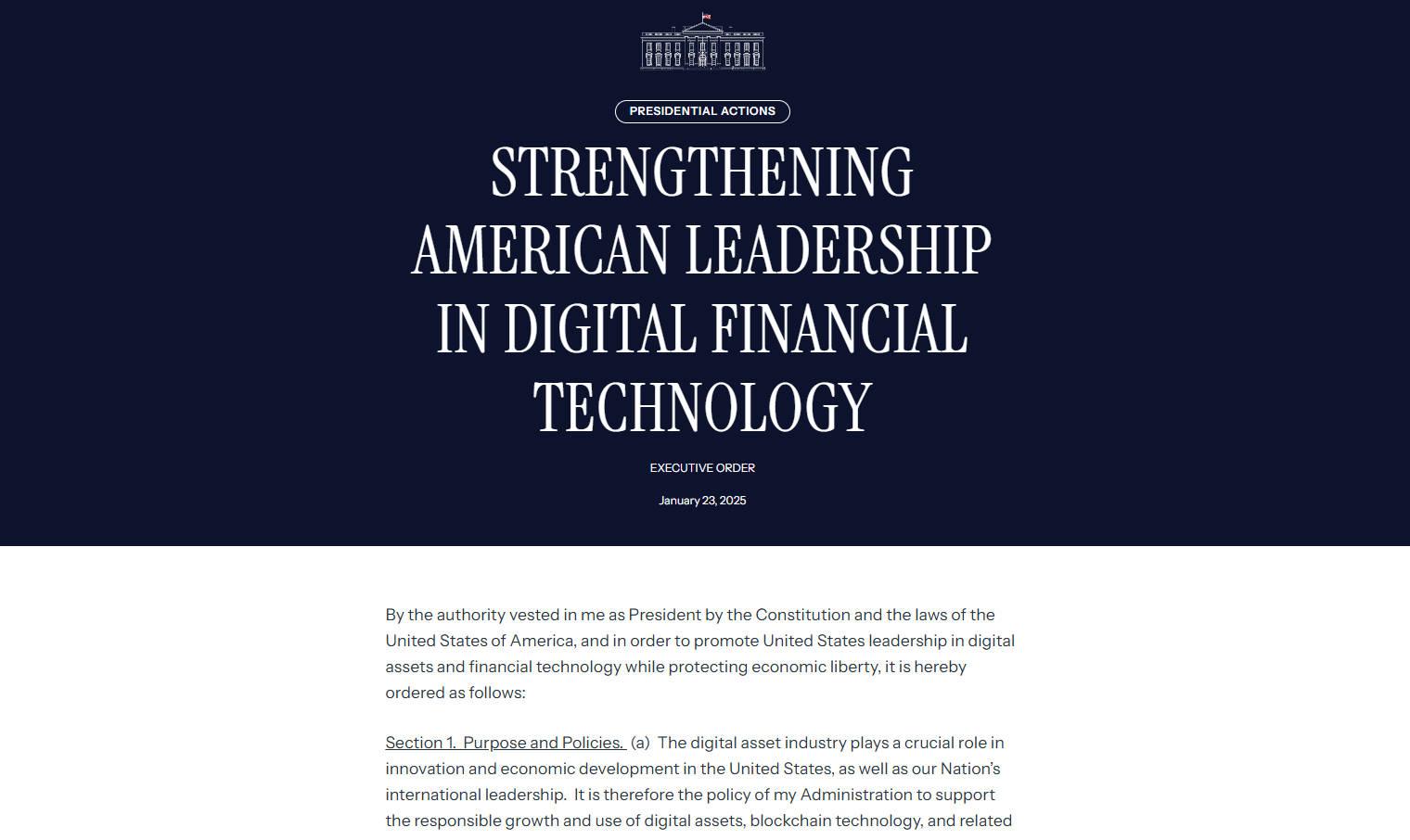
The executive order begins with a statement of purpose and policy, noting that “the digital asset industry plays a critical role in American innovation and economic development, as well as in maintaining U.S. international leadership.” Therefore, the administration's policy is to support the responsible growth and application of digital assets, blockchain technology, and related innovations across the economy.
Key provisions include:
- Protecting and promoting the ability of citizens and private sector entities to legally access and use open public blockchain networks, including developing and deploying software, participating in mining and validation, transacting freely without unlawful censorship, and maintaining self-custody of digital assets.
- Promoting the global development of lawful, compliant dollar-backed stablecoins.
- Protecting and advancing the right of all law-abiding individuals and private sector entities to fair and open access to banking services.
- Providing technologically neutral regulatory clarity and certainty through adaptive frameworks, transparent decision-making processes, and clearly defined regulatory jurisdiction.
- Banning any agency from creating, issuing, or promoting a CBDC within or outside the United States, except where required by law; immediately terminating all existing agency initiatives related to CBDC development.
- Rescinding the March 9, 2022 executive order on “Ensuring Responsible Development of Digital Assets”; directing the Treasury Secretary to immediately withdraw the July 7, 2022 Treasury Department document titled “Framework for International Engagement on Digital Assets.”
- Establishing a President’s Working Group on Digital Asset Markets within the National Economic Council, led by a special advisor on artificial intelligence and cryptocurrency. Membership includes, in addition to the special advisor, the Secretaries of Treasury, Justice, and Commerce, the SEC Chair, and the Commodity Futures Trading Commission (CFTC) Chair.
Additionally, within 30 days of the order’s issuance, the Treasury Department, Department of Justice, SEC, and other relevant agencies must identify all regulations, guidance documents, and policies affecting the digital asset industry. Within 60 days, each agency must submit recommendations for revisions to the special advisor. The working group must deliver a report to the president within 180 days proposing regulatory and legislative measures to advance the order’s objectives, including: (i) recommending a federal regulatory framework for the issuance and operation of U.S. digital assets (including stablecoins); and (ii) evaluating the feasibility of establishing a national digital asset reserve and outlining standards for such a reserve.
Trump Has Fulfilled Most of His Crypto Promises
To date, Trump has delivered on most of his crypto-related campaign promises. Halting federal CBDC development was one such commitment made during his presidential campaign. Recently, he also fulfilled his pledge to pardon Ross Ulbricht, founder of Silk Road. On January 20, Gary Gensler officially stepped down, effectively fulfilling Trump’s promise to “fire Gary Gensler on Day One” of his presidency.

However, since taking office, Trump has not yet commented on fulfilling his promise that “all Bitcoin should be ‘Made in America.’”
Although Trump is advancing policies via executive order, their effectiveness could face procedural challenges. For example, on January 20, Trump signed an executive order that would effectively nullify birthright citizenship under the Fourteenth Amendment of the U.S. Constitution—but this action was swiftly blocked by a federal judge who deemed it “clearly unconstitutional.”
SEC Officially Rescinds Controversial Crypto Accounting Rule SAB 121
As the White House issued its executive order, the SEC moved in parallel to reverse prior crypto regulatory stances.
On January 24, the U.S. Securities and Exchange Commission (SEC) released a new Staff Accounting Bulletin, formally withdrawing the controversial SAB 121. “Staff reminds entities that they remain subject to existing disclosure requirements so investors understand the obligations entities undertake when holding crypto assets on behalf of others,” the announcement stated.
SAB 121 previously required banks and other public companies to record customers’ crypto assets on their own balance sheets. SAB 122 now “rescinds prior interpretive guidance” and instead directs companies to follow rules set by the Financial Accounting Standards Board (FASB) or relevant International Financial Reporting Standards (IFRS).
Since its introduction in March 2022, SAB 121 had been highly contentious. It was supported by former SEC Chair Gary Gensler, who argued it protected investors in bankruptcy scenarios. “We’ve actually seen multiple times in bankruptcy courts where judges repeatedly rule that crypto assets are not assets that can be ring-fenced from bankruptcy risk,” he said in a 2023 Reuters interview.
Issued at the end of March 2022, SAB 121 aimed to better protect investors by specifying how companies should account for crypto custody services. Due to the unique risks associated with crypto assets, staff recommended recording both a liability and a corresponding asset on corporate balance sheets at fair value.
In simple terms, if a bank holds $1 billion worth of Bitcoin for clients, it must hold $1 billion in cash to offset that “liability” on its balance sheet. The crypto industry widely feared this requirement could deter banks from offering custody services, effectively excluding traditional financial institutions from the crypto market.
Last year, SAB 121 became the subject of a Congressional Review Act resolution, which passed Congress but was vetoed by then-President Biden. Now, with the SEC officially rescinding SAB 121, it marks a pivotal shift in crypto regulation.
With Trump signing the crypto executive order and the SEC rescinding SAB 121, the U.S. crypto regulatory landscape has reached a milestone. These coordinated moves bring greater regulatory clarity and renewed optimism to the market. However, transformation will take time. Whether the Trump administration can sustain these commitments and successfully implement plans like a national digital asset reserve remains a key focus for the industry moving forward.
Join TechFlow official community to stay tuned
Telegram:https://t.me/TechFlowDaily
X (Twitter):https://x.com/TechFlowPost
X (Twitter) EN:https://x.com/BlockFlow_News
 PANews