Crypto Revival: An In-Depth Analysis of Trump's Crypto Strategy
TechFlow Selected TechFlow Selected
Crypto Revival: An In-Depth Analysis of Trump's Crypto Strategy
The MAGA wave surges, with banners waving across the crypto realm.
 Navigating Web3 tides with focused insights
By Pzai, Foresight News
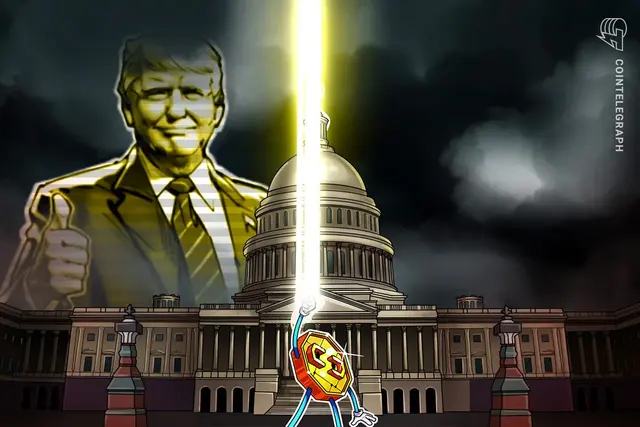
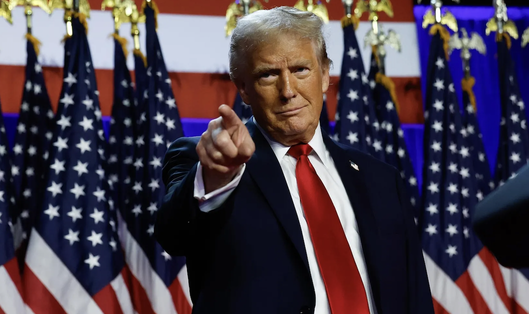
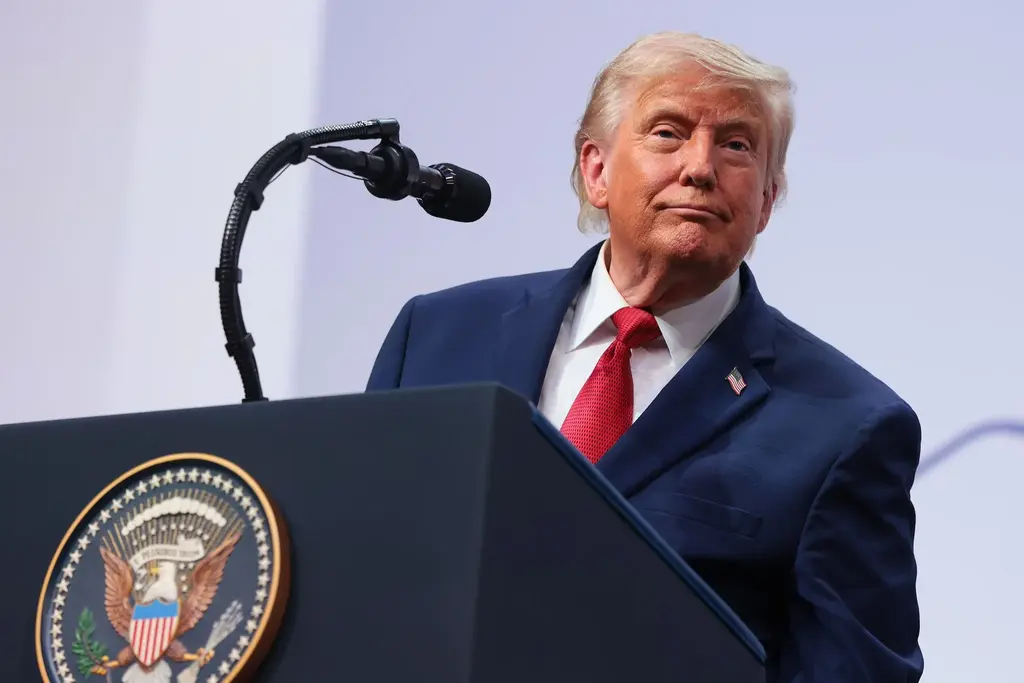
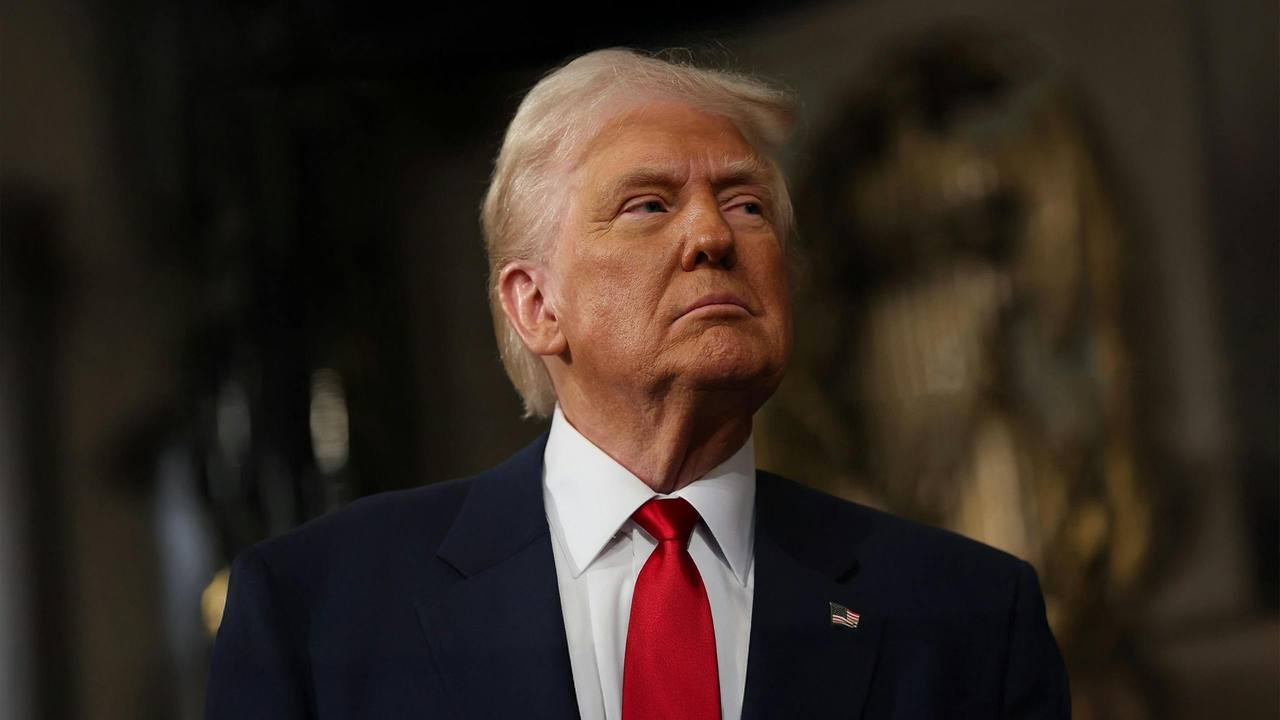
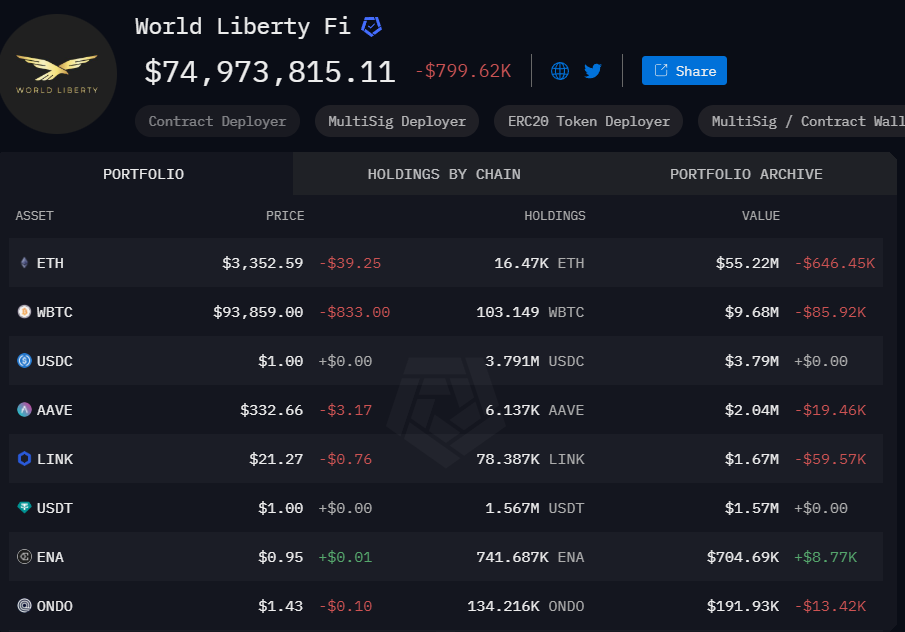
From the moment Donald Trump secured victory in this year's U.S. presidential election, the "MAGA" banner has swept through the entire crypto market like a tidal wave. Under the overarching principle of "America First," Trump has recognized cryptocurrency as a crucial component of the U.S. financial system and has already begun planning to include Bitcoin as a national reserve asset. Amid rapid government formation, a wave of crypto-friendly officials have taken office. Meanwhile, the Trump family is actively participating in on-chain economies through their entity "World Liberty Finance" (WLFI), having acquired over $75.26 million worth of crypto-related assets. This article dissects data from Trump’s appointments and on-chain investment moves to piece together a roadmap for the American "crypto renaissance" led by Trump’s incoming administration.
New Appointments
The leadership team of Trump’s new administration includes numerous pro-crypto figures. Notably, David Sacks—nicknamed the “Crypto Tsar”—has been appointed chair of the newly established Presidential Advisory Committee on Digital Assets. Formerly COO at PayPal, Sacks will serve as the government’s lead on AI and crypto. His personal investments and those made through his firm Craft Ventures predominantly focus on crypto asset management and Bitcoin infrastructure projects (such as BitGo, Bitwise, Lightning Labs, and Voltage). With Trump in office, we can expect further advancement in compliant crypto custody solutions—and potentially even pathways for Bitcoin to be formally held as a strategic reserve asset.
Bo Hines, a former college football player who ran twice for North Carolina’s House of Representatives and holds degrees from Yale University and Wake Forest University School of Law, will serve as the committee’s executive director. Although Hines lacks direct crypto experience, his appointment signals that regulatory compliance in the crypto space is seen by the Trump administration as a critical bottleneck requiring urgent attention. Furthermore, Republican dominance across all three branches of government removes certain political obstacles to advancing crypto-friendly legislation.

Beyond core allies, various government departments are also welcoming pro-crypto appointees. At the Commodity Futures Trading Commission (CFTC)—a key regulator in past crypto enforcement cases—potential nominees include Brian Quintenz, head of policy at a16z, who oversaw U.S. crypto futures contracts; Perianne Boring, a strong advocate for the Bitcoin mining industry; and Caroline Pham, who proposed a principles-based framework in 2023 for regulating digital asset markets and tokenization.
At the Securities and Exchange Commission (SEC), Trump’s removal of current Chair Gary Gensler is all but confirmed. On December 4, he nominated Paul Atkins as the new SEC chair. As CEO of consulting firm Patomak Global Partners, Atkins previously served as an SEC commissioner during the George W. Bush administration and brings extensive experience in finance and cryptocurrency regulation.
Atkins also co-chaired the crypto advocacy group Token Alliance, where he criticized Gensler’s aggressive stance toward the crypto industry, warning it could push innovation overseas. He advocates for reduced regulatory burdens, emphasizing “common-sense regulation” and free-market principles. Industry players hope Atkins will help establish clearer regulatory frameworks, lower compliance costs, and foster innovation. Earlier, Trump had also spoken by phone with Coinbase CEO Brian Armstrong, signaling his commitment to advancing crypto compliance within the U.S. framework.
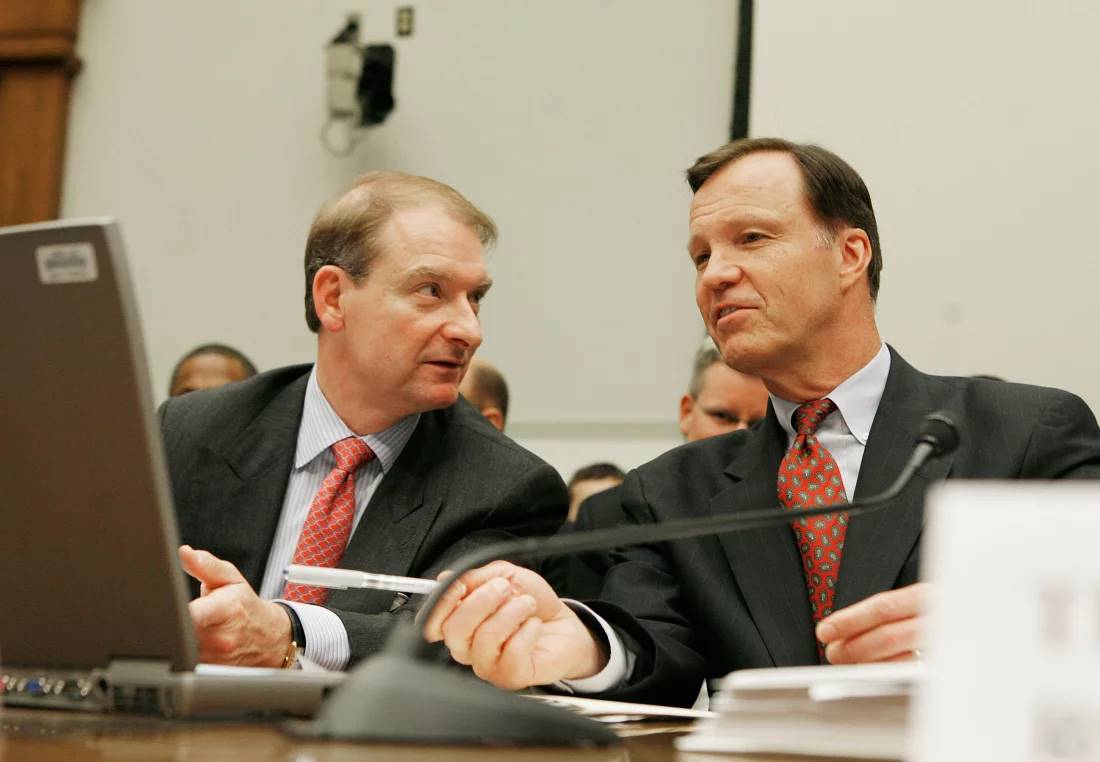
June 26, 2007: Paul Atkins (left) speaks with then-SEC Chairman Christopher Cox during a House Financial Services Committee hearing on Capitol Hill in Washington, D.C.
On the legislative front, Trump plans to repeal SAB 121, an accounting bulletin requiring custodians to record clients’ crypto holdings as liabilities on their balance sheets at fair value—a rule that imposes significant financial reporting burdens on exchanges and custodial firms. Another initiative Trump aims to terminate is Operation Choke Point 2.0, a government effort to pressure the crypto industry by restricting its access to banking services. Seen as a continuation of the 2013 Operation Choke Point, this campaign indirectly targeted specific sectors via the banking system.
Under this operation, agencies including the FDIC, OCC, and Federal Reserve issued joint statements or “cease-and-desist letters” urging banks to halt or limit services to crypto firms. Numerous crypto companies and founders had their accounts abruptly closed, affecting institutions like Signature Bank. In contrast, Trump intends to advance the FIT 21 Act (Financial Innovation and Technology for the 21st Century Act), which clearly defines key terms such as “digital assets,” “blockchain systems,” and “decentralized governance systems.” The bill categorizes digital assets into three types: restricted digital assets (similar to securities), digital commodities, and licensed payment stablecoins, delineating clear regulatory boundaries between the SEC and CFTC. It also strengthens disclosure requirements, mandates transparency from issuers and exchanges, and establishes consumer protections and dispute resolution mechanisms—reflecting Trump’s determination to lay solid groundwork for stable crypto compliance during his term.
The development of the U.S. crypto market has largely aligned with regulatory progress, though not without setbacks. The collapse of FTX and its aftermath dealt a severe blow to investor confidence and exposed weaknesses in the existing regulatory framework. This led to stricter scrutiny from regulators, leaving many projects struggling with compliance and stalling broader market growth.
However, with personnel changes and policy shifts underway at key agencies like the CFTC and SEC, the market is gradually seeing renewed momentum. In this evolving landscape, certain tokens are beginning to operate under clearer regulatory guidelines, making compliance paths more predictable.
XRP serves as a case in point. Previously hamstrung by litigation from the SEC, XRP has found new footing as legal proceedings progressed and the regulatory environment improved, restoring some market confidence. Other tokens and projects are likewise exploring innovation under more defined rules, reducing the compliance costs caused by regulatory uncertainty.
WLFI as a Market Signal
In late August this year, Eric Trump, Donald Trump’s second son and current Executive Vice President of the Trump Organization, officially launched the crypto project WLFI and began active on-chain operations. The project was initially viewed as a potential source of campaign funding for the Trump family.
After a turbulent start, WLFI raised $20 million in its initial funding round. However, its protocol terms—which grant the Trump family 75% of profits without liability—drew criticism from parts of the crypto community. Now that Trump has assumed office, WLFI is expected to function as a direct reflection of the Trump family’s crypto investment strategy, effectively serving as a “market signal” for American crypto trends.
A deeper look into WLFI’s portfolio reveals close ties to Trump’s inner circle. For instance, after Justin Sun invested $30 million into WLFI, the project’s on-chain Bitcoin reserves were converted into WBTC—an interesting detail given that David Sacks had previously backed BitGo, the custodian behind WBTC.
Additionally, WLFI’s portfolio and applications show connections to U.S.-based VC firm Polychain Capital. Luke Pearson, a general partner at Polychain Capital, is listed as an advisor to WLFI. Scroll, one of the L2 networks deployed by WLFI, was co-led by Polychain in fundraising rounds, and Sandy Peng, one of Scroll’s co-founders, also appears on WLFI’s advisory list.
As Trump’s crypto policies take shape, WLFI is poised to play an increasingly influential role as a market bellwether. Its asset allocation and strategic partnerships will continue shaping market sentiment, while backing from professional firms like Polychain may provide sustained momentum.
Going forward, WLFI is likely to continue investing in high-quality DeFi assets and expand its brand influence and market voice through collaborations. In sum, leveraging its unique asset strategy, strategic alliances, and political clout, WLFI has emerged as a pivotal indicator in the U.S. crypto market. Its future trajectory will remain closely watched, offering valuable insights for investors.
Conclusion
Trump’s electoral victory has ushered in unprecedented opportunities for the U.S. cryptocurrency industry. Through pro-crypto appointments, regulatory reforms, and active participation via family-backed initiatives, the Trump administration is sketching out a vision for an American “crypto renaissance.”
By addressing regulatory compliance and forging close ties with industry leaders, Trump’s crypto strategy aims not only to strengthen America’s leadership in the global digital economy but also to inject new vitality into the standardization and innovation of the crypto market.
Yet this path to revival is not without challenges. As policies are implemented and the market matures, the United States is following the MAGA banner toward becoming a global hub for crypto economics. Whether Trump’s crypto agenda will truly deliver a “renaissance”—or whether cryptocurrencies will ultimately become mere pawns in a political game—remains to be seen. History will provide the answer.
Join TechFlow official community to stay tuned
Telegram:https://t.me/TechFlowDaily
X (Twitter):https://x.com/TechFlowPost
X (Twitter) EN:https://x.com/BlockFlow_News
 Foresight News