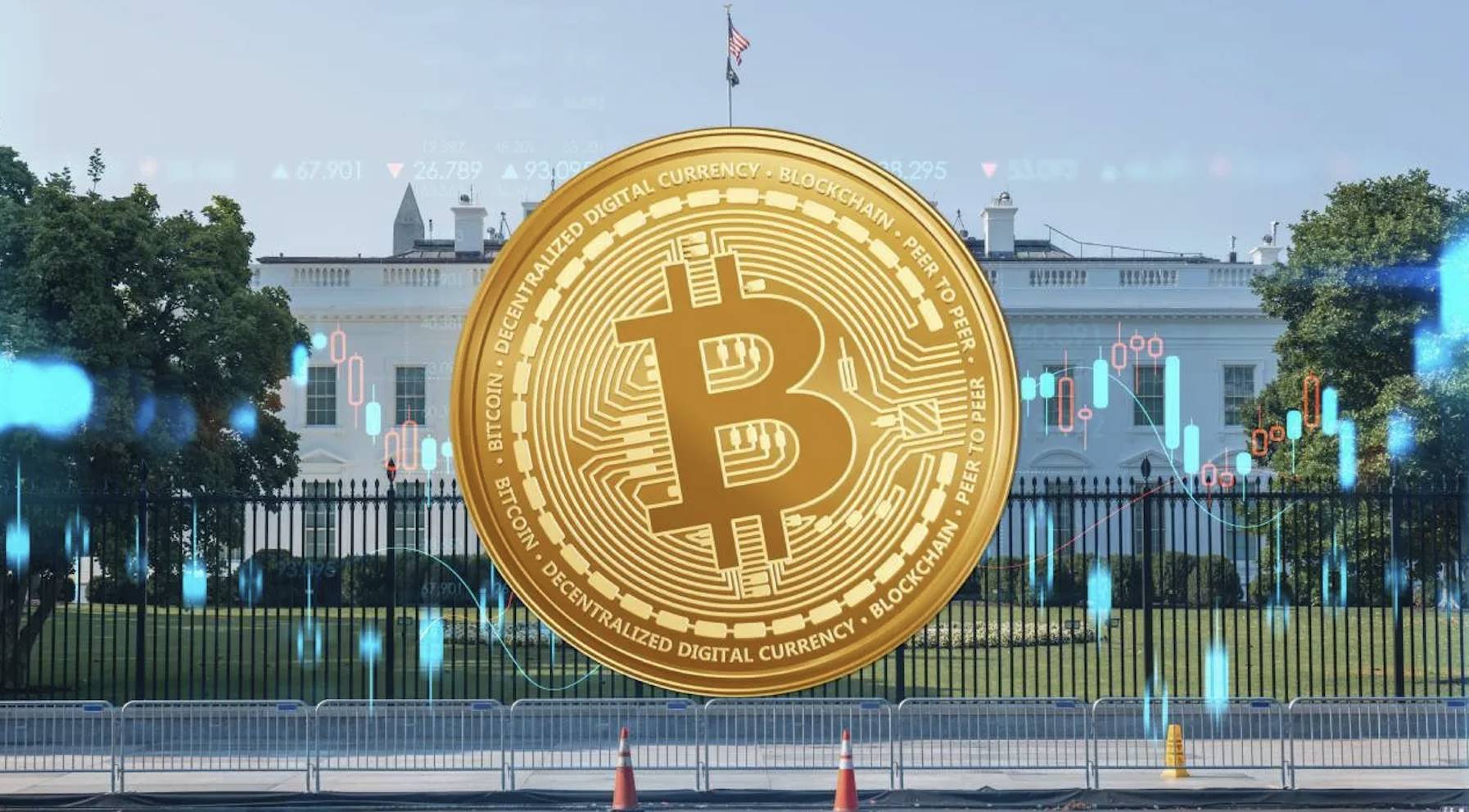
Bitcoin "wins by rising"—which countries are considering building national reserves?
TechFlow Selected TechFlow Selected
Bitcoin "wins by rising"—which countries are considering building national reserves?
After El Salvador, the United States, Brazil, Poland, Russia, and Japan have begun showing interest.
 Navigating Web3 tides with focused insights
Writing: Liz Napolitano, Decrypt
Translation: Felix, PANews
Amid a historic market surge, several countries are considering establishing national Bitcoin reserves as the world’s largest cryptocurrency hits new highs—Bitcoin surpassed $100,000 for the first time earlier this month.
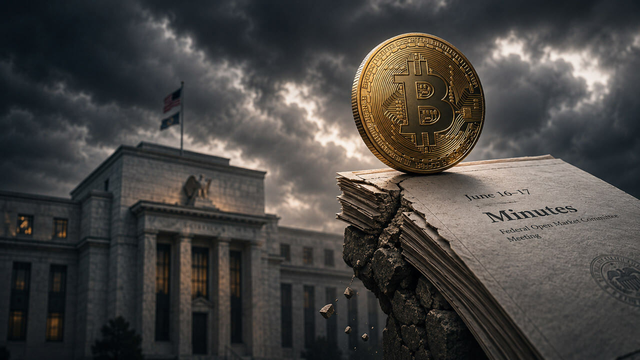
U.S. President-elect Donald Trump and his allies have repeatedly backed legislation to add Bitcoin to the Federal Reserve's reserves, making it increasingly likely that such a move could soon become reality.
Government officials in Brazil have also proposed legislation to enable this possibility, while politicians in Poland and Russia have voiced support for adding digital currencies to their national balance sheets.
El Salvador leads in this area by adopting Bitcoin as legal tender and gradually accumulating Bitcoin as part of its national reserves since 2021.
While it remains unclear whether other nations will actually establish Bitcoin holdings in the short term, one thing is evident: interest in holding the asset as a reserve has reached fever pitch. Below are the countries currently considering national Bitcoin reserves.
United States
Several U.S. lawmakers have pushed for the creation of a strategic Bitcoin reserve.
Senator Cynthia Lummis of Wyoming introduced a bill last spring called the "Bitcoin Act," proposing that the United States purchase up to 200,000 Bitcoins annually over five years—amounting to roughly 5% of the token’s total supply.
The Bitcoin would be stored in a “decentralized, secure network of Bitcoin vaults operated by the U.S. Treasury,” with funding for acquisitions coming from diversifying existing Federal Reserve assets such as bonds, loans, and gold.
In July last year, President-elect Donald Trump echoed support for a “strategic Bitcoin reserve” during BTC 2024 in Nashville—one of many crypto-related promises he aims to fulfill upon taking office.
Trump stated at the event: “It will be the policy of my administration… to 100% hold onto all Bitcoin currently held or acquired by the U.S. government into the future.”
Efforts to build Bitcoin reserves are also underway at the state level.
Last week, a Texas legislator introduced a bill proposing the state establish a Bitcoin reserve, holding it for at least five years. Meanwhile, a similar bill was introduced in Pennsylvania in November.
Brazil
The Brazilian government has introduced a bill proposing the establishment of a national Bitcoin reserve.
According to legislation proposed on November 25, the Sovereign Strategic Bitcoin Reserve (RESBit) would allocate 5% of Brazil’s international reserves to Bitcoin, aiming to diversify the Brazilian Treasury’s assets.
Federal Deputy Eros Biondini, who proposed the bill, said including Bitcoin in the treasury “would reduce Brazil’s exposure to exchange rate fluctuations and geopolitical risks, enhancing economic resilience.”
Under the proposal, the Central Bank of Brazil would work with the Ministry of Finance to manage the Bitcoin reserve. The funds could also support Brazil’s central bank digital currency (CBDC), Drex. According to the bill, Bitcoin would be stored in cold wallets.
Poland
Polish presidential candidate Sławomir Mentzen advocates for creating a strategic Bitcoin reserve and enacting crypto-friendly laws in Poland.
Mentzen wrote on X (formerly Twitter): “If I become President of Poland, our country will become a haven for cryptocurrencies, with very friendly regulations, low taxes, and supportive banks and regulators.”
The politician added in another post: “It’s time for Polish politicians to look toward the future.”
This far-right nationalist candidate ranks third in opinion polls within the Eastern European nation. It remains unclear whether Mentzen’s political rivals also support establishing a strategic Bitcoin reserve.
Russia
In December, Russian parliamentary representative Anton Tkachev proposed establishing a national Bitcoin reserve, according to Russia's state news agency RIA.
In November last year, several Russian lawmakers suggested creating a “cryptocurrency reserve” within the country’s treasury, though the idea faced opposition from Anatoly Aksakov, chairman of the State Duma’s financial market committee.
They also successfully passed legislation this past autumn legalizing cryptocurrency mining and the use of digital assets for international payments.
Russia’s recent shift in attitude toward cryptocurrencies suggests it may reconsider the idea of a strategic Bitcoin reserve. At least one senior Russian official has previously expressed support.
In a 2021 interview with Russian news agency Interfax, Deputy Foreign Minister Alexander Pankin said Russia was open to partially replacing its dollar-based reserves and trade settlements with other currencies, including cryptocurrencies.
Alexander Pankin stated that Russia might replace the dollar with various national currencies, “and in the future, perhaps some form of digital asset.”
Japan
In December, Japanese lawmaker Satoshi Hamada submitted an official request to the legislature calling for discussions on establishing a national Bitcoin reserve in Japan.
Hamada’s party holds only two seats in Japan’s parliament, but there are other Bitcoin supporters within the legislative body. In October, Yuichiro Tamaki, leader of the Democratic Party for the People, proposed tax reductions and regulatory reforms for Japan’s crypto holders and companies.
Join TechFlow official community to stay tuned
Telegram:https://t.me/TechFlowDaily
X (Twitter):https://x.com/TechFlowPost
X (Twitter) EN:https://x.com/BlockFlow_News
 Decrypt