The Chinese Story Behind Ethereum's Birth
TechFlow Selected TechFlow Selected
The Chinese Story Behind Ethereum's Birth
OG TALK: The Early Story and Future Development of Ethereum
 Navigating Web3 tides with focused insights
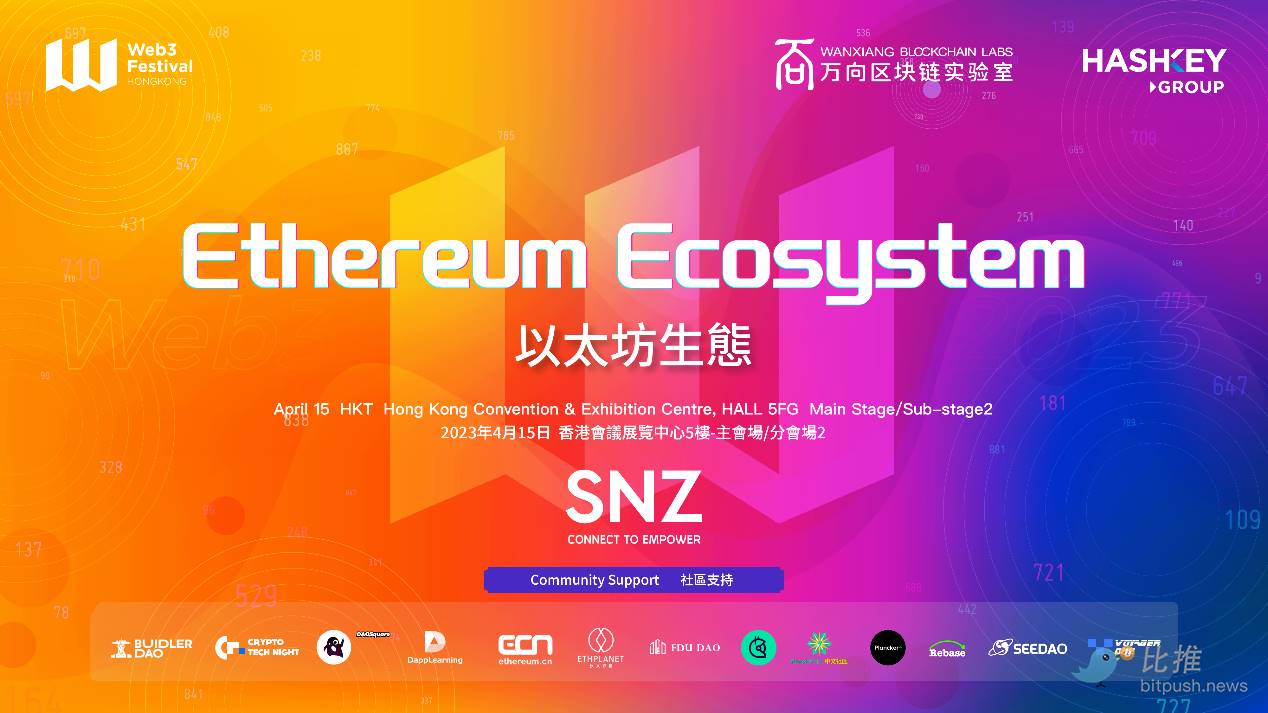
At the 2023 Hong Kong Web3 Festival, early participants and supporters of the Chinese Ethereum community—including Fenbushi Capital, Wanxiang Blockchain, SNZ, imToken, and "Cancer" (a.k.a. Jerry Liu)—shared stories from Ethereum’s early days in China. They also offered insights into Ethereum's future development, discussing topics such as modularity, user experience, storage, and Asian developer communities.
Moderator:
-
Ross Zhang (Managing Partner at SNZ)
Panelists:
-
Jerry Liu (Co-founder of Waterdrip Capital)
-
Du Yu (Head of Wanxiang Blockchain Lab)
-
Ben He (Founder and CEO of imToken)
-
Roland Sun (General Counsel at Fenbushi Capital)
Ross Zhang: Thank you all for joining us this morning for our Ethereum-focused session. I know there are many events happening around town right now, but we’re honored to have with us today some of Ethereum’s earliest OGs to share fascinating stories from its beginnings and reflect on how far it has come.
A quick introduction: I’m Ross, Managing Partner at SNZ. Our fund began investing in and supporting Ethereum back in 2014–2015. We’ve hosted numerous early Ethereum community events and have long supported the ecosystem’s growth. We were also early investors in Arbitrum. Now, let me invite each of our esteemed guests to introduce themselves.
Jerry Liu: Hello everyone! I'm Jerry, though most people in the space call me “Cancer.” I’m a founding partner at Waterdrip Capital and was involved quite early in various crypto projects.
Du Yu: Hi everyone! I'm Du Yu from Wanxiang Blockchain Lab, one of the organizers of this event. Thanks so much for being here Saturday morning after what must have been a long week!
Wanxiang Blockchain Lab is among Asia’s—and China’s—earliest supporters of Ethereum. We started researching blockchain technology in 2014 and officially established our blockchain lab in 2015, promoting the development of blockchain and Web3 across Asia. We were also among the first supporters of the Ethereum ecosystem.
Ben He: Hello! I'm Ben, founder of imToken. Personally, I came across the Ethereum whitepaper in 2014 and immediately dove headfirst into the blockchain world—I feel very fortunate about that timing.
In 2015, I participated in a hackathon hosted by Wanxiang Lab at Deloitte Tower in Shanghai, where imToken wallet was born. From day one, imToken was rooted in the Ethereum ecosystem and became the first mobile-friendly Ethereum wallet in Asia. This year marks our seventh year of operation—we now serve 15 million users as a fully decentralized team.
Today, when we talk about Web3, its roots trace back to Ethereum. Gavin Wood, author of the Ethereum whitepaper, wrote extensively about Web3 very early on. It’s great to be here sharing reflections on Ethereum’s past and thoughts on its future direction.
Roland Sun: Hello everyone! I'm Roland, General Counsel at Fenbushi Capital. Our firm was co-founded in 2015 by Vitalik Buterin, Xiao Feng from Wanxiang, and Shen Bo. As one of the earliest blockchain investment firms in the Asia-Pacific region—and an early investor in Ethereum—we’ve witnessed firsthand the evolution of Ethereum over the years. It’s a privilege to share our journey with you today. Thank you!
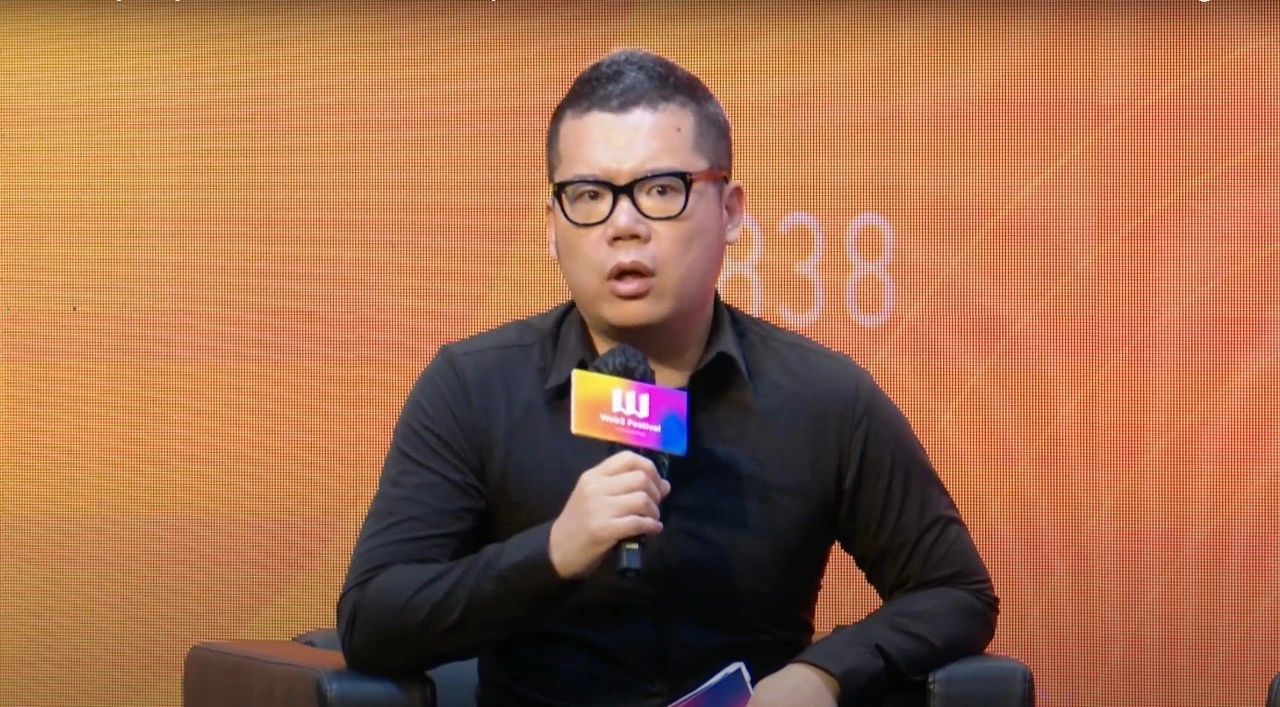
Ross Zhang: Thank you all for those introductions. Today’s panel feels like a reunion of Ethereum’s original pioneers. So much happened in Ethereum’s early days—let’s start by inviting Cancer to kick things off. Why him first? Because he led the translation of the Ethereum whitepaper into Chinese, and it was actually his idea to name it “Ethereum” in Chinese.
Jerry Liu: Let’s go back to the first half of 2015. Back then, blockchain was still extremely nascent, with only a small group of people following the field. In Shanghai, a few of us regularly gathered, discussed ideas, organized meetups, and wrote articles on early media platforms like 8BTC.
Back then, there were very few projects around. I remember exchanges mainly listed Bitcoin, Litecoin, BTS, and similar assets. At the time, I was deeply involved in the BitShares project, which Shen Bo also closely followed.
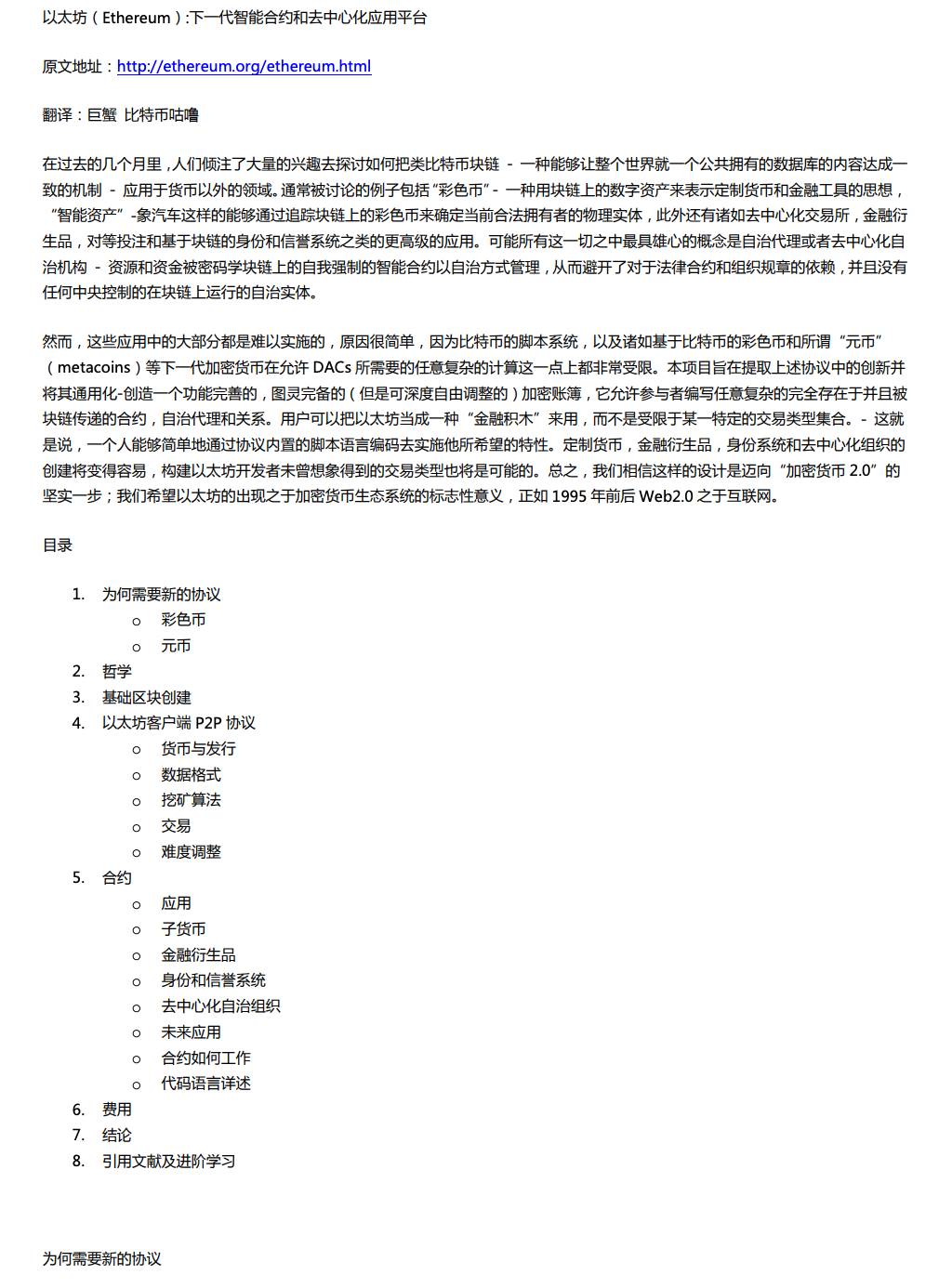
In February 2015, Shen Bo approached me and asked if I could translate the Ethereum whitepaper. Probably because I had published several articles on 8BTC, he thought my writing style was decent enough for the task.
At the time, Roland and I were both part of an organization called “Bitventure Camp,” which included Da Hongfei and Gu Lu—the latter being SNZ’s founder. So I teamed up with Gu Lu to complete the translation.

Members of Bitventure Camp with Vitalik Buterin
The naming of Ethereum in Chinese later became a popular topic. Honestly, I didn’t think too hard about it at the time. “Ether” translated naturally as “以太,” but what about “-eum”? The root implies something like a factory or workshop—after all, Vitalik likely named Ethereum to suggest a “factory” for smart contracts, capable of producing customizable applications.
I couldn’t just call it “以太工厂” (Ether Factory), so I looked for a better character. “坊” means workshop or artisan shop in Chinese, which felt conceptually close to what Ethereum represented. That’s how we settled on “以太坊”—Ethereum. That’s the origin story.
In those early days of the industry, Ethereum didn’t attract much attention upon launch. One member of our Bitventure Camp group was Canadian and had prior connections with Vitalik. He invited Vitalik to visit China, where he gave talks in Hangzhou, Shenzhen, and Shanghai. However, the response wasn't particularly enthusiastic.


I remember during a café talk in Hangzhou, most attendees simply couldn’t understand what was being said. After touring through Hangzhou and Shenzhen, Vitalik reportedly remarked that outside of exchanges and mining, there didn’t seem to be much interesting going on in China at the time.
That was roughly the situation back then. I’ll pass it over to other panelists to share their own early experiences before circling back.
Ross Zhang: Thank you, Cancer. Next, please welcome Du Yu.
Du Yu: My entry into the blockchain industry also started with reading the Ethereum whitepaper—though I took the lazy route and read Cancer’s Chinese translation first, then went back to study the English version.
From 2014 to 2016, I held a personal belief: Ethereum truly brought blockchain into the mainstream. Before that, people mostly talked about Bitcoin—as a simple financial tool for payments or digital gold. But Ethereum’s smart contracts revealed the real potential of blockchain and DLT technologies to a broader audience.
I firmly believe that without Ethereum, today’s Web3 and blockchain ecosystem wouldn’t exist. In 2014, we brought Vitalik to speak at a finance forum in Hainan—an effort through which Wanxiang Lab became arguably the first organization globally to introduce Ethereum to mainstream institutions.
On one hand, we were the first major corporation to support the Ethereum Foundation financially, donating $500,000 in 2015—a critical lifeline when Ethereum was struggling. Having a traditional Chinese company back Ethereum gave the entire community greater confidence.
On the other hand, recognizing Ethereum’s vast potential, we arranged for Vitalik to meet with various financial institutions and government departments across Asia, helping them understand that blockchain was more than just Bitcoin. At the time, public perception of blockchain was largely tied to Bitcoin—and often negatively so. We wanted to show how blockchain combined with smart contracts could unlock transformative use cases.
Looking back, while we did many exciting things, the most important achievement—beyond raising awareness within the crypto community—was bringing Ethereum into the mainstream and regulatory view.
Even in mainland China, where regulations on blockchain and crypto are strictest, Ethereum has always maintained a positive reputation among regulators, financial institutions, and enterprises. That enduring goodwill is one of the most significant outcomes of our collective efforts back then.

Ben He: Let me share a few memorable moments. I suspect some imToken users are here today—our iOS beta version was first submitted on November 11, 2016. If you’re using imToken, you might be sitting right here in the audience.
Prior to discovering Ethereum, I worked in IT, building tech products. I’d seen Bitcoin early on and even tried downloading the client and claiming BTC, but I had many doubts and never really engaged deeply.
But in 2014, reading the Ethereum whitepaper changed everything. The vision of building decentralized applications (DApps) on top of blockchain via smart contracts deeply inspired me.
Looking back, nearly every DApp category mentioned in the whitepaper has since materialized. Token-based systems—whether through ICOs or project-led token distributions and airdrops—are now standard practice, validated especially during the 2017 ICO boom.
Then came deeper applications: DeFi from 2018–2019 onward, now widely recognized and proven. Decentralized markets, decentralized storage, smart contract wallets, and account abstraction (AA)—all these concepts were envisioned in the original whitepaper.
imToken launched in 2016 with product design guided by that same vision—to integrate technology and product innovation to fulfill real user needs. Seeing those visions gradually become reality reinforces my belief in Ethereum’s limitless potential. With so many new builders entering the space and supportive policies and capital emerging, I’m confident we’re on the brink of a massive breakout for the entire blockchain ecosystem.
Ross Zhang: Just a side note—I used imToken as my very first mobile wallet. I’ve been with the product since its earliest days and watched its evolution with deep admiration. Now, over to Roland.
Roland Sun: Let me share a fun piece of history. Ethereum was initially introduced to China by Shen Bo. Back in 2014, when he first told me about Ethereum, I didn’t quite grasp what the project was about—the concept was just too new.
In early 2015, around February or March, Shen Bo brought Vitalik to meet Xiao Feng. This was their first meeting. Interestingly, why did Shen Bo arrange this? Even before Ethereum existed, Xiao Feng had already published profound insights on blockchain—remarkable given his traditional finance background. He wasn’t a tech expert but a seasoned financier, previously managing Boshi Fund (one of China’s earliest mutual funds).
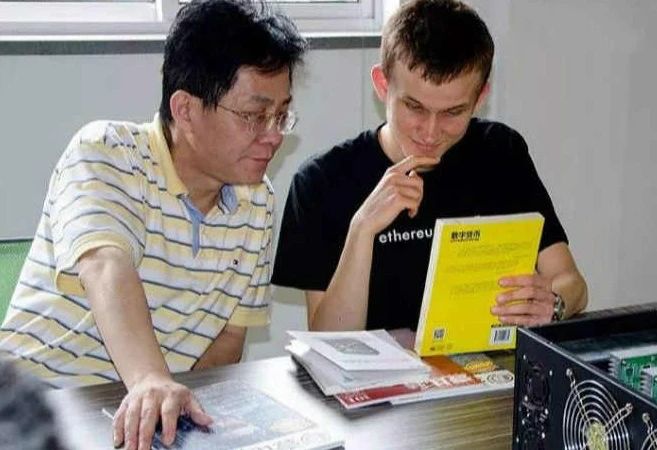
Shen Bo with Vitalik Buterin
After reading Xiao Feng’s article, Shen Bo was deeply impressed and immediately sought opportunities to connect him with Vitalik. Their first meeting happened at an airport—the three of them hit it off instantly. This sparked deeper collaboration, leading to two key milestones in 2015: First, as Du Yu mentioned, Wanxiang Lab invested $500,000 in Ethereum, resolving a critical funding gap. I drafted that contract.
Second, the three co-founded Fenbushi Capital, with all three serving as founding partners. Due to regulatory constraints, Xiao Feng operated primarily within China, while Shen Bo and Vitalik focused overseas. Though geographically separated, they shared the same brand and vision.
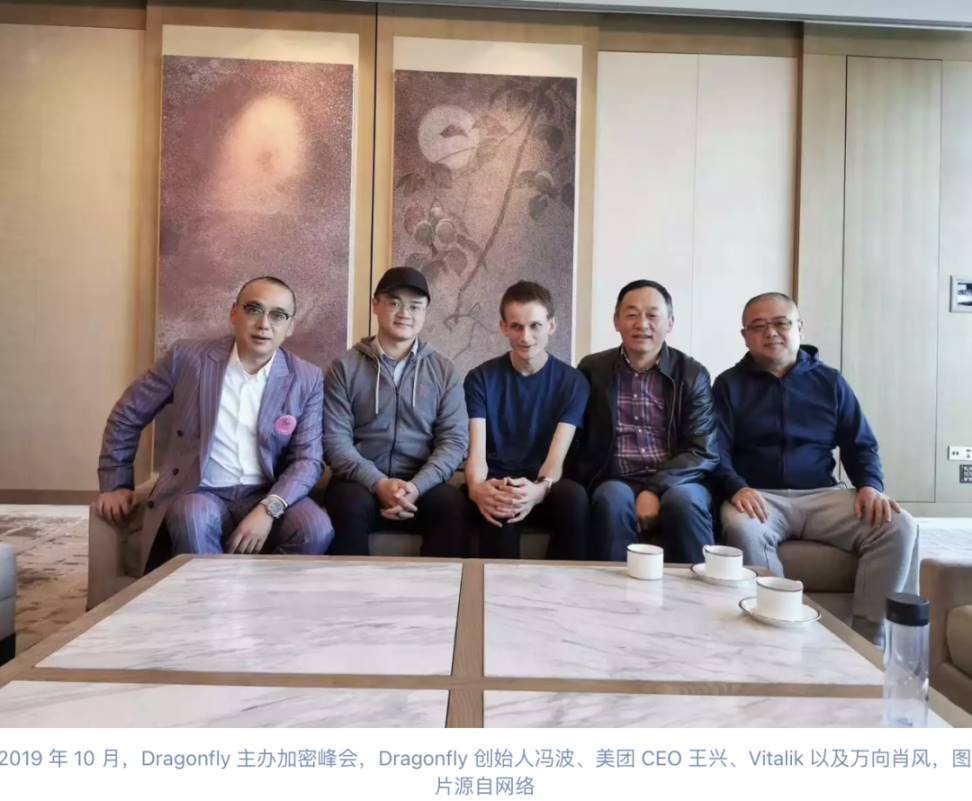
Later in 2015, Wanxiang hosted China’s first Blockchain Conference domestically—now celebrating its eighth year. It hasn’t been easy, but this marked the moment blockchain entered China’s mainstream consciousness.
Reflecting on Ethereum itself, in 2015 few people worldwide understood the project. At the time, Shen Bo was still CEO of BitShares, and Cancer was perhaps the deepest researcher of BitShares in China.
We internally debated the merits of BitShares vs. Ethereum—both revolutionary, yet strangely different. BitShares tightly integrated blockchain and applications: its native chain already hosted built-in apps like the earliest decentralized exchange, stablecoin, and oracle model—highly innovative.
However, all apps were developed solely by the core team and tightly coupled to the blockchain. Technically speaking, BitShares wasn’t an open platform but a closed system designed exclusively for its own applications—an exclusionary, traditional approach.
Ethereum flipped this entirely. Ethereum itself runs no applications. The Ethereum Foundation develops no apps. Instead, it provides infrastructure—a smart contract platform—where any third party can build and deploy DApps permissionlessly. Think Android: Google built the OS but doesn’t make apps; developers do. That openness was revolutionary.
From a timeline perspective, BitShares moved faster: on day one, its DApps were live and functional. In 2015, Shen Bo—who wanted to build a decentralized exchange—could already use BitShares’ DEX. By BitShares 2.0, TPS performance was already respectable. Meanwhile, Ethereum’s base layer in 2015 wasn’t even fully mature, let alone hosting diverse DApps.
I recall Shen Bo asking Vitalik when high-TPS platforms would be ready so he could build his DEX. Vitalik replied it might take years—until sharding was complete. State sharding was complex; in 2015, he estimated 4–5 years. But Shen Bo said he couldn’t wait—he needed to run a DEX now.
Eventually, Ethereum shifted away from sharding toward Rollups—Vitalik changed course multiple times before settling on Rollups as superior. While Rollups weren’t yet viable, DEX technology advanced anyway. DeFi, led by DEXs, began rising around 2019—coinciding perfectly with earlier expectations. That’s the gist.
Ross Zhang: Thank you, Roland. You’ve shared the Asian perspective. Let me briefly add the North American angle—from Ethereum’s birthplace, Canada.
Vitalik is Canadian. Ethereum originated in Toronto. In 2015, I noticed growing discussions around it. As someone trained in computer science, I was technically attuned—but at the time, I was working in investment at a Canadian pension fund, giving me a dual vantage point.
I saw early Ethereum supporters organizing meetups in Toronto. Founding members like Vitalik, Gavin Wood, Joseph Lubin, Anthony DiLorio, and other early community members attended, alongside Web2 engineers and hackers.
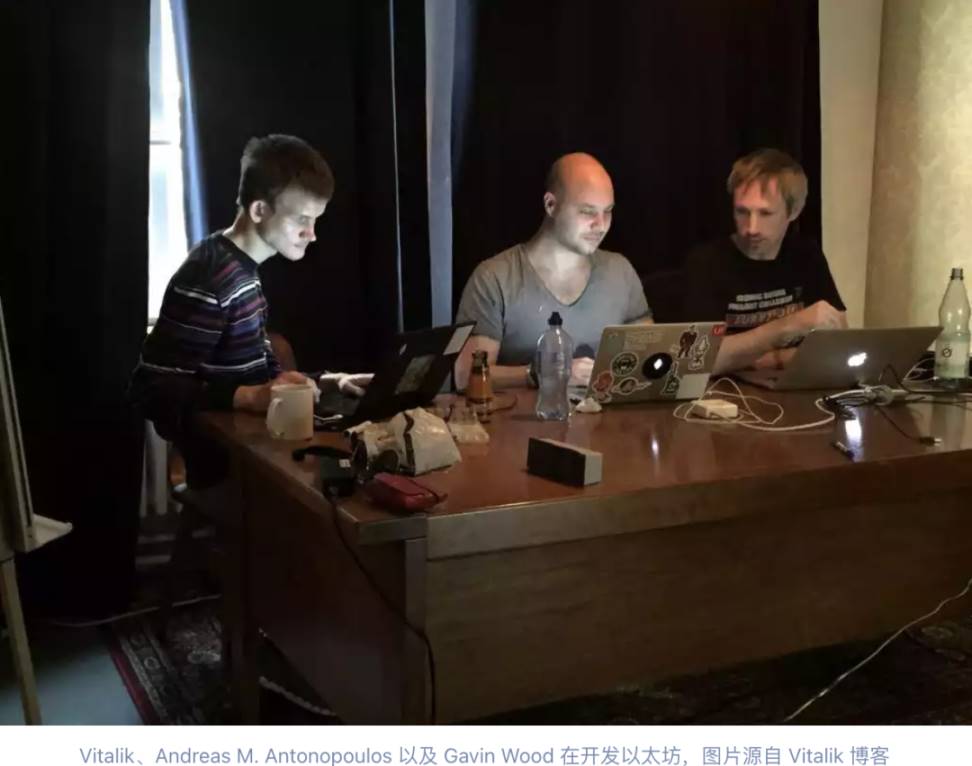
Back then, I didn’t fully understand it. Technically, everything felt primitive—slow to develop and run. Many doubted whether it would succeed.
Yet from my role at the pension fund, I sensed strong potential. I saw how it could transform finance—especially in improving capital efficiency and trust mechanisms. So I formed a blockchain research group within the fund. Started with 10 people, grew to nearly 100 by the time I left.
We invited Vitalik and Joseph Lubin to explain smart contracts, Ethereum’s purpose, and possible applications. We were among the earliest institutional groups in Ethereum’s home country to take it seriously. That’s my early-Ethereum memory from Canada.
Now, Ethereum successfully completed the Shanghai upgrade on April 13 (Beijing time). Looking back at Ethereum’s journey, what milestones stand out—and how do you see its path forward post-Shanghai?
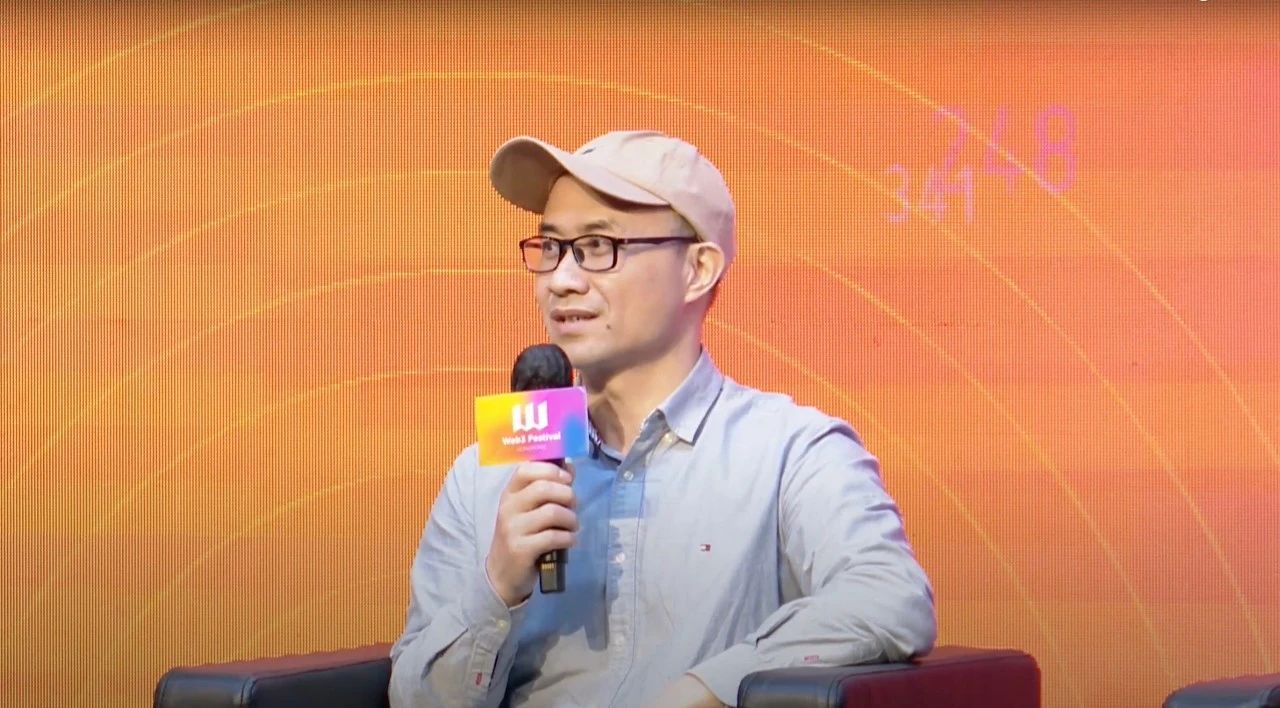
Jerry Liu: Regarding key milestones, I don’t recall exact dates, but I remember several pivotal moments.
First: Mainnet launch, around July 2015. Gavin Wood single-handedly created the EVM and defined Ethereum standards. No one imagined EVM would become near-universal industry standard. The biggest surprise? Smart contracts actually worked.
Second: The ICO boom. People realized they could issue assets and raise funds on Ethereum. Countless projects emerged—many speculative, even fraudulent—but many legitimate, long-term innovators survived.
Third: Early NFT experiments, notably CryptoKitties. Before that, traded assets were mostly fungible. CryptoKitties showed non-fungible assets were possible—opening new doors for digital ownership and finance.
Fourth: DeFi Summer. A wave of decentralized finance innovations began. Some practices—like yield farming—proved unsustainable. But others, like collateralized lending and AMM-based DEXs, proved viable and became standardized industry components.
This road continues. More sustainable financial models will emerge, expanding possibilities for global finance.
Fifth: The Merge. Postponed countless times, yet when it finally happened, it was shockingly smooth. For longtime Ethereum fans, it lifted a huge burden. We can now look ahead with greater clarity and confidence.
The Shanghai upgrade’s biggest impact is improved liquidity. It effectively created the LSD (Liquid Staking Derivatives) sector, allowing Ethereum staking to grow into an industry comparable in scale to Bitcoin mining. That’s my take.
Ross Zhang: Thanks, Cancer. Your point resonates: no one expected Ethereum, starting so rudimentary and slow, to steadily achieve every planned milestone—even handling billions in value—with such seamless transitions. This is the result of relentless effort by the global Ethereum community and developers.
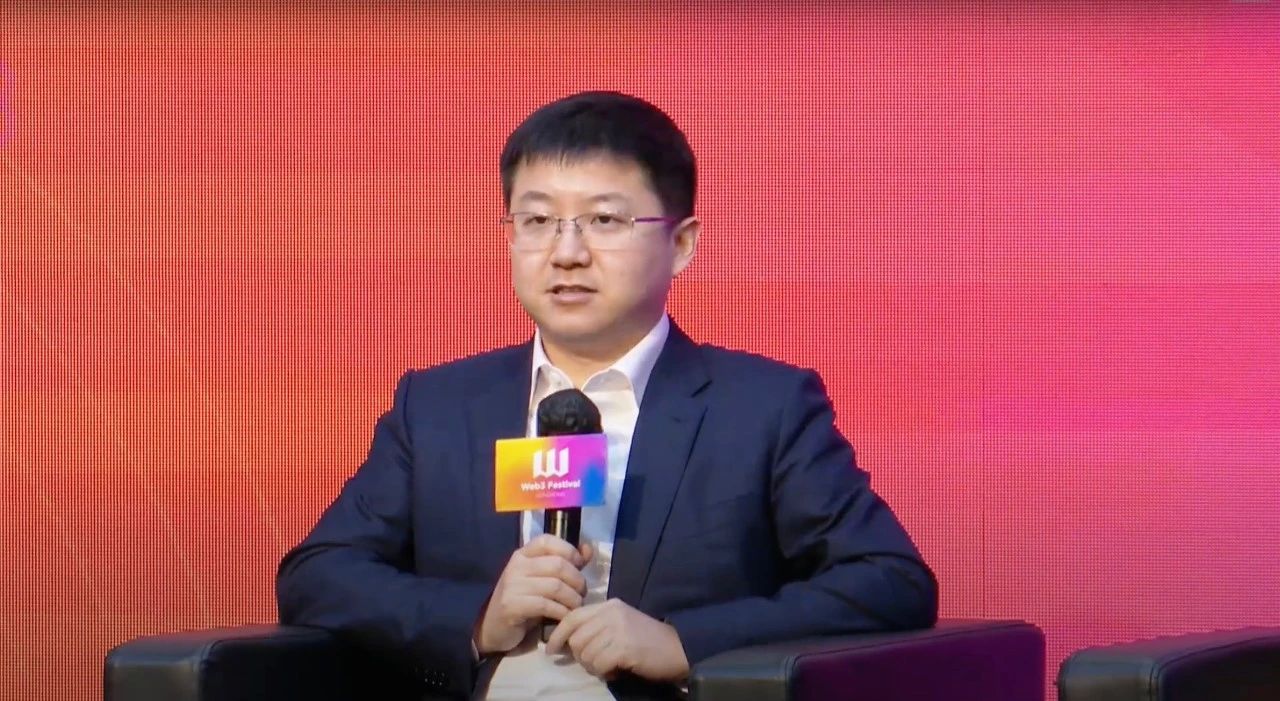
Du Yu: The whitepaper aimed to make Ethereum a “world computer.” But today, it’s clearly not that—it’s financial infrastructure. Along the way, it’s become a cornerstone of the Web3 financial system. Arguably, the most critical milestones were the emergence of new asset protocols.
ERC20 lowered the barrier dramatically: before, issuing tokens required launching your own chain. With ERC20, anyone could create a token in minutes. Then came ERC721, enabling representation of unique, non-standard assets, followed by extensions like ERC1155. These are foundational layers in Ethereum’s history.
Ethereum evolves in phases. For years, it focused on asset protocol infrastructure. More recently, financial tools matured—but performance and cost remain issues. Today’s trend is scaling via Layer2 and Layer3 solutions to support mass adoption. Each phase has distinct priorities and missions.
Ben He: Let me briefly walk through Ethereum’s roadmap. Initially, four stages were planned. Stage One: launched July 2015 as a beta network. Stage Two: launched March 14, 2016, as the official public release. Stage Three: explosion of DApps and DeFi, ecosystem flourishing.
We’re now in Stage Four. But along the way, two major evolutionary tracks emerged. First: transitioning consensus from PoW to PoS. Last year’s Merge confirmed Ethereum’s shift to PoS. The April 13 Shanghai fork enabled free withdrawals from staking—marking full maturation of the PoS transition.
This evolution stayed true to the original vision outlined in the whitepaper and roadmap—though timelines stretched far longer than expected, with repeated delays and deferrals of the “difficulty bomb.”
The second track focuses on scalability. Originally centered on state sharding, it later pivoted to Rollup-centric scaling under Vitalik’s guidance. The first track—consensus—is now stable. Ethereum’s next phase centers on applications, with Rollups leading the way.
Post-Merge, the focus becomes “The Surge”—protocol upgrades to enhance Rollup scalability and reduce costs. This is crucial for imToken, as we deliver applications to end users. Scalability is essential to bring blockchain and Web3 to households and everyday users.
I hope Ethereum continues advancing toward low-cost, high-performance throughput comparable to Web2 internet standards.
User experience matters too. Protocol-level initiatives like Account Abstraction (AA) aim to lower barriers and reduce security risks. For wallet providers like us, we’re actively exploring how to leverage these protocol improvements to further simplify user experience—making Web3 easier and safer to use, enabling richer application ecosystems.
Ross Zhang: Thank you, Ben. You mentioned “Serenity”—a term from Ethereum’s earliest planning days. Later we spoke of Ethereum 2.0, and now we refer to The Merge, Verge, Purge, and Splurge as the updated roadmap. We see increasing detail and adaptability based on technical progress.
Due to time, I have one final question: stepping beyond Ethereum, as OGs in the blockchain and crypto space, what wisdom would you like to share with the audience? Brief reflections are welcome.
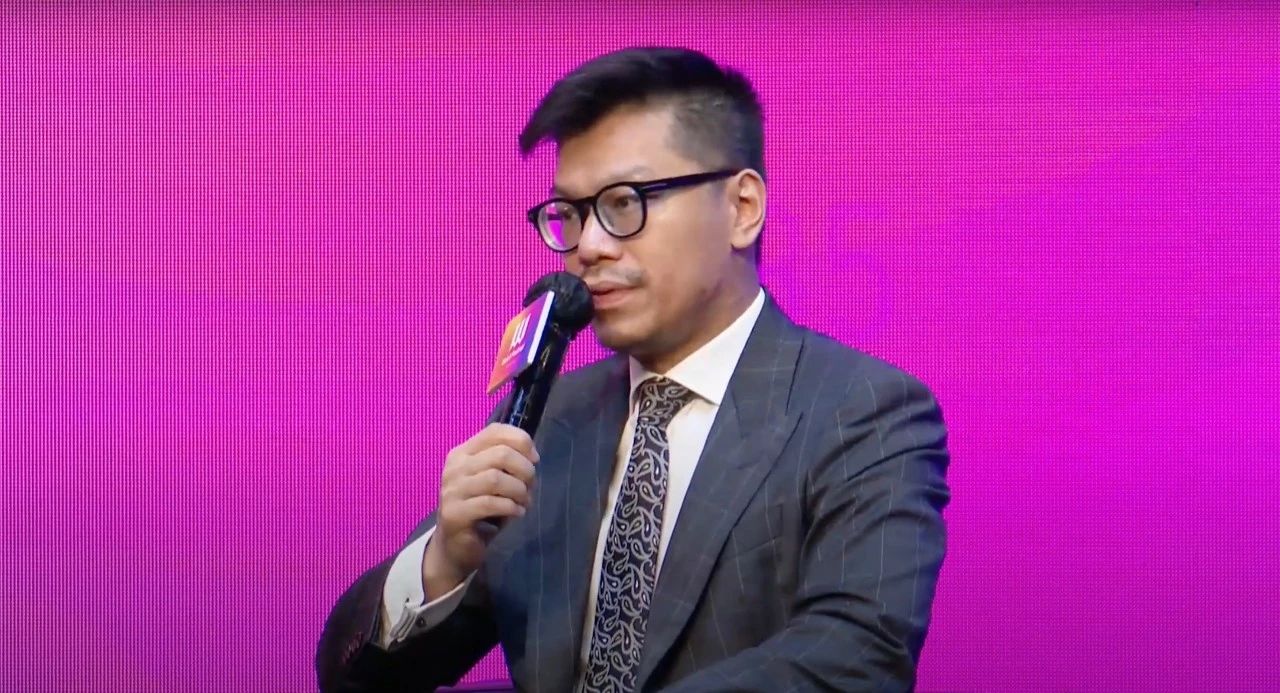
Roland Sun: Personally, I believe studying blockchain without studying Ethereum is impossible. Ethereum established the current paradigm for the industry. Most other projects learn from it—each adding unique features, but none have yet surpassed Ethereum to represent a next-generation leap. Maybe someday, but not today.
Where is Ethereum headed? What comes next for blockchain? I see promising directions. Ethereum initially pursued sharding for scaling, but has since shifted to Rollups—a more pragmatic path. OP Rollups like Arbitrum and ZK Rollups may mature within one or two years, offering high efficiency and low fees. Most DApps are already considering deployment on Rollups.
The key challenge ahead: defining the relationship between Ethereum mainnet and Rollups—who captures value? Currently, Rollups pay gas once to post data, saving DApp users significant costs. But long-term, balancing incentives between layers will be critical.
Another frontier: modular blockchain architecture. As mentioned earlier by ConsenSys, separating functions like state management into dedicated decentralized networks is gaining traction. Ethereum’s state could be outsourced to independent networks.
Rollups currently rely on calldata from the main chain, but high gas costs push demand for cheaper alternatives. Specialized state-providing networks could offer lower-cost data access. Modularization will expand further—sequencers, for example, are vital and closely tied to MEV.
Storage remains unsolved. Ethereum lacks native storage; on-chain data isn’t treated as stored content. Yet the digital world generates vastly more data than Ethereum’s current hundreds of gigabytes. Web3 will eventually integrate all internet data, necessitating decentralized storage networks—not necessarily built by Ethereum, as several already exist.
How future chains and Rollups access decentralized storage will be a key research area. These are open questions without definitive answers yet.
Ben He: From an application and user standpoint, the focus remains on experience: making Web3 easy and safe to use. Revisiting blockchain’s “impossible trinity”—Security, Decentralization, and Scalability—scalability is the current bottleneck. As builders and users, we need patience. Security and decentralization must come first. Once solid, breakthroughs in scalability will follow. Trust the process—great things are coming.
Du Yu: First, Ethereum’s move toward modularity is excellent. My background is in communications—think of the internet protocol stack, built layer by layer. Future Ethereum may resemble HTTP or IP stacks, with each component a standalone protocol. In this sense, Ethereum will be a core Web3 infrastructure, with everyone interacting through layer2s or various Web3 protocols.
Second, the voice of Asian developers and builders in Web3 and Ethereum is shrinking. I hope events like this in Hong Kong attract more talented developers into the space. The U.S. and China host the world’s largest pools of skilled developers, backed by robust education and talent pipelines. Bringing more top builders into Ethereum and Web3 will accelerate the arrival of a better future.
Jerry Liu: Let me emphasize blockchain’s impact on financial systems. Vitalik once wrote an analysis ranking ETH ecosystem components by importance—several were finance-related: monetary ecosystems, stablecoins, and DeFi.
What’s a general-purpose monetary ecosystem? Like gold in traditional finance—China’s central bank has been aggressively buying gold recently. Gold remains a foundational asset. Similarly, BTC and ETH can serve as base-layer assets underpinning the crypto financial system. Stablecoins provide safer, less volatile assets for broader use.
But we’re still early. Today’s dominant stablecoins rely on fiat—pegged to USD—meaning they remain tightly linked to traditional finance.
I believe we’ll eventually see stablecoins independent of fiat. When that happens, reliance on traditional systems—especially the dollar—will diminish. As Americans say: “The dollar is our currency, but your problem.” Perhaps crypto will create a stablecoin not dependent on any nation’s credit. At that point, blockchain’s influence on finance will deepen significantly.
DeFi is gradually advancing toward disintermediation and self-custody. In Web3, DAOs like Bankless DAO envision a world where transactions no longer require banks. I believe this vision will eventually be realized. Blockchain technology will ultimately give people a freer, more decentralized world—one where individuals are fully responsible for their own assets.
Ross Zhang: Thank you, Cancer. You touched on native blockchain assets—what some in the Ethereum community call “ultrasound money.” I also agree with Roland: understanding blockchain requires understanding Ethereum. From my experience across cycles: separation follows unification, and unification follows separation. People see Ethereum’s flaws, build alternatives to solve them, but often end up returning. That’s my biggest takeaway. Due to time, thank you all OGs for your insights—and thank you all for listening.
Join TechFlow official community to stay tuned
Telegram:https://t.me/TechFlowDaily
X (Twitter):https://x.com/TechFlowPost
X (Twitter) EN:https://x.com/BlockFlow_News