Quick overview of the SciHub controversy: advancing research or a money game?
TechFlow Selected TechFlow Selected
Quick overview of the SciHub controversy: advancing research or a money game?
Promoting Meme to Make Money and Then Donating: Good or Bad for Scientific Research Projects?
 Navigating Web3 tides with focused insights
Author: Alex Liu, Foresight News
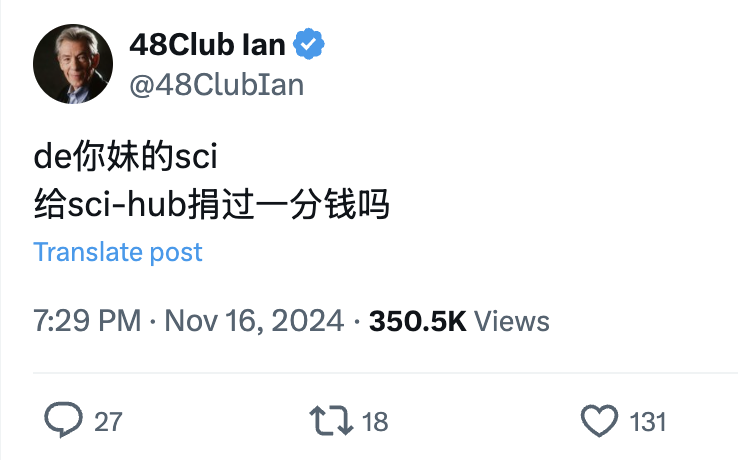
Despite the ongoing hype around DeSci + Meme, are there any new angles left? Do these Meme coins actually contribute anything to science? Someone has finally spoken up, criticizing the constant炒作 of desci with the question: "Have you ever donated a single cent to Sci-Hub?"
What is Sci-Hub?
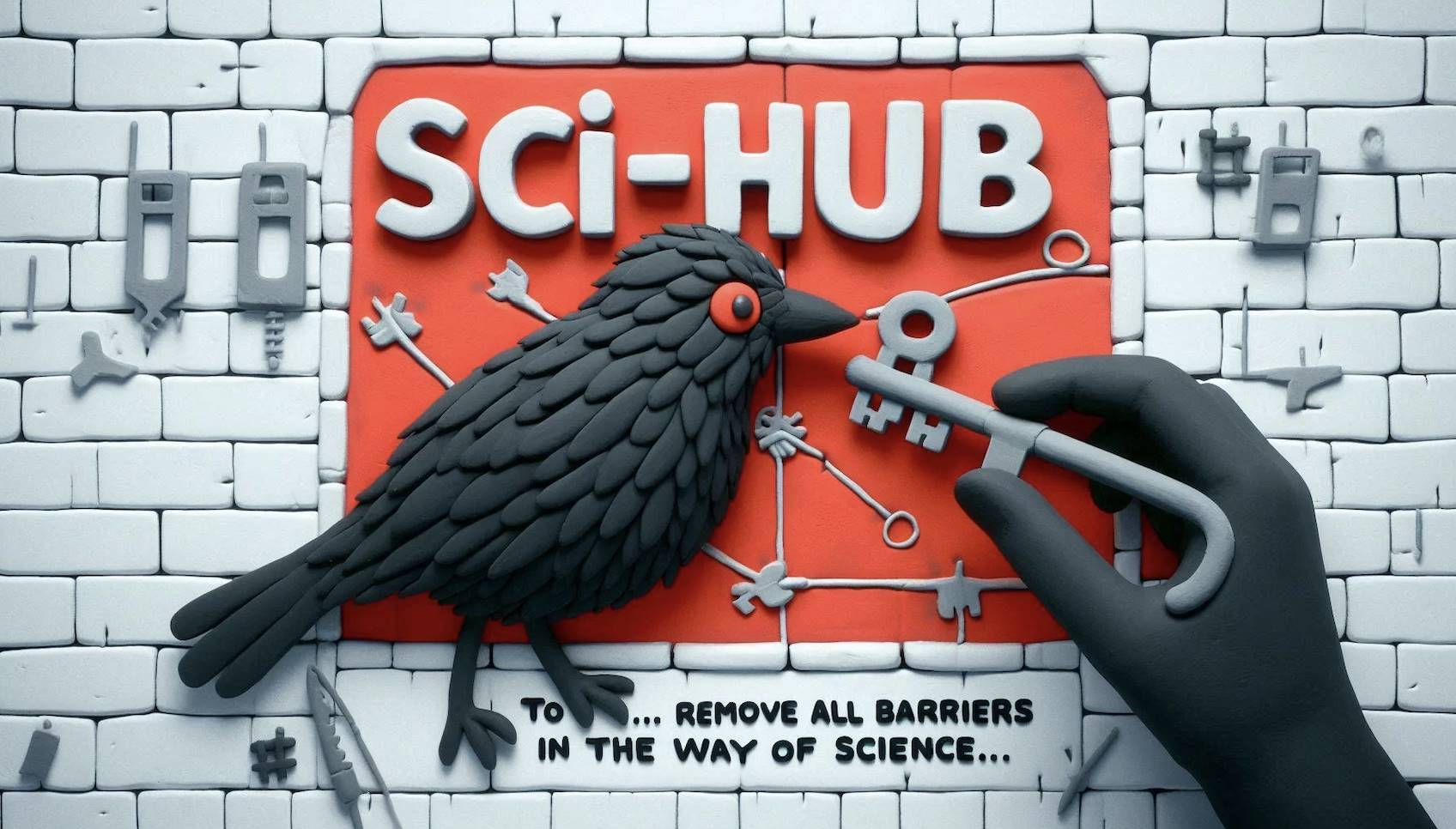
According to Wikipedia, Sci-Hub is a shadow library that bypasses publishers' paywalls using various methods. In 2011, Alexandra Elbakyan, a graduate student from Kazakhstan, founded Sci-Hub after being frustrated by the high cost of research papers behind paywalls. Its users span the globe. By February 2021, Sci-Hub's homepage claimed it had stored over 85 million academic papers.
Sci-Hub and Elbakyan have been sued twice in the United States for copyright infringement, losing both cases due to default judgments. Sci-Hub has received praise from scientists, academics, and even some within publishing circles for effectively disseminating knowledge and making government-funded research freely accessible to the public. Publishers, however, criticize it for violating copyright, reducing their revenue, and threatening university cybersecurity—though such threats may be exaggerated. Sci-Hub has also pushed publishers to strengthen their paywalls further.
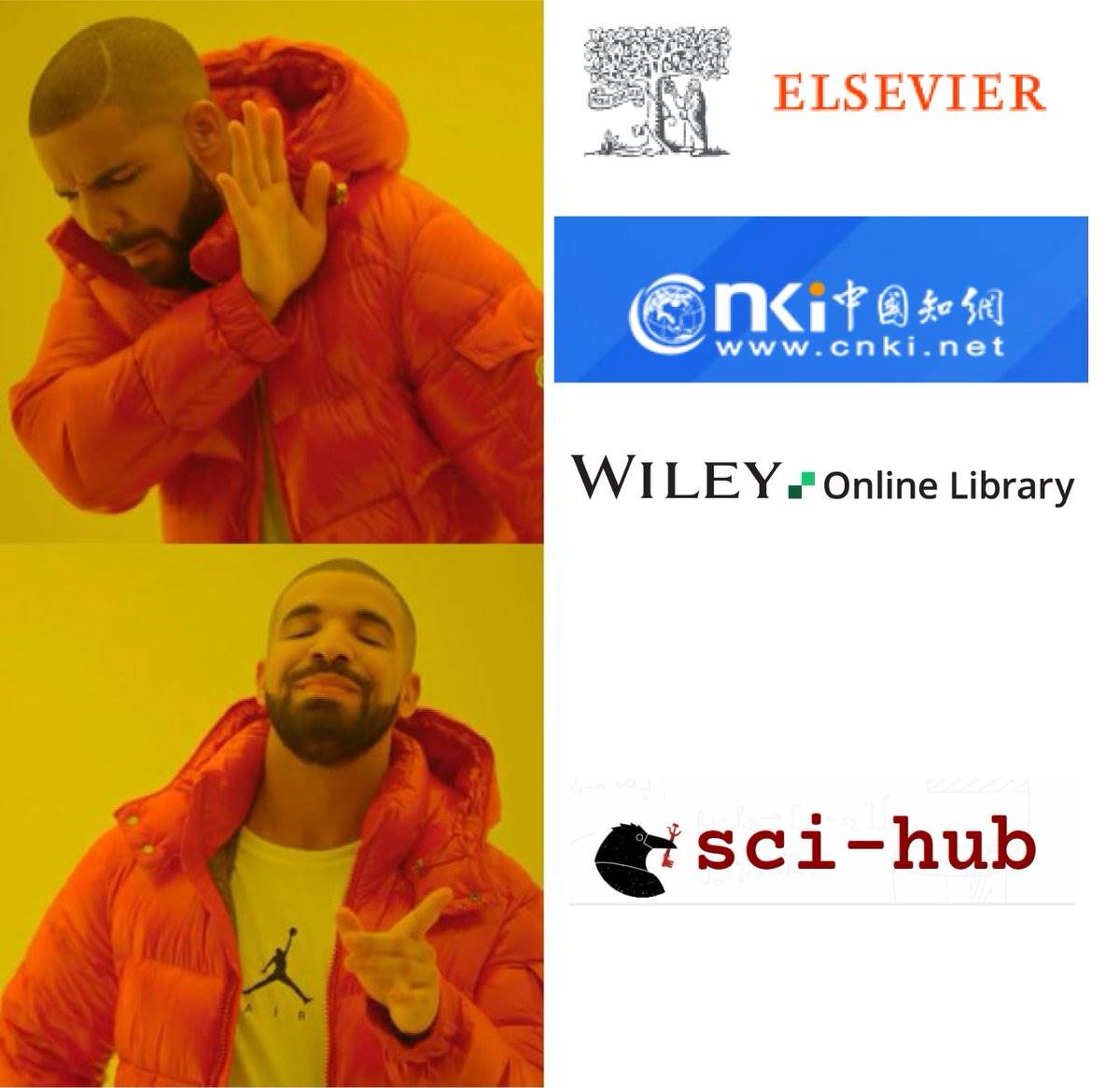
In defending Sci-Hub, Elbakyan counters by questioning whether publishers’ business practices align with ethics or Article 27 of the Universal Declaration of Human Rights. She maintains that running Sci-Hub is a moral imperative, and that laws should not prevent her. As she once stated: "If Americans followed unjust laws, they would still be ruled by the Queen today, and slavery would continue to exist."
The Meme Coin "scihub"
"Have you ever donated a single cent to Sci-Hub?" Former president of Peking University’s Blockchain Association, 0xAA, found this question compelling and donated 0.1 ETH.
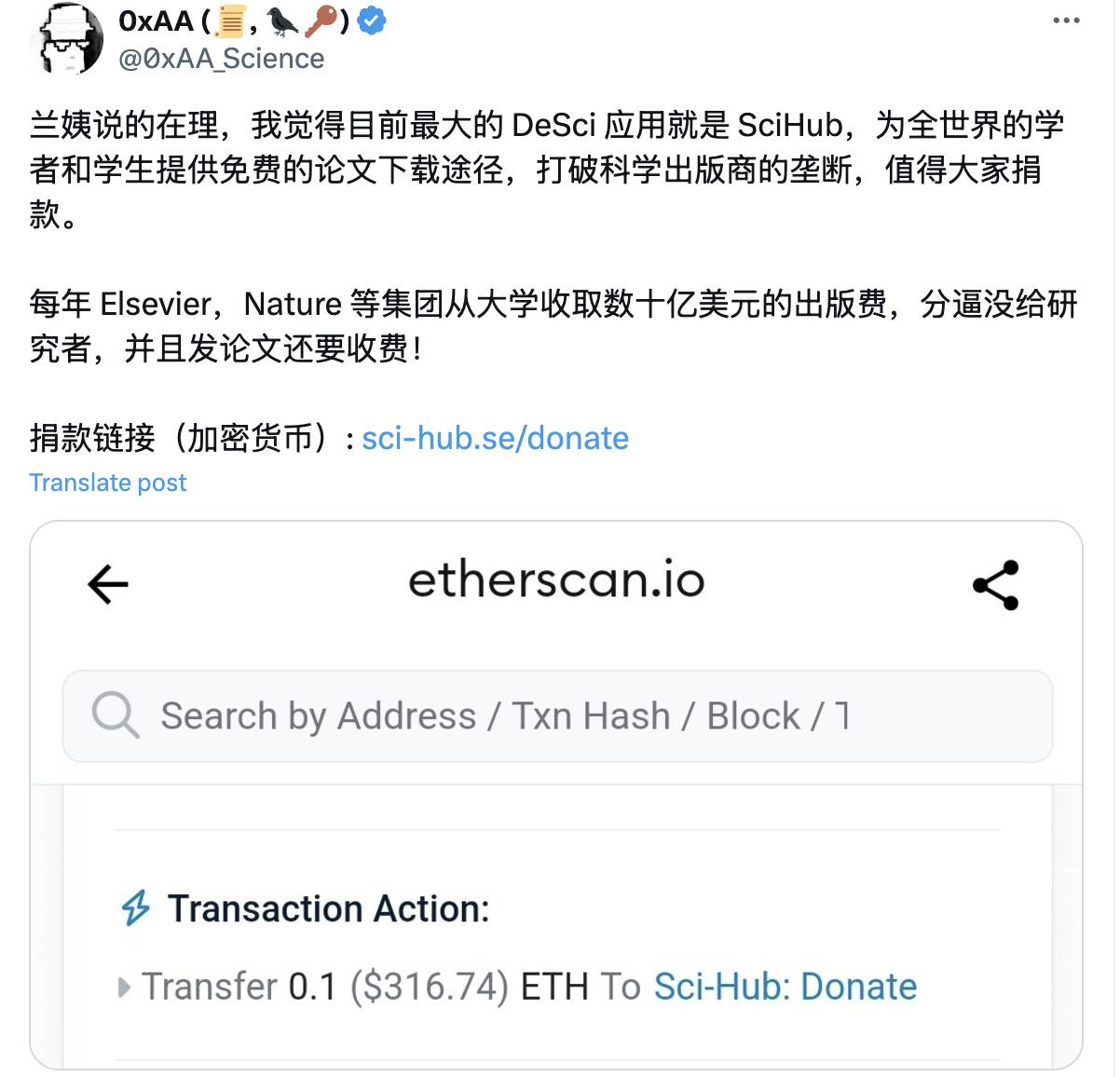
But if the story ended there, it wouldn’t be nearly as interesting—0xAA then purchased 22% of the total supply of a Meme coin named scihub.
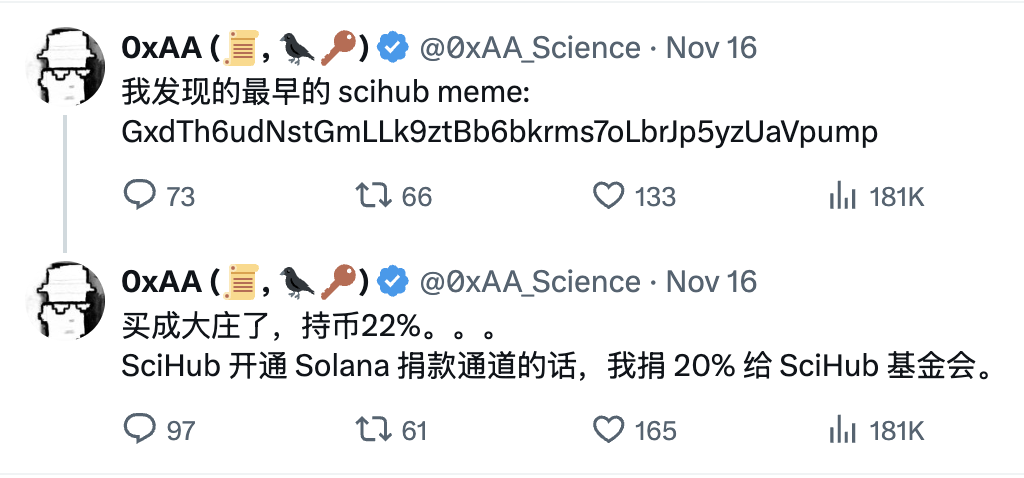
This Meme coin, scihub, surged overnight to a peak market cap of $70 million. The 22% stake held by 0xAA was suddenly worth millions of dollars. Would he fulfill his promise and donate 20% of his holdings? Could donating 20% of the supply justify what seemed like an irrational speculative frenzy?
Initially, Sci-Hub founder Elbakyan did not endorse the project.
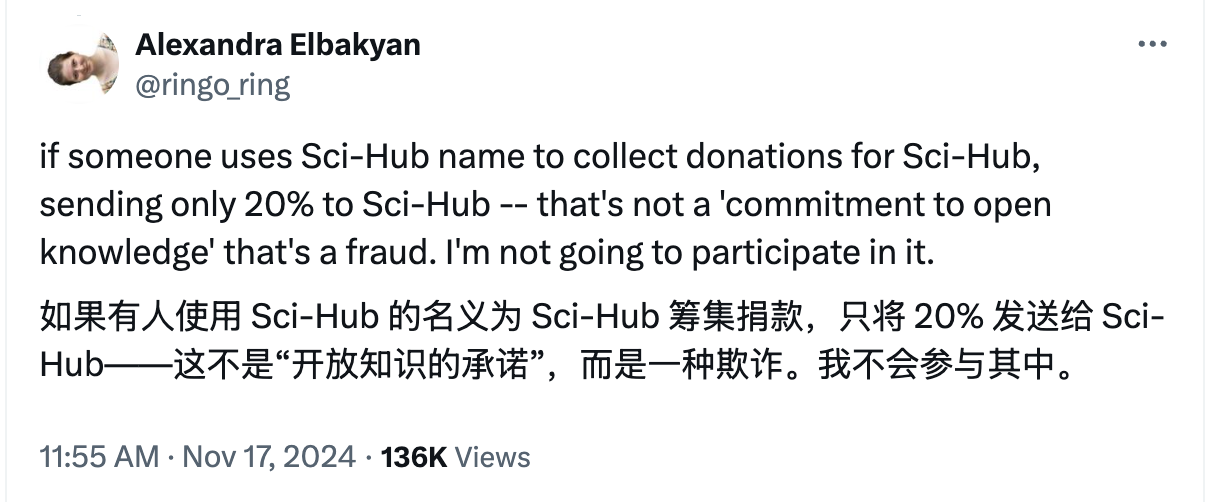
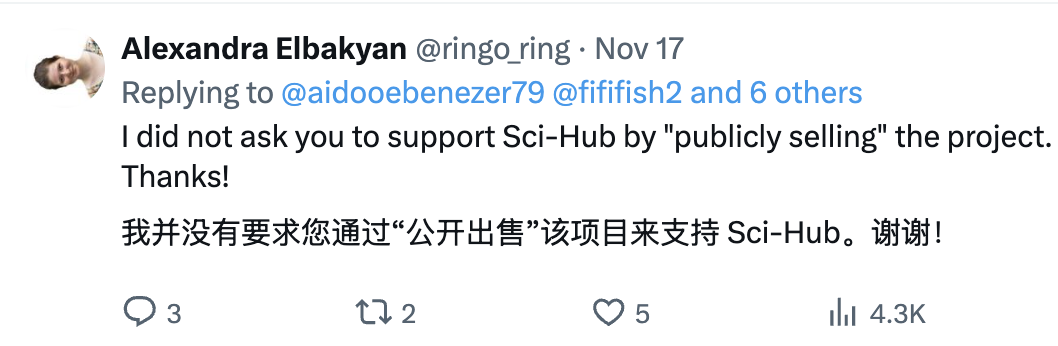
Later, however, she added an option on the Sci-Hub website to accept donations via SOL wallet.

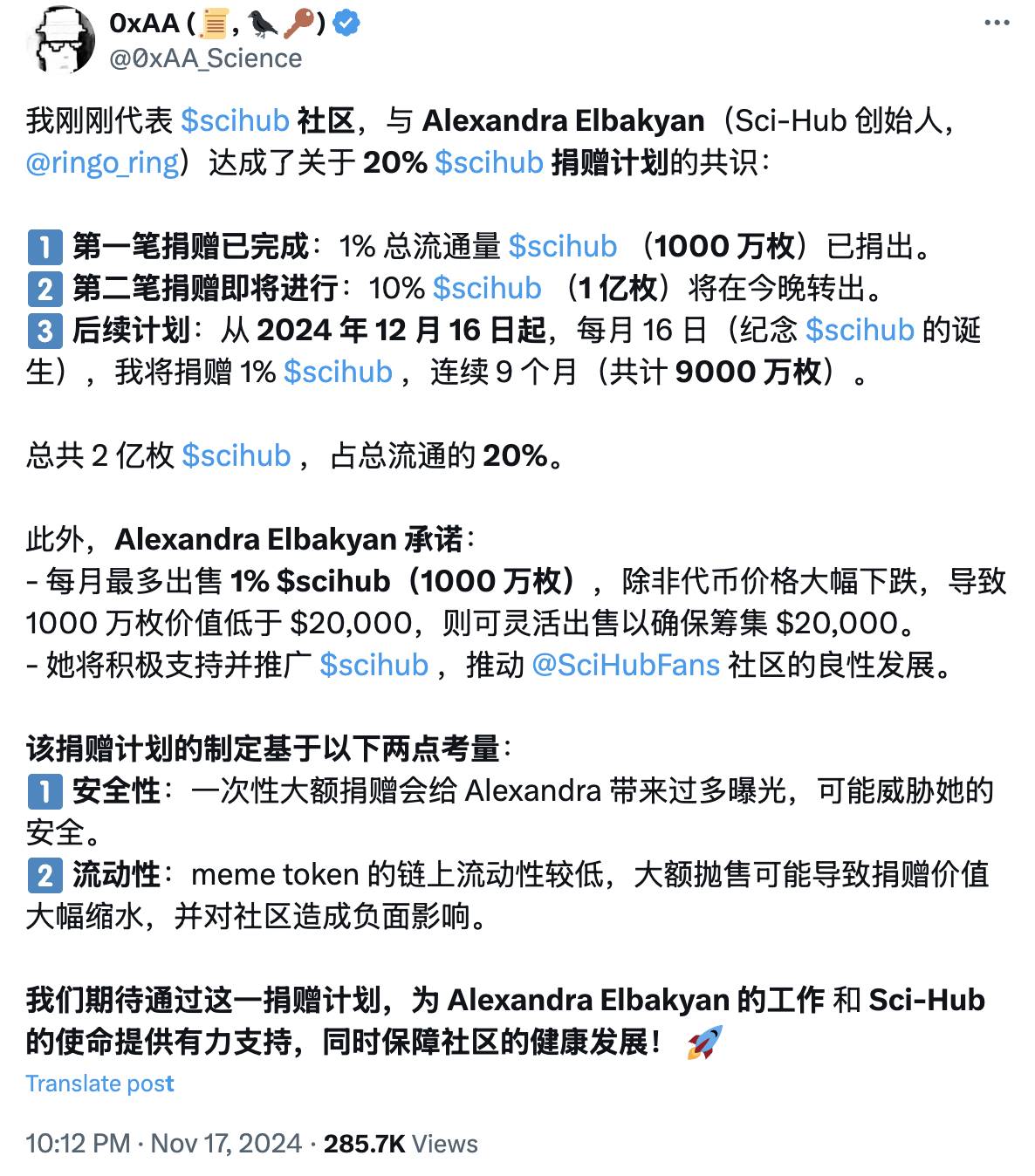
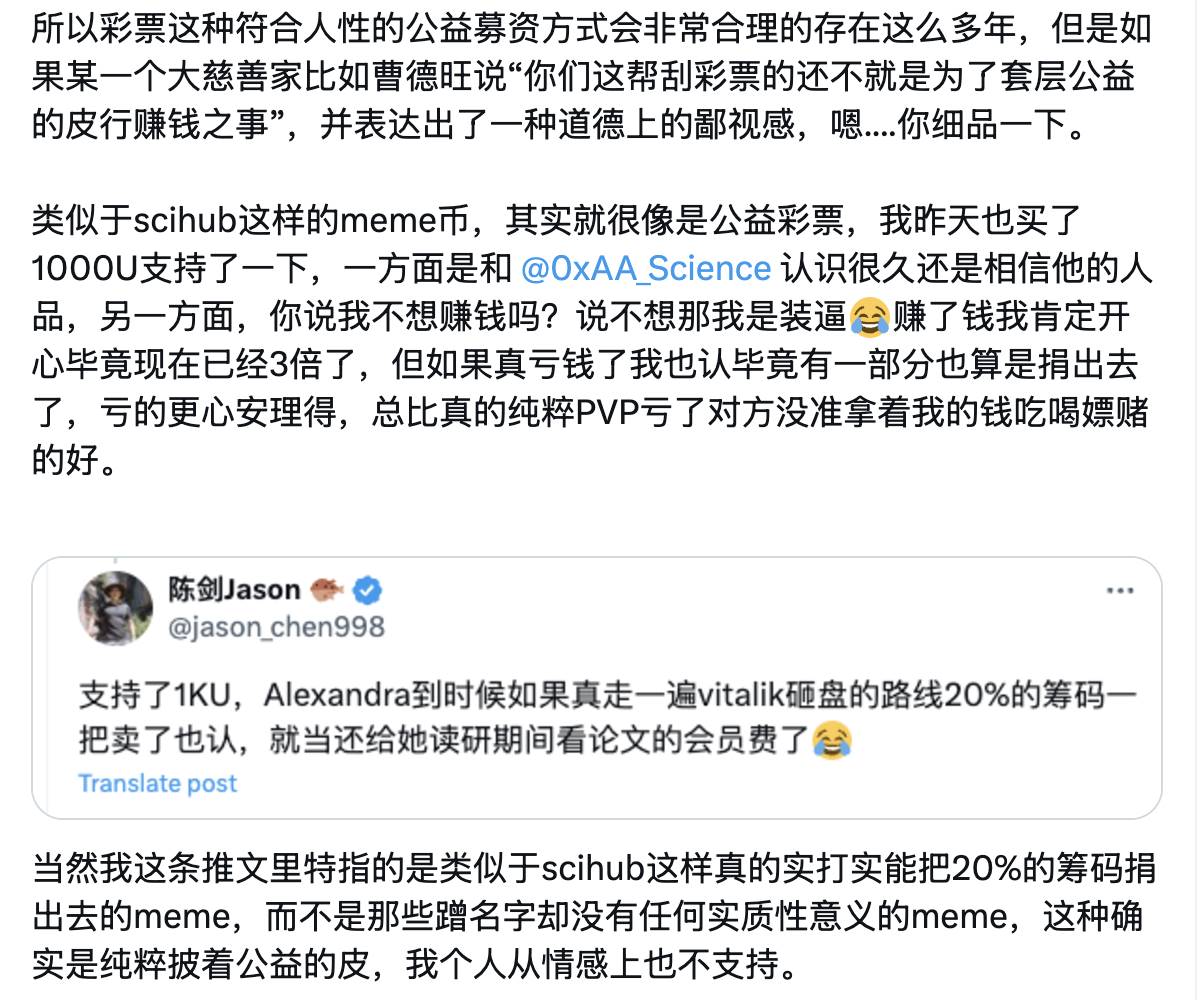
Subsequently, 0xAA announced that he had reached an agreement with Elbakyan and would honor his commitment to donate 20% of his tokens.
Controversy
The incident sparked intense debate in Chinese communities, centering on two main issues:
Accusations of Insider Trading ("Rat Warehouse")
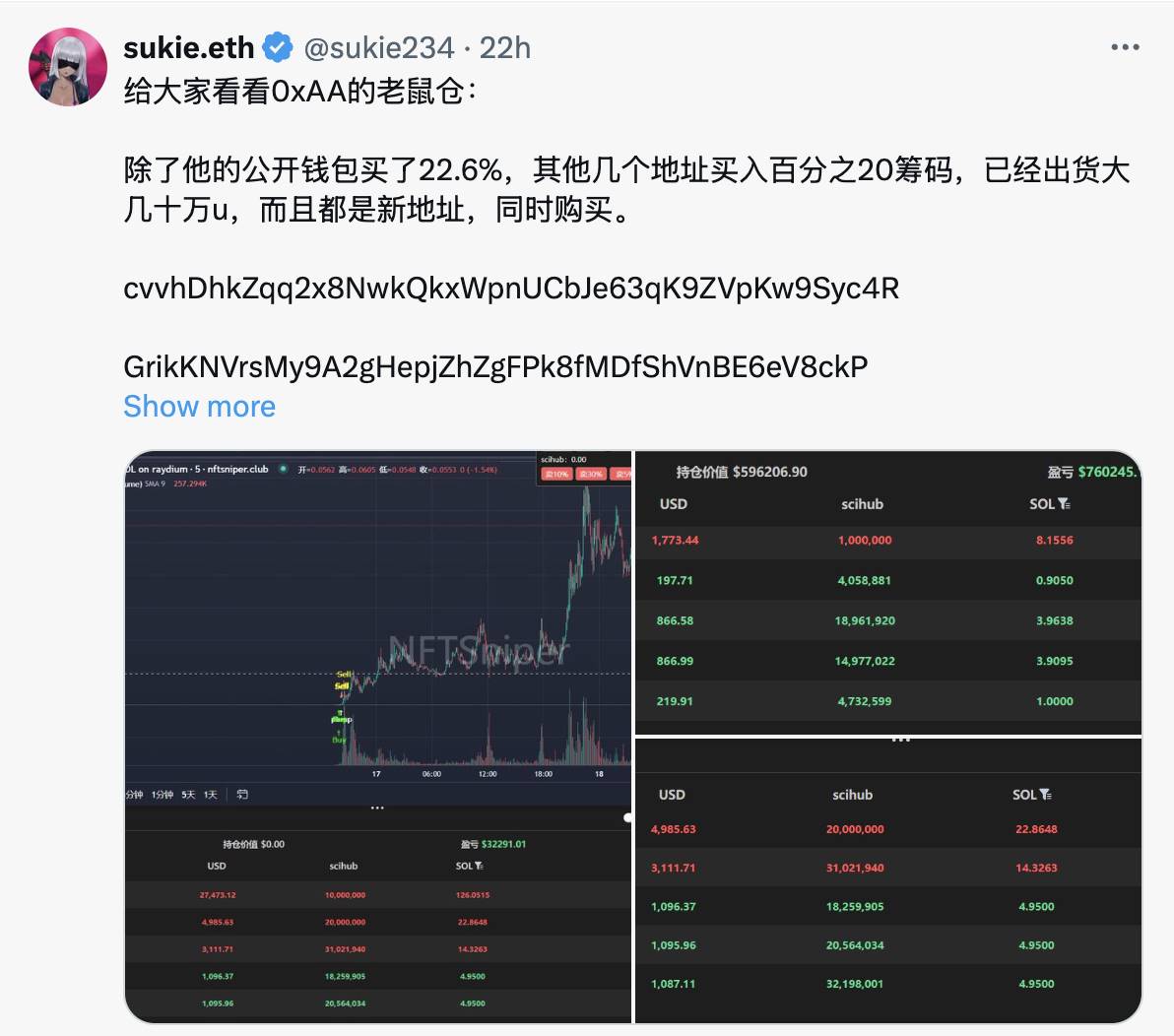
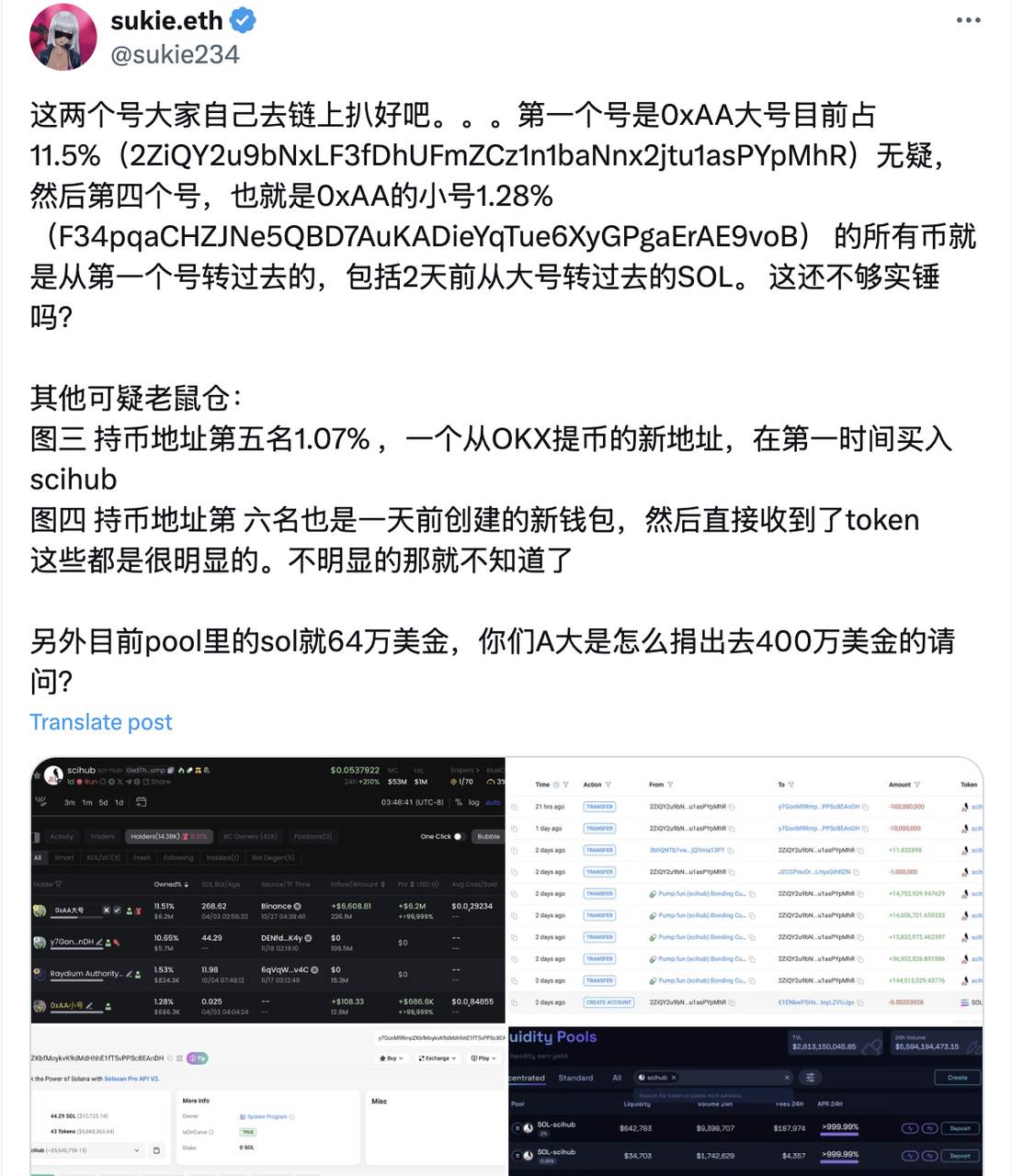
Critics accused 0xAA of insider trading, claiming that the 22% only represents tokens in his publicly known wallet, while the actual amount he controls is far higher.
Why Not Just Donate Directly?
Is this truly supporting science—or just a money game? Others argue that direct donations would be more appropriate than inflating a Meme coin.
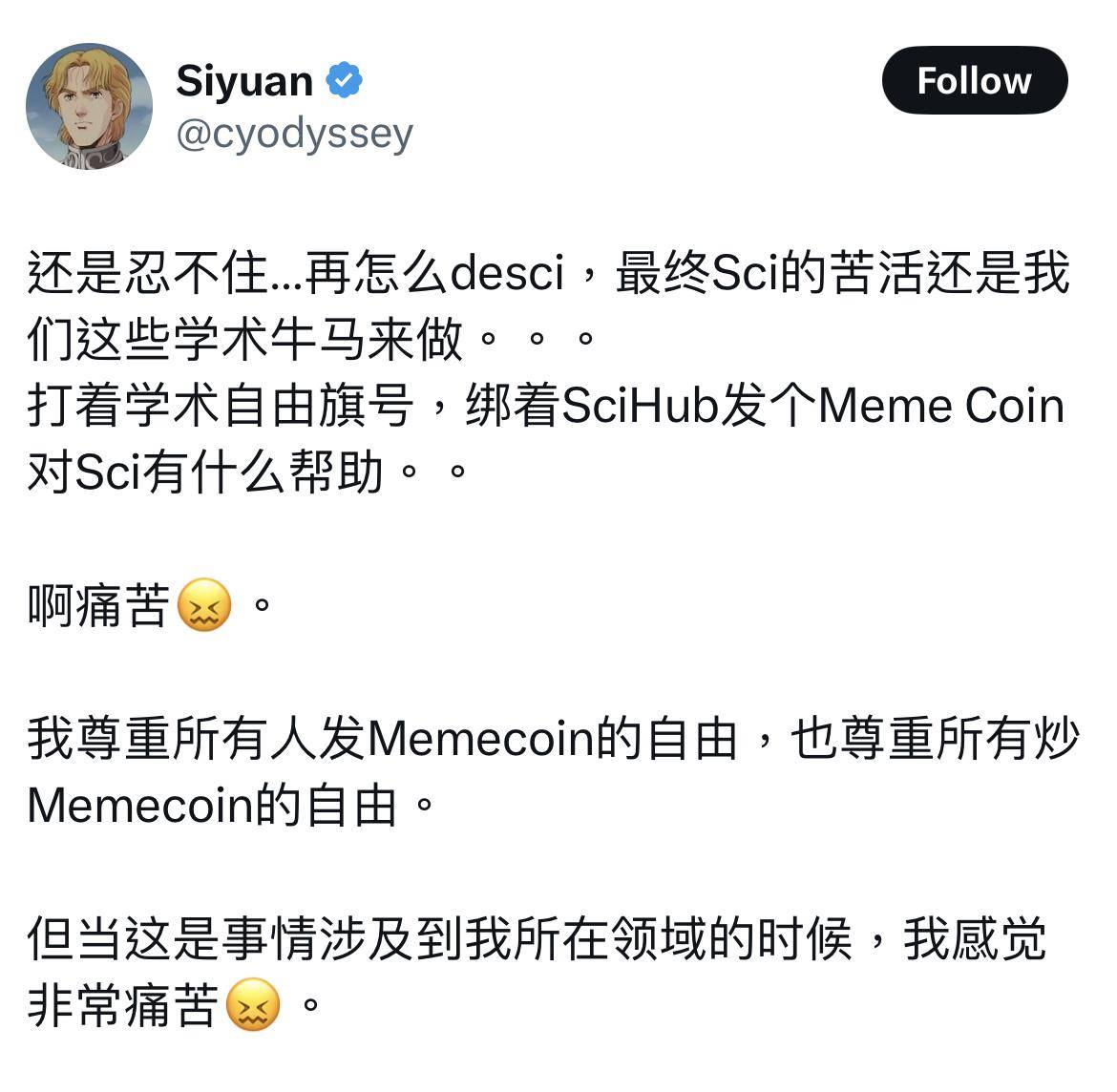
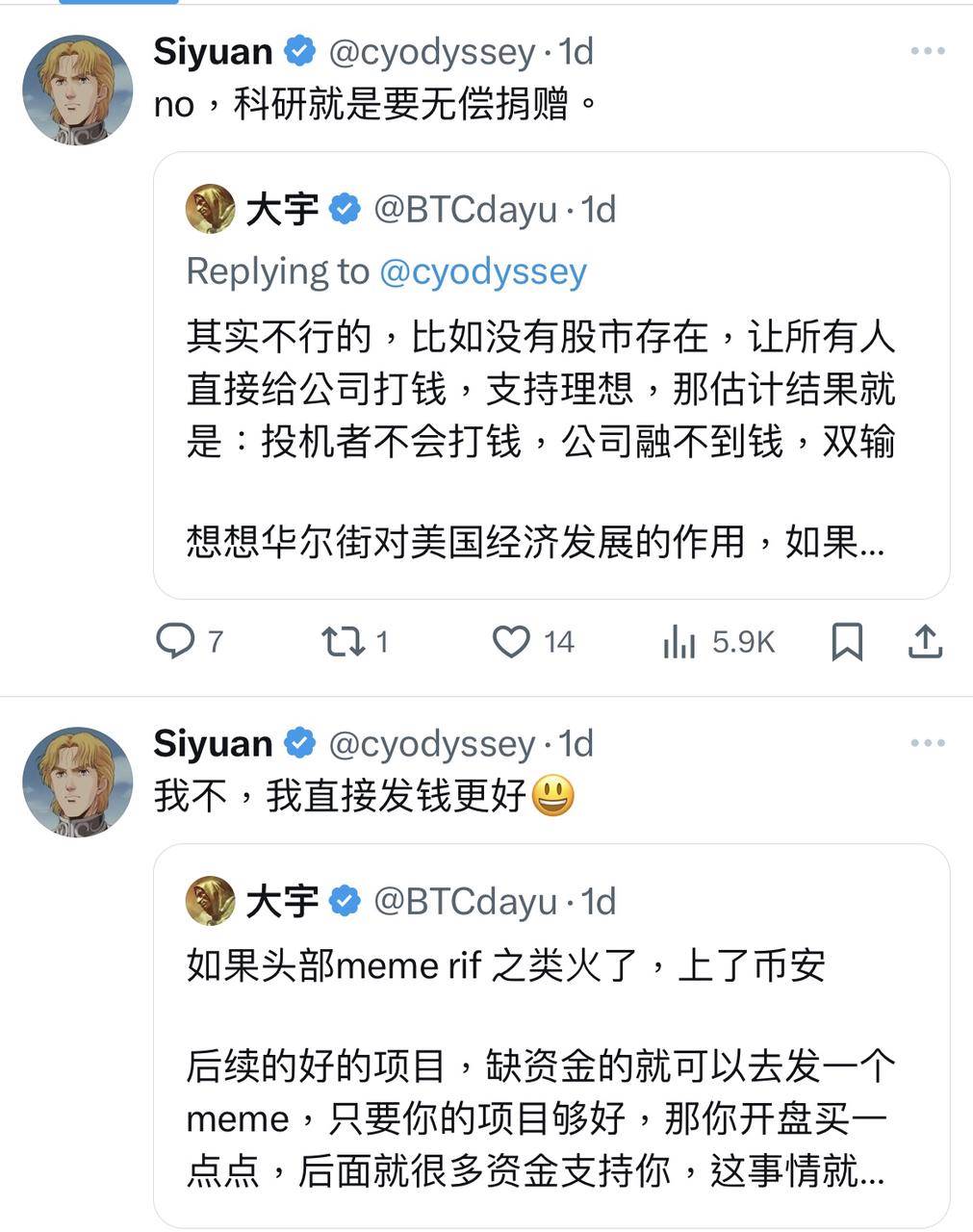
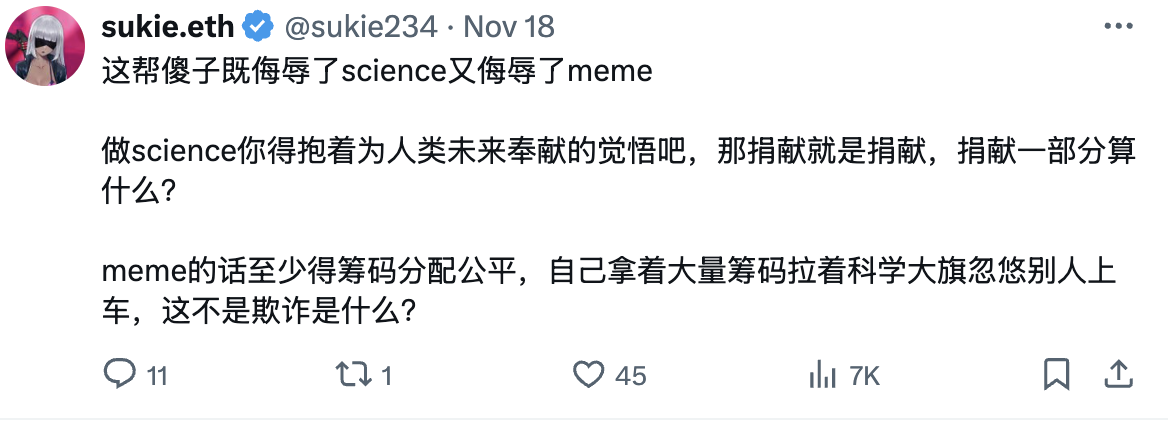
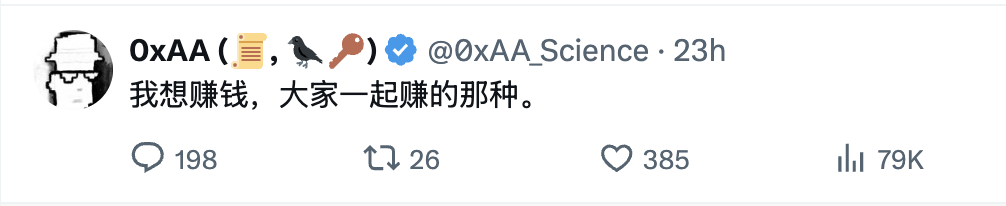
0xAA openly admitted: "I want to make money—but the kind where everyone wins." He hopes for mutual benefit: people profit from the Meme coin while also supporting Sci-Hub’s operations.
Supporters’ Perspective
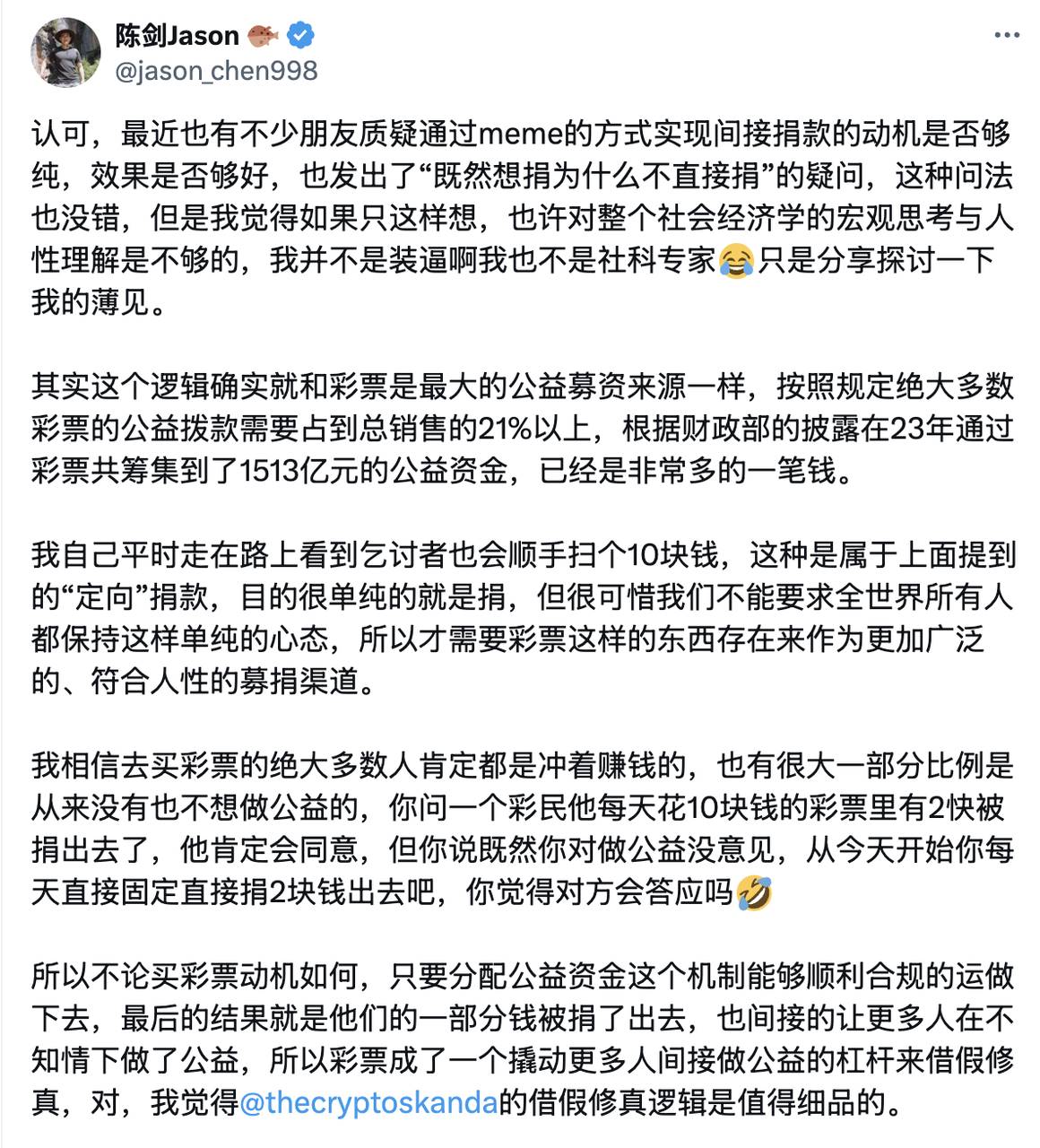
While critics voice opposition, many in the community support 0xAA’s actions, comparing the model of raising funds through a Meme coin and donating part of the proceeds to a lottery system.
Join TechFlow official community to stay tuned
Telegram:https://t.me/TechFlowDaily
X (Twitter):https://x.com/TechFlowPost
X (Twitter) EN:https://x.com/BlockFlow_News
 Foresight News