Kimchi Premium: Key Characteristics and Causes of South Korea's Cryptocurrency Market
TechFlow Selected TechFlow Selected
Kimchi Premium: Key Characteristics and Causes of South Korea's Cryptocurrency Market
High participation by Korean investors in the cryptocurrency market, coupled with restricted market conditions leading to inefficiencies, are key reasons for the existence of the Kimchi premium.
 Navigating Web3 tides with focused insights
Authors: Jay Jo & Yoon Lee
Translation: Felix, PANews
Key Takeaways:
-
South Korea’s cryptocurrency market has drawn global attention due to its high trading volume and broad participation. In the first quarter of this year, Korean won (KRW) surpassed the U.S. dollar in global crypto trading volume.
-
This has given rise to a phenomenon known as the "Kimchi Premium," representing price differences between global and South Korean exchanges, manifesting in various forms.
-
The Kimchi Premium results from strong domestic investor buying under constrained market conditions. It serves as a meaningful indicator for understanding the South Korean market.
1. Introduction
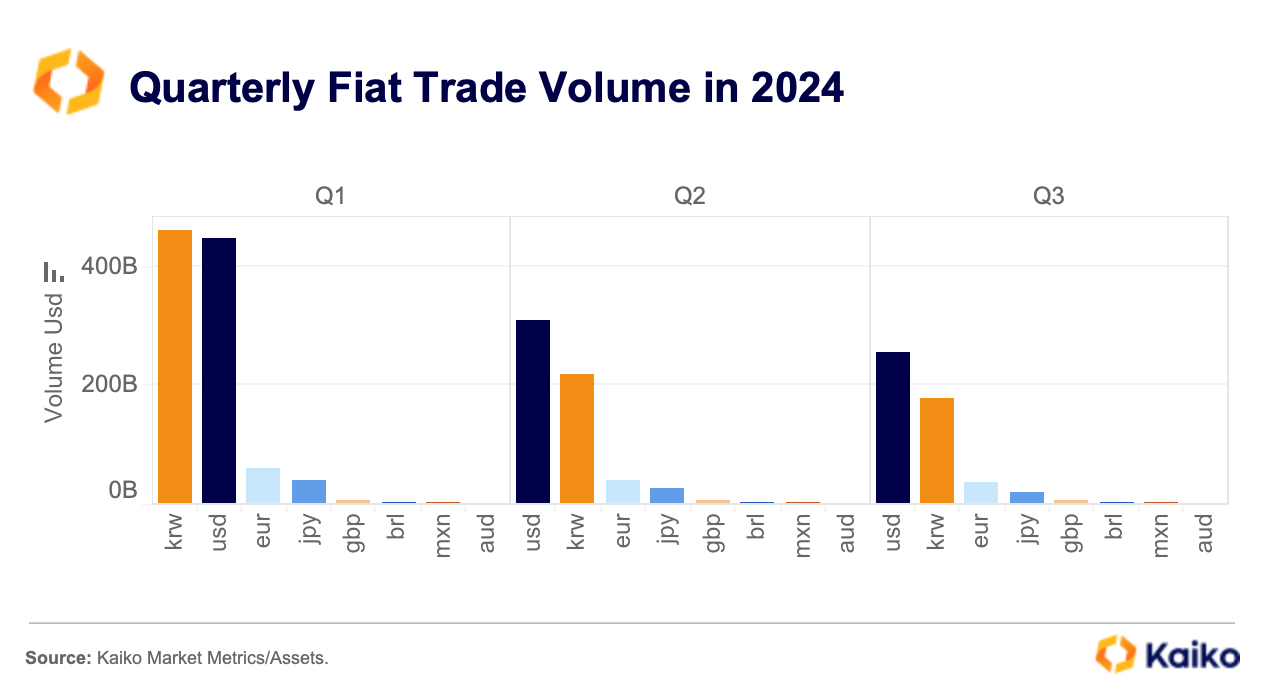
The South Korean crypto market has attracted attention due to active investor participation and high trading volumes, with approximately 7.78 million users on Korean exchanges—around 15% of the country's population. This enthusiasm extends globally: in Q1 2024, the Korean won (KRW) exceeded the U.S. dollar (USD) in global cryptocurrency trading volume and continued outperforming other fiat currencies in subsequent quarters.
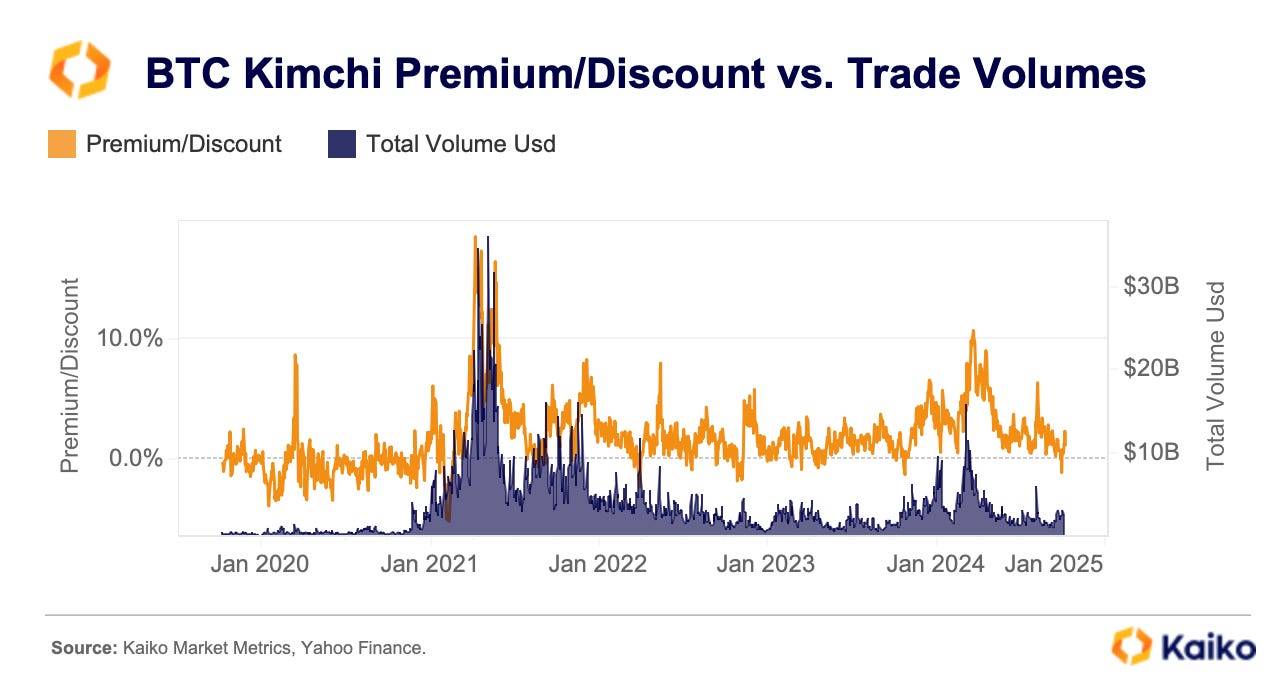
Korean market enthusiasm is reflected in a unique phenomenon—the "Kimchi Premium." A hallmark of the local market, it reflects price differences between domestic Korean exchanges and international platforms. The premium typically exhibits high volatility and fluctuates with market conditions. This report explores the causes and forms of the Kimchi Premium to uncover the unique dynamics of South Korea’s cryptocurrency market.
2. Why the Kimchi Premium Exists
Two main factors explain the existence of the Kimchi Premium: high levels of retail investor engagement in the crypto market and structural inefficiencies caused by a restricted market environment.
2.1. South Korean Investors’ Enthusiasm for Cryptocurrencies
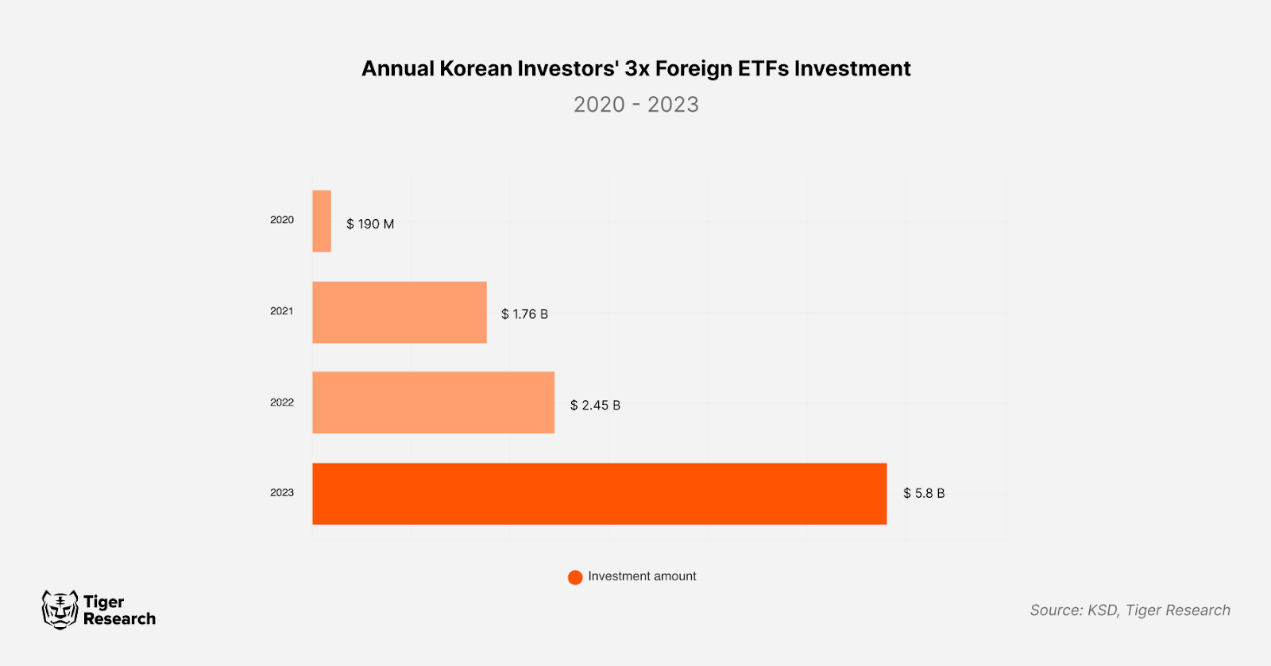
A key driver behind the Kimchi Premium is the aggressive risk-taking behavior of South Korean investors. They show strong interest in high-risk investments—even within traditional markets. Investments in 3x leveraged ETFs surged from $190 million in 2020 to $5.8 billion in 2023. This aggressive tendency also shapes the Korean crypto market.
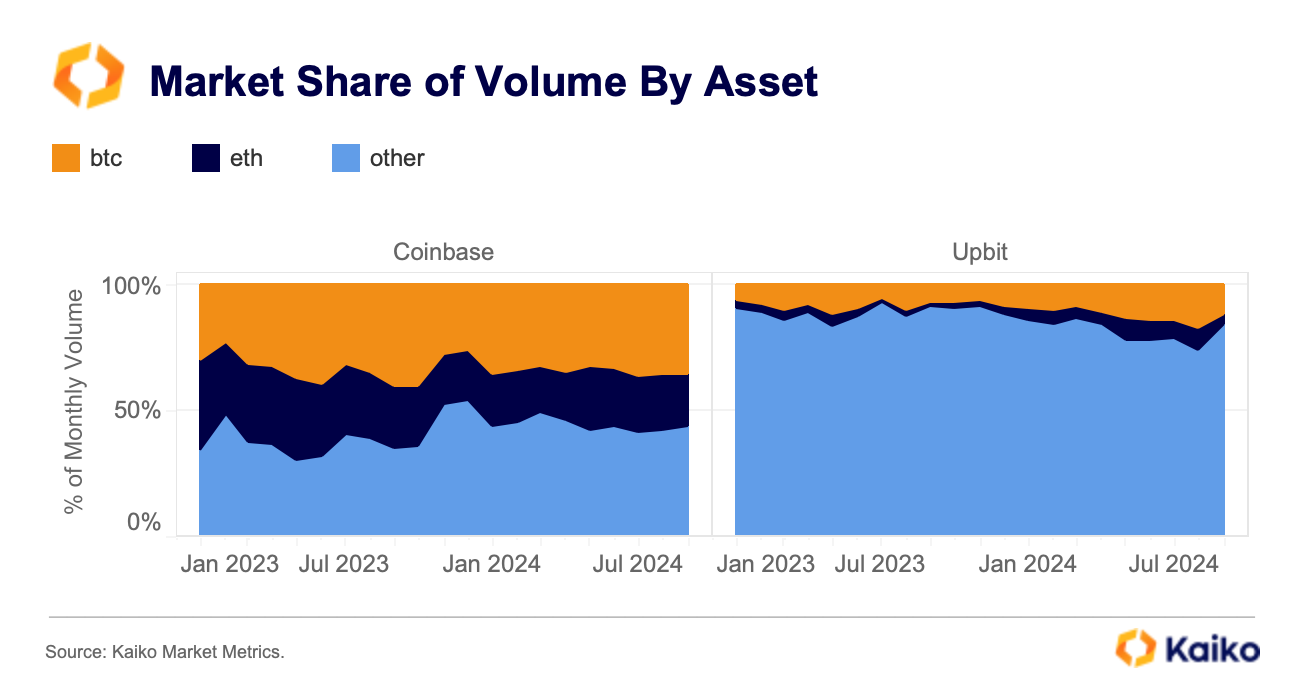
This speculative appetite is even more pronounced in the crypto space. Compared to KOSPI (Korea Composite Stock Price Index) and KOSDAQ (Korea’s Nasdaq-style exchange), cryptocurrencies offer higher volatility and thus greater profit potential. In the first half of 2024, crypto assets saw an average MDD (Maximum Drawdown) of around 70%, while KOSPI and KOSDAQ remained near 10%. Trading volume data from Coinbase and Upbit show that Korean investors clearly favor low-market-cap, highly volatile altcoins.
2.2. Market Inefficiency Due to Structural Constraints
Another reason for the Kimchi Premium lies in the constrained and structurally inefficient nature of South Korea’s crypto market. This inefficiency manifests in three main ways:
First, domestic crypto exchanges operate in a decentralized structure. Each exchange maintains its own liquidity pool, unlike centralized systems such as Nasdaq or S&P. This fragmentation disperses liquidity and reduces efficiency at individual exchanges. To mitigate this, some exchanges have begun linking their liquidity pools to improve trading conditions.
Second, access to domestic exchanges is restricted. Only individuals meeting specific criteria can use these platforms: they must 1) reside in South Korea, 2) possess a local mobile number, and 3) hold a verified real-name bank account.
Third, regulatory constraints play a role. Although cryptocurrencies are not explicitly defined under the Foreign Exchange Act, large-scale transactions exploiting the Kimchi Premium have led to legal actions. Regulators plan to define crypto assets and operators within the Foreign Exchange Act, which would further restrict transfers of crypto assets between domestic and international exchanges.
These limitations on liquidity, access, and regulation reduce arbitrage opportunities and exacerbate structural inefficiencies.
3. Forms of the Kimchi Premium
While the two factors above are central to the Kimchi Premium, they do not fully capture its complexity. The premium emerges from a combination of forces, with market structure, regulation, and investment culture exerting varying influence over time.
This report focuses on three types of Kimchi Premium phenomena: Kimchi Discount, Individual Kimchi Premium, and Gaduri Pumping—a uniquely observed market pattern.
3.1. Kimchi Discount
Due to high investor activity, domestic Korean crypto exchanges often exhibit premiums, but this is not always the case. Since crypto assets can still move between global and local exchanges, price discrepancies tend to diminish over time. Shifts in domestic investor sentiment can also turn a premium into a discount.
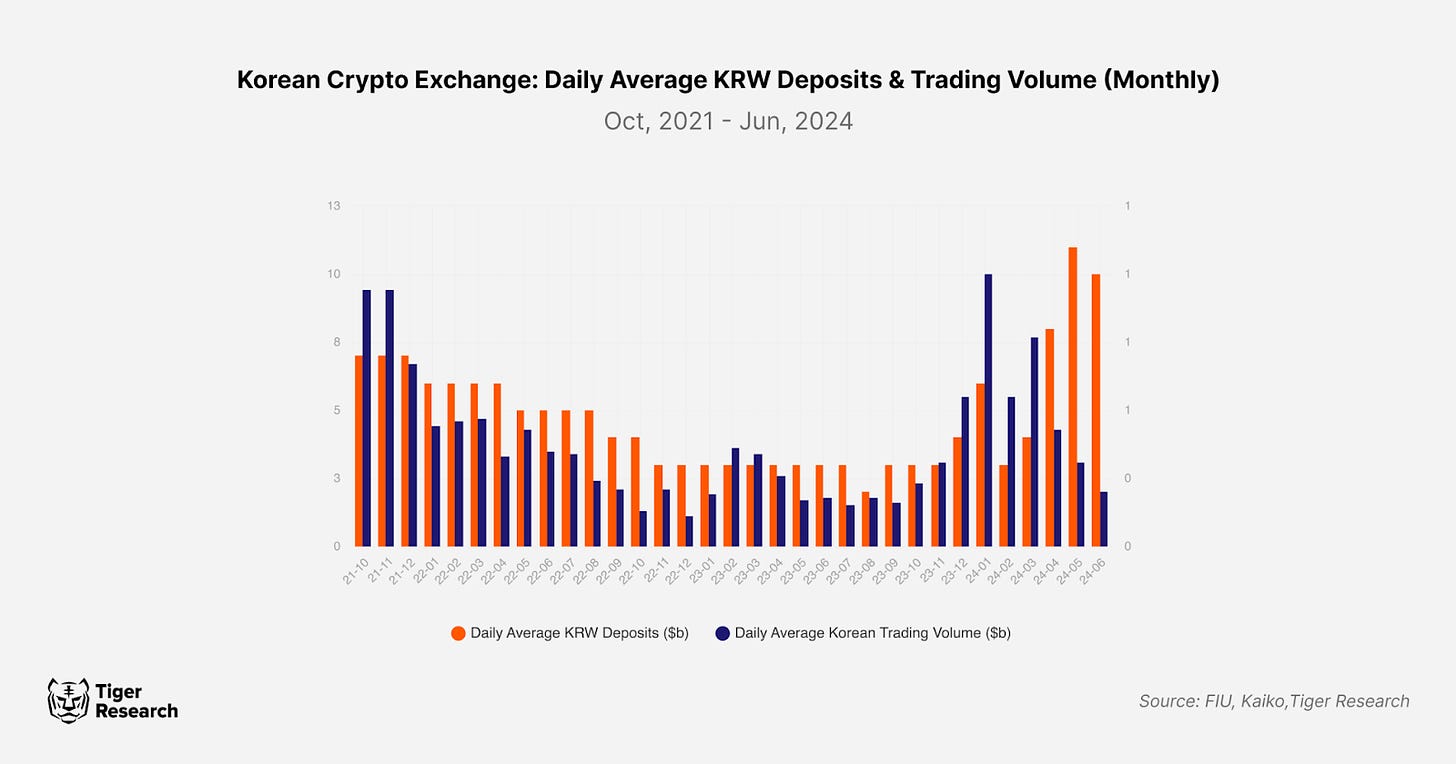
Recent shifts toward discounting can be attributed to three main reasons. First, prolonged declines in crypto prices have triggered mass sell-offs and reduced buying interest. Domestic exchange data reflect this trend: KRW deposits have increased while daily trading volumes have declined.
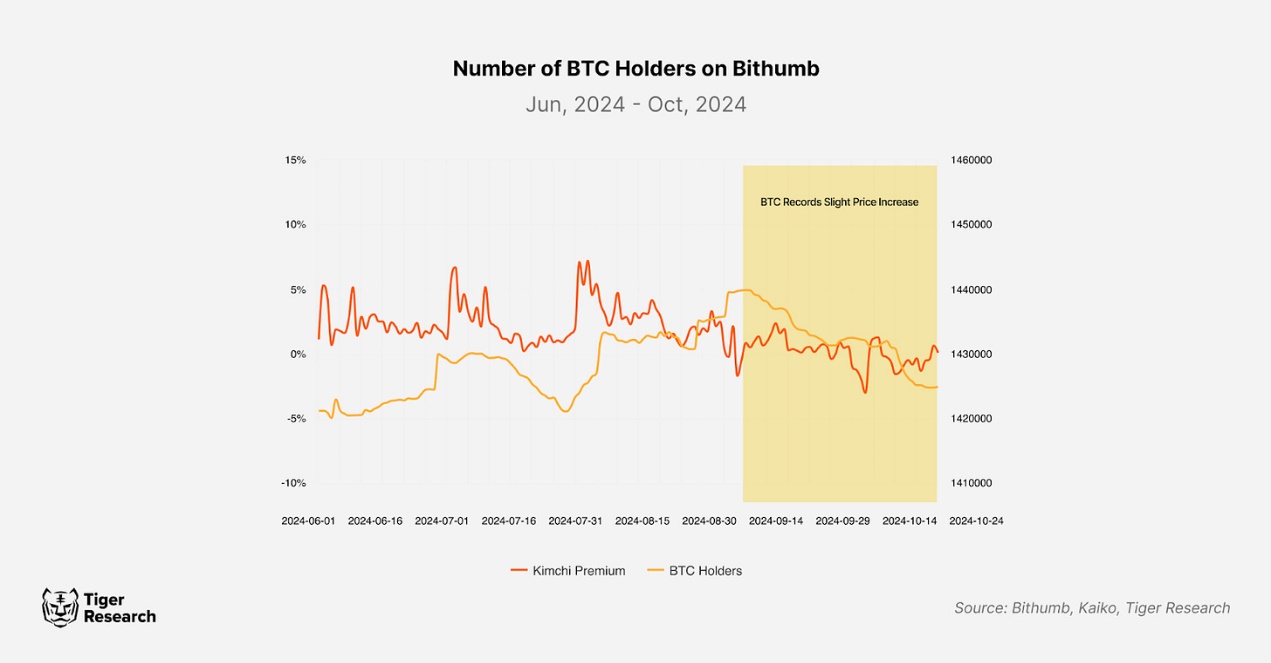
Second, a slight rebound in crypto prices after a long downtrend may have prompted profit-taking. As holdings of Bitcoin, Ethereum, and major altcoins declined on Bithumb, the premium turned into a discount. Finally, analysts suggest that the implementation of the Virtual Asset User Protection Act has cooled market sentiment domestically.
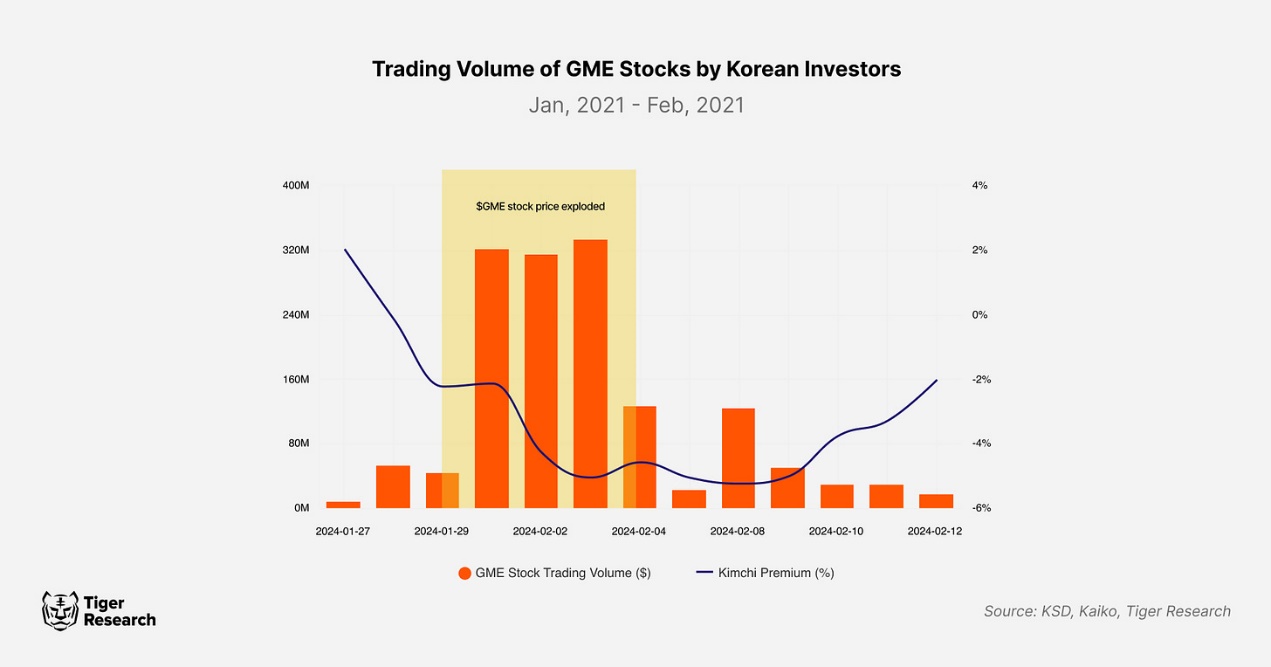
External factors have also played a role. In late January 2021, as domestic investors shifted focus to GameStop (GME) stock, Bitcoin’s Kimchi discount reached about 5%. That week, Korean investors traded $1.58 billion worth of GME shares. This illustrates how the Kimchi Premium is influenced by the “attention economy,” with fluctuations driven by shifts in investor interest.
3.2. Individual Kimchi Premium
The Kimchi Premium generally refers to price differences for major cryptos like Bitcoin and Ethereum between global and local exchanges. Most cryptocurrencies remain within a stable premium range. However, under surging demand, certain tokens may experience sharp spikes. A common example is the initial price surge following exchange listings, often called a “listing pump.” While such pumps occur on global exchanges like Binance, they tend to be more extreme and unstable in Korea.
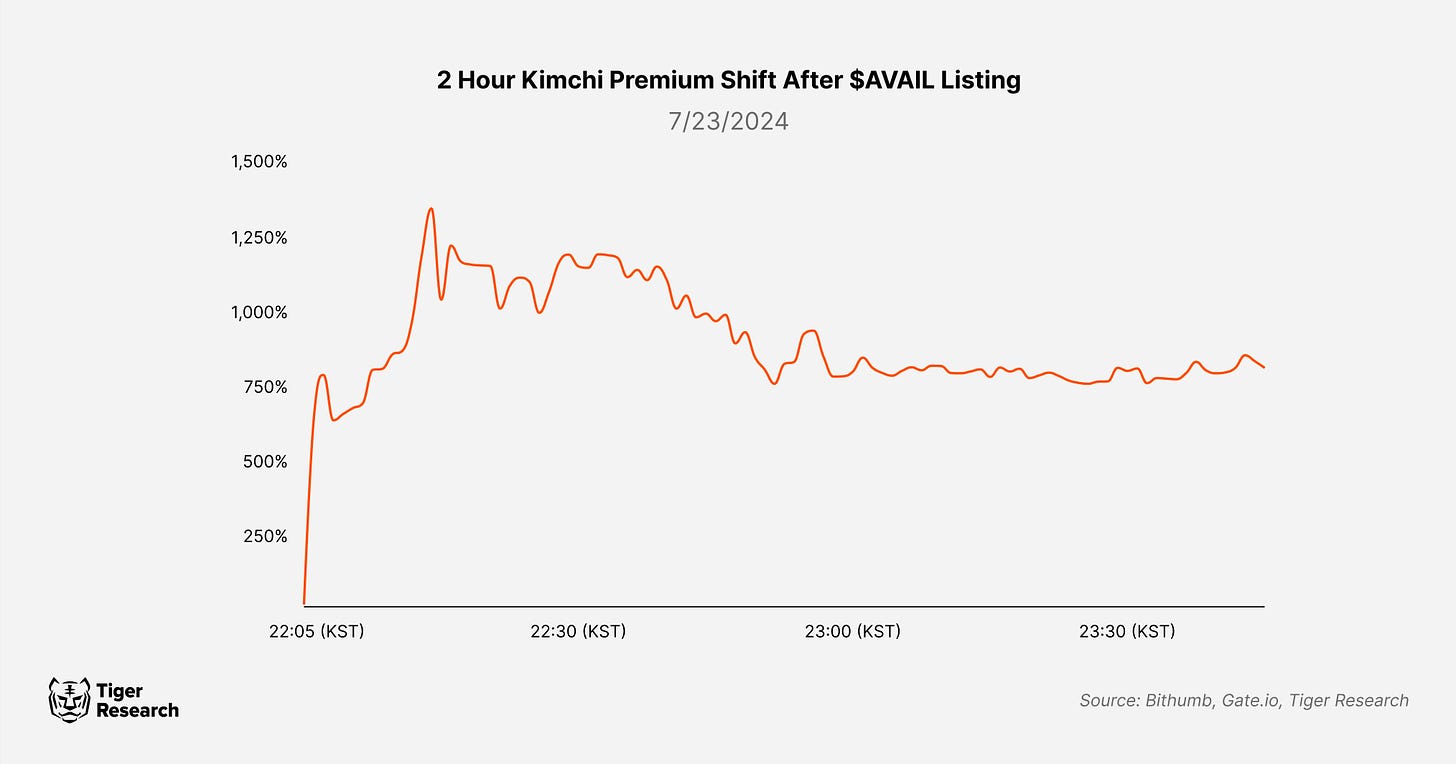
A notable example is AVAIL’s listing on Bithumb in July 2024. Shortly after listing, Avail attracted significant attention, with its Kimchi Premium soaring to approximately 1,255%.
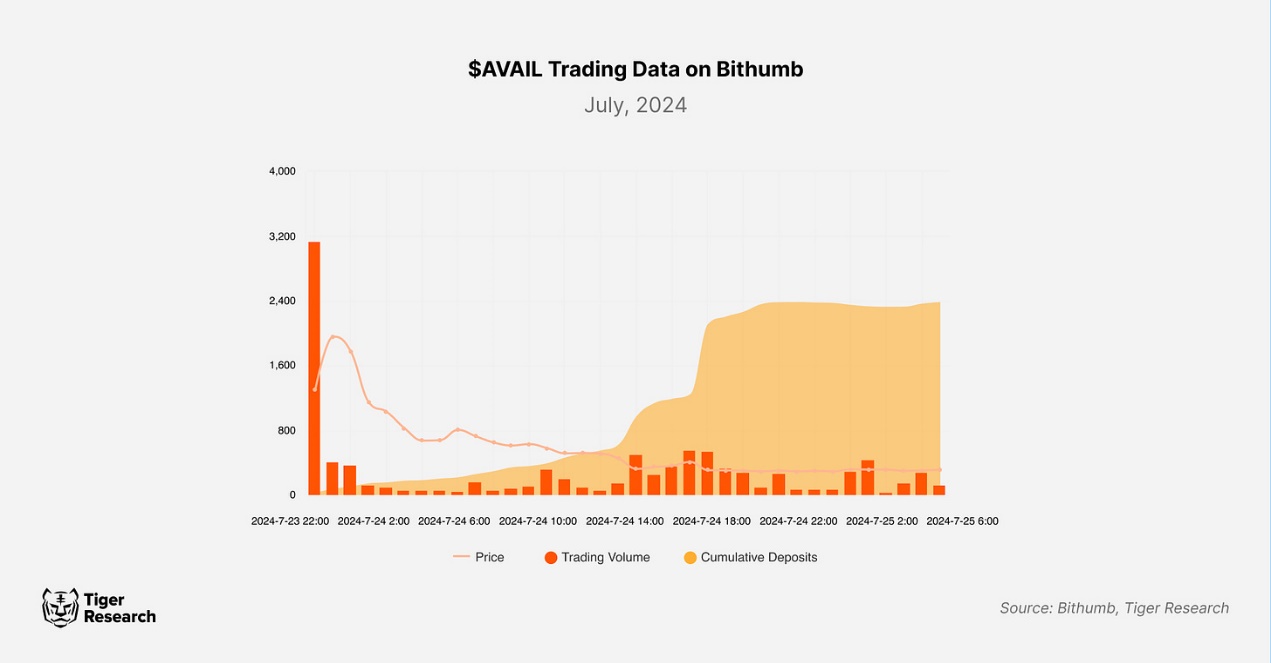
However, as trading stabilized, the premium returned to a typical level of around 3%. This example demonstrates how early trading peaks subside as supply increases.
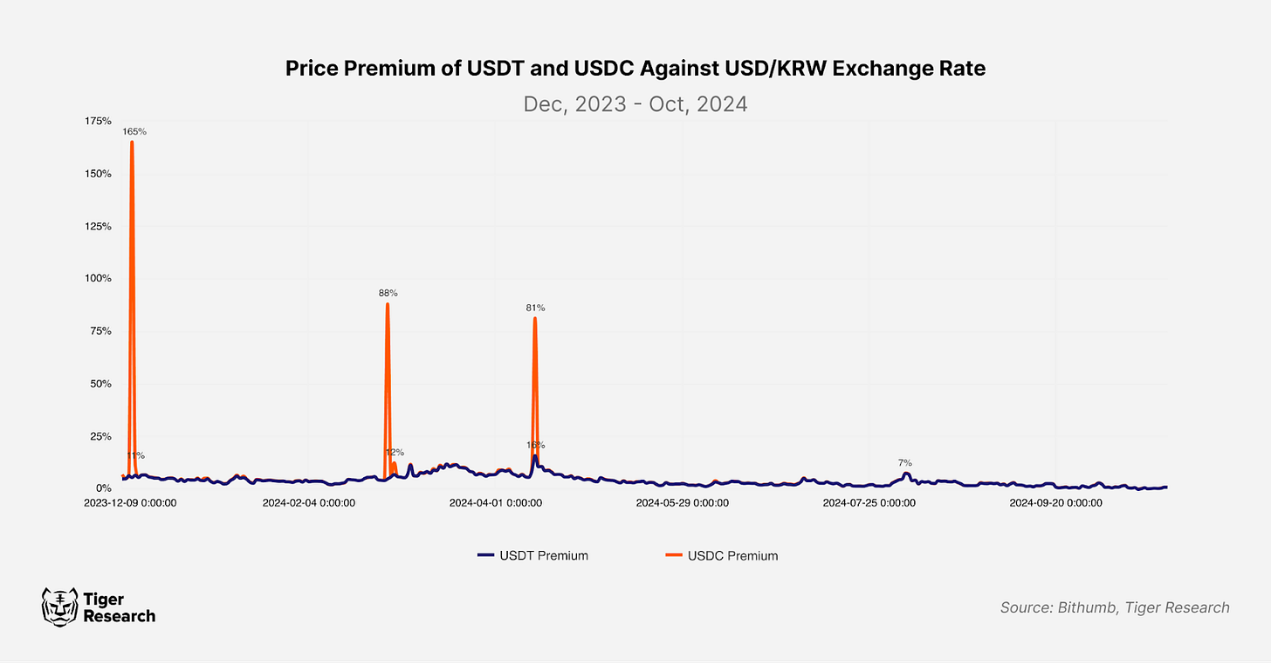
Kimchi Premiums also appear in fiat-backed stablecoins like USDT and USDC. When USDC was first listed on Bithumb, strong initial demand drove its trading price 165% above the KRW/USD exchange rate. While this premium fluctuates, it typically remains above parity, occasionally spiking. These price gaps may stem from algorithmic trading or retail misunderstandings, creating temporary premiums.
3.3. Gaduri Pumping Premium
The Gaduri Pumping Premium occurs when exchanges suspend deposits and withdrawals for a cryptocurrency. This restriction allows certain participants to exploit reduced liquidity by artificially inflating prices. Some retail investors also perceive this as an opportunity, further accelerating the price surge.
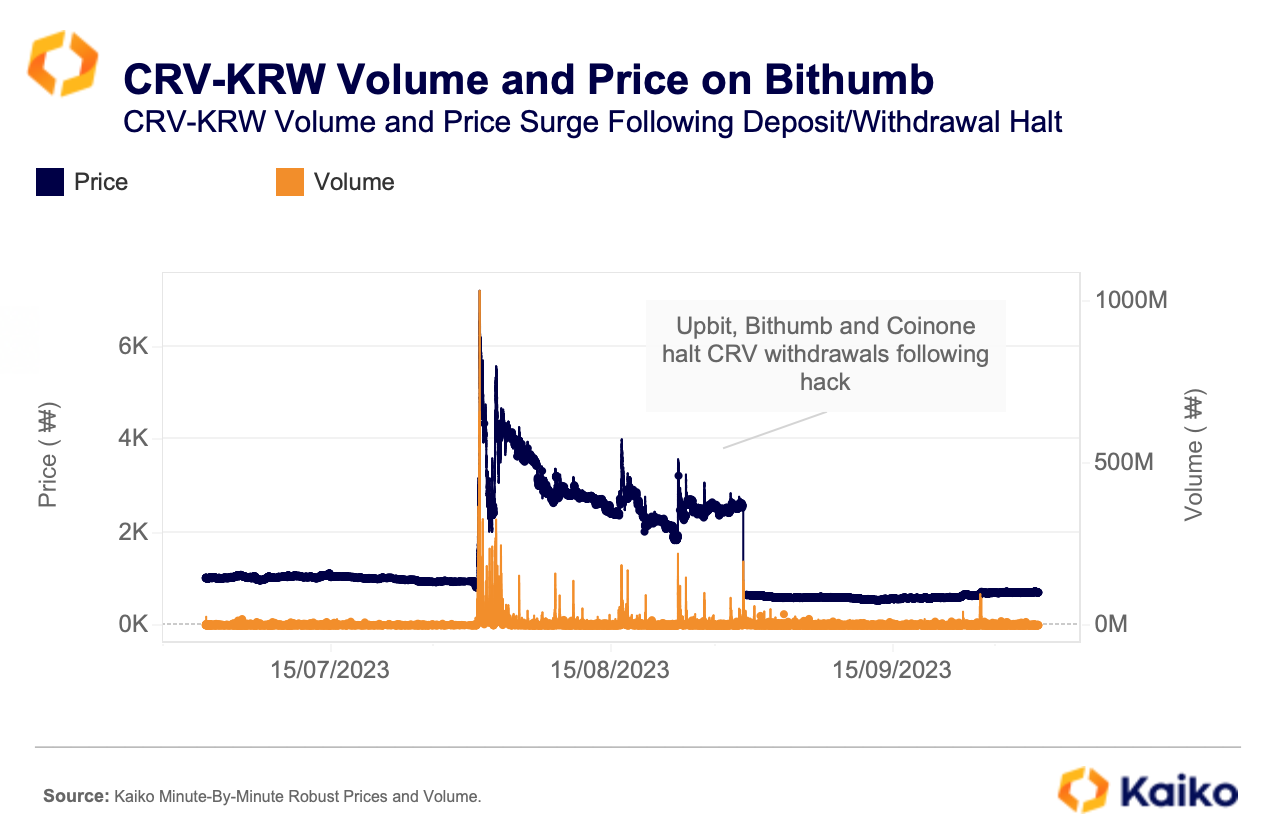
Gaduri Pumping is not limited to suspensions during network upgrades—it also occurs during negative events. In August 2023, CurveDAO Token ($CRV) experienced a 700% price premium on local exchanges after a security vulnerability halted deposits and withdrawals. This pattern frequently repeats during hacks or major disruptions.
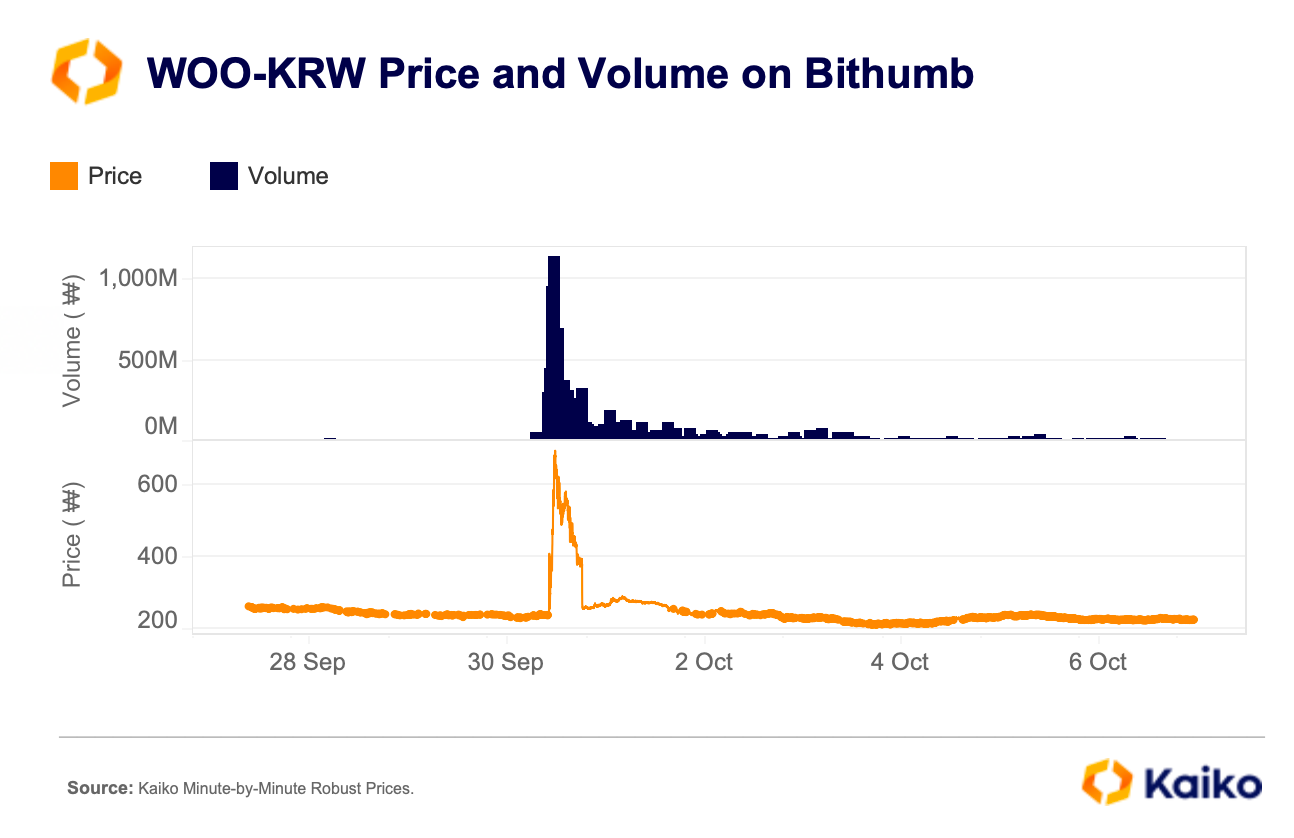
Some suspect that certain entities use APIs to conduct circular trades and street pumping via alias accounts. Evidence continues to grow. The Financial Intelligence Unit (FIU) has identified cases of elderly users conducting automated trades from the same overseas IP address. Despite the Virtual Asset User Protection Act, such activities persist. Recently, similar patterns emerged in cryptocurrencies such as WoNetwork (WOO), LumiWave (LWA), and Radiant Capital (RNDT).
4. Reflections on the Kimchi Premium
The Kimchi Premium is a distinctive feature of South Korea’s crypto market, driven by multiple factors. It represents more than just a price gap—market structure, investor sentiment, and restricted trading environments all contribute. While this report highlights key drivers, other influences are also at play. Fully explaining the Kimchi Premium remains challenging, as no single rule or pattern applies universally.
For instance, the Kimchi Premium was relatively stable and low in the second half of 2024, possibly due to rising usage of overseas exchanges by Korean investors. In the first half of 2024, there were roughly 5.6 times more days with a Kimchi Premium above 5% compared to the second half of 2023. This trend suggests many investors moved assets abroad to profit from potential price disparities. According to Travel Rule data, outbound remittances exceeding 1 million KRW to foreign operators reached approximately 52 trillion KRW—more than double the amount in the second half of 2023.
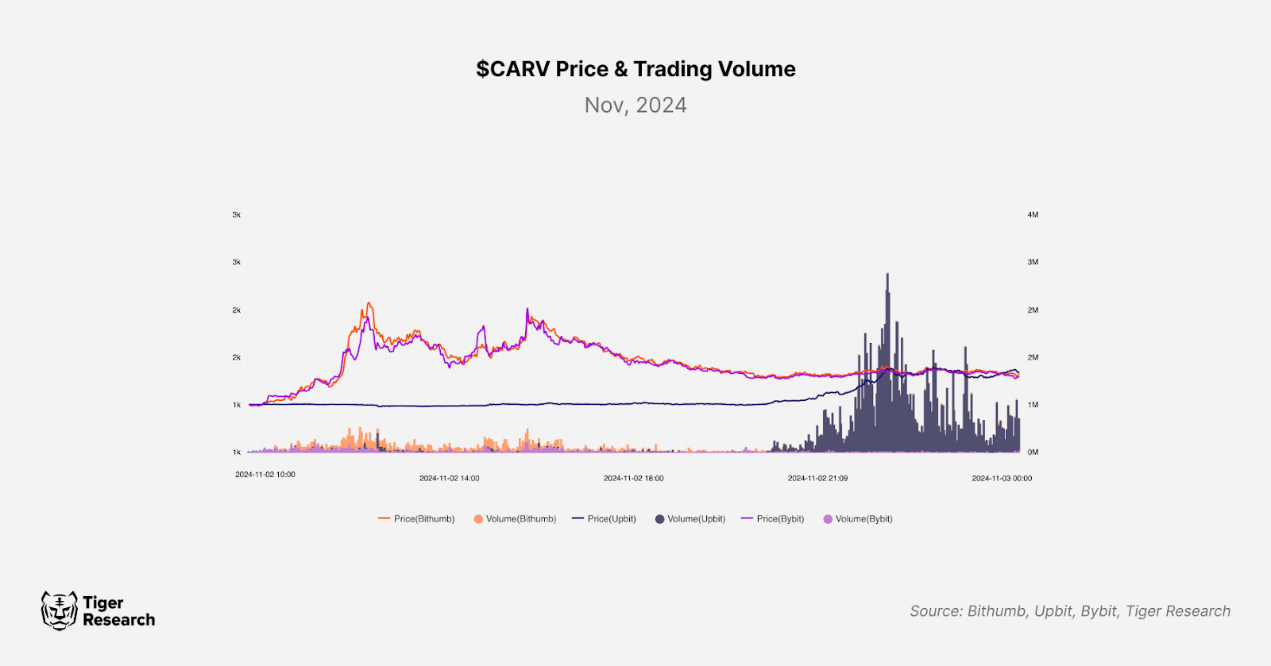
Yet, these individual factors alone cannot fully explain the Kimchi Premium. As economist Keynes described, “animal spirits” arise from the uncertainty and irrational behaviors of market participants. A recent example illustrates this complexity: CARV token prices on Upbit were lower than on other exchanges like Bithumb and Bybit.
How then should we interpret this unique phenomenon? Rather than viewing it as an anomaly, the Kimchi Premium should be seen as a valuable market indicator. Price premiums in crypto markets are not unique to Korea. In other countries, premiums emerge for different reasons based on local conditions. For example, Coinbase in the U.S. sees premiums due to institutional investor demand. In Turkey, currency depreciation drives people toward alternative assets, creating premiums. Similar patterns are observed in Japan, Europe, and elsewhere.
Thus, the Kimchi Premium can serve as an indicator reflecting each region’s unique market environment. South Korea stands out due to its constrained trading landscape and strong retail investor sentiment. The premium reflects the level of retail interest and capital inflow into the market. It offers valuable insights into the characteristics of the Korean market and may help anticipate cryptocurrency trends. However, speculative trading can sometimes distort the Kimchi Premium, leading to price anomalies that may not reflect genuine market demand.
Join TechFlow official community to stay tuned
Telegram:https://t.me/TechFlowDaily
X (Twitter):https://x.com/TechFlowPost
X (Twitter) EN:https://x.com/BlockFlow_News
 @tiger_research