Trump's triumph marks just the beginning of crypto's rise?
TechFlow Selected TechFlow Selected
Trump's triumph marks just the beginning of crypto's rise?
Cryptocurrency has become an almost impeccable special interest group in an era where corporate spending is nearly unlimited.
 Navigating Web3 tides with focused insights
By Zeke Faux
Translation: Yanan, BitpushNews
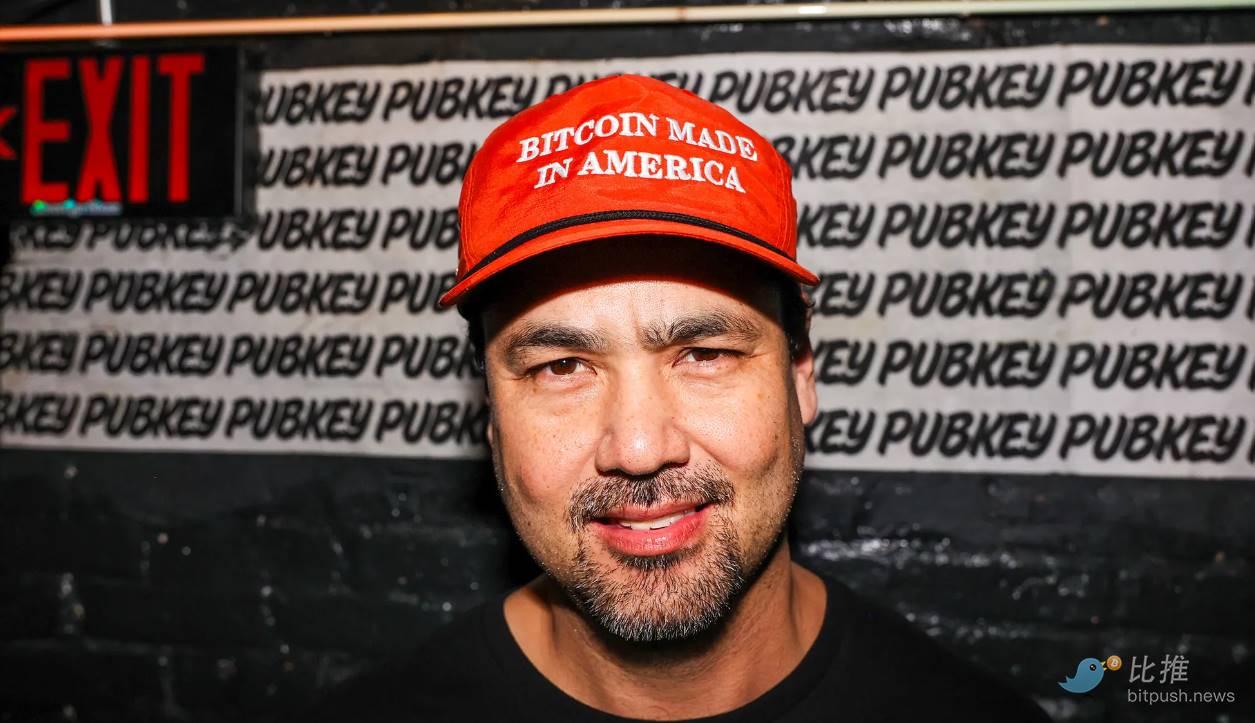
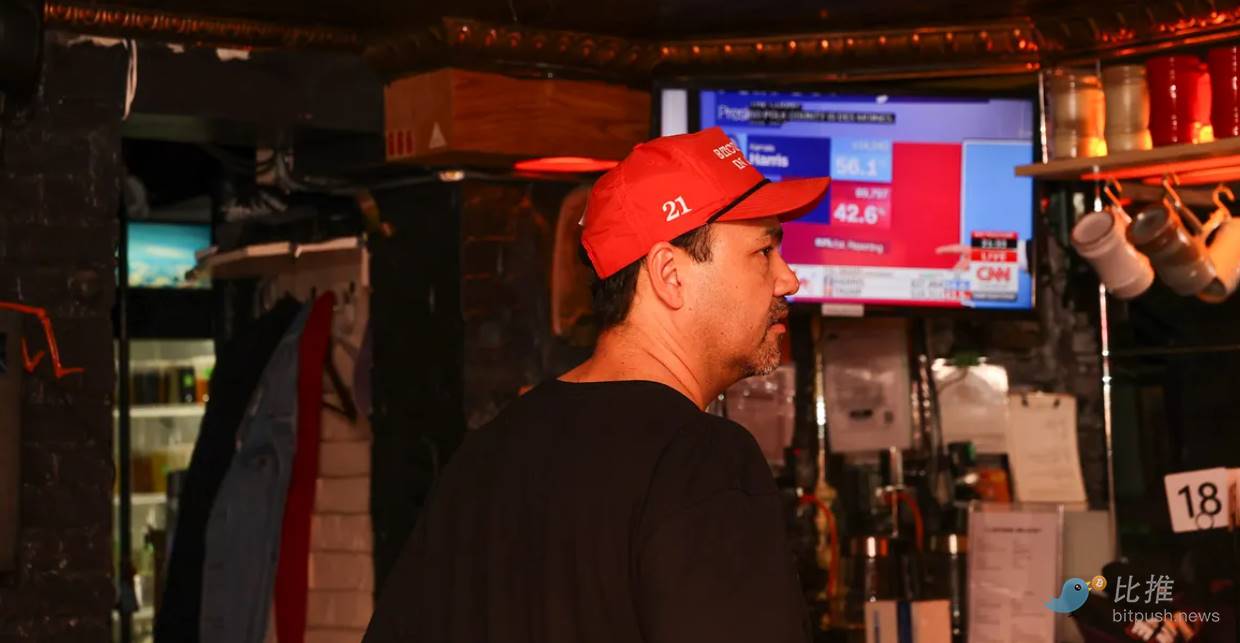
On November 5, dozens of Bitcoin enthusiasts, MAGA hat-wearers, and curious locals gathered at PubKey, a Bitcoin-themed bar in New York City’s Greenwich Village, closely watching the latest developments in the U.S. election. A digital screen on the wall displayed the real-time price of Bitcoin, which surged past $73,000 as news favorable to Donald Trump emerged.
Meanwhile, Bernie Moreno, a Republican candidate from Ohio, was challenging Senator Sherrod Brown's seat and proposing hearings on terrorist use of cryptocurrency. Notably, Moreno’s campaign received up to $40 million in funding from crypto companies.

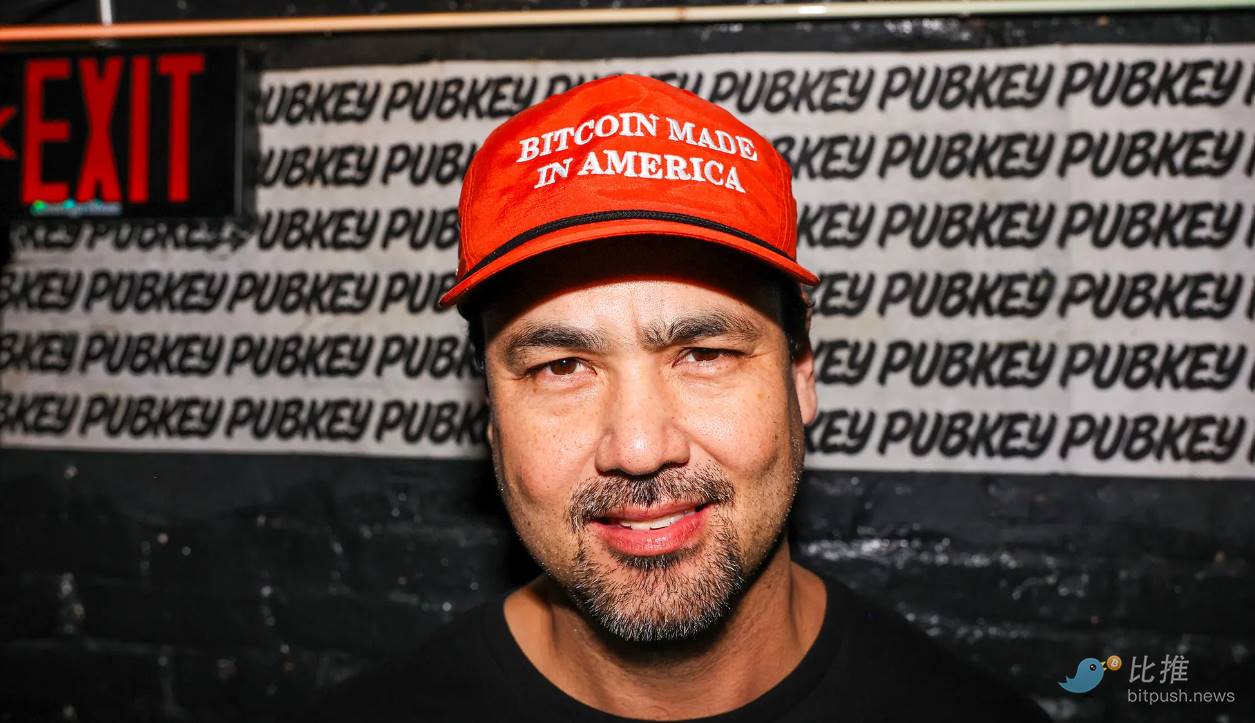
Around 10:30 p.m., an organizer of a local Bitcoin meetup excitedly announced that according to Polymarket, a crypto-based prediction market, Trump’s chances of winning had risen to 88%. "Look, Bitcoin is skyrocketing!" he shouted. "You’ve got to buy in before it hits one million!"
Just a year earlier, such a scene would have seemed unimaginable. Regulators were closing in, token prices remained mired in the aftermath of devastating crashes that wiped out investors. SBF, once a leading figure in the Bitcoin world, had been convicted of fraud and was now behind bars. As for Trump’s stance on Bitcoin, all anyone knew was his 2021 declaration in Fox Business calling it a “scam.”
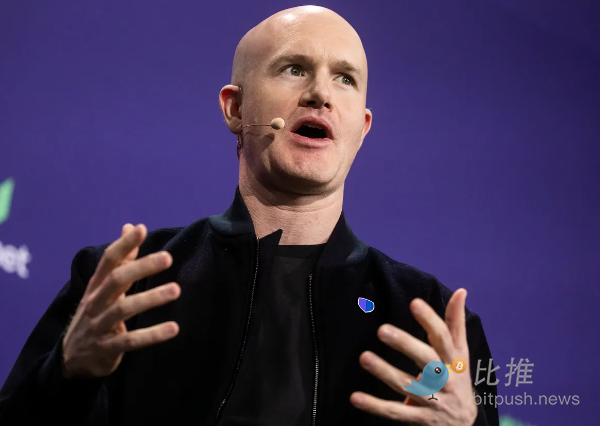
By September 2023, the reputation of the crypto industry had hit rock bottom. Yet at this critical juncture, Brian Armstrong, billionaire founder of Coinbase, quietly began positioning himself to win influence for cryptocurrency in Washington. Just three months prior, his company had been sued by the U.S. Securities and Exchange Commission (SEC), which claimed most trading activities conducted on its platform over the years were illegal. That lawsuit—and similar actions against other major players—seemed to signal the end of crypto in America.
At a crypto conference in New York, Armstrong shared his vision. He expressed optimism that the crypto industry could push the government toward more favorable regulations. The key, he emphasized, was money. To truly be heard in politics, the crypto sector needed to dramatically increase political donations, matching or exceeding Wall Street or oil and gas industries, with at least $50 million per year. "We have to face reality," Armstrong said bluntly. "In this world, money makes things possible."
He formally announced that Coinbase would support Fairshake, a political action committee (PAC), and urged others in the industry to join. Ryan Selkis, former head of crypto research firm Messari, took the stage and delivered a stark message: "We’re being outspent by welders working on pipelines in Ohio." "The fight has begun. We have no retreat—this is about our survival."
His call to action was not in vain. By the 2024 election cycle, Armstrong not only met his fundraising goal but far exceeded expectations. Crypto firms poured over $200 million into Fairshake and its partners, with Coinbase alone donating $75 million—making the crypto industry the top political donor. Fairshake strategically distributed these funds across congressional candidates from both parties and proudly claimed credit for helping defeat Democratic representatives Katie Porter and Jamaal Bowman in primary elections.
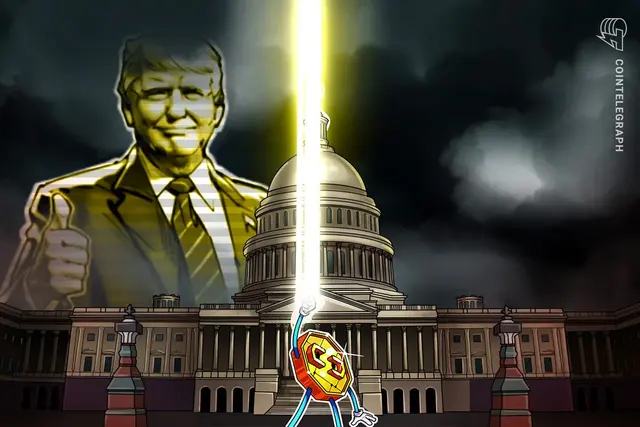
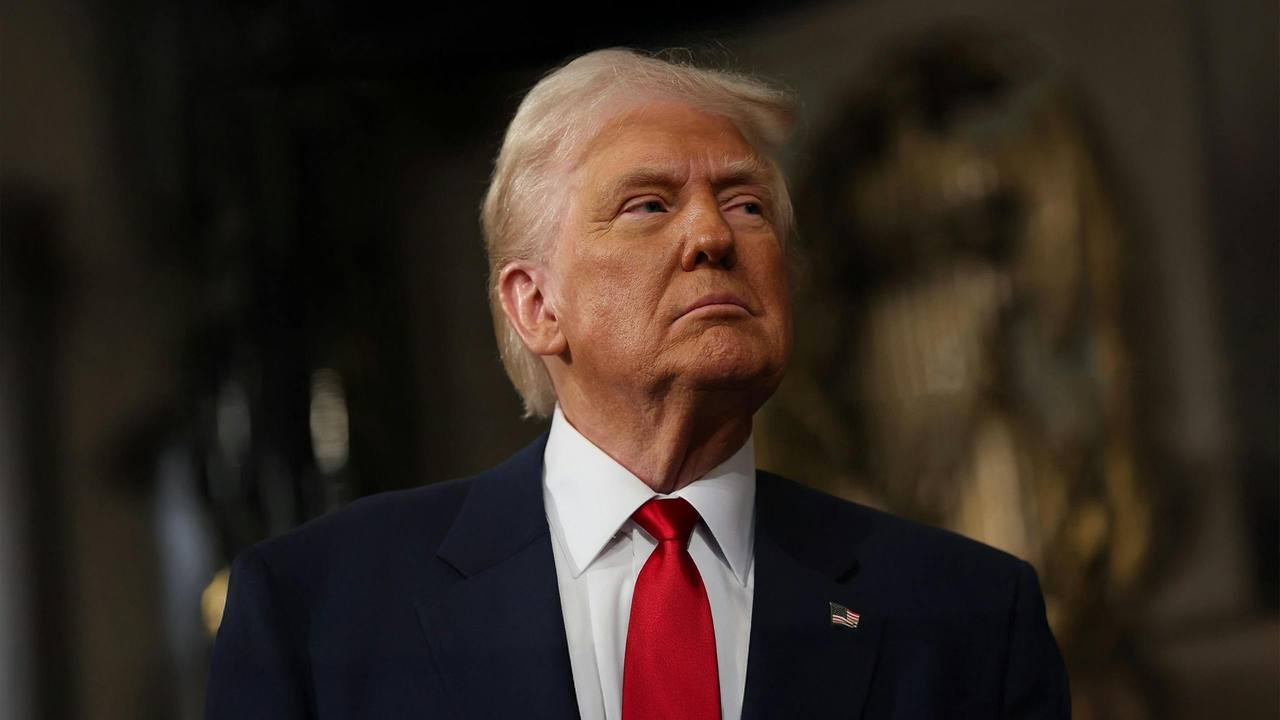
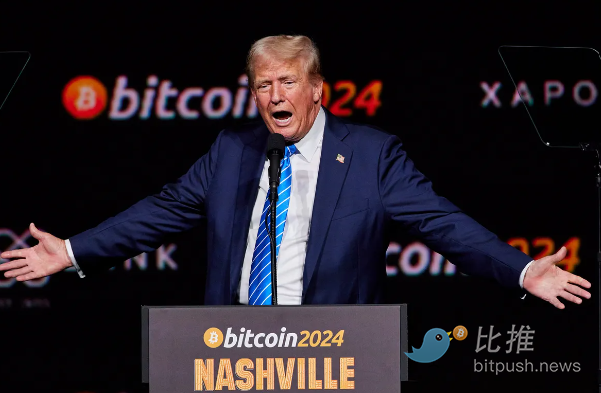
Although Fairshake did not directly engage in presidential campaigning, other wealthy figures in the crypto space—particularly Gemini founders Cameron and Tyler Winklevoss, and Kraken CEO Jesse Powell—donated at least $25 million to support Donald Trump. Trump responded swiftly, embracing cryptocurrency with open arms. At the July Bitcoin conference in Nashville, he passionately declared his intention to make the United States the “global center of cryptocurrency” and establish a national strategic Bitcoin reserve. He vowed to remove SEC Chair Gary Gensler and replace him with someone friendlier to crypto. "If Bitcoin is destined to go to the moon," Trump proclaimed, "America must lead the way."
It’s deeply ironic that an industry born out of resistance to government control now places its future in the hands of politicians. Yet in the 15 years since Bitcoin’s creation, its only widely accepted use has been trading on exchanges—essentially, betting real money on the price swings of digital assets. (During crypto’s recent rally, a meme coin called "dogwifhat"—a Dogecoin parody featuring a Shiba Inu wearing a baseball cap—reached a market value of around $2 billion.) These crypto trading platforms are immensely profitable, while the SEC continues trying to regulate or even penalize them.
The details of the SEC’s cases are technically complex, but consider a gambling analogy for clarity. The commission tends to restrict gambling to a few licensed racetracks and enforces strict drug testing for racehorses. The crypto industry, however, wants the field wide open—allowing people to bet their homes on live cockfighting matches in Nicaragua, then use shares of winning roosters to pay for coffee at Starbucks.
Naturally, crypto supporters don’t describe it this way. They prefer to frame cryptocurrency as “American innovation” and extol its power to deliver financial freedom. Their political ads often don’t mention crypto at all. For example, a Fairshake ad backing Moreno claimed he would stop “illegal immigrants from draining Ohio’s tax base.”
As the election approached, the crypto industry’s cynical strategy appeared to be working. Kamala Harris began courting the industry, albeit awkwardly—she bizarrely framed crypto regulation as part of her agenda to help Black Americans.
Trump personally promoted his own newly launched crypto venture, World Liberty Financial—a project originally pitched to his sons by a self-proclaimed “internet wealth guru.” Though some in the industry remain wary of Trump-branded tokens, several insiders suggest this very financial entanglement might make the former president even more committed to pro-crypto regulatory policies—if he wins re-election.
On election night at PubKey, two thirty-something salesmen wearing MAGA hats scrolled through trending topics on X, joking with a journalist that if Trump won, they’d be among the first to send him “packing overseas.” (As they left, they carefully tucked their hats into backpacks.) Another patron, a graying compliance officer wearing a vintage “We Want Kennedy Back” pin, voiced concerns about the U.S. dollar. He harshly criticized America’s decision to freeze Russian assets after Putin’s invasion of Ukraine, calling it a fatal mistake. "If a currency can be arbitrarily invalidated by its creator," he said, "it fundamentally loses its meaning and value as money."
In the back room, customers streamed in, intently watching election results broadcast by Bitcoin Magazine. Others checked live odds on Polymarket. The bar owner clarified that PubKey wasn’t exclusively a Trump supporter hangout—but nearly everyone present admitted voting for Trump. Interestingly, Trump himself visited the underground bar in September, paying for a stack of cheeseburgers with Bitcoin. Due to unfamiliarity with the process, he had to hand his phone to a staff member to complete the transaction.
A 33-year-old man with glasses confidently predicted that Trump’s promised strategic Bitcoin reserve would trigger a global buying frenzy. "It’ll be like the space race," he said vividly. "Every country will rush to hoard as much Bitcoin as possible."
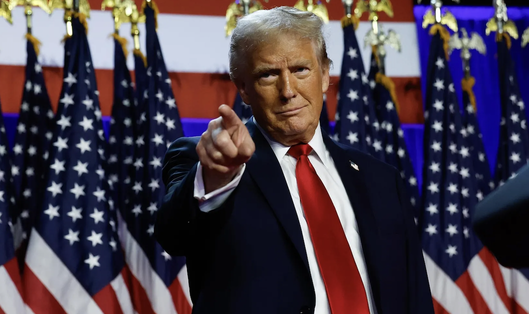
At around 11:15 p.m., David Bailey, CEO of Bitcoin Magazine, declared Trump the winner during a livestream from Trump’s watch party in West Palm Beach, Florida. Wearing a red cap emblazoned with “Make Bitcoin Great Again,” Bailey said enthusiastically, “Now we can finally implement our grand vision for Bitcoin. I look forward to the orange presidency and the rise of the orange party”—referring to Bitcoin’s orange branding, not Trump’s signature tan.
Fairshake’s lobbying efforts yielded clear results. Its top target, Senator Sherrod Brown of Ohio, lost his seat, handing control of the Senate to Republicans. This means pro-crypto Republican Senator Tim Scott could soon chair the banking committee. Fairshake and allied groups spent $135 million; by Thursday, 47 of the 56 candidates they backed had won. According to Public Citizen, a nonprofit watchdog, crypto industry spending accounted for over 15% of all known corporate political expenditures since 2010—second only to oil and gas. Fairshake says it has already set aside $78 million for the 2026 midterm elections.
The industry’s core demands appear poised for breakthrough. Reports indicate that a frontrunner to succeed Gensler as SEC chair is the chief legal officer of a brokerage firm known for its crypto-friendly stance. Meanwhile, some Democratic lawmakers who previously opposed pro-crypto legislation have shown subtle shifts in attitude.
Rohan Grey, a law professor at Willamette University, observed: "The massive investment by crypto in this election serves as a sharp warning to Democrats: don’t pick this fight. It brings them nothing but risk."
In an era where corporate spending faces almost no limits, crypto has become a near-flawless special interest group. Politicians may face public backlash when advancing controversial pipeline projects or drilling in wildlife reserves to earn oil industry donations. But few oppose crypto—largely because most people still don’t understand it.
At the PubKey election-night gathering, I met a 33-year-old product manager who admitted he couldn’t clearly explain how Bitcoin works—but liked it anyway.
"I think nobody really gets it," his friend chimed in, boasting nearly tenfold returns from his Bitcoin investments.
"Maybe it’ll become the new digital gold standard," the product manager said hopefully.
But his friend scoffed: "No, it’s just gambling."
Join TechFlow official community to stay tuned
Telegram:https://t.me/TechFlowDaily
X (Twitter):https://x.com/TechFlowPost
X (Twitter) EN:https://x.com/BlockFlow_News
 @Bloomberg