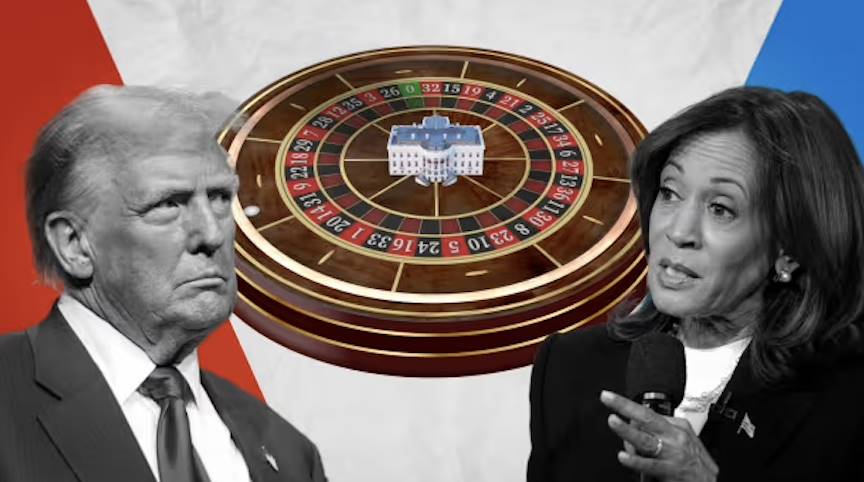
No matter who becomes the U.S. President, it will not have an extreme impact on the blockchain industry.
TechFlow Selected TechFlow Selected
No matter who becomes the U.S. President, it will not have an extreme impact on the blockchain industry.
A more important factor is whether the overall U.S. economy and the global economy can continue to improve.
 Navigating Web3 tides with focused insights
By Huang Shiliang
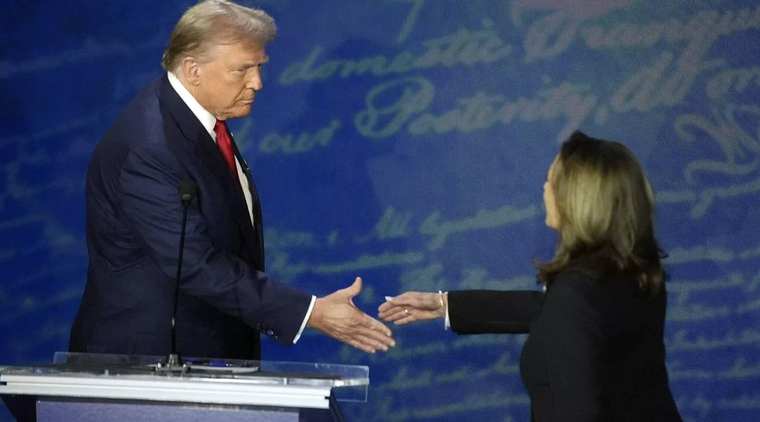
The next U.S. president will soon be revealed, and recently major global financial markets have reacted strongly—especially the crypto market.
Judging from online sentiment, crypto investors seem particularly afraid of Trump losing the election. But honestly, I don't think this fear is necessary at all.
The defining feature of the American system is the separation of powers. While a U.S. president holds significant authority, it's extremely difficult for one person to enact radical, sweeping changes.
Trump has been bullish on crypto in recent months, making all sorts of exaggerated claims about turning America into a cryptocurrency paradise. But should we really take his words at face value? Skepticism would be far more rational.
For example, Trump says he wants to include BTC as part of America’s strategic reserves. Seriously? The U.S. doesn’t even let the president decide its gold reserves. If you still believe in a market-based economy, then gold reserves must be managed based on economic and financial stability—not arbitrary presidential decree.
If a president could unilaterally add Bitcoin to the national strategic reserve, what role would remain for the Treasury, the Federal Reserve, or congressional legislation?
If Trump were truly that powerful, why not just appoint himself president instead of going through elections?
If anyone else made such claims about a specific stock, the SEC would probably sue them for market manipulation. Yet when it comes to Bitcoin, somehow it's acceptable.
Take the TikTok ban in the U.S.—Trump tried hard to shut it down during his previous term, and Biden also wanted to, but there's still no definitive outcome. This involves just one company, yet no single president can make the final call. Count the number of players involved: executive orders, national security reviews, congressional debates, and repeated judicial interventions. Final decision-making power is dispersed across multiple branches. Presidential authority is clearly limited.
In fact, this limitation is one of the strengths of the American system—it prevents drastic policy shifts and societal disruptions every time the presidency changes hands.
Looking at Chinese history, one of the biggest problems over 2,000 years of imperial rule was succession. In contrast, America’s current succession mechanism is something worth learning from.
Have crypto enthusiasts been watching too many palace intrigue dramas, imagining that changing the president will completely transform the crypto world?
Sigh, if I keep going, I’ll sound like an uncritical admirer of America.
Besides, I think Trump’s behavior in the crypto space looks pretty bad.
On OpenSea, you can find four NFT projects directly linked to Trump—official ones where buying grants special perks like a piece of his debate suit or invitations to golf club dinners [1]. Without exception, these NFTs are garbage.
Last month, the Trump family launched another DeFi project called WLF—hopefully this one won’t end in abandonment.
If anyone else released such projects, they’d be heavily criticized in the crypto community. But because he’s a former president, profiting from crypto is seen as nothing more than the industry paying him advertising fees. And frankly, it's a great deal. Trump is undoubtedly a global top-tier influencer. For the crypto space, paying him tens of millions for a few pro-crypto posts on X is a bargain.
Judging solely by how hard he's promoted crypto, having Trump as president would likely be positive for the industry.
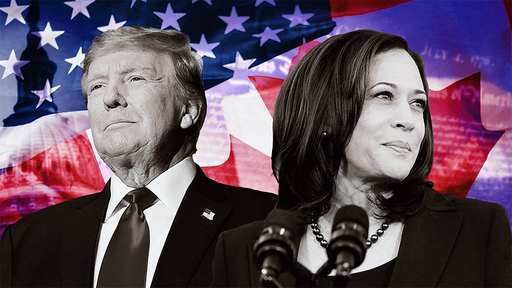
People like Musk and many others claim that if Harris wins, the stock market will crash, the economy will collapse, and World War III will follow—while under Trump, prosperity will arrive within three days.
C’mon, even lovers on Valentine's Day don’t make promises this wild—they’d get struck by lightning.
In reality, Biden has actually been quite friendly toward cryptocurrencies. He didn’t just talk—he delivered. Despite some cognitive decline, under his administration we saw the actual approval of BTC and ETH ETFs, and Bitcoin reached new highs.
The U.S. stock market also performed exceptionally well during Biden’s term.
Harris, as Biden’s vice president, is highly likely to continue his policies.
So why do so many online commentators insist that Harris’s victory means crypto prices will plummet? Honestly, I don’t buy it.
I’m not saying the election outcome has zero impact on crypto. My point is that the impact won’t be extreme. Some increased market volatility is normal, but that’s about it.
Compared to the short-term effects of a new president, far more important factors are the overall health of the U.S. and global economies—and whether they continue to improve.
No matter who wins, what truly drives crypto and broader capital markets is the fundamental state of the U.S. economy: inflation levels, employment data, interest rate policy, and global economic conditions. These factors determine market liquidity and investor risk appetite—not any single political figure. Therefore, understanding macroeconomic trends is key to judging long-term market direction, not obsessing over short-term fluctuations caused by elections.
Finally, just for fun—let me guess the election result.
I think Trump will win.
My reasoning? Because Elon Musk is too strategically brilliant.
Back when Musk bought Twitter in 2022—announced in April, closed in October—I thought to myself: Musk has changed. He’s not great anymore. Didn’t he used to pursue things nobody else dared? Shouldn’t he be talking about colonizing Mars instead of spending nearly his entire fortune on Twitter—a social platform already crowded with fierce competition? How ordinary he’s become.
At the time, I assumed he bought Twitter purely for greater influence.
But now, in this U.S. presidential election year, X.com has become the central battleground for campaigning—Musk’s greatest political asset (and likely one of Trump’s too).
To plan two years ahead, investing almost your entire net worth into such a move—that’s practically (half) burning the boats.
When you think about it, it’s impressive.
Now, looking back, spending $40 billion on X has turned it into the world’s largest stage for political discourse. Musk has won big—this business move outshines even his Mars dreams.
Compared to Musk’s long-term strategy, the current Biden-Harris team—with their mid-cycle leadership change—simply couldn’t pull off anything similar.
So yeah, I think Trump will win.
Join TechFlow official community to stay tuned
Telegram:https://t.me/TechFlowDaily
X (Twitter):https://x.com/TechFlowPost
X (Twitter) EN:https://x.com/BlockFlow_News