Quick Overview of Solana's Liquidity Restaking Protocol Fragmetric
TechFlow Selected TechFlow Selected
Quick Overview of Solana's Liquidity Restaking Protocol Fragmetric
Phase 1 TVL exceeds $8 million: What are the project highlights and how to participate?
 Navigating Web3 tides with focused insights
Author: Alex Liu, Foresight News
Jito, Solana's liquid staking protocol, opened deposits for the first phase of its restaking last night at 11:00 PM. Within just a few hours, it reached its deposit cap of 147,000 SOL (approximately $25 million). Following Ethereum’s lead in restaking, the popularity of "Solana restaking" as a new赛道 is clearly gaining momentum.
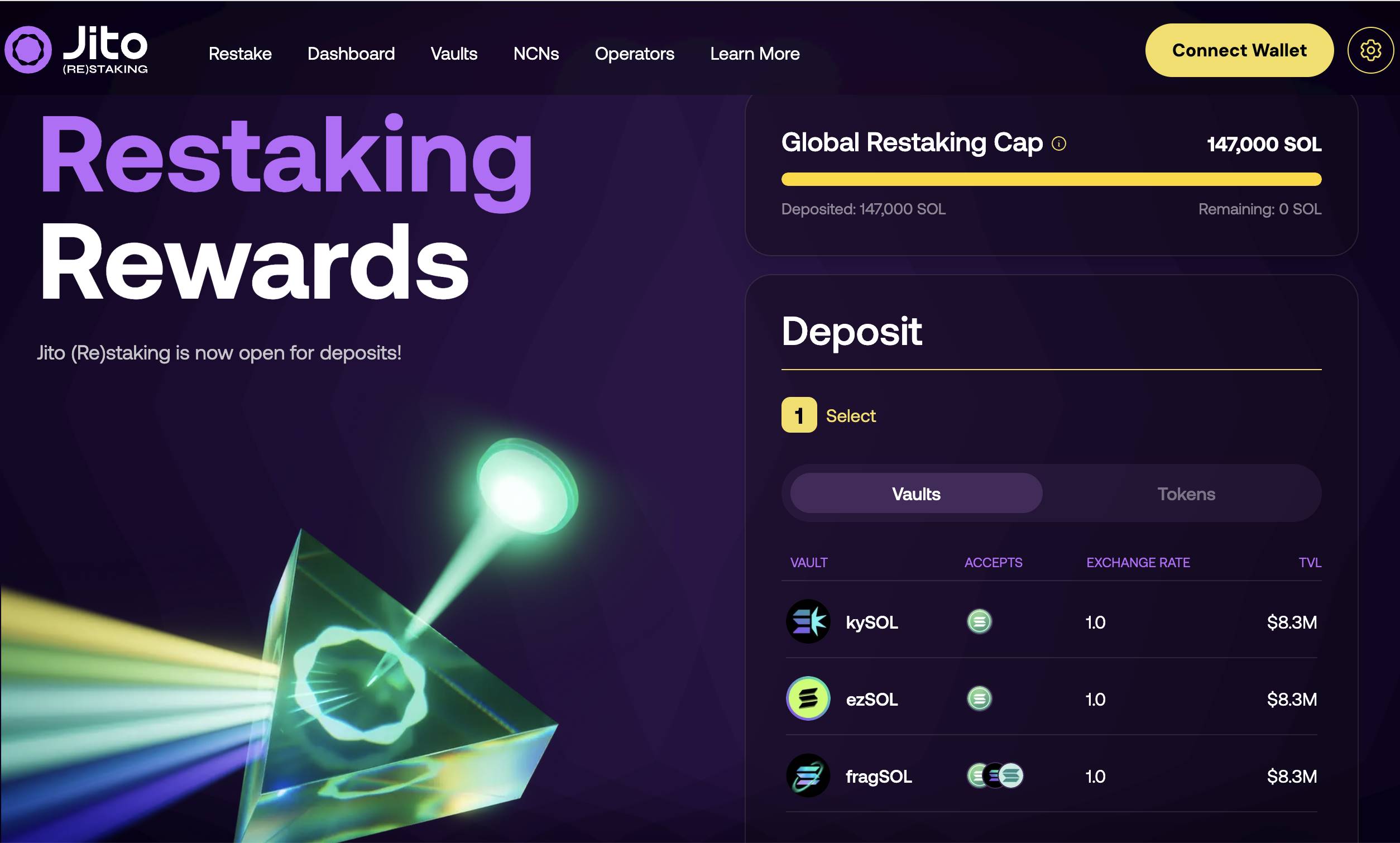
Currently, Jito restaking consists of three vaults: kySOL (provided by Kyros), ezSOL (provided by Renzo), and fragSOL (provided by Fragmetric). The first two vaults allowed sufficient time for users to participate, but fragSOL was “peak at launch,” immediately showing its 49,000 SOL capacity as fully deposited. What happened?
The reason is that Fragmetric did not open new deposit quotas within the Jito Vault. Instead, it directly deposited SOL pre-allocated during Phase 1 of its own protocol into the vault. This liquidity restaking protocol, which only launched on mainnet six days ago, had already hit its Phase 1 deposit cap, achieving a TVL of $8.4 million.
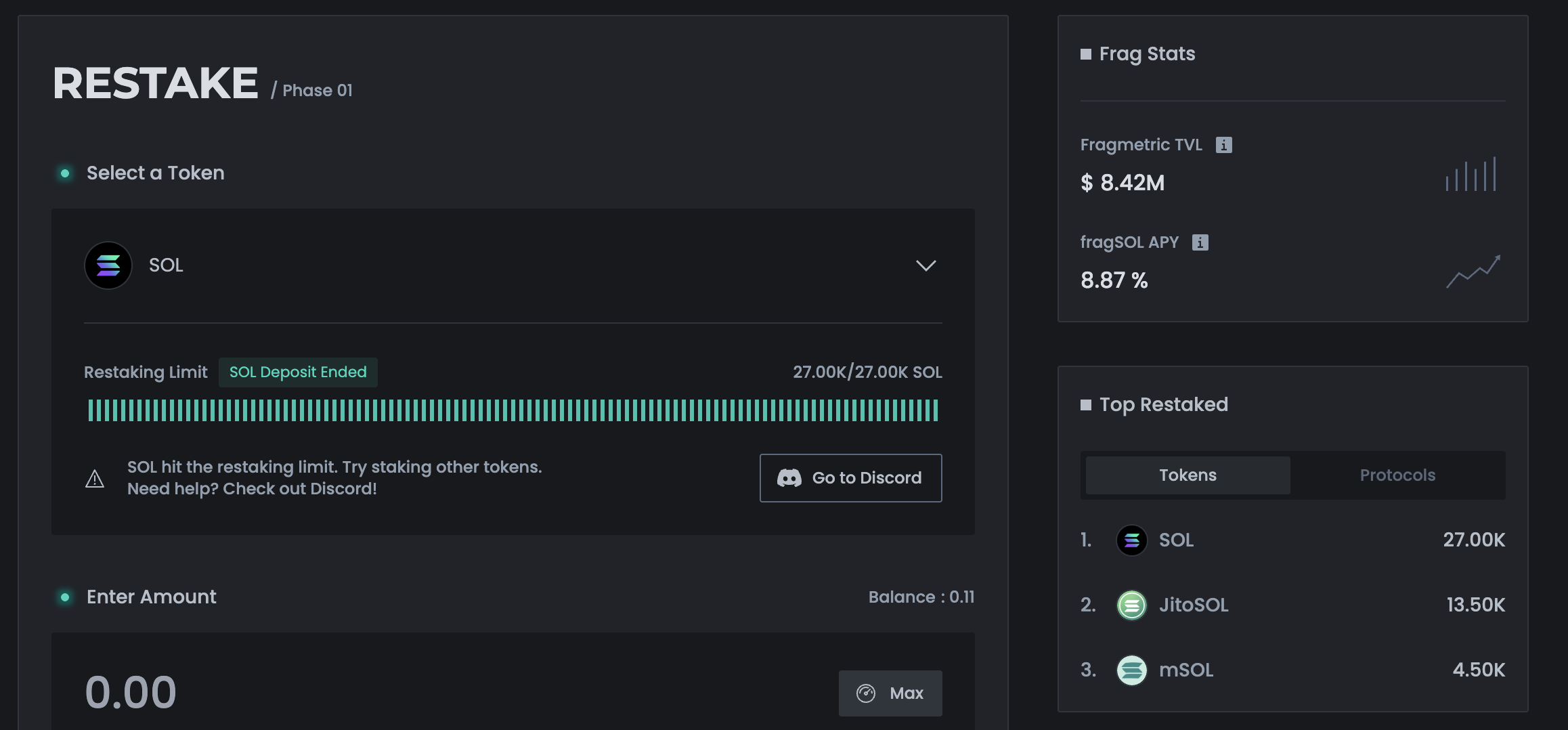
fragSOL
Setting aside basic concepts for now, let’s examine its core product—fragSOL.
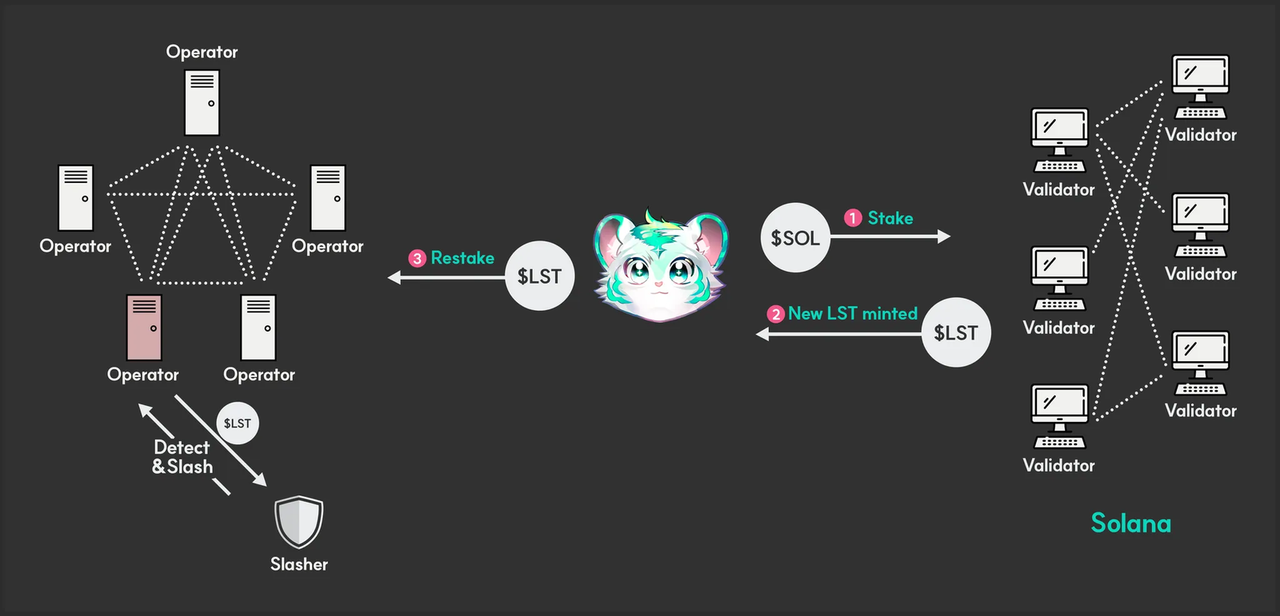
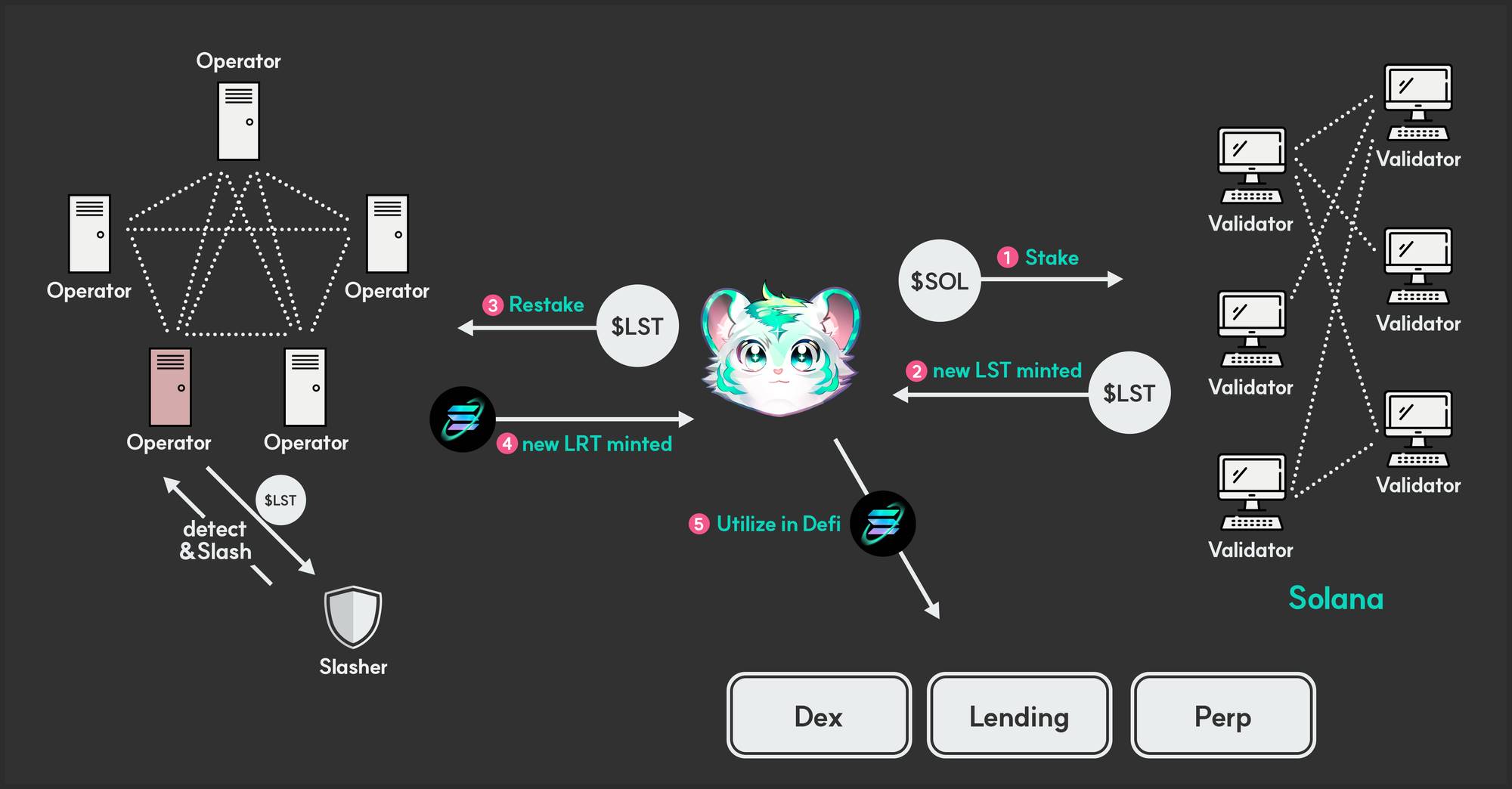
fragSOL is the first Liquid Restaking Token (LRT) on Solana. When users restake SOL or other LST tokens (jitoSOL, mSOL, bSOL, or INF) through the Fragmetric protocol, they receive fragSOL in return. fragSOL represents the user's restaked SOL or LST and provides Solana staking rewards, MEV rewards, and additional restaking yields from multiple protocols including Jito, Solayer, and Picasso.
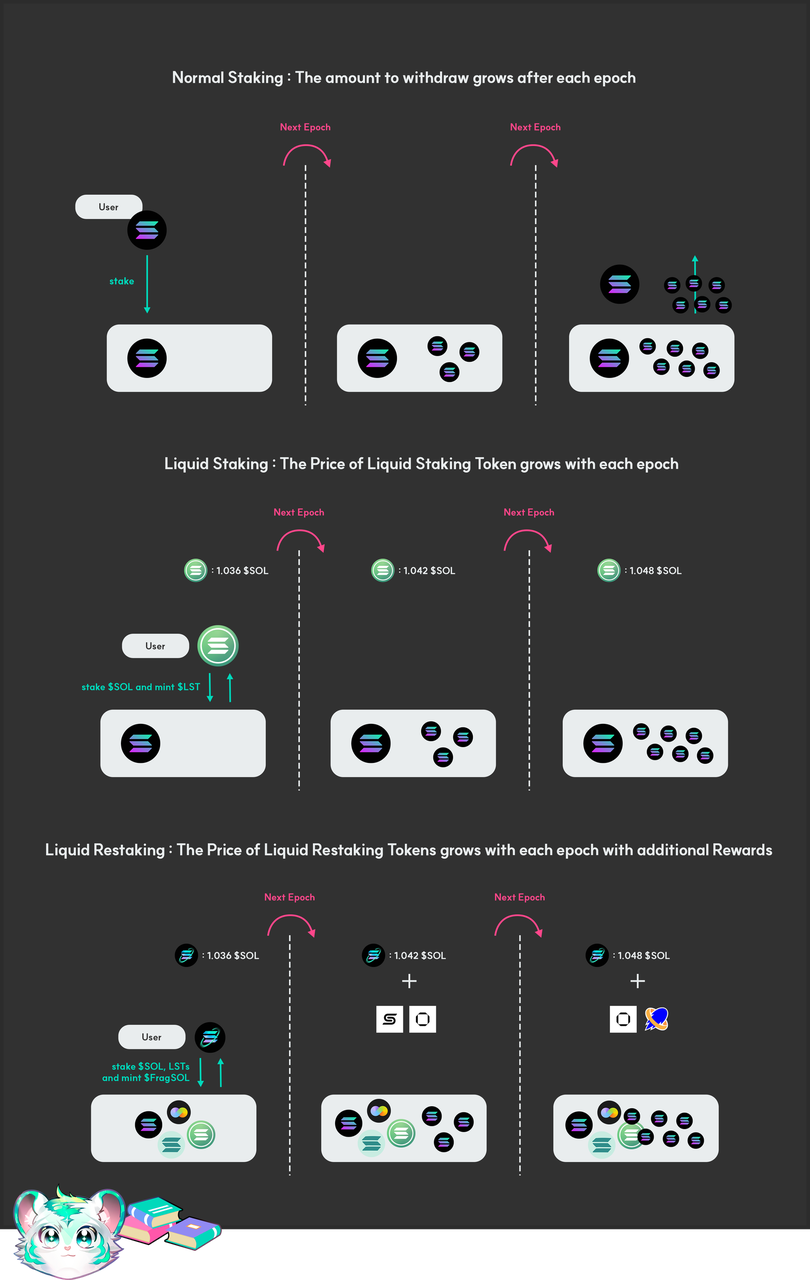
In short, an extra layer means higher returns.
Now let’s revisit the concepts—what exactly is restaking on Solana, and what is an LRT?
Restaking
Restaking is the process of using assets that have already been staked once (such as liquid staking tokens, LSTs like jitoSOL) to further secure specific decentralized services. EigenLayer was the first to introduce this concept. Recently, many restaking protocols have begun accepting various types of assets—not just LSTs—as restaking collateral. In addition to staking rewards, restaking allows users to earn extra fees from decentralized services.
Liquid Restaking Tokens (LRT)
LRT refers to SOL or LSTs that are restaked through specific liquid restaking protocols such as Fragmetric. Like LSTs, LRTs can be used across various DeFi protocols. With Fragmetric’s first LRT, fragSOL, users can earn additional income via restaking on top of existing Solana validator and MEV rewards.
Team Characteristics
A key characteristic of the Fragmetric team is their strong “Solana Native” identity. The founders and team members mostly use “Mad Lads” NFTs as their profile pictures (PFPs)—clearly fellow community members who build (and get rekt) together with the author.
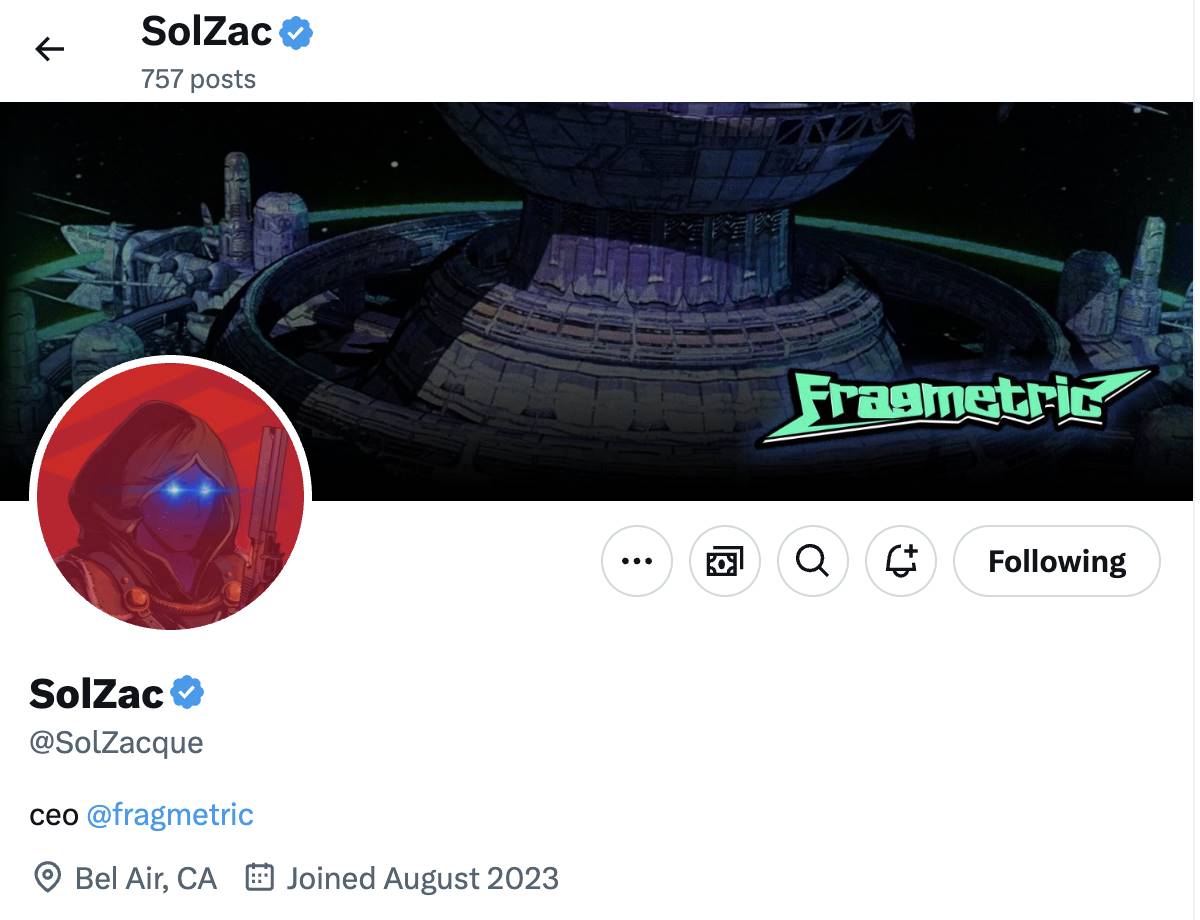
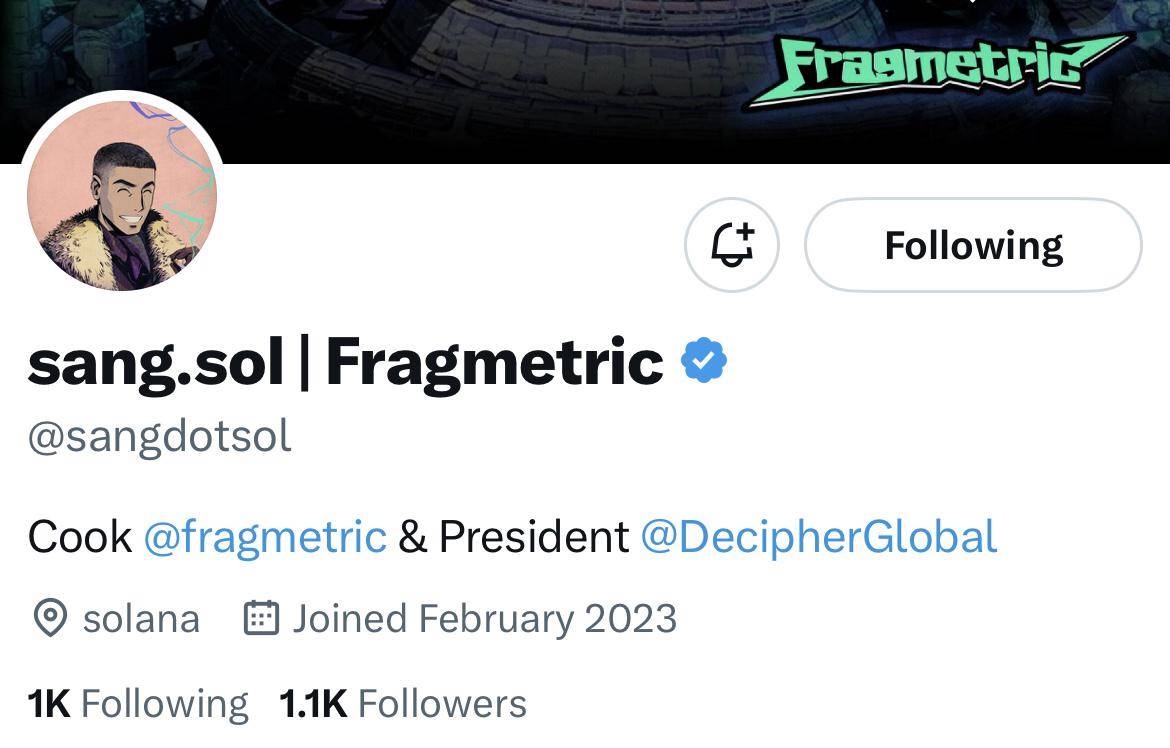
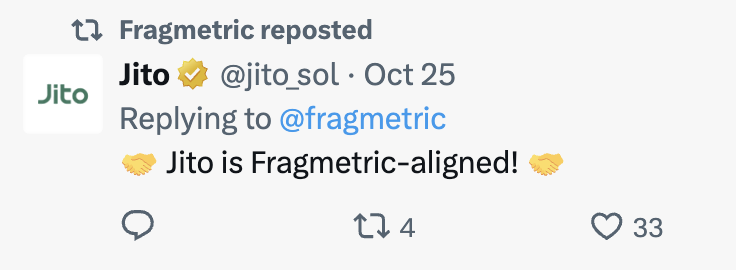
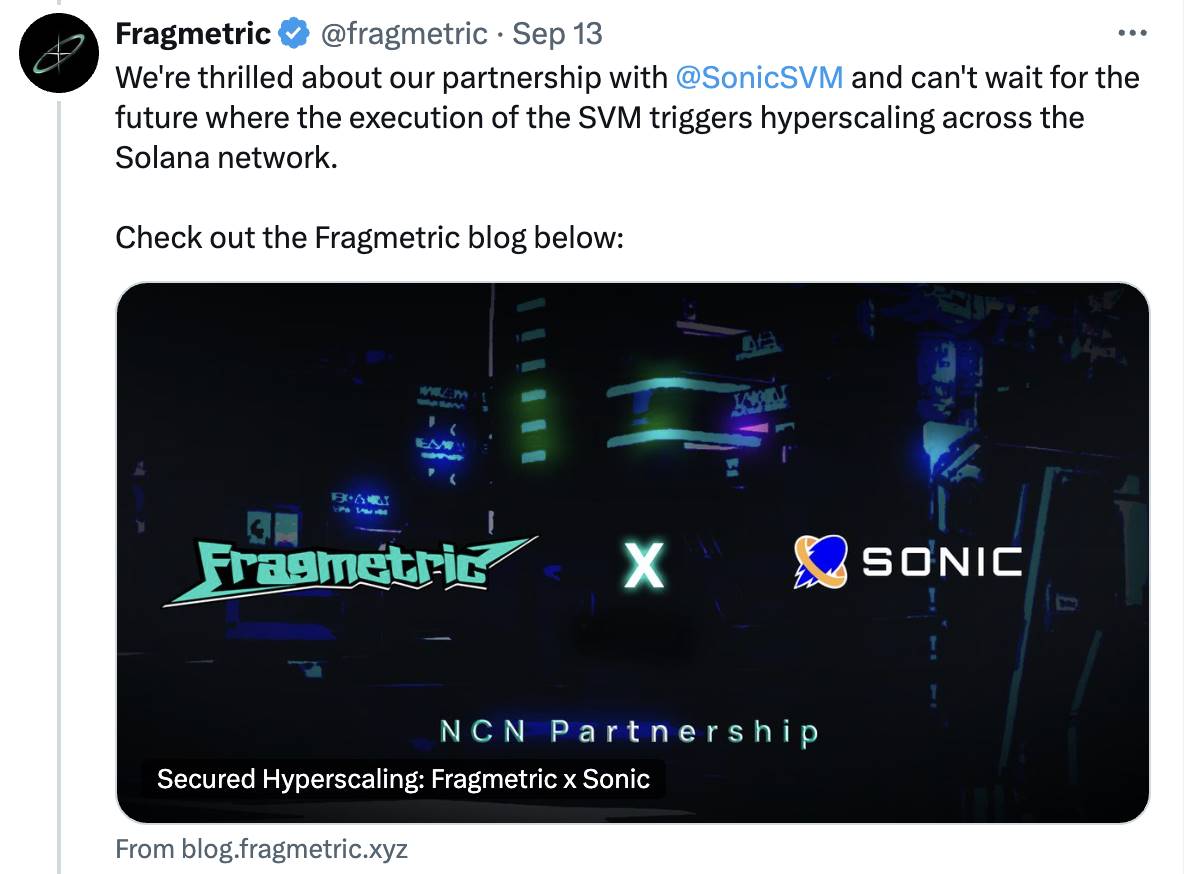
Due to their deep integration within the Solana ecosystem, they’ve established early partnerships with many core projects (Jito, Sonic, Backpack).
Participation Guide
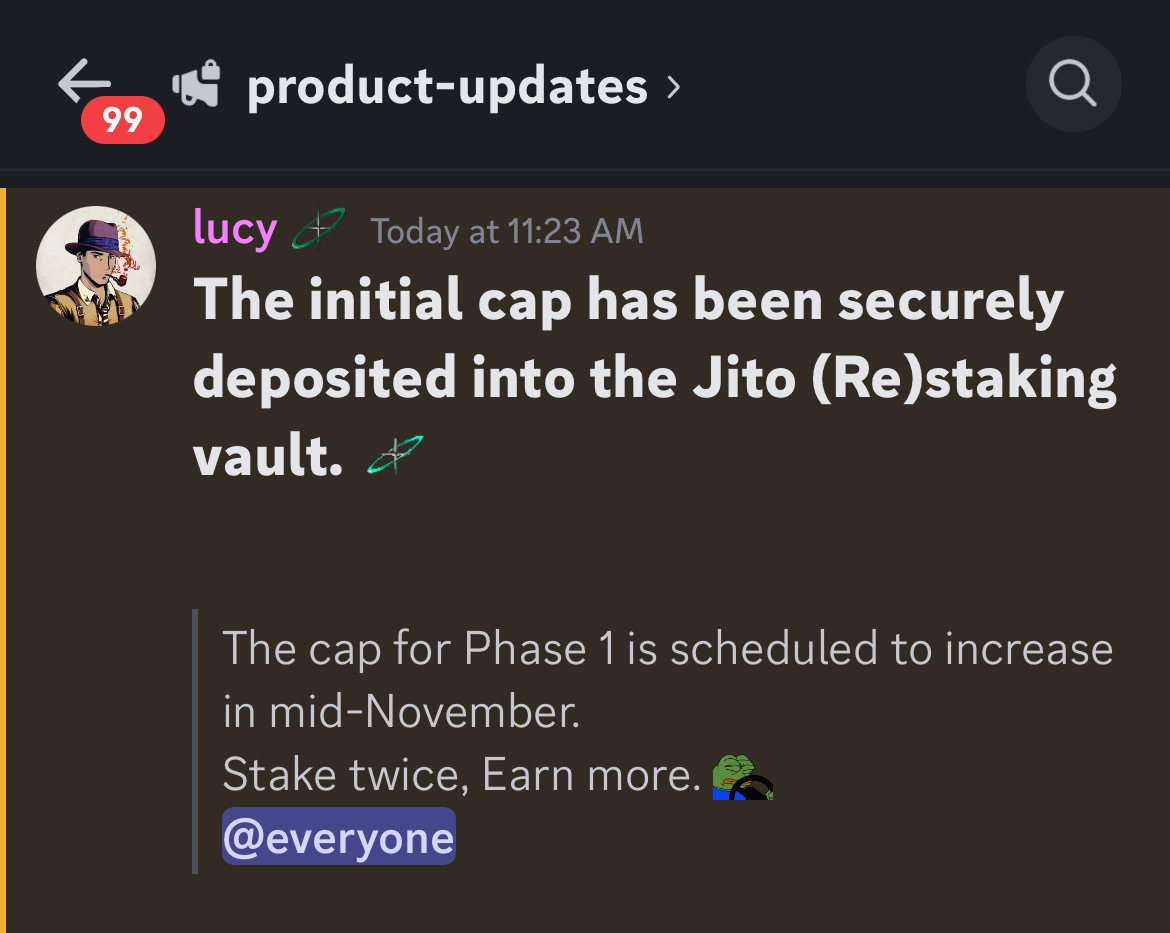
Although Phase 1 is currently full (note that withdrawals are disabled during Phase 1; withdrawals will be enabled in Phase 2), the team has announced that the Phase 1 limit will increase by mid-November.
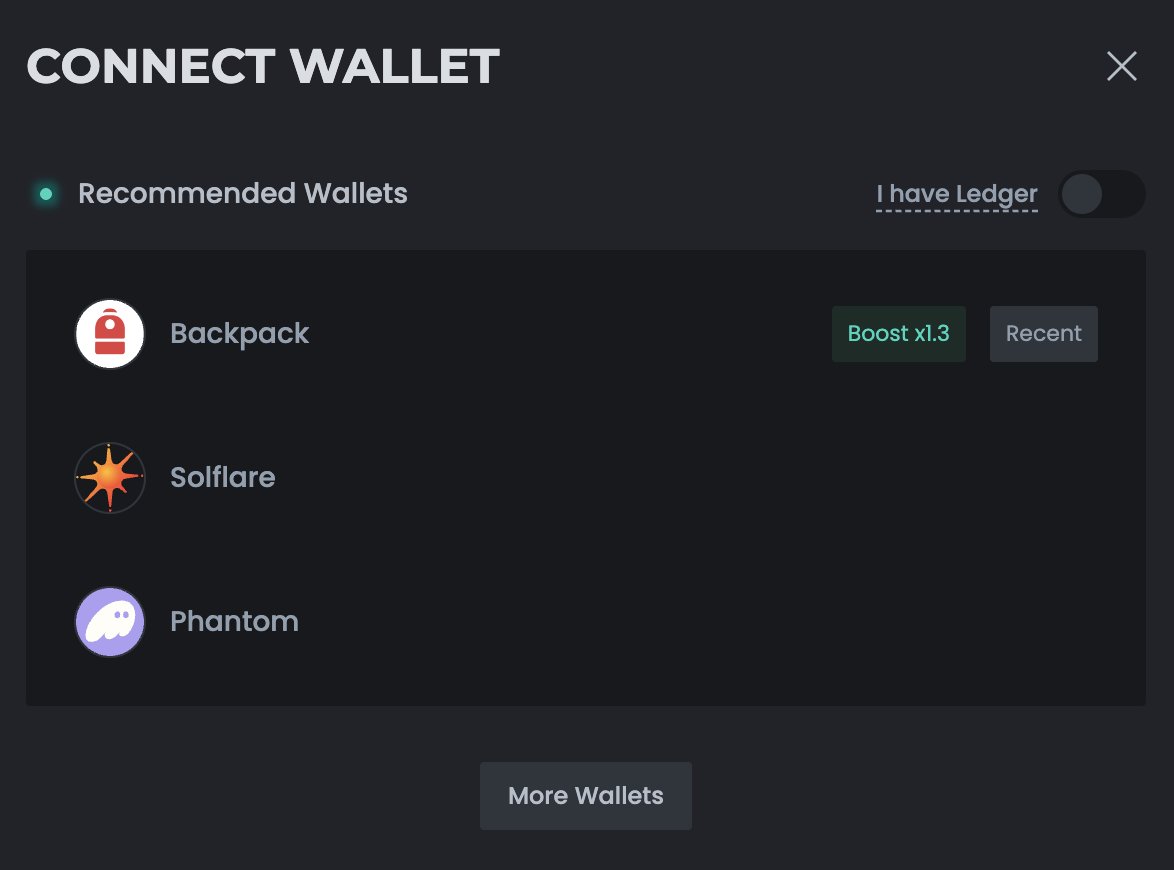
Using the Backpack wallet to participate in Fragmetric grants a 1.3x points bonus.
If you hold a Mad Lads NFT, joining the project’s Discord grants access to exclusive chat channels and roles, with potential airdrop expectations.
Join TechFlow official community to stay tuned
Telegram:https://t.me/TechFlowDaily
X (Twitter):https://x.com/TechFlowPost
X (Twitter) EN:https://x.com/BlockFlow_News
 Foresight News