Japan's Stablecoin Market Landscape: Regulatory Frameworks, Requirements, and Potential Analysis of Three Stablecoins
TechFlow Selected TechFlow Selected
Japan's Stablecoin Market Landscape: Regulatory Frameworks, Requirements, and Potential Analysis of Three Stablecoins
Japan's stablecoin market has remained stable primarily due to the establishment of a clear regulatory framework.
 Navigating Web3 tides with focused insights
Authors: Jay Jo, Yoon Lee, Tiger Research
Translated by: Aiying
Japan's stablecoin market has remained stable primarily due to the establishment of a clear regulatory framework. Government support and policies from the ruling Liberal Democratic Party have further accelerated the development of the Web3 industry. In contrast to many countries that maintain uncertain or restrictive stances toward stablecoins, Japan’s proactive and open approach stands out. As a result, there is strong optimism about the future of Japan’s Web3 market. This article explores the current state of stablecoin regulation in Japan and analyzes the potential impact of yen-backed stablecoins.
I. Regulation Driving Japan’s Stablecoin Market Growth
In June 2022, Japan laid the foundation for amending the Payment Services Act (PSA), establishing a regulatory framework for stablecoin issuance and brokerage. These amendments officially took effect in June 2023, marking the formal start of stablecoin issuance. The new law provides detailed definitions of stablecoins, clarifies eligible issuers, and specifies licensing requirements for related businesses.
1. Definition of Stablecoins
Under the revised Payment Services Act, stablecoins are classified as “Electronic Payment Instruments” (EPIs), usable for payments to unspecified parties for goods or services.
However, not all stablecoins fall into this category. According to Article 2, Paragraph 5, Item 1 of the amended PSA, only stablecoins backed by fiat currency qualify as electronic payment instruments. This means crypto-collateralized stablecoins—such as MakerDAO’s DAI, which are backed by assets like Bitcoin or Ethereum—are not considered EPIs. This distinction is a key feature of Japan’s regulatory framework.
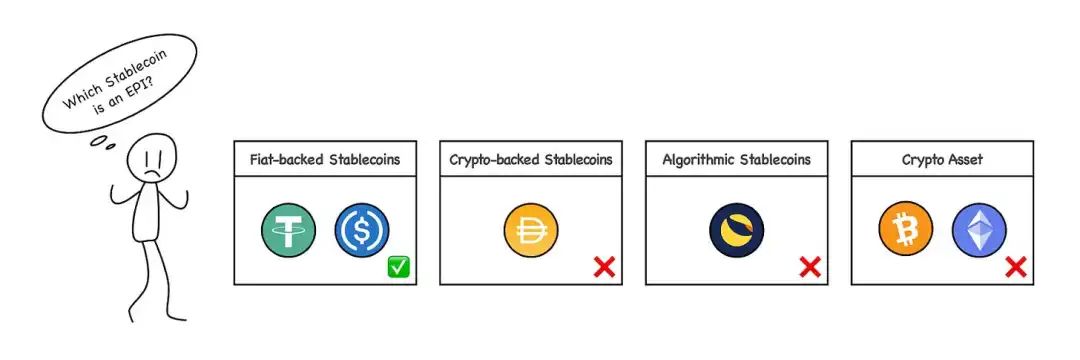
(Source: Tiger Research)
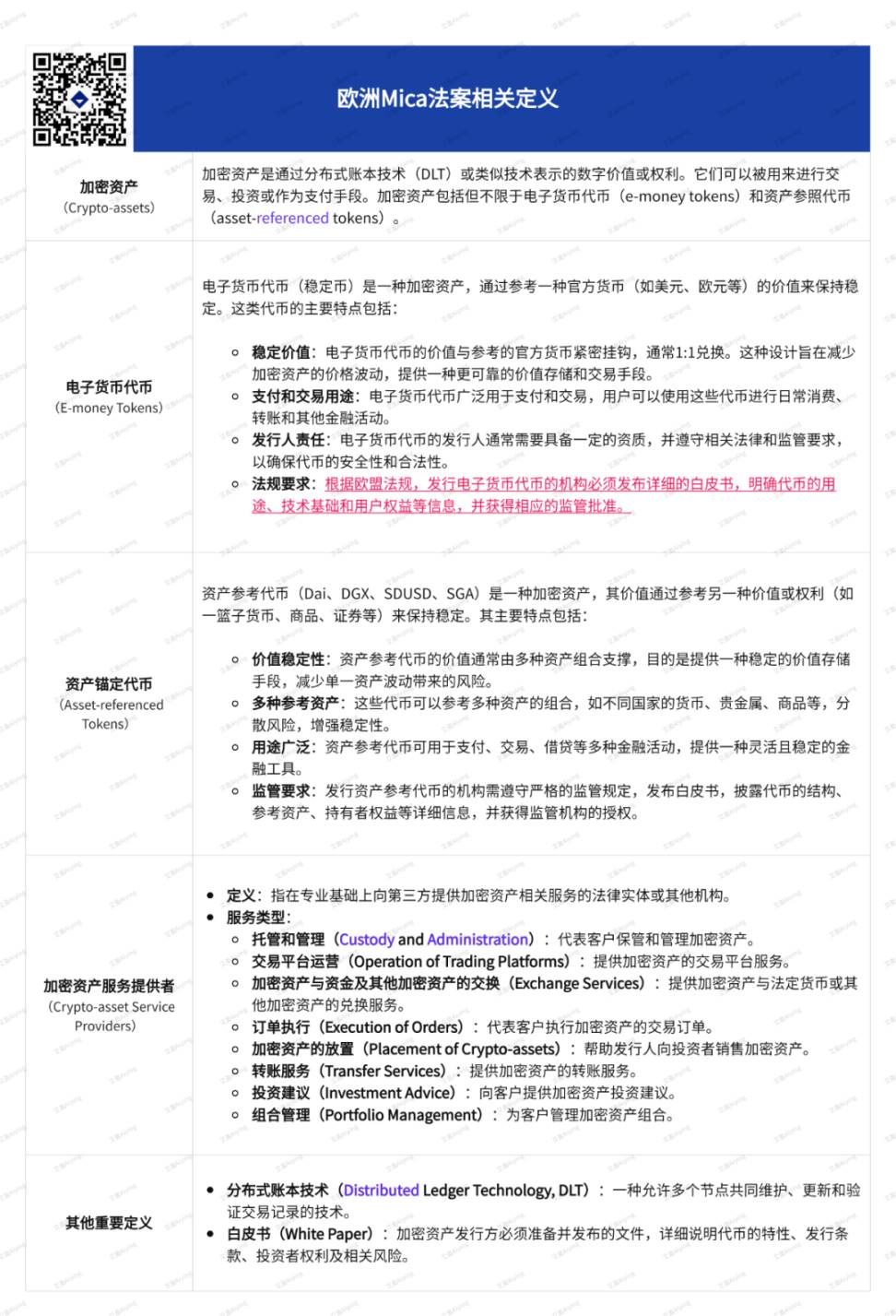
Aiying adds: Japan’s classification of stablecoins is somewhat similar to Europe’s MiCA regulation. Fiat-backed stablecoins are categorized under MiCA as “e-money tokens,” while asset-pegged stablecoins like DAI are classified as “asset-referenced tokens.” For more details, see “MiCA Regulation in Europe: A Comprehensive Analysis of Its Far-Reaching Impact on the Web3 Industry, DeFi, Stablecoins, and ICO Projects”
2. Eligible Stablecoin Issuers
According to the amended PSA, stablecoins can only be issued by three types of entities:
Banks
Funds Transfer Service Providers
Trust Companies
Stablecoins issued by each type of entity differ in functionality, such as transfer limits and recipient restrictions.
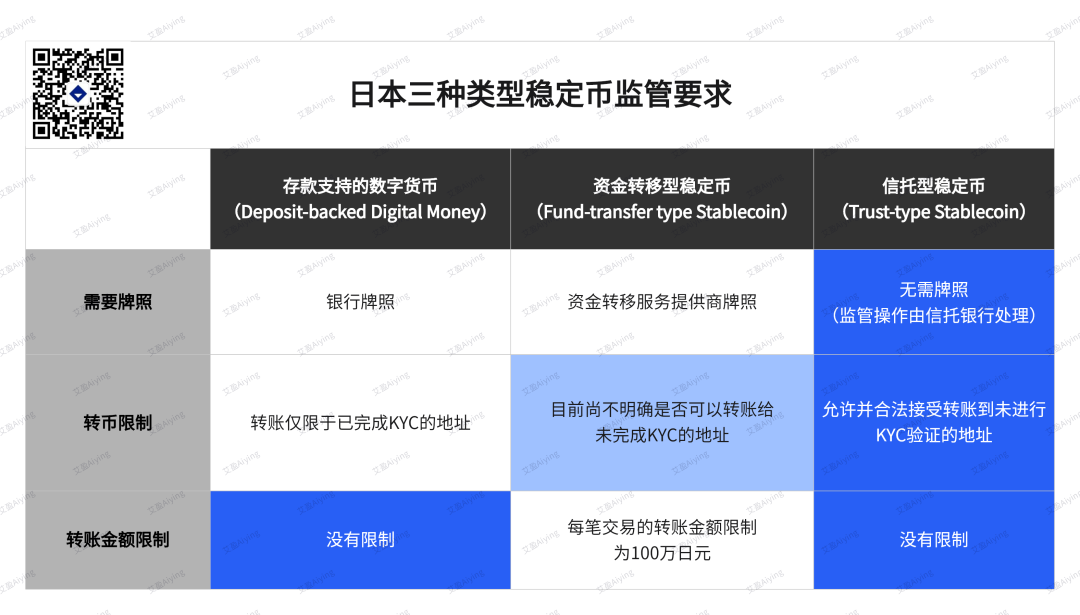
Among these, trust-issued stablecoins are particularly noteworthy, as they are expected to best align with Japan’s current regulatory environment and closely resemble widely used stablecoins like USDT and USDC.
Stablecoins issued by banks face certain limitations. Since banks must maintain financial system stability, regulators have indicated that bank-issued stablecoins require careful consideration and may necessitate further legislation.
Funds transfer service providers also face restrictions, including a maximum transaction limit of 1 million JPY per transfer. It remains unclear whether transfers can occur without KYC (Know Your Customer) verification. Therefore, additional regulatory updates may be required for this category. Given these conditions, trust-issued stablecoins are most likely to become the dominant form.
3. Licenses for Stablecoin-Related Businesses
To conduct any business involving stablecoins in Japan, entities must register as Electronic Payment Instrument Service Providers (EPISPs) and obtain the necessary licenses. This requirement was introduced with the June 2023 amendment to the Payment Services Act. Stablecoin-related activities include buying, selling, exchanging, brokering, or acting as an agent for stablecoins. For example, virtual asset exchanges supporting stablecoin trading or custodial wallet services managing stablecoins on behalf of users must register. Additionally, these businesses must comply with user protection and anti-money laundering (AML) regulations.
II. Yen-Backed Stablecoins
With the maturation of Japan’s stablecoin regulatory framework, several projects are actively researching and testing yen-backed stablecoins. Below, we introduce several major Japanese stablecoin initiatives to help understand the current state and characteristics of the yen-based stablecoin ecosystem.
1. JPYC: Prepaid Payment Instrument
JPYC, established in January 2021, was Japan’s first digital asset pegged to the yen. However, JPYC is currently classified as a prepaid payment instrument rather than an electronic payment instrument under the revised Payment Services Act, meaning it does not qualify as a stablecoin. JPYC has usage limitations—for instance, users can convert fiat currency into JPYC (on-ramping), but cannot convert JPYC back into fiat currency, functioning similarly to a recharge card, which restricts its application scenarios.
Nevertheless, JPYC is actively working to issue a stablecoin compliant with the new law, planning to obtain a funds transfer license to launch a funds-transfer-type stablecoin and expand its use cases, such as enabling exchange with Hokkoku Bank’s Tochika.
In addition, JPYC plans to register as an EPISP to operate its stablecoin business. Long-term, the company also intends to issue and operate a trust-type stablecoin based on Progmat Coin to support cash or bank deposit-related business activities.
2. Tochika: Deposit-Supported Digital Currency
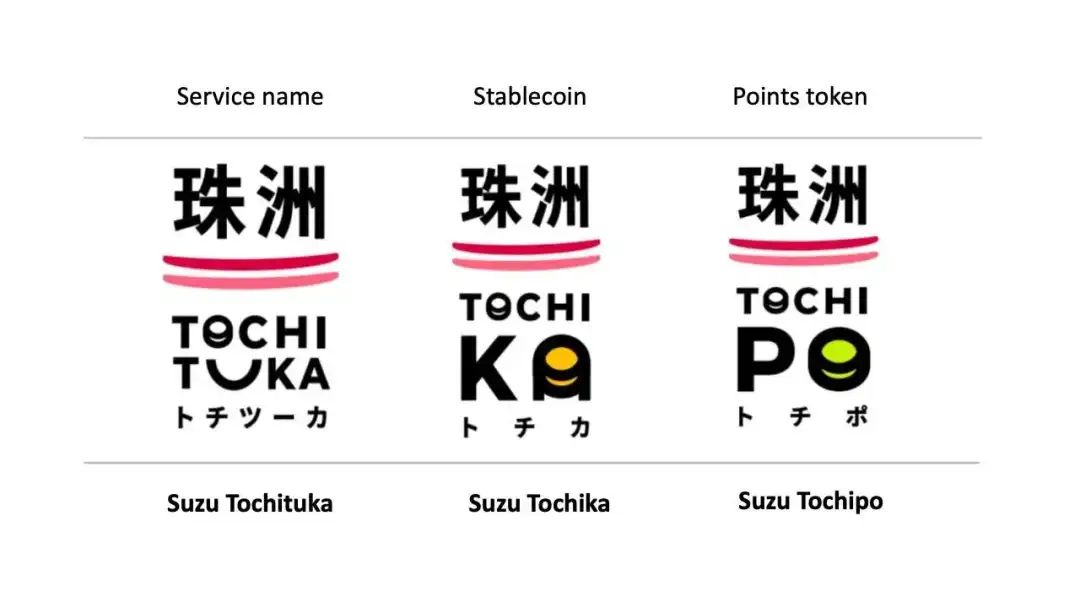
Tochika is Japan’s first digital currency backed by bank deposits, launched in 2024 by Hokkoku Bank in Ishikawa Prefecture. Backed by bank deposits, Tochika can be easily accessed via the “Tochika” app and used at partner merchants within Ishikawa Prefecture.
Key features of Tochika include ease of use and low merchant fees of just 0.5%. However, it is currently limited to Ishikawa Prefecture, offers only one free cash withdrawal per month, and charges a fee of 110 Tochika (equivalent to 110 JPY) for additional withdrawals. Moreover, Tochika operates on a private blockchain, limiting its scope of use.
In the future, Tochika plans to expand its services, including linking with accounts at other financial institutions, broadening geographical coverage, and introducing peer-to-peer money transfer functionality.
3. GYEN: Offshore Stablecoin
GYEN is a yen-backed stablecoin issued by GMO Trust, a New York-based subsidiary of Japan’s GMO Internet Group. Regulated by the New York State Department of Financial Services and listed on its greenlist, GYEN is pegged to the yen at a 1:1 ratio. However, since it is not issued by a Japanese trust company, it cannot circulate within Japan.
Nonetheless, GYEN may eventually be incorporated into Japan’s regulatory framework and become part of the compliant stablecoin ecosystem.
Is the Stablecoin Business Actually Viable?
Although stablecoins have been legally recognized for over a year, progress among Japanese stablecoin projects has been limited. Stablecoin offerings comparable to USDT or USDC remain scarce in Japan, and no company has yet completed EPISP registration.
Furthermore, the requirement for stablecoin issuers to hold all reserves as demand deposits poses a significant operational constraint. Demand deposits are highly liquid but generate minimal profit, making it difficult to sustain a profitable stablecoin business. Although the Bank of Japan recently raised interest rates from 0%, the short-term rate of 0.25% remains low, undermining profitability. Consequently, demand is growing for competitive stablecoins backed by higher-yielding assets such as Japanese government bonds.

Despite these challenges, major Japanese financial institutions and corporate groups continue to actively participate in stablecoin initiatives. These include large banks such as Mitsubishi UFJ Financial Group (MUFG), Mizuho Bank, and Sumitomo Mitsui Banking Corporation (SMBC), as well as corporations like Sony and DMM Group.
Conclusion
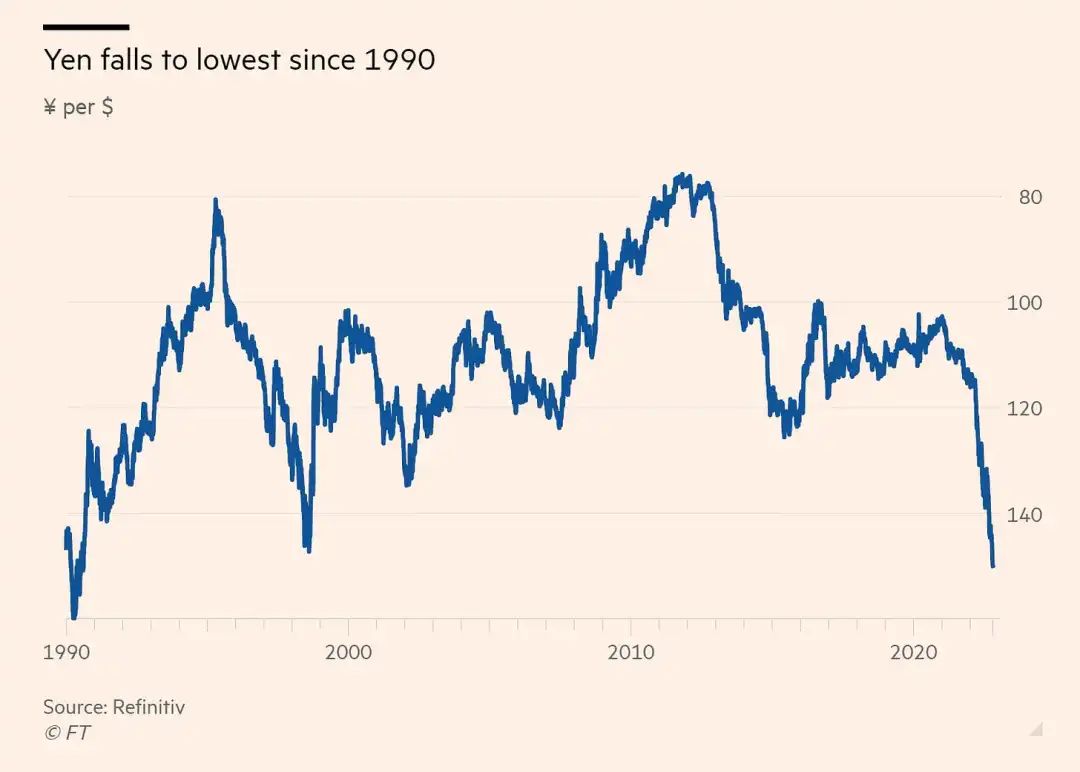
Source: Financial Times, Refinitiv
In recent years, Japan has been striving to address the weakening yen and has implemented various strategies to enhance competitiveness. Stablecoins represent part of this effort—an attempt to scale up and strengthen the yen’s position. By adopting advanced stablecoin solutions, Japan is expected to unlock new applications not only domestically but also in global payments, creating fresh opportunities to expand its influence in international financial markets.
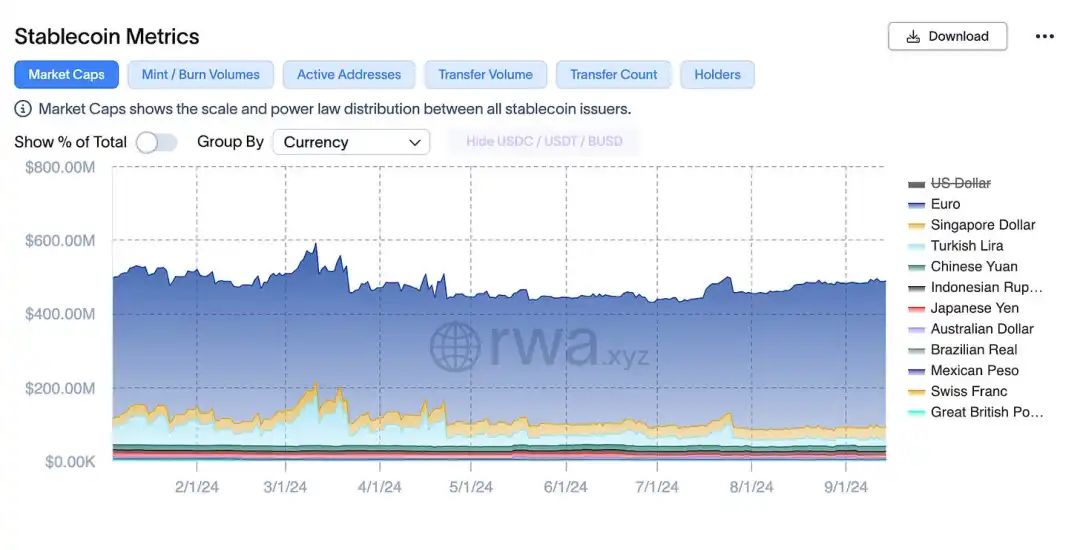
Source: rwa.xyz
Although the regulatory framework for stablecoins has been in place for some time, the yen’s presence in the global stablecoin market remains limited. Practical use cases are few, and no company has completed EPISP registration. Declining approval ratings for Prime Minister Kishida’s cabinet and the Liberal Democratic Party also make it harder to advance strong Web3-related policies. Nevertheless, establishing the regulatory framework marks a meaningful step forward. While progress may be slow, the changes it will bring are worth anticipating.
Join TechFlow official community to stay tuned
Telegram:https://t.me/TechFlowDaily
X (Twitter):https://x.com/TechFlowPost
X (Twitter) EN:https://x.com/BlockFlow_News
 @tiger_research