Trump's Bitcoin "Affair"
TechFlow Selected TechFlow Selected
Trump's Bitcoin "Affair"
A Comprehensive Review of Trump's Evolving Stance on Cryptocurrency
 Navigating Web3 tides with focused insights
Author: Huohuo, Baigua Blockchain
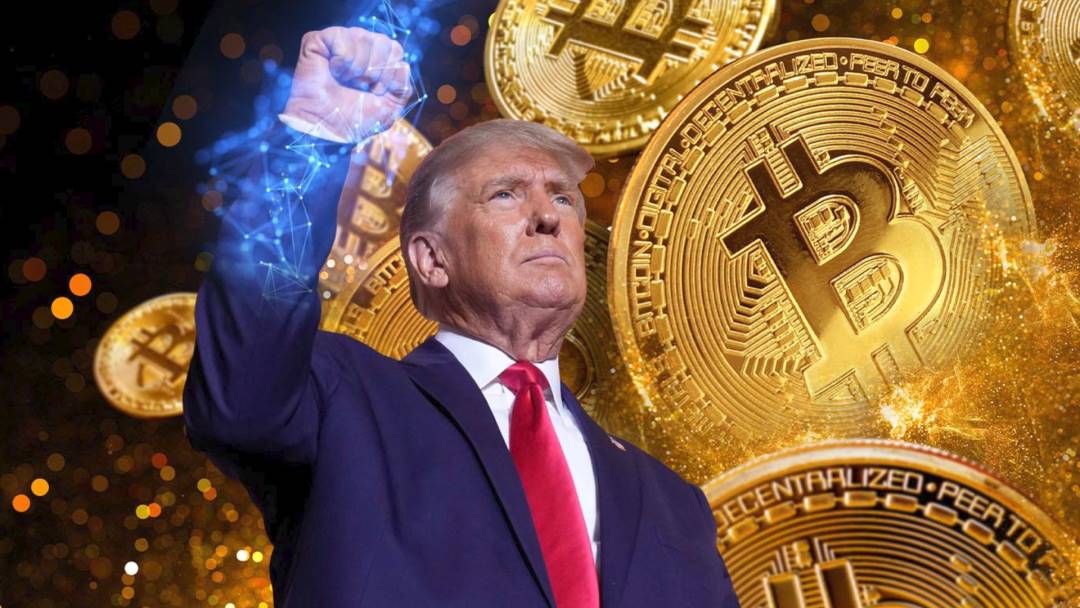
On September 15, Donald Trump, the Republican presidential candidate and former U.S. president, narrowly escaped another assassination attempt involving gunfire. This marks the second failed assassination attempt against Trump in just two months. On July 13, he had already been shot at during a campaign rally in Pennsylvania, sustaining an injury to his right ear.
Since President Biden announced his withdrawal from the 2024 U.S. presidential race on July 21, Trump’s opponent has shifted from 81-year-old Joe Biden to Kamala Harris—nearly two decades younger and full of energy. Harris’s rising approval ratings have turned what once seemed like a certain victory for Trump into a much more uncertain contest.
To win broader support, Trump has taken the lead in reaching out to the cryptocurrency industry. At the Bitcoin 2024 conference on July 27, Trump declared that if re-elected, he would fully support crypto development and work toward making the United States a “Bitcoin superpower.” Regardless of how credible these promises may be (see "How Trustworthy Are Trump's Bitcoin Conference Promises?"), he has clearly made numerous commitments aimed at winning over crypto voters.
From being a staunch critic to becoming a vocal supporter, how did Trump’s stance on the crypto industry evolve to this point—and what potential impacts could this shift bring?
01 The Evolution of Trump’s Shift from Crypto Critic to Advocate
Born on June 14, 1946, in New York City, Donald Trump graduated from the Wharton School of the University of Pennsylvania and is the son of real estate developer Fred Trump. Leveraging his family business, Trump amassed significant wealth and fame during the 1970s and 1980s, with assets spanning New York City’s real estate market and various commercial ventures, including Trump Tower and several luxury hotels and casinos. For details, see “Former U.S. President Trump's Sudden Move Into Web3: From Calling Bitcoin a Scam to Embracing NFTs in Just One Year?”
Trump later rose to greater prominence as the host of the NBC reality TV show *The Apprentice*, where he cultivated a public image as a shrewd businessman.
In 2015, Trump officially announced his candidacy for the 2016 U.S. presidential election as a Republican. In November 2016, he defeated Democratic candidate Hillary Clinton and was elected the 45th President of the United States.
1) An Original Skeptic
During his presidency (January 20, 2017 – January 20, 2021), Trump’s overall attitude toward cryptocurrencies was largely negative. His early stance can be traced back to July 2019, when he first publicly criticized Bitcoin and other digital assets on Twitter. In those tweets, he explicitly stated he was not a “fan” of Bitcoin or other cryptocurrencies, calling them not real money and describing their value as “highly volatile and based on thin air,” adding that he wouldn’t be surprised if the price dropped below $6,000. He also expressed concern that Bitcoin and other cryptos might facilitate illegal activities such as drug trafficking and other illicit behaviors.
In 2020, when Facebook announced plans for its cryptocurrency Libra (later renamed Diem), Trump criticized it on Twitter, asserting that the U.S. has only one true currency—the dollar—and that any other digital asset attempting to replace it should face strict regulation. He argued that only regulated financial systems backed by strong national currencies like the dollar could ensure stability and security.
During Trump’s presidency, his administration adopted a generally conservative and stringent policy stance toward cryptocurrencies:
-
Anti-Money Laundering and Counter-Terrorism Financing: The Trump administration primarily worried about the potential misuse of cryptocurrencies for illegal purposes, including money laundering, tax evasion, and terrorism financing. The Financial Crimes Enforcement Network (FinCEN), under the U.S. Department of the Treasury, strengthened oversight of crypto transactions and required crypto exchanges to comply with anti-money laundering (AML) and know-your-customer (KYC) regulations. Treasury Secretary Steven Mnuchin repeatedly emphasized that cryptocurrencies posed a threat to national security and required tighter regulation.
-
Securities Regulation: Under Trump’s leadership, the U.S. Securities and Exchange Commission (SEC) continued cracking down on unregistered securities offerings in the crypto space. The SEC launched enforcement actions against multiple ICO projects, accusing them of conducting unregistered securities sales. Additionally, the Trump administration intensified scrutiny of crypto trading platforms to ensure compliance with existing securities laws.
-
Homeland Security and Law Enforcement: During Trump’s term, the Department of Homeland Security (DHS) and the FBI increased monitoring of cryptocurrency use to combat cybercrime and illicit activities. The administration frequently stressed that the use of cryptocurrencies for illegal acts—such as drug trafficking and cyberattacks—posed a serious threat to national security.
During the 2020 presidential election cycle, Trump himself did not discuss cryptocurrencies extensively, but his administration maintained a stricter regulatory posture. Treasury Secretary Steven Mnuchin and other officials repeatedly called for rigorous oversight of digital assets, warning they could threaten financial stability.
Overall, Trump’s early statements reflected deep skepticism and a dismissive attitude toward cryptocurrencies.
2) Gradual Shift Toward Support
After leaving office, Trump continued to criticize Bitcoin and digital assets in media interviews, arguing they could undermine the U.S. financial system and national security. However, he also acknowledged the rapid growth of the crypto market, suggesting the government should strengthen regulation to prevent misuse. While still cautious, this tone marked a softening compared to his earlier outright opposition, indicating growing awareness of the sector:
Softening Tone
In a 2021 interview with Fox Business, Trump said he disliked Bitcoin because it competes with the dollar, which he wants to remain “the world’s currency.” He reiterated concerns that cryptocurrencies could enable criminal activity and emphasized the need for stricter government oversight.
In an interview with One America News, Trump described cryptocurrencies as “dangerous investments” and warned investors to proceed with caution.
Shifting Stance
Reports indicate that Trump formally announced his candidacy for the 2024 presidential election on November 15, 2022. Since then, leveraging his personal brand and influence, he launched a series of NFTs featuring his own likeness—marking his entry into the cryptocurrency and digital collectibles market:
-
December 2022: Trump released his first NFT collection, totaling 45,000 units priced at $99 each. These NFTs depicted various fictionalized versions of Trump, such as a superhero or historical figure, signaling his official debut into the crypto market.
-
June 2023: He launched a second NFT series, continuing to feature himself while introducing new designs and rare editions.
-
March 2024: A third NFT collection was released, emphasizing scarcity and limited availability, along with enhanced engagement opportunities such as virtual event tickets and online meetups with Trump.
When launching these NFTs, Trump referred to them as “precious collectibles,” acknowledging the uniqueness and scarcity inherent in NFTs. This move successfully attracted attention from supporters and investors, while offering fans new ways to engage with him. Additionally, in a July 16 Bloomberg Businessweek interview, Trump revealed plans to launch a fourth NFT series featuring his image.
Campaign Outreach
In 2024, Trump has become highly visible in the crypto community, repeatedly issuing pro-crypto statements. But before exploring the motivations behind this shift, it's important to understand the U.S. presidential election process. The U.S. presidential election, held every four years, consists of five key stages: primaries, national conventions, general election, Electoral College voting, and congressional certification. For the 2024 election:
-
Primaries: From mid-January to June 2024, both the Republican and Democratic parties hold primaries or caucuses across states to select their preferred candidates.
-
National Conventions: The Republican National Convention took place from July 15–18, 2024, followed by the Democratic National Convention from August 19–22, officially nominating their presidential and vice-presidential candidates.
-
General Election: Held on November 5, 2024, when citizens vote for any presidential candidate regardless of party affiliation or prior choices.
-
Electoral College Vote: The U.S. uses the Electoral College system, where each state gets electoral votes based on population. Winning the popular vote in a state typically grants all its electoral votes. A candidate needs at least 270 electoral votes to win. Electors cast their votes on December 17, 2024, and results must be submitted to Congress by January 3, 2025.
-
Congressional Certification: By federal law, Congress meets on January 6, 2025, to count and certify the Electoral College results. The winner is inaugurated at the Capitol on January 20, 2025.
This context explains why, throughout the 2024 campaign season, Trump has repeatedly made pro-crypto promises. As a candidate, he began accepting cryptocurrency donations early this year and attended the Bitcoin 2024 conference on July 27 to deliver a speech. His specific statements and pledges regarding Bitcoin and cryptocurrencies include:
A. Bitcoin has evolved independently, and more people want to use it for payments. He is now preparing to accept Bitcoin, though some regulation will be needed.
B. If re-elected, his administration will not use regulatory agencies to crack down on Bitcoin or other cryptocurrencies. He wants U.S. crypto businesses to stay in America rather than being driven overseas.
C. If re-elected, he will commute the sentence of Ross Ulbricht, founder of the Silk Road marketplace, and strongly support the growth of the crypto industry.
D. At the Bitcoin conference, he proposed creating a national Bitcoin reserve and establishing a Bitcoin and crypto advisory committee to support industry development. He also pledged to fire current SEC Chair Gary Gensler to end what he calls the “persecution” of the crypto industry.
E. During his presidency, he will safeguard all Bitcoin-related jobs in the U.S., promote innovation and economic growth, and will never allow the creation of a central bank digital currency (CBDC).
F. In an interview, Trump suggested Bitcoin mining could be the last line of defense against CBDCs and expressed hope that Bitcoin would be mined in the U.S. to help achieve energy dominance.
G. Cryptocurrencies are here to stay. The U.S. crypto industry has solid foundations but remains in its early stages. He stressed that he does not want other countries to dominate this field.
H. He plans to develop initiatives to make the U.S. the “global capital of digital assets.”
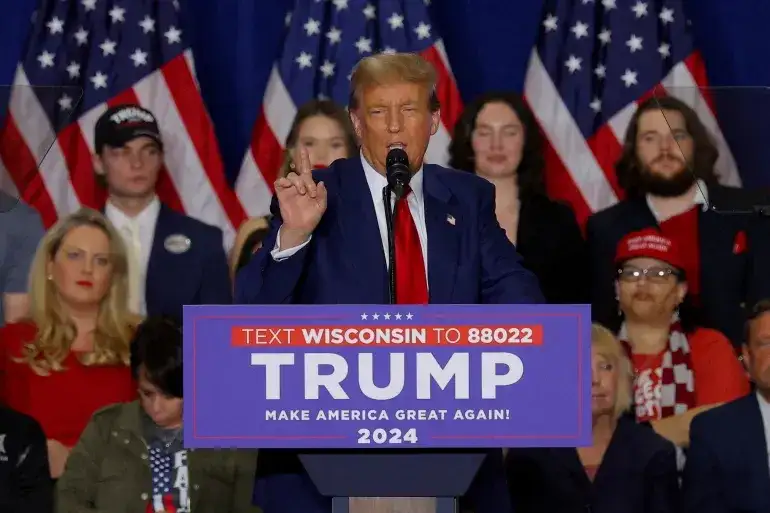
I. In February 2024, Trump’s campaign team announced it would accept cryptocurrency donations, allowing supporters to contribute any digital asset via Coinbase Commerce. A crypto aide on Trump’s team revealed that Trump had asked whether Bitcoin could be used to address the U.S. national debt.
J. On September 16, Trump and his son announced the launch of a new crypto platform, World Liberty Financial, aiming to become a decentralized finance (DeFi) platform offering lending, borrowing, and digital asset storage services.
As the U.S. election approaches in early November, it’s clear that Trump’s evolving stance—from skepticism and opposition to acceptance and advocacy—stems from his growing recognition of cryptocurrencies’ importance in politics, economics, and technology. He has incorporated pro-crypto policies into his political strategy, proposing multiple measures to support the industry’s development.
Trump’s pro-crypto position has indeed attracted support from certain Republican voters and members of the crypto community. His campaign has received substantial funding from the crypto sector, suggesting he could further advance the industry if re-elected.
Trump’s engagement with crypto has also influenced market dynamics. In May 2024, after Trump commented on digital assets, the Trump-themed memecoin MAGA (TRUMP) surged 78% on May 9. Additionally, during his speech at the Bitcoin conference, the crypto market experienced sharp volatility: Bitcoin initially dropped $1,200, falling below $67,000, but quickly rebounded after the speech ended, surpassing $69,000 and nearing the year’s high of $70,000 reached in March.
02 Summary
In summary, to gain broader support from crypto voters, Trump has repeatedly emphasized that if re-elected, he will adopt more lenient crypto policies. He supports establishing a clear regulatory framework, forming a Bitcoin and crypto advisory committee to create transparent guidelines, and opposes the development of a central bank digital currency (CBDC). Specific proposals include firing the current SEC chair to end what he sees as the “persecution” of the crypto industry and creating a national Bitcoin reserve to strengthen U.S. leadership in global digital finance.
Of course, there’s no such thing as unconditional support. Trump’s transformation from “crypto critic” to “crypto advocate”—from calling Bitcoin a scam to viewing it as technological innovation—is primarily driven by the goal of securing financial backing and political support from influential figures in the crypto space.
David Bailey, CEO of Bitcoin Magazine and organizer of the 2024 Bitcoin Conference, pledged to raise $100 million in donations for Trump and mobilize over 5 million voters in his support. While this may reflect strategic business negotiations, the sheer scale of the Bitcoin conference underscores the growing political clout of the crypto community—particularly among young people and communities of color, who are core supporters of crypto and also key voter demographics Trump needs to win over, traditionally strongholds of the Democratic Party.
Thus, whether in fundraising or voter outreach, Trump’s clear pro-crypto stance is a strategic move to gain advantage, weaken opponents, and attract crypto voters. This, in turn, pressures his rivals to respond with friendlier policies. Noted investor and crypto advocate Mark Cuban revealed that Harris’s advisory team has consulted him on crypto issues. On September 22, Harris publicly expressed support for increased investment in artificial intelligence and the crypto industry.
In short, regardless of who wins the election, the growing influence of crypto voters in U.S. politics is undeniable. This trend will likely accelerate the industry’s path toward regulatory compliance,推动 more favorable crypto policies—even as concerns around national security and financial stability remain—ushering in a new era of balanced innovation and oversight.
Join TechFlow official community to stay tuned
Telegram:https://t.me/TechFlowDaily
X (Twitter):https://x.com/TechFlowPost
X (Twitter) EN:https://x.com/BlockFlow_News
 白话区块链
白话区块链