Asymmetric Trading Head: Don't be swayed by FUD during market volatility; the economy is gradually recovering
TechFlow Selected TechFlow Selected
Asymmetric Trading Head: Don't be swayed by FUD during market volatility; the economy is gradually recovering
Analyze the latest market volatility and its underlying driving factors.
 Navigating Web3 tides with focused insights
Compiled & Translated: TechFlow

Guest: Chris Cecere, General Partner and Head of Global Macro & Trading at Asymmetric
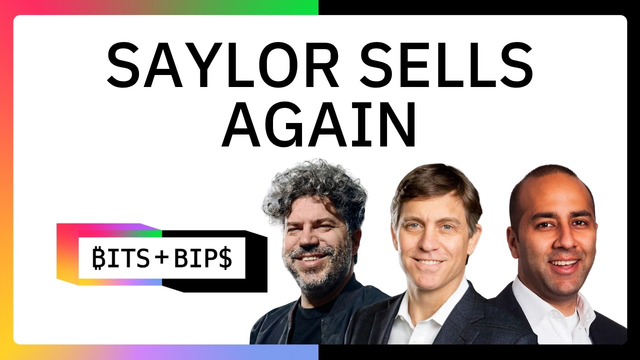
Hosts: James Seyffart, Research Analyst at Bloomberg Intelligence; Alex Kruger, Founder of Asgard; Joe McCann, Founder, CEO & CIO of Asymmetric
Podcast Source: Unchained
Original Title: Market Chaos, Fed Missteps & Harris' ‘Crypto Reset’ - Bits + Bips
Release Date: August 14, 2024
Key Takeaways
In this episode, hosts James Seyffart, Alex Kruger, and Joe McCann are joined by Chris Cecere from crypto investment firm Asymmetric. Chris previously worked at several prominent traditional financial institutions, including Brevin Howard, Citibank, and Lehman Brothers. He emphasized his deep experience in macroeconomics and trading—expertise he believes is especially valuable amid the current market environment.
Asymmetric is a crypto-focused investment firm founded by former Microsoft executive Joe McCann.
The group analyzes recent market volatility and its underlying drivers. From the impact of yen carry trades and controversial Federal Reserve rate decisions to potential signals from Jackson Hole, the discussion dives into core factors shaping market movements. The panel also explores the SEC’s actions against Ripple, the ongoing drama around wrapped Bitcoin (WBTC) custody, and whether the Biden-Harris administration is genuinely considering a "crypto reset" or merely making political gestures.
Was the Yen Carry Trade the Main Cause of the Recent Market Sell-Off? Understanding Value at Risk (VAR)
Definition and Impact of the Yen Carry Trade
-
Chris explains the basic concept of the yen carry trade. He notes that due to Japan's extremely low interest rates compared to relatively high U.S. rates, this interest rate differential creates an arbitrage opportunity. Investors can profit by holding long positions in USD/JPY futures, capturing the interest rate spread.
-
However, Chris adds that while many investors engage in this trade, it is not the sole factor behind market turmoil.
-
A weaker yen benefits certain exporters (like Nike), but when the trend reverses, unwinding these carry trades triggers cross-market volatility. Chris argues that the unwind of yen carry trades was merely a trigger—not the fundamental cause—of broader market chaos.
Understanding Value at Risk (VAR)
-
Chris explains that Value at Risk (VAR) is a risk management tool that estimates potential losses by backtesting historical market data. When volatility spikes, institutions are forced to reduce exposure because higher volatility implies greater risk.
-
Joe adds that many market participants are simultaneously compelled to de-risk, leading to broad market declines.
Market Dynamics and Trader Experiences
-
Alex believes the unwind of yen carry trades did occur and was a significant contributor to the market collapse. He likens the situation to a wildfire—where a series of triggering events caused rapid market breakdown.
-
James points to weak economic data, Genesis unlocking funds, and Jump Trading’s liquidations as additional factors exacerbating market turbulence.
How Asymmetric Uses Delta-Neutral Strategies to Navigate Sell-Off Volatility
Market Volatility and Trading Strategies
-
Joe shares insights from his and Chris's trading experiences at Asymmetric, particularly during periods of extreme volatility. While they welcome volatility, he notes that order book liquidity has become extremely thin, complicating execution. For instance, over a weekend, spot Bitcoin order book depth dropped from $150 million to $53 million—a significant decline.
-
To manage this, they employ a strategy known as “delta substitution.” Joe explains they sell some spot holdings and replace them with options to reduce downside risk and optimize portfolio positioning.
-
Chris elaborates on how this works, emphasizing that in high-volatility environments, using options allows traders to benefit more fully when prices rebound.
Navigating Market Uncertainty
-
Chris stresses that the worst move during such conditions is panic selling. Having weathered multiple market cycles, they understand market dynamics well enough to stay calm. They avoid selling at lows to prevent having to buy back in at higher prices later.
-
Alex shares his own cautious approach during the crash, noting that despite possibly appearing aggressive on social media, he rebalanced his portfolio during Ethereum’s sharp drop—increasing ETH exposure and exiting at favorable moments.
Potential for Market Recovery
-
Joe and Chris note that historically, markets have often rebounded sharply after intense drawdowns. They believe that despite severe volatility, investors who time the recovery correctly can still achieve strong returns.
-
Chris observes that while short-term volatility may persist, prices typically revert to more sustainable levels over the long term.
Why Did the Volatility Index (VIX) Spike—and Could It Happen Again?
Shifts in Market Sentiment
-
Joe describes extremely bearish sentiment recently, especially late Sunday night (Monday morning Asia time). Many reached out via social media asking if the bottom had been reached, reflecting widespread fear. He notes that such extreme panic often coincides with near-term market bottoms.
Reasons Behind the VIX Surge
-
Joe observed the VIX reaching 66 on Monday, partly due to large short positions in VIX call options that suffered heavy losses during the market bounce. Thin pre-market liquidity further amplified the spike.
Performance of Risk Assets
-
Despite the VIX surge, the S&P 500 remained nearly flat—an unusual divergence. Joe cites reports from Deutsche Bank and Goldman Sachs showing a dramatic shift in investor positioning, with manager allocation indices falling from 72 to 31. Such shifts typically take months to reverse.
Outlook Going Forward
-
Joe acknowledges ongoing geopolitical tensions (e.g., Middle East) could affect oil prices and inflation. However, he believes this “cleansing” of sentiment may ultimately clear the path for risk assets. Despite uncertainty, he sees potential for higher prices ahead.
Impact of Middle East Tensions
-
Chris notes that anxiety over Middle East developments has manifested in rising oil prices and VIX fluctuations. While history shows such events often have limited long-term impact, they can create significant short-term volatility—requiring careful navigation.
Why Did Unemployment Data Trigger Panic?
Roots of the Panic
-
Alex attributes the panic over unemployment data to fears of an impending recession. The rise in jobless rate to 4.3% was widely interpreted as a sign of economic deterioration, even though much of the increase stemmed from temporary layoffs rather than permanent job cuts. Thus, the market reaction was driven more by fear than rational analysis.
-
He adds that following the data release, there was a broad expectation that the Fed might adopt more aggressive rate cuts. This fear quickly spread, fueling investor sell-offs.
Explanation of the Sahm Rule
-
Chris references the Sahm Rule—a recession indicator based on a rolling average of the unemployment rate. When this average exceeds a certain threshold, it signals a likely recession. Unlike most lagging indicators, the Sahm Rule is designed to provide timely warnings.
-
He notes the rule triggered alarm among investors and institutions, raising concerns about the economic outlook and increasing pressure on the Fed to respond with bolder monetary policy.
Why Jump Trading Suddenly Liquidated During the Market Sell-Off—and Will Other Funds Face Similar Pressure?
-
James suggests Jump Trading’s sudden liquidation during the market selloff may have stemmed from a need to free up capital amid volatility. Their asset sales—particularly in illiquid markets—likely contributed to Ethereum’s sharp price drop.
-
Joe believes the liquidation was tied to Jump Trading’s traditional finance (TradFi) operations, not necessarily bearish views on crypto. The weekend unwind may have reflected demands in their traditional markets, rather than regulatory pressure (e.g., from the CFTC).
-
Alex adds that such liquidations may be a natural response to heightened uncertainty, aimed at freeing up locked capital. He emphasizes this wasn’t a deliberate attempt to destabilize markets.
Will Other Funds Face Similar Pressure?
-
Chris says the current market environment could indeed push other liquidity-sensitive funds to make similar moves. Market instability and poor liquidity may force rapid portfolio adjustments to mitigate risks.
-
Overall, Jump Trading’s actions reflect the liquidity strains and capital needs funds may face during volatile periods. As conditions evolve, others may be compelled to take similar steps to protect their portfolios.
Why Do Markets and Major Banks Like J.P. Morgan Believe the Fed’s July Decision Not to Cut Rates Was a Mistake?
-
James notes the broad consensus that the Fed’s decision not to cut rates in July was a misstep. During market stress, investors rush to sell assets for cash, and crypto’s weekend liquidity gaps made this dynamic more pronounced. Market reactions and risk asset performance suggest investor disappointment with Fed policy.
-
Joe analyzes the reasons behind the Fed’s hold, highlighting how high rates affect different sectors unequally. While large institutions and wealthy individuals benefit from higher yields, small businesses and low-income groups face steeper borrowing costs—creating long-term imbalances. The Fed’s failure to grasp this distributional impact led to delayed action.
-
Chris introduces the concept of BI model distribution, arguing that in today’s high-rate environment, vulnerable segments suffer while stronger players gain. Fed policy, he contends, has exacerbated inequality rather than balancing interests.
Views from Major Banks
-
Joe mentions that J.P. Morgan recently called for a 50-basis-point rate cut—a view widely supported by markets. He sees this as reflecting broad dissatisfaction with Fed policy, especially given current economic indicators pointing to the need for easing.
-
Alex supports the case for rate cuts, warning that inaction could deepen market instability. He argues a 50-bps cut would signal confidence, whereas a 25-bps move might seem insufficient to address economic challenges.
Key Signals the Fed Might Send About Future Rates and the End of Quantitative Tightening
-
Chris highlights the Jackson Hole symposium as a key platform for major Fed policy announcements, particularly regarding QE and QT adjustments. After the post-COVID cycle, the Fed may proceed cautiously before reversing prior tightening measures.
Potential Signals
-
Rate Guidance: The Fed may signal readiness to begin adjusting rates, stressing it will be an ongoing process, not a one-off. Officials suggest they won’t stop hiking until real interest rates normalize (around +1%). Given current levels, this implies rates could rise toward 4%.
-
End of Quantitative Tightening: QT may be nearing its end, as the Fed has already drained sufficient excess reserves from the system. With changing market conditions, speakers expect the Fed to announce a gradual halt to QT during the meeting.
-
Market Expectations: Futures markets currently price in nine rate cuts by January 2026, bringing rates down to ~3%. These cuts could materialize earlier—possibly reaching a 3.5% rate by mid-2025.
Forward Outlook
-
James emphasizes that market expectations for future rates are critical. While futures aren’t always accurate, they offer useful directional signals. There’s a growing belief that once the Fed starts cutting, it won’t stop—and cuts may come faster than expected.
-
Chris adds that if core inflation reaches 2% by year-end, the pace of hikes could accelerate. He believes market expectations for the hiking cycle may shift, particularly once the Fed begins acting.
The Timing of the First Rate Cut—And Why It Matters for Bullish vs. Bearish Market Views
Market Reaction to Rate Cut Signals
-
Alex notes that market reactions to the first rate cut depend heavily on context. If cuts happen during a recession, they’re often seen as bearish—triggering sell-offs. But if enacted outside a downturn, they’re viewed as bullish. He calls this a key debate, noting upcoming employment data (expected September 6) will significantly influence market direction.
Economic Data and Market Forecasts
-
Joe stresses that the yield curve has been inverted for an extended period—historically a reliable recession precursor. Although current data doesn’t confirm a U.S. recession, he agrees that whether a rate-cutting cycle is bullish or bearish depends on the broader economic backdrop. He warns that elevated real rates could weigh heavily on growth.
Global Liquidity and Rate Cuts
-
Joe also notes that global liquidity is rebounding, and Fed rate cuts could further boost capital inflows into risk assets. If the Fed follows other central banks (like the Bank of Canada and ECB) in easing, overall market sentiment could turn bullish.
Uniqueness of the Current Cycle
-
Chris argues the current economic cycle differs from past ones due to lingering effects from the pandemic. The economy isn't simply overheating or cooling—it's in a gradual recovery phase. While rate changes remain important, he believes organic recovery may reduce the urgency for aggressive easing.
Views on Future Rate Cuts
-
Alex warns that if upcoming jobs data undershoots expectations, recession fears could reignite, sparking panic selling. He notes sentiment could shift rapidly, influencing investor behavior.
Ripple Litigation and SEC Subpoenas to Venture Capital Firms—Implications for Crypto
Outcome of the Ripple Case
-
James highlights the Ripple lawsuit outcome as a major win for the crypto industry. Though the SEC sought $2 billion in penalties, it secured only $125 million—indicating Ripple’s strong position. He sees this as positive for the sector, suggesting flaws in the SEC’s enforcement strategy.
Criticism of the SEC
-
Joe notes the SEC often demands massive fines, then settles for a fraction—in this case, just 6.25% of its original claim. He argues this enforcement-heavy approach harms innovation and investor confidence across industries. While the Ripple result is encouraging, regulatory pressure remains intense.
Subpoenas to Venture Capital Firms
-
Joe adds that the SEC recently issued subpoenas to several VC firms, drawing significant market attention. While some interpret this as a death knell for crypto, he points out the SEC has long targeted crypto participants with subpoenas—many without meaningful follow-through.
Current Government Stance
-
Joe suggests the current administration is systematically undermining the U.S. crypto industry. Despite rhetoric supporting innovation, regulatory actions and subpoenas restrict growth. This contradictory stance increases uncertainty for crypto firms and investors.
Connection to Uniswap
-
Joe notes the subpoenas may relate to Uniswap, implying the SEC could be investigating whether VC investments in Uniswap and its token constitute unregistered securities. Such probes could heighten industry anxiety, especially in the current political climate.
Will Harris Actually Pursue a 'Crypto Reset'?
Industry Leaders’ Conference Call
-
Joe references a recent call with industry leaders that sparked speculation about Kamala Harris’s team pursuing a crypto reset. Attendees included Coinbase’s chief legal officer and Democratic-aligned investors. However, the Deputy Treasury Secretary’s response suggested unawareness of industry struggles—despite claiming no policies restrict bank access, nearly all participants reported difficulties opening accounts.
Impact of SEC Litigation
-
Joe emphasizes that the Ripple case outcome—especially the minimal settlement—makes it hard to believe Harris’s team will drive meaningful reform. He sees the current regulatory landscape as still fraught, with little substantive change.
Political Outlook
-
James takes a cautiously optimistic view of Harris’s potential victory, arguing that even in the worst case, conditions may not worsen from today. He believes Democrats could bring neutral or slightly positive shifts in regulation. Still, outcomes remain uncertain.
Polymarket’s Track Record
-
James notes Polymarket’s poor performance in predicting election outcomes, particularly regarding Biden and Harris’s candidacy. Once seen as a reliable forecasting tool, its accuracy has come into question in recent cases.
Elizabeth Warren’s Involvement
-
James mentions Elizabeth Warren and other Democratic lawmakers jointly urging the CFTC to scrutinize election-related prediction markets. This move is seen as another blow to crypto, reflecting continued regulatory scrutiny of decentralized platforms.
The Drama Around Wrapped Bitcoin (WBTC) Custody
Background on WBTC and BitGo
-
Joe outlines the basics of WBTC (Wrapped Bitcoin), a tokenized version of Bitcoin custodied by BitGo. As a multi-signature custodian, BitGo recently announced a partnership with Justin Sun and plans to move WBTC custody operations to Singapore and other Southeast Asian regions.
MakerDAO’s Proposal
-
Against this backdrop, MakerDAO governance participants (holders of the Maker token) proposed draining WBTC reserves “to zero,” citing concerns over the Justin Sun collaboration. Joe warns this proposal could significantly impact WBTC’s market standing.
BitGo’s Response
-
Mike Belshe, CEO of BitGo, responded, calling the proposal “irrelevant” and stating that a deeper look reveals the situation isn’t as dire as portrayed. He emphasizes WBTC represents a substantial portion of Bitcoin and serves as a key moat for BitGo’s business.
Potential Market Impact
-
Joe notes that if MakerDAO’s proposal passes, it could negatively affect Bitcoin’s price. He stresses that although the market has seemingly moved past crises like Mt. Gox, Genesis, and FTX, new challenges continue to emerge in the crypto space.
Join TechFlow official community to stay tuned
Telegram:https://t.me/TechFlowDaily
X (Twitter):https://x.com/TechFlowPost
X (Twitter) EN:https://x.com/BlockFlow_News
 深潮TechFlow