Vance, the BTCer: From Humble Beginnings to Trump's Running Mate, This "Post-80s" Figure Is No Ordinary One
TechFlow Selected TechFlow Selected
Vance, the BTCer: From Humble Beginnings to Trump's Running Mate, This "Post-80s" Figure Is No Ordinary One
The mutual embrace between Vance and Trump.
 Navigating Web3 tides with focused insights
Author: Huo Huo
On July 13, Trump raised his fist and shouted "Fight" after the assassination attempt, becoming a globally viral "chosen one." Shortly afterward, at the Republican National Convention, Trump announced he would nominate crypto-friendly innovator J.D. Vance as his vice-presidential running mate for the 2024 presidential election—sparking widespread controversy. This move holds strong appeal for cryptocurrency-owning voters, a group that constitutes a significant portion of the electorate. A new poll released by Grayscale at the end of May found that approximately 47% of U.S. voters expect to include cryptocurrencies in their investment portfolios.
So, what is Vance’s connection to crypto? And why did Trump choose someone only 40 years old?
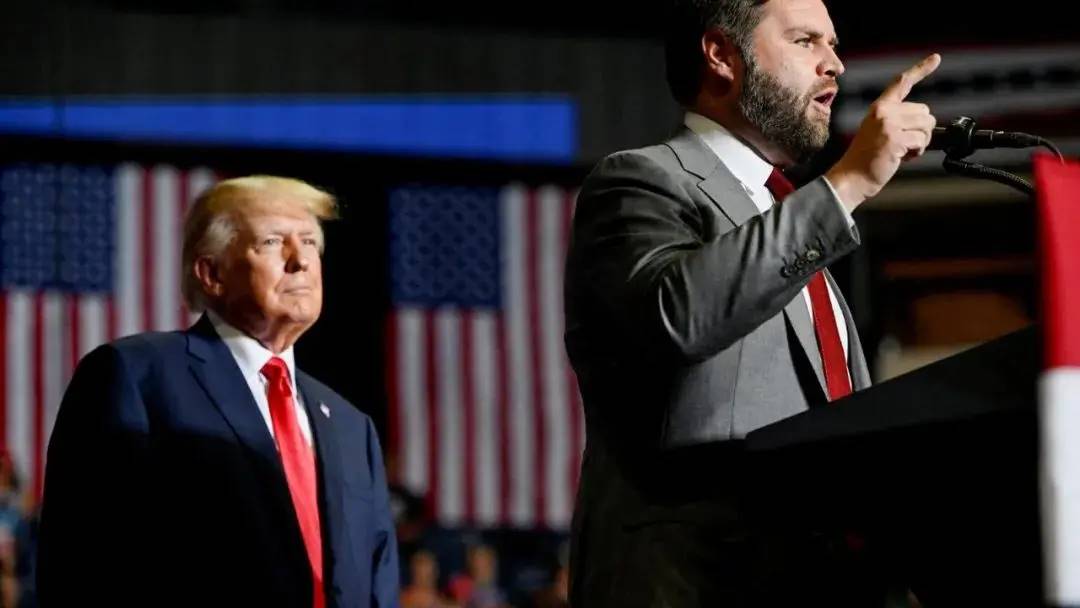
Vance — A Crypto-Friendly Candidate
According to reports from The Washington Post, a study published in April by Pew Research Center concluded that 17% of American adults have purchased cryptocurrency, with most—approximately 40 million people—still holding digital assets. This represents a massive demographic that will significantly influence voter behavior in 2024. It also explains why both Trump and Biden have recently introduced crypto-friendly policies.
Crypto investors believe that compared to the Biden administration's cautious scrutiny and regulatory proposals toward the industry, Vance’s potential election as Vice President would be highly meaningful for advancing cryptocurrency adoption. Thus, Trump’s campaign betting on Vance could win millions of crypto-investor votes.
So, what are Vance’s ties to crypto?
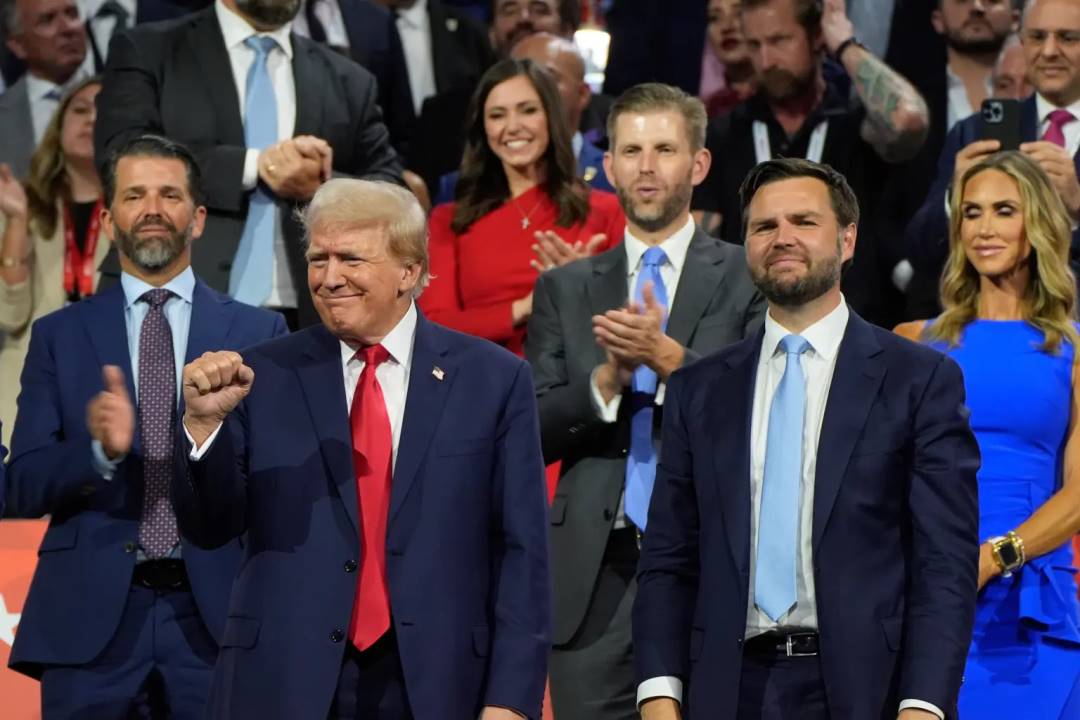
1) Crypto Stance
Vance has consistently supported the crypto industry and criticized the U.S. Securities and Exchange Commission (SEC) for its regulatory approach.
In March 2024, at RemedyFest—a conference hosted by startup accelerator Y Combinator—Vance, then a Republican senator, said: "For me, the fundamental question is how we build a competitive market that fosters innovation and competition, giving consumers real choices, rather than obsessing over pricing power while ignoring other truly important things."
Meanwhile, Vance believes big tech companies need to be reined in,warns against excessive blockchain regulation, and argues that using blockchain for identity verification can effectively challenge social media giants like Meta. He referenced the birth of U.S. antitrust laws in the late 19th and early 20th centuries, noting many arguments made then still apply today. "If we can’t achieve identity verification, it’s hard to challenge these dominant players," he said at RemedyFest. "People are realizing concentrated private power can be just as dangerous as concentrated public power."
Just days before attending RemedyFest, Vance posted on X saying, "It’s time to break up Google," claiming Google News has increasingly cited left-leaning sources in recent years and stating, “Google and Facebook really do interfere with our political process.”
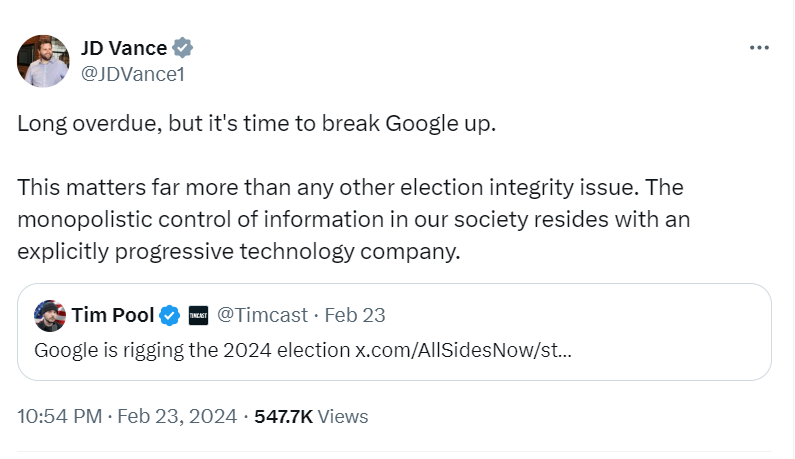
Translation: Though long overdue, the time to break up Google has come. This matters more than any other election integrity issue. Control over information monopolies in our society rests in the hands of a tech company with clear political bias.
At RemedyFest, Vance opposed SEC Chair Gary Gensler’s stance on crypto, arguing current regulation does the opposite of what it should:
“When regulating crypto, the SEC seems to ask: ‘Is this a utility token?’ If it is, they want to ban it. If it’s not a utility token, they don’t seem to care.” Vance believes utility tokens can be regulated—but not banned.
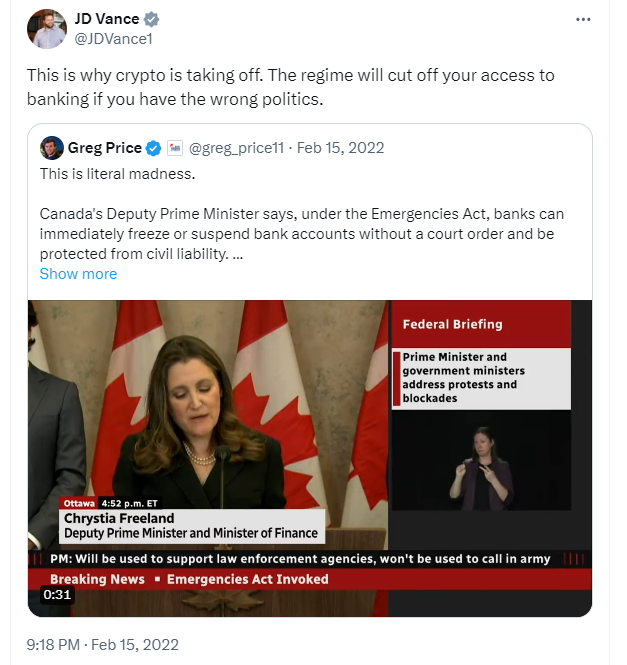
When Canada froze bank accounts of those protesting Covid-19 restrictions in 2022, Vance tweeted: “This is why crypto is rising. If your politics are wrong, the regime cuts off your access to banking services.”
During a 2022 televised debate, Vance claimed “the 2020 election was stolen from Trump,” which led to Trump being banned from platforms like X and Facebook.
Vance has also openly advocated for lighter crypto regulation—positions fully aligned with Trump’s current views.
2) Crypto Holdings
Undoubtedly, Vance’s past pro-crypto statements help boost Trump’s credibility in the crypto space.
There’s a saying in Silicon Valley venture circles: “To deeply understand someone, analyze their investment portfolio.” In 2021, Vance’s estimated net worth was $5 million, including assets and income. Then, according to his latest financial disclosures in 2022, he held between $100,000 and $250,000 worth of Bitcoin on Coinbase and invested about $15,000 on DEX Ethex. Vance may well be the first U.S. presidential candidate who owns Bitcoin.
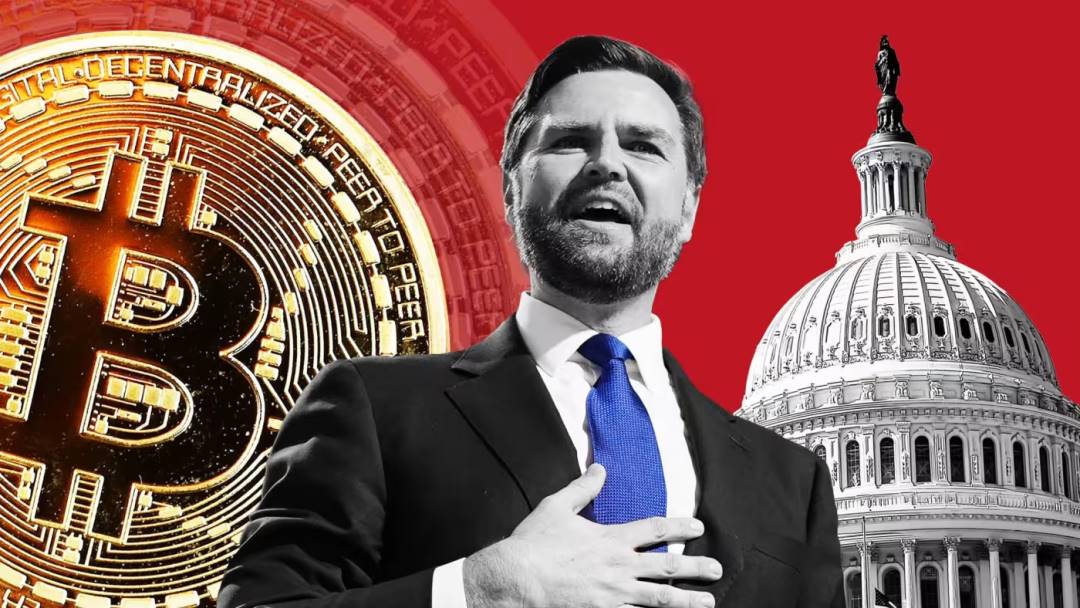
Coupled with Trump’s own successful NFT art collection, venture capitalist Shervin Pishevar commented in a post: “President Trump and Vice President Vance will form the first crypto government.”
Beyond this, what else makes Vance so appealing to Trump?
The Mutual Embrace Between Vance and Trump
Born on August 2, 1984, in Ohio, Vance grew up in poverty, served in the U.S. Marine Corps, and began his career as a writer and venture capitalist before being elected as a Republican U.S. Senator in 2022.
Two factors initially brought Vance into the spotlight:
First, he wrote a bestseller. In 2016, he gained fame with his memoir Hillbilly Elegy, detailing his upbringing in a poor family: divorced parents, a mother struggling with painkillers and drugs, multiple remarriages, and being raised primarily by his grandparents.
The book not only exposed the struggles of impoverished rural white Americans but offered a sociological examination of the white working class. After publication, it became a bestseller, remained on The New York Times list for weeks, received wide acclaim, and attracted broad public attention. In 2020, it was adapted into a Netflix film of the same name, further expanding his influence.

Second, he ran for Senate. His early career focused on early-stage tech investing in Silicon Valley, where he worked under venture capitalist Peter Thiel. Thiel played a key role in helping Trump win in 2016 and later backed Vance’s successful 2022 Senate campaign; (Peter Thiel, billionaire entrepreneur, investor, and political activist, co-founder of PayPal and Facebook’s first outside investor, ranked No. 212 on the Bloomberg Billionaires Index as of July 2024, contributed over $10 million during Vance’s 2022 Senate race.)
Interestingly, in 2016—the same year Trump launched his presidential campaign without prior political experience—Vance was a fierce critic of Trump, calling him “cultural heroin” and “America’s Hitler,” accusing him of leading the white working class “into very dark places,” and declaring he would “never support Trump.”
He even wrote a column in The New York Times calling the former president “unfit for the highest office in our land.” On a now-deleted post on X, he said Trump “should be condemned” because “his policies on immigration and Muslims scare the people I care about…”
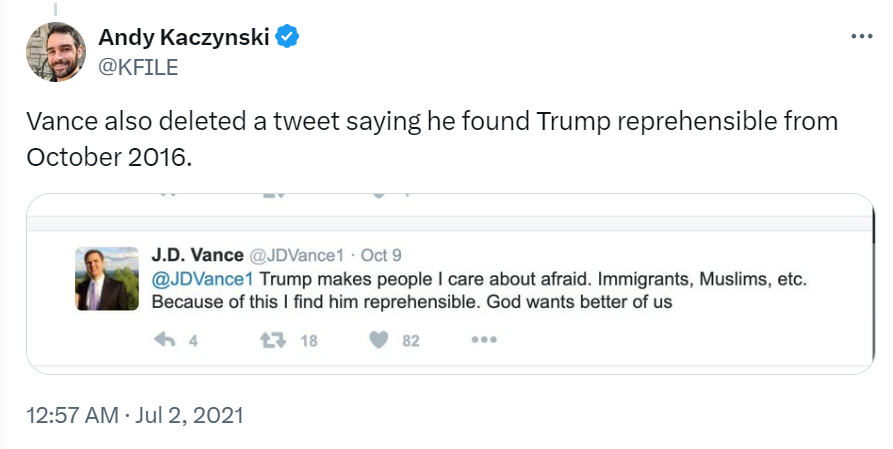
However, over time, as Vance sought entry into politics, he gradually shifted his positions. He realized that the audience drawn to his book—the voters who felt ignored and abandoned—were precisely Trump’s core supporters.
Trump’s political rise was largely built on criticism of globalization, immigration policy, and political elites—views widely popular across the Midwest and South. Ohio, Vance’s home state, is a crucial swing state in the Southwest. Vance recognized that supporting Trump could amplify his political influence and support. The state has a large working-class electorate, especially white workers in Midwestern and rural areas. His personal background allowed him to resonate deeply with these voters, particularly on issues like globalization, manufacturing decline, and economic insecurity—challenges vividly described in Hillbilly Elegy.
To become a politician, Vance understood that as an Ohio native, winning local voter support was essential to gaining prominence on the national stage.
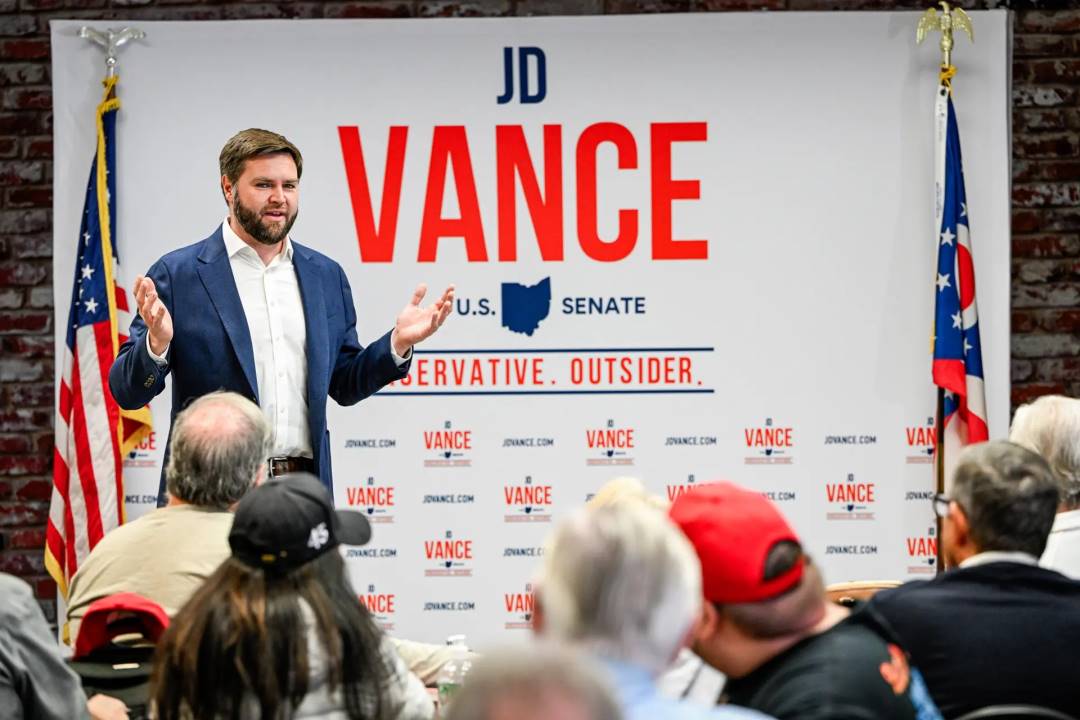
October 19, 2022, Butler County Republican Headquarters in Middletown, Ohio – U.S. Senate Republican candidate J.D. Vance speaks to supporters in his hometown. Photo source: Gaelen Morse
In 2017, Vance began publicly expressing agreement with some of Trump’s policies, particularly on economic and immigration issues, stating Trump took pragmatic steps to address concerns of working-class voters.
In 2021, Vance announced his run for Ohio Senate and explicitly declared himself a Trump supporter, actively seeking Trump’s endorsement during the campaign. To appeal to Trump’s base, his campaign ads and materials frequently referenced Trump, positioning himself as an heir and defender of Trump’s policies. He said seeing how the former president approached governance convinced him that supporting Trump was the best way to represent voters who felt overlooked by Washington—and he retracted his 2016 criticisms.
In 2022, Vance won a crowded Republican Senate primary with Trump’s backing. He thanked Trump for his support, pledging to advance Trump’s agenda and serve as a reliable pro-Trump voice in Congress.
Building ties with Trump supporters was likely a key reason Vance won Ohio’s Senate seat in 2022. Not only did this help him gain broader support within Ohio, but it also amplified his influence nationally. This strategic alliance was crucial to his political career in Ohio and demonstrated his keen understanding of voter needs and adaptability.
Meanwhile, after taking office in January 2023, Vance actively defended the former president amid criminal and civil charges, regularly spoke with Trump by phone, and developed a close relationship with Trump’s eldest son, Donald Trump Jr.
In June, Vance organized a fundraising event for Trump in San Francisco, hosted by tech investors David Sacks and Chamath Palihapitiya of the All-In podcast.
Additionally, Pennsylvania, Wisconsin, and Michigan—states AP identified as “swing states”—led Trump to say in interviews that Vance could help him win Midwestern swing states like Michigan and perform well in vice-presidential debates to attract viewers.
Looking back at Vance’s shift in attitude toward Trump, the reversal feels familiar—much like Trump, who once criticized Bitcoin but later embraced it and even launched his own exclusive NFTs. Vance has followed a similar path.
Summary
On August 2 this year, Vance will turn 40. He is one of the youngest vice-presidential candidates in history and the first millennial to run for major party leadership. His life story reflects a dramatic transformation—from poverty and instability:
From a disadvantaged youth to a Yale Law graduate, marrying Usha Chilukuri Vance—his classmate—in 2014, with whom he has three children. He is now undeniably a success story. Usha, of Indian descent and also a lawyer, helps the Trump campaign appeal to minority voters;
Then transitioning from lawyer to venture capitalist and bestselling author, expanding his influence into politics, evolving from a vocal Trump critic into one of his staunchest defenders, and now becoming his future running mate.
Vance’s personal journey exemplifies the American Dream, inspiring many with similar backgrounds.
In a TED Talk, Vance said the American Dream isn’t easy. Coming from poverty, he understands the harshness of today’s survival game. The decentralized nature of crypto, he believes, offers the best challenge to current monopolistic giants. No matter how Vance influences Trump’s second term, it’s undeniable that he may continue to impact the crypto industry in various ways going forward.
It’s worth noting, however, that like Trump, Vance takes a hardline stance against China and has expressed strong criticism on various issues.
Join TechFlow official community to stay tuned
Telegram:https://t.me/TechFlowDaily
X (Twitter):https://x.com/TechFlowPost
X (Twitter) EN:https://x.com/BlockFlow_News
 白话区块链
白话区块链