








Hope Remains to Overturn SAB 121? Biden's Crypto Stance May Continue Loosening Under Pressure
TechFlow Selected TechFlow Selected
Hope Remains to Overturn SAB 121? Biden's Crypto Stance May Continue Loosening Under Pressure
The U.S. House of Representatives failed to override Biden's veto of SAB 121.
 Navigating Web3 tides with focused insights
By Weilin, PANews
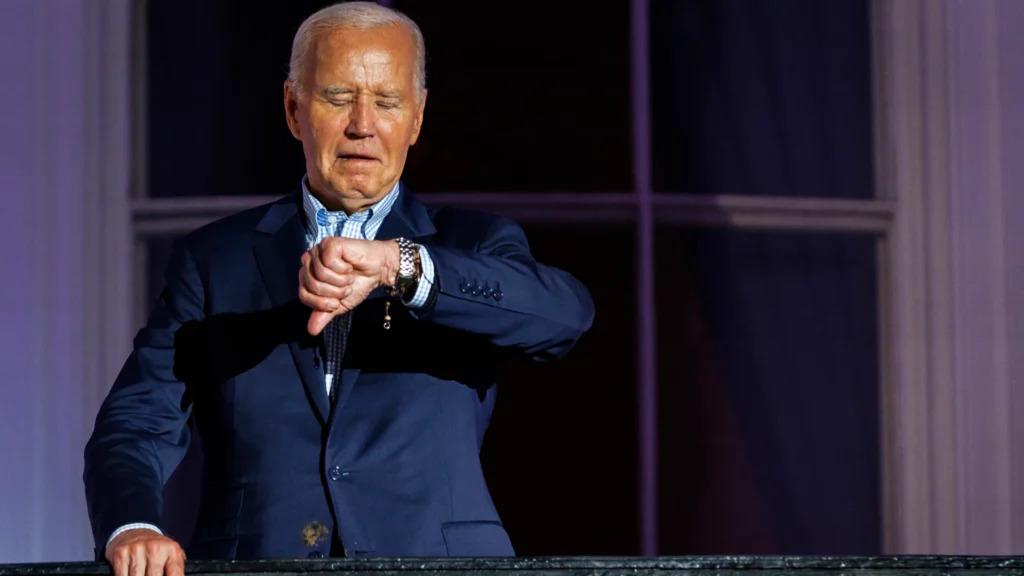
On July 12, U.S. House lawmakers voted on a resolution related to the cryptocurrency accounting guidance SAB 121, but failed to override President Biden’s prior veto of SAB 121.
However, crypto-friendly legislators may continue efforts to break free from SAB 121's constraints through new bipartisan legislation—the Uniform Treatment for Custodial Assets Act—or by using appropriations restrictions via the House Appropriations Committee to limit SAB 121’s implementation. Meanwhile, an SEC source revealed that certain business practices proposed by companies and financial institutions have already been approved by SEC staff, allowing them to operate without being bound by the controversial SAB 121.
Additionally, a senior advisor to President Biden recently attended a high-profile cryptocurrency roundtable, sending more positive signals.
U.S. House Fails to Override Biden’s Veto of SAB 121
On July 12, members of the U.S. House of Representatives voted 228 to 184 on a resolution concerning the SEC’s Staff Accounting Bulletin No. 121 (SAB 121). Since the vote fell short of the two-thirds majority (290 votes) required to override a presidential veto, the SEC’s audit guidance will remain in effect.
Over the past year, SAB 121 has required custodians of digital assets to treat those assets as liabilities and report them at fair value on balance sheets. The crypto industry has widely expressed concern that this could deter banks from holding digital assets, effectively excluding traditional banking institutions from the crypto market.
In February, Republican Representative Mike Flood of Nebraska and Democratic Representative Wiley Nickel of North Carolina introduced a resolution to overturn the bulletin. In May, the House passed the resolution by a vote of 228 to 182, with support coming primarily from Republicans and 21 Democrats. A week later, the Senate followed suit, approving the resolution 60 to 38, including several Democrats such as Senate Majority Leader Chuck Schumer.
Nonetheless, President Biden subsequently vetoed the resolution.
The White House stated in a policy declaration in May: “The Administration strongly opposes H.J. Res. 109, which would disrupt the SEC’s work to protect investors in the crypto asset markets and safeguard the broader financial system.” The SEC maintains that SAB 121 is a “non-binding staff guidance” aimed at enhancing investor disclosures.
Although the House vote failed to override Biden’s veto, crypto-supportive lawmakers have not abandoned their efforts and are now pursuing Plan B. Republican Representative Mike Flood indicated he hopes to advance a “regular legislative bill” that would overturn the SEC’s guidance, potentially attaching it to must-pass legislation to reduce pressure on Democrats to openly oppose the President.
According to a Democratic aide familiar with House leadership thinking, there was never an expectation that many Democrats would switch their votes by July 10.
Instead, they believe passing HR 5741—the Uniform Treatment for Custodial Assets Act—offers a better path forward. This bipartisan bill, championed by Rep. Mike Flood and co-sponsored by French Hill, Wiley Nickel, and Ritchie Torres, aims to provide a legislative solution to overturn SAB 121.
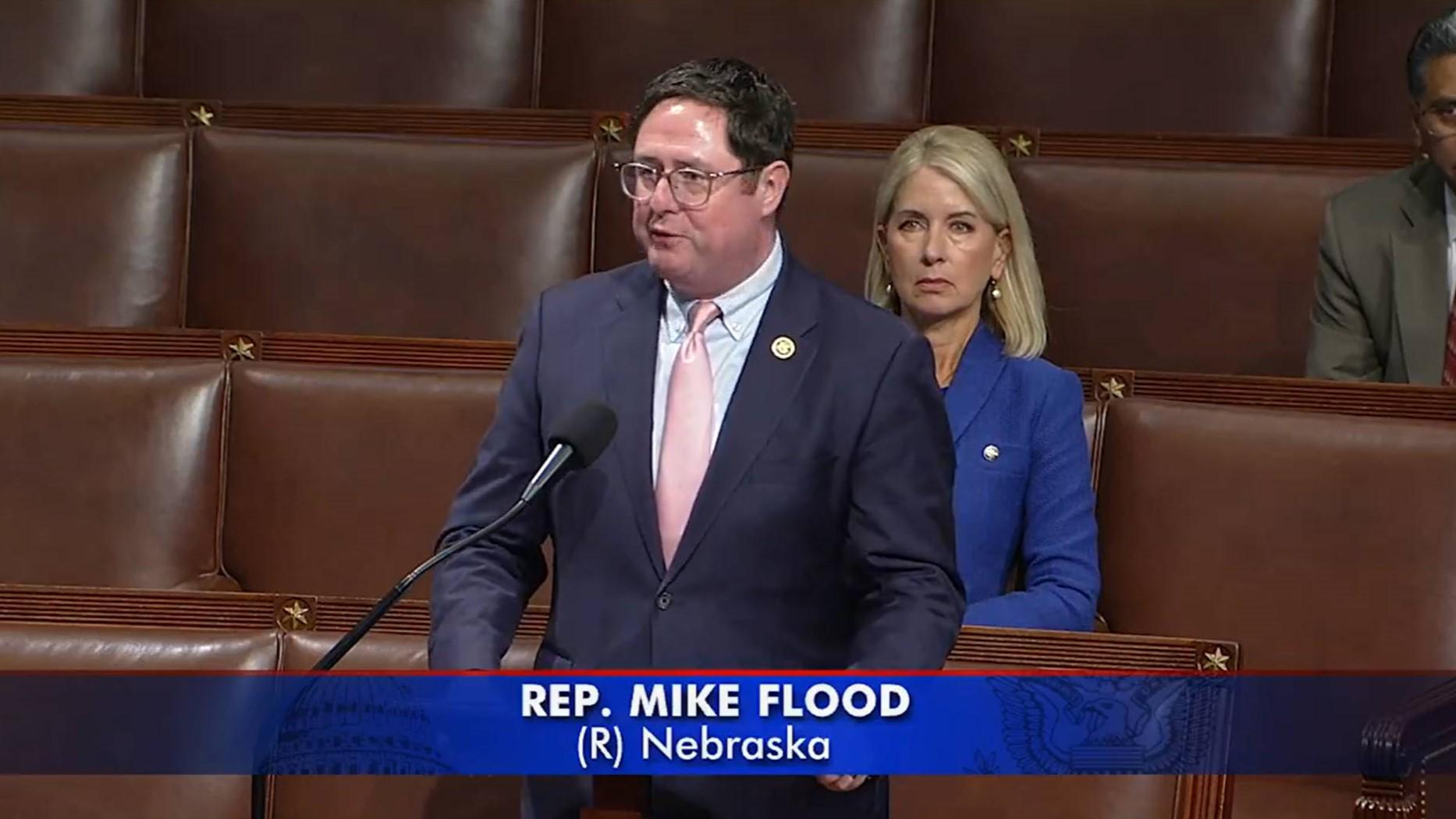
Republican Representative Mike Flood, a supporter of overturning SAB 121, speaking ahead of the House vote
Additionally, the House Appropriations Committee included a policy rider in its budget bill prohibiting the SEC from using appropriated funds to implement SAB 121. However, the bill must still be approved by the Senate to take effect.
Allowing Some Firms to Bypass SAB 121 – Is the SEC Opening a Backdoor?
According to Bloomberg Tax, an SEC source revealed that certain business practices proposed by companies and financial institutions have received approval from SEC staff, enabling them to operate outside the scope of the contested SAB 121.
SAB 121 was issued in March 2022. As frequent bankruptcies occurred within the crypto industry, some firms have continuously sought guidance from the SEC on developing new policies and procedures related to cryptocurrencies. The source noted that while SAB 121 itself remains unchanged, practical accommodations are being made.
At the time of SAB 121’s release, it reflected concerns about real-world conditions in the crypto sector. “In April 2022, there were many unanswered questions about how these rules would be applied. We saw numerous crypto players offering custody services recklessly, harming many customers,” said the SEC source.
The source added that now, some companies have demonstrated that specific procedures and technologies they’ve implemented allow customers to recover their crypto assets during bankruptcy just as they would access other assets like U.S. dollars—thus eliminating the need to comply with SAB 121’s liability classification requirements.
Still, further details and disclosures are needed to clarify exactly which companies qualify for such exemptions and what the SEC’s official policy stance is regarding these arrangements.

On July 12, prediction market Polymarket showed former President Trump’s odds of winning had reached 60%
Biden Senior Advisor Joins Crypto Roundtable, Sending Key Signals
Just two days earlier, on July 10, Anita Dunn, a senior advisor to President Biden, met personally with dozens of leaders from the cryptocurrency industry in a roundtable discussion organized by California Democratic Congressman Ro Khanna, a known crypto supporter. Attendees also included Democratic Senator Kirsten Gillibrand of New York, Democratic Representative Joe Neguse of Colorado, and billionaire Mark Cuban, who supports Biden’s re-election but has criticized his administration’s approach to crypto.
Several participants described the meeting as “productive” and praised the California Democrat for organizing the event.
“I really want to give huge credit to Congressman Khanna for bringing together around 30 or more industry leaders so they could have direct dialogue with Ms. Dunn and her team extending into the White House,” said Paul Grewal, Chief Legal Officer at cryptocurrency exchange Coinbase.
Grewal described the meeting as a “critical moment” for the Biden administration to reverse its “nearly uniform hostile stance” toward crypto, especially as Republicans and former President Trump increasingly embrace the industry. “We are at a pivotal point where Republicans are fully embracing crypto and explicitly incorporating it into their party platform in very concrete ways in upcoming conventions. So I think the current administration now needs to make a choice,” he said.
Sheila Warren, CEO of the Crypto Council for Innovation, said, “It was clear that attendees recognized the significance and opportunities presented by cryptocurrency.” In a statement, she added: “I’m hopeful about future conversations and even more committed to advocating for the transformative potential of this groundbreaking technology across many systems.”
With the next televised debate and election day rapidly approaching, time is running short for Biden to clearly articulate his administration’s stance on cryptocurrency amid growing pressure from the Republican side.
Join TechFlow official community to stay tuned
Telegram:https://t.me/TechFlowDaily
X (Twitter):https://x.com/TechFlowPost
X (Twitter) EN:https://x.com/BlockFlow_News
 PANews











