Token Economics Overview: What Metrics Should You Check Before Investing?
TechFlow Selected TechFlow Selected
Token Economics Overview: What Metrics Should You Check Before Investing?
Understanding tokenomics is the most important skill in the crypto field.
 Navigating Web3 tides with focused insights
Author: cyclop, crypto KOL
Translation: Felix, PANews
Good tokenomics can help a token grow 100x in a year, while poor tokenomics could lead to a 90% decline. Understanding tokenomics is the most important skill in the crypto space. If you don't understand tokenomics, it's difficult to achieve successful investments. Learning is crucial—don't trade blindly, or you may suffer losses. Crypto KOL cyclop has provided an overview of tokenomics; below is a complete guide.
When you first discover a potential token, for example on CMC, you'll see the following:
-
Market Cap (MC)
-
Total Supply
-
Circulating Supply
-
Fully Diluted Valuation (FDV)
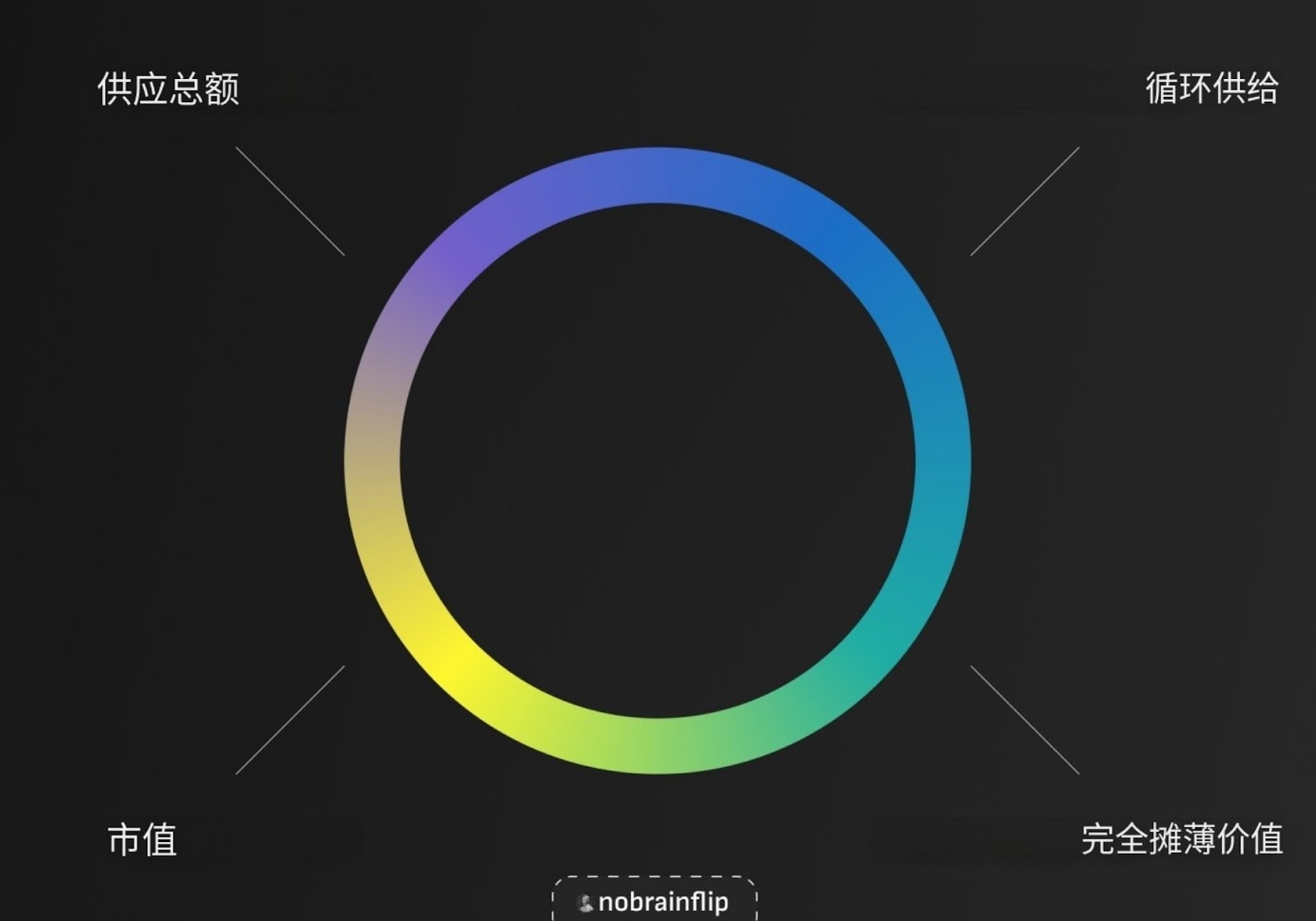
These are basic supply metrics:
-
Circulating Supply: Tokens currently in circulation
-
Total Supply: Maximum possible number of tokens
-
MC: Total value of circulating supply (in USD)
-
FDV: Total value of total supply (in USD)
Understanding these metrics allows you to assess a token’s potential. But to do so effectively, you need more than just surface-level knowledge. You must also understand how they work and how they impact price.
Start with supply. There are two paths for tokens:
-
Inflationary
-
Deflationary
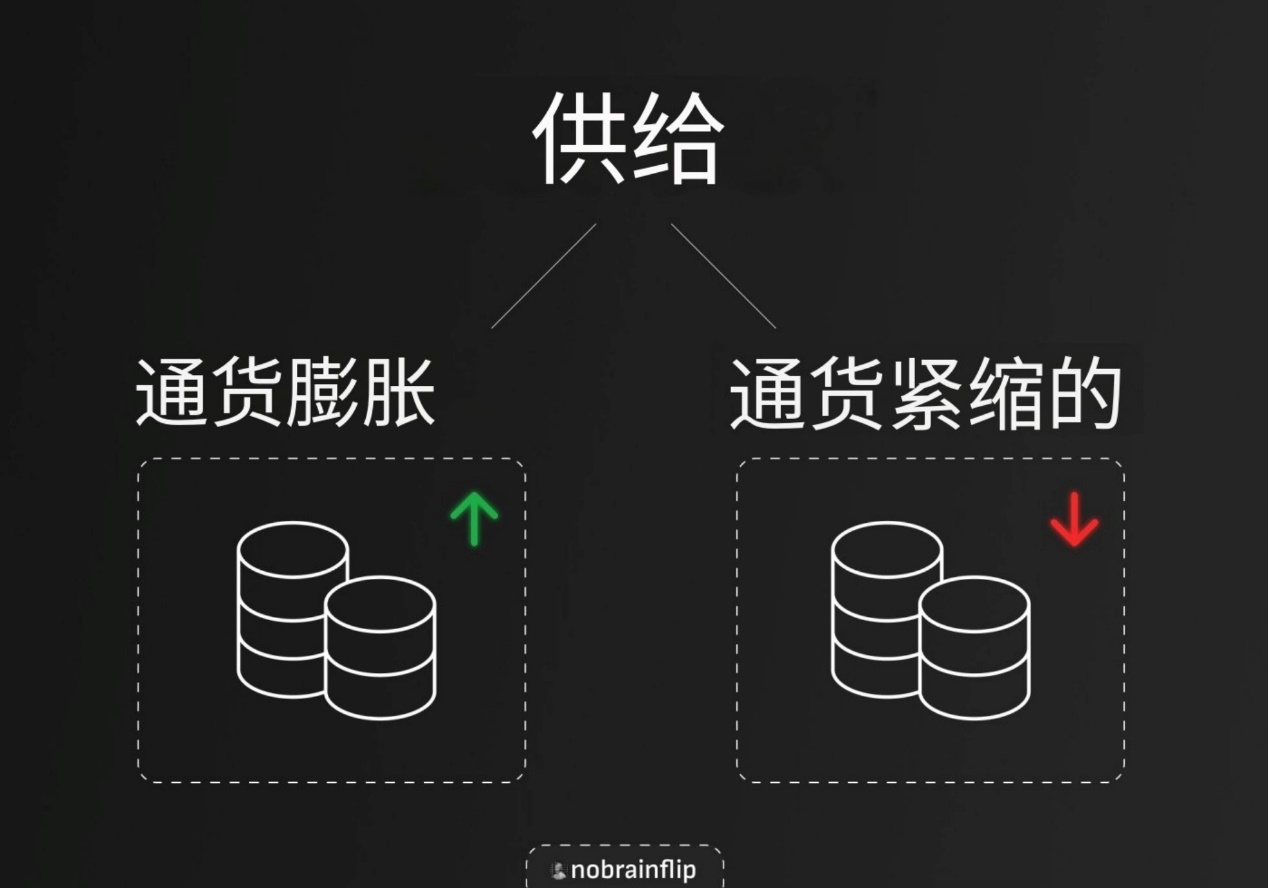
Inflationary tokens: Token supply can increase, known as "unlocking."
Unlocks are generally negative because they often lead to value depreciation. However, if the unlock rate is slow and the volume small, the impact on value may be negligible.

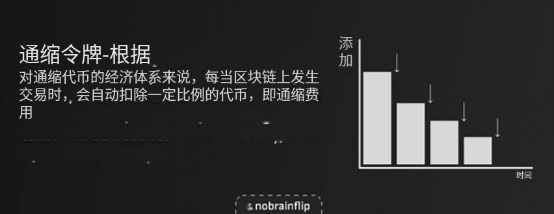
Deflationary tokens: Occur when the token supply decreases over time. This happens when projects buy back and burn tokens. In theory, reducing supply should increase value—but this remains theoretical.
Now let's discuss the key factors determining token issuance and lifespan: allocation and distribution.
There are two approaches:
-
Pre-mine (allocated among early investors, team, advisors, etc.)
-
Fair launch (equal purchase opportunity for everyone)
Most projects use pre-mining.
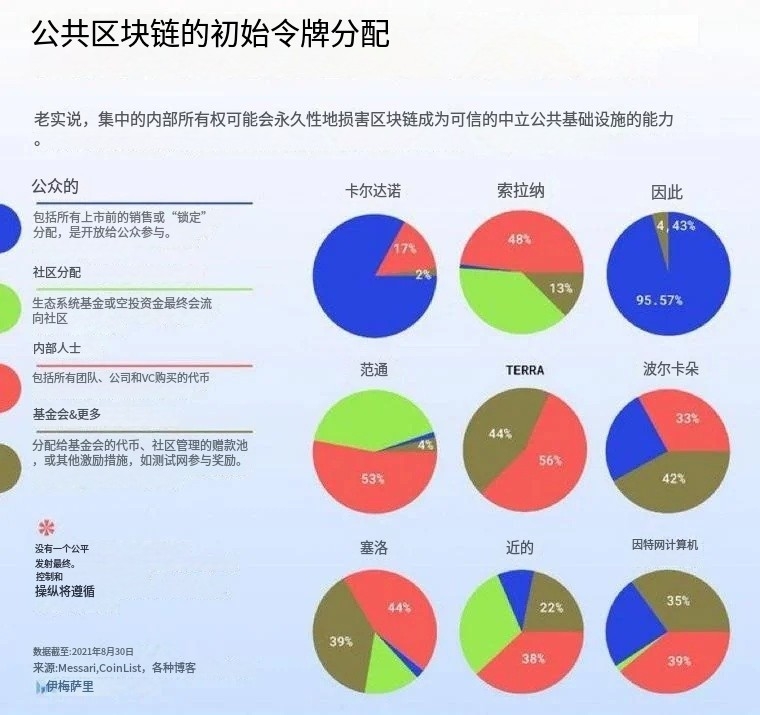
Why does this matter?
Because if TGE represents 100%, and 50% of tokens are allocated to investors, those investors can dump their holdings at any time, leaving retail investors to absorb the selling pressure. That’s why you need to understand:
-
TGE Allocation
-
Vesting (token lock-up)
-
Cliff (lock-up period before vesting begins)
Token allocations typically go to the following recipients:
-
Private sale (investors, KOLs, etc.)
-
Public sale (retail investors)
-
Marketing
-
Ecosystem (staking, rewards, etc.)
-
Airdrops
How do they release tokens?
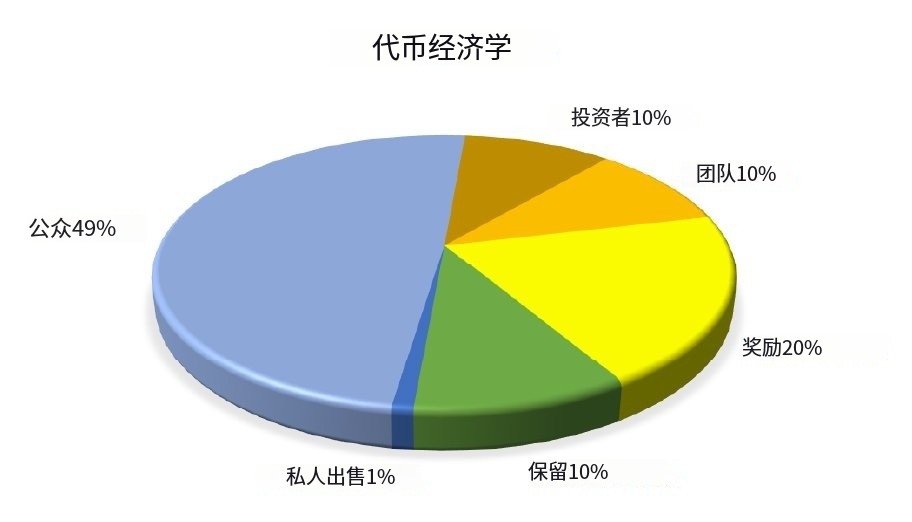
The day a token is launched is called TGE (Token Generation Event).
-
TGE Allocation: The percentage of tokens distributed to all above parties (typically 10–20%)
-
Cliff: The period between TGE and the start of vesting
-
Vesting: Gradual monthly release of a portion of tokens
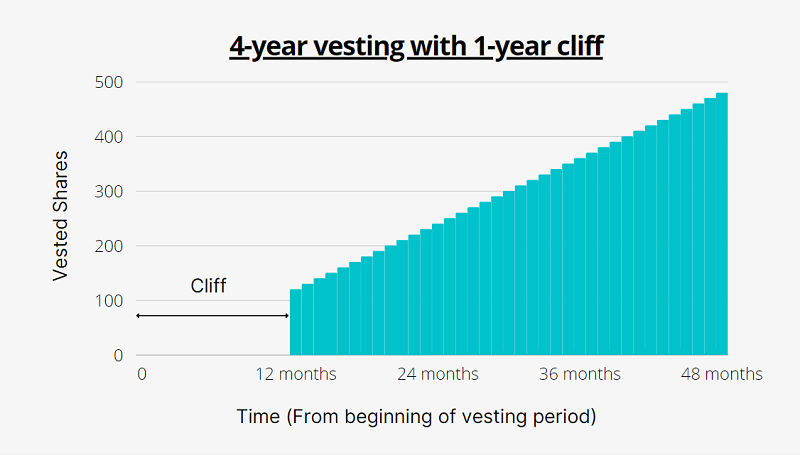
Recently, some projects have adopted a model with a smaller TGE allocation (up to 20%), followed by several months of cliff and vesting periods exceeding 12 months.
This approach better supports long-term project success, so verifying these details before investing is critical.
Another key factor for any token’s success today is demand. This is why projects incentivize retail users to buy specific tokens. For instance, despite high inflation, people still use the U.S. dollar because it's needed for daily life.
Generally, four factors drive demand for a token:
-
Store of Value
-
Community-driven
-
Utility
-
Value Accrual
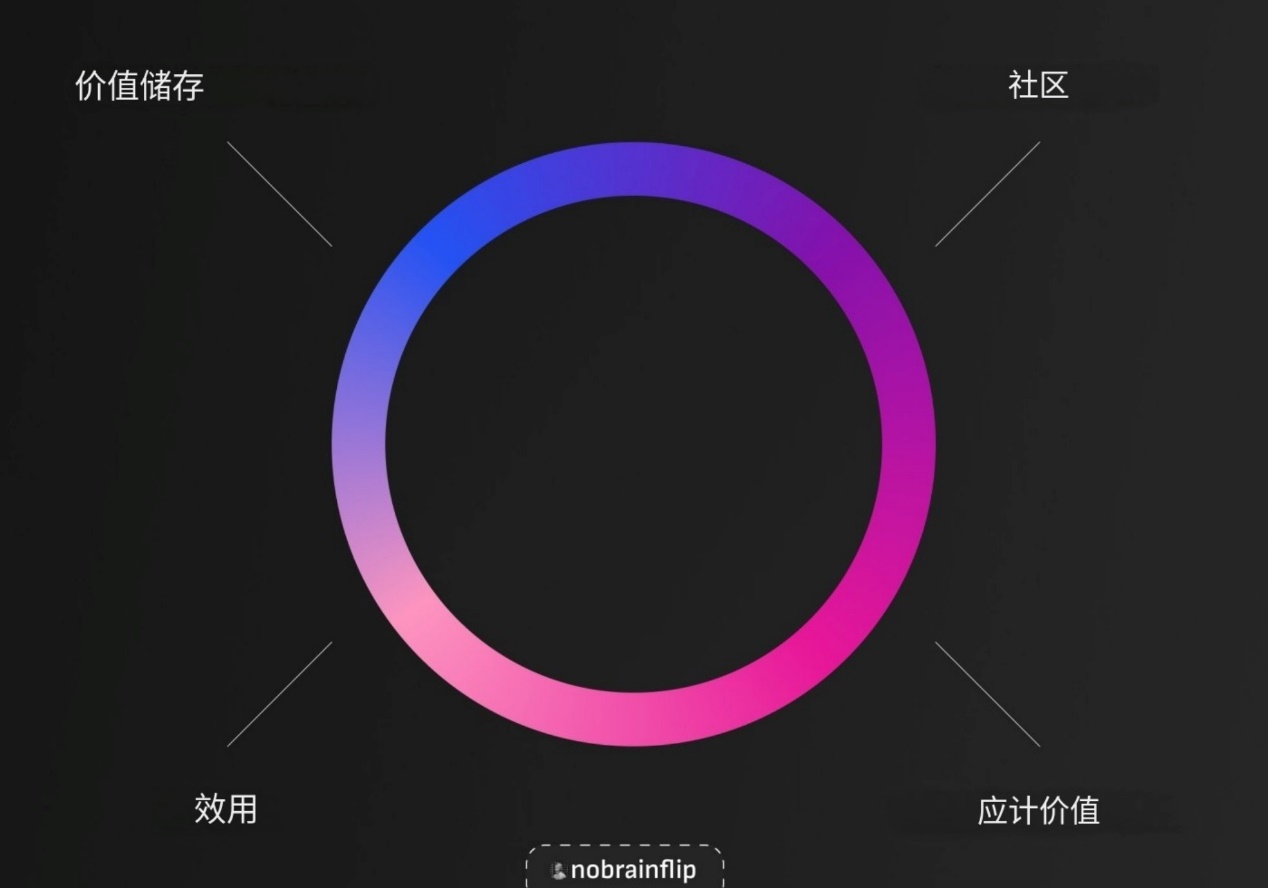
Store of Value
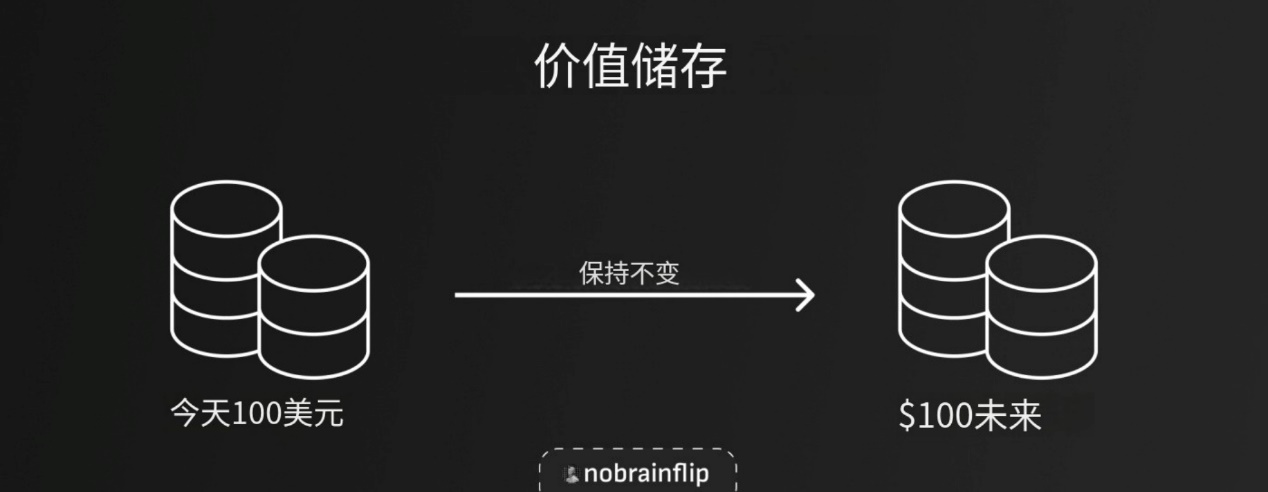
Cryptocurrencies can serve as stores of value. Many people buy crypto purely to park money, such as Bitcoin, which is often compared to gold.
Community-driven
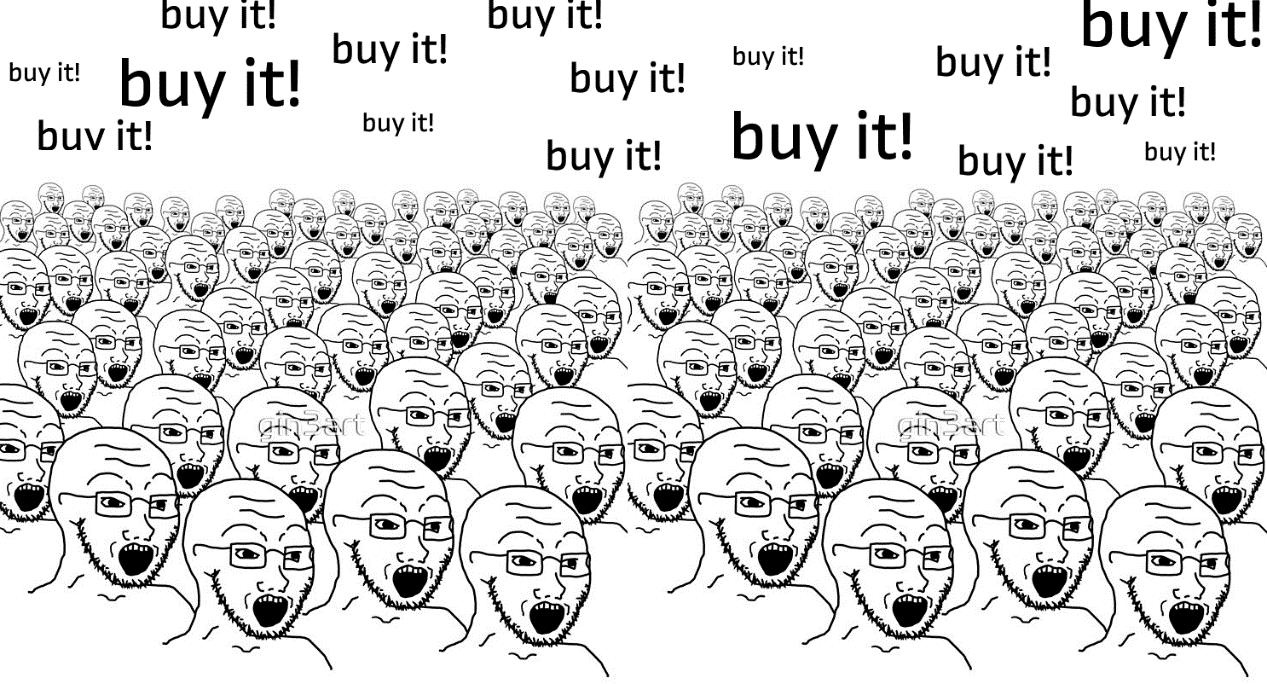
As this market cycle has shown, communities can strongly drive demand. The rise of memecoins is entirely community-driven. People buy what they believe will make them money.
Utility
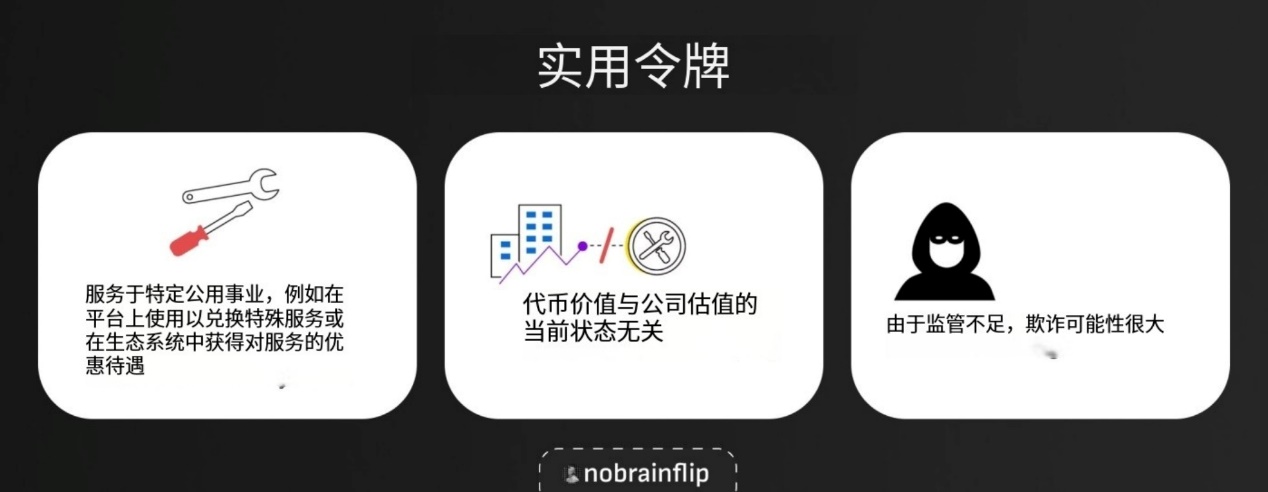
Demand increases when holding a token provides certain utility. For example, staking requires owning a network’s native token.
Value Accrual
-
Incentivizing Stakeholders
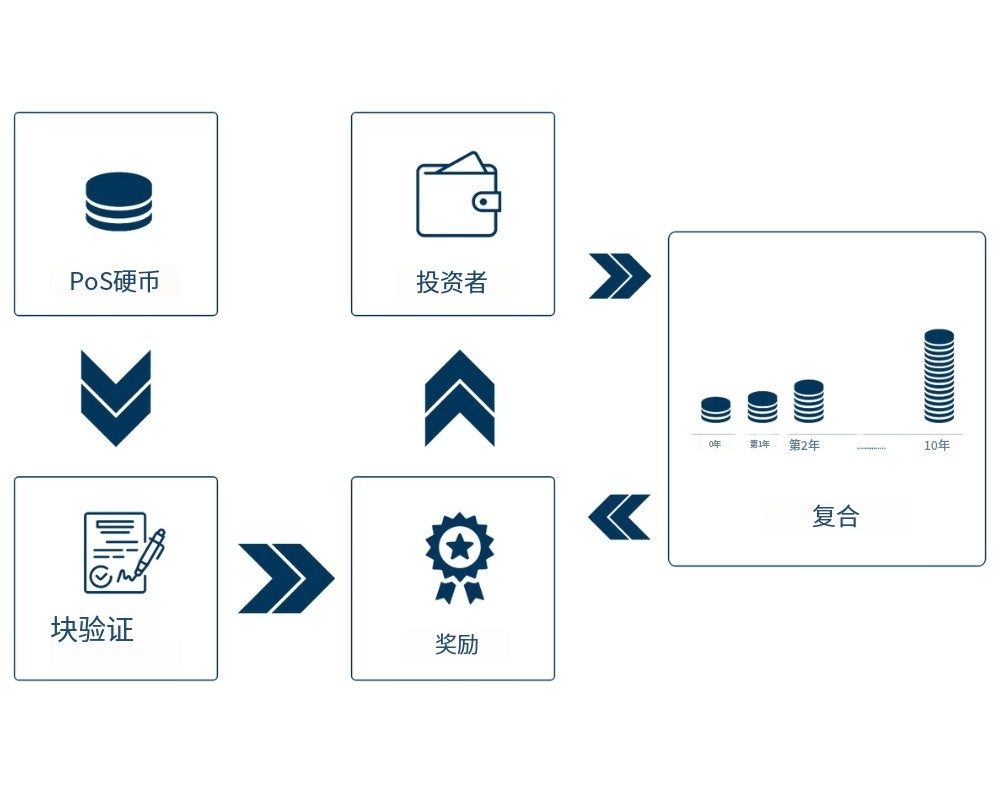
People also expect tokens to provide value. This is where staking comes in—you lock up tokens to earn regular rewards. It benefits all parties and carries relatively low risk.
Value Accrual
-
Incentivizing Holders
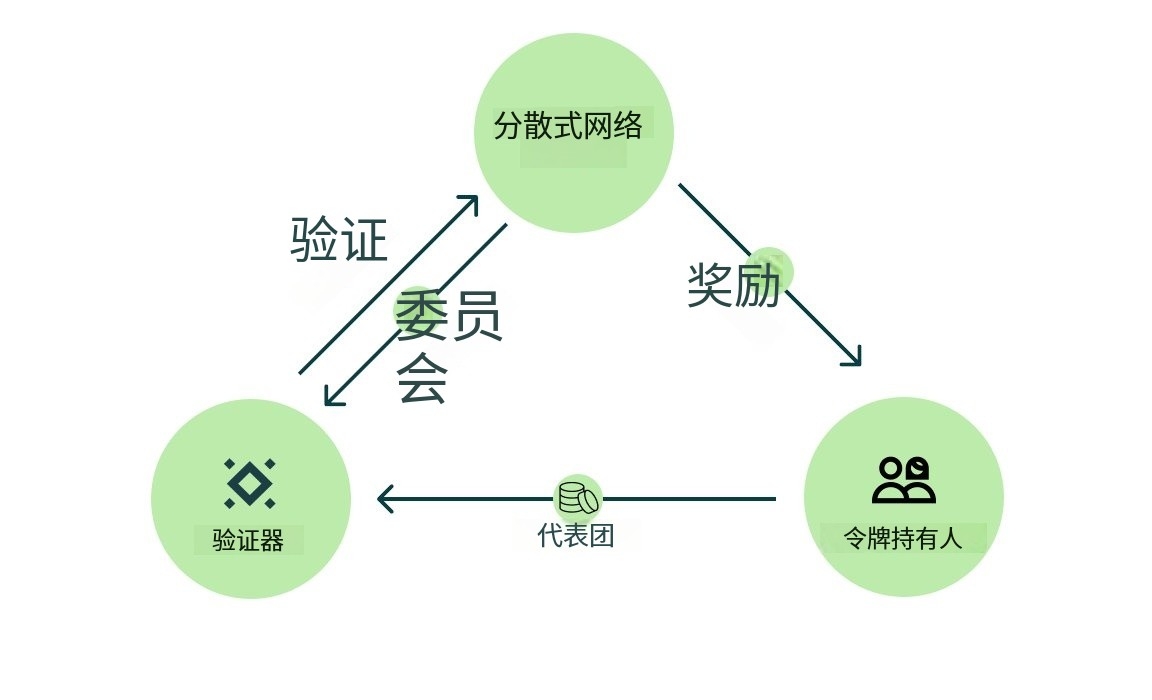
Another option is rewarding holders. Projects often offer incentives like rewards or airdrops to holders, benefiting everyone. Many methods exist to reduce sell pressure through holding:
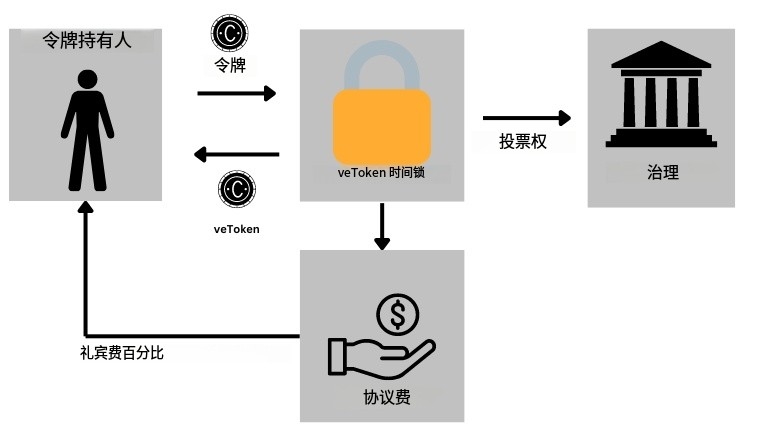
VeToken
-
Users can obtain VeTokens by locking their tokens
-
"Ve" stands for vote-escrowed, meaning locking your tokens grants voting rights
-
The longer you hold, the greater your voting power accumulates
Mining
-
Holding can also boost mining efficiency
-
The more you hold, the higher your yield rate increases
Additionally, no matter how high demand appears, it's essential to understand who holds the tokens—strong believers or sellers. Determining this is challenging and requires active participation in and analysis of the project’s community.
Also, even with poor tokenomics, a token might still rise—and vice versa. Always consider this possibility. Below are key items to check before investing:
-
Total Supply and Circulating Supply
-
Allocation and Distribution
-
Lock-up / Unlock Dates
-
Unlock Percentage
-
Demand
After such analysis, you’ll be well-positioned to determine whether a project is worth investing in.
Join TechFlow official community to stay tuned
Telegram:https://t.me/TechFlowDaily
X (Twitter):https://x.com/TechFlowPost
X (Twitter) EN:https://x.com/BlockFlow_News
 @nobrainflip