








Stablecoin on-chain data analysis for June: Total market cap increased, with main issuance concentrated on Tron and Ethereum
TechFlow Selected TechFlow Selected
Stablecoin on-chain data analysis for June: Total market cap increased, with main issuance concentrated on Tron and Ethereum
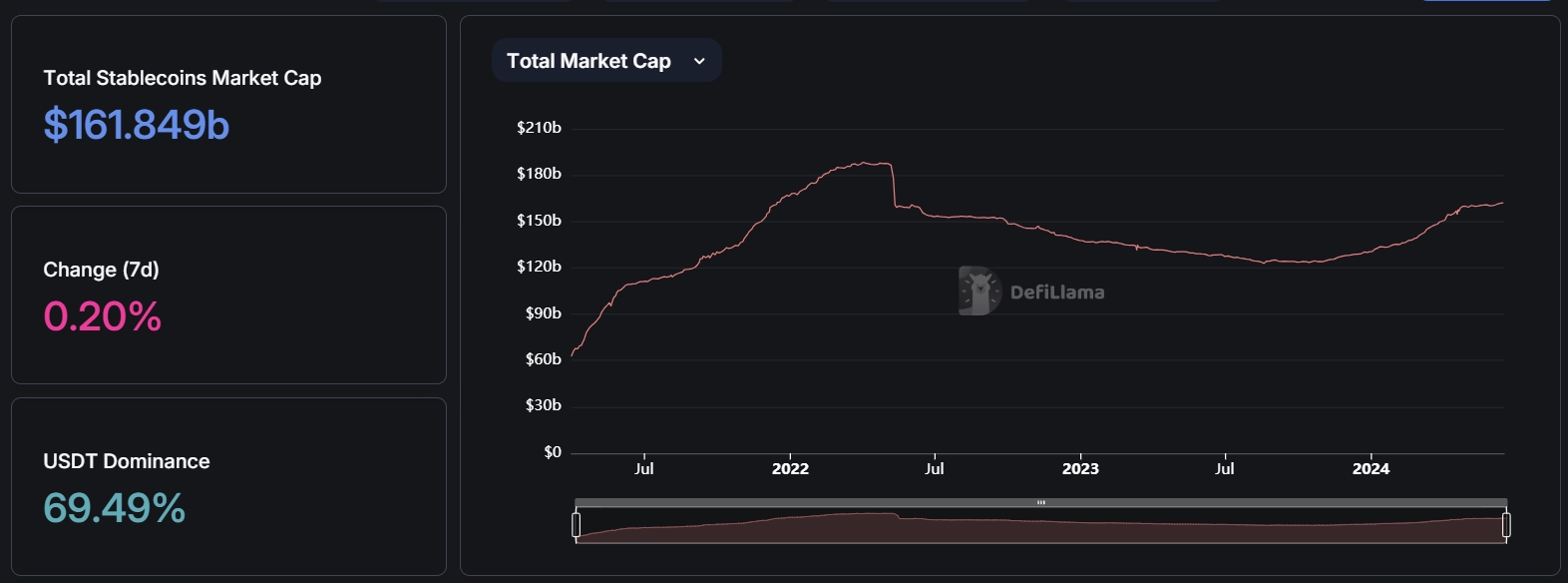
The total market capitalization of the stablecoin market increased from $142 billion in March to $161.8 billion, driven primarily by growth in USDT, USDC, and USDe.
 Navigating Web3 tides with focused insights
Author: Shawn, E2M Research
Overall Data
In March 2024, we conducted an analysis of stablecoin data. Now, a quarter later, the stablecoin market has undergone further changes. According to DefiLlama data, the total market capitalization of stablecoins currently stands at $161.8 billion, up approximately $20 billion from $142 billion in March. The primary growth came from USDT ($15.7 billion), USDC ($3 billion), and USDe ($2.9 billion). Declines were mainly observed in TUSD (-$800 million) and FDUSD (-$700 million).
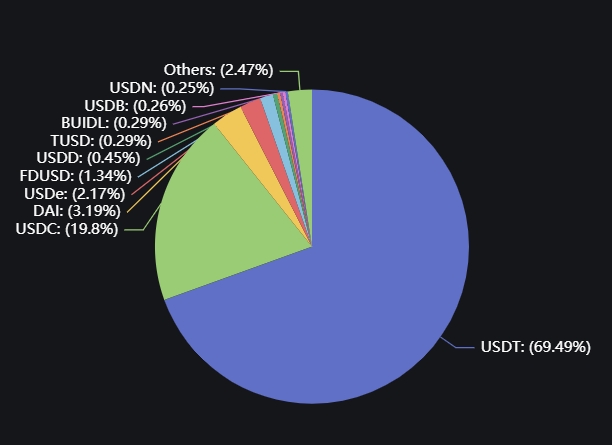
In terms of market share, USDT and USDC still account for nearly 90%, with USDT holding 69.49% and USDC 19.8%. This distribution is similar to what was observed in March.
Excluding USDT and USDC, the following line chart shows the market cap trends of other stablecoins from January 1, 2024, to date:
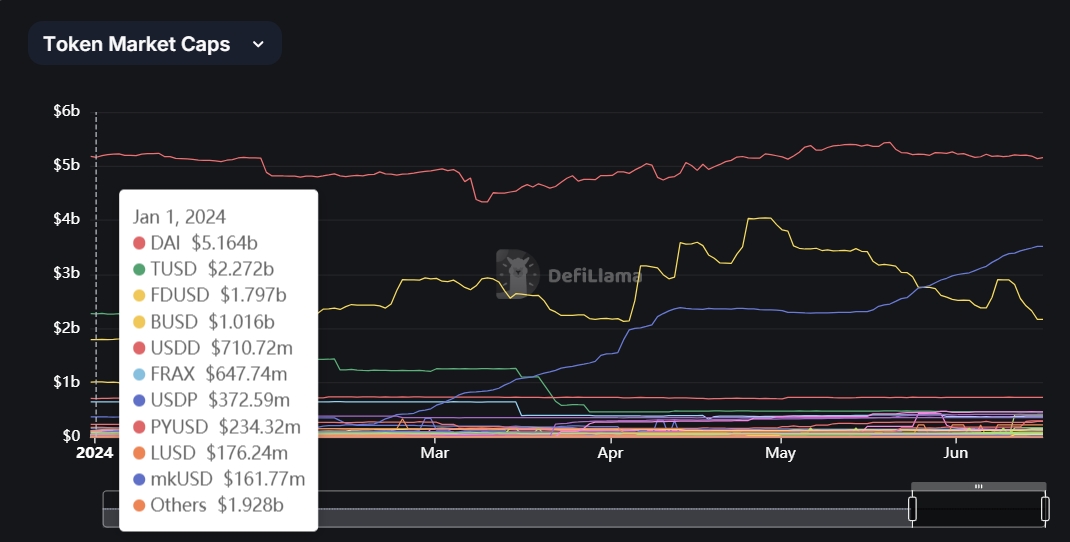
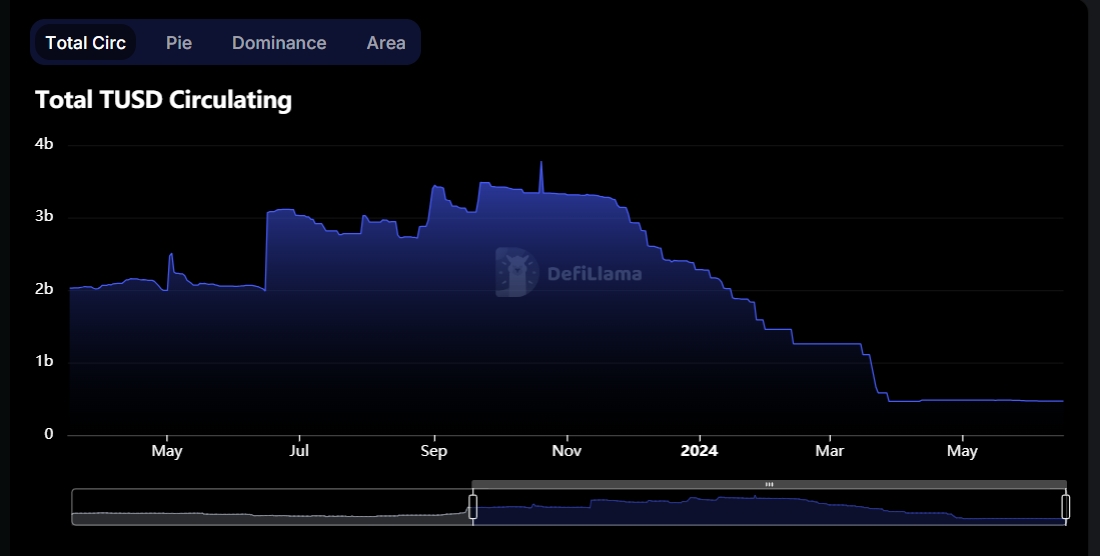
DAI's market cap has remained relatively stable, while USDe's market cap surged from $600 million in March to $3.5 billion now—an increase of about sixfold. FDUSD peaked at $4 billion in April but has since dropped to around $2.17 billion, losing $1.83 billion in market cap. TUSD declined from $1.26 billion to $460 million.
USDT Data
The total market cap of USDT continues to grow, setting new highs before stabilizing around $110 billion in early May, with recent slight increases.
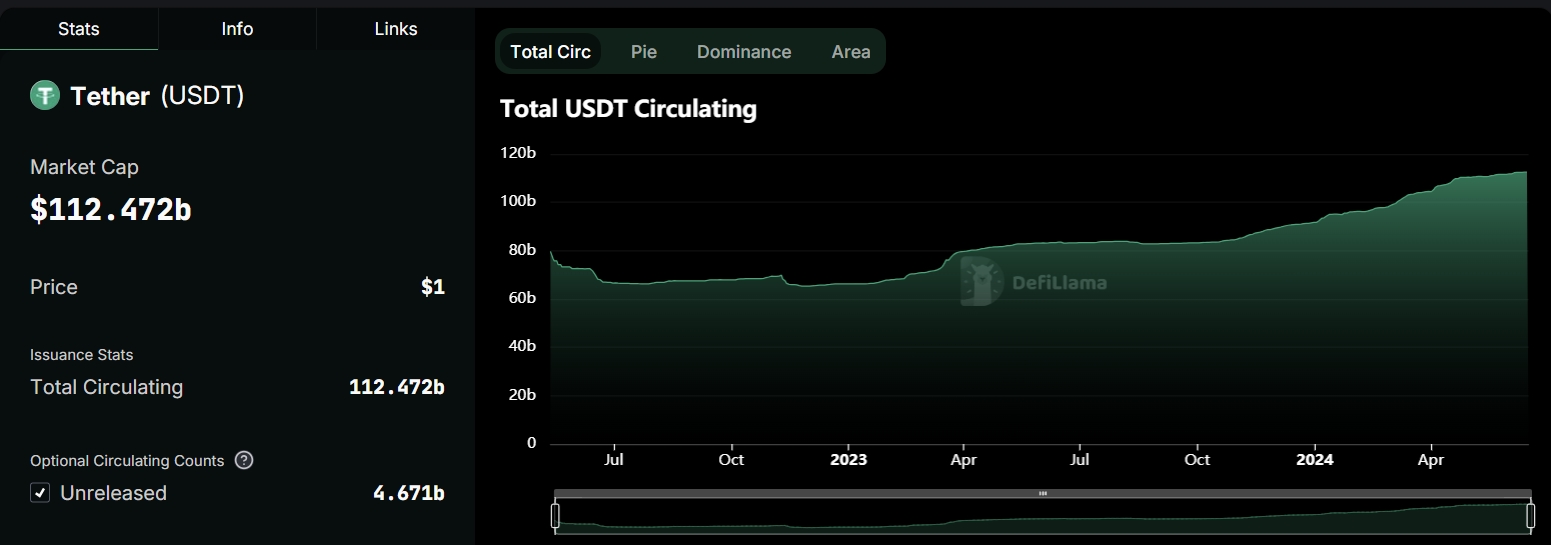
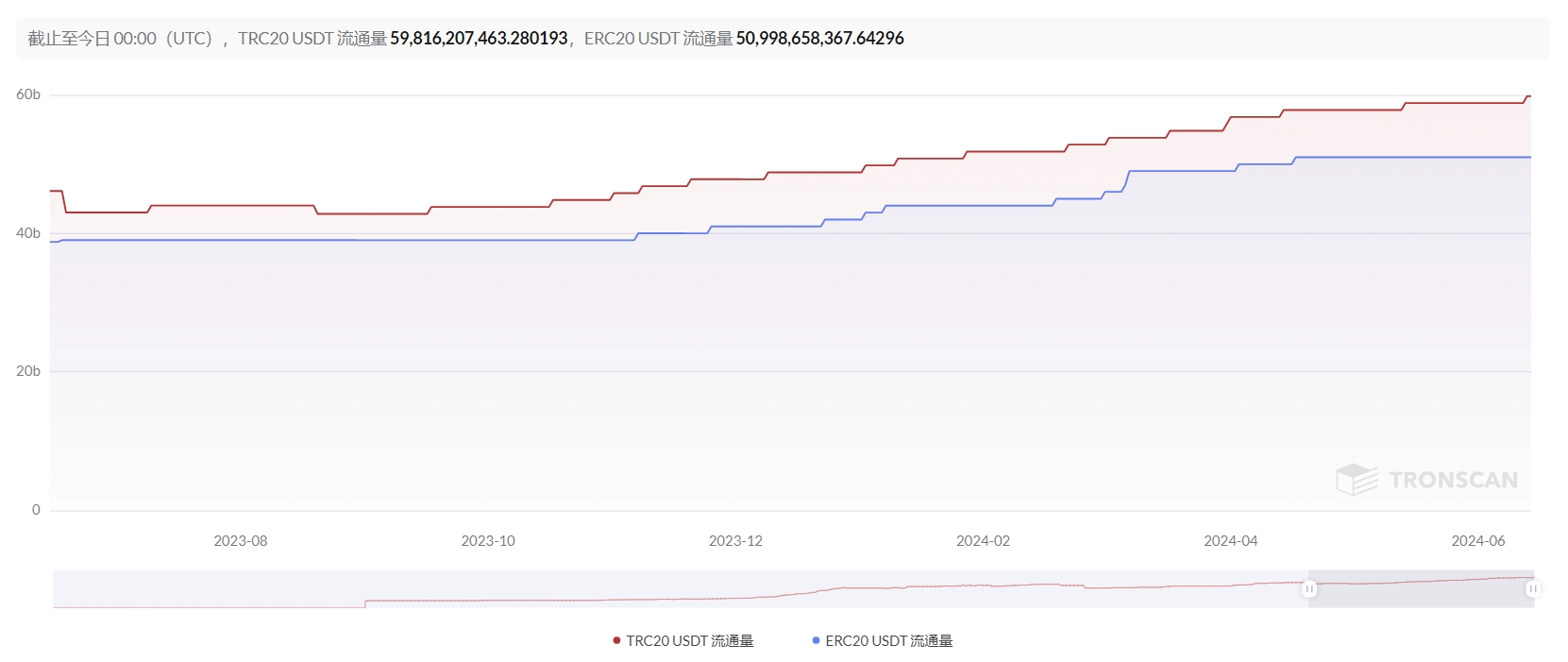
Issuance remains concentrated on Tron and Ethereum, with $59.8 billion on Tron and $51 billion on Ethereum. As shown below, USDT on Ethereum plateaued at $51 billion by the end of April and has not changed since, whereas issuance on Tron continues.
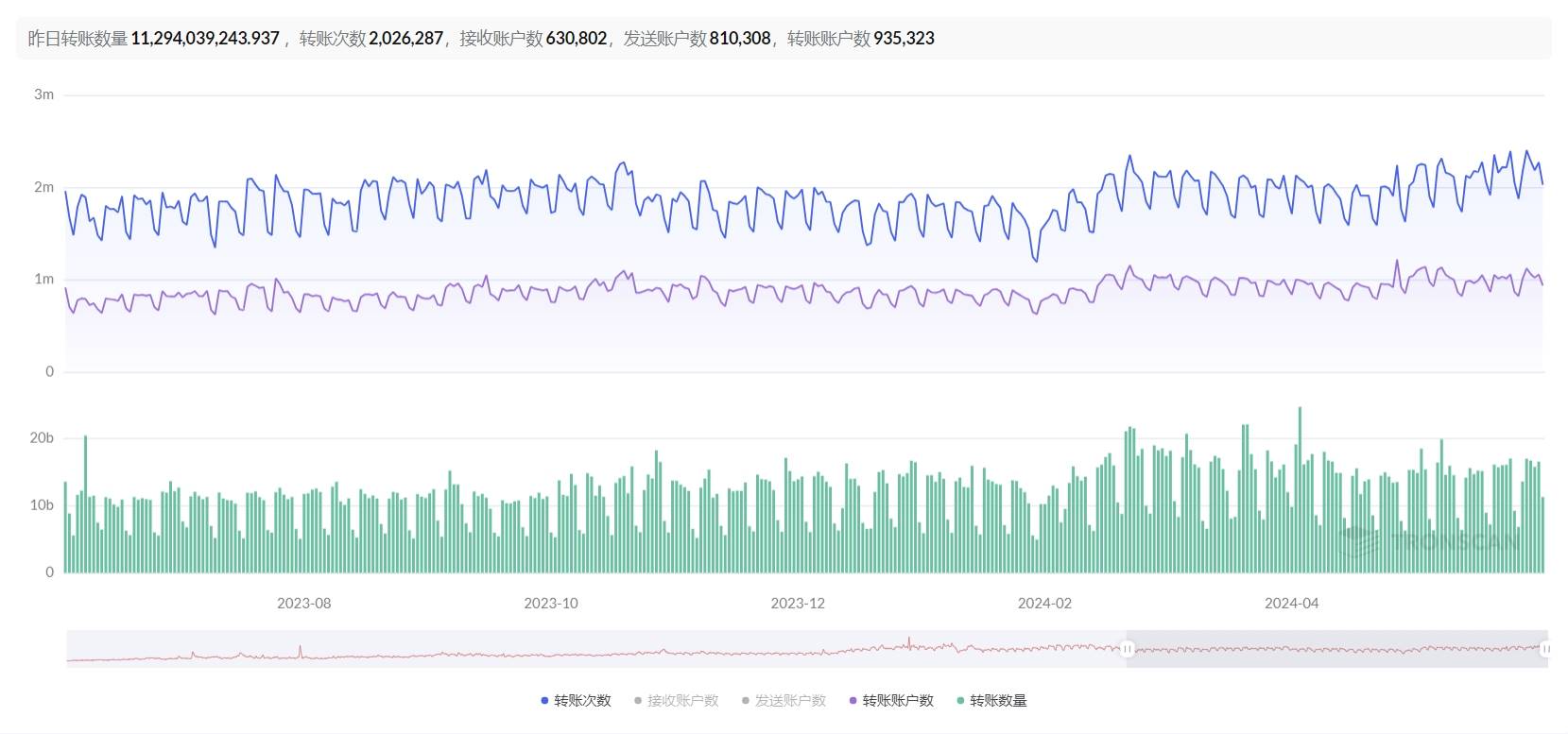
Transaction counts, number of transaction addresses, and transaction volumes show no significant changes.
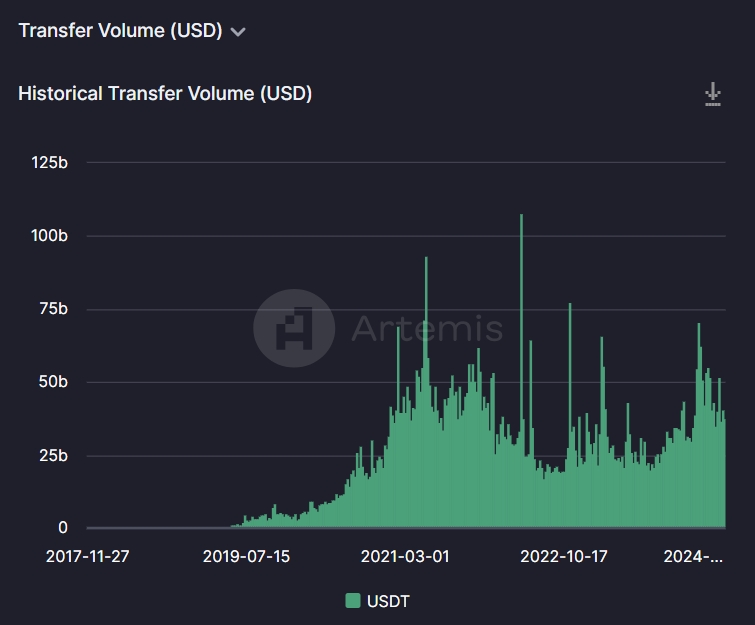
On Ethereum, weekly USDT transfer volume decreased slightly from $50 billion in March to $40 billion now.
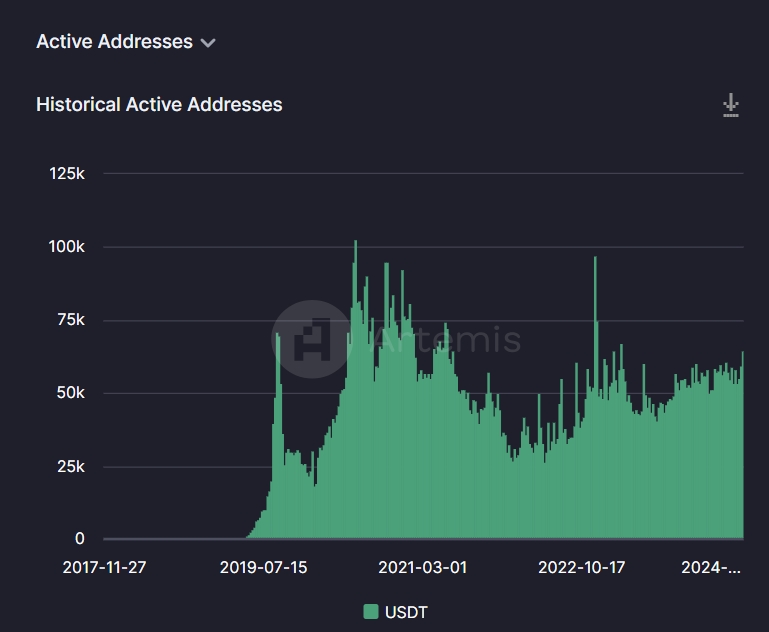
Active address count increased from over 50,000 weekly active addresses to over 60,000.
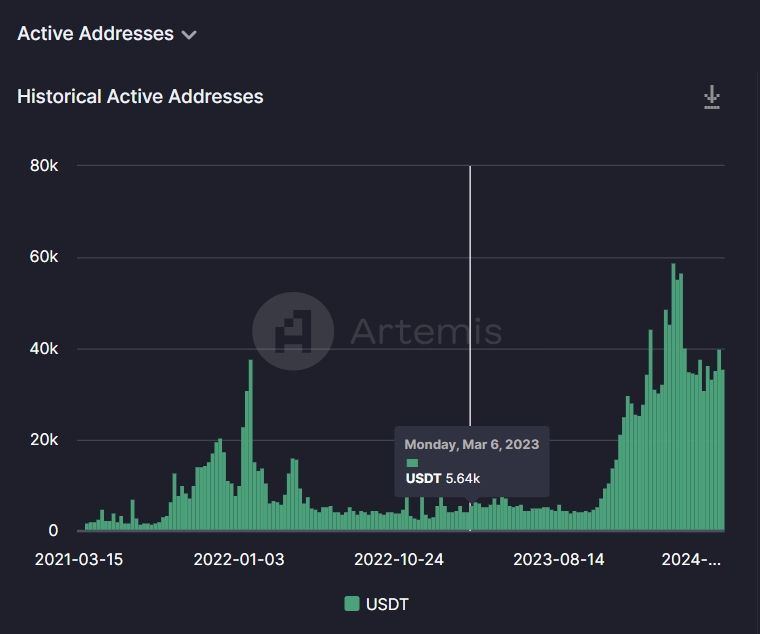
For USDT on Solana, both transaction volume and active address numbers have been declining after peaking at the beginning of the year:
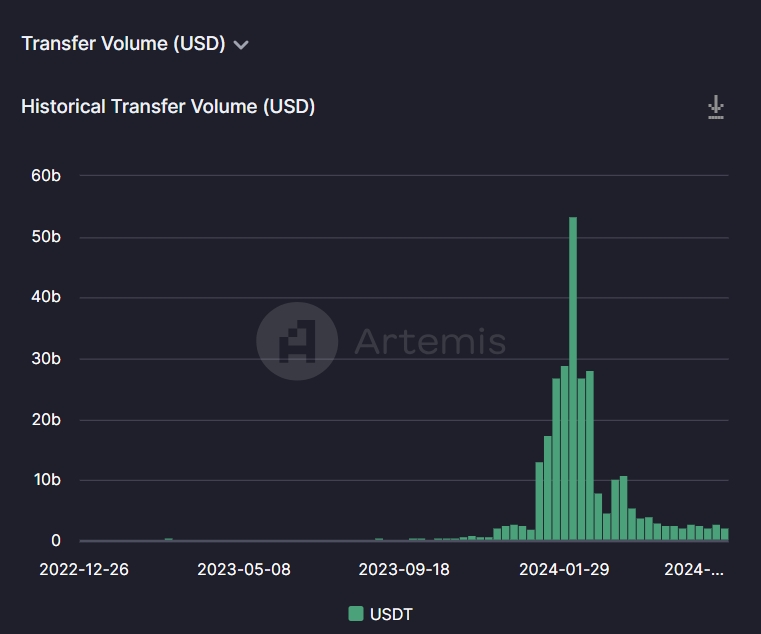
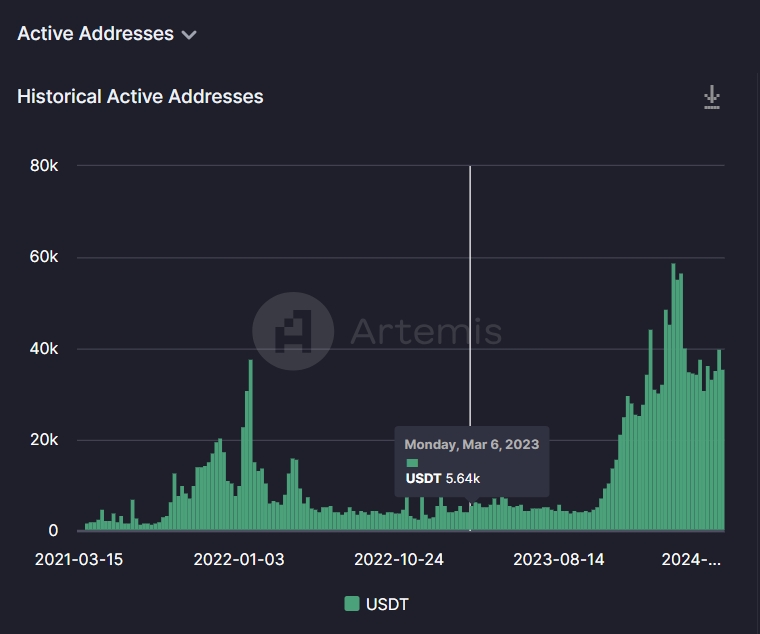
A significant development is the launch of USDT on Ton on April 19, which reached $580 million within two months.
According to gasfeenow.com, here is a comparison of gas fees required for USDT transfers across major blockchains:
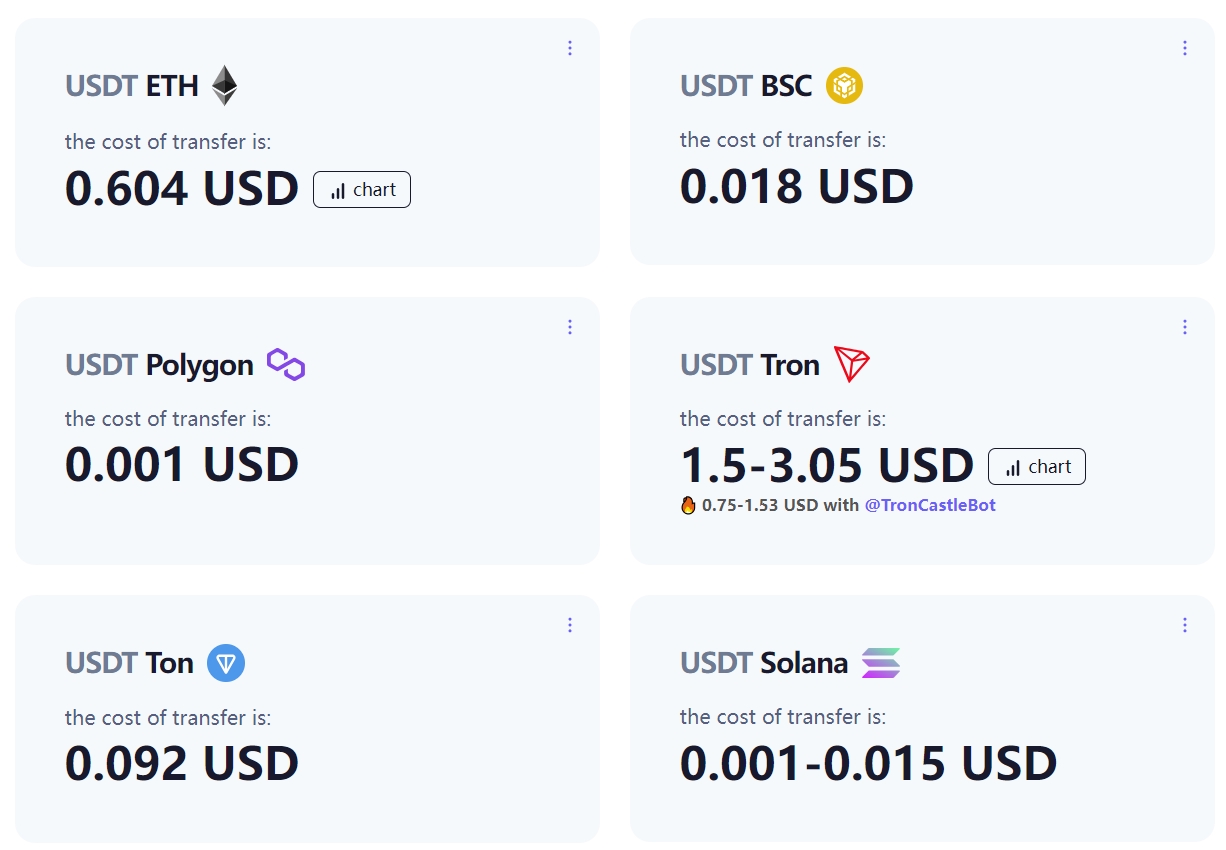
Currently, transferring USDT on Tron incurs the highest gas fees—over three times that of Ethereum. In contrast, Polygon and Solana have the lowest transfer costs, while Ton sits at a moderate level. Whether Ton’s integration with Telegram’s massive user base will allow it to capture market share from Tron remains to be seen.
USDC Data
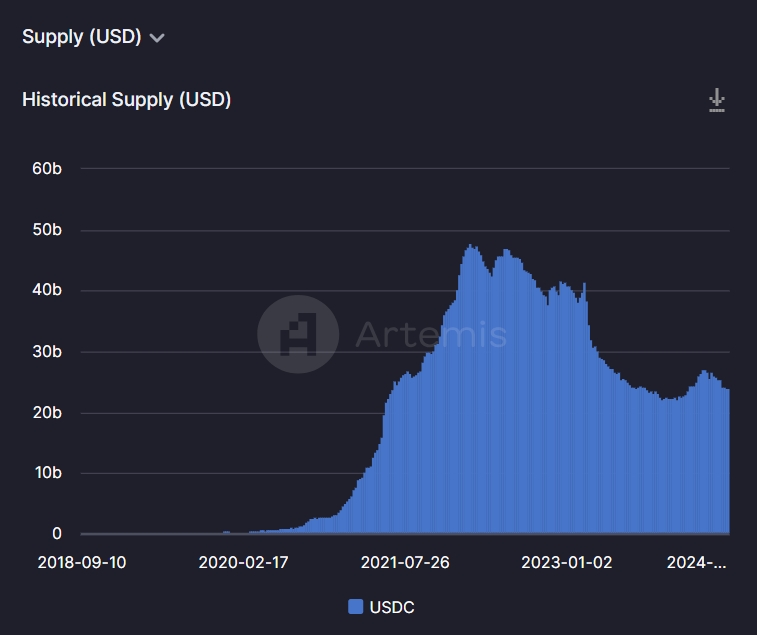
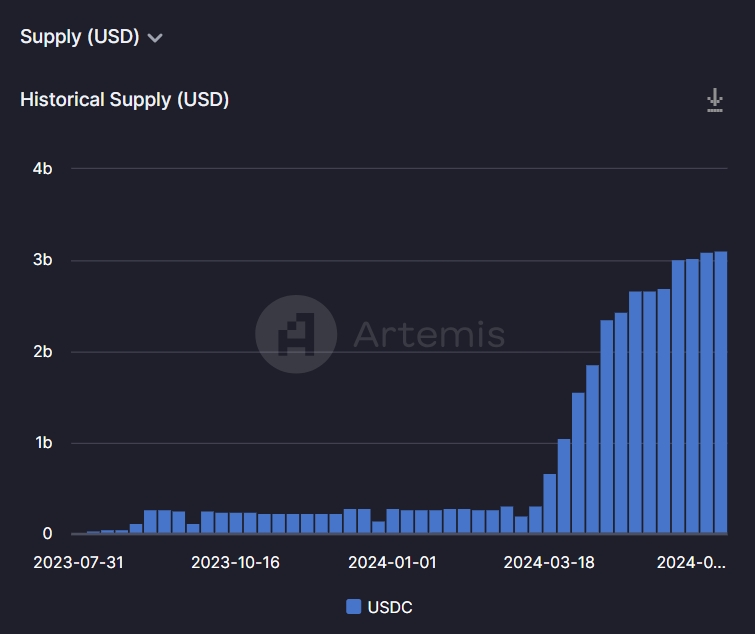
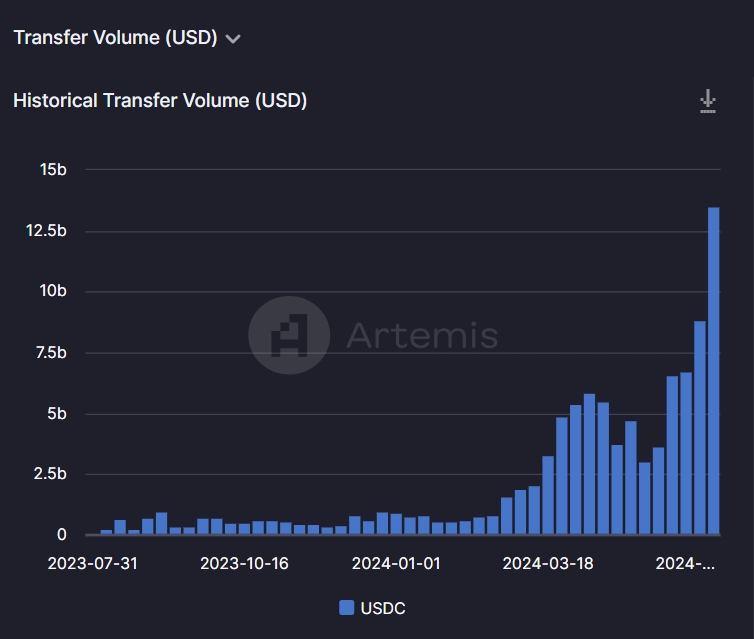
USDC data has changed significantly since March. As shown below, the left side represents March data and the right side June data. Total supply grew from $28.95 billion to $32.39 billion—an increase of about $3.4 billion. USDC on Ethereum decreased by $1 billion, while Base saw a $2.8 billion increase and Solana added $550 million; changes on other chains were minor.

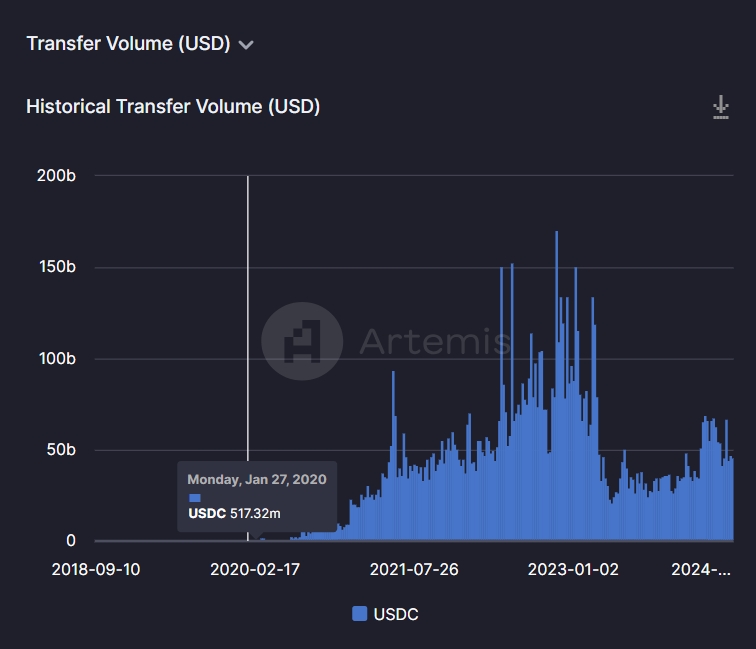
For USDC supply on Ethereum, after a rebound in March, it resumed its downward trend, likely due to limited yield-generating activities available on the mainnet. Currently, Ethereum mainnet activity is very low, with gas prices frequently falling below 5 Gwei.
Transaction volume also declined:
In contrast, since March, Base chain has seen continuous increases in USDC supply and transaction volume, with active address numbers dropping initially but recently recovering.
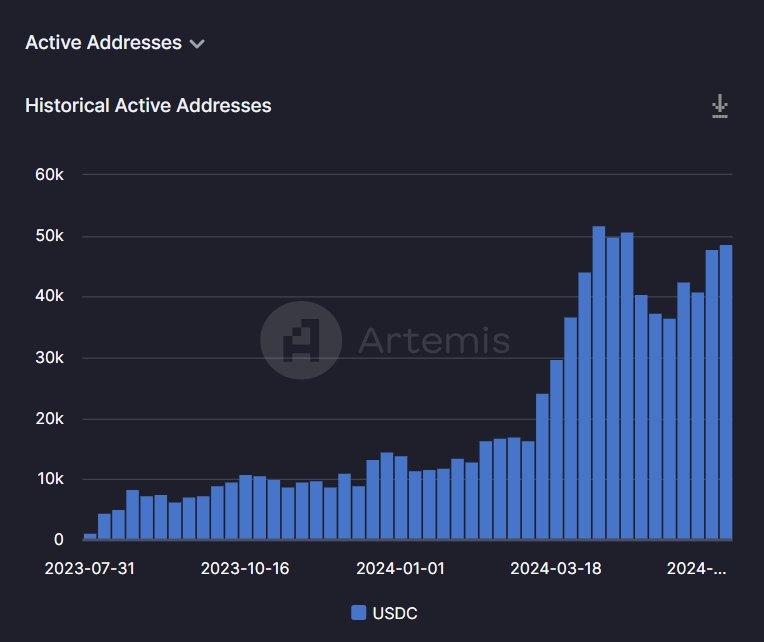
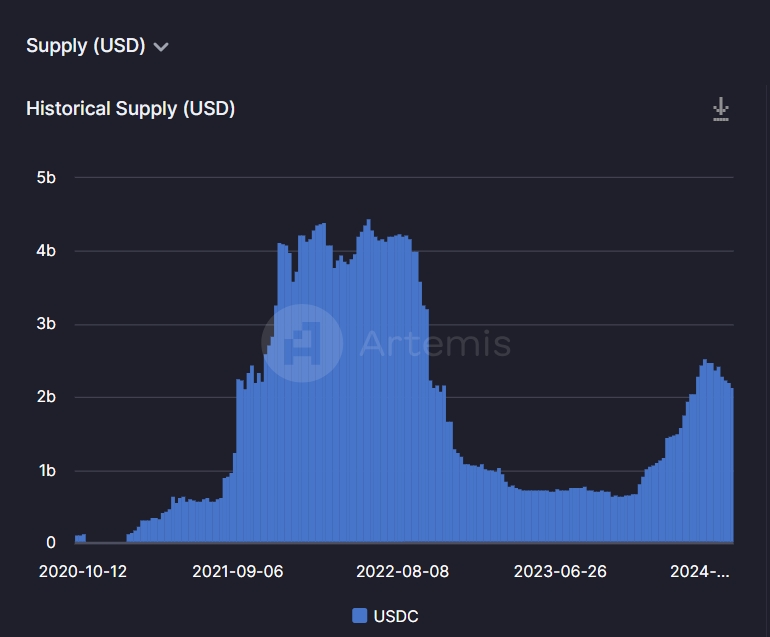
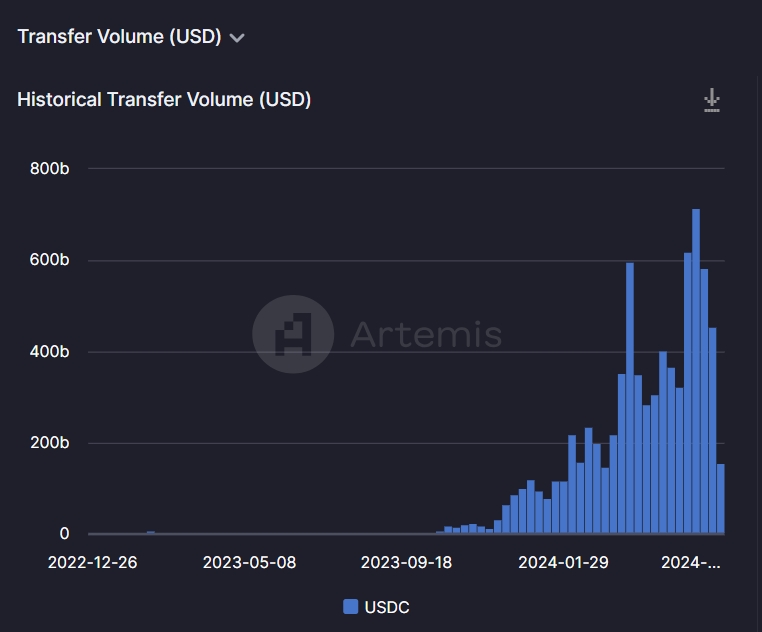
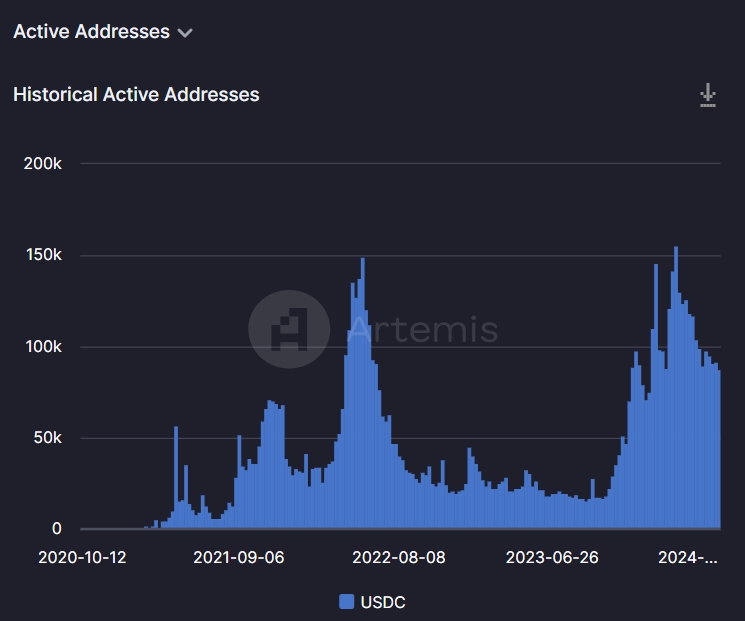
For USDC on Solana, supply, transaction volume, and active address numbers all peaked at the end of April and have since declined:
USDe Data
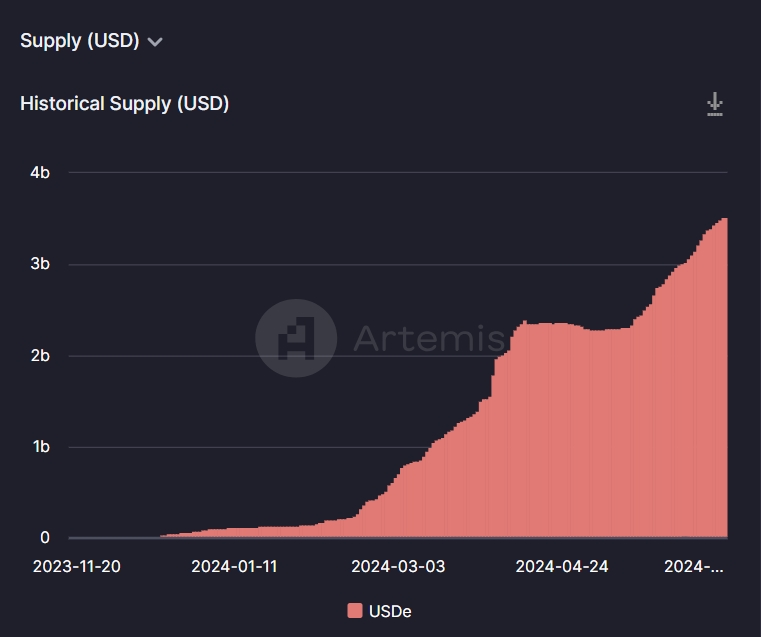
USDe's supply has grown rapidly over recent months, increasing continuously from March to reach $3.5 billion now.
However, transaction volume, transaction count, and active user numbers remain relatively low:
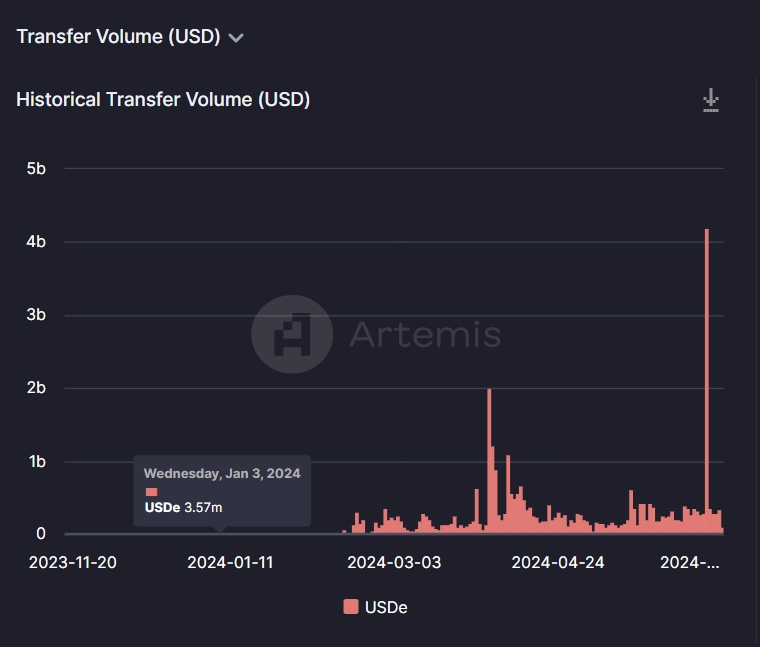
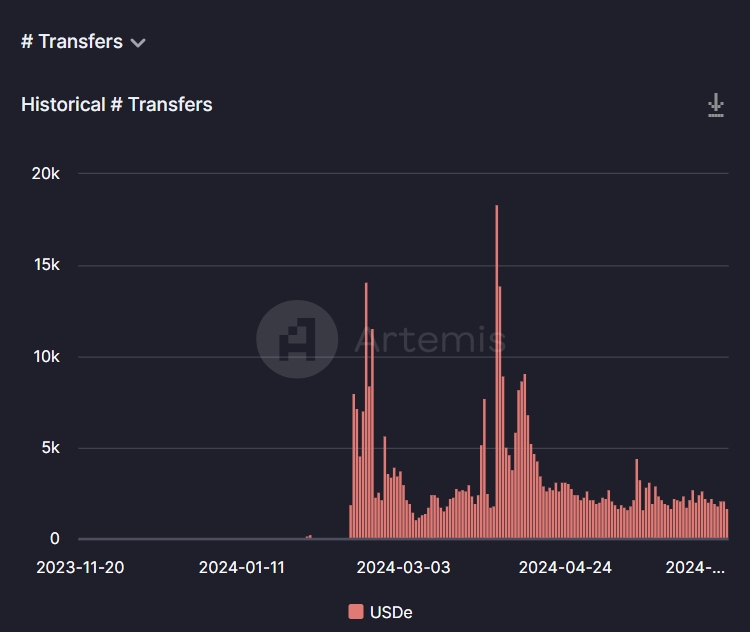
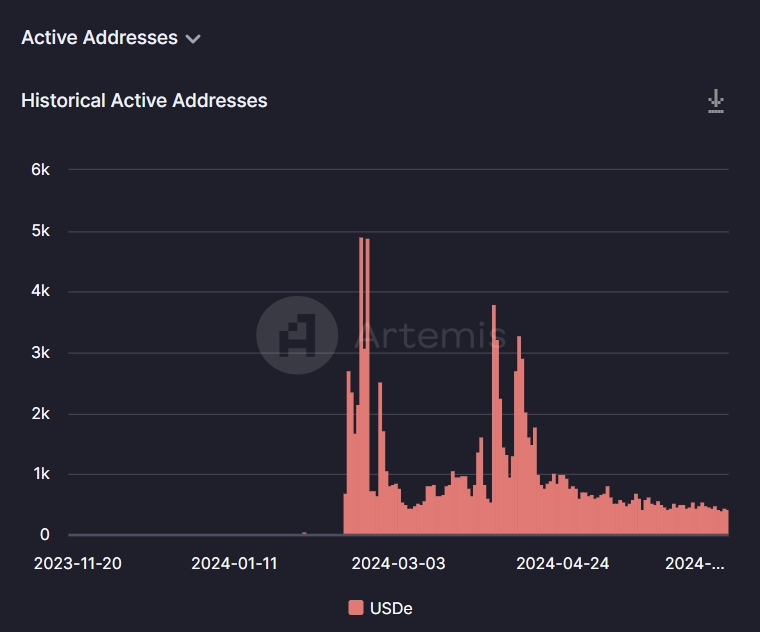
Its daily transaction volume is $200–300 million, with around 2,100 transactions and approximately 500 daily active users.
According to Etherscan data, the top ten USDe token holders are as follows:
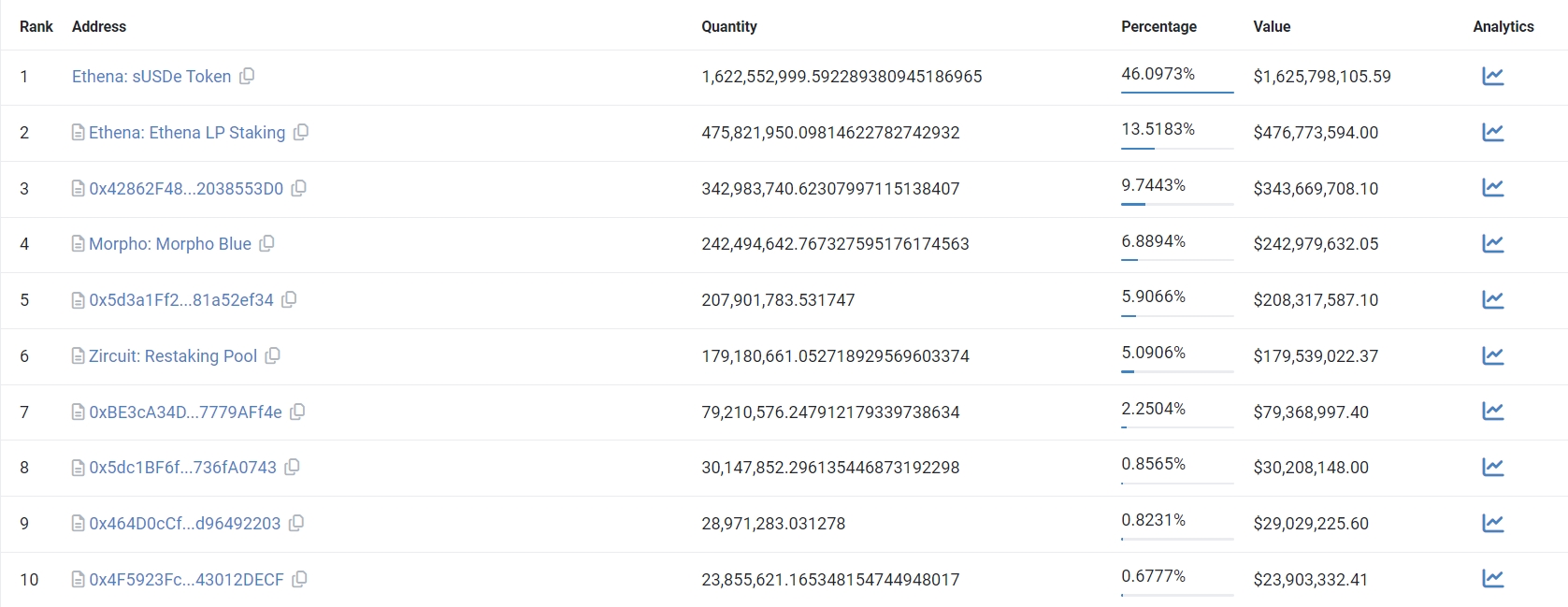
The first is the USDe staking address, holding 46% of USDe.
The second is the lock-up address for ENA, USDe, and related LP tokens, primarily concentrated on Curve, holding 13.5% of USDe.
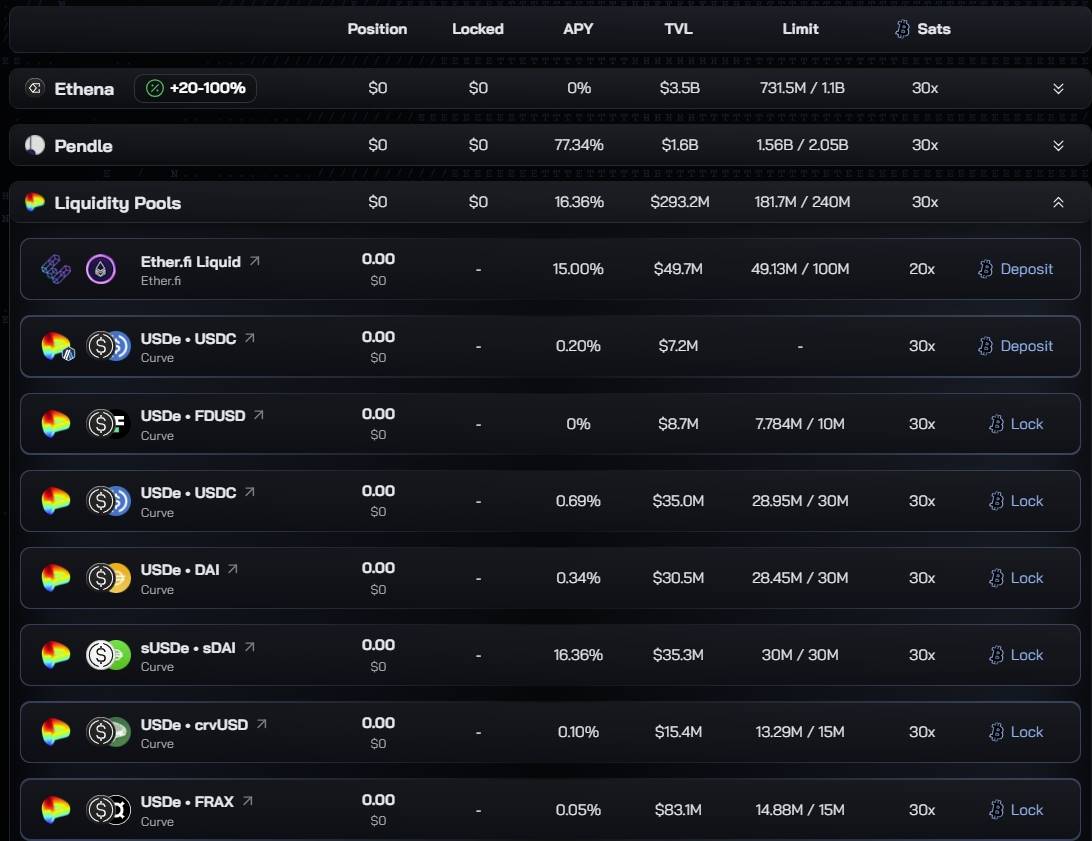
The third is the SY contract address corresponding to USDe on Pendle, holding 9.7% of USDe.
The fourth is the Morpho Blue lending contract address. Morpho Blue is a trustless, efficient lending primitive allowing permissionless creation of lending markets where users can customize loan assets, collateral types, Loan-to-Value Thresholds (LLTV), oracles, and Interest Rate Models (IRM).
This address holds a large amount of USDe because users can deposit USDe and sUSDe on Morpho to borrow DAI and USDT:
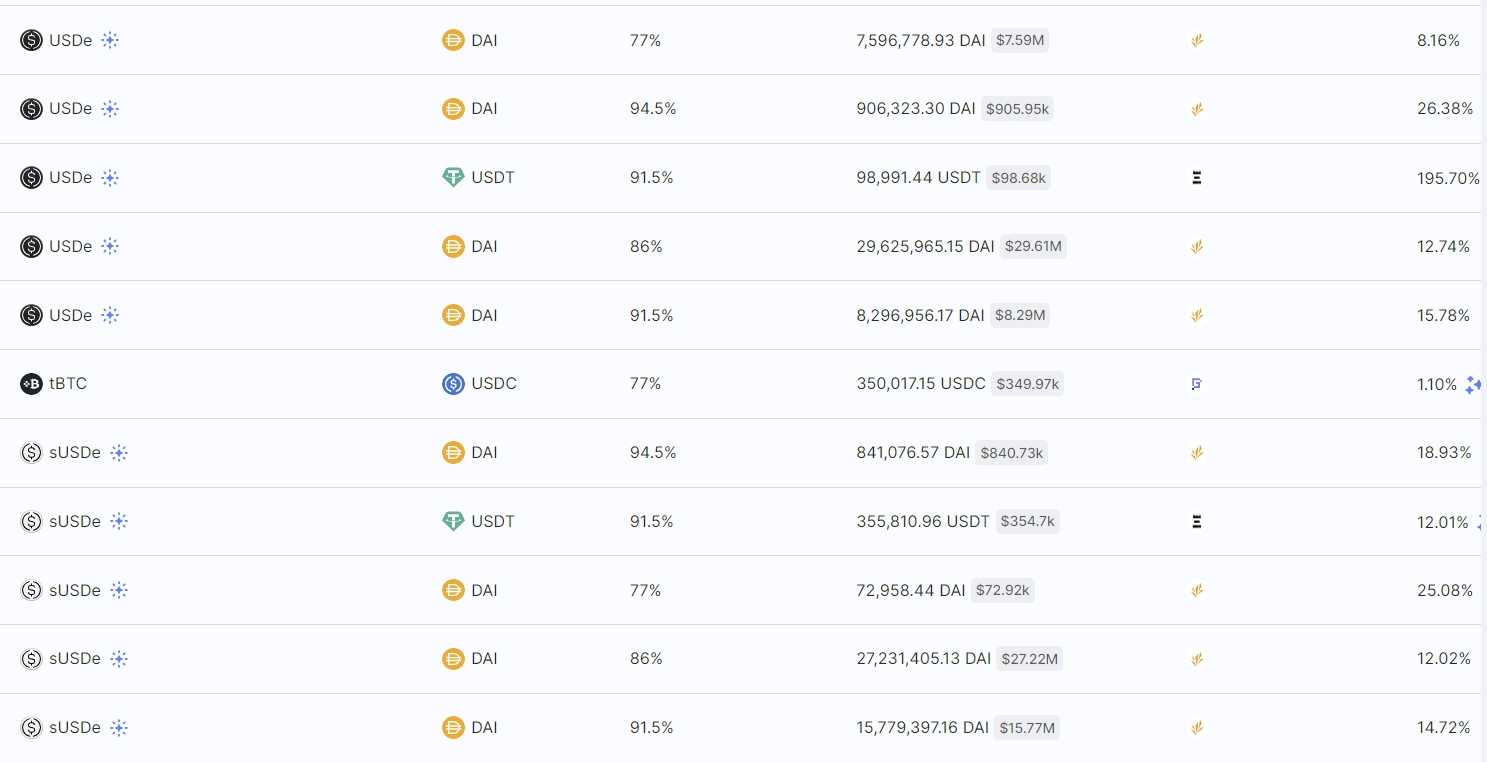
Using Morpho to pledge USDe and borrow DAI allows for easy leverage stacking. This address holds about 6.9% of USDe.
The fifth is the LayerZero cross-chain contract address for USDe, holding 5.9% of USDe.
From both on-chain activity and holdings data, USDe is currently circulating mostly within its own ecosystem. Real-world use of USDe as a payment method or medium of exchange remains minimal—a common issue faced by many previous stablecoins.
FDUSD and TUSD Data
FDUSD's supply trend is shown below, peaking at $4 billion at the end of April and then declining steadily to $2.17 billion.
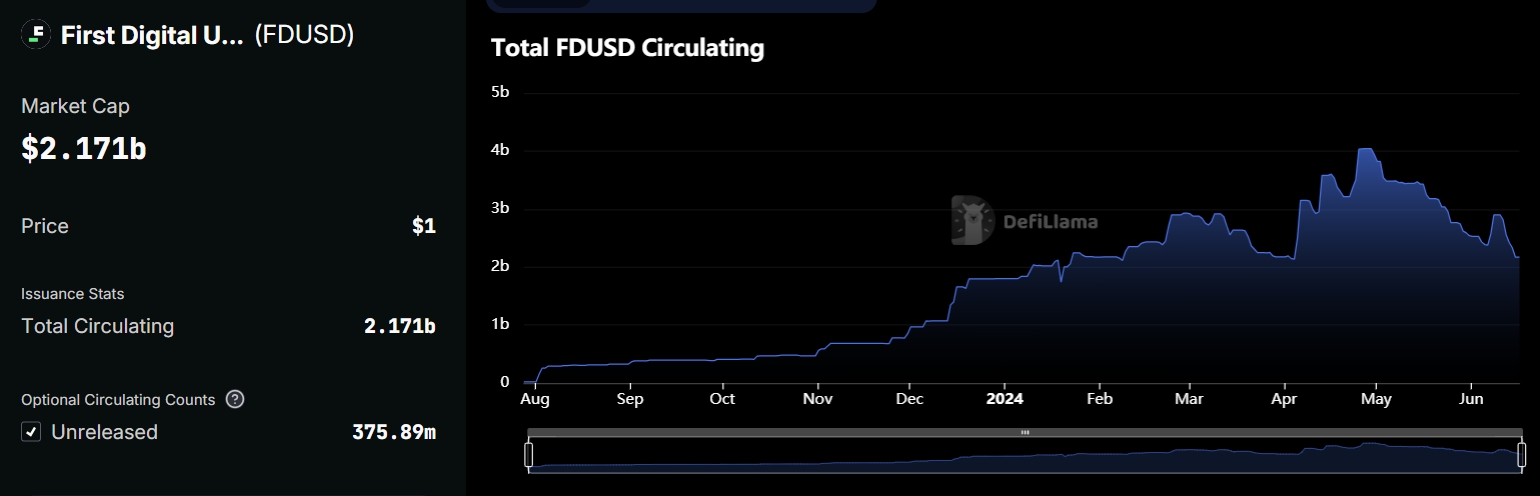
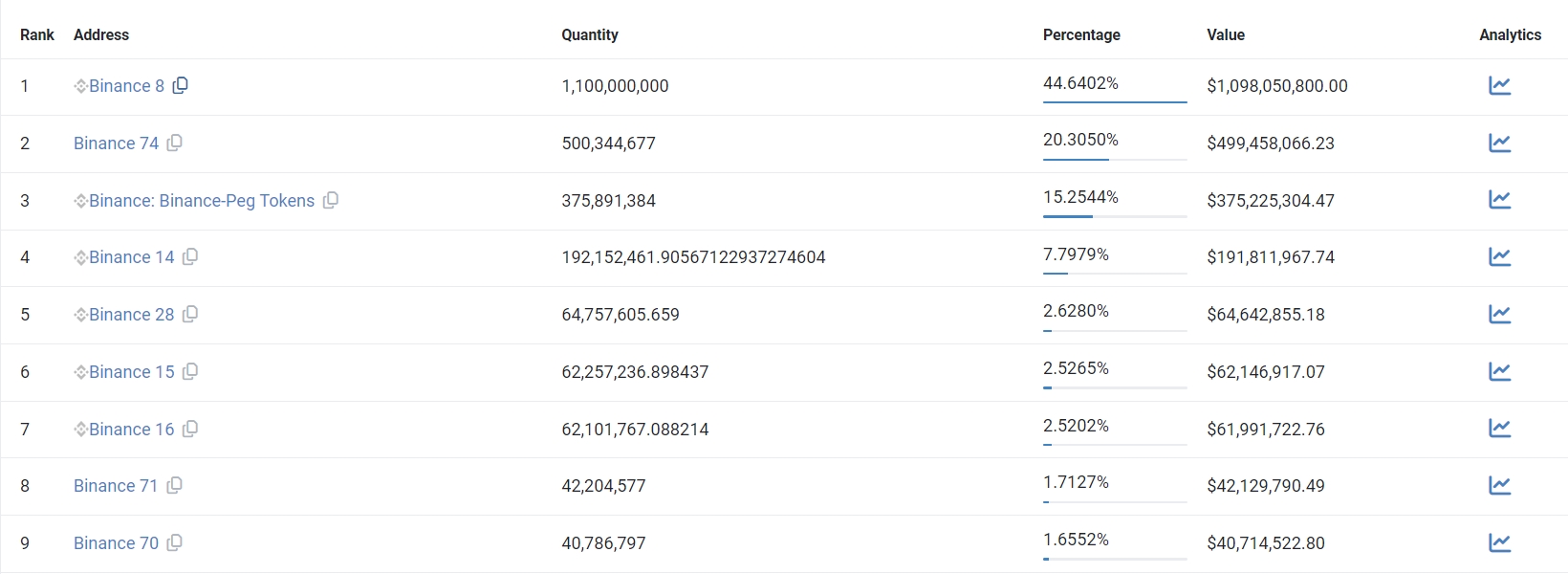
The vast majority of FDUSD is held by Binance and primarily used internally on the Binance exchange for trading and Launchpool rewards. The reduction in FDUSD supply reflects, to some extent, lower user activity on Binance.
As for TUSD, total supply has stabilized after declining throughout March:
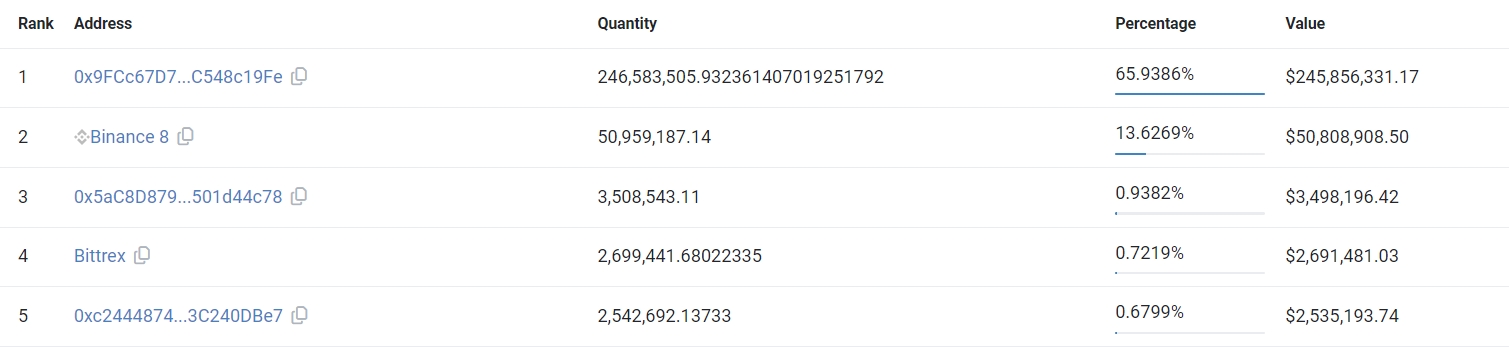
The top holder is Sun Brother, with a 66% share, followed by Binance at 13.6%.
[Disclaimer] Markets involve risk, and investment requires caution. This article does not constitute investment advice. Readers should consider whether any opinions, views, or conclusions herein suit their individual circumstances. Investment decisions based on this information are made at the user's own risk.
Join TechFlow official community to stay tuned
Telegram:https://t.me/TechFlowDaily
X (Twitter):https://x.com/TechFlowPost
X (Twitter) EN:https://x.com/BlockFlow_News
 @E2mResearch









