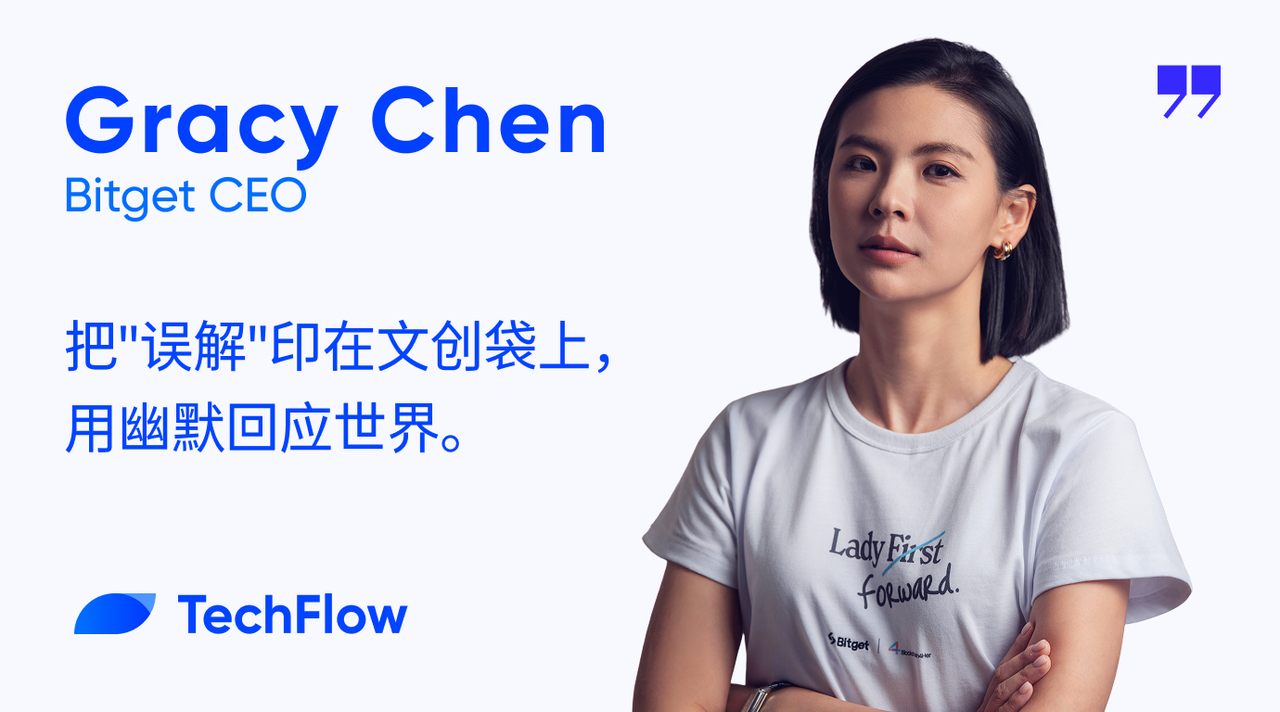
Exclusive Interview with Bitget CEO Gracy: There Will Be an Altcoin Bull Run, But It Will Be Different From Before
TechFlow Selected TechFlow Selected
Exclusive Interview with Bitget CEO Gracy: There Will Be an Altcoin Bull Run, But It Will Be Different From Before
In an exclusive interview, Bitget's new CEO Gracy Chen walked us through the company's operations, team building, and corporate culture in meticulous detail, emphasized Bitget's commitment to Chinese-speaking users, and shared insights into Bitget's future strategy and plans.
 Navigating Web3 tides with focused insights
Author: Gracy & Baicai Blockchain
The crypto industry has made remarkable progress in recent years, continuously breaking through technological bottlenecks and achieving real-world applications. The approval of Bitcoin spot ETFs further signals the industry's maturity and its growing appeal to mainstream global audiences. Yet another indicator of maturity in any tech sector is the proportion of female participants and female leaders. This year, another outstanding woman has risen to lead a top player in the crypto space—Gracy Chen, CEO of Bitget.
Known as the "Web3 Motivational Goddess" and the "Crypto Wonder Woman," Gracy Chen brings extensive experience in the crypto industry. Today, she leads Bitget, a rising star among centralized crypto exchanges (CEX) and Web3 platforms that has rapidly climbed into the global top 5 over the past few years.
Baicai Blockchain recently conducted an exclusive interview with Gracy Chen, offering readers a chance to get to know this new female CEO at the forefront of the crypto ecosystem. She shares insights on her personal journey, Bitget’s development, and her unique perspective on the future of crypto.
When it comes to Bitget, those familiar with the platform recognize it as a breath of fresh air. In just a few short years, both its user base and team have expanded rapidly. While many companies choose to pause operations during bear markets—when efforts often yield disproportionately low returns—Bitget chose instead to stay focused and “build” through adversity. This counter-trend mindset reflects the team’s exceptional values. Not only has Bitget demonstrated strong business growth, but it has also maintained a flawless six-year record with zero security incidents, showing rigorous risk management and a deep commitment to safeguarding user assets.
Such strong overall competitiveness doesn’t happen by accident—it results from dedicated teamwork, effective leadership, and sound decision-making. Of course, this journey involves countless challenges. How did they overcome them? In this interview, Bitget’s new CEO Gracy Chen walks us through the company’s operational strategies, team building, and corporate culture. She emphasizes Bitget’s commitment to serving Chinese-speaking users and reveals the exchange’s future plans and strategic directions.
Through this interview, we also asked Gracy Chen—now standing at the pinnacle of the crypto ecosystem—for her thoughts on key community concerns such as market opportunities, bull market trends, and the impact of Bitcoin and Ethereum ETFs—offering profound insights from a top-tier industry perspective.
See the full interview transcript below:
1. You joined Bitget in 2022 and were recently appointed CEO—almost two years now. Can Gracy share your journey so far? Were there any particularly challenging or memorable moments?
Gracy: I joined the company in April 2022 and was officially announced in June. Shortly after, we faced the collapse of Luna/Terra, followed by the failures of Celsius and Three Arrows Capital. My entry timing couldn't have been worse. What stands out most is navigating the bear market when the entire market declined. Many well-known crypto firms—including those mentioned—faced financial crises, massive layoffs, or even shutdowns. That really tested my belief in the industry.
But going through these challenges with the Bitget team strengthened us. Looking back at the past two years, this period significantly boosted our team cohesion.
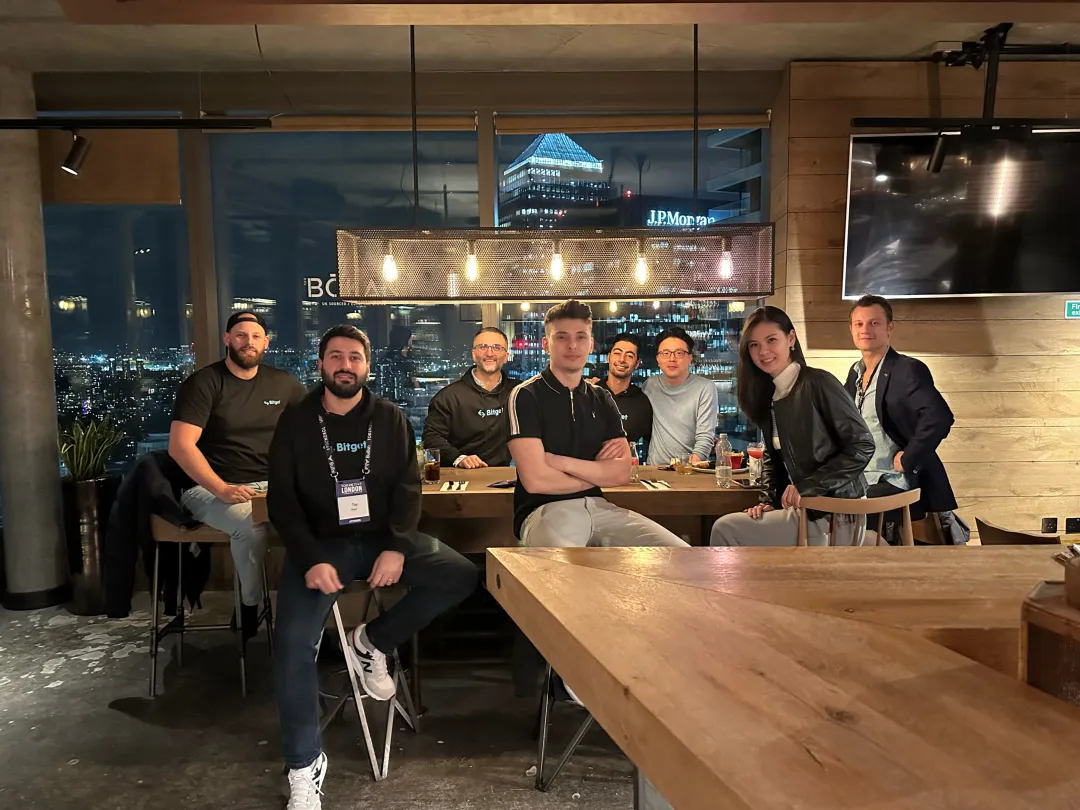
Over the past two years, we’ve achieved impressive results visible to the entire market. We attracted top talent, growing our team from under 500 to 1,500 employees. During the bear market, we acquired high-quality assets at relatively low prices, expanding our business beyond CEX to include decentralized wallets, investment media, and incubators—extending across the blockchain industry chain.
The biggest challenge has been globalization. We evolved from a small team based in East Asia into a multinational company serving over 100 countries and regions, with more than 25 million users. User needs vary greatly across regions—not just in language, but also in cultural expectations around product features and token preferences. Just the other day, I held a meeting with regional leads. Over two hours, more than ten regional managers reported in—with distinct English accents from the Middle East, Southeast Asia, and Europe. It struck me how different it was from two years ago, when nearly all attendees spoke Chinese. Now, our meetings bring together diverse English accents—a testament to our global progress.
2. In recent years, Bitget’s user base has grown fourfold, placing it in the global top five. Rapid team expansion brings significant management challenges. How do you manage and motivate your team? Can you share your management philosophy?
Gracy: We adopt a highly efficient, results-driven management style.
We’ve adopted best practices from major companies like Huawei and ByteDance—particularly their OKR systems—to strengthen management globally. Our communication tools support cross-time-zone collaboration. We don’t encourage upward management or formalism—no elaborate PowerPoint presentations needed. If one page can explain it, that’s enough.
Performance-wise, we are results-oriented and offer substantial incentives based on achievements. Equally important is trust—we owe much of our success to the high level of trust we place in regional teams. Despite their diverse accents, these colleagues deeply understand local markets, build relationships with key opinion leaders and project teams, and respond effectively to regional demands. Therefore, we delegate decision-making authority to local teams—covering marketing strategies and more. At the same time, they must take responsibility for their decisions. For example, they can decide whether to sponsor a project, but must also evaluate its return on investment.
In short, we track outcomes through data and OKRs while empowering teams with autonomy and trust. This culture helps us attract and retain talent aligned with our values, enabling faster and more effective decision-making.
3. Many exchanges laid off staff during the bear market, yet Bitget expanded—from 1,000 to 1,500 employees last year. Can you walk us through the strategic thinking behind this decision?
Gracy: Our strategy differs from others. While others downsized, we hired aggressively and acquired assets. We believe this is a marathon, not a sprint. Maintaining the right pace matters more than chasing short-term gains.
Those who stayed in the industry during the bear market are true believers—real builders—which aligns with our culture. During downturns, we could acquire top talent, quality assets, and advanced technology at lower costs, widening our lead over competitors.
Now that the bull market has arrived, we’re seeing the payoff—and feeling very satisfied. It confirms our belief: the bear market is a golden opportunity for growth and construction.
4. Since its founding, Bitget has embraced a Messi-style growth model and a “wolf culture.” As a leader shaping Bitget’s culture, which values do you emphasize?
Gracy: Our core values are customer-first, integrity, candid communication, and delivering results. These are central to our hiring process.
For example, we emphasize results. Sales roles have relatively low base salaries but high commissions—some employees earn hundreds of thousands of dollars. Candidates overly focused on base pay rather than performance likely won’t fit our culture. However, for technical and managerial roles, we have a comprehensive OKR and compensation evaluation system.
In the fast-moving crypto industry, we also advocate lifelong learning, believing people shouldn’t rest on past achievements but should focus on the present and future. We don’t enforce strict working hours, but we require training—each quarter, employees must attend a certain number of sessions, such as learning new languages, improving communication skills, or acquiring other competencies. Our internal research institute curates the latest industry news for shared learning. This learning-oriented environment keeps our team energized every day.
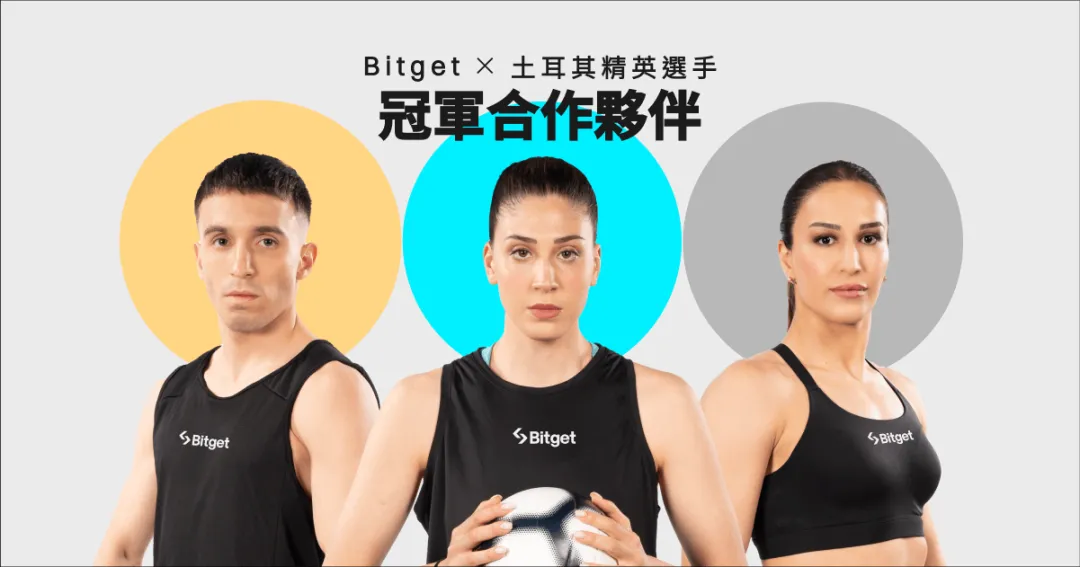
Recently, we partnered with elite Turkish national athletes: İlkin Aydın, world champion in women’s volleyball; Buse Tosun Çavuşoğlu, world champion in women’s wrestling; and Samet Gümüş, European boxing champion. All three will represent Turkey at the 2024 Paris Olympics. Although we previously named Messi our brand ambassador, expanding partnerships with outstanding athletes allows us to further explore the synergy between sports and Web3, bridging crypto with the traditional world. These collaborations reflect our values. As marathon runners in the crypto exchange space, Bitget firmly believes the only shortcut to success is consistent incremental improvement—an ethos that mirrors the spirit of athletic excellence, where each step forward is a piece of a greater goal.
These are the core values and culture of our team. Personally, I embody lifelong learning. After becoming CEO, I wrote an article about returning to MIT for my MBA after nearly a decade in the workforce—a journey made possible by my daily commitment to focused learning.
5. Transitioning from being a TV host to leading a crypto company as Bitget’s CEO—and being a mother too—the role shift is significant. What personal traits have supported you through these transitions? And can you share key decision-making moments along the way?
Gracy: Though the career shift seems large, it’s actually an extension of my math background. I majored in mathematics, then worked and launched startups in emerging tech fields. At MIT, I researched technologies like 3D printing, AI, and VR before moving into crypto investing. Whether entrepreneurship, investment, or hosting financial programs—all require strong logic and financial knowledge, rooted in mathematics.
Regarding pivotal decisions, the most important ones in my personal life were getting married and divorced—especially the divorce. I believe marriage should be a mutually supportive relationship that adds energy, but when it turns harmful and neither party benefits, and if I don’t want to hurt anyone, I’ll choose to end it. That’s my view on personal relationships. Of course, it’s more about redefining the relationship since we share a child and still need to cooperate.
Professionally, I once led a startup that raised funding but ultimately failed due to market valuation and profitability issues. Closing the company was an extremely difficult decision. I felt defeated—like I’d let down investors and my team. But looking back, every company has a lifecycle. If it can continue, great; if not, do your best to provide a fair outcome for employees and investors. Still, making that call was incredibly hard at the time.
These are probably my two biggest life decisions—one personal, one professional.
I think much of what enabled me to make these choices stems from my personality and values. I’ve never followed conventions—I love exploring and taking risks, both in work and life. For instance, I’m an advanced open-water diver and enjoy skydiving and polo—adventurous pursuits all.
Overall, though the journey hasn’t been easy, every experience has nourished me, making me stronger and more resilient.
6. What kind of person are you in daily life? What do you enjoy doing?
Gracy: I probably use up all my brainpower at work—I’m quite careless in daily life. Most of my free time goes to spending time with my son. But due to my “sloppiness,” he often suffers alongside me. Recently, I took him on a picnic and bought a questionable cake at a gas station. Both of us had stomach issues for days afterward.

I also enjoy casual gatherings with friends. I’m quite extroverted and love socializing. I have many friends outside the tech world—their perspectives broaden my worldview. But when we hang out, they always tease me as the “funny girl.” The other day, they pushed me to talk about dating again, asking what I look for. I joked: not much—just handsome, a bit wealthy, and treats me well. When they asked if I’ve met anyone fitting that description, I said yes, plenty—but they all ended up becoming gay besties.
Crypto jobs are notoriously intense, but I believe the busier you are, the more you should live fully—drawing energy from life to fuel your work.
7. From available information, you have over 10 years of experience in management, marketing, and investment, with an impressive career path. What are your goals for the next three to five years, both professionally and personally?
Gracy: My goals are simple. Professionally, I aim to grow Bitget into one of the top three global trading platforms. Even though Bitget is already large, I want it to expand further—perhaps become a super unicorn.
Personally, I focus on harmonious relationships—with my parents, my son, friends, and romantic partners. Though I’m currently single, I still seek intimate connections. Even as CEO, I don’t believe work should consume every moment, leaving no room for personal life or love. I want to receive nourishment from these relationships—and give value and support in return.
Those are my two simple goals. The other day, I bought an iPad with an Apple Pencil. It’s engraved with “Gracy,” a heart on the left, and a unicorn on the right—perfectly symbolizing my dual pursuits: emotional fulfillment in relationships and continuous growth in my career.
8. What are your thoughts on the low representation of female leaders in Web3 and crypto companies?
Gracy: I’ve seen data showing that in both Web3 founding teams and general Web3 firms, women are severely underrepresented in leadership roles. The venture capital space is even worse. I recently read a comment calling me the only female CEO among the top ten global exchanges. It reminded me how rare female leaders are across industries.
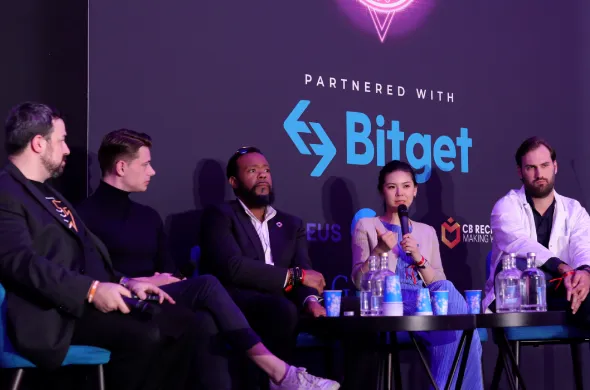
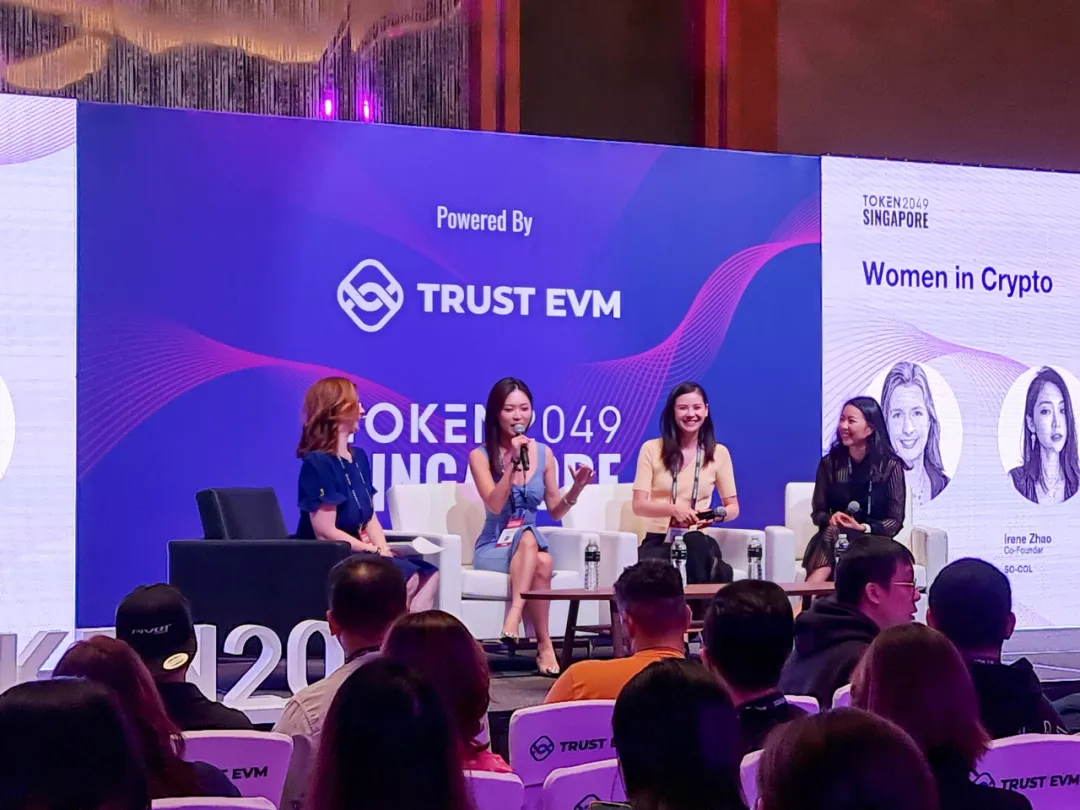
I care deeply about women’s career development, especially the disadvantages they face in male-dominated fields. We need more female leaders. Society often holds biases—for instance, frequently asking female leaders how they balance work and family, subtly implying they should prioritize home life. These biases come not just from society, but can become internalized constraints for women themselves. Especially in fintech, women are few and often lack confidence. So first, we must break these internal barriers and build self-assurance. As the saying goes: an egg broken from outside is food; broken from inside is life. I hope to help and advocate for women to break their own chains and gain confidence—the foundation being the belief that we absolutely can do it.
That’s why I actively drive change—through initiatives like nonprofit projects. Our Bitget initiative “Blockchain for Her” supports women’s development in crypto. We established a small fund to back female founders and teams, and selected top global female leaders as mentors to provide collaborative support. Additionally, in 2020, I founded “SheShifts” under the World Economic Forum—an ongoing nonprofit providing career consulting, community support, and mentorship planning for women.
Of course, these initiatives stem from personal experiences. Early in my entrepreneurial journey, a male investor explicitly told me he wouldn’t fund female founders—especially married women without children. I was in that exact situation then. That moment deeply revealed societal bias against female executives and founders.
Now that I have the ability, I’m happy to take meaningful action and create positive change. I look forward to seeing more talented women join our industry and contribute to its long-term growth.
9. Drawing from your experience and investment perspective, how do you view the current bull market cycle? There’s talk that this might be a “no-altcoin-bull” market—what’s your take?
Gracy: That’s certainly possible, given the market’s inherent uncertainty. Whether altseason will return is hard to predict. I’ve discussed this extensively with various investment institutions. Here’s my take:
First, this bull run differs from previous ones by being more dominated by Bitcoin and Ethereum. Bitcoin is seen as digital gold; Ethereum, digital oil—their value propositions are solidifying. Both benefit from ETF approvals and increasing institutional participation, reinforcing their status as stores of value.
Second, as mentioned, institutional involvement is changing the landscape. Institutional investors—especially in Europe, the U.S., and Asia, including pension funds—are becoming increasingly influential. With ETF approvals, their presence will grow. They tend to favor Bitcoin and Ethereum over riskier altcoins—or may invest in altcoin funds rather than individual tokens.
Regulatory shifts are another factor. Global crypto regulation is tightening, especially crackdowns on ICOs and altcoins. This pushes investors toward safer, more established projects.
Historically, Bitcoin and Ethereum rise first in each bull cycle, drawing initial capital. Later, money spills into altcoins, driving their surge. But now, investors are paying more attention to real utility and project potential—not just speculation. That’s the evolution of the industry.
So personally, I believe altseason will come—but not as explosively as before. No DeFi Summer, no GameFi Summer-like frenzy, nor sudden memecoin spikes and crashes.
10. The consecutive approval of Bitcoin and Ethereum spot ETFs has opened a new “door” for the crypto market. How do you think this will affect the competitive landscape of centralized exchanges? Compared to ETFs, where does CEX’s edge lie?
Gracy: ETF launches haven’t taken market share from us—in fact, they’ve helped. They boost market vibrancy and user activity, creating a complementary relationship between ETFs and exchanges.
When traditional institutions enter, they may start with ETFs. But when they want to diversify further, they find ETF offerings limited—they can’t meet broader investment needs. CEXs offer far more trading pairs and assets—that’s the first competitive advantage.
Second is trading time. Spot ETFs for Bitcoin and Ethereum have restricted trading hours—no weekend trading, for example. CEXs operate 24/7, offering greater flexibility.
Third, CEXs are retail-friendly. ETFs cater more to professionals and institutions, with higher barriers and less ease of use.
Fourth, diversity in products and financial services. Buying BTC and ETH alone is a narrow offering. ETFs do just that. But centralized exchanges provide a wide range of services—wealth management, dual-currency investments, leveraged trading, and more.
Thus, we coexist with ETFs, serving different needs. This includes different user groups—e.g., institutions may buy BTC/ETH via ETFs but hedge or diversify on CEXs.
11. Is there anything else you’d like to add?
Gracy: One thing I’d like to emphasize is Bitget’s commitment to Chinese-speaking users. On the global crypto stage, Chinese communities represent a powerful force. We’re also seeking deeper integrations with leading projects, bringing their services more effectively to our CEX users, aiming to deliver competitive offerings to this community.
Since I took over, we’ve initiated internal reforms—including friendlier cooperation models with market makers and deeper ties with top-tier projects. The impact of these changes will become evident in the coming months—and throughout the bull market. Stay tuned.
Join TechFlow official community to stay tuned
Telegram:https://t.me/TechFlowDaily
X (Twitter):https://x.com/TechFlowPost
X (Twitter) EN:https://x.com/BlockFlow_News
 白话区块链
白话区块链