








US Election and Cryptocurrency: Voters' True Thoughts and Future Expectations
TechFlow Selected TechFlow Selected
US Election and Cryptocurrency: Voters' True Thoughts and Future Expectations
Insights from Grayscale's Survey on Cryptocurrency Issues in the U.S. Election: How Do Voters View Cryptocurrencies? What Are Their Opinions on Owning Crypto?
 Navigating Web3 tides with focused insights
Source: Grayscale
Translation: Karen, Foresight News
As the 2024 U.S. election approaches, cryptocurrency—an emerging and controversial field—is gradually becoming a focal point for voters. How do American voters view cryptocurrency within the political landscape? What are their opinions on owning crypto assets? These two topics are growing increasingly significant ahead of the 2024 U.S. presidential election.
According to a Grayscale survey of U.S. voters conducted between April 30 and May 2, 2024—prior to the June presidential debate between Biden and Trump—voters broadly expressed uncertainty and concern over substantial risks, including ongoing conflicts in multiple regions, deeply polarized political discourse, and persistent inflation impacting the U.S. economy.
The two presidential candidates present starkly different visions for America’s future, and nearly half of registered voters admitted they would prefer alternative candidates if given the chance. Amid this volatile political climate, the significance of crypto assets to voters is rising—a trend underscored by the latest research from The Harris Poll commissioned by Grayscale. Key findings include:
1. Given macroeconomic trends and Bitcoin's increasing maturity as an asset class, we observe growing relevance. Currently, nearly half of voters (47%) expect their investment portfolios to include cryptocurrency, up from 40% at the end of last year.
2. Consistent with earlier findings this year, survey respondents continue to identify inflation as a central issue in the election (28%). This reaffirms the potential value of assets like Bitcoin, which feature transparent and fixed supply caps.
3. Donald Trump has actively promoted cryptocurrency during his campaign, while recent crypto legislation such as FIT21 and SAB 121 has garnered bipartisan support in Congress. Harris Poll data further confirms that cryptocurrency has become a shared focus across party lines, with similar ownership rates among Republicans (18%) and Democrats (19%).
4. Could November become the "Bitcoin election month"?
Growing Voter Interest in Cryptocurrency
Grayscale believes that heightened attention toward Bitcoin stems from macro developments and the maturation of Bitcoin as an asset class.
Over the past six months since the first phase of this survey, voter interest in Bitcoin has significantly increased due to geopolitical tensions, inflation concerns, and dollar-related risks (41% vs. 34% in November 2023).
Notably, 28% of voters identified inflation as a core issue in the current election cycle, further highlighting the potential value of assets like Bitcoin that offer transparent and strictly limited supplies.
Additionally, Grayscale introduced new questions in this survey wave to gain deeper insights into voter sentiment. According to The Harris Poll, key Bitcoin-related events—such as the January 2024 approval of spot Bitcoin ETFs in the U.S. and the April 2024 Bitcoin halving—have made voters more interested in investing in Bitcoin and other digital assets (18% and 20%, respectively). Notably, the ETF approval sparked greater investment interest among 9% of retired voters.
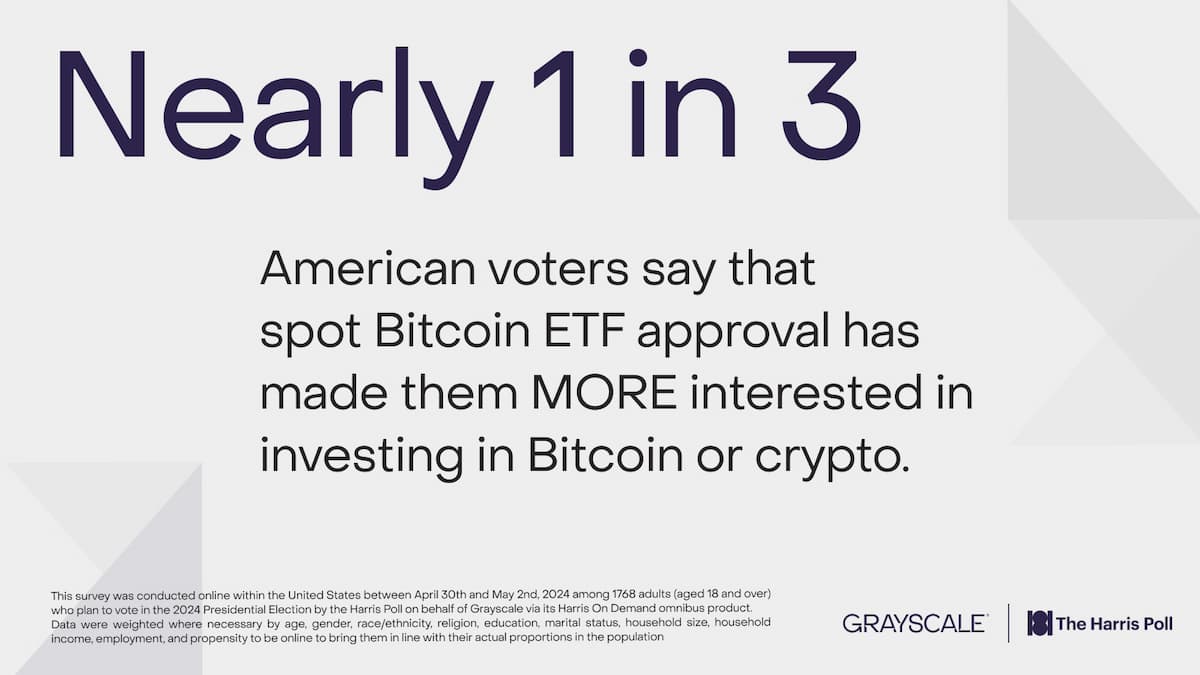
Figure 1: Voters Are Increasingly Paying Attention to Bitcoin
So far, 2024 has been a remarkable year for Bitcoin. On March 13, 2024, Bitcoin reached an all-time high in price. Could November become the "Bitcoin election month"?
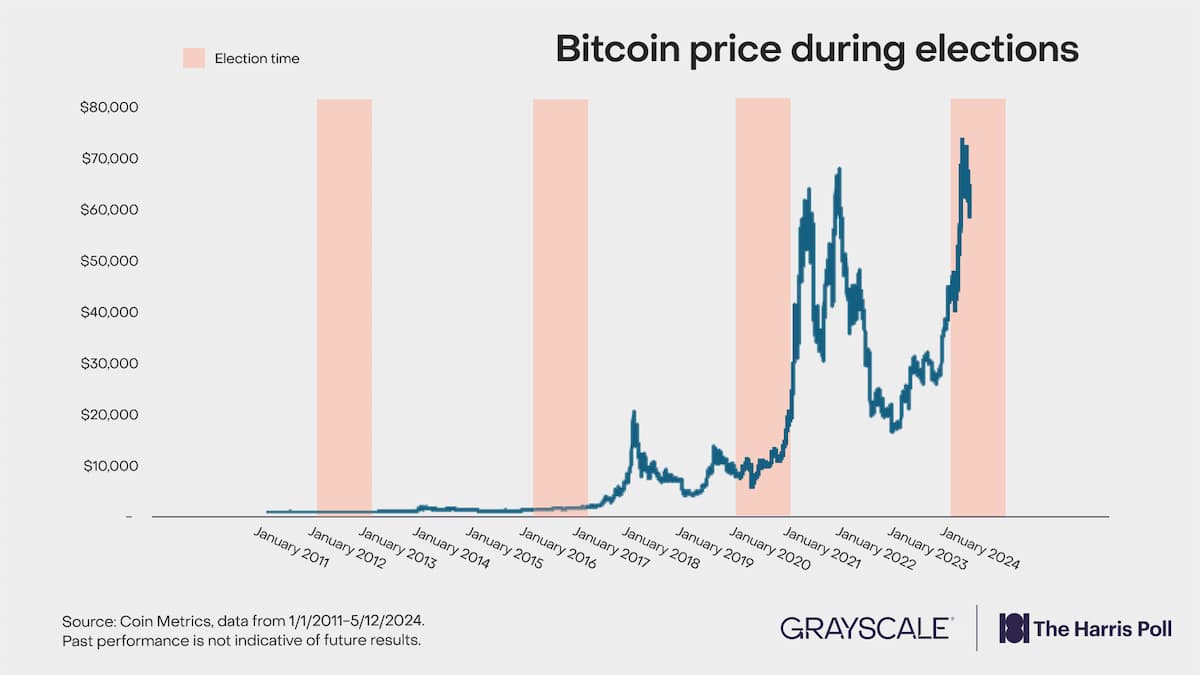
Figure 2: Bitcoin Price Is Higher Than During Previous Election Periods
Voter interest in cryptocurrency extends beyond Bitcoin to the broader category of digital assets. This growing attention manifests both in general curiosity and actual investment intent. Nearly one-third of voters (32%) said they are more open to learning about or investing in cryptocurrencies than they were at the beginning of the year. Compared to November 2023, voters are now more likely to view cryptocurrencies as strong long-term investments (23% vs. 19%), and an increasing number expect some portion of their portfolios to include crypto (47% vs. 40%). This trend clearly indicates the rising importance of cryptocurrency in investors’ minds.
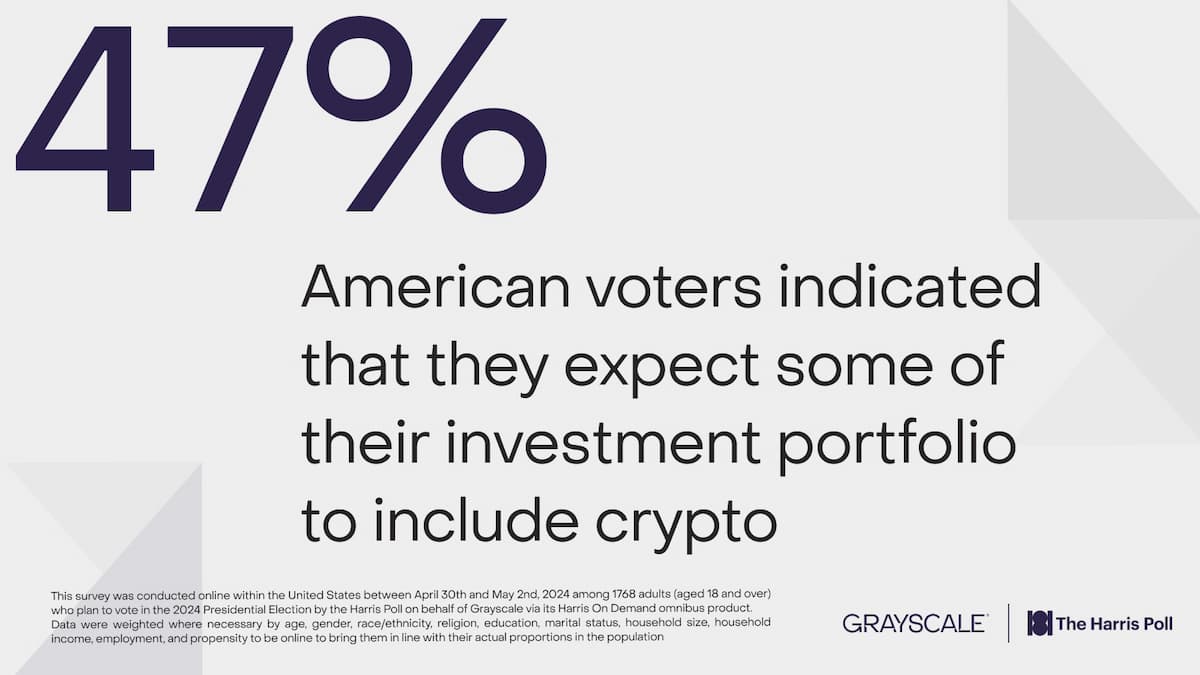
Figure 3: Voters Increasingly Expect Crypto in Their Investment Portfolios
Cryptocurrency: A Bipartisan Political Issue
Although Trump has embraced cryptocurrency more actively during his campaign, data shows that crypto is a bipartisan concern, with nearly identical ownership rates among Republicans (18%) and Democrats (19%).
When evaluating which party is more favorable toward the crypto industry, voter opinions are divided. Equal percentages of voters (30% each) believe the Democratic and Republican parties hold the most favorable stances on crypto policy. These results suggest that support for cryptocurrency does not clearly favor one party but remains balanced across the political spectrum. This aligns with recent bipartisan congressional support for the SAB 121 resolution, which allows financial institutions to serve as custodians of digital assets, potentially improving accessibility for crypto investors.
However, it is worth noting that Republican voters are more likely than Democratic voters to see inflation and economic issues as the most pressing challenges facing the U.S. today (54% vs. 33%). As a result, Republicans appear relatively more focused on issues closely tied to Bitcoin and cryptocurrency, such as inflation and economic performance. In contrast, Democrats tend to prioritize gun violence, climate change, and income inequality. This divergence may help explain why Trump has recently emphasized the importance of cryptocurrency in his campaign messaging.
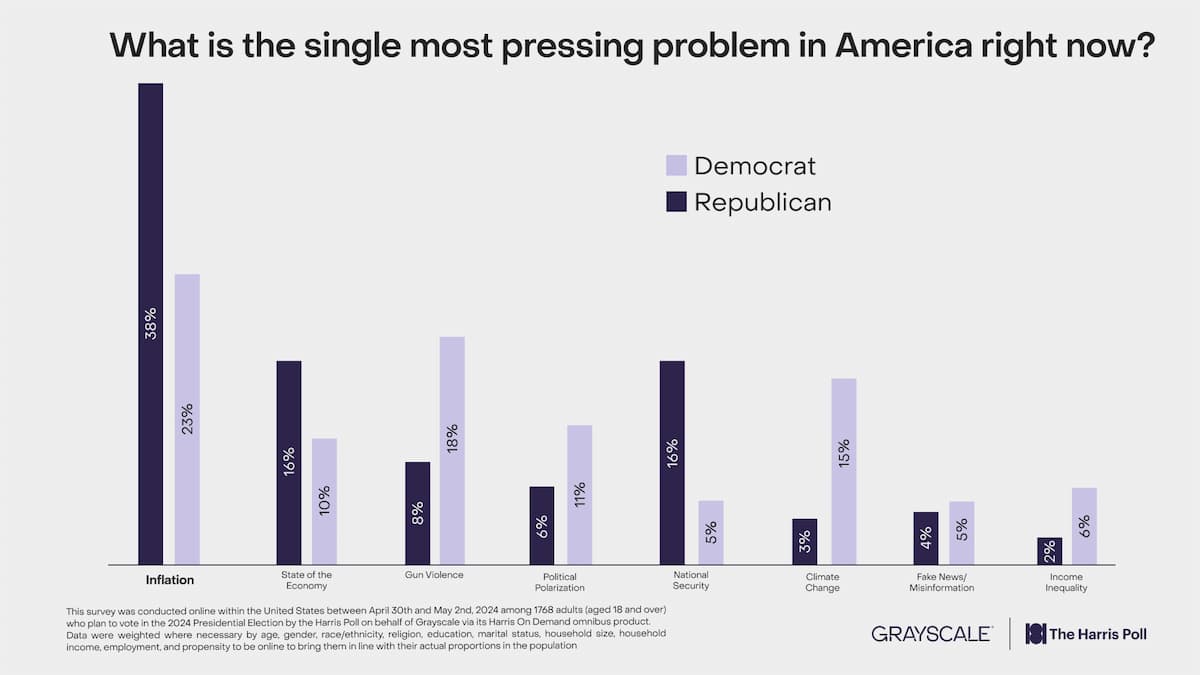
Figure 4: Most Pressing Single Issue by Party
Conclusion
The United States faces critical decisions on macroeconomic policies—including government deficits and debt, inflation, Federal Reserve independence, and America’s global role. The divergent positions of the two candidates on these key issues will undoubtedly have profound implications for both the U.S. dollar and Bitcoin.
As voter interest in cryptocurrency continues to rise, the incoming administration’s stance on this emerging digital asset class will be closely watched. This is especially important for younger voters, as high as 62% of Gen Z and millennial voters believe cryptocurrency and blockchain technology will shape the future of finance.
As November draws closer, one trend becomes increasingly clear: cryptocurrency is steadily evolving into an issue that policymakers and 2024 election candidates can no longer afford to ignore.
Survey Methodology
This survey was conducted online by The Harris Poll on behalf of Grayscale from April 30 to May 2, 2024, using its Harris On Demand platform. It included 1,768 U.S. adults (aged 18 and older) who plan to participate in the 2024 presidential election. Data were weighted when necessary by age, gender, race/ethnicity, region, education level, marital status, household size, household income, employment status, and internet usage to align with population proportions. Results were compared with "Phase One" data collected at the end of November 2023 using the same parameters. The margin of error for this sample is ±2.5 percentage points at a 95% confidence level. This confidence interval may be wider within specific subgroups of the surveyed population.
Join TechFlow official community to stay tuned
Telegram:https://t.me/TechFlowDaily
X (Twitter):https://x.com/TechFlowPost
X (Twitter) EN:https://x.com/BlockFlow_News
 @Grayscale









