Infinex, the new project by Synthetix's founder, rakes in over $50 million on its first day
TechFlow Selected TechFlow Selected
Infinex, the new project by Synthetix's founder, rakes in over $50 million on its first day
Will points be converted into tokens? The answer might not be ideal.
 Navigating Web3 tides with focused insights
By Azuma, Odaily Planet Daily
On May 13, Infinex—a comprehensive DeFi platform created by Synthetix founder Kain Warwick—officially opened account creation and deposit channels, announcing it will distribute 377 million governance points (GP) to all depositors over the next 30 days.
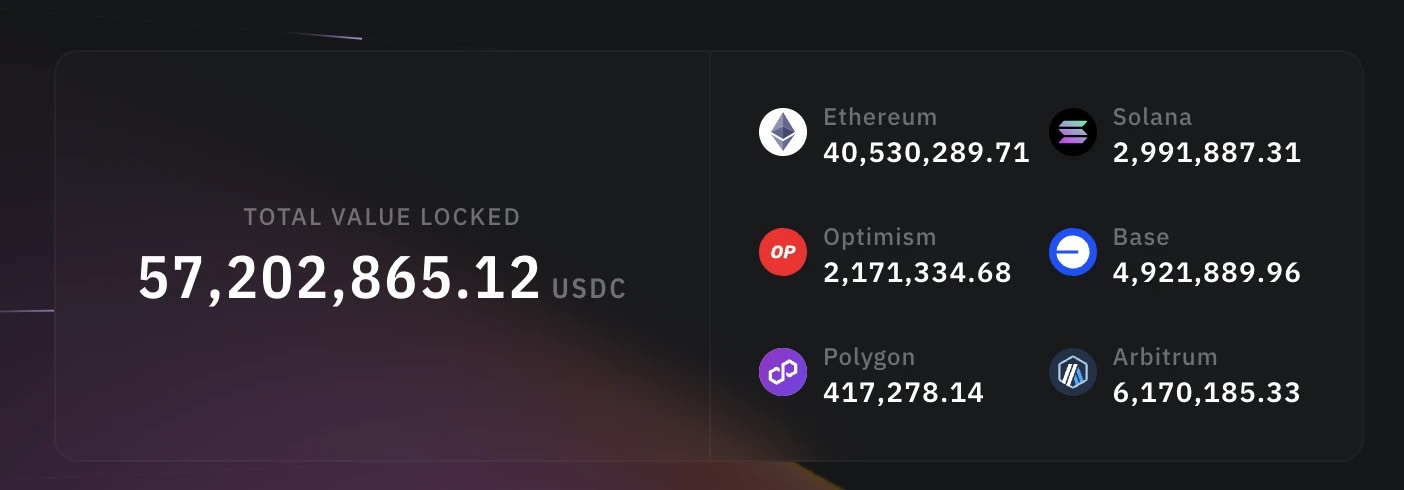
At the time of writing, Infinex has already accumulated over $57 million in USDC deposits across six Layer 1 and Layer 2 networks: Ethereum, Solana, Arbitrum, Base, Optimism, and Polygon.
Infinex: A Gateway to Seamless DeFi Experience
It's difficult to assign Infinex a concrete application category. While the industry often describes Infinex as a decentralized derivatives exchange, its ambitions extend far beyond that.
Based on Infinex’s own description, it can be viewed as a gateway to DeFi services. First, Infinex functions as a non-custodial, multi-chain wallet. Second, users can access various integrated DeFi applications through the platform. Most importantly, complex concepts such as wallet addresses, cross-chain bridges, seed phrases, and gas fees are abstracted away. Users don't need to understand or even know these terms—they can seamlessly access DeFi services just like using CeFi products.
The reason Infinex is often associated with decentralized derivatives exchanges is that upon full launch, it will initially integrate with Synthetix Perps V3, enabling users to trade decentralized derivatives via the latter.
According to Infinex, the project aims to bridge the experience gap between CeFi and DeFi by creating an intuitive on-chain experience layer. By integrating various DeFi protocols, Infinex intends to offer users more tokens, more derivatives, and innovative yield products, thereby better serving its users. Ultimately, this could significantly reduce market demand for CeFi services and accelerate broader adoption of DeFi.
Account Creation Experience
As mentioned earlier, Infinex does not involve traditional wallet concepts such as addresses or seed phrases. Instead, users must create an account using a Passkey.
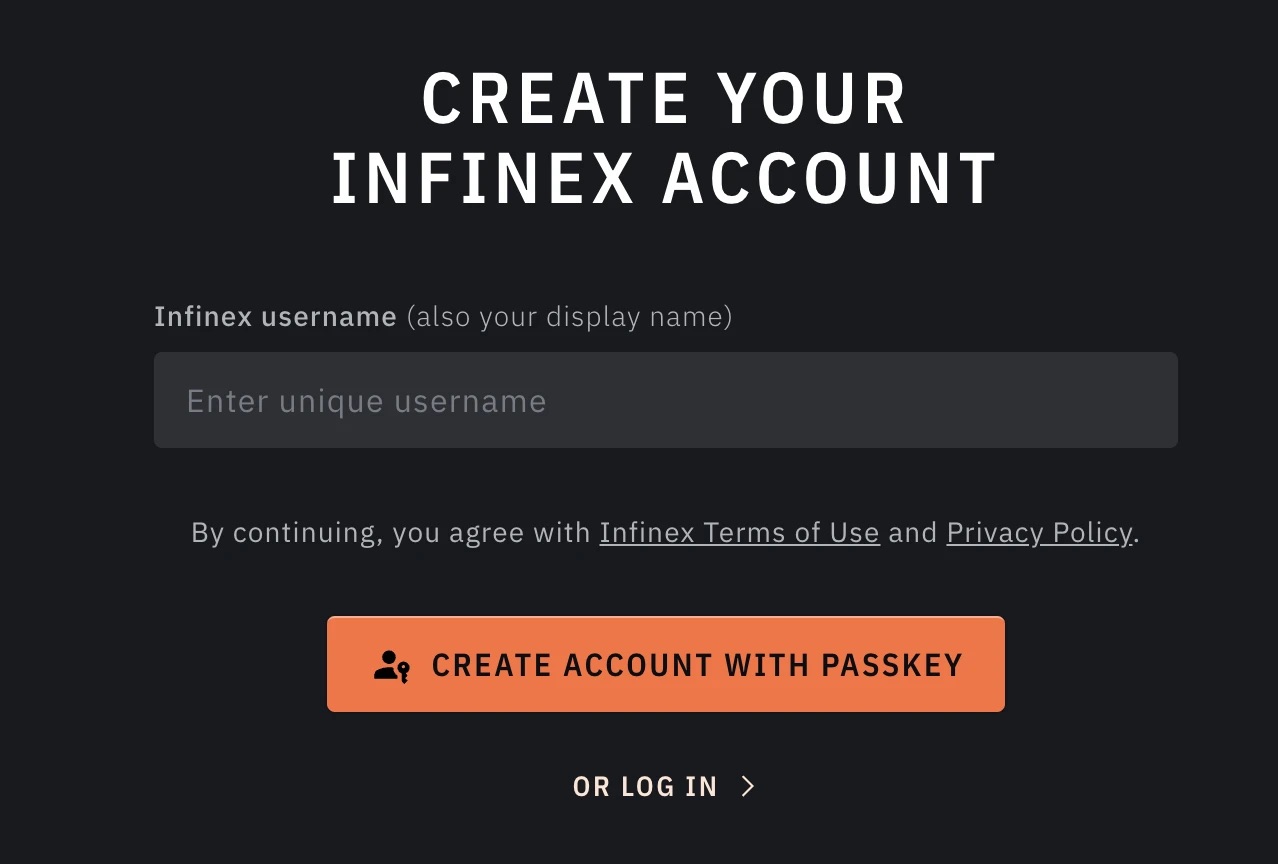
Passkey is the sole method for logging into an account. When a user creates an Infinex account, a public-private key pair is generated for authentication: the public key is stored on Infinex servers, while the private key remains securely stored on the user’s personal device. Both keys are required during login verification.
When the user attempts to log in again, the Infinex server sends an encrypted "challenge" using the public key to the user’s device. The user then verifies their identity via biometrics, PIN, or a USB security key and signs the challenge with the private key to gain access.
Since the private key cannot be derived from the public key and remains only on the user’s device, hackers cannot access the account without physical access—effectively preventing phishing attacks.
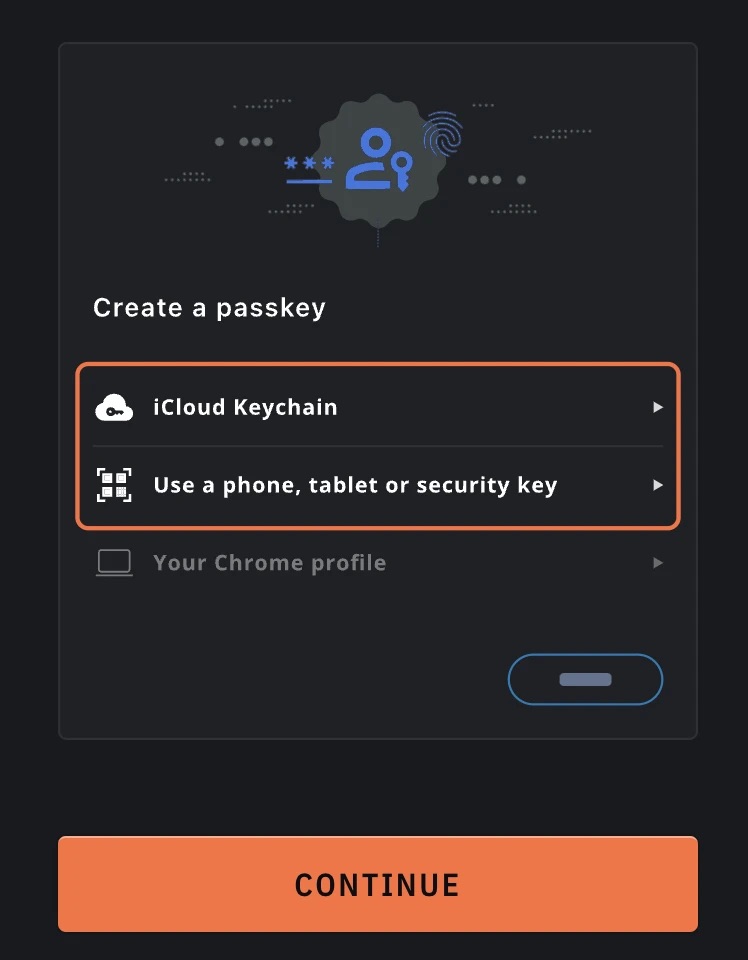
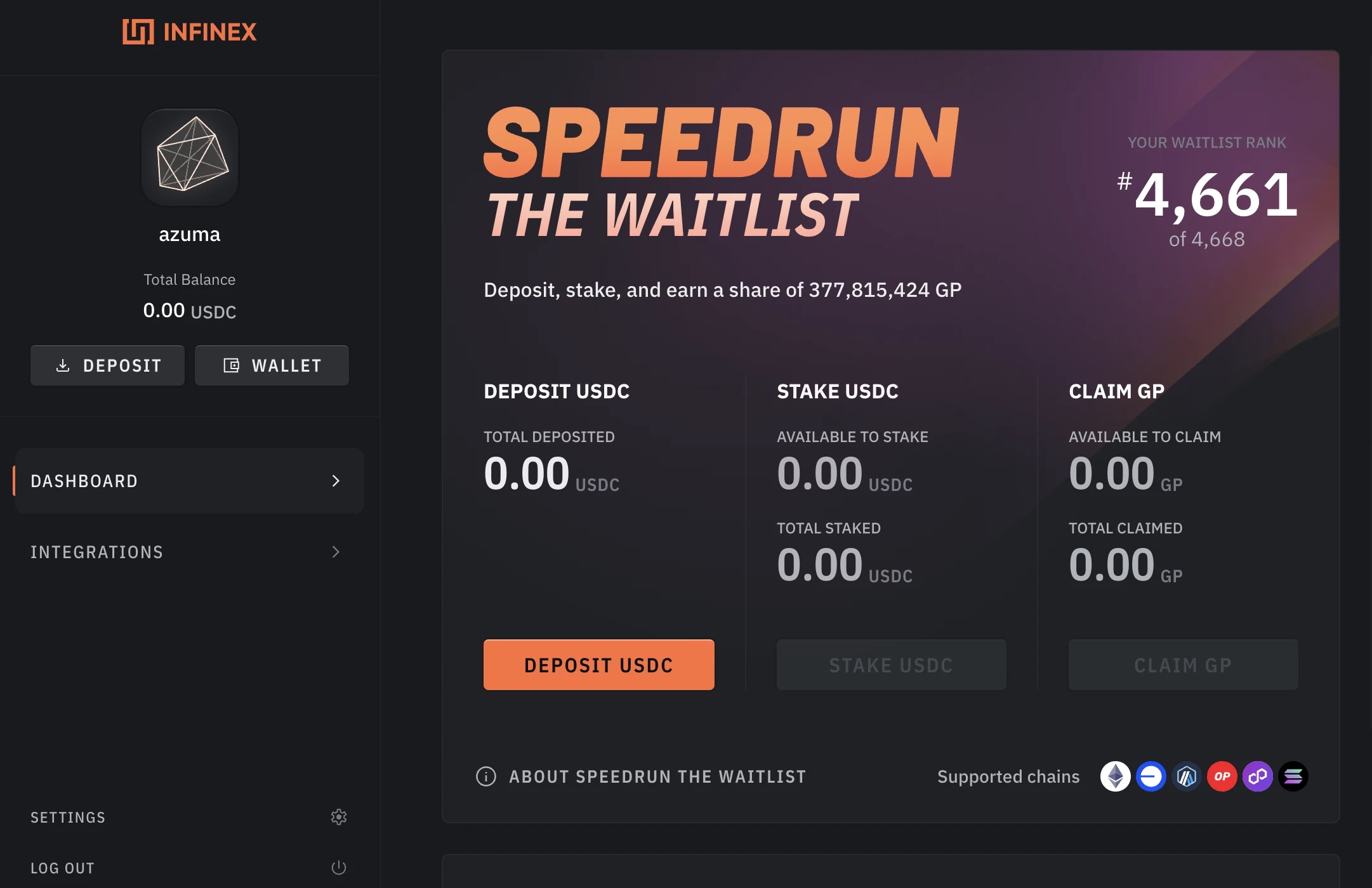
After clicking "Create," Infinex prompts users to choose how they want to store their Passkey. Mac users can simply select "iCloud Keychain," and after a few minutes, the account will be ready. The post-creation interface appears as follows:
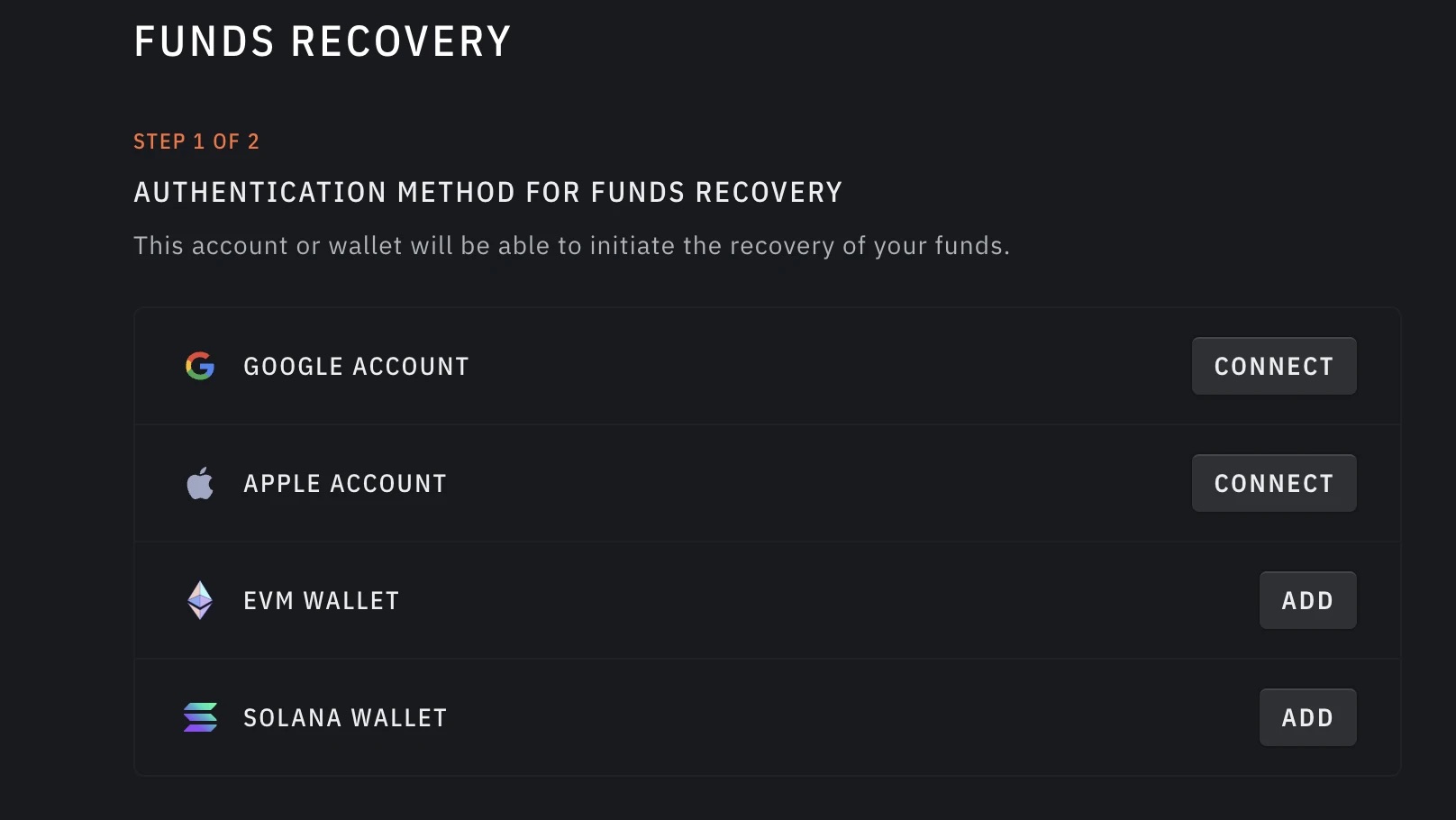
Before depositing funds, however, users must first set up recovery options under "Settings." Available recovery methods include common Web2 accounts such as Google and Apple IDs, as well as Web3 addresses including EVM and Solana addresses.
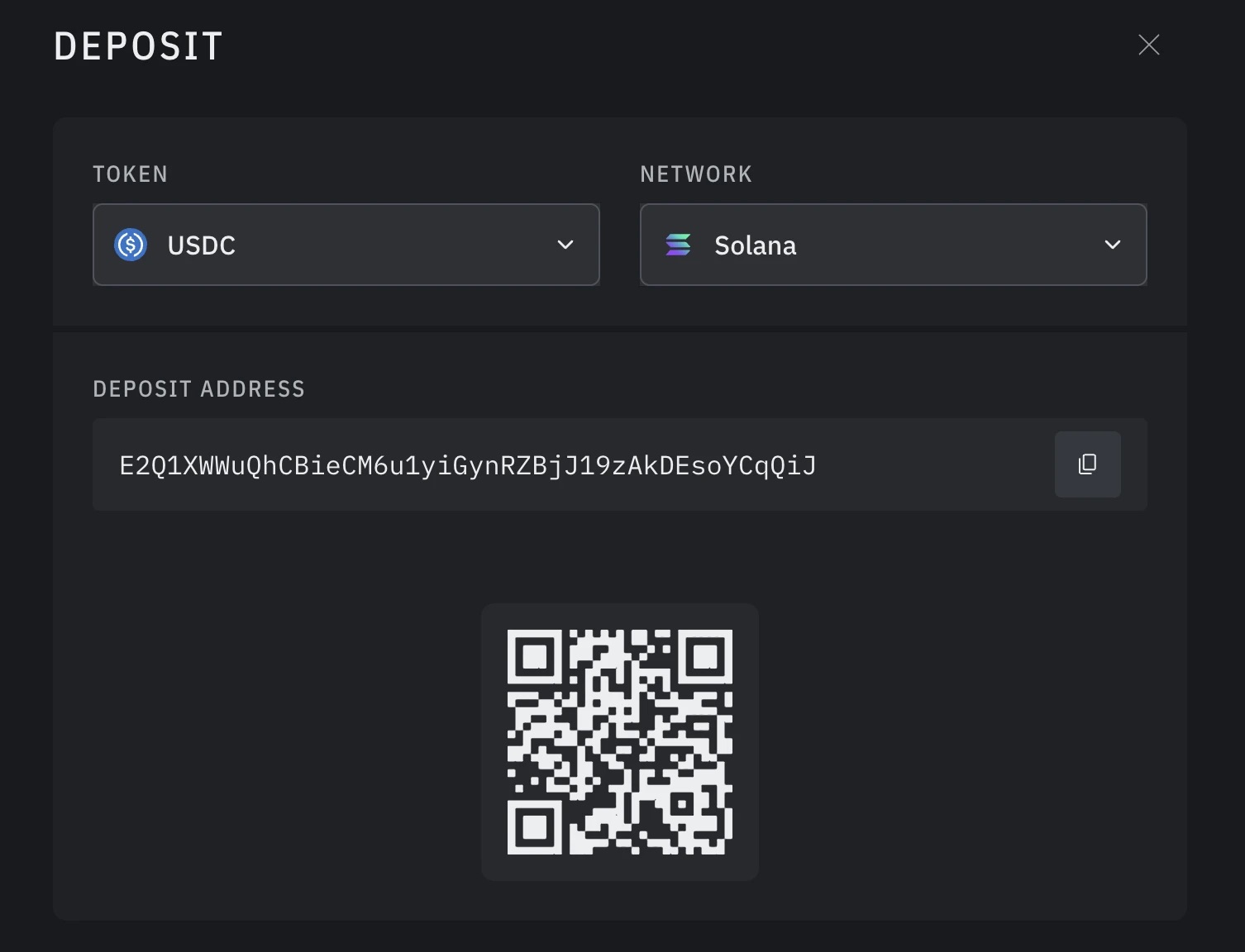
Once these settings are complete, users can begin depositing funds to accumulate governance points (GP). However, based on current user experience, Infinex still appears to rely on wallet addresses during deposits—users must send funds to a specified address.
Can GP Be Converted Into a Governance Token? The Answer Might Not Be Ideal
Currently, the main incentive for users to actively deposit into Infinex is the opportunity to earn governance points (GP), which offer two potential benefits.
First, high GP holders may receive early access when Infinex officially launches. According to Infinex, the team received over 200,000 whitelist applications during development and needs a selection mechanism to determine priority access. Over the next 30 days, 377 million GP will be distributed to depositors (with a total supply cap of 600 million). Users who accumulate the most GP will be granted early access when the first integrated feature goes live.
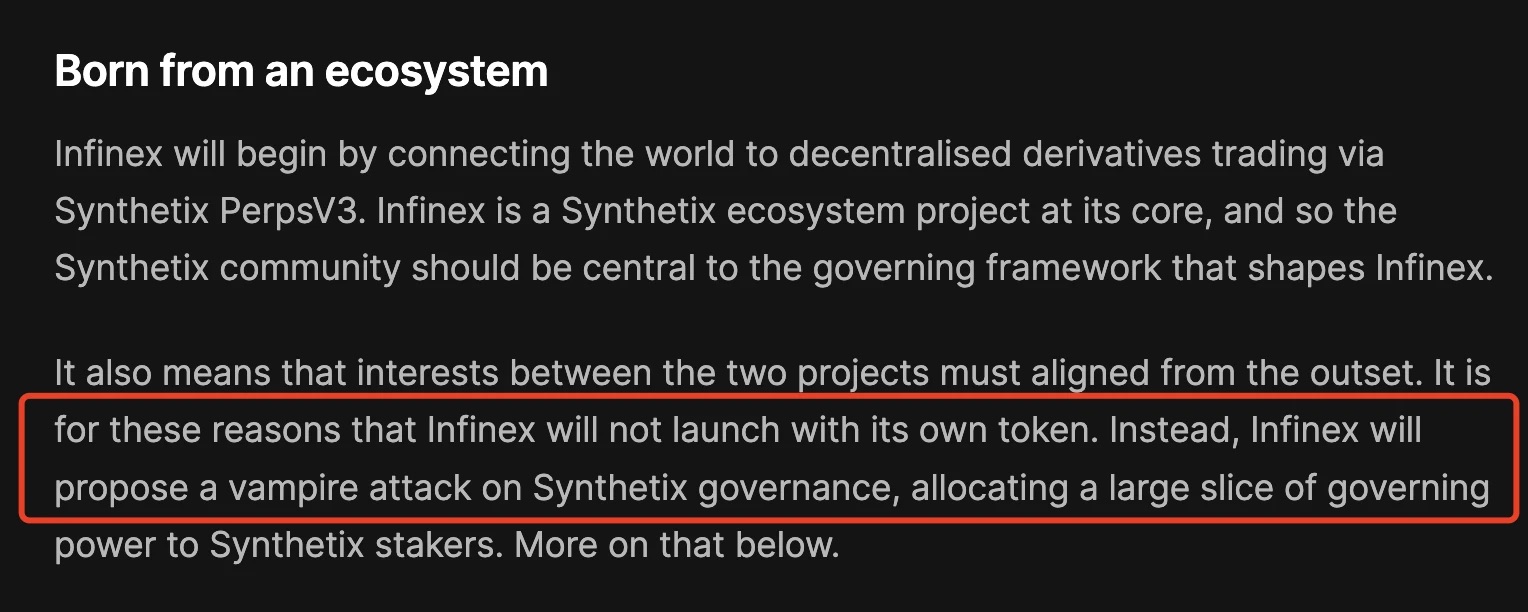
Second, there *might* be a potential airdrop—but this seems unlikely. Although point-based systems (especially those with capped supplies) often signal future token airdrops in today’s Points-Fi era, Infinex stated in an early article from September last year: “Infinex’s incentives will align with Synthetix, so Infinex will not launch its own token.”
Overall, given Infinex’s backing by a leading protocol and a high-profile founder, its strong initial performance isn’t particularly surprising. At a time when chain abstraction is gaining momentum, Infinex’s focus on removing complexity and delivering frictionless experiences aligns well with current market narratives. However, if Infinex truly sticks to a tokenless model, it may face greater challenges in maintaining long-term incentives and community loyalty.
Join TechFlow official community to stay tuned
Telegram:https://t.me/TechFlowDaily
X (Twitter):https://x.com/TechFlowPost
X (Twitter) EN:https://x.com/BlockFlow_News
 Odaily