A韭菜's Self-Growth: Finally Close to Seeing the Light at the End of the Tunnel
TechFlow Selected TechFlow Selected
A韭菜's Self-Growth: Finally Close to Seeing the Light at the End of the Tunnel
"Retail investors follow Smart Money, only to end up Stupid."
 Navigating Web3 tides with focused insights
Author: @small_cow
Finally seeing some light at the end of the tunnel—the project I've been following for so long just launched on CoinList a few days ago.
To be clear, I'm not excited about how much money I might make. If I keep farming consistently, maybe I'll get a few thousand USD—though if the price pumps, perhaps tens of thousands. But honestly, I’ve never been someone overly sensitive to numbers and financial gains, especially as I’ve gotten a bit older. What truly excites me is that my own judgment was correct.
When I first entered the crypto space, there weren’t so many flashy distractions. Back then, I’d just buy coins on BitShares, Yunbi, Bi9, or Jubi (in 2017 it was ICO season, so let’s say some ICO projects—I missed Antminer but did buy IOTA, which later surged thousands of times, while casually trading around Yunbi). It wasn’t until 2021 that I felt like I made serious money and started getting a bit cocky. Looking back, though, those two bull runs were such that anyone could have profited—it didn’t really matter what you bought. Almost everything went up, especially during the pre- and post-September 4th 2017 market conditions in China. As long as your brain and cerebellum coordinated properly, and you didn’t mix up buy and sell buttons, it was nearly impossible to lose money.
By 2022, I was almost completely wiped out—and had no idea why. Everything I touched seemed to go wrong. I’d painstakingly research a token; a friend would say, “You’re buying this trash?” So I thought, fine, market conditions are bad, I’ll stop trading and just hold. Then someone else says, “Only trade new tokens, never old ones—dump your legacy coins!”
The more Twitter I consumed, the more lost I became. Everyone claims to teach you how to profit—but everyone uses different methods, none of which are actually repeatable. If you follow them blindly, you’ll likely get rekt. Try it yourself: retail traders who chase Smart Money inevitably become Stupid.
In reality, when facing a new narrative, everyone starts out clueless. You need an empty cup mindset—so-called “experts” don’t necessarily understand more than you do.
Many so-called gurus simply got lucky, accumulating wealth that doesn't reflect their actual understanding of the industry. And don’t even get me started on those so-called "KOL experts."
Having a clear sense of self-awareness is critical. Only once I gradually pulled myself back on track did anything I write afterward begin to carry meaning—otherwise, it's like playing music to cows.
As a retail investor, here’s how I typically evaluate projects. First, I avoid overly hyped sectors. Hype means competition; competition means we’d need extraordinary talent to succeed with the same time and effort investment.
Do I have that? Faster inscription speed? Can I research 24/7 without sleep? No. Plus, you're probably not part of the inner circle. In overheated markets, it all comes down to greater fool theory—so I pass.
Take opportunities on Solana—for example. Most promising projects are already scooped up top-down by firms like Multicoin. Regular folks can’t even get scraps. Even meme plays using BTC-style fair launches struggle due to unresolved MEV issues on Solana. Some smart money players who dominated via on-chain data advantages on Bitcoin have failed here. Why should we expect to win? Pass.
At the time, one sector that wasn’t too crowded yet was DePIN.
I previously held FIL. Filecoin is a great example—community users had real chances to acquire low-cost positions with strong incentives. While VCs got cheaper allocations, various ecosystem participants who weren’t greedy still achieved 10–20x returns.
Then look at DePIN leaders like HNT or Mobile. With the ecosystem still forming, Mobile was valued at $200 million—and we still don’t know who the true leader will be. My goal is precisely to find potential future leaders or undervalued second-tier projects before they’re widely recognized.
I’ve been in this industry for eight years and fallen into countless traps—strange jargon, trendy narratives, fancy teams with impressive resumes. I now remind myself three times: demystify, demystify, demystify. All these weird terms exist only to lure you in.
Don’t chat with people too long—you might start believing the hype yourself.
After reviewing many odd projects, the one I believe hasn’t issued a token yet but has strong potential to drive DePIN speculation is Meson Network.
First, strip the project bare. Founders won’t always disclose details, so I analyze only what’s publicly available—to see whether it’s a genuine beauty or a Frankenstein stitched together through plastic surgery.
While writing this, I’m systematically surveying the full landscape. For me, researching further is also a way to deepen my comprehensive understanding of the entire project. If you have different perspectives, feel free to DM me on Telegram @small_cow. I actually enjoy being PUA'd by projects—only after being fooled do you learn which ones are destined to fail.
Starting with Meson’s official website—the design is solid, overall fairly standard. But since it positions itself as a geeky CDN aggregation marketplace, I give it +10 points. Showing global node statuses earns another +5. Using “backers” instead of “investors” is a subtle but interesting choice. First impression? Pretty good.
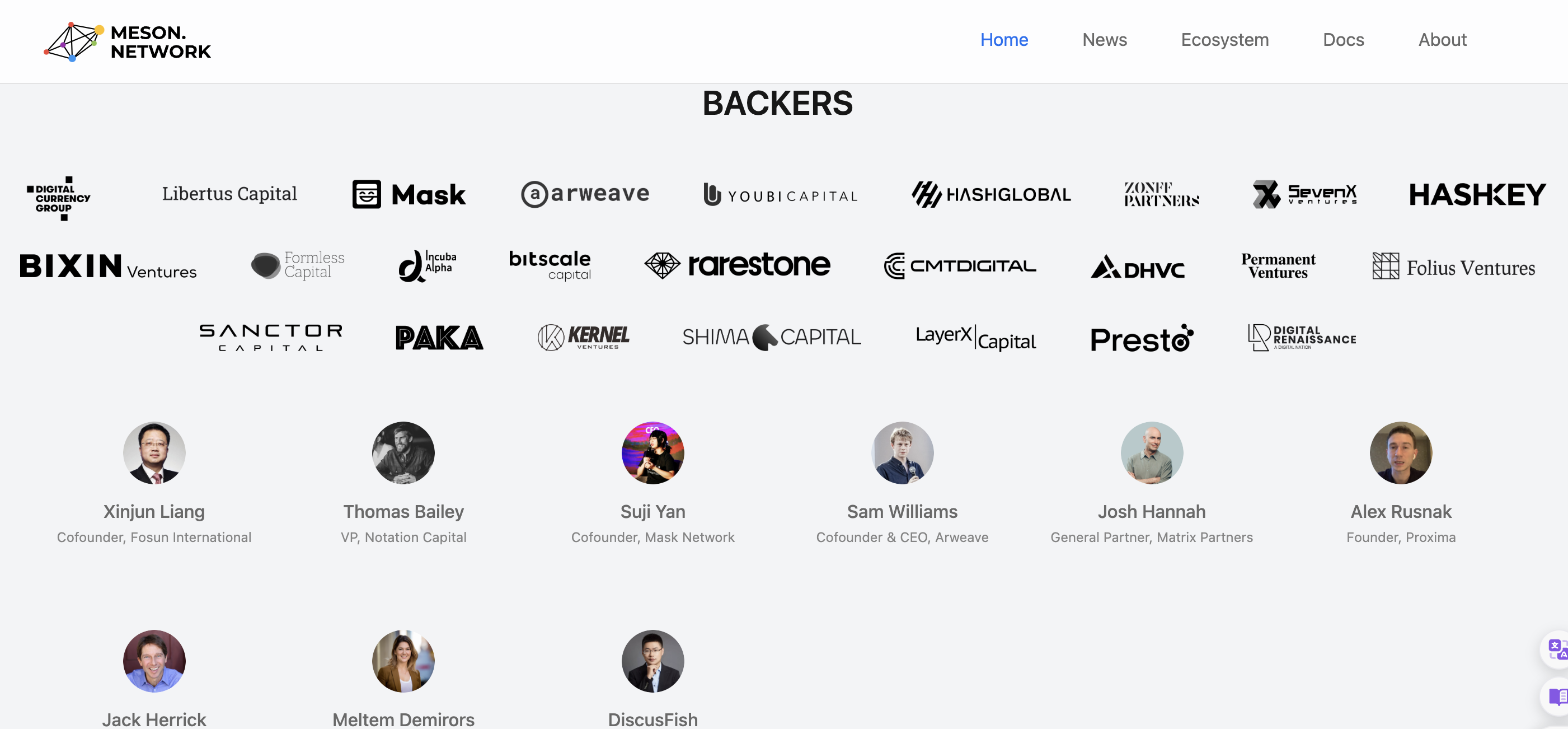
Be aware: many projects misuse “backers” and “partners.” Sometimes they list big names like BNB or leading projects as partners, but that’s entirely different from actual investment. Short-term credibility boosting may feel good, but long-term it harms all parties. The information asymmetry between project teams, those name-dropped, and real investors creates dangerous misalignments down the road.
Community & Media
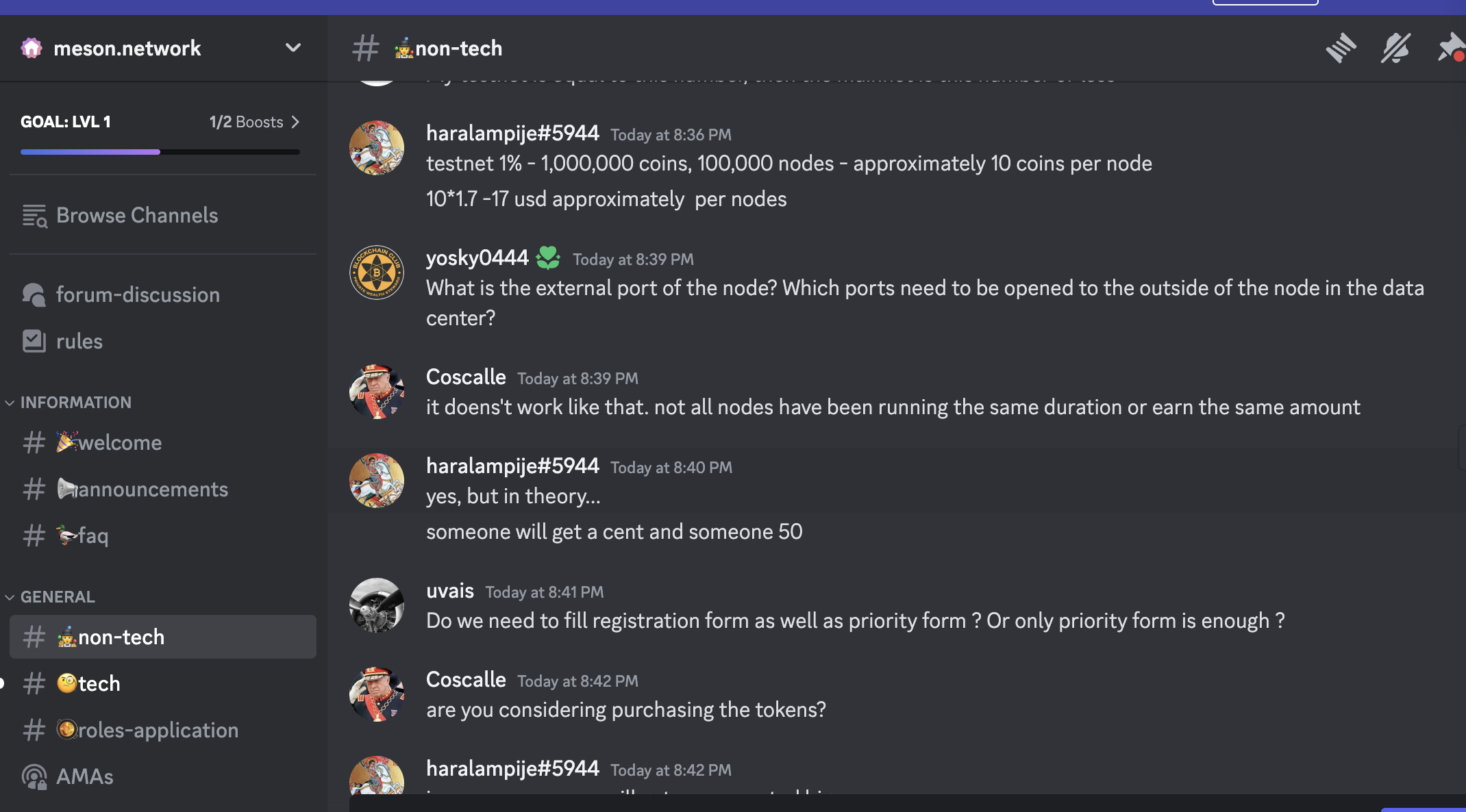
Twitter, Discord, Telegram—all important platforms. But fundamentally, they don’t allow precise quantification of quantity versus quality. For instance, an NFT alpha group or contract sniper chat filled with power users—on these platforms, I can only assess whether the team makes obvious mistakes.
If there are no major PR incidents or community backlash, it passes basic standards. Debating “real fans vs fake fans” isn’t super important either. If I must judge, their operational capability seems weaker—they appear more technically focused. Community engagement isn’t particularly active, and responses aren’t timely. But that’s exactly where opportunity lies. If everything were perfect, others would’ve rushed in already—there wouldn’t be room for us.
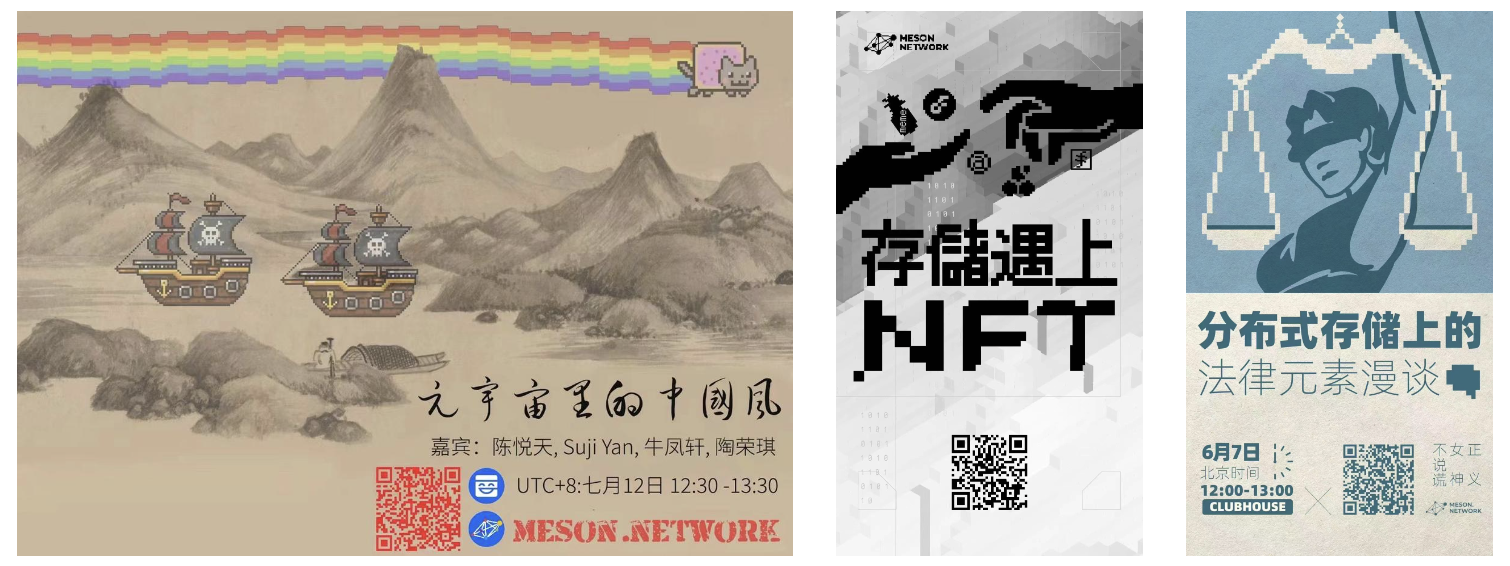
They’ve shared stages with reputable figures—like Delphi Digital and Messari—which speaks well. But they’ve also associated with dying shitcoins and individuals I personally consider subpar. That’s something to watch out for. Overall, it started strong.
However, things that seem too perfect make me hesitant—it feels like a carefully orchestrated trap. Have you watched the recent drama *Blossoms Shanghai*? Many seemingly flawless setups are built on layers of anticipated assumptions. They manufacture exactly what you want to see. I believe any human endeavor must have flaws.
Recently, they’ve been touting that they helped BNB save 90% on full node sync time. My default stance is skepticism—I only believe results I test myself. I recommend you do the same. Also verified: they received a grant from Filecoin—$100K during the deepest bear market—and Arweave’s founder retweeted praising them. I double-checked every single claim.
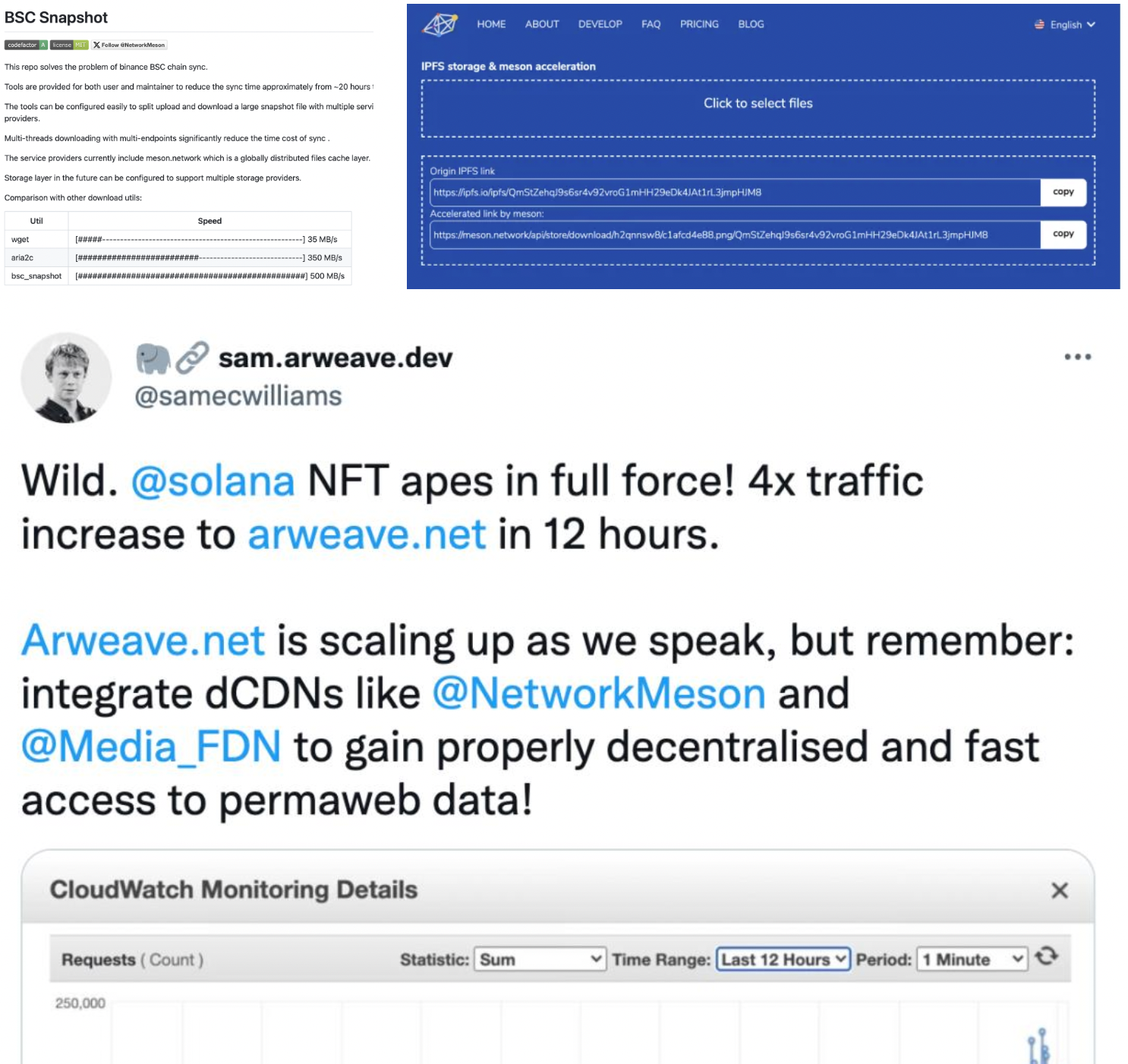
I discussed these findings with friends, but they said it’s unnecessary—just follow the hype.
I recall reading somewhere: whenever encountering people who dismiss new things based solely on prejudice, I never bother arguing. I only feel pity. Ancient wisdom repeated over centuries remains unknown to modern minds. Sometimes I wonder—how exactly did they construct such flawed cognitive frameworks?
It’s really just simple methods—treat yourself like an atom ⚛️, drifting across the encrypted pasture, sensing all kinds of subtle, macro and micro, beautiful or ugly changes.
Same goes for evaluating projects: use the most tedious methods to verify the most basic facts. Yet most people refuse to do so.
Call me Little Cow. They say this year’s market will be good—I plan to produce more milk. If you want to talk, add me on Telegram @small_cow. Let’s exchange ideas. 2024, come with me.
Join TechFlow official community to stay tuned
Telegram:https://t.me/TechFlowDaily
X (Twitter):https://x.com/TechFlowPost
X (Twitter) EN:https://x.com/BlockFlow_News
 @Small_cow