









New Ways for Web3 to Break into the Mainstream: 10 Promising Projects in the DePIN Sector
TechFlow Selected TechFlow Selected
New Ways for Web3 to Break into the Mainstream: 10 Promising Projects in the DePIN Sector
Virtual complements reality—DePIN brings a new traffic gateway to Web3.
 Navigating Web3 tides with focused insights
Author: Fu Ruheshi, Odaily Planet Daily
Recently, the surging prices of Honey and Mobile have driven significant attention to the entire DePIN sector.
DePIN stands for Decentralized Physical Infrastructure Networks—a decentralized physical infrastructure network comprising two main aspects: (1) Physical resource networks, including wireless networks, 5G networks, IoT networks, imaging and mapping networks, and mobile networks; (2) Digital resource networks, including bandwidth, storage, and computing networks.
At its core, DePIN involves tokenizing these two types of resources, using token incentives to attract user participation, thereby improving the utilization of idle resources and providing services for network users and those in need.
Most projects within the DePIN space are already familiar to many, such as Filecoin and Arweave in the storage sector. These projects typically operate at a foundational infrastructure layer. Similar to how "intent-centric" was labeled by well-known institutions like Paradigm, giving rise to thematic rotations that triggered sharp price increases in associated tokens.
Beyond the recently skyrocketing projects, what other hidden gems exist in the DePIN space? Odaily Planet Daily has selected 10 promising candidates.
WiFi Map
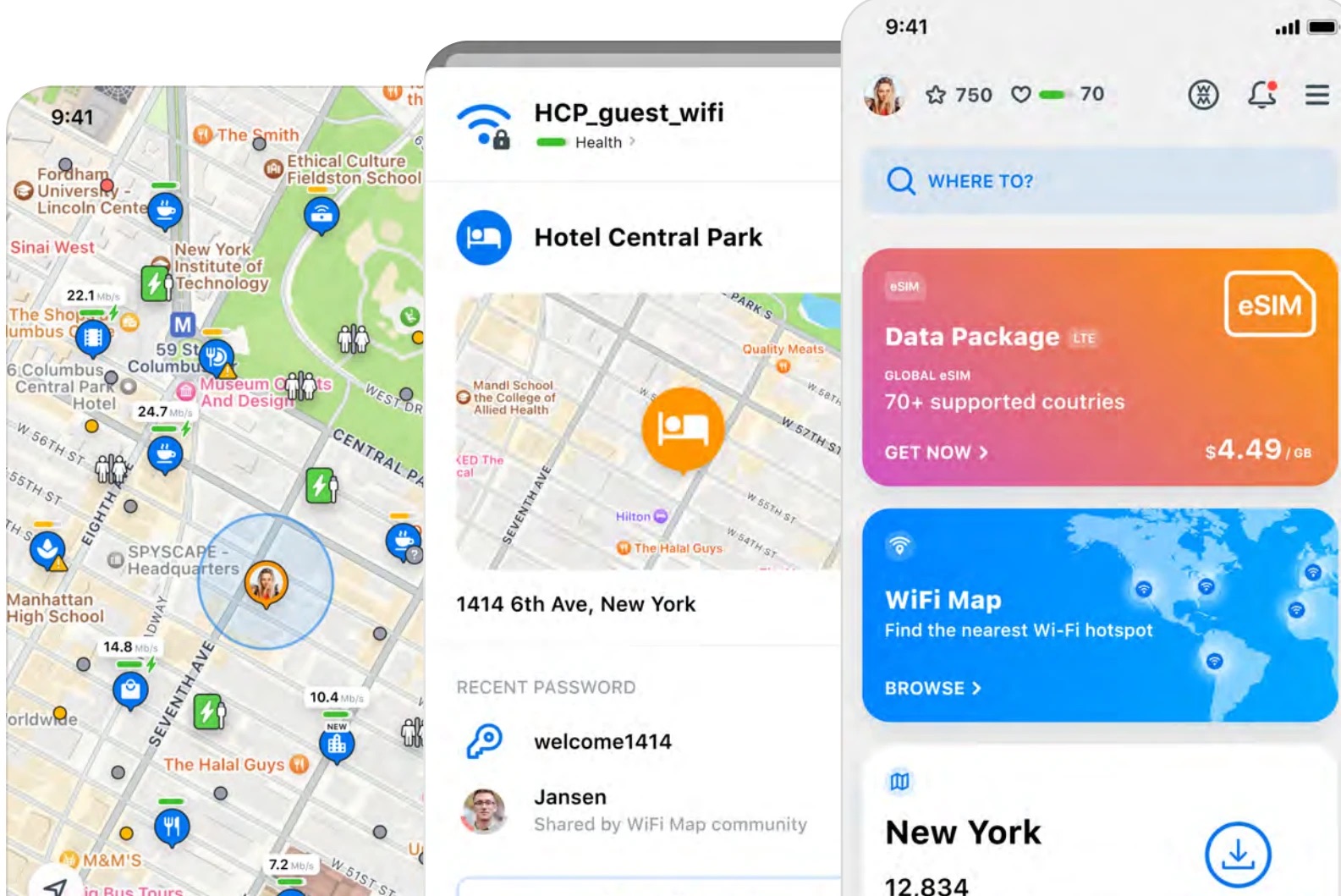
Founded in 2014, WiFi Map is a platform for locating and connecting to WiFi hotspots, featuring over 450 million free WiFi hotspots contributed by its community.
Currently centered around a mobile app, it includes features such as eSIM, offline maps, WiFi finder, VPN, and wallet functionality. Users contribute restricted WiFi hotspot data to participate in the WiFi Map network and earn WIFI tokens based on performance metrics. Users can also purchase WiFi tokens to access network services, creating a positive feedback loop for decentralized WiFi. To date, according to official figures, there are 170 million users across more than 200 countries.
According to CoinGecko, WiFi Map has a circulating market cap of $16.51 million, with a token price of 0.19 USDT, and has seen a maximum price increase of up to 1000% over the past 30 days.
Hivemapper
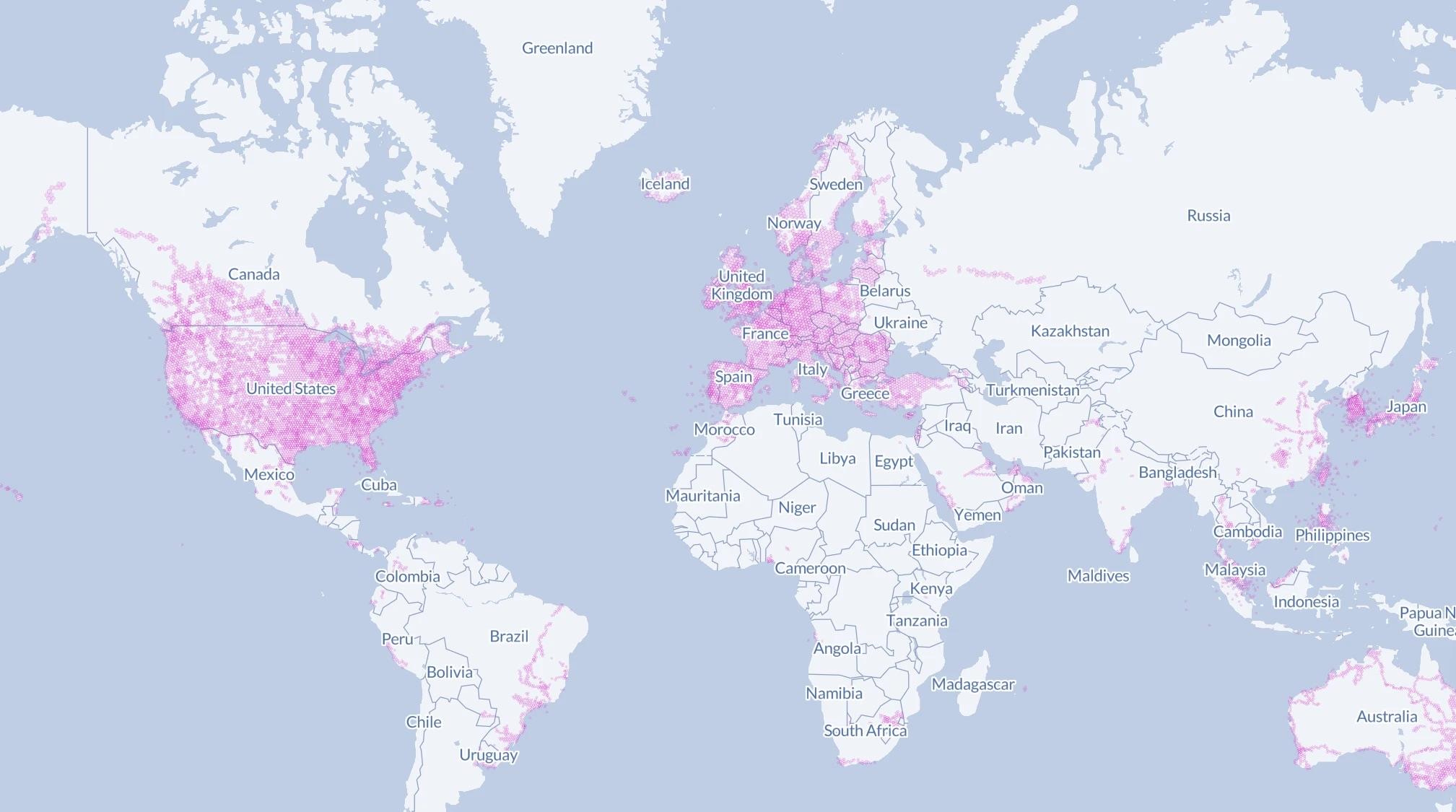
Hivemapper is a global street mapping project where participants collect data using Hivemapper dashcams to create detailed street maps. It initially gained popularity through the "X-to-Earn" concept. By turning dashcams and vehicles into “mining rigs,” Hivemapper rewards contributors with HONEY tokens. After the emergence of the DePIN narrative, it became recognized as a representative of physical resource networks in the DePIN ecosystem.
To date, it has accumulated over 100 million kilometers in total driving distance, with more than 32,000 participants across over 1,500 regions.
According to CoinGecko, Hivemapper has a circulating market cap of $68.78 million, a token price of 0.16 USDT, and has surged up to 800% in the last 30 days.
ICE NET
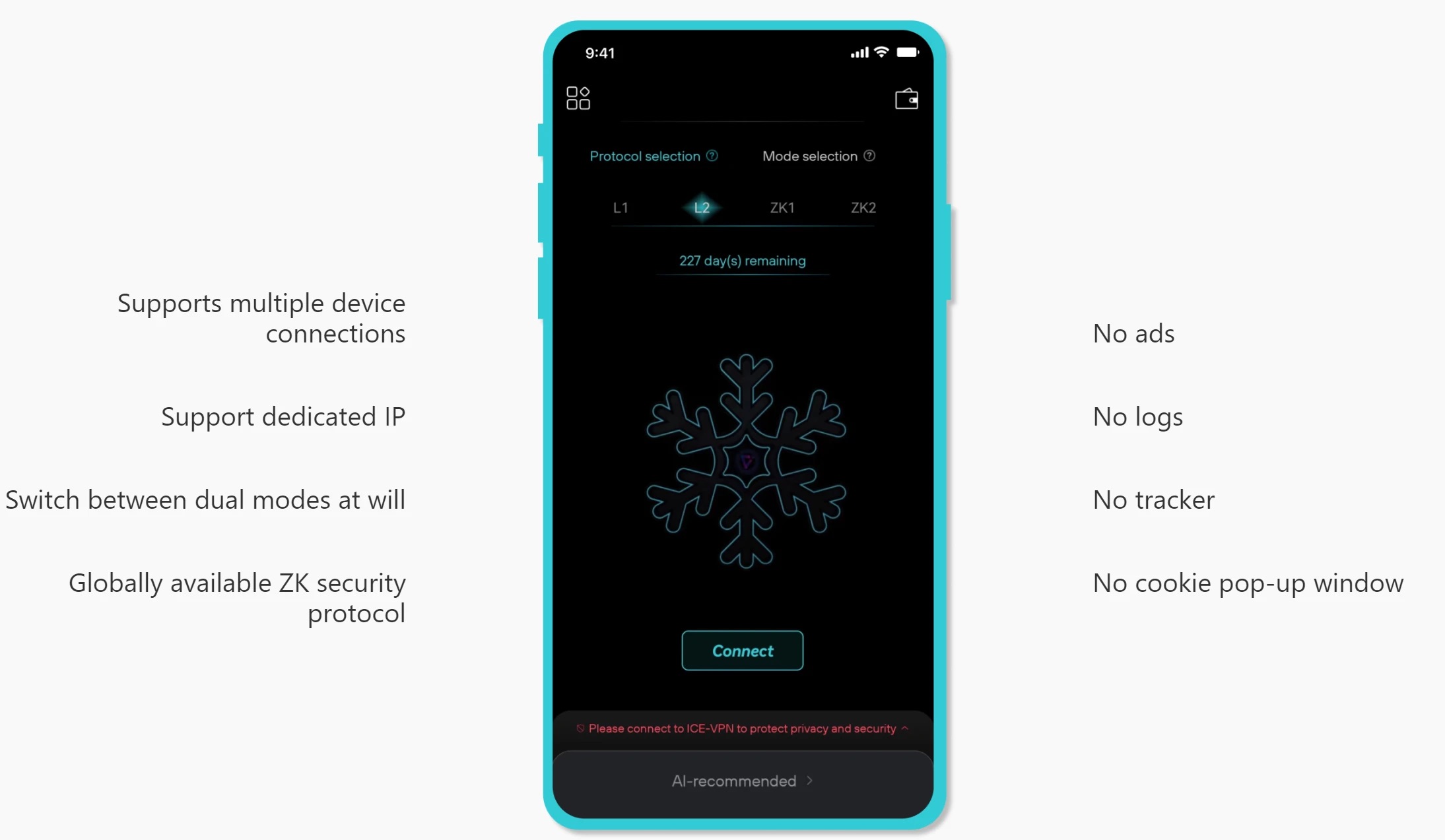
ICE NET is a decentralized privacy infrastructure network based on zero-knowledge proofs, aiming to provide all users with a reliable and efficient private internet access system. ICE NET leverages ZK-SNARKs technology and an innovative network protocol called ISN-Protocol to ensure deep protection of user data during internet browsing.
The ICE NET ecosystem includes the hybrid node service platform ICE-Shield PlatNet, the integrated web browser ICE Explorer, and the high-performance privacy public chain ICE-Shield Chain.
The total supply of ICE tokens is 1 billion, allocated as follows: 90% for community incentives, 5% for marketing, and 5% for team incentives.
ICE-Shield Network introduces a "Use-to-Earn" mechanism designed to reward both node operators and regular users who actively use the network's privacy services. Participants earn rewards by submitting Proof of Usage (POU). NFTs purchased by users come with varying levels of privacy protection—the higher the level, the greater the rewards under the Use-to-Earn model. ICE tokens serve dual roles in rewarding participants and enabling governance, allowing holders to vote on ecosystem decisions. This design aims to attract more users and nodes, promoting secure, private, and equitable growth of the ICE-Shield Network.
ICE NET provides decentralized VPN services via its privacy network, enabling anonymous online activities and protecting user privacy. The platform has reached 590,000 downloads, and the current ICE NET dividend pool holds 603,600 USDT, which will be used to further empower the token economy.
Geodnet
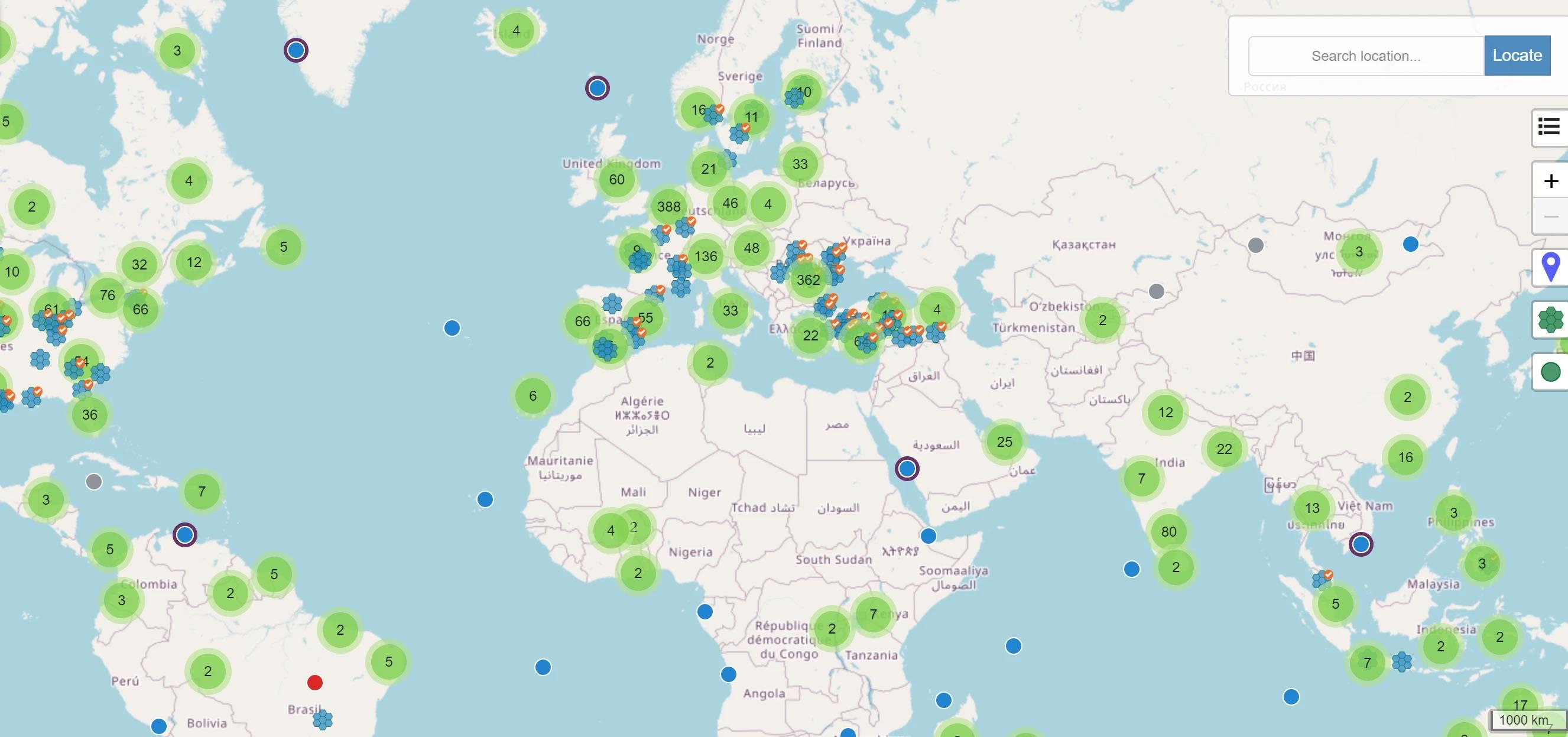
Geodnet collects real-time geospatial data from Earth and the atmosphere using next-generation rooftop weather stations, offering high-precision positioning services such as RTK, PPP, and PPP-RTK. GEOD tokens are earned through mining and staking. Tri-frequency miners receive up to 48 GEOD tokens per day (dual-frequency miners receive up to 24), with rewards halving every June 30.
Currently, Geodnet has 3,400 participants across nearly 1,800 cities.
According to CoinGecko, Geodnet has a circulating market cap of $13.66 million, a token price of 0.15 USDT, and has increased up to 200% over the past 30 days.
DIMO
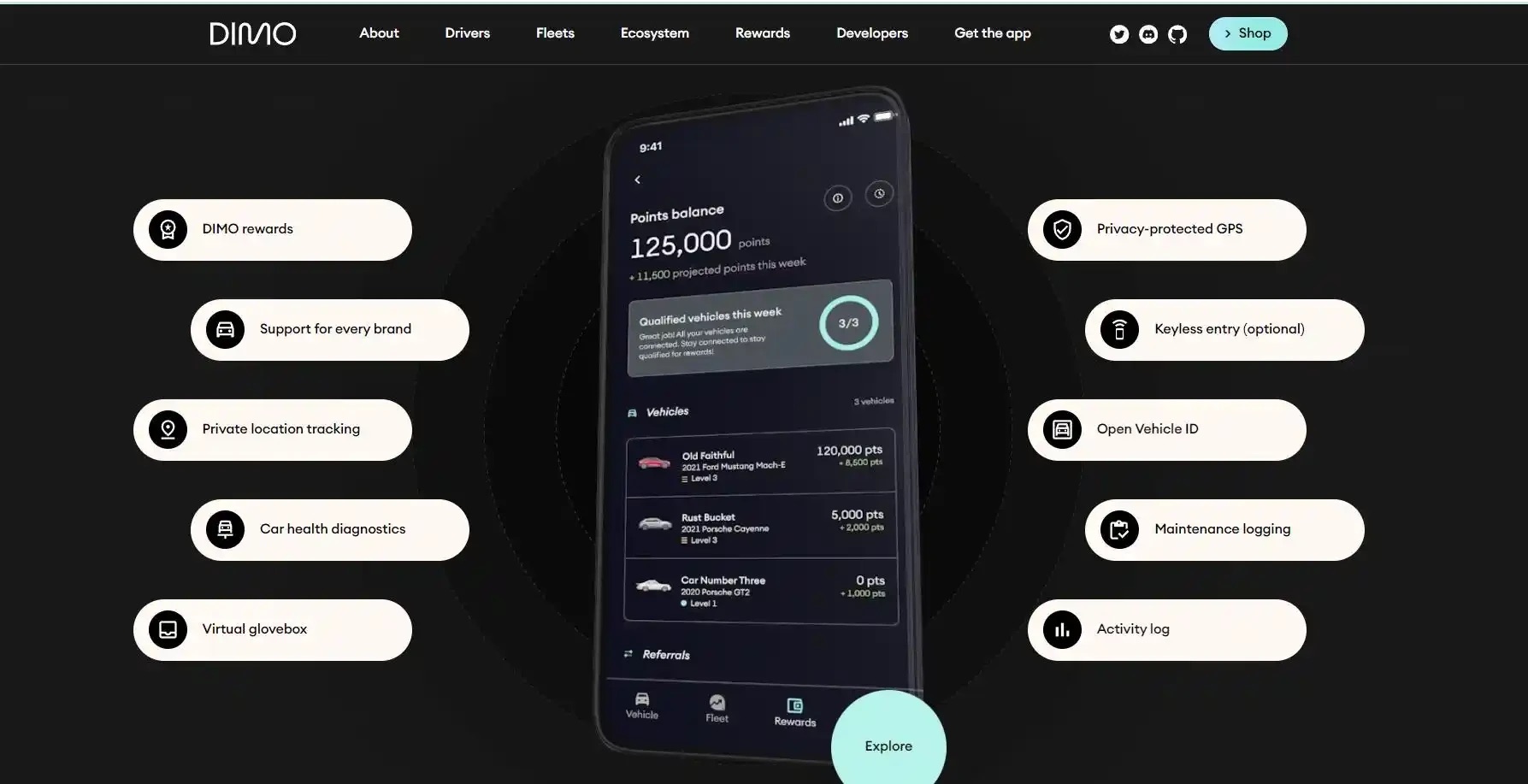
DIMO is a decentralized software and hardware IoT platform that enables users to generate verified vehicle data streams and privately share them with applications—empowering users to negotiate better services such as auto financing and insurance.
DIMO essentially decentralizes native vehicle and user data previously controlled solely by automakers, allowing users to collect and monetize their data. Tesla owners can participate directly via the app, while owners of other brands must purchase a $299 hardware device to qualify for "Drive-to-Earn."
According to CoinGecko, DIMO has a circulating market cap of $77.14 million, a token price of 0.39 USDT, and has risen up to 550% in the past 30 days.
Crust Network
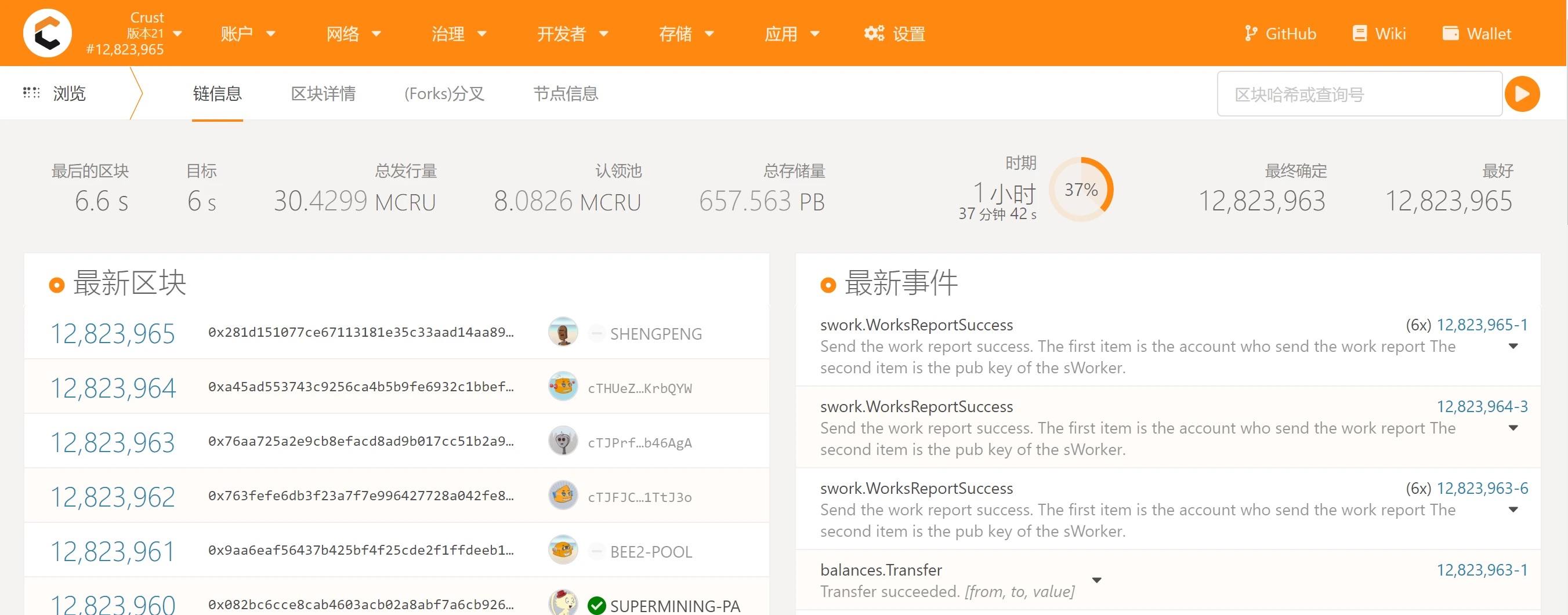
Crust Network is a decentralized cloud storage provider supporting multiple storage-layer protocols such as IPFS, offering users instant on-chain storage access. Its tech stack also supports data operations and computation. Crust Network offers three key functions: NFT and Metaverse metadata storage, personal file storage, and website/dApp hosting.
Crust uses a trustless, low-cost TEE-based technology—MPoW—to verify and manage storage resources. It has created an on-chain storage marketplace called DSM (Decentralized Storage Market). Through DSM, users can upload files and place storage orders within 1–2 minutes. To ensure availability, up to 50 copies of each file are stored across the network. Additionally, Crust offers a Storage Assurance Pool for customized or permanent storage of high-value files like NFT metadata.
According to CoinGecko, CRU has a circulating market cap of $43.59 million, a token price of 1.4 USDT, and has increased up to 251% over the past 30 days.
Render
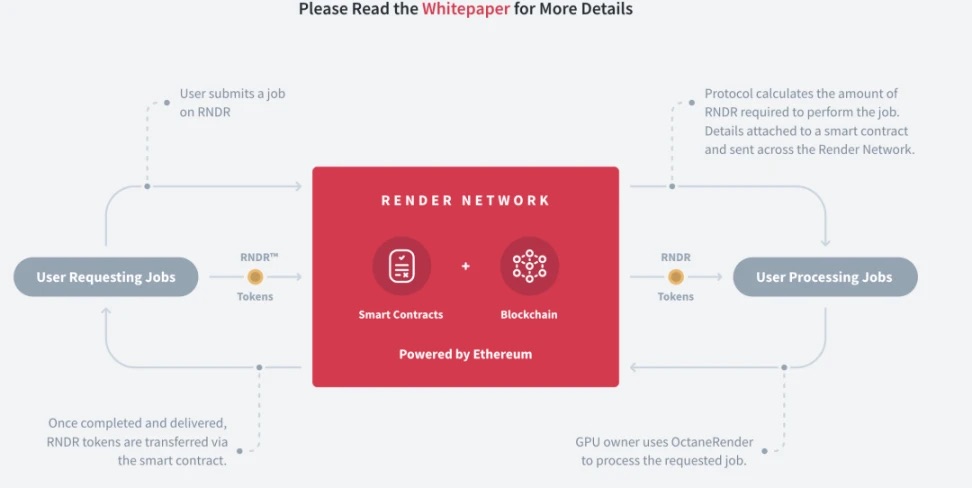
The Render Network provides a decentralized, GPU-based rendering solution that connects users needing rendering work with individuals possessing idle GPUs. GPU owners connect their devices to the Render Network and complete rendering jobs using OctaneRender. Users pay RNDR tokens to those who perform the rendering, while OTTOY takes a small fee in RNDR for facilitating transactions and operating the network.
As a leader in the rendering space, Render performed exceptionally well in the previous bull market, achieving gains close to 200x. Recently, Render has risen nearly 50% amid the broader DePIN rally and currently ranks 51st in market cap. For investors looking to diversify within the DePIN sector, RNDR remains a compelling option.
According to CoinGecko, RNDR has a circulating market cap of $1.763 billion, a token price of 4.71 USDT, and has increased up to 50% over the past 30 days.
Bittensor
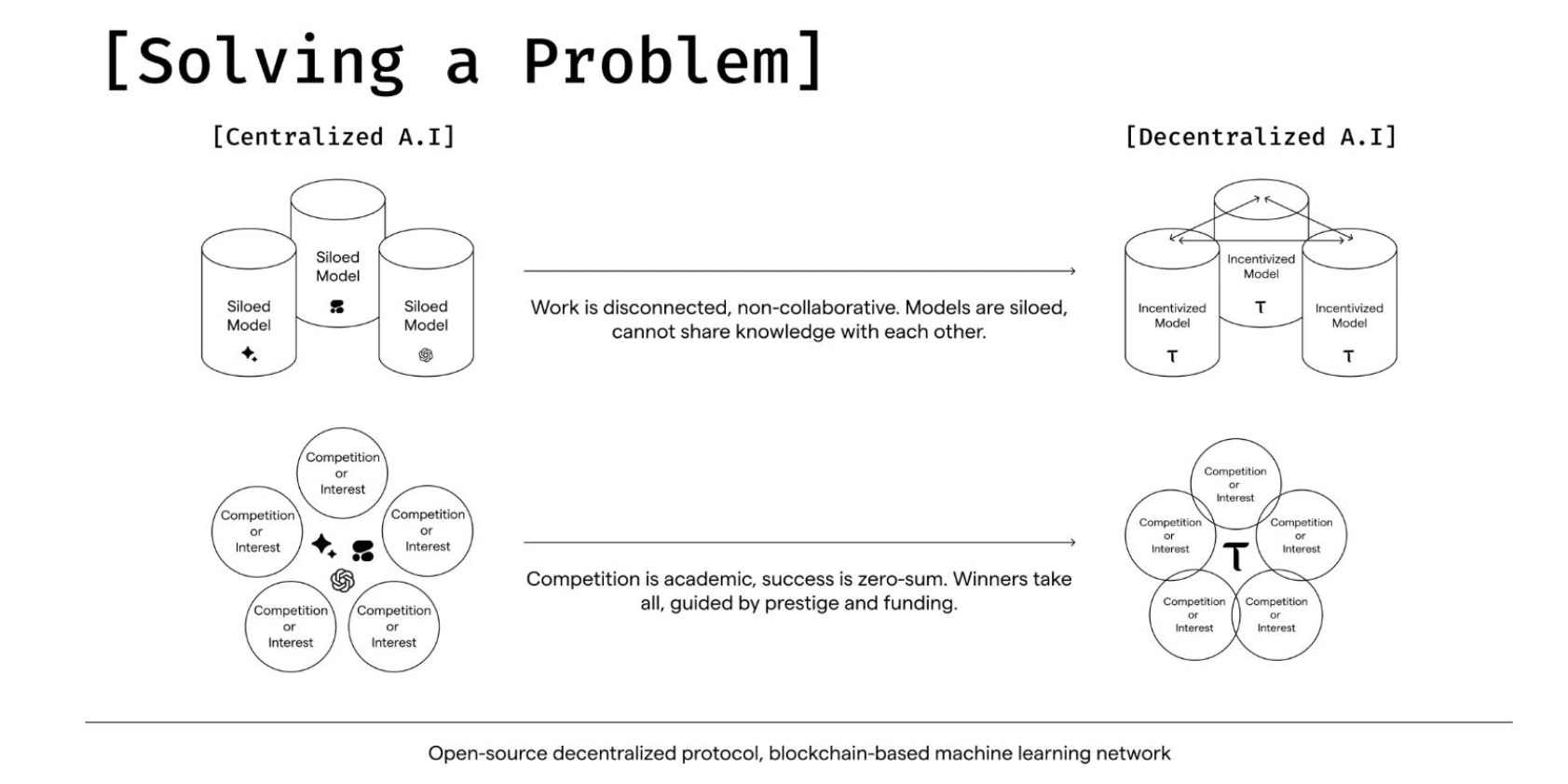
Bittensor is an open-source protocol focused on AI and machine learning, providing a decentralized, scalable neural network solution. The protocol enables Bittensor models to learn from and transfer value with other AI models, breaking down AI data silos.
TAO is Bittensor’s native token, with a total supply of 21,000,000, following a Bitcoin-like tokenomic model. Its consensus mechanism is Proof of Intelligence (PoI), forming a vast network supporting decentralized AI mining and machine learning. TAO also undergoes periodic halvings, with full issuance expected only by 2213.
Bittensor’s first product is Chattensor, an AI chatbot assistant. As an open protocol, Bittensor aims to support blockchain-based machine learning networks by enabling collaborative training of models and rewarding contributions to the collective intelligence. This creates a decentralized, trustless network that not only delivers information but adapts to user needs, forming a transparent and open AI marketplace.
According to CoinGecko, Bittensor has a circulating market cap of $1.552 billion, a token price of 260.88 USDT, and has increased up to 30% over the past 30 days.
Currently positioned at the intersection of trending sectors like DePIN and AI, Bittensor ranks 53rd in overall market cap and has achieved nearly 13x growth since launch.
The Graph
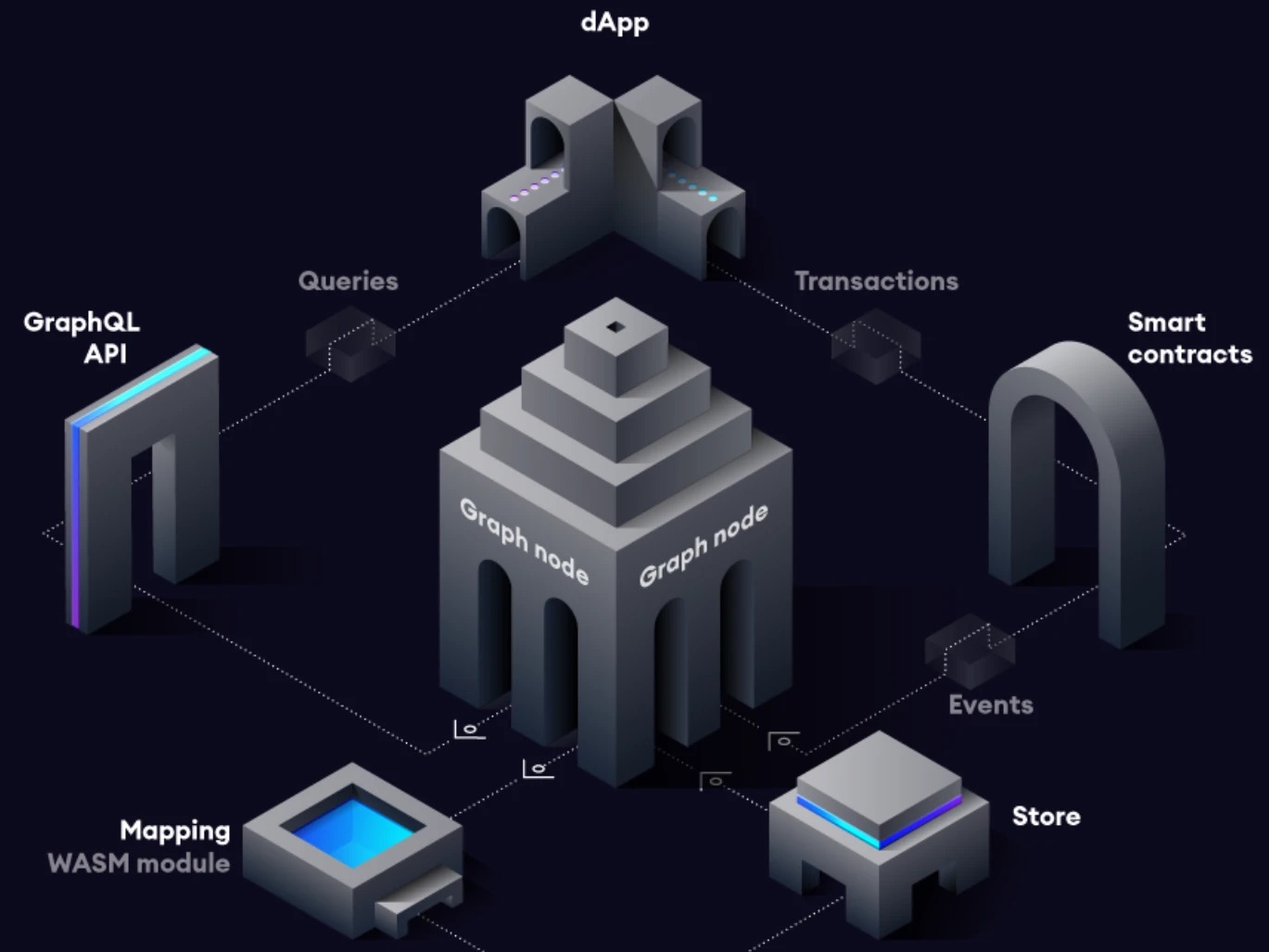
The Graph is a protocol for indexing and querying blockchain data. Anyone can build and publish open APIs called subgraphs, making blockchain data easily accessible. The Graph analyzes and organizes blockchain data into various indexes known as subgraphs, allowing any application to query the network and receive immediate responses.
The Graph’s native token, GRT, ensures data integrity within the network. Indexers, curators, and delegators must stake GRT to perform their roles and earn fees from the network.
According to CoinGecko, The Graph has a circulating market cap of $1.789 billion, a token price of 0.19 USDT, and has increased up to 29% over the past 30 days.
IoTeX
IoTeX is an EVM-compatible public blockchain launched in 2017, aiming to build a trusted ecosystem for the Internet of Things. As a Silicon Valley-based open-source project, IoTeX focuses on creating a privacy-first, high-performance blockchain platform.
By integrating blockchain, trusted hardware, and edge computing, IoTeX strives to build a trusted computing and application platform. It provides a decentralized DApp network (e.g., Cyclone, Mimo), smart devices (e.g., UCam, Pebble), services (e.g., ioPay, ioTube), and digital assets for IoT, delivering tangible value to users.
IoTeX’s vision is to enable a trustworthy, interconnected world where all things communicate securely. By ensuring data security and user privacy, IoTeX advances the development of trusted IoT and facilitates secure human-machine interactions.
IoTeX also launched the DePIN Liquidity Hub, with founding members including leading DePIN projects such as GEODNET, DIMO, XNET, Drop Wireless, WiFi Map, and Wicrypt. The DePIN Liquidity Hub shares IoTeX’s technical, financial, and ecosystem resources to foster collaboration and mutual growth across the industry—further cementing IoTeX’s strategic position within the DePIN landscape.
According to CoinGecko, IoTeX has a circulating market cap of $489 million, a token price of 0.05 USDT, and has surged up to 300% over the past 30 days.

[Disclaimer] The market entails risks; invest with caution. This article does not constitute investment advice. Readers should consider whether any opinions, viewpoints, or conclusions presented herein are suitable for their individual circumstances. Investment decisions made based on this information are at the reader’s own risk.
Join TechFlow official community to stay tuned
Telegram:https://t.me/TechFlowDaily
X (Twitter):https://x.com/TechFlowPost
X (Twitter) EN:https://x.com/BlockFlow_News
 Odaily







