
Solana's Second Wave of Popularity: High Performance, Marketing, and DePIN
TechFlow Selected TechFlow Selected
Solana's Second Wave of Popularity: High Performance, Marketing, and DePIN
Solana itself is already an ultra-fast, ultra-secure public blockchain, and there's no need to add redundant layers; building directly on the Solana mainnet is sufficient.
 Navigating Web3 tides with focused insights
Author: Zuo Ye
Priests and temples, conquests—this was Solana’s past. Once entangled with FTX in love, conflict, and separation, Solana has now made a strong comeback, powered by high performance, DePIN, DeFi, and its role as an Ethereum alternative.
Among all L0/L1/L2 public blockchains, Solana ranks second only to Ethereum. Across every major sector we can think of, Solana has delivered results scoring above 90—except in ZK and L2. However, according to founder Anatoly, "Solana is already an ultra-fast, ultra-secure blockchain. There's no need for additional layers; building directly on the Solana mainnet is sufficient."
Let’s review Solana’s achievements:
-
DeFi: marginfi / Jito / Pyth Network
-
NFT: Magic Eden / Mad Lads
-
DePIN: Helium / Render Network
-
Payments: Visa / USDC
-
RWA: Maple Finance
-
GameFi: Star Atlas
-
Hardware & Meme: Sage & Bonk
-
Inscriptions: Nos-20 (Neon)
-
Wallets: Backpack / Atomic Wallet / Exodus / Phantom Wallet
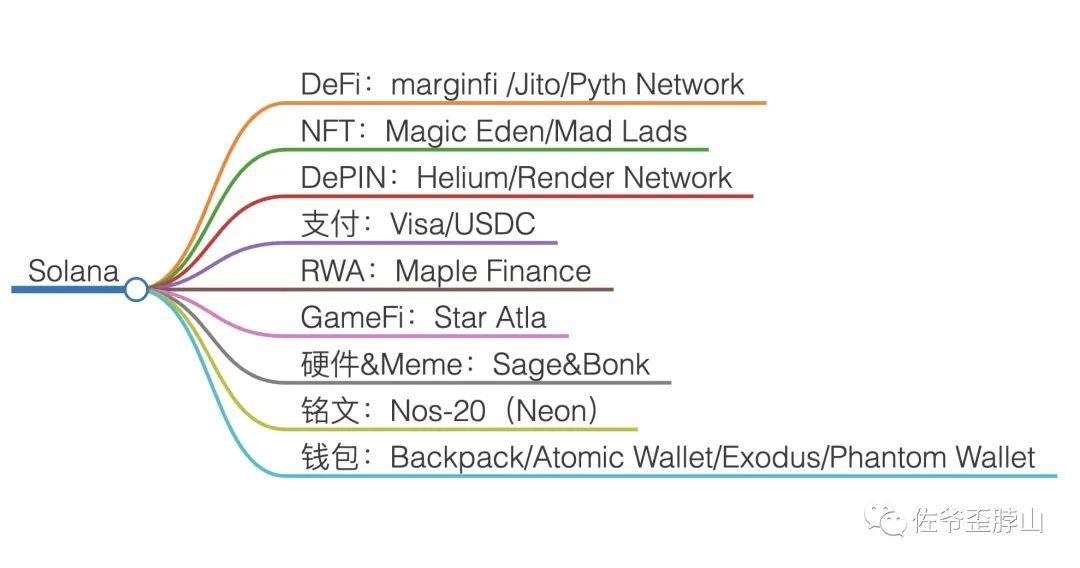
Solana Ecosystem
Solana boasts not only established names like Magic Eden and Render Network, but also rising stars such as Jito and Bonk, along with revived projects like Helium that have found new life.
Among numerous projects affected by the FTX collapse, Solana not only survived but has thrived. In December 2022, SOL dropped to around $10—less than 4% of its peak at $250. It has since recovered to about $70, regaining one-third of its losses.
Performance-First Philosophy: Solana’s Unique Edge
Solana has built the second most comprehensive ecosystem in crypto, showing early signs of potentially surpassing the EVM ecosystem—a subjective view I hold personally. This impression didn’t originate from observing Solana’s ecosystem growth directly, but rather from Mable Jiang’s “Houlang” podcast, where she described how Solana’s founding team places great emphasis on market cap management, operates with integrity, and embraces the fundamental logic of the crypto world—that is Solana’s true nature.
Of course, following Solana’s narrative, its Proof of History (PoH) mechanism and frequent network outages once made it a recurring joke in the crypto community—like a monthly meme post that inevitably resurfaces.
Yet, just as Solana climbed back from its lowest point, it always managed to recover after each outage. Thanks to its use of physical time to verify block states, Solana truly achieved a performance-first path—albeit at the cost of being labeled a “data center chain” and facing limitations in scalability.
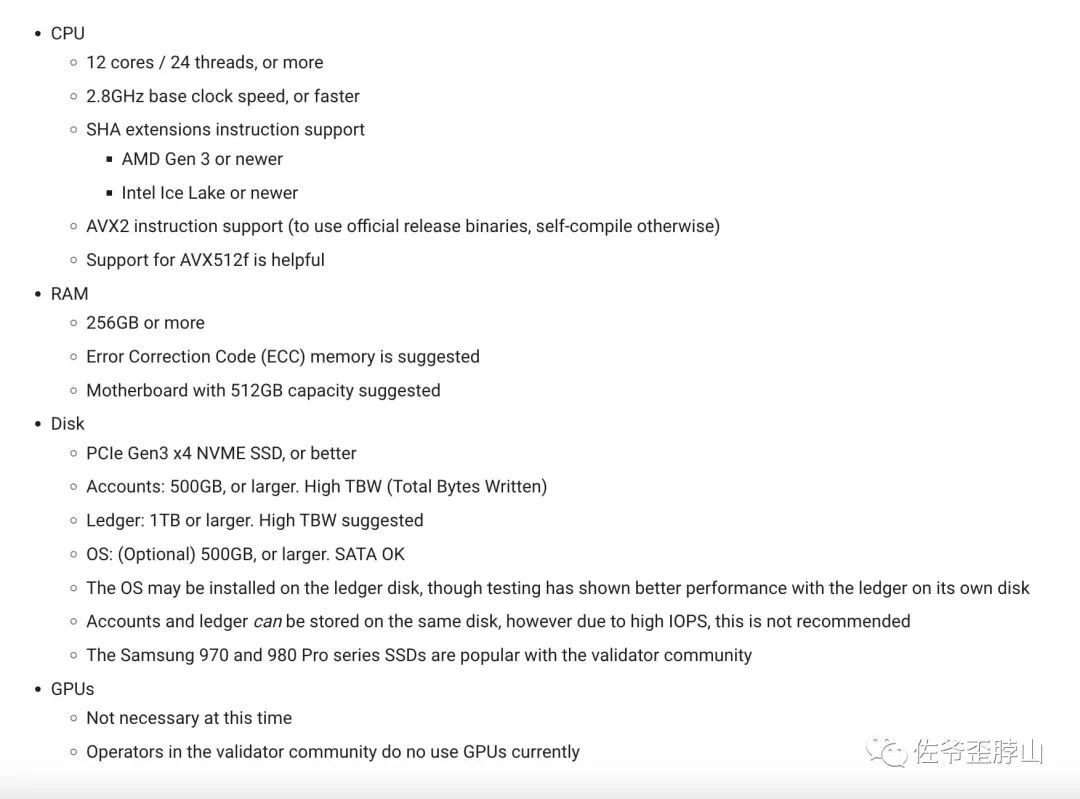
Solana Node Requirements
Ethereum has over 7,000 nodes, while Solana has fewer than 3,000. Yet Ethereum’s mainnet TPS hovers between 12 and 15, with Arbitrum One barely exceeding 20. Herein lies Solana’s strength: officially claiming up to 65,000 TPS, it routinely achieves 2,500–3,000 TPS in practice.
During recent inscription stress tests, Solana was almost the only Layer 1 capable of withstanding artificial DDoS attacks, significantly outperforming Cosmos-based chains. With the upcoming Firedancer upgrade, theoretical TPS could exceed 1 million, with regular throughput likely reaching over 100,000 TPS—making Solana the top choice for Visa and DePIN projects.
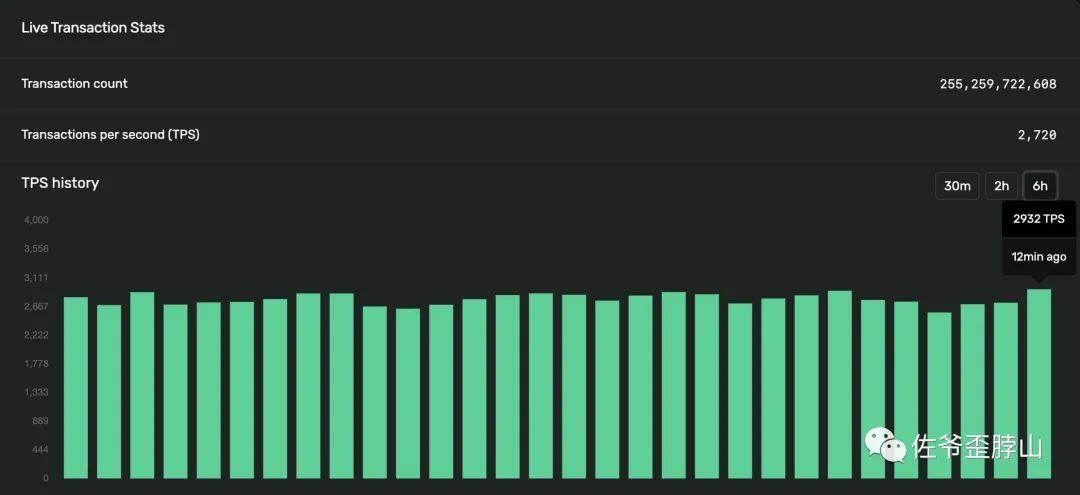
Solana TPS
Reconciliation: Revisiting Solana’s Past
We won't dwell on price movements, but the fact that Solana survived the FTX collapse is nothing short of miraculous. Beyond superficial analysis, I believe three key factors enabled Solana’s recovery:
-
Diversified ecosystem securing a floor. After the sudden crisis, Solana took hits—Maple Finance left, Magic Eden explored multi-chain expansion—but the market understood these weren’t systemic failures. Solana doesn’t rely excessively on any single project, allowing it to stabilize and recover.
By December 2023, Solana’s circulating market cap was under $30 billion—about 10% of Ethereum’s. In September, SOL trading volume was just 3% of ETH’s. Clearly, Solana has recovered—but overtaking Ethereum remains a distant dream.
-
Soft alliance with capital support, automatic lock-ups, and time-based vesting. Unlike Binance and BSC, which are exchange-built chains, Solana and FTX were external partners. FTX’s SOL holdings had long unlock schedules. As long as Solana wasn’t declared dead immediately, there was room to maneuver. Backed by top-tier investors like a16z and Multicoin, with $300 million in funding, these stakeholders wouldn’t let SOL crash to zero without intervention.
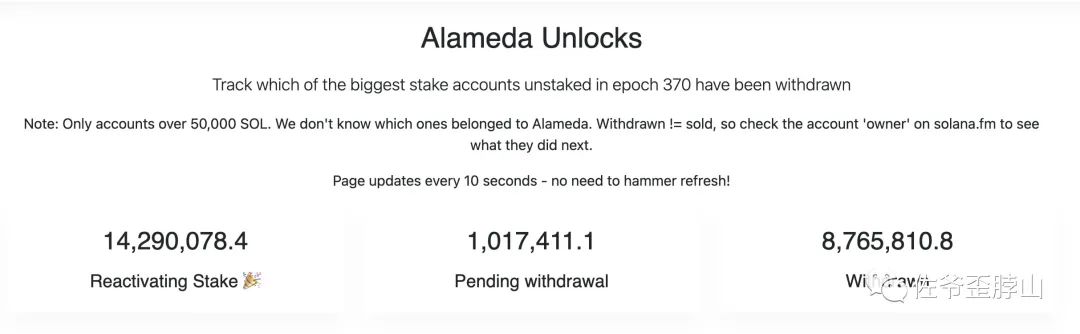
Alameda Unlock Countdown
-
Irreplaceable role in mass adoption, especially for DePIN and Web2 applications. This point is often overlooked. Solana successfully supported STEPN’s demand—one of the few Web3 projects to achieve real mainstream traction. Notably, Mable previously worked at STEPN—everything connects.
The recognition of Solana’s importance to DePIN didn’t come recently during Mobile’s surge, but earlier when Render Network proposed migrating from Polygon to Solana in March. At the time, Solana was out of favor, and the RNDR community fiercely debated the move. That’s when I realized Solana’s irreplaceable value for DePIN-type projects.
RNDR Migration to Solana
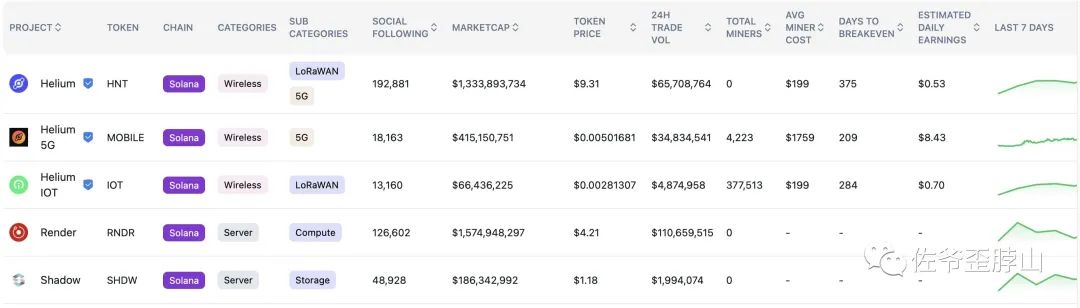
Unlike high-value DeFi apps, DePIN projects align more closely with traditional edge computing and IoT concepts, prioritizing stability and low cost. Solana’s inherent advantage in synchronization speed makes it uniquely suitable. Take Helium—the hottest example today—with over 300,000 IoT devices and more than 3,000 5G units. Only Solana can handle the coordination demands of such large-scale hardware networks.
Solana X
Marketing First: Memes and DeFi in Sync
Solana is a unique blockchain. On one hand, it hosts sophisticated DeFi projects like Jito with clever economic designs. On the other, I long struggled to understand why it would produce phones—especially low-quality, off-the-shelf models. Now, Solana uses Bonk as a marketing tool for its phone and leverages Helium for mobile plans.
Helium
-
Bonk: A Web3 marketing tactic. You once ignored memes and Sage, but now they’re sold out. Hardware generates continuous usage time—an unprecedented model in Web3;
-
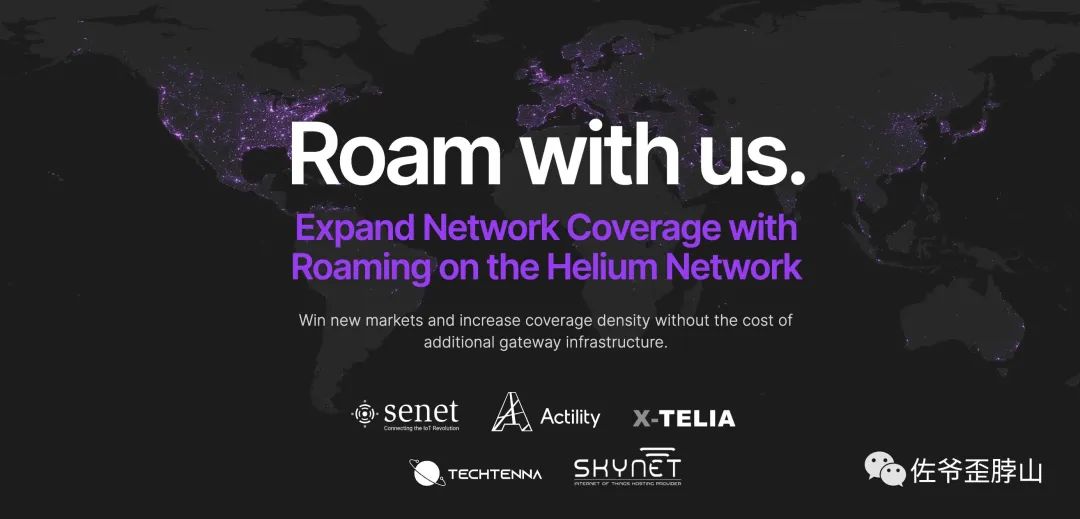
Helium: Affordable mobile plans. In a U.S. telecom market dominated by giants, this Web3-based plan competes on price—and offers potential appreciation. Traditional users are in for a small Web3 shock;
-
dApp: Built-in fee structures and DeFi incentives within Sage eliminate wasteful Web3 competition, attracting traditional investors. That’s vision.
Ultimately, the best way to define Solana isn’t as a blockchain, but as a product with a distinct cultural flair—something previously mastered only by Silicon Valley hardware pioneers like Apple. Like Google and Microsoft, Solana aims to enter through software. Google’s Pixel wasn’t a failure, just not a hit; Microsoft’s attempt failed outright. Can Solana break this curse?
Relying solely on memes, NFTs, or Ponzi-like data plans won’t last forever. But what new innovations will Solana bring? That’s worth watching.
Risk Prediction: Can SOL Surpass Ethereum?
If we assume SOL could become the next Ethereum, the current gap is roughly 10x—meaning SOL would need to reach $700. But the world isn’t deterministic or linear. The EVM ecosystem includes a $300 billion mainnet, dozens of L2s, tens of EVM-compatible chains, over 1,600 active dApps, and millions of users.
Solana currently stands alone. This path is undoubtedly difficult. Yet, offering a viable alternative to Ethereum itself is a rare and valuable distinction.
Join TechFlow official community to stay tuned
Telegram:https://t.me/TechFlowDaily
X (Twitter):https://x.com/TechFlowPost
X (Twitter) EN:https://x.com/BlockFlow_News
 @zuoyeweb3