Bitcoin Layer 2: Top DeFi Projects on Stacks
TechFlow Selected TechFlow Selected
Bitcoin Layer 2: Top DeFi Projects on Stacks
For Bitcoin to become an asset of global significance, a thriving financial application layer must be built on top of and around it.
 Navigating Web3 tides with focused insights
Written by: Jorn
Translated by: Block unicorn
Adding functionality to Bitcoin represents one of the biggest opportunities in crypto today, and DeFi projects built on the Stacks blockchain appear best positioned to capitalize on this. Below is an overview of some of the most promising projects.
With developments like Bitcoin ETFs, the Bitcoin halving, early signs of a crypto bull market, and exciting innovations such as Ordinals, it's hard not to be optimistic about the Bitcoin economy. While Bitcoin purists might argue otherwise, for Bitcoin to become a globally significant asset, a thriving layer of financial applications must be built on top of and around it.
Leading and pioneering this space is Stacks. Stacks is a Layer-2 blockchain network connected to Bitcoin, yet operates as an independent protocol that brings Ethereum-like smart contract flexibility to Bitcoin. This enables the development of applications such as DeFi and NFTs, with the ultimate goal of making Bitcoin more than just an asset to buy and hold. We have high expectations for the future of the Stacks ecosystem, as providing a financial layer for Bitcoin fills a massive gap in the market. Below are some of the top projects working on this within the Stacks ecosystem—ones you should know about before others do.
Top DeFi Projects in the Stacks Ecosystem
1. Alex
If you're looking for a one-stop platform covering all things Bitcoin DeFi, look no further than Alex. As a leading project on Stacks, Alex offers a full suite of DeFi products, including a decentralized exchange for swapping Stacks tokens, incentivized liquidity pools, a launchpad for Stacks and Ordinals projects, and bridges connecting the Stacks blockchain to other chains such as Ethereum, Binance Smart Chain, and soon Bitcoin itself.
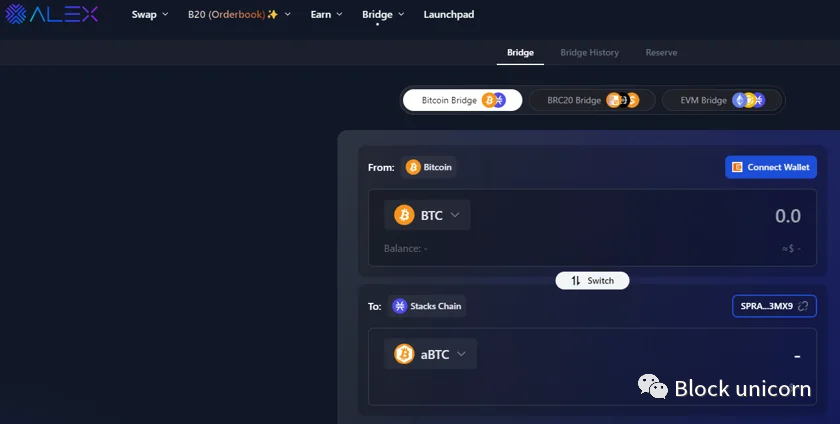
All of these features are tied to the project’s native token, $ALEX. Holders can stake the token to earn yield, participate in governance, or use it to invest in launchpad projects. The impressive Alex team worked tirelessly throughout the 2022–2023 bear market to build and launch products, and now boasts a robust set of DeFi offerings that meet many needs of Stacks users—including a BRC-20 token index and various bridges (now part of a separate entity called XLink), which remains governed by $ALEX holders. If Stacks continues growing in users and liquidity, Alex is well-positioned to thrive.
2. StackingDAO
StackingDAO is a relatively new project bringing capital efficiency to $STX holders through an innovation gaining traction in crypto: liquid staking. This allows holders to earn staking rewards while still using their assets across DeFi, instead of locking them in a staking contract. With StackingDAO, you stake your STX tokens into their protocol and receive stSTX in return, which continues earning attractive Bitcoin-denominated yields while remaining usable across other Stacks DeFi dApps.
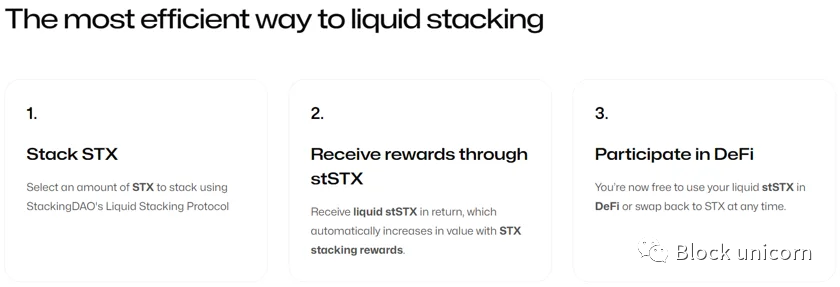
Currently on testnet, the project is inviting users to join private testing phases and undergoing code audits. There's no information yet on whether the project will launch its own token. However, most liquid staking protocols on other blockchains—such as Lido, Stride, and Benqi—have their own native governance tokens, some even with revenue-sharing mechanisms. As the market has clearly shown, interest in Bitcoin remains strong. Stack stands out because you can earn BTC by staking STX. The ability to use staked STX across other DeFi protocols while still earning BTC is simply too valuable to ignore.
3. Arkadiko
Always wanted a self-repaying loan? Arkadiko is a veteran protocol in the Stacks ecosystem offering a unique approach to decentralized finance. It allows STX holders to collateralize their assets to mint USDΔ, a dollar-soft-pegged stablecoin. This innovative mechanism enables users to create self-repaying loans powered by the yields generated from PoX (Proof of Transfer) and STX-backed vaults.
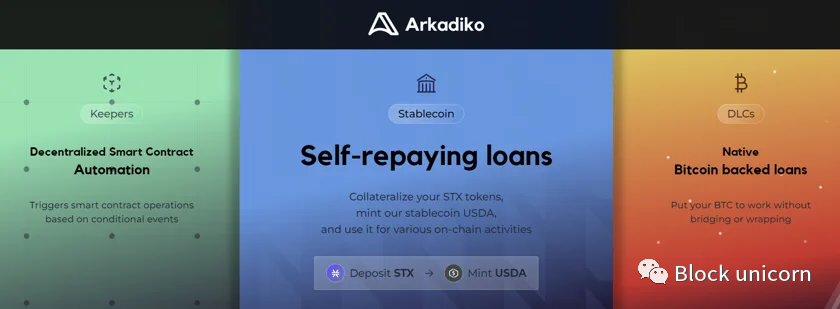
Beyond issuing stablecoins, Arkadiko facilitates trustless, permissionless token swaps, allowing users to deposit tokens into its DEX liquidity pools and earn rewards—including its native $DIKO token. Operating as a decentralized autonomous organization (DAO), Arkadiko is governed by $DIKO, which also supports staking for yield. Despite market volatility (USDΔ temporarily lost its peg—a critical consideration for any borrower), the team’s dedication and deep integration within the ecosystem suggest strong growth potential, especially once stablecoin stability improves.
4. Velar
Velar Protocol is a multifaceted DeFi platform on the Stacks blockchain aiming to unlock Bitcoin’s full potential in decentralized finance. The platform includes a Uniswap-inspired decentralized exchange (DEX), trading platform, and IDO launchpad, with plans to introduce governance, cross-chain bridges, and a perpetual derivatives exchange in future updates.
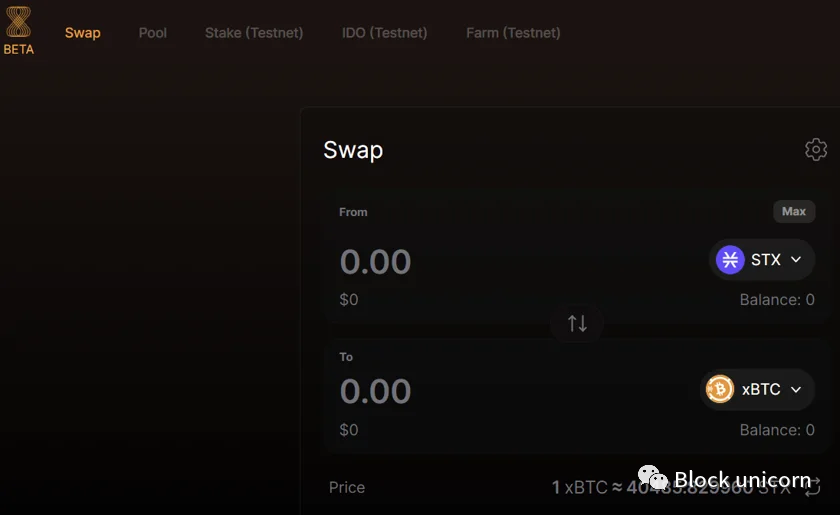
Velar is currently in testing phase and has laid out a multi-stage roadmap—Velar v1: Dharma, v2: Artha, v3: Kama, and v4: Moksha—showcasing progressive feature rollouts from testnet to mainnet. The Velar token ($VELAR) sits at the core of the protocol’s economy, with allocations of 35% for community rewards, 20% for treasury reserves, 20% for founders and team, and 5% for advisors. Backed by strong support and set to launch the first perpetual contracts on Stacks, Velar is one to watch closely.
5. Zest
Zest Protocol addresses a key challenge in the Bitcoin economy: inefficient use of Bitcoin, much of which sits idle in cold storage, hindering economic growth. As an open-source, on-chain lending platform built directly on the Bitcoin blockchain, Zest leverages smart contracts to enhance transparency and auditability. It features two types of pools: yield-generating pools where users earn Bitcoin returns, and borrowing pools that enable lending based on Bitcoin holdings. This design allows Bitcoin holders to access liquidity securely without selling their assets, reducing reliance on centralized finance (CeFi) platforms or custodians.
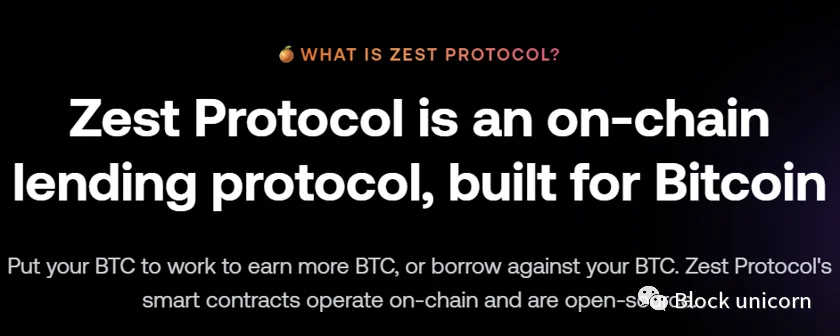
Recognized as one of the Best Bitcoin Lending Platforms by Blockworks in 2023, Zest began its journey with a testnet launch in 2022. The team’s collaboration with Hiro Systems and key contributions to sBTC and the Stacks Nakamoto release highlight their commitment to innovation. After successfully completing smart contract audits, the Zest team is now preparing for market launch. They are actively engaging with Bitcoin liquidity providers, borrowers, and preparing for a closed rollout. Interactions with institutional players and large Bitcoin holders at global events underscore their efforts to expand Zest Protocol’s footprint in the DeFi landscape.
6. Uwu Protocol
Uwu Protocol is an innovative Stacks-based project centered around two main components: Uwu Cash and Uwu Share (xUWU). Uwu Cash is an over-collateralized stablecoin soft-pegged to $1, backed by $1.50 worth of STX tokens, ensuring stability and partial resistance to volatility. Uwu Share (xUWU), on the other hand, is a utility token that captures and distributes 100% of protocol fees to holders every two weeks. This distribution occurs via a fee claim smart contract, allowing holders to withdraw their share each cycle, with unclaimed fees rolling over to the next.

Currently in test phase, Uwu welcomes early users to trial the protocol. While there are other crypto-collateralized stablecoin projects on Stacks, Uwu’s 100% revenue-sharing model could serve as a strong competitive advantage. However, the protocol carries inherent risks—its stablecoin is backed by the highly volatile STX asset, which can swing 30% in a single day. Rapid drops in STX price could trigger mass liquidations for Uwu users or potentially cause the stablecoin to de-peg. Nonetheless, the protocol offers valuable utility for long-term STX holders, and in crypto, revenue-sharing assets always attract attention.
7. Hermetica
Hermetica is a unique and sophisticated project designed to generate additional yield for Bitcoin holders while allowing them to retain custody of their digital assets. It provides a platform where users can earn, trade, and grow their Bitcoin holdings—all while maintaining full control over their assets.
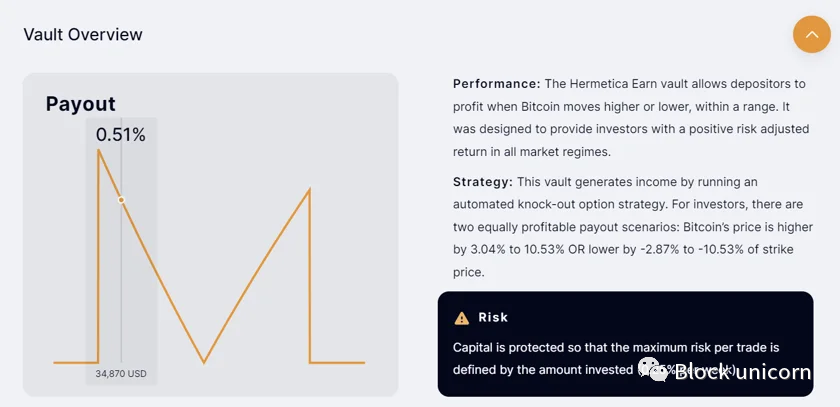
At the heart of Hermetica’s appeal is its Hermetica Earn vault, which employs an innovative European Reverse Knock-Out (ERKO) options strategy. By setting specific price barriers for Bitcoin, the strategy generates payouts when Bitcoin’s closing price falls within those bounds. It is structured to be profitable when Bitcoin trades within 1% to 20% above or below a predetermined strike price. Designed with capital preservation in mind, the strategy caps maximum risk per trade at 1% per month, effectively managing downside exposure. This approach has proven successful, with backtested data showing an average annualized return of 6.5% for Bitcoin over six years.
8. Bitflow Finance
Dubbed the “decentralized exchange for Bitcoin holders,” Bitflow Finance is a protocol aiming to consolidate liquidity and trading for the Bitcoin economy. It offers a secure and transparent platform for users to trade Bitcoin and stablecoins from various Bitcoin Layer-2 solutions—such as Stacks and Rootstock—without counterparty risk, enabling decentralized trading of BTC derivatives like sBTC and xBTC. Additionally, Bitflow supports trading of Bitcoin-pegged stablecoins, optimizing liquidity to reduce slippage and fees.
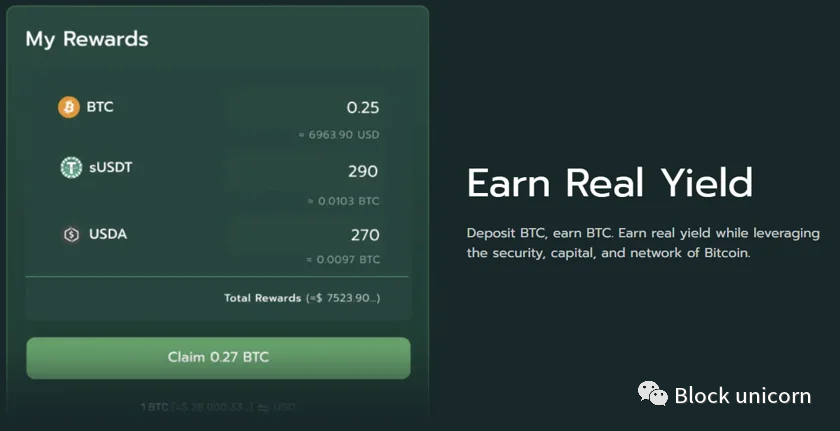
Users can deposit Bitcoin and stablecoins to earn real yield. The platform also allows single-sided liquidity provision. Bitflow is fully open-source—including its smart contracts and frontend—ensuring transparency and community involvement. Supported by the Stacks Foundation and the Bitcoin Frontier Fund, Bitflow is currently in testing phase. We’re eagerly anticipating its public launch.
Final Thoughts
If you're reading this, you're already among the early participants in the Stacks ecosystem. Although $STX and $ALEX have shown strong price performance, most activity still occurs on centralized exchanges—the most exciting developments are happening on-chain. Granted, the current user experience on Stacks isn’t the smoothest, with transactions taking 20–30 minutes to process. But this is expected to change with the upcoming Nakamoto upgrade, which will reduce transaction times to just 5 seconds. Furthermore, sBTC will bring native Bitcoin to Stacks without relying on centralized intermediaries, opening a major opportunity to tap into a portion of Bitcoin’s multi-hundred-billion-dollar market cap.
Stacks is currently the market leader in the Bitcoin Layer-2 space, and the DeFi projects described here hold immense potential. We hope this overview helps kickstart your DeFi journey on Stacks and the broader Bitcoin economy. As Stacks and its ecosystem projects enter their next phase, you’ll have more ways than ever to do more with Bitcoin!
Join TechFlow official community to stay tuned
Telegram:https://t.me/TechFlowDaily
X (Twitter):https://x.com/TechFlowPost
X (Twitter) EN:https://x.com/BlockFlow_News
 @BlockUnicorn