









HashKey: Hong Kong's virtual asset policy is helpful; JPEX was an isolated incident, and Hong Kong has the potential to develop
TechFlow Selected TechFlow Selected
HashKey: Hong Kong's virtual asset policy is helpful; JPEX was an isolated incident, and Hong Kong has the potential to develop
HashKey Capital, on one hand, follows market trends, while on the other hand also conducts counter-cyclical investments to help strong companies navigate through industry downturns.
 Navigating Web3 tides with focused insights
By Ming Pao
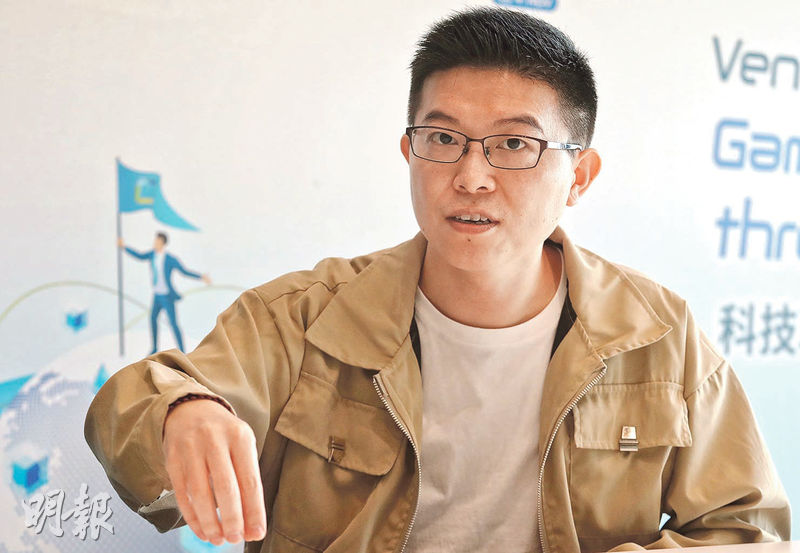
Since the Hong Kong government released its virtual asset policy statement in late October last year, it has granted two virtual asset exchange licenses and attracted numerous Web3.0 companies to establish operations in the city. In an interview with Ming Pao, Eric Zheng, Partner at HashKey Capital—the venture investment arm of HashKey Group—said that over the past year, the government has actively promoted industry development with a highly open attitude, providing significant support both in policy formulation and practical implementation. He believes that JPEX was merely an isolated incident, and Hong Kong remains promising for overseas Web3 enterprises.
Ming Pao Reporter: Paul Siu
Earlier this year, HashKey Capital announced the successful fundraising closure of its third fund, which reached a total size of $500 million. The firm currently holds a portfolio of over 300 startups across the globe. Zheng noted that the JPEX case involved fraudulent elements but also highlighted the necessity of industry regulation. Previously, some Hong Kong investors may have conducted transactions on unlicensed exchanges, accepting certain risks by default. After the incident, he expects more investors will shift toward licensed platforms to gain protection from regulatory oversight.
Helping Portfolio Companies Enter Hong Kong Market
He added that the industry atmosphere in Hong Kong has improved over the past year, with a relatively advanced regulatory framework. During the Web3 Festival hosted by HashKey earlier this year, many companies from Europe and the United States came to Hong Kong to explore business opportunities. HashKey Capital has helped numerous portfolio companies expand into Hong Kong and introduced many Western projects to local resources. Additionally, organizations such as Cyberport have proactively engaged with Web3 firms, offering tangible support including funding. Some companies have already set up offices in Hong Kong, indicating their desire to secure a foothold in this emerging wave.
Web3 Applications Expected to Explode
Zheng said that startup investments are inevitably affected by macroeconomic cycles. Since the U.S. began raising interest rates last year, not only Web3, but also traditional venture capital funds have slowed their investment pace over the past couple of years. While aligning with market trends, HashKey Capital also engages in counter-cyclical investing to help strong companies navigate industry downturns. He explained that the third fund primarily invests in Web3 and blockchain Layer 1 and Layer 2 infrastructure, while maintaining close attention on artificial intelligence (AI). This year, the fund has also invested in companies combining Web3 and AI technologies. As the industry moves into the next cycle, application-level innovations in Web3 are expected to explode, shifting the fund’s focus from infrastructure to applications.
Join TechFlow official community to stay tuned
Telegram:https://t.me/TechFlowDaily
X (Twitter):https://x.com/TechFlowPost
X (Twitter) EN:https://x.com/BlockFlow_News








