Can VR technology truly achieve educational equity by breaking the barriers of time and space?
TechFlow Selected TechFlow Selected
Can VR technology truly achieve educational equity by breaking the barriers of time and space?
VR can help students with listening, speaking, reading, and writing, providing significant support for teaching.
 Navigating Web3 tides with focused insights
Author: Tyson Shields
Translation: Metaverse Heart
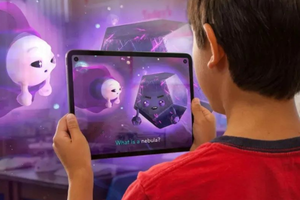
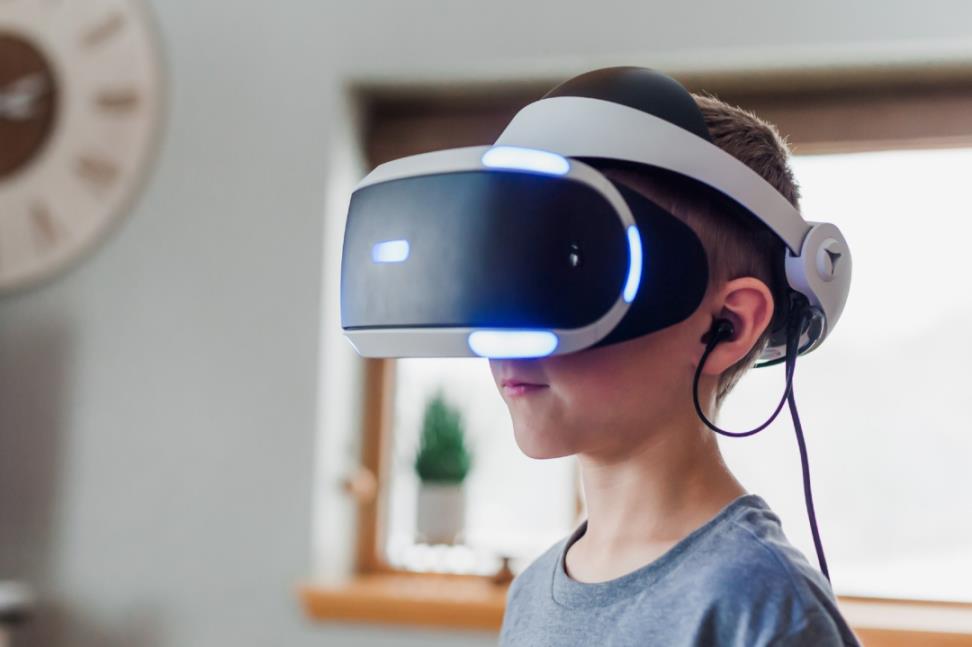
Imagine how vivid a classroom could become when every sense is engaged. VR immerses students in 3D environments where historical events unfold around them and complex scientific concepts are displayed in real time.
This immersive learning approach holds the promise of making education more dynamic and engaging, fostering deeper understanding and knowledge retention.
Virtual reality technology can accommodate four primary learning styles: listening, speaking, reading, and writing. By leveraging visual, auditory, and tactile stimuli, VR proves exceptionally effective in mixed-group instruction.
This multisensory approach ensures that every student, regardless of their preferred learning style, can find effective ways to learn within a virtual reality environment.
In cases where traditional teaching methods struggle to engage students, virtual reality can inspire learners to explore new academic interests.
This shift from passive to active learning significantly improves knowledge retention, as students are more likely to remember and understand concepts they've experienced in virtual spaces.
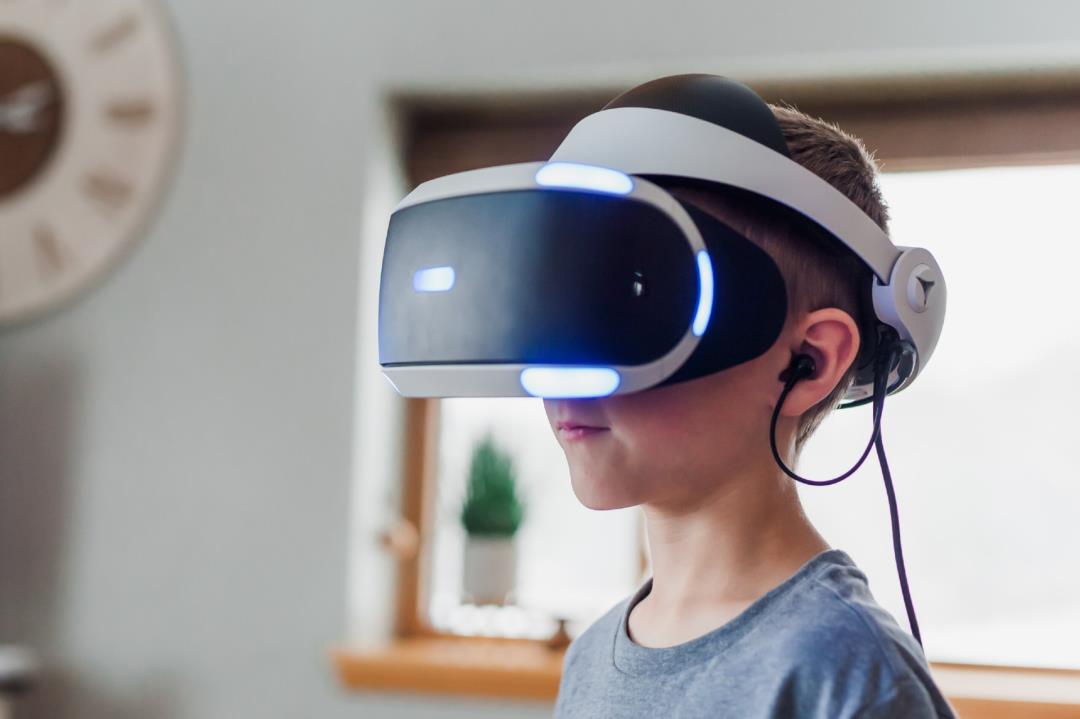
VR can simulate real-world scenarios in safe and controlled environments, allowing students to practice and learn from mistakes without real-world consequences, thereby promoting deeper and more meaningful comprehension of subjects.
This might include traffic education, emergency response training, or even simulated lab experiments—situations where students often cannot perform dangerous experiments in real life. This kind of contextual learning is essential for comprehensive subject mastery.
The immediate engagement and hands-on experience offered by VR benefit all learners, including those with special educational needs such as ADHD, autism, or learning disabilities.
They can be provided with customized, self-paced curricula. The accessibility of VR extends to students with visual and hearing impairments, making learning more inclusive.
Virtual reality in education is a powerful tool that breaks down geographical and economic barriers, democratizing educational experiences. VR enables students—regardless of location or socioeconomic status—to access educational resources and experiences that might otherwise be unavailable due to physical, financial, or logistical constraints.
This transformative technology ensures high-quality education isn't limited to well-funded institutions or affluent regions, but becomes accessible to a broader range of students.
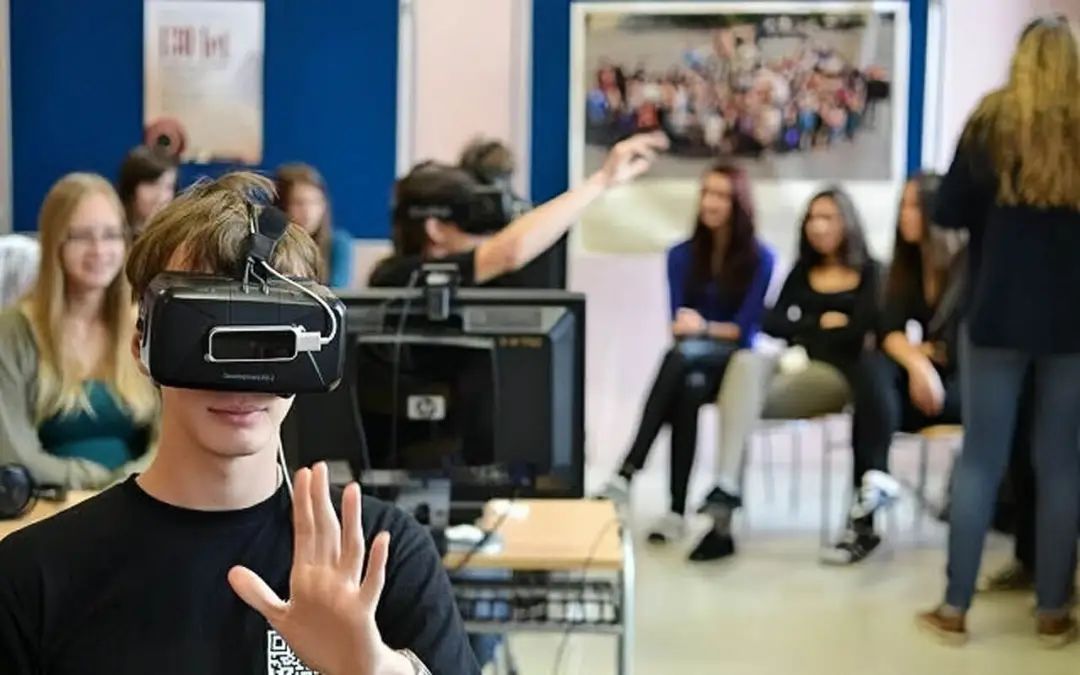
Augmented and virtual reality in education can overcome economic barriers faced by schools and students. While the initial cost of VR equipment may seem prohibitive, long-term benefits and decreasing technology costs are making VR an increasingly viable option for many educational institutions.
Notably, the growing integration of VR and AR into classrooms indicates rising acceptance and feasibility of these technologies within educational settings.
Despite its numerous benefits, VR technology still faces significant challenges. Integrating VR into education involves high costs for necessary hardware and software, posing a substantial economic barrier—especially in resource-limited environments.
This results in a situation where the goal of fully immersive and beneficial environments remains out of reach.
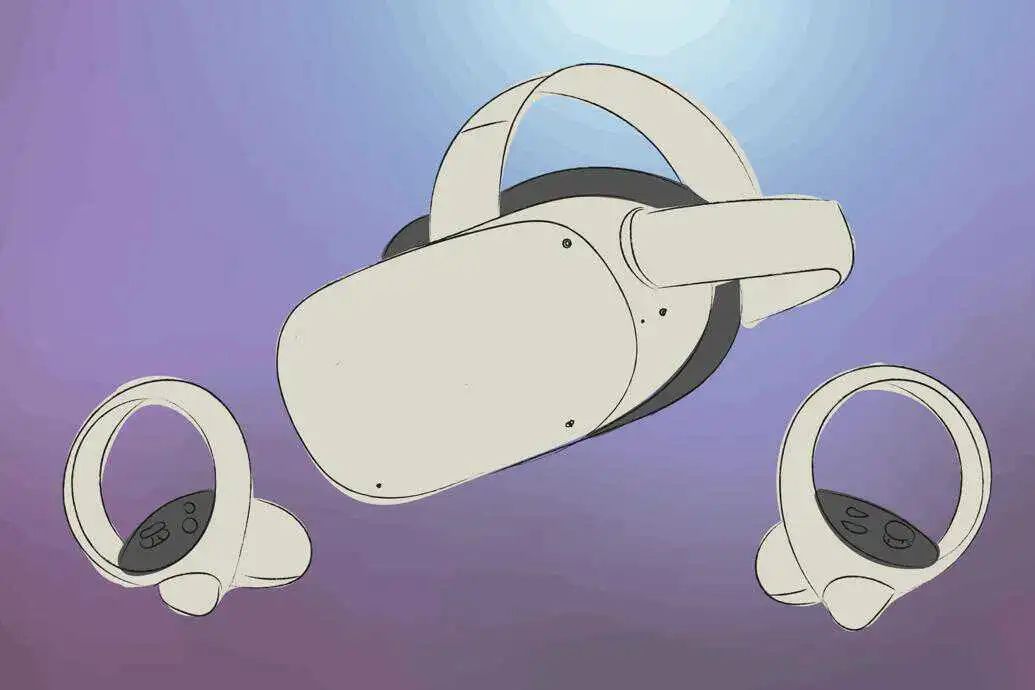
However, it's important to note that cost barriers are gradually decreasing. As VR technology becomes more widespread and production costs decline, it is also becoming more accessible.
This shift suggests that VR in future education may become far more widespread, reducing the risk of digital divides and enabling more students to access immersive learning experiences.
Virtual reality in education represents a transformative approach to learning. VR bridges the gaps left by traditional educational methods, paving the way for a more interactive, inclusive, and accessible future.
As the technology advances and prices decrease, VR has the potential to redefine the educational experience, making it more engaging and effective for students worldwide.
Join TechFlow official community to stay tuned
Telegram:https://t.me/TechFlowDaily
X (Twitter):https://x.com/TechFlowPost
X (Twitter) EN:https://x.com/BlockFlow_News