








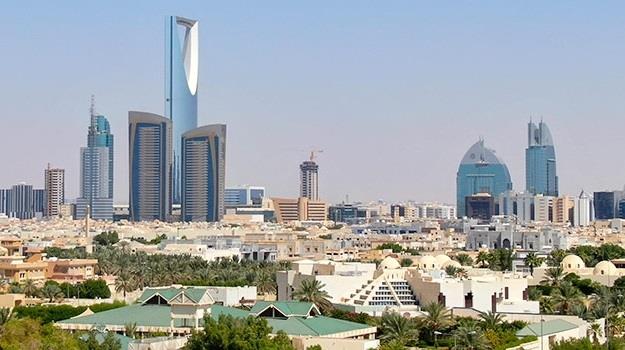
ETH Riyadh Attendee Notes: When Saudi Meets Web3, There's Indeed Money, But People Aren't Stupid
TechFlow Selected TechFlow Selected
ETH Riyadh Attendee Notes: When Saudi Meets Web3, There's Indeed Money, But People Aren't Stupid
As the leading power in the Middle East, Saudi Arabia's determination to push forward reform, opening-up, and large-scale infrastructure development represents one of the few visible incremental forces that could potentially reshape the global landscape—an opportunity that cannot be underestimated.
 Navigating Web3 tides with focused insights
Invited by @chainide Wu Xiao, I attended ETH Riyadh @0xETHRiyadh in Riyadh, the capital of Saudi Arabia. Here are my personal impressions from the event:
1. Overall Impression
The entire country resembles a large corporation, where only the Crown Prince and other elites hold equity and receive most of the wealth. Despite many people wearing traditional white robes, the majority are ordinary citizens ("pow"), earning an average monthly salary of around 10,000 SAR (approximately 20,000 RMB). Migrant workers make up about one-third of the population. It's not as wealthy as imagined, but the per capita foundation is still solid. The country is currently undergoing a high-end version of reform and opening-up.
2. Significant Potential for National and Individual Demand
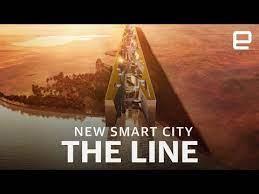
At the national level, Vision 2030 includes trillion-level investments in infrastructure, energy, and digitalization—ambitious and bold. With endless deserts, vast land, and no historical issues related to relocation, urban planning takes on a completely different perspective. Many projects left me thinking, "Wait, you can do it like this?!" One example is The Line project in Neom City.
At the individual level, there’s huge untapped potential:
Clothing: Most men wear white thobes; most women wear black abayas, though some women show their faces.
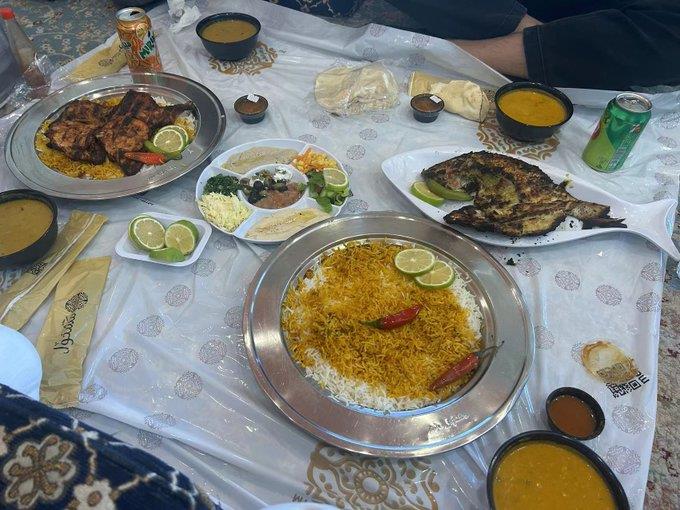
Food: Mainly beef, lamb, fish, chicken with rice, or Western-style meals. American fast food is common. Alcohol is strictly prohibited, resulting in limited dietary diversity. Food prices are roughly double those in China. Surprisingly, water is cheap—priced the same as in China—and even given away for free at museums. Opening a milk tea shop here seems like it could be very profitable.
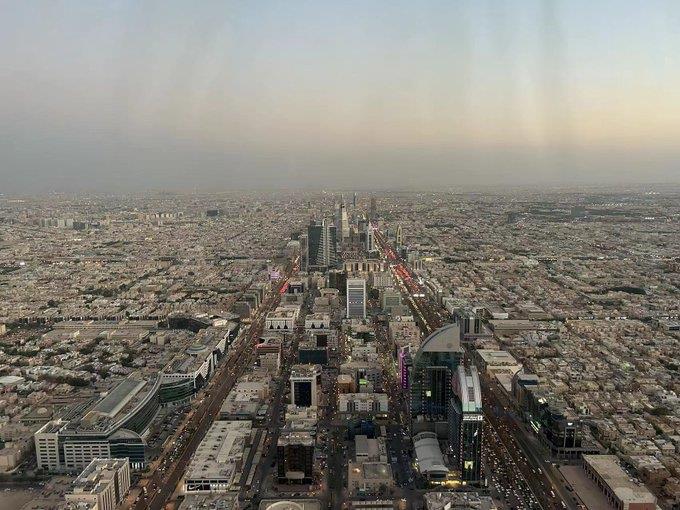
Housing: From the King Tower, aside from high-rises along the central city axis, most areas consist of low single-story homes. Urban planning lacks diversity, with uniform blocks laid out neatly. Land isn't scarce, and rooms are spacious.
Transportation: Most people drive. Traffic jams during rush hours are common. Japanese and Korean cars dominate, though Chinese vehicles are becoming increasingly visible. Five or six metro lines (light rail) have already been built and will open simultaneously in the near future.
Wealthy locals often drive to neighboring Bahrain to unwind, where gambling, nightlife, and alcohol are permitted. Interestingly, there are no internet firewalls—YouTube, Twitter, and even Telegram are accessible. It's hard to imagine how the country functions so stably despite exposure to such external influences—perhaps this is the power of religion.
Women are gradually gaining more freedom. Many positions, including immigration officers at airports, are now held by women. Most still wear veils, but some don’t. One can only imagine how much demand and opportunity would emerge if modernization and reform continue advancing.
3. ETH Riyadh and Web3
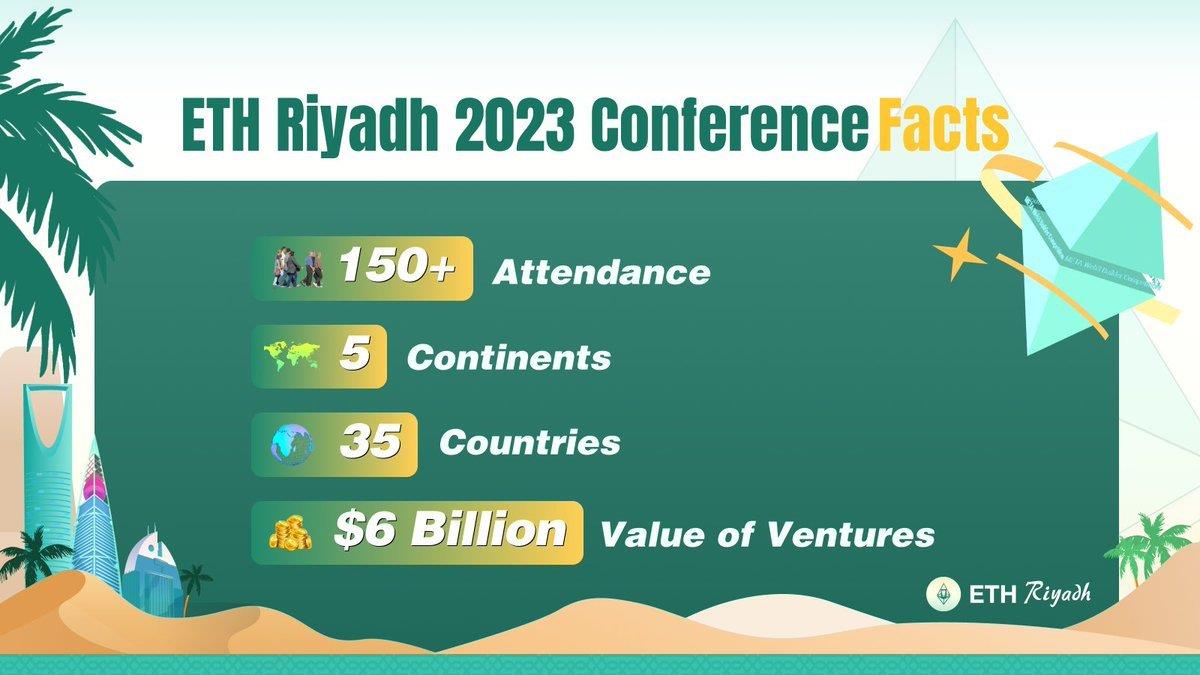
There was stronger interest in gaming and the metaverse. Xiao Wu invited senior officials from Saudi Arabia’s Ministry of Commerce and Central Bank, core Ethereum developer Tim Beiko (whom Xiao reportedly flew across the Red Sea to bring in—2333), Animoca’s Yat Siu, Chiliz’s Alex, among others. This was likely the first web3 event of such scale in Saudi Arabia, and local authorities were impressed by ChainIDE’s ability to organize it so efficiently.
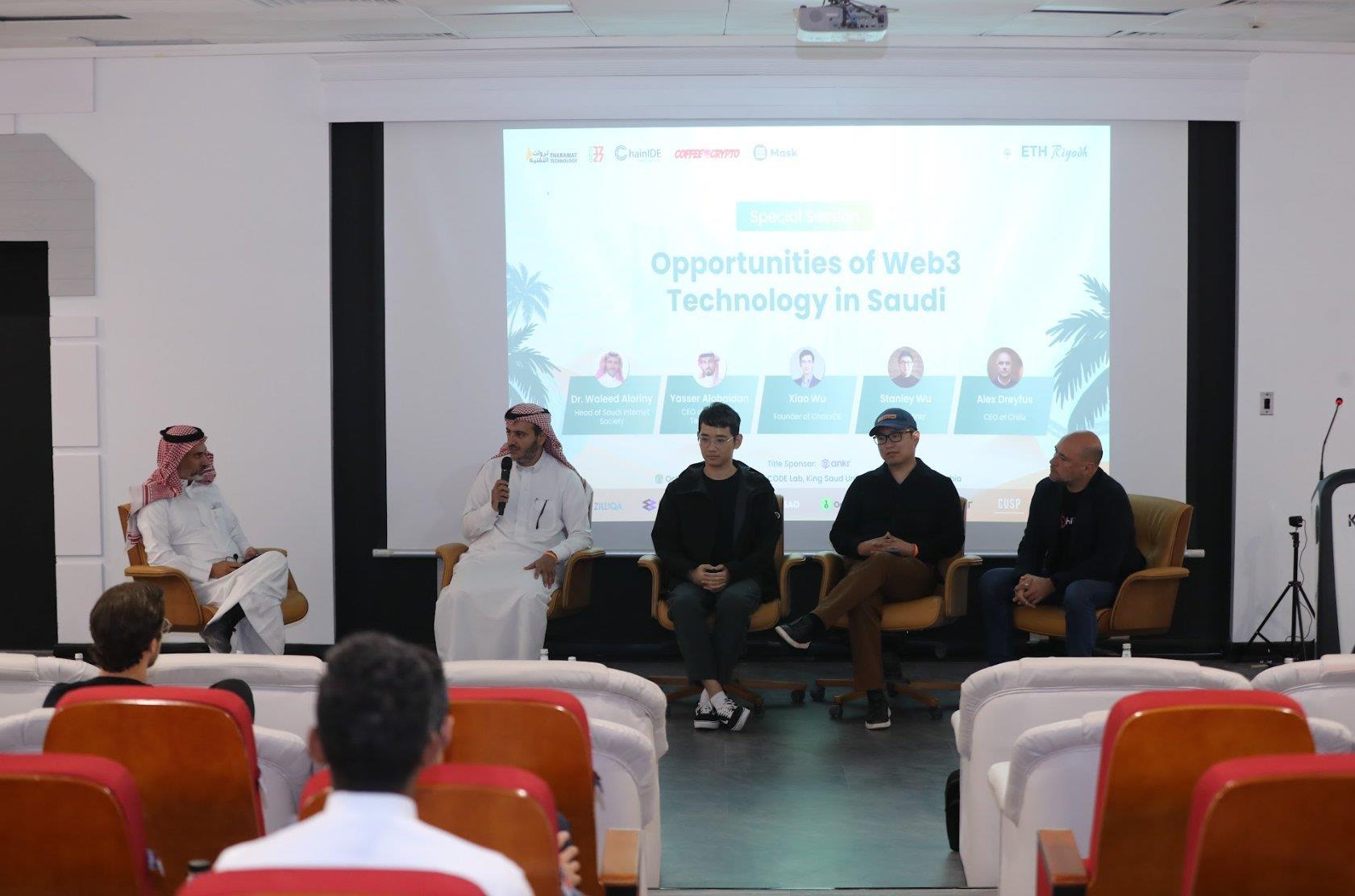
After attending one day of sessions, my impression of web3 in the region is that there isn’t actually much knowledge gap (possibly because there hasn’t been much innovation globally over the past year either). Compared to infrastructure or abstract concepts, attendees focused more on practical applications and tangible user value. There was also widespread fatigue regarding excessive infrastructure talks—interest leans more toward apps and games.
Personally, I feel local demand for web3 remains relatively low. In terms of payments and storage, the currency is stable, pegged to the USD at 3.75 SAR, and banks allow easy foreign exchange. Unlike countries with unstable currencies, there’s little urgent need for crypto-based savings or transactions. Moreover, cryptocurrency speculation doesn’t seem particularly appealing to religious locals.
It may develop similarly to China’s approach—used as part of digital transformation via consortium chains and contractual models. Clearly, there’s stronger local interest in gaming, the metaverse, and broader entertainment. Last year, the sovereign wealth fund PIF established SAVVY Games Group with nearly $40 billion dedicated solely to gaming investments. A friend mentioned there’s also interest in using games to promote Middle Eastern culture.
4. Plenty of Money, But Not Naive
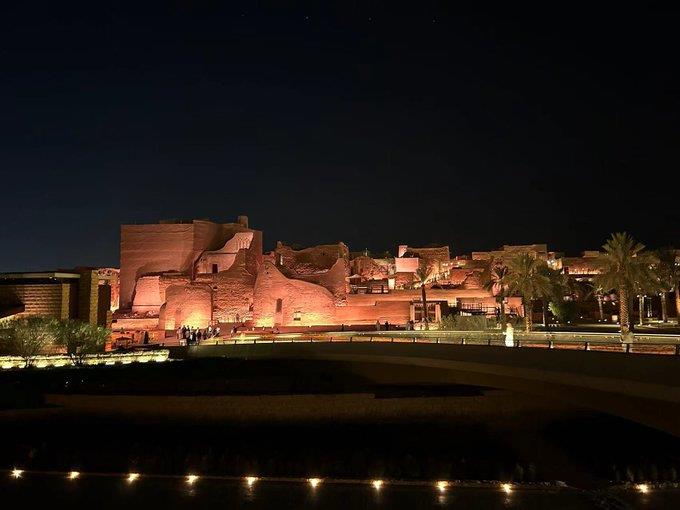
My direct impression is that Saudi standards for quality are extremely high. As the ultimate recipient of global innovative narratives, the royal family has vision and has seen countless impressive things. For instance, visiting their museums and the recently renovated Diriyah historic district—both are stunning. They incorporate digital sand tables and light projections seamlessly blending technology, history, and culture, all executed with excellent aesthetic taste.
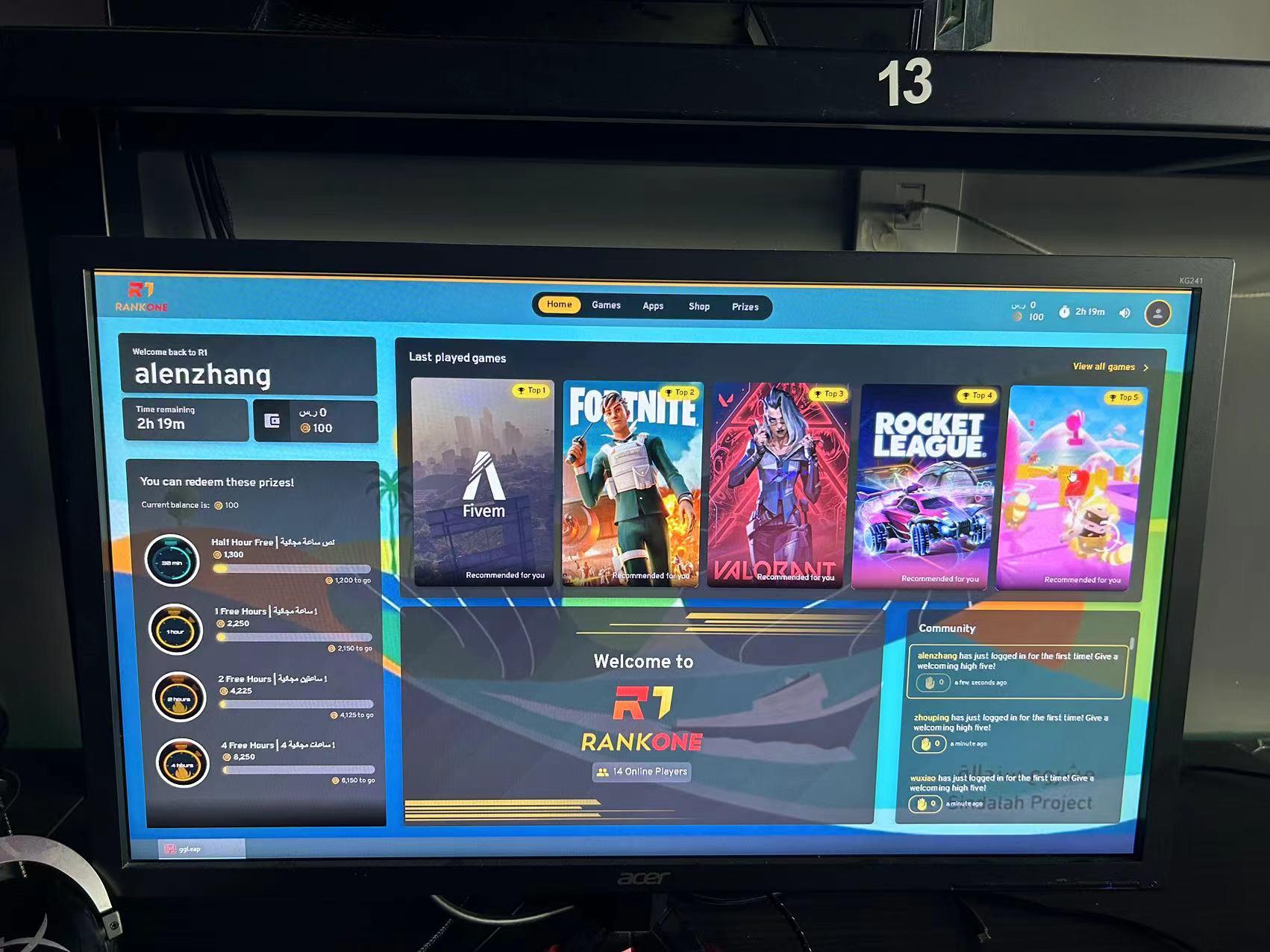
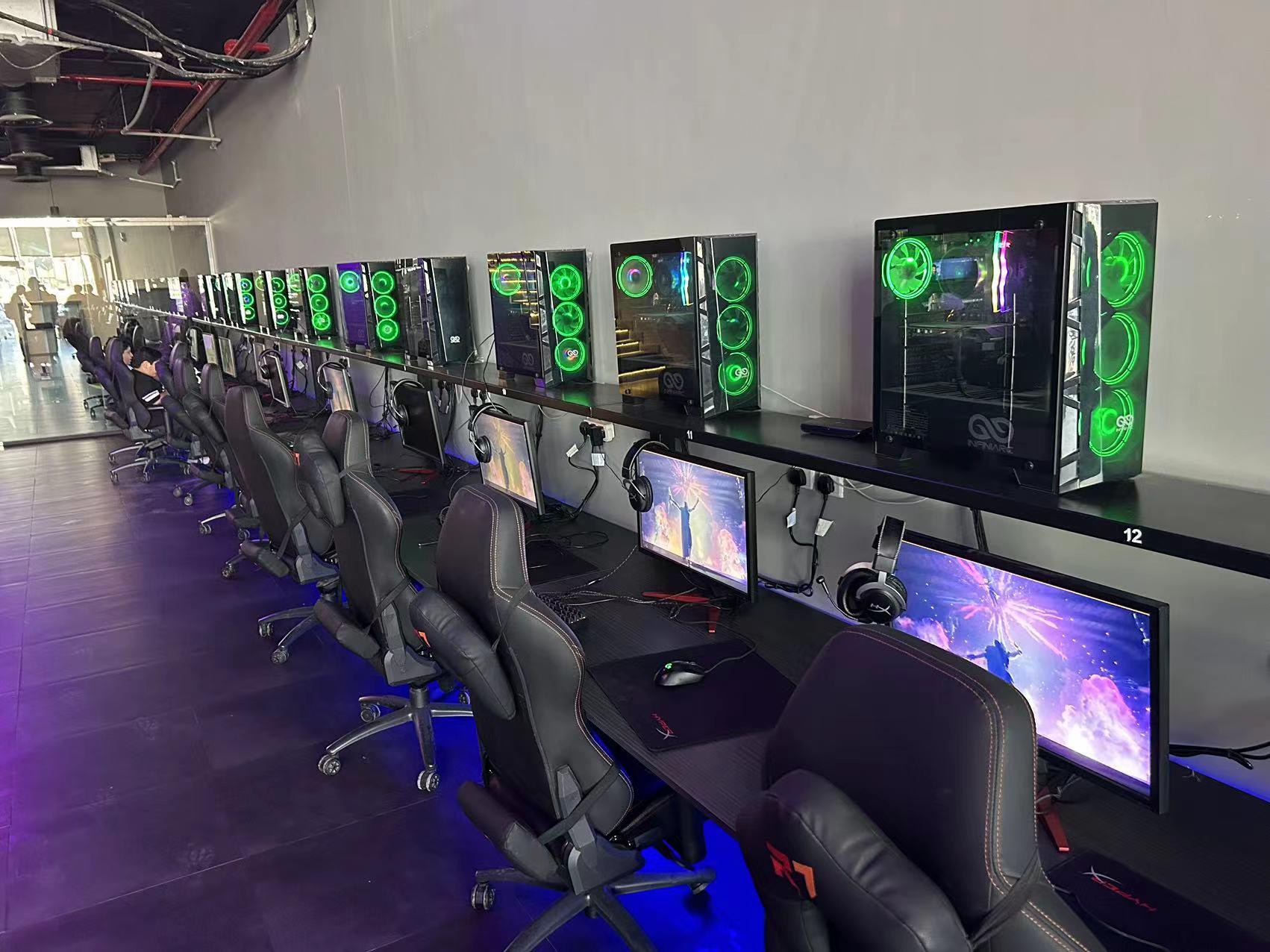
Before leaving, the three of us visited a local internet café. The setup was impressive, and the games played were largely the same as ours—Fortnite being the most popular, followed by Valorant, Rocket League, and Fall Guys. So it's not a case of “rich but naive.” On the contrary, locals are pragmatic—they observe results over time and invite major companies to bid competitively against each other, adopting foreign strengths to strengthen themselves.
5. Co-Building Matters
Approaching opportunities with a co-building mindset works better than trying to exploit them. Local investment resembles Chinese government LPs—they prefer funds with domestic reinvestment requirements. Given the massive size of Saudi’s sovereign fund PIF, larger-scale projects aligned with industrial priorities (technology, infrastructure, energy, entertainment) and capable of supporting local industries have better financing prospects. Smaller startups may need alternative strategies.
Additionally, this is a relationship-driven society where face-to-face communication is crucial for deeper collaboration. Within bureaucratic systems, securing support from key decision-makers from the top down helps avoid unnecessary procedures. Xiao Wu avoided many content review processes similar to those in China only after securing cooperation from the Ministry of Commerce.
6. Friendly Toward China
Immediately upon arrival, Chinese signage greeted us at immigration—recently added. During taxi rides, drivers who spoke English would ask if we were from China (rather than Japan or Korea), showing eagerness to chat, expressing desire to visit China, and saying they’d switch to Chinese-made cars next time. Some are quite familiar with China—mentioning plans to import furniture from Wuhan after seeing it on YouTube, knowing it’s cheaper there.
7. Summary
As the leading power in the Middle East, once Saudi Arabia commits to reform, opening-up, and large-scale infrastructure development, it represents one of the few visible incremental forces capable of reshaping the global landscape—an opportunity that must not be underestimated. For web3, we still need to identify meaningful integration points. ETH Riyadh marks a strong beginning.
Join TechFlow official community to stay tuned
Telegram:https://t.me/TechFlowDaily
X (Twitter):https://x.com/TechFlowPost
X (Twitter) EN:https://x.com/BlockFlow_News
 @qiqileyuan









