What happened to the Bitcoin "rich list" whales?
TechFlow Selected TechFlow Selected
What happened to the Bitcoin "rich list" whales?
The largest current holders of Bitcoin are Grayscale, major centralized exchanges (CEXs), and the U.S. government, with stablecoin issuer Tether also emerging as one of the major whale holders.
 Navigating Web3 tides with focused insights
Author | HuoHuo
We know that whales are the largest creatures in the ocean, and their surfacing often causes massive waves. Similarly, when users holding large amounts of cryptocurrency transfer assets, it can create market fluctuations. Therefore, the community refers to individuals or institutions holding significant amounts of crypto assets as "crypto whales."
Among crypto whales, Bitcoin whales attract the most attention. The term Bitcoin Whale refers to users who hold substantial amounts of Bitcoin, including both individuals and investment funds or institutions, typically defined as holding at least 1,000 BTC or its equivalent USD value.
Because these whales control vast quantities of Bitcoin, each of their buy or sell transactions could profoundly impact the market.
Therefore, closely monitoring the behavior of cryptocurrency whales is highly significant.
Who Are the Top Bitcoin Whales?
People have long been tracking the movements of Bitcoin whales on the holdings leaderboard, but in reality, we can only identify some named whales. This is because major BTC holders usually don't keep all their assets in a single address, and mysterious whales rarely disclose their BTC addresses publicly. We can only analyze and compile information based on available public data.
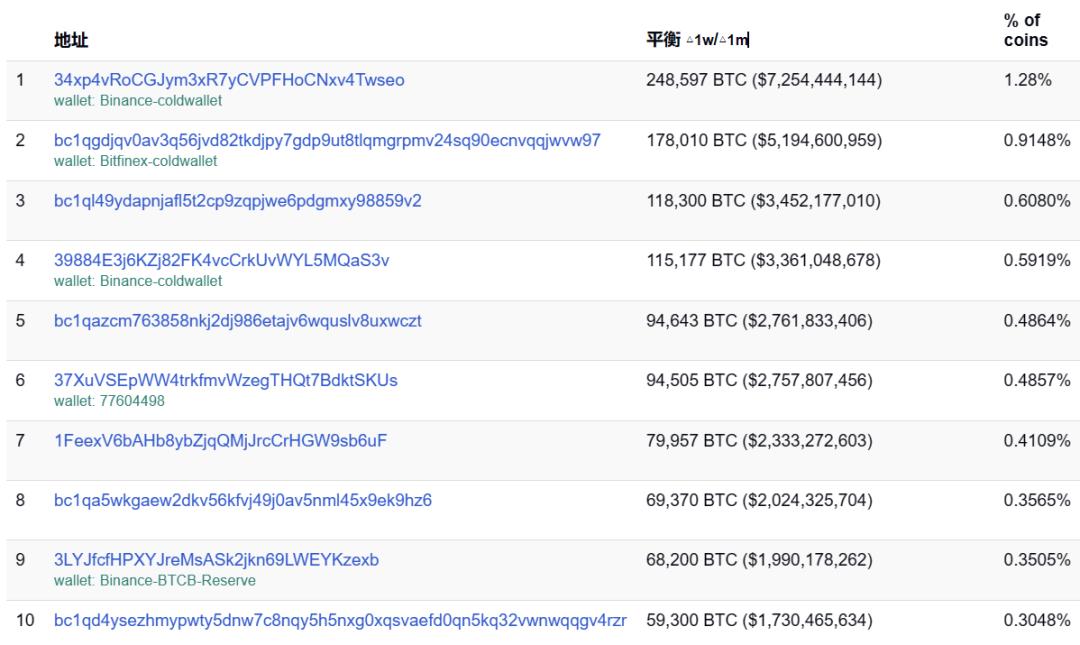
Bitinfocharts BTC Address Rich List TOP10
1) Grayscale Bitcoin Trust: 654,885 BTC
The Grayscale Bitcoin Trust (GBTC), established in 2013 by Barry Silbert—who is also the founder and CEO of Digital Currency Group (DCG), a Bitcoin and blockchain investment firm—was launched under DCG’s subsidiary Grayscale Investments, LLC.
Grayscale, the parent company of GBTC, is the largest digital asset management firm in the market and one of the world's biggest buyers of Bitcoin, launching this trust fund in September 2013 with the ticker symbol "GBTC." GBTC is one of its flagship products, primarily designed for investors who want exposure to Bitcoin without directly managing the risks. Investors provide cash or Bitcoin to Grayscale in exchange for GBTC shares, thus avoiding concerns about storing Bitcoin, legal compliance, or tax obligations. These shares are backed by a certain amount of Bitcoin, carry a 2% annual fee, and can be traded on secondary markets.
For years, Grayscale has remained one of the primary holders of Bitcoin. Currently, the Grayscale Bitcoin Trust holds 654,885 BTC, valued at over $17 billion, ranking first globally.
2) Major CEXs: ~2.5 million BTC
Major centralized exchanges (CEXs), being hubs of liquidity, typically store BTC belonging to both the platform itself and large numbers of user deposits in their cold wallet addresses. We treat them collectively as a whale entity because centralized CEXs can freely move these BTC holdings. These top-tier CEX wallets are closely watched; any large inflows or outflows (transfers or thefts) could significantly impact the market.
3) U.S. Government: 164,004 BTC
The U.S. government holds a total of 164,004 BTC across two addresses. According to available information, the U.S. authorities acquired these BTC through three main seizures:
- 69,369 BTC seized from Silk Road, the dark web’s largest black market, in November 2020;
- 94,643 BTC seized from the Bitfinex hack in January 2022;
- 51,326 BTC seized from James Zhong, the Silk Road hacker, in March 2022.
In March of this year, the U.S. sold 9,861 BTC below market price at $21,877 per coin, earning $215.5 million after fees. Given the massive size of its Bitcoin holdings, many market participants are closely watching whether the U.S. plans to sell more BTC, as such a large volume could cause severe market volatility.
4) Block.one: 164,000 BTC
Block.one, founded in 2017, is a blockchain technology development company focused on building decentralized applications (DApps) and blockchain solutions. Its most well-known product is the EOS.IO protocol. Reports indicate that between June 2017 and June 2018, the company raised $4 billion through an extended token sale, which was later converted into Bitcoin and U.S. Treasury bonds.
Beyond EOS.IO, Block.one has expanded into other blockchain-related areas such as digital identity verification, financial services, and data privacy.
According to Bloomberg, in an email sent to shareholders on March 19, 2019, Block.one’s CEO mentioned the company held 140,000 BTC.

5) MicroStrategy: 152,333 BTC
MicroStrategy Incorporated is a U.S.-based publicly traded company providing business intelligence, mobile software, and cloud services. Founded in 1989 by Michael J. Saylor and Sanju Bansal, it develops software for analyzing internal and external data to support business decisions and mobile app development.
In August 2020, MicroStrategy announced the purchase of $250 million worth of Bitcoin, followed by an additional $175 million investment shortly thereafter.
According to MicroStrategy’s Q2 financial report, as of July 31, 2023, the company held 152,800 BTC at a total cost of $4.53 billion, averaging $29,672 per BTC, with 12,333 BTC added during the second quarter. Their holdings increased from 129,699 BTC in 2021 to 152,333 BTC today, ranking fourth, reflecting a 17.45% increase over the past two years.
To date, they’ve made only one sale: on December 22, 2022, they sold 704 BTC at an average price of $16,776 per coin to gain tax benefits.
6) Mt. Gox K.K.: 141,686 BTC
Mt. Gox K.K. (Kabushiki Kaisha Mt. Gox) was a prominent exchange headquartered in Tokyo, Japan, that collapsed due to a hacking incident. Established in 2010, it was once the world’s largest Bitcoin trading platform. “Mt. Gox” originally stood for “Magic: The Gathering Online eXchange,” starting as an online marketplace for trading virtual Magic: The Gathering cards.
Over time, Mt. Gox evolved into a Bitcoin-focused CEX and became a central hub for thousands of global Bitcoin trades. However, it suffered a major hack in 2014, halted operations, and declared the loss of a vast amount of Bitcoin, resulting in billions of dollars in user losses and triggering serious financial and legal crises. The bankruptcy and liquidation process lasted several years.
Although the collapse caused massive losses and chaos, the event significantly influenced the cryptocurrency industry by promoting greater emphasis on security, regulatory compliance, and user protection.
Nevertheless, Mt. Gox K.K.’s remaining BTC balance still qualifies it as a major holder, with 141,686 BTC currently in its account.
7) Marathon Digital Holdings: 12,964 BTC
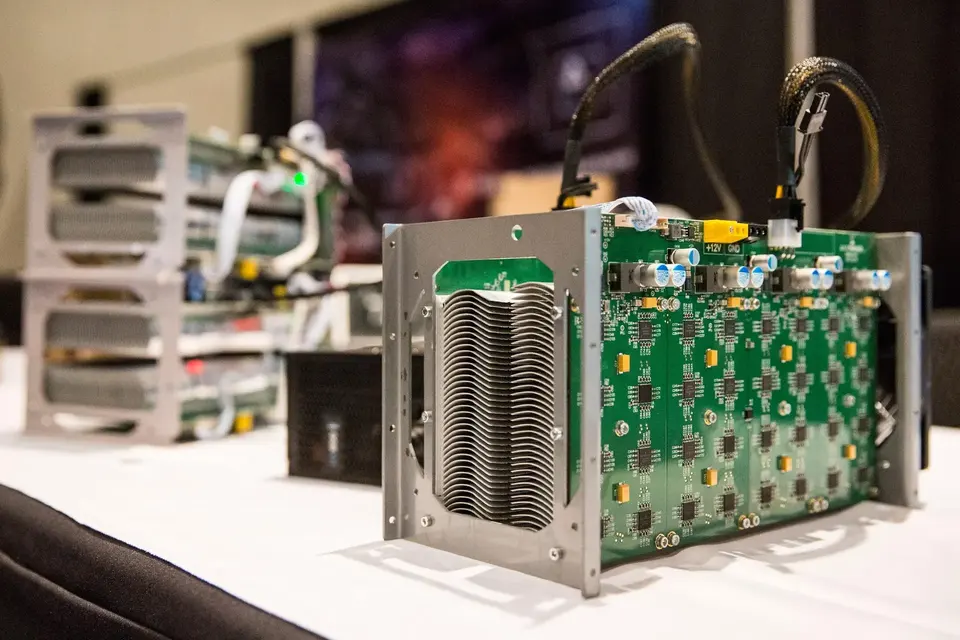
Marathon Digital Holdings is a U.S.-based digital asset technology company focused on Bitcoin block production and blockchain innovation. Its mission is to support the security and reliability of the Bitcoin network through mining while pursuing growth and innovation in the digital asset space.
As a publicly listed company, Marathon Digital Holdings maintains a professional team dedicated to advancing blockchain and Bitcoin technologies.
Currently, it holds the highest proportion of unrealized profit among Bitcoin holders (profit from holding without selling), at 106.3%, due to its mining business model—their effective acquisition cost per Bitcoin is $0, though this does not include expenses like labor, infrastructure, and electricity costs associated with mining.
Their Bitcoin holdings have grown from approximately $1.9 billion in entry value in 2021 to $3.9 billion today. Total BTC holdings increased by 28.94%, from 10,054 BTC to 12,964 BTC, currently ranking seventh.
8) Tesla: 10,800 BTC
Tesla’s cryptocurrency holdings have experienced significant fluctuations over the past two years. In February 2021, Elon Musk’s innovative automaker purchased around $1.5 billion worth of Bitcoin at an average price of $36,000 per coin. Shortly after adding Bitcoin to its balance sheet, Tesla announced it would accept cryptocurrency payments, allowing customers to use Bitcoin and Dogecoin for select purchases. However, it later removed Bitcoin from its approved payment methods.
Then, in its Q2 2022 financial report, the company revealed it had sold 75% of its total holdings due to environmental concerns and portfolio rebalancing. Since then, it has retained the remaining 25% (approximately 10,800 BTC) without further trading activity.
According to a recent report (August 17) from The Wall Street Journal, Tesla’s sister company SpaceX sold a total of $373 million worth of Bitcoin last year and in 2021, though specific amounts and timing were not disclosed. Musk mentioned in a 2021 speech that SpaceX owns Bitcoin, but since the company is private, the exact amount remains undisclosed.
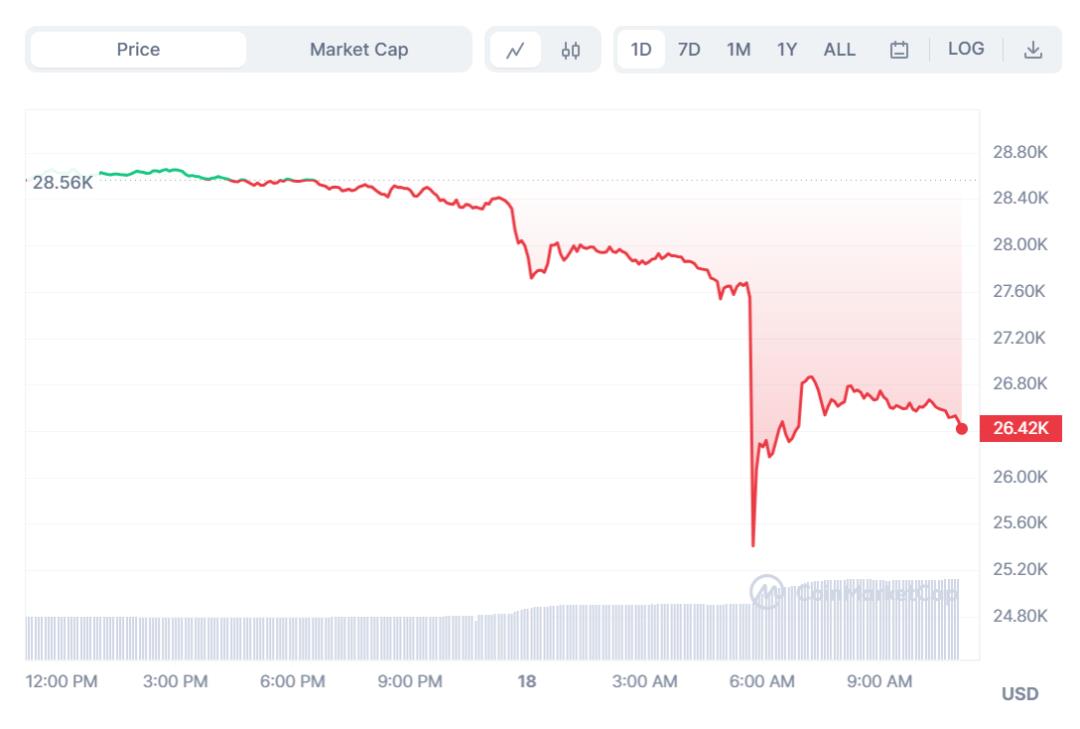
Perhaps influenced by this news, Bitcoin prices plummeted over 8% early this morning, briefly dropping to $25,409, with prices on Bitfinex falling even lower to $24,715 before recovering above $26,000. This decline marked Bitcoin’s lowest point since June 20.
9) Hut 8 Mining Corp: 9,152 BTC
Hut 8 Mining (Chinese name: Hetu 8 Kuangye) is a Canadian Bitcoin mining company focused on block production and digital asset management.
Founded in 2017, it is one of North America’s largest publicly listed Bitcoin miners, operating mining facilities across multiple locations in Canada. It validates and records transactions on the Bitcoin blockchain by solving complex computational problems, earning Bitcoin rewards. Based on its three main mining centers, it mines approximately 300 BTC per month on average.
As a publicly traded company listed on the Toronto Stock Exchange, investors can participate in its Bitcoin mining operations by purchasing shares. The company aims to provide efficient mining services and direct access to Bitcoin for investors.
Since 2021, the company has increased its total Bitcoin holdings by 10,766 BTC, now totaling 9,152 BTC.
The company has maintained a long-term “HODL strategy” amid market volatility, storing all mined BTC in trust. It currently holds 9,152 BTC.
However, with increasing difficulty due to Bitcoin halving, Hut 8 Mining Corp’s profitability in Q2 2023 was disappointing, leading to a decline in HUT stock price.
Additionally, according to The Block on August 6, stablecoin issuer Tether disclosed in its quarterly report holding approximately $1.67 billion worth of Bitcoin. This revelation positions Tether as a top-tier holder. Although Tether hasn’t officially revealed its Bitcoin addresses, it likely controls multiple Bitcoin wallets.
Tracking Whale Movements
Moreover, the top 200 Bitcoin addresses collectively hold about 20% of all circulating Bitcoin. Many individuals and entities hold large amounts of Bitcoin, many of whom remain anonymous.
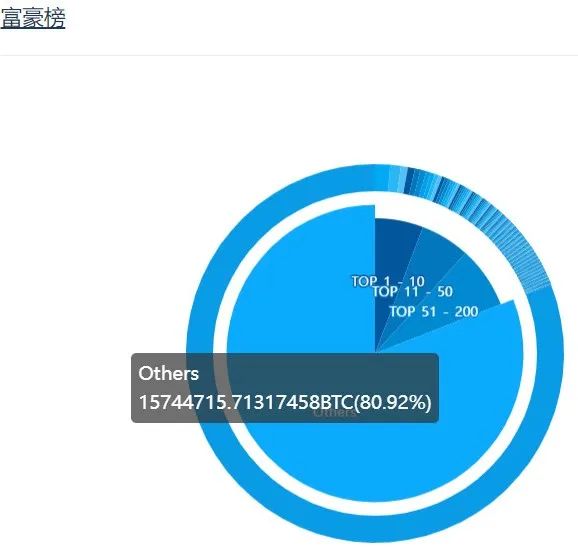
Source: Tokenview
According to Glassnode data, since the last Bitcoin halving in 2020, the number of Bitcoin whales peaked at around 2,500 in February 2021, then steadily declined, with only a brief rebound between February and March 2022. On February 19, 2023, it reached a low of just 2,027 wallet addresses holding over 1,000 BTC (or more), compared to the previous low of 2,023 addresses on August 5, 2019.
The total balance held by whale entities has also been declining. As shown in the chart below, whales currently hold 46% of the total supply, down from 63% at the beginning of 2021.

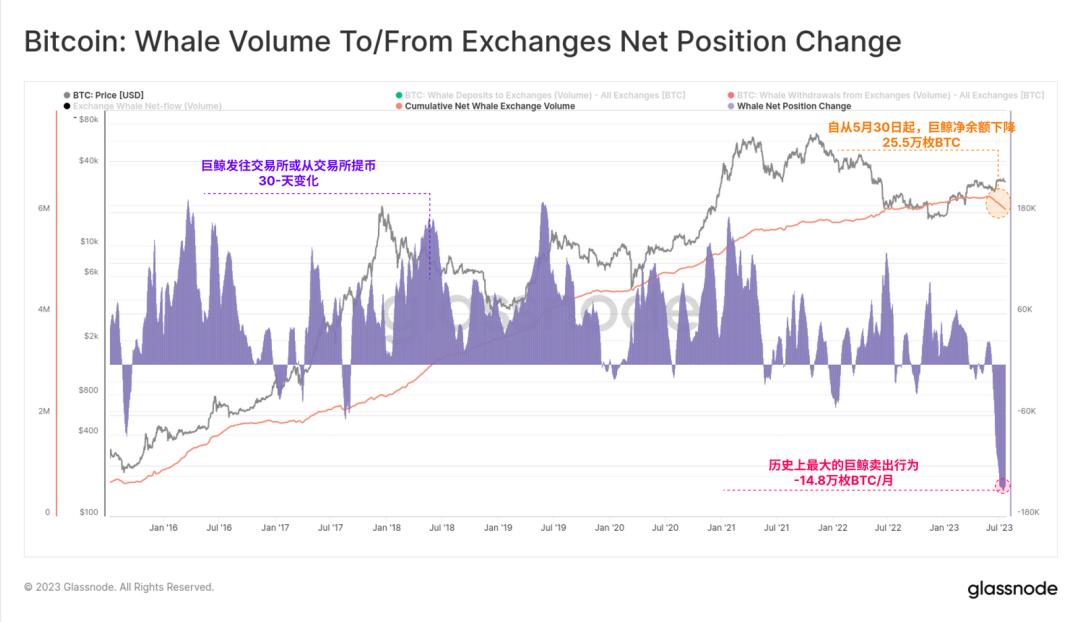
Specifically, since May 30, the total balance held by Bitcoin whale addresses has decreased by approximately 255,000 BTC—a historically unprecedented monthly drop, with a peak decline of 148,000 BTC in one month.
On August 3, according to Santiment market data, the number of Bitcoin addresses holding at least 100 BTC reached nearly 16,000 (15,870). These whale addresses collectively hold 11.5 million BTC, more than half (59.2%) of the existing total supply. In the past 12 weeks, their total holdings increased by nearly 287,755 BTC.
Many traders view this as a bearish signal, raising concerns about an imminent price drop. Despite recent whale movements involving hundreds of millions of dollars, Bitcoin’s current price remains below $30,000. However, for smaller investors, this may represent new opportunities.
Mirroring fading bullish sentiment, the net position change among Bitcoin holders recently hit a one-month low. This metric, measured monthly, reflects changes in long-term investor holdings, indicating whether investors are increasing or reducing their Bitcoin positions.
According to data from Glassnode, this indicator recently reached a one-month low of 17,604.723, suggesting that in recent weeks, more holders have closed their Bitcoin positions to take profits rather than opening new ones. This also indicates whales are active briefly before returning to观望 mode.
From a broader perspective, growing concerns about a global economic recession mean investors lack motivation to increase risk exposure. Additionally, uncertainty surrounding the potential approval of a spot Bitcoin ETF continues to undermine market confidence. Meanwhile, pessimism persists regarding regulatory challenges facing the crypto industry.
This can be partially observed in the Bitcoin futures market, which plays a crucial role in trading. Futures contracts are financial agreements where actual BTC does not change hands. Over the past seven months, trading volume related to Bitcoin futures has been declining.
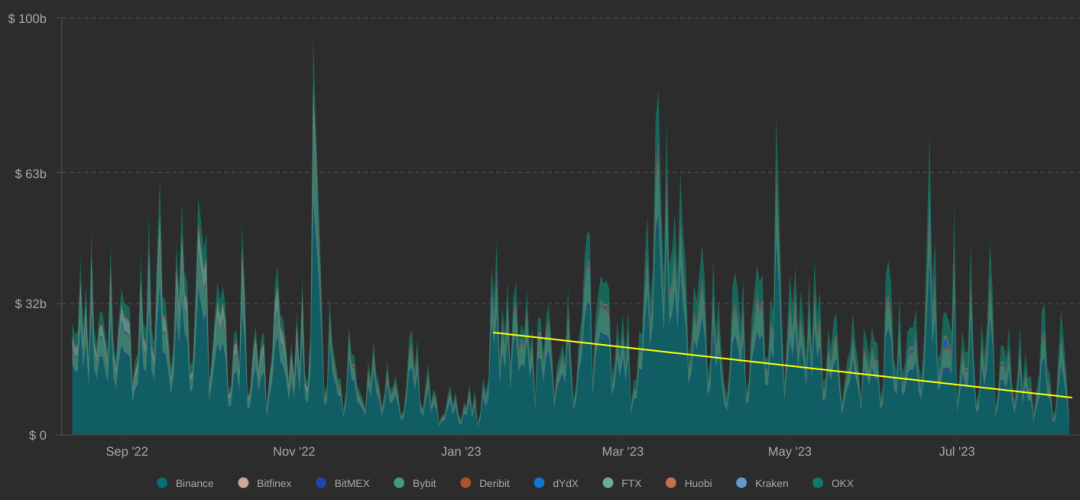
Latest data shows BTC futures volume has dropped to its lowest level since December 2022, averaging less than $7 billion daily. This suggests traders are either reluctant to act at current price levels or have shifted focus to other markets with higher volatility or greater potential for change.
Overall, individual whales appear to be reshuffling. Much of the whale activity and adjustments are driven by short-term holders, while most whales continue to hold Bitcoin as a long-term asset, maintaining unrealized gains and adopting a wait-and-see stance.
Summary
It is clear that the largest current Bitcoin holders are Grayscale, major CEXs, and the U.S. government. Additionally, stablecoin issuer Tether has emerged as a significant whale.
Since 2021, the number of super-whales has declined, although there have been rebounds during specific periods, accompanied by increased retail participation. This may reflect short-term volatility linked to institutional demand for a U.S. Bitcoin ETF. Most corporate whale holders continue to hold their Bitcoin without significant sales, largely remaining inactive.
Join TechFlow official community to stay tuned
Telegram:https://t.me/TechFlowDaily
X (Twitter):https://x.com/TechFlowPost
X (Twitter) EN:https://x.com/BlockFlow_News
 白话区块链
白话区块链