








Everything You Need to Know About DeBank L2 and Potential Airdrop Snapshot
TechFlow Selected TechFlow Selected
Everything You Need to Know About DeBank L2 and Potential Airdrop Snapshot
The overlooked Rabby Wallet and DeBank combination might be stronger than expected.
 Navigating Web3 tides with focused insights
Summary
1. DeBank has launched its testnet and plans to go live with the mainnet in 2024.
2. The goal is to become the asset layer for social interactions.
3. What defines a "valuable user," and does this imply a potential airdrop?
4. The overlooked combination of Rabby Wallet and DeBank may be stronger than expected.
DeBank originally started as a major dashboard in the crypto space. In an era of extreme information chaos, DeBank became one of the few "information marketplaces" users could rely on. Over time, DeBank refined its product and added certain social features, such as DeBank ID and DeBank Hi. DeBank Chain aims to serve as the social asset layer—meaning it will seamlessly integrate social interactions with blockchain technology.
Built on the OP Stack, DeBank Chain primarily addresses three key challenges:
Native Account Abstraction-like Experience: At the chain level, a system similar to account abstraction is natively integrated. This allows users to enjoy a Web2-like experience while maintaining full compatibility with current EVM standards (lowering the barrier for developers).
Minimized Gas Fees: Considering the high frequency and real-time nature of social interactions, such a chain must have extremely low transaction costs and high scalability. By modifying its consensus mechanism, DeBank Chain has reduced the gas cost per transaction by 100 to 400 times, making it suitable for frequent social interactions.
Ensuring L1 Asset Security: DeBank Chain’s new account system supports transactions signed with dedicated L2 private keys, reducing the need to use L1 private keys in social scenarios and thereby enhancing the security of users’ L1 assets.
Regarding DeBank's collection of data on "valuable users," this dataset is not directly tied to DeBank Chain. The data was submitted to GitHub two to three weeks ago; however, the recent launch of the new L2 chain has drawn renewed attention, revealing this detail. The dataset includes users who meet any of the following criteria:
1. Net worth > $1,000;
2. Minted a "Web3 ID";
3. Address has more than zero followers on both DeBank and TVF.
Let’s examine the data parameters:
- addr: address (only EVM-compatible chain addresses supported);
- usd_value: net worth of the address (only addresses with >$1,000 included);
- web3_id: Web3 identity minted from this address;
- follower_count: number of followers on DeBank;
- tvf: total net worth of all DeBank followers;
Data Scope: The data covers up to 57 major EVM-compatible chains since their initial launches. Data sources include public on-chain data from EVM-compatible chains and user behavior on the DeBank platform.
Airdrop Speculation: Currently, there is no official statement about an airdrop, though DeBank has explained the purpose and usage of this dataset.
The original intent behind creating this dataset is that, with the rapid development of Web3, growth has been tainted by bad actors such as airdrop farmers and low-value bot addresses.
However, due to the lack of precise, comprehensive, and publicly available datasets on high-quality on-chain users, developers and researchers struggle to effectively identify the authenticity and value of on-chain users. (Although some paid services offer such filtering and analytics.) Therefore, this dataset is fully open and available for use by other projects—for example, to detect real users or prevent Sybil attacks—and is not intended solely for DeBank’s proprietary use.
That said, there is still a possibility this dataset could inform future airdrops on DeBank Chain. We can look for clues within the limited available information: the dataset is collected via periodic snapshots. According to current submissions on GitHub, data was submitted on July 20 and July 25.

Finally, let’s discuss Rabby Wallet—one of DeBank’s own products. Rabby has already integrated the DeBank testnet and includes a built-in gas faucet, allowing every Rabby user to obtain testnet gas.
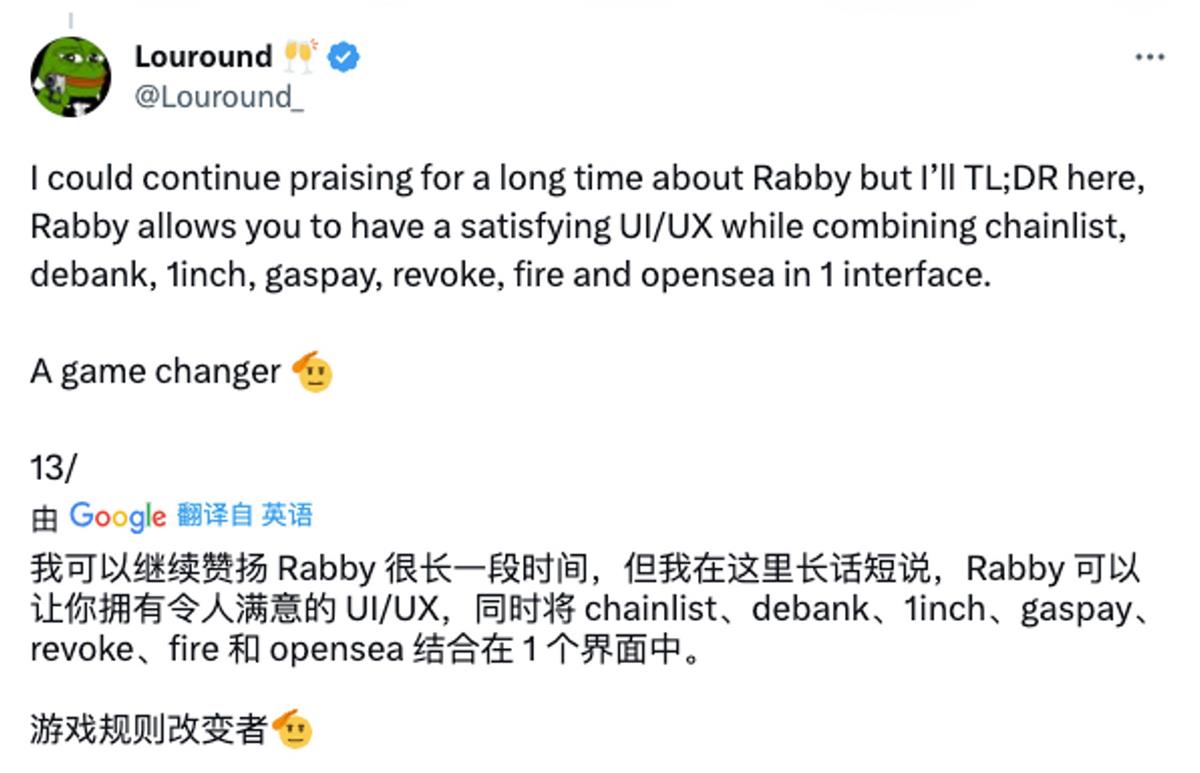
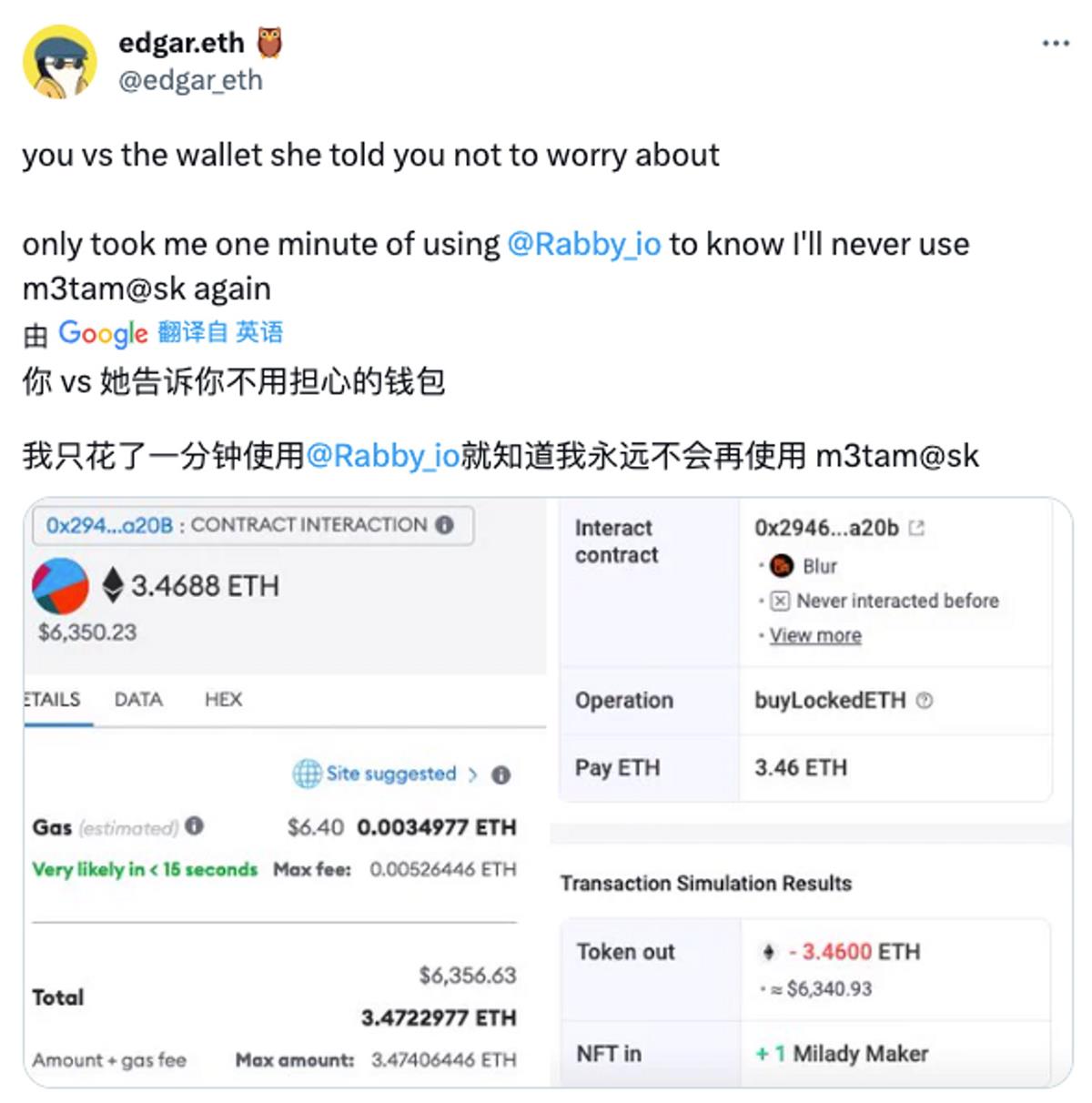
Rabby Wallet appears to have relatively low adoption in Chinese-speaking communities. However, after reviewing feedback from international communities, its usability and overall product experience seem better than expected. It could be a dark horse—if Rabby, combined with DeBank Chain, delivers a seamless user onboarding experience akin to Web2, it could truly become a game-changer.
Join TechFlow official community to stay tuned
Telegram:https://t.me/TechFlowDaily
X (Twitter):https://x.com/TechFlowPost
X (Twitter) EN:https://x.com/BlockFlow_News
 @Cook0x







