








What new narratives will emerge from the fusion of sports and Web3?
TechFlow Selected TechFlow Selected
What new narratives will emerge from the fusion of sports and Web3?
The sports industry has become inseparable from the internet. Web2 has already transformed the way fans consume sports, and in the future, Web3 will continue to do so.
 Navigating Web3 tides with focused insights
The Football Association (FA) is the primary governing body for amateur and professional football in England, and the FA Cup is the world's oldest football competition. Recently, an official announcement on the FA’s website revealed that the organization has issued a request for proposals to find a long-term NFT platform partner, with plans to establish a new, enduring NFT platform.
The integration of sports and Web3 has matured significantly over recent years, with ongoing market and consumer education efforts deepening awareness. A recent survey indicates that sports fans are now ready to invest in NFTs with tangible value. This article will analyze the business models behind the convergence of sports and Web3, explore the reasons and scenarios for their successful integration, examine how they interact and influence each other, and share potential future commercial applications.
Current Web3 Sports Integration Scenarios
Today, the sports industry is inseparable from the internet. Web2 has already transformed how fans consume sports content, and Web3 is poised to extend this transformation further. In recent years, major sports organizations have enthusiastically embraced Web3 technologies, adopting cutting-edge innovations and pioneering novel fan engagement methods. Leading Web3 sports projects currently fall into the following categories:
1. Traditional Sports NFTs
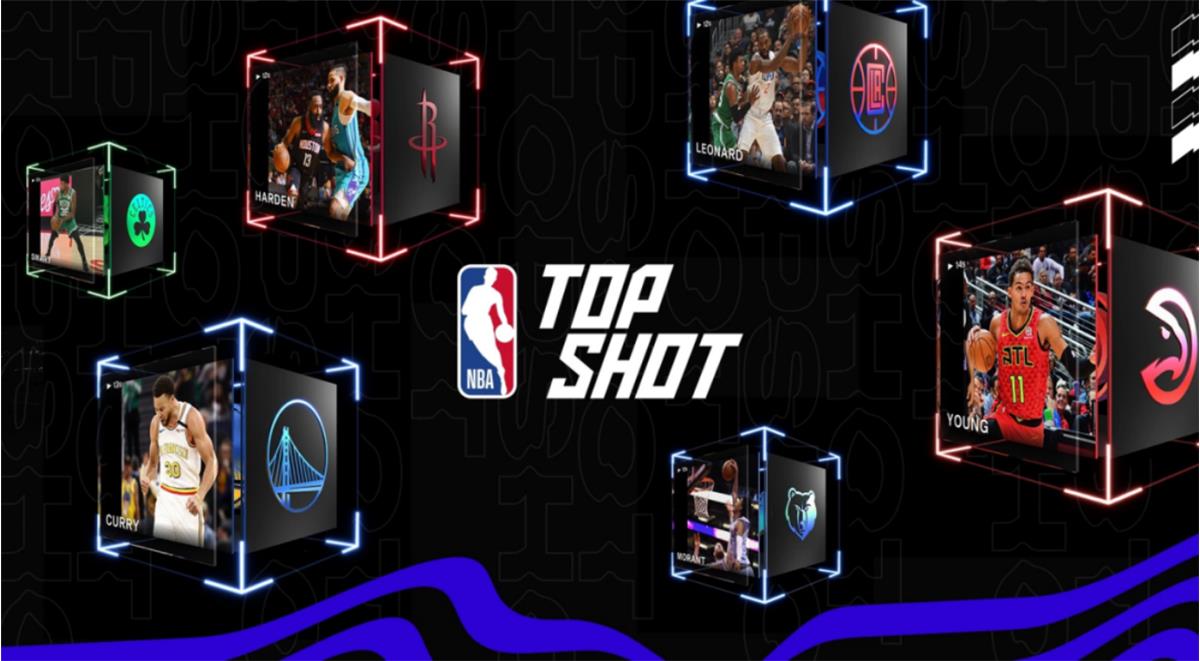
As early as July 2020, the NBA (National Basketball Association) partnered with Dapper Labs to launch a series of officially licensed NFTs, primarily designed to highlight individual athletes and commemorate key games and significant moments.
The NBA propelled digital trading cards to new heights through its NBA Top Shot platform, where users actively buy, trade, and collect player-centric NFTs featuring iconic athletic moments. Within eight months of launch, the platform attracted over a million users and surpassed $700 million in trading volume. By May 2022, NBA Top Shot had exceeded $1 billion in total sales.
Beyond basketball, in August 2022, the NFL (National Football League) collaborated with Dapper Labs to launch NFL All Day. Dapper Labs also maintains similar partnerships with UFC (Ultimate Fighting Championship), LaLiga, and the English Premier League. Major sports leagues and clubs are increasingly involved in the NFT space—through co-branded NFT releases or dedicated NFT marketplaces—to strengthen fan connections.
2. Web3 Sports Games
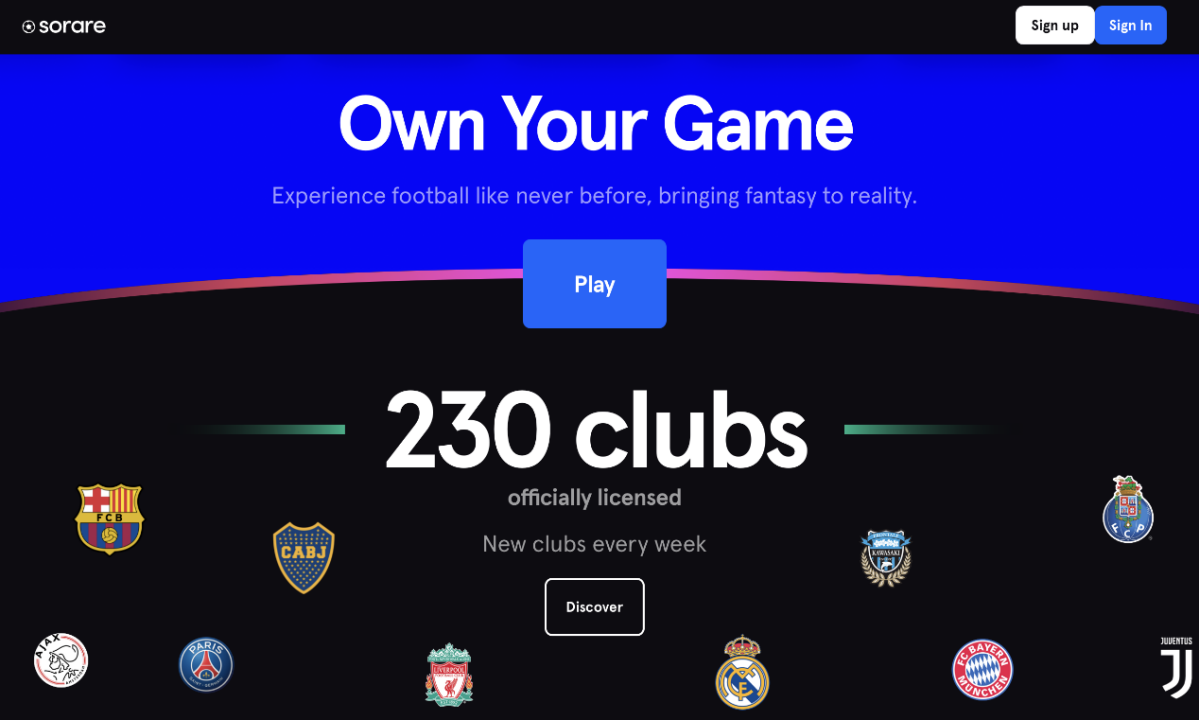
Launched in 2019, the football gaming platform Sorare quickly gained popularity by using NFTs to represent real soccer stars. Players can purchase officially authenticated virtual football player cards as NFTs, take on the role of team managers, build custom dream teams, and compete in various tournaments on the platform. Winners receive new player cards and ETH rewards. This Web3 football game has created innovative ways for players and fans to interact.
Public records show that Sorare has completed three funding rounds: a $4 million seed round in 2020, a $50 million Series A in 2021, and a $680 million Series B led by SoftBank in the same year, valuing the company at $4.3 billion—the largest single fundraising round ever for a French tech startup.
As of July 2023, Sorare has amassed 3.7 million registered players and expanded its offerings beyond football to include NBA and MLB content. The platform has partnered with over 100 clubs worldwide and collaborated with global icons such as French football star Kylian Mbappé, who served as a brand ambassador, helping attract traditional Web2 fans to experience their first steps into Web3.
3. XR Live Streaming Events
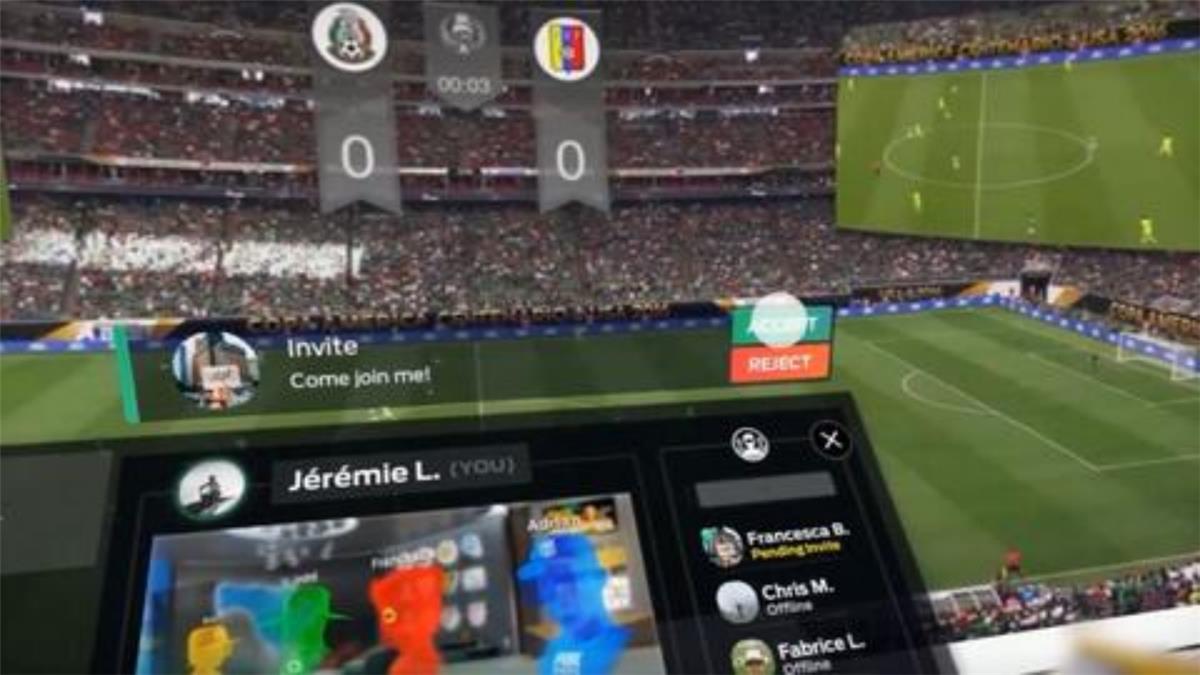
With rapid advancements in XR technology and increased demand due to recent pandemic-related restrictions, there is growing interest in XR-powered live sports broadcasts. Integrated with Web3, these experiences allow viewers to feel as if they are physically present at events, complete with immersive viewing and commemorative NFT tickets—or even special edition NFT collectibles.
For example, last year, Italy’s Serie A streamed a match between AC Milan and Fiorentina on the metaverse platform Nemesis, marking the world’s first live metaverse sports broadcast. Similarly, UEFA hosted a youth-focused esports tournament on Roblox, aiming to engage younger audiences through interactive metaverse formats. Globally, initiatives are advancing toward boundaryless XR event experiences, leveraging technology to deliver more convenient and immersive viewing.
4. Commercial Endorsements
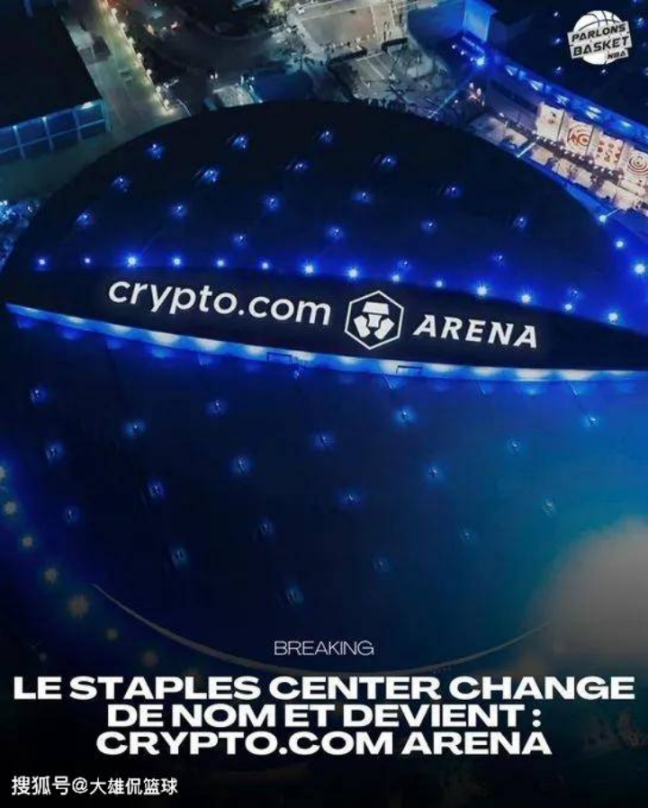
In 2021, cryptocurrency platform Crypto.com, known for its crypto debit card, paid $700 million for a 20-year naming rights deal for the iconic STAPLES Center—the home arena of the Los Angeles Lakers and Clippers—renaming it the Crypto.com Arena.
Similarly, the now-bankrupt FTX aggressively pursued sports marketing, signing a 19-year, $135 million naming rights agreement in March 2021, renaming the Miami Heat’s home venue the “FTX Arena.”
Adidas, the renowned sportswear manufacturer, featured a Bored Ape NFT character alongside football superstars Lionel Messi and Karim Benzema in its advertising campaign during the Qatar World Cup. As mentioned earlier, Kylian Mbappé also endorsed Sorare. These collaborations between high-profile athletes and Web3 platforms not only amplify visibility but also accelerate the transition of sports from Web2 to Web3, creating innovative ways for fan engagement.
Advantages of Integrating Web3 with Sports
In terms of fan engagement and tokenization, Web3 enables fans to interact with their favorite teams and athletes in entirely new and exciting ways. Blockchain-based fan tokens and digital collectibles can boost engagement and loyalty. Fans can use these tokens to participate in polls, contests, and even influence team decisions, opening up new revenue streams for sports organizations while delivering more personalized experiences.
Regarding ticketing and merchandise sales, Web3 technology can make transactions more secure and efficient. Blockchain-based ticketing systems prevent fraud and scalping while enabling transparent, decentralized resale. Likewise, blockchain-powered retail systems ensure product authenticity and facilitate seamless peer-to-peer transactions.
For athletes, increasing numbers of superstar players are being redefined—not only by their elite performance but also through the marketing potential unlocked by digital and AI-driven knowledge systems. Web3 allows athletes greater control over their careers and enables them to tokenize their personal brands, unlocking unique value creation opportunities.
In multi-party collaboration within sports, smart contracts can streamline agreements between athletes and teams, as well as sponsorships and endorsements. Sports smart contracts are self-executing digital agreements that enable parties to exchange assets or information transparently and securely without intermediaries. Built on blockchain technology, these contracts create tamper-proof, immutable transaction records, simplifying complex, multi-dimensional business collaborations into fast, transparent, and highly secure networks that enhance returns for all stakeholders.
In data management, Web3 offers a more transparent and decentralized system for collecting and analyzing sports data. Blockchain-based data storage and analytics prevent manipulation and enable fairer compensation based on athlete performance. This opens doors to new forms of sports betting and prediction markets that are more equitable—gaining broader acceptance among both speculators and loyal fans.
It’s even conceivable to apply DAO governance to sports, allowing fans and stakeholders to participate in decision-making and profit-sharing. Leveraging Web3 technology could lead to fairer distribution of power and wealth in the sports industry, fostering a more democratic and decentralized governance model.

Potential Future Business Models
Many organizations have stated in interviews about their Web3 partnerships that this shift helps generate sustainable long-term revenue, which can be reinvested into the sport for mutual benefit. They aim to leverage the latest blockchain technologies to create novel fan interaction methods and attract new audiences. While many new business models will emerge, they will ultimately revolve around two core elements: fans and the sport itself. Below are several potential future directions:
1. Address-Based VIP Status
A user’s wallet address could grant access to all Web3 sports activities—including NFT tickets, athlete collectibles, Web3 sports games, and forums. Once a project integrates data across nearly all Web3 sports platforms, it can compile comprehensive user profiles based on wallet addresses. Metrics such as number of tickets held, NFT collection size and value, game participation, level, win rate, and forum activity can be used to calculate a VIP score. Higher VIP tiers reflect greater fan loyalty and passion, potentially segmented by sport, league, or club.
2. Watch-to-Earn
With increasingly sophisticated live streaming technology, users could earn rewards simply by watching games. This could integrate with NFT event tickets and decentralized prediction markets, offering users a seamless, all-in-one experience. Making viewing more convenient while enabling income generation—and allowing earned tokens to be used for predictions—would likely gain widespread popularity and open vast market opportunities.
3. DAO Governance
It is entirely possible that Web3-native DAO-owned teams will emerge, with DAOs functioning as team shareholders and fans becoming DAO members. Operating a team in a transparent, democratic manner via smart contracts with players ensures automated, rule-based revenue distribution. Fans would become more invested and loyal, managing their beloved teams through decentralized autonomy—turning passion into value and receiving dividends. Such a model would undoubtedly captivate millions of fans.
Conclusion
The impact of Web3 on the sports industry is broad and profound, representing a natural evolution driven by technological progress. The ability to connect in real time with fans and gain deeper insights into consumer behavior has already reshaped how sports organizations operate. As we move forward, it is clear that technology will continue to expand Web3’s role in sports business.
Join TechFlow official community to stay tuned
Telegram:https://t.me/TechFlowDaily
X (Twitter):https://x.com/TechFlowPost
X (Twitter) EN:https://x.com/BlockFlow_News
 @TrendX_official









