The Block exclusive interview with Sun Yuchen: Aiming to revitalize Huobi through the Meme concept
TechFlow Selected TechFlow Selected
The Block exclusive interview with Sun Yuchen: Aiming to revitalize Huobi through the Meme concept
An increasing amount of cryptocurrency is flowing into Hong Kong.
 Navigating Web3 tides with focused insights
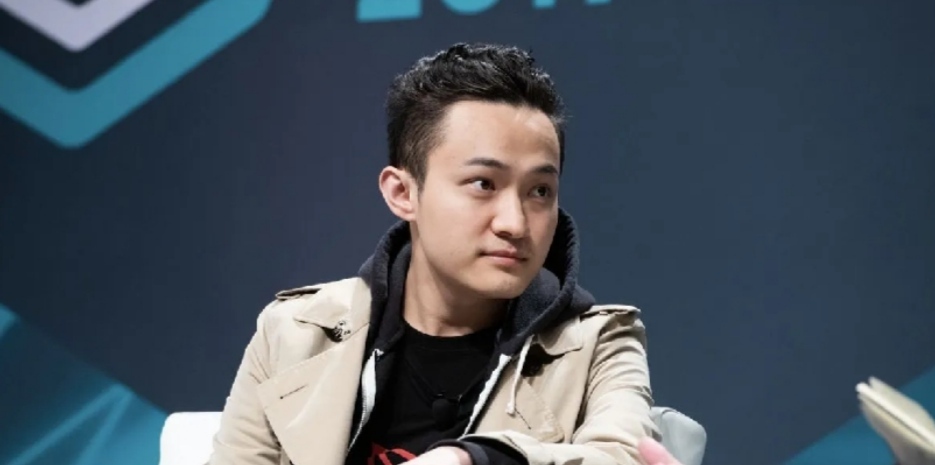
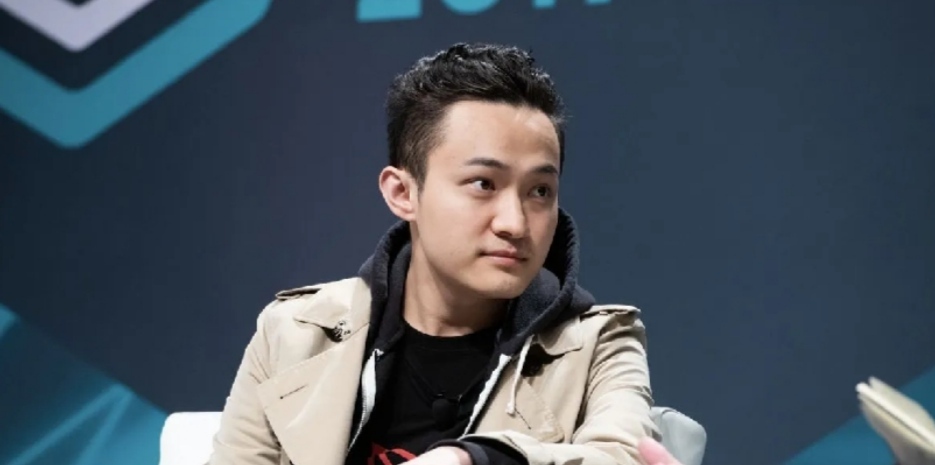
Recently, Frank Chaparro, news director at prominent blockchain media outlet The Block, interviewed Justin Sun, member of Huobi Global's Advisory Board and founder of TRON, on his weekly cryptocurrency podcast The Scoop. The interview was published as a report titled "Justin Sun Aims to Revive Huobi with Memecoins" (original link: https://www.theblock.co/post/231526/justin-sun-houbi-memecoins).
During the conversation, Justin Sun analyzed the current state of the crypto market, revealed Huobi’s process for listing memecoins, and explained why the cryptocurrency market has grown so large that no single exchange can fully meet all user demands.
New Narratives Gain Momentum — Crypto Market Shows Clear Signs of Recovery
The cryptocurrency market suffered heavy losses in 2022. The collapse of Terra, FTX, and other institutional failures severely damaged investor confidence.
In 2023, after a strong first quarter, the crypto industry failed to maintain its upward momentum and fell into another downturn after April. Some believe the bear market hasn’t fully ended, while others see it as a temporary market correction.
Justin Sun stated clearly during the interview that the market has visibly recovered compared to six months ago. “Six months ago, FTX, Celsius, Genesis, DCG—almost every major crypto institution appeared to be facing bankruptcy. Now, six months later, the crypto market has rebounded from the bottom. However, some lingering effects of the previous crisis remain, such as Celsius unwinding large amounts of ETH and Jump Trading being investigated by regulators. It may take another six months to fully absorb the shocks from half a year ago.”
In fact, following the collapse of centralized entities like FTX, CEXs have implemented standardized proof-of-reserves systems to restore market confidence. Most mainstream exchanges—including Huobi, Binance, and OKX—now publish monthly proof-of-reserves reports. Huobi has also partnered with custody providers such as Fireblocks and BitGo to offer self-custody accounts for users, enhancing platform transparency.
In Justin Sun’s view, thanks to currently low market valuations and the emergence of new narratives, the crypto market can regain recognition and rebuild user trust.
“The market is currently at a bottom, with valuations for most blue-chip tokens, native coins, and their underlying businesses highly attractive. At this stage when the market urgently needs fresh narratives, innovations like memecoins, Ethereum’s Shanghai upgrade, and BRC-20 are emerging one after another. We always have something exciting happening in the crypto space,” said Sun, adding: “Even though U.S. crypto regulation is becoming more conservative, we’re seeing regions like Hong Kong and Dubai opening their arms. I still believe crypto will grow steadily over the next 6 to 12 months. I’m confident about its future.”
Memecoins Surge — Huobi Seizes Its Breakthrough Moment
Over the past month, memecoins have once again become the centerpiece of the crypto market. For cryptocurrency trading platforms, avoiding the “FOMO trap” remains a key challenge.
Huobi has long been a pioneer in memecoins. Data from the Huobi app shows that during this latest meme wave, Huobi has listed multiple memecoins including PEPE, Ladys, Turbo, AIDoge, and BOB—far exceeding competitors like Binance.
Binance, by comparison, only listed PEPE during the tail end of the MEME speculation frenzy. According to Justin Sun, Binance’s listing threshold requires tokens to reach a market cap of $100 million or even $1 billion, leaving significant room for other exchanges to operate.
“The crypto market is enormous. No single exchange can cover everything. Different exchanges can play different roles and serve various segments of the market. There won’t be a ‘dominant giant’ exchange capable of satisfying all crypto market needs.”
Sun noted that to gain sustained attention, Huobi has developed a unique framework for listing memecoins, with traffic and community engagement being the most critical factors. “It’s important that community members actually want to trade a particular memecoin.” Huobi reportedly invests heavily in monitoring trading volume, traffic, social media engagement, and community feedback around memecoins, having developed a methodology for efficient data tracking.
Data indicates that Huobi’s trading volume grew strongly in the first half of 2023. Sun attributes this growth largely to the memecoin boom. “Memecoins not only reversed the market’s downward trend but have also become one of Huobi’s main revenue sources. Among the top ten assets by trading volume on Huobi, four are memecoins.”
It’s well known that Justin Sun himself shows strong personal interest in memecoins. He previously tweeted that he decided to actively trade memecoins and promising projects through his public wallet address. In this interview, Sun explained that fair distribution models, decentralization, IP value, and “fun” are key reasons people enjoy trading memecoins. “When I consider trading a memecoin, I apply similar criteria to make my own investment decisions.”
Regulatory Fragmentation — Huobi Proceeds with Caution
When Frank Chaparro brought up the current regulatory landscape, Justin Sun remarked that for some time now, the U.S. crypto market has been operating under an unclear and restrictive regulatory environment. Combined with deteriorating macroeconomic conditions, several Web3 companies have begun leaving the U.S. Cryptocurrency exchange Bittrex ceased all operations in the U.S. starting April 30; Coinbase is planning to move operations overseas; Binance abandoned its acquisition of Voyager.
“We’ll begin to see a trend where, due to regulatory uncertainty, more and more crypto companies exit the U.S. But globally, regulation is providing momentum for crypto development. For example, the Hong Kong SAR government has started establishing a regulatory framework and licensing system, allowing crypto exchanges to operate locally. Dubai has also introduced multiple policies to encourage and support crypto business growth. I believe that even if we lose some market share in the U.S., we can still achieve global expansion. I remain optimistic about the overall global regulatory framework,” Sun analyzed.
Despite divergent regulatory approaches across regions, Huobi continues to prioritize compliance in pursuit of long-term, stable growth.
Public information shows that the Securities and Futures Commission (SFC) of Hong Kong recently released the consultation conclusions on the “Guideline on Virtual Asset Trading Platform Operators,” formalizing regulations for virtual asset trading platforms effective June 1, which will allow retail participation. Huobi is actively applying for a virtual asset trading license in Hong Kong and plans to launch a new exchange, Huobi Hong Kong. After June 1, Huobi will have an 18-month grace period to operate in Hong Kong. During this period, Huobi could receive approval from the Hong Kong SAR government at any time to officially license its exchange operations.
“More and more crypto businesses will start flowing into Hong Kong,” said Justin Sun.
Join TechFlow official community to stay tuned
Telegram:https://t.me/TechFlowDaily
X (Twitter):https://x.com/TechFlowPost
X (Twitter) EN:https://x.com/BlockFlow_News