Questflow: Reinventing workflows with AI and Web3 automation
TechFlow Selected TechFlow Selected
Questflow: Reinventing workflows with AI and Web3 automation
Next-generation workflow system equation = AI (information processing + taking action) + human (judgment + strategy).
 Navigating Web3 tides with focused insights
We are on the cusp of another revolution—the next generation of workflows will revolve around a collaborative relationship between artificial intelligence (AI) and human intelligence, leveraging the strengths of both in seamless cooperation. In this new paradigm, AI systems handle processing vast amounts of information and taking appropriate actions based on that data, while humans focus on judgment and strategic planning. This allows us to concentrate on what we as humans naturally excel at—creative problem-solving.
The new-generation workflow system equation = AI (information processing + action-taking) + Human (judgment + strategy). This formula encapsulates the new division of labor between machines and humans: AI systems excel at information processing and action execution, while humans take charge of judgment and strategy formulation.
Artificial intelligence enables machines to parse massive datasets at lightning speed, identify patterns, and make decisions based on this data. Automating repetitive tasks allows organizations to streamline operations, reduce errors, and boost productivity.
However, AI is not without limitations. While it can analyze data and execute tasks, it lacks the creativity, empathy, and contextual understanding inherent in human workers. By focusing on these higher-level capabilities, we humans can add immense value to workflows.
As a result, growing corporate demand for workflow software has led to rapidly increasing demand for more sophisticated and efficient software development. Applications of AI and related emerging technologies—from computer vision, cognitive automation, and machine learning to robotic process automation—are becoming increasingly widespread.
According to Camunda's "2020 State of Process Automation Report," 97% of IT decision-makers believe process automation is critical for digital transformation. Additionally, 36% of organizations are already implementing business process management software to automate workflows, while 29% plan to adopt such software in the near future.
According to Gartner forecasts:
-
By 2022, the hyperautomation software market will reach $600 billion with a compound annual growth rate (CAGR) of 24%, driven by low-code, robotic process automation (RPA), and AI;
-
By 2026, the software market supporting hyperautomation will approach $1.04 trillion, growing at a CAGR of 11.9%.
During the forecast period from 2022 to 2027, the workflow automation market is expected to grow at a CAGR of 9.52%.
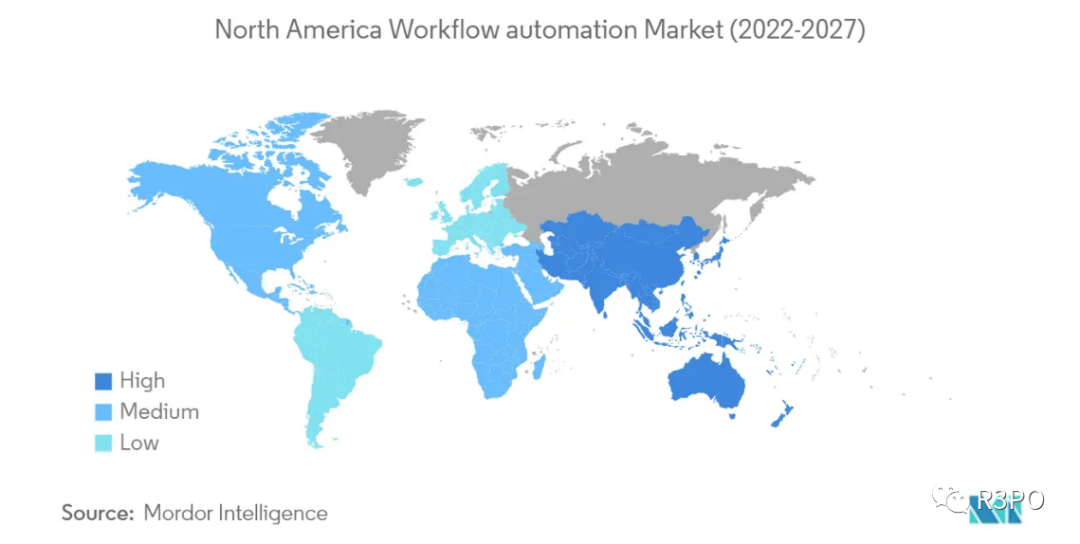
Workflow Automation Integration Platform Market
The workflow automation market is highly competitive and composed of several key player categories: off-chain workflow automation platforms such as Zapier, UiPath, and Make; on-chain workflow automation tools like Quest3, Questbook, and Grindery. Questflow differs from both—it integrates offline and online workflows into unified automation.
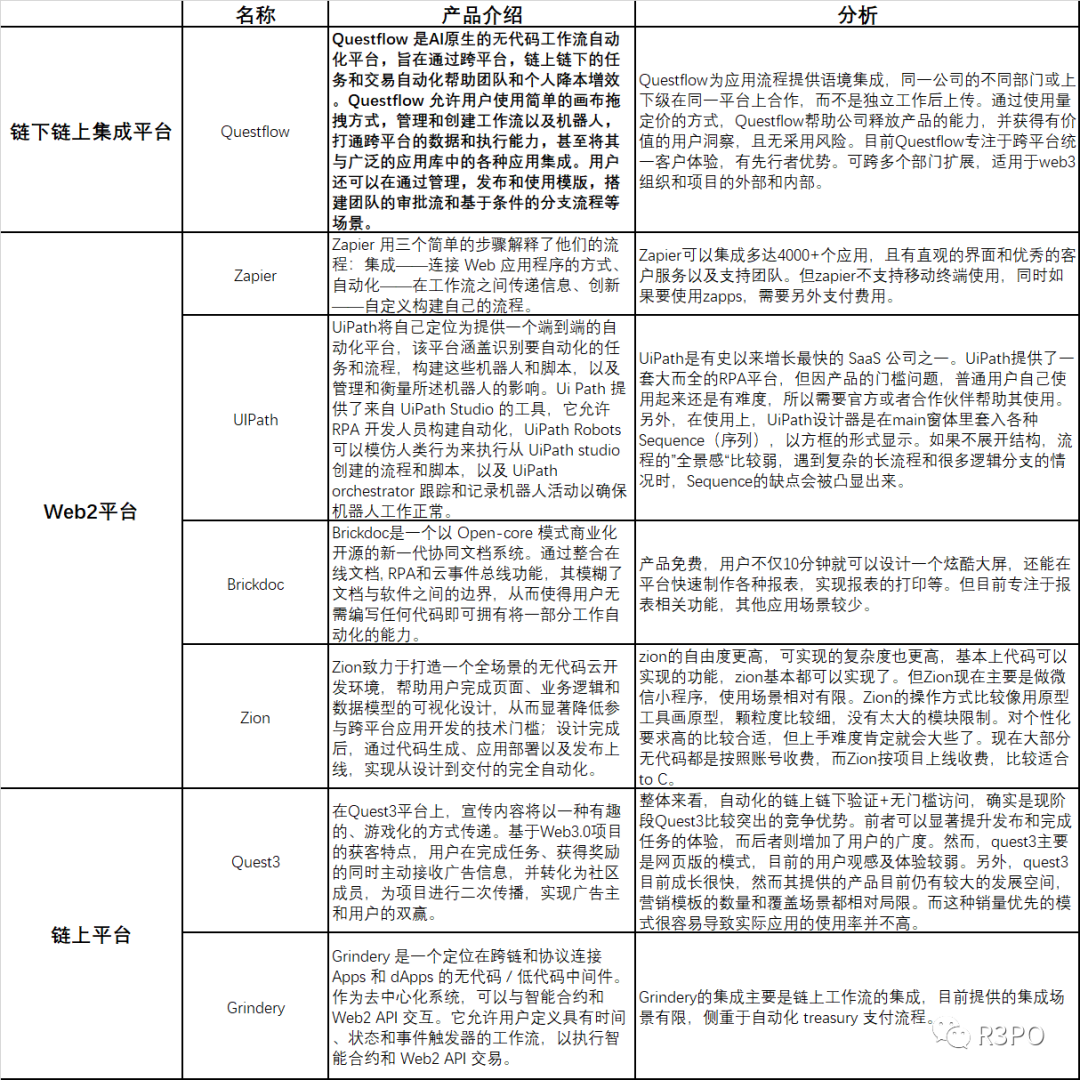
Comparison reveals that Questflow holds unique advantages over other workflow automation platforms.
- Compared to on-chain competitors focused on automating specific transactions or tasks, Questflow provides general-purpose workflow design, allowing human intervention for task or transaction approvals within workflows, enabling a new model of collaborative workflows.
Questflow encourages community participation in co-building apps and an ecosystem based on AI models and prompts, integrating in-app activities with incentives to drive real product usage and reward community contributors.
Additionally, Questflow introduces Web3-native lifecycle management.
-
Compared to on-chain players focused solely on bounties, Questflow enables organizations to collaboratively complete tasks across multiple nodes in a workflow rather than in isolated silos.
-
Compared to Web2 players, Questflow is a Web3-native solution featuring on-chain attribution and account identity systems, enabling more accurate user segmentation. Moreover, Questflow delivers faster incentives, creating greater opportunities for integrated application use.
Introduction to Questflow
Questflow is an AI-native no-code workflow automation platform designed to help teams and individuals reduce costs and improve efficiency by automating cross-platform, on-chain and off-chain tasks and transactions. They are building this through four approaches:
(1) Flow: Create no-code workflows that connect data, triggers, and executions across on-chain and off-chain platforms, using AI for data processing and team approval processes to establish new human-machine interaction models;
(2) Bots: Configure custom bots with feedback and instructions to invoke third-party services, empowering community users with expanded app functionality;
(3) Custom Assistants: Build AI assistants tailored to your team by selecting specific service calls and response methods, then integrate them into workflows and bot scenarios;
(4) Prompt Marketplace and Editor: Help users create and manage prompts, supporting team collaboration and workflow template creation.
1. Flow
Flow allows you to orchestrate interactions across your entire product stack, enabling you to deliver messages (email, in-app notifications, push alerts), tokens (ERC-20, NFTs, SBTs, etc.), database storage, and AI-powered data processing to the right users at every touchpoint. Approval flows and branching logic can be added within workflows, inviting team members to review and validate processes and outcomes together.
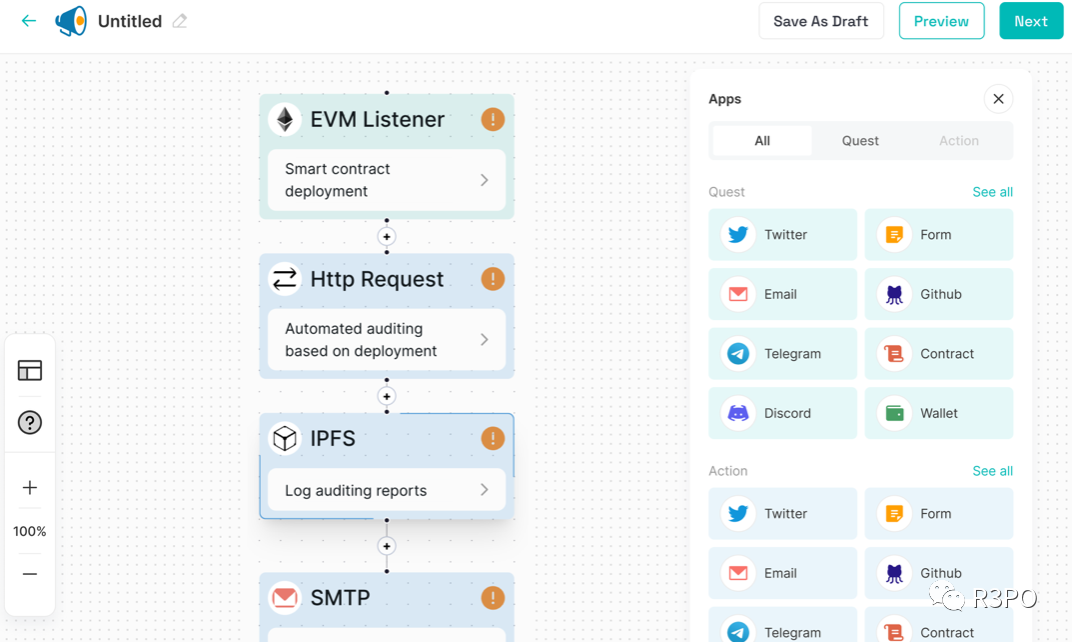
2. Bots
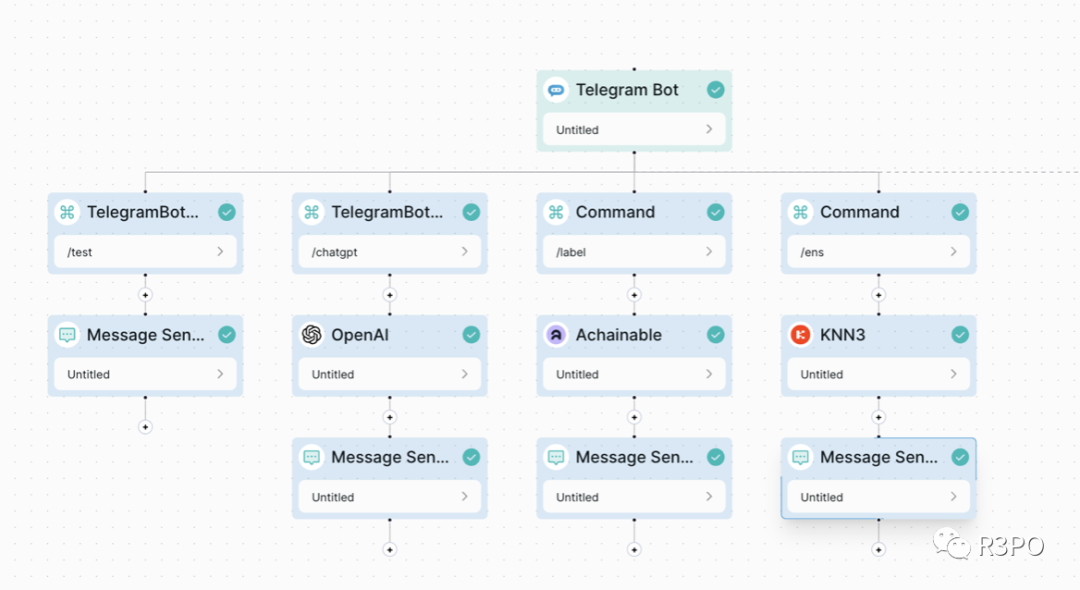
Bots provide no-code bot configuration capabilities, allowing you to engage customers by dragging and dropping to invoke third-party services. You can use Bots to create Telegram, Twitter, Discord, and other bots with custom commands and integrations for on-chain and off-chain third-party services, publishing them to the marketplace to acquire users for your product.
3. Agents
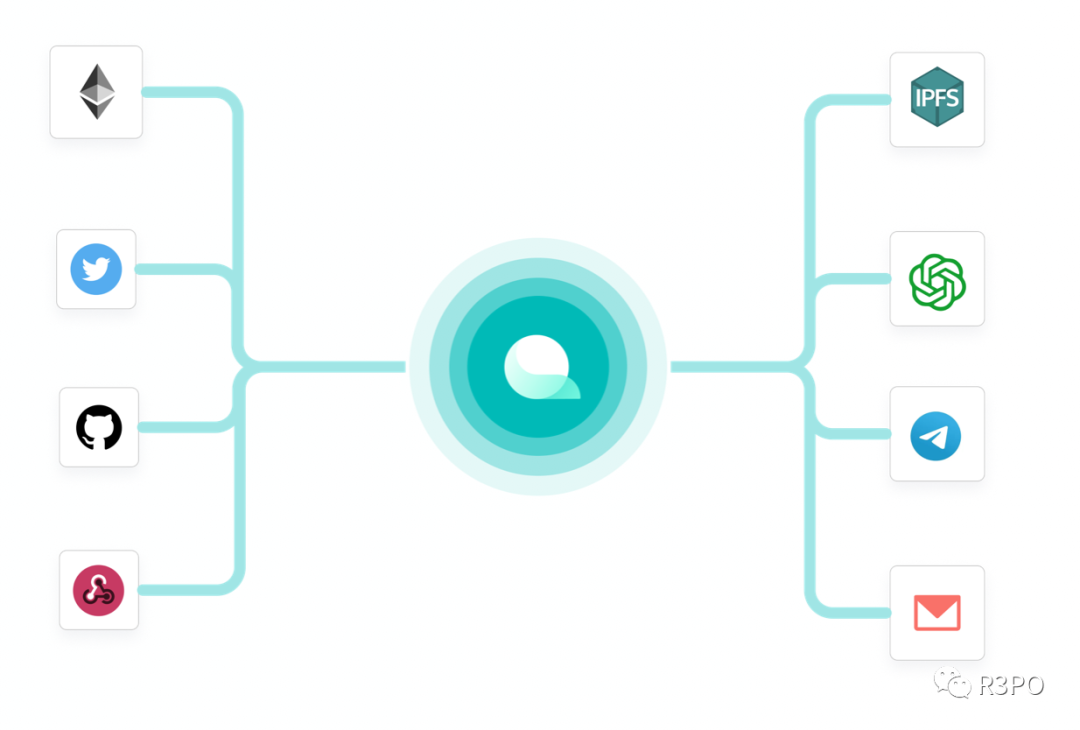
Agents allow users to create their own AI assistants via no-code drag-and-drop. By dragging third-party services onto a canvas editor, uploading custom files or databases, or specifying web links, users can define the logic governing their AI assistant’s behavior, creating personal or company-specific assistants that can be embedded into workflows or bots.
4. Prompt Hub
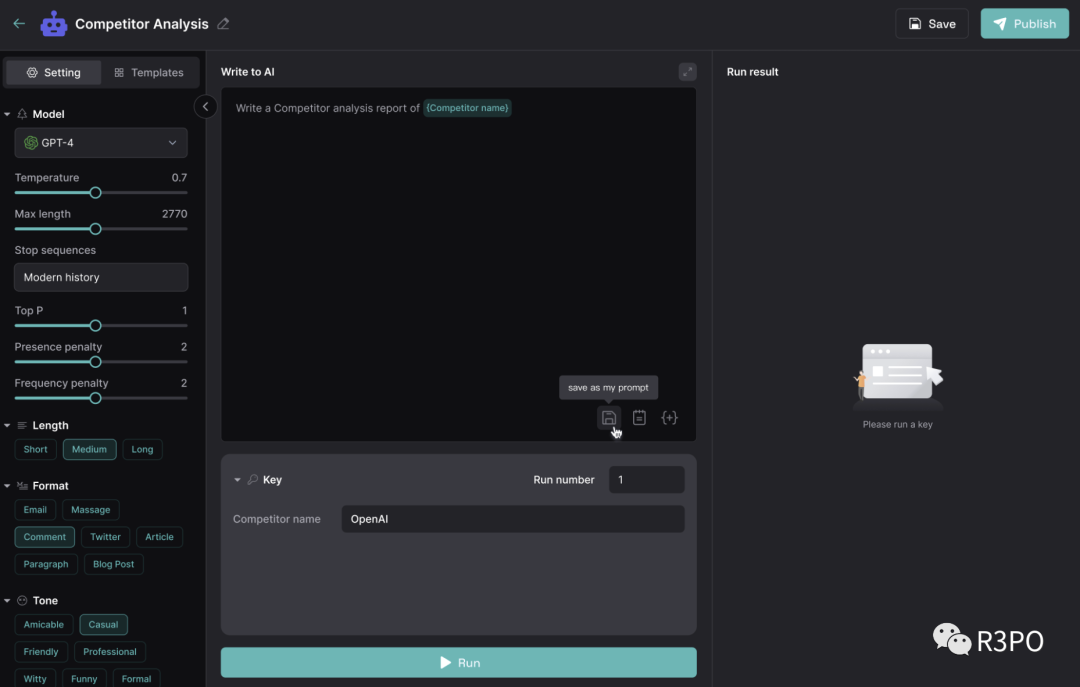
Prompt Hub is a no-code prompt generation and debugging editor and marketplace. By integrating multiple AI models and third-party capabilities, it enables users to create, generate, publish, and duplicate their own prompts, then share them in the marketplace or within team workflows.
Conclusion
The Web3 landscape is transforming how we interact with technology, creating new opportunities for innovation and collaboration. At the heart of this shift lies composability—the seamless integration of existing components.
As the Web3 ecosystem expands, composability becomes a crucial factor, especially within decentralized finance (DeFi), non-fungible tokens (NFTs), and other blockchain applications.
Embracing composability is essential to unlocking Web3’s full potential and shaping a decentralized future.
No-code workflow automation platform Questflow aims to bridge industry gaps and make composability accessible to a broader audience.
Questflow’s no-code solution is dedicated to democratizing access to Web3 technologies, enabling individuals from diverse backgrounds to leverage composability and contribute to the development of decentralized ecosystems, empowering people and teams to effectively harness Web3 technologies and encouraging creativity and innovation throughout the process.
We look forward to Questflow further advancing the workflow automation revolution and fostering a more vibrant Web3 ecosystem in the future.
Join TechFlow official community to stay tuned
Telegram:https://t.me/TechFlowDaily
X (Twitter):https://x.com/TechFlowPost
X (Twitter) EN:https://x.com/BlockFlow_News
 R3PO
R3PO