Taking the Pulse of Tron's Billion-Dollar Stablecoin Ambition: USDT Continues to Lead, Hong Kong Emerges as a New Focus
TechFlow Selected TechFlow Selected
Taking the Pulse of Tron's Billion-Dollar Stablecoin Ambition: USDT Continues to Lead, Hong Kong Emerges as a New Focus
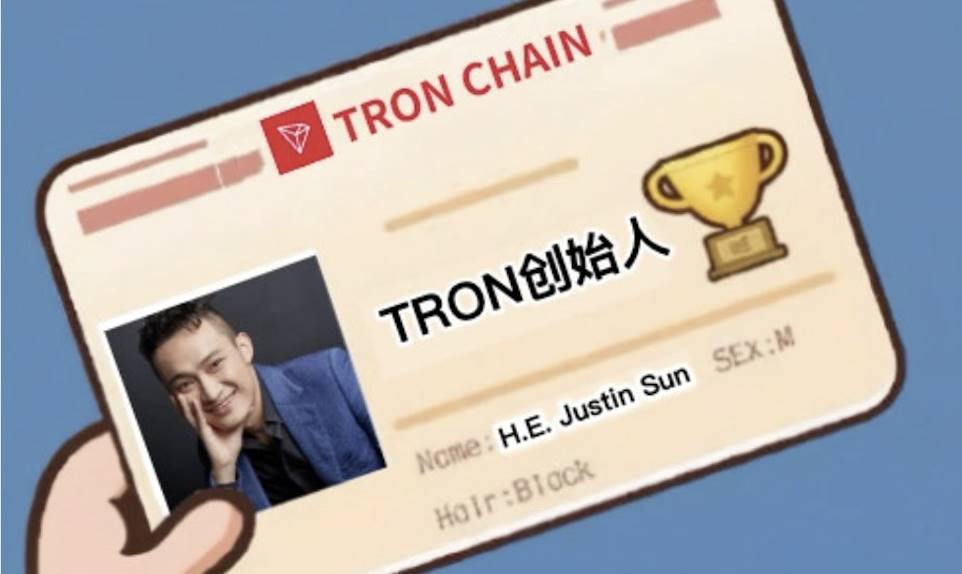
In just a few days, TRON founder Justin Sun nearly doubled the target for the total market capitalization of stablecoins on the TRON blockchain in 2023, raising it from $60 billion.
 Navigating Web3 tides with focused insights
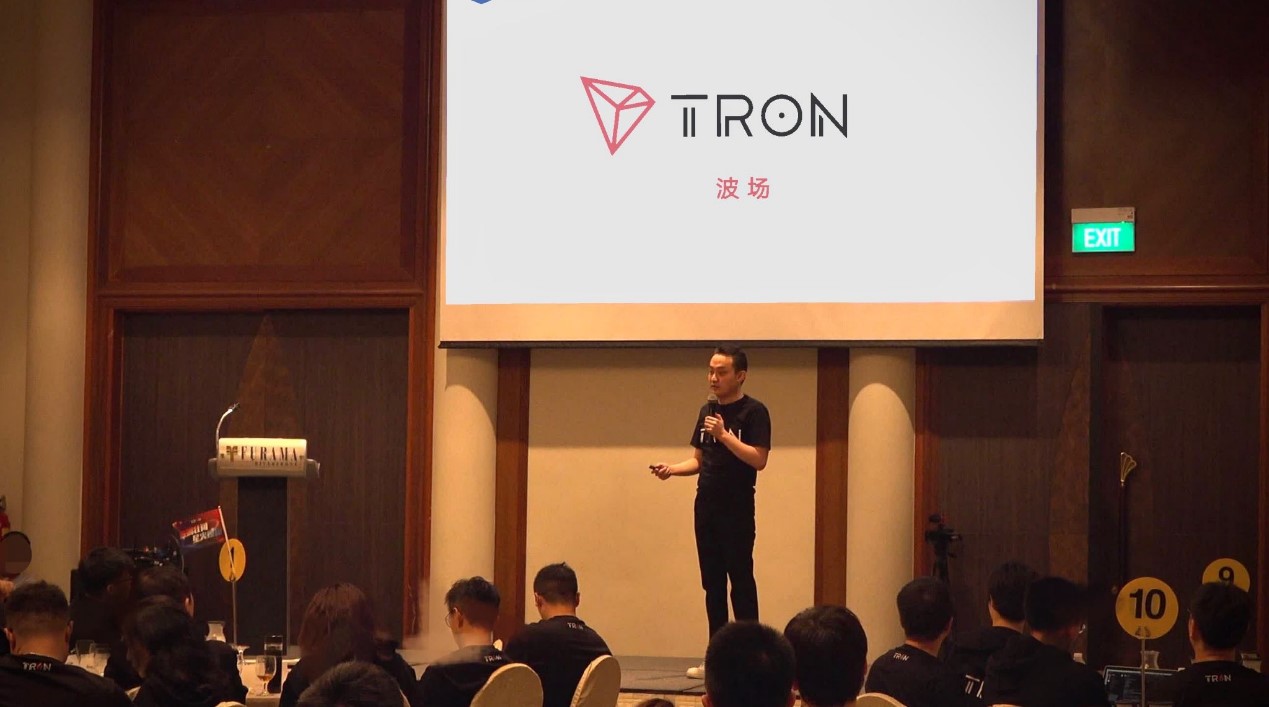
"The $60 billion target is too conservative. Let’s set our sights on $100 billion." In just a few days, TRON founder Justin Sun nearly doubled his 2023 goal for the total market cap of stablecoins on the TRON blockchain from $60 billion to almost $100 billion.
At first glance, the $100 billion target may sound ambitious, but considering that the stablecoin market cap on TRON is already approaching $50 billion—and with only one quarter of 2023 having passed—it's actually within reach.
Moreover, two major external developments have created significant new opportunities: the sharp decline in market share by two major stablecoin players, BUSD and USDC, following black swan events, and the growing expectation that Hong Kong’s new crypto regulations will bring transformative changes to the stablecoin landscape.
With inclusivity as its core principle and through collaboration with partners, TRON has built a robust open ecosystem. It now hosts a solid five-stablecoin ecosystem (USDD, USDT, USDC, TUSD, USDJ). According to DeFiLlama data, TRON ranks second among all public blockchains in stablecoin market cap, trailing only Ethereum. As stablecoins are investors’ preferred safe-haven assets, TRON, with its mature stablecoin ecosystem, has become one of the top platforms for millions of users entering the cryptocurrency market.
With hundreds of millions of users and strong market momentum, Justin Sun and TRON’s vision for a stablecoin empire is becoming increasingly clear.
Collaborative Growth: TRON Emerges as a Major Stablecoin Player
Whichever blockchain controls stablecoins essentially holds sway over the cryptocurrency industry. As one of the three key drivers fueling DeFi growth, the importance of stablecoins is self-evident. And USDT, the undisputed leader in the stablecoin space, has become a critical infrastructure asset fiercely competed for by various blockchains.
According to data from the Tether website, TRON hosts $44.1 billion worth of USDT, surpassing Ethereum’s $35.2 billion and establishing itself as the dominant network for USDT traffic.
Yet, this current dominance stems directly from Justin Sun’s early and accurate foresight into the direction of the crypto industry.
In the early years of the public blockchain boom, while other so-called "Ethereum killers" focused on abstract, intangible application scenarios, Justin Sun uniquely emphasized real-world applications of cryptocurrencies themselves. Recognizing that supporting massive applications wasn’t feasible during the early stages of blockchain development, he instead focused on hosting massive volumes of stable-value assets.
Sun predicted that a clear trend in the crypto space would be the expanding use cases for stablecoins as payment networks, particularly in cross-border payments. He also stressed that stablecoins are vital to any blockchain ecosystem—without them, there can be no thriving public chain.
Sun believed that stablecoin settlements could meet a strong global demand for international payments, with USDT being the ideal medium at the time.
While USDT has multiple blockchain partners, TRON’s breakout success in the stablecoin arena was primarily driven by the inherent advantages and comprehensive strategy of its own stablecoin implementation.
In fact, leveraging TRON’s underlying blockchain strengths—greater security, lower costs, and higher efficiency—TRON has long stood out in the industry for financial inclusivity. As a result, USDT issued on the TRON network via the TRC-20 protocol enjoys inherent benefits including transparency, near-zero transaction fees, and instant settlement—efficiencies unmatched by traditional payment systems and unparalleled in the crypto space.
Thanks to Sun’s sharp vision and execution, USDT-TRC20 quickly captured market share, surpassing the $10 billion mark in early 2021. Since then, TRON has continued its momentum, emerging as a heavyweight player in the stablecoin market.
Today, TRON has established a powerful and diverse stablecoin ecosystem supported by five pillars: USDT, USDC, USDD, USDJ, and TUSD. The front-runners are the dominant USDT and USDC, while others include over-collateralized stablecoins, decentralized algorithmic stablecoins, and compliant USD-pegged stablecoins.
This diversified stablecoin strategy clearly offers users more choices.
And as Sun predicted, TRON has undergone a remarkable transformation thanks to its long-standing leadership in stablecoin settlements.
Capitalizing on its stablecoin-driven advantages, TRON’s ecosystem has flourished in recent years, achieving strong positioning across key sectors such as NFTs, DeFi, GameFi, stablecoins, the metaverse, cross-chain technology, and decentralized identity (DID).
"We are excited to play a role in nurturing the global stablecoin market, advancing DeFi, and shaping the future of finance. With user support, we will continue striving to make TRON the go-to platform for stablecoin growth!" Sun emphasized his ambitions.
By positioning TRON as a "cheaper, more user-friendly Ethereum," Sun’s vision has proven accurate—especially when viewed through the lens of stablecoins.
Steady Progress: Hong Kong Market Could Unlock Second Growth Curve
Despite the crypto market not yet fully recovering, overall demand for stablecoins continues to rise. TRON’s collaborative, ecosystem-driven approach—and a bit of good fortune—have enabled it to remain steady amid turbulence and even turn crises into opportunities.
Earlier this year, the U.S. Securities and Exchange Commission (SEC) issued a Wells Notice to Paxos, issuer of BUSD, triggering regulatory turmoil that ended the reign of this once-top-three stablecoin. BUSD abruptly exited the competitive stage amid regulatory headwinds, demonstrating that cooperation is a more sustainable path than going it alone.
Another notable event was the crisis of confidence surrounding USDC. Hit by the collapse of Silicon Valley Bank (SVB), market trust in USDC plummeted, leading to massive redemptions and sell-offs. Since SVB’s failure, USDC has seen net outflows exceeding $10 billion, and its market cap has shrunk by about 23% from $43 billion in early March.
In contrast, USDT’s market cap rose, increasing by approximately $8 billion since March 10 to reach $80 billion—capturing 60% of the stablecoin market, the highest level since May 2021.
The market vacuum left by BUSD and the loss of confidence in USDC directly fueled an explosive increase in the circulation of USDT-TRC20. The market voted with its feet: while TRON weathered the storm, it also seized the opportunity created by the retreat of these giants.
These events underscore both the foresight of TRON’s stablecoin strategy and a dose of good luck. But a more certain source of growth lies ahead: the new opportunities presented by Hong Kong’s evolving crypto regulations.
In a discussion paper released on January 31, 2023, the Hong Kong Monetary Authority (HKMA) proposed bringing certain stablecoin-related activities under regulation, outlining the expected scope and key requirements, and confirming plans to introduce licensing rules and regulatory frameworks for stablecoins in 2023/2024.
As one of the world’s major financial centers, Hong Kong’s move toward clearer regulations is expected to catalyze explosive growth in its crypto market, attracting substantial capital inflows. Stablecoins—the “holy grail” of crypto with their roles as value measures, traffic gateways, and risk mitigators—are poised for significant growth, presenting a major opportunity for Justin Sun and TRON.
This context makes Sun’s goal of doubling stablecoin market cap much easier to understand. Driven by real demand and supportive regulatory policies, TRON is no longer limited to internal crypto settlements but is expanding into broader markets. From this perspective, reaching a $100 billion stablecoin market cap may just be the first step in Sun and TRON’s grand blueprint for a stablecoin empire.
Join TechFlow official community to stay tuned
Telegram:https://t.me/TechFlowDaily
X (Twitter):https://x.com/TechFlowPost
X (Twitter) EN:https://x.com/BlockFlow_News
 TRON DAO