Korbit's 2023 Outlook for the Crypto Market: DeFi Grows Stronger Amid Crisis, Market to Recover in First Half of Year
TechFlow Selected TechFlow Selected
Korbit's 2023 Outlook for the Crypto Market: DeFi Grows Stronger Amid Crisis, Market to Recover in First Half of Year
Korbit, South Korea's first cryptocurrency exchange, released its 2023 market outlook report, focusing on macroeconomic factors and leveraging economic and industry data to make bold predictions about the future of the crypto market.
 Navigating Web3 tides with focused insights
Compiled by TechFlow
Aside from English-speaking regions, there are high-quality year-end reports emerging from smaller language markets such as Korean and Japanese.
For example, Korbit—the first cryptocurrency exchange in South Korea—has also released a 2023 market outlook report. It focuses more on macroeconomic factors and boldly forecasts the future of the crypto market based on economic and industry data.
Overall, the report believes that recovery and rebuilding will still take time, but signs of regulatory and institutional involvement are already visible.
Below are some of the most interesting points summarized from the report.
The current market is in a "Higher Low" stagnation period
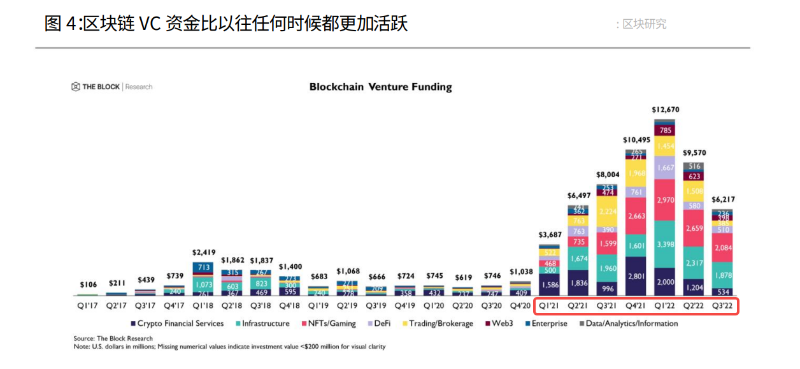
- The market struggled in 2022, with total market capitalization dropping from $3 trillion to $800 billion;
- However, positive investment and R&D activities continue;
- Compared to previous years, VC funding has clearly become more active;
- It’s a bottom, but a higher bottom than before.
Prediction 1: Sovereign nations adopt Bitcoin
- "Adoption" here means becoming legal tender or being included in government institutional investment assets (such as pensions or central banks).
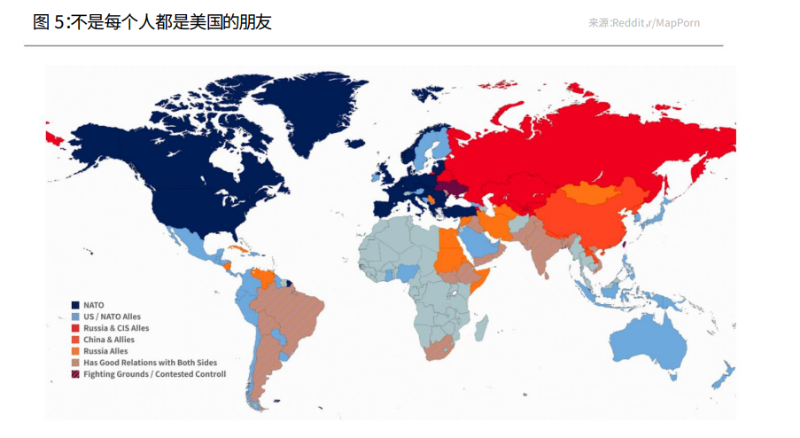
- Precedents exist with El Salvador and the Central African Republic, but there are still 195 similar small economies facing high inflation and low GDP.
- Against the backdrop of Russia-U.S. tensions, there is a need for a politically neutral global payment asset.
Prediction 2: Growth of stablecoins and a three-way rivalry
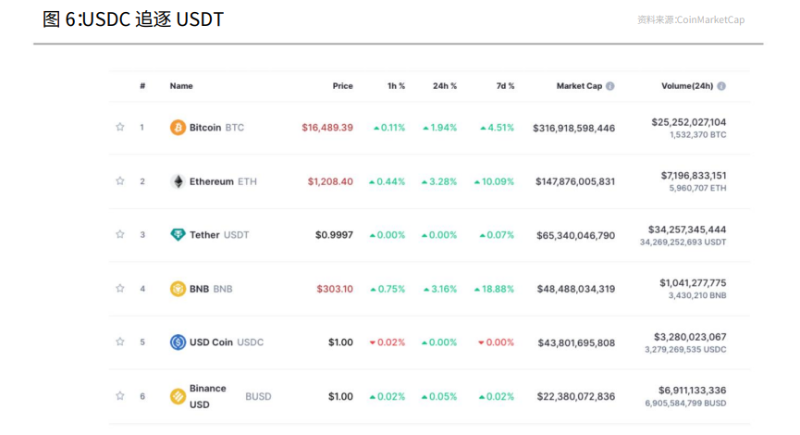
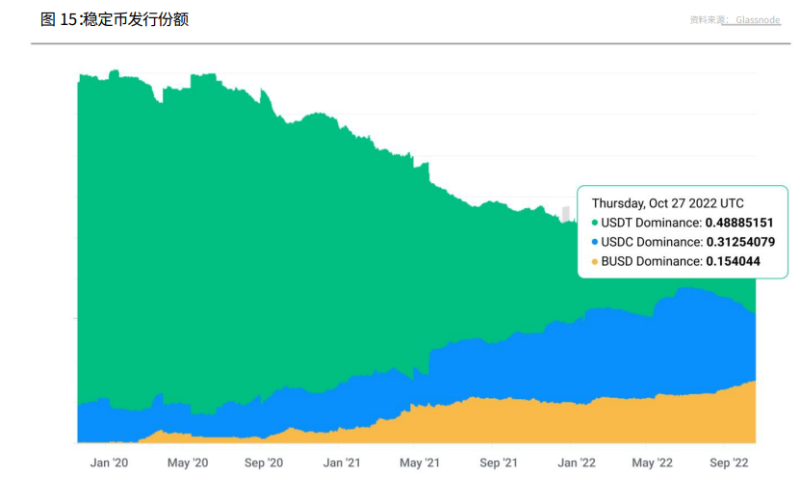
- Circle and USDC, which have established long-term relationships with regulators, may benefit;
- USDC's market cap is predicted to surpass USDT's in 2023;
- Tether, Circle, and Binance will expand aggressively, and competition among the three is expected to further increase stablecoin usage.
Prediction 3: Crypto market cap recovers in the first half
- The Fed's tightening monetary policy caused significant liquidity outflows in the short term;
- Certain undervalued assets were sold during deleveraging, but oversold assets may be unaffected by the pace of monetary tightening;
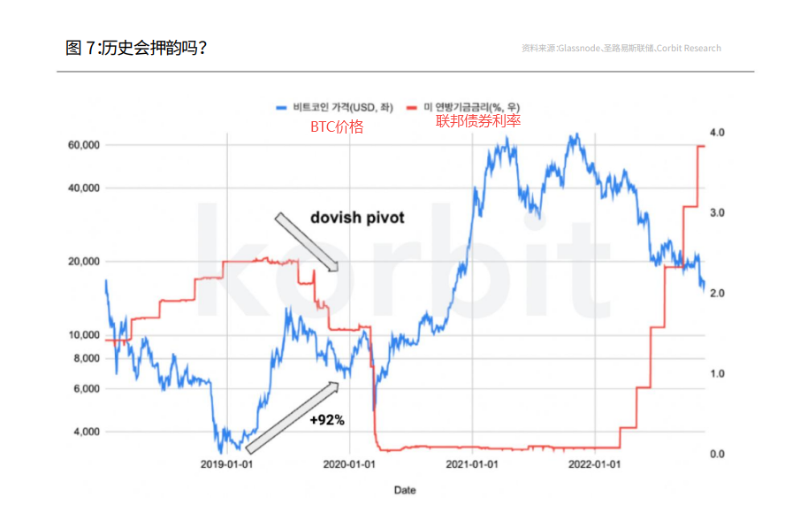
- A so-called dovish pivot by the Fed could trigger demand recovery, predicted to occur in H1 2023;
- Is history repeating? In early 2019, the Fed paused rate hikes; a dovish pivot emerged in September, and BTC returned +92% that year.
Prediction 4: Growing institutional interest in Ethereum
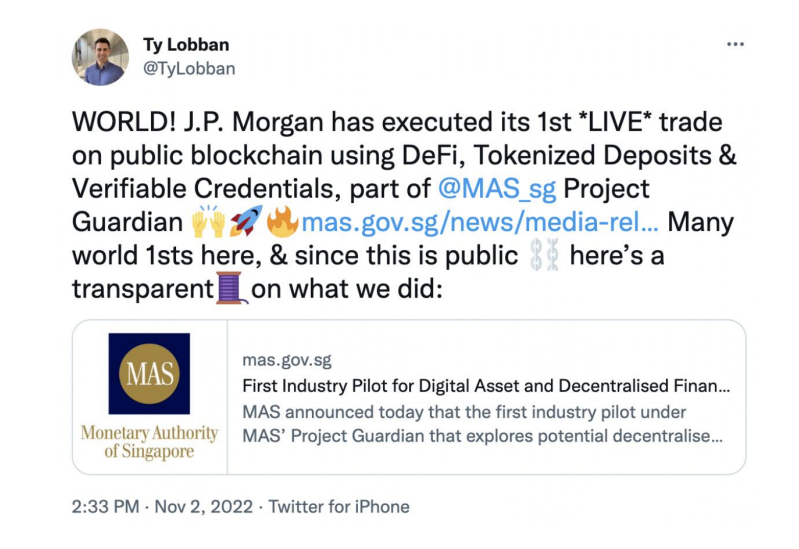
- Institutions began using Ethereum in 2022: Fidelity launched an ETH index fund, and JP Morgan completed its first DeFi transaction using Matic;
- Following this lead, around three institutions are expected to join DeFi transactions on Ethereum in 2023;
- Considering gas fees, BNY Mellon, Goldman Sachs, and ING are likely to experiment with L2 solutions for DeFi transactions.
Prediction 5: Expansion of securities law, SIFI designation, and spot ETFs
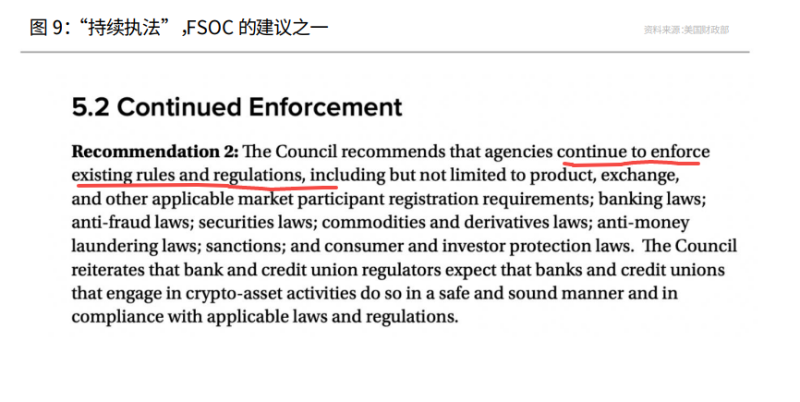
- The FSOC (Financial Stability Oversight Council) report advises the Biden administration on virtual asset policies, offering clues about short-term regulatory direction;
- The report does not recommend modifying securities laws to reflect the uniqueness of virtual assets;
- Some insolvent virtual asset firms may be designated as SIFI (Systemically Important Financial Institutions) next year;
- Approval of a Bitcoin spot ETF may be delayed beyond 2023.
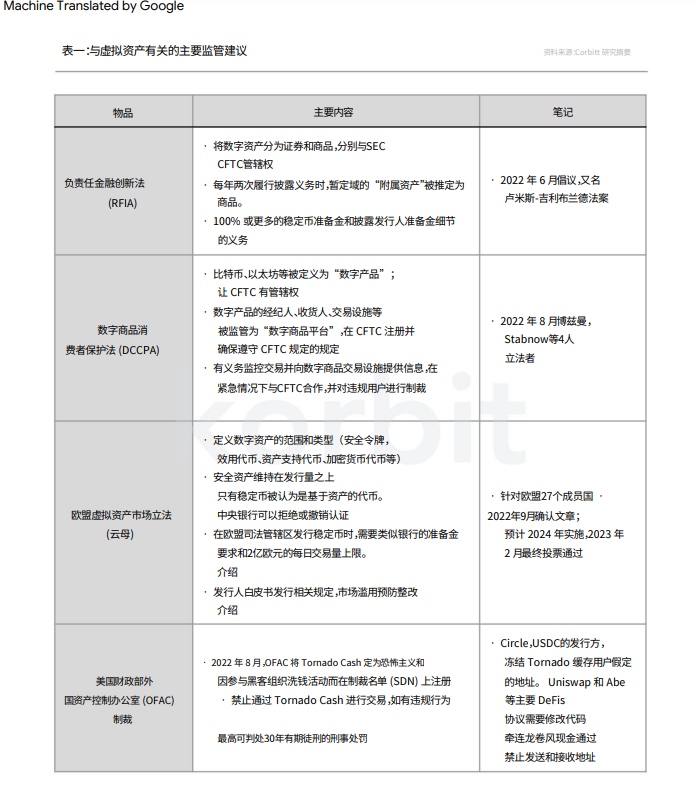
Overview of Regulatory Recommendations
Prediction 6: Rebuilding continues, but it will take time
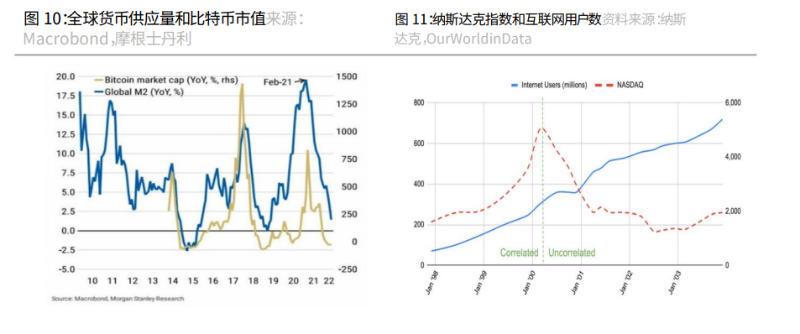
- Price volatility in virtual assets correlates with global liquidity changes—this cycle is no exception;
- But what happens to real-world use cases after price collapse? Historically, the Nasdaq dropped ~70% around 2000 due to IT speculation, yet internet adoption doubled at the same time;
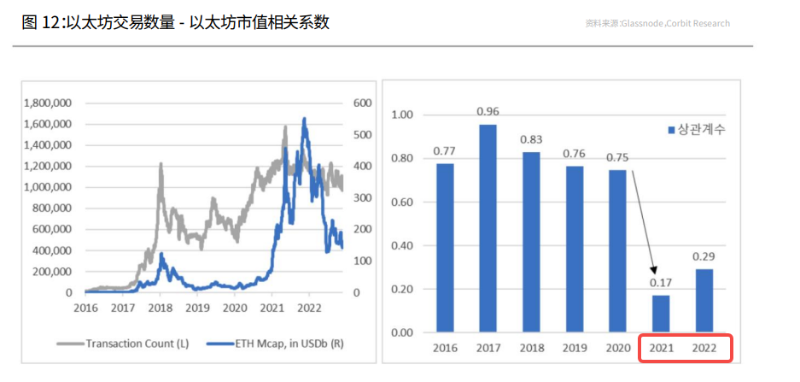
- The correlation between ETH transaction volume and ETH market cap is weakening, suggesting that recovery driven by actual usage is possible.
Prediction 7: DeFi grows stronger amid crisis
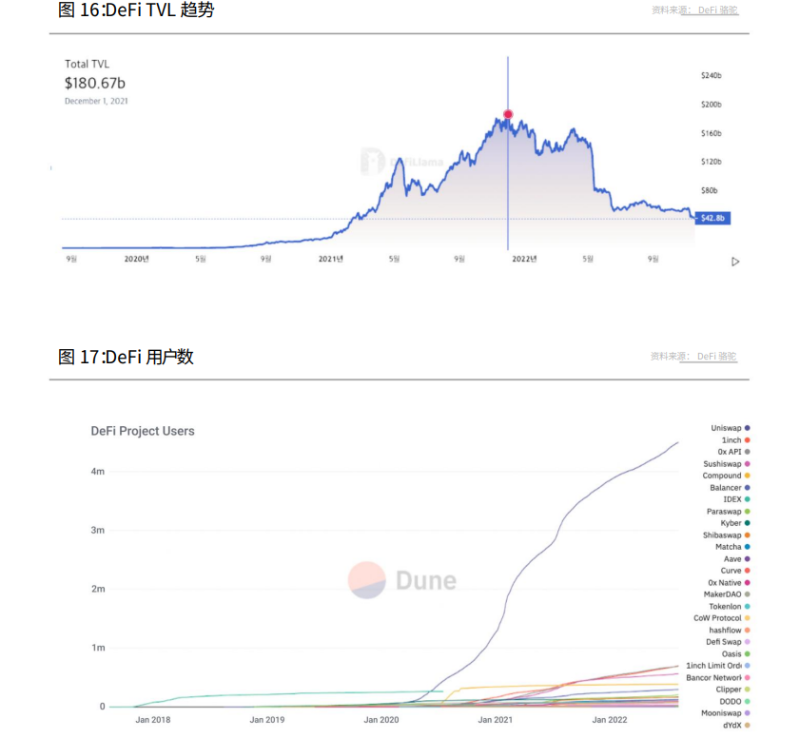
- DeFi TVL declined with the broader market, but user numbers grew significantly in 2022;
- Bad outcomes from secretive, risky, and reckless fund management keep repeating—DeFi offers greater fairness and transparency;
- After the FTX incident, DEXs saw a sharp rise in users and trading volume in early November.
Prediction 8: Traditional financial institutions enter the space
- In 2014, JPMorgan’s CEO criticized virtual assets as “useless and illegal,” but in November this year, JPMorgan executed a DeFi transaction on a public blockchain;
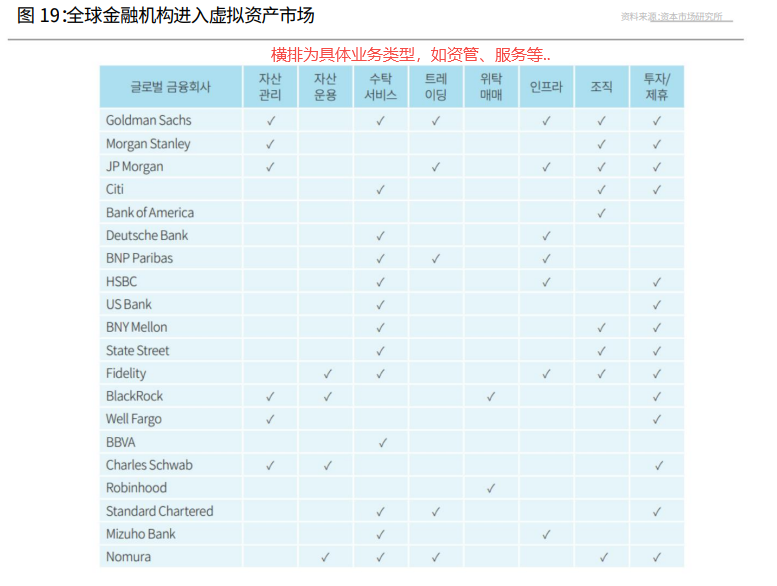
- Global financial leaders like Goldman Sachs, Morgan Stanley, and JPMorgan have already entered the virtual asset market, though they remain passive regarding full-scale virtual asset management and trading;
- If uncertainties are removed and the long-standing risks of illegality and misconduct in the virtual asset industry are mitigated, it would create opportunities for traditional financial institutions.
For more details, please refer to the original report. We also provide a translated version for learning and discussion purposes.
Join TechFlow official community to stay tuned
Telegram:https://t.me/TechFlowDaily
X (Twitter):https://x.com/TechFlowPost
X (Twitter) EN:https://x.com/BlockFlow_News