How did BUSD become Binance's strategic weapon?
TechFlow Selected TechFlow Selected
How did BUSD become Binance's strategic weapon?
If Binance has control over its own dollar stablecoin, it would have more leverage in regulatory discussions with governments around the world.
 Navigating Web3 tides with focused insights
Author: Marco Manoppo
Translation: TechFlow
TL;DR:
Binance is a global company that has consistently faced intense scrutiny from governments around the world, primarily in Western nations.
If Binance can become a primary supplier of crypto dollars, it will gain greater resilience against aggressive regulatory moves and secure more influence in regulatory discussions.
As the Federal Reserve and central banks worldwide raise interest rates, liquidity is drying up, placing the entire global economy in a state unseen since 2008.
Yet amid this turmoil, one segment of the cryptocurrency market is thriving more than ever: stablecoins.
Binance’s Pursuit of Stablecoin Dominance
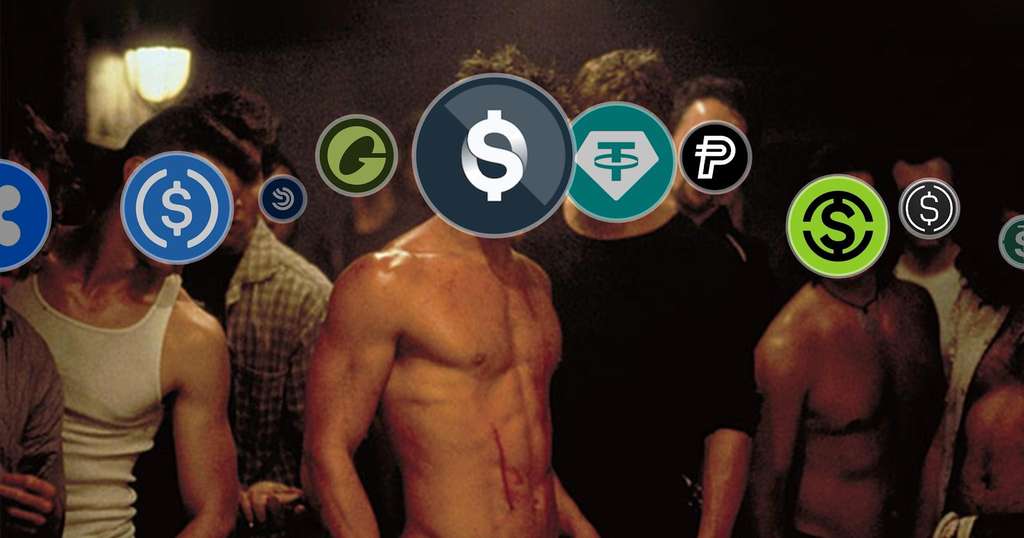
The top three stablecoins—USDT, USDC, and BUSD—have collectively amassed a market capitalization of $135 billion. At current interest rates of approximately 4%, these stablecoin issuers can generate $5.4 billion in annual revenue. The entities behind these stablecoins are also tied to the world’s largest cryptocurrency exchanges: Bitfinex–USDT, Coinbase–USDC, and Binance–BUSD.
USDT is the oldest among them, with a market cap of about $10 million in January 2017. Over five years, USDT grew by 6,800x, continuously enabling crypto market participants worldwide to access USD quickly and conveniently, while further cementing the dollar’s role as the world’s reserve currency.
USDC found its product-market fit through DeFi. It capitalized on the 2020 DeFi Summer to become the standard USD-pegged stablecoin across all major DeFi platforms. USDC also differentiated itself using a branding strategy known as “laddering”—a tactic that involves highlighting competitors’ weaknesses. Specifically, USDC built a moat around compliance by emphasizing its U.S. headquarters, brand partnerships (such as with Bank of New York Mellon and BlackRock), and greater reserve transparency compared to its rivals.

In 2019, the newly launched stablecoin BUSD successfully rode Binance’s coattails to achieve success. The world’s largest exchange had numerous ways to promote BUSD’s usage both on its own platform and within its blockchain, BNB Chain. Fast forward to 2022, BUSD has become the third-largest stablecoin, and Binance is more eager than ever to expand its stablecoin dominance.
When discussing cryptocurrency use cases—the promise of decentralization, the potential of Web3, and a fairer internet—these topics often dominate venture capital conversations.
While these ideas are exciting, they remain largely in development. Any tangible crypto product unrelated to speculation or trading may still take years to achieve mainstream adoption.
That said, there is one clear crypto use case that has already seen widespread adoption over the past few years.
A graphic designer in Brazil can now easily receive payments in USDC from her client in Finland without relying on centralized systems, paying high fees, or worrying about accessing her funds. Simply put, the growth of dollar-pegged stablecoins has enabled global capital flows and fueled the rise of digital-first economies.
In this article, we examine Binance’s recent strategic initiatives regarding BUSD and explain why, despite ongoing regulatory challenges, innovation in stablecoin design will continue to be a critical area within DeFi for years to come.
Binance is the "behemoth" of cryptocurrency—it is the world’s largest exchange. Founded in 2017, the company recently celebrated its fifth anniversary in July. I believe no one in crypto can deny that Binance is one of the greatest companies built over the past five years. While Silicon Valley tech elites chased Uber, BNPL, and the next 15-minute grocery delivery model to boost returns, the most profitable company of recent years slipped right under their noses.
To truly grasp Binance’s scale, let’s look at some simple figures:
The exchange handled $34 trillion in crypto trading volume in 2021.
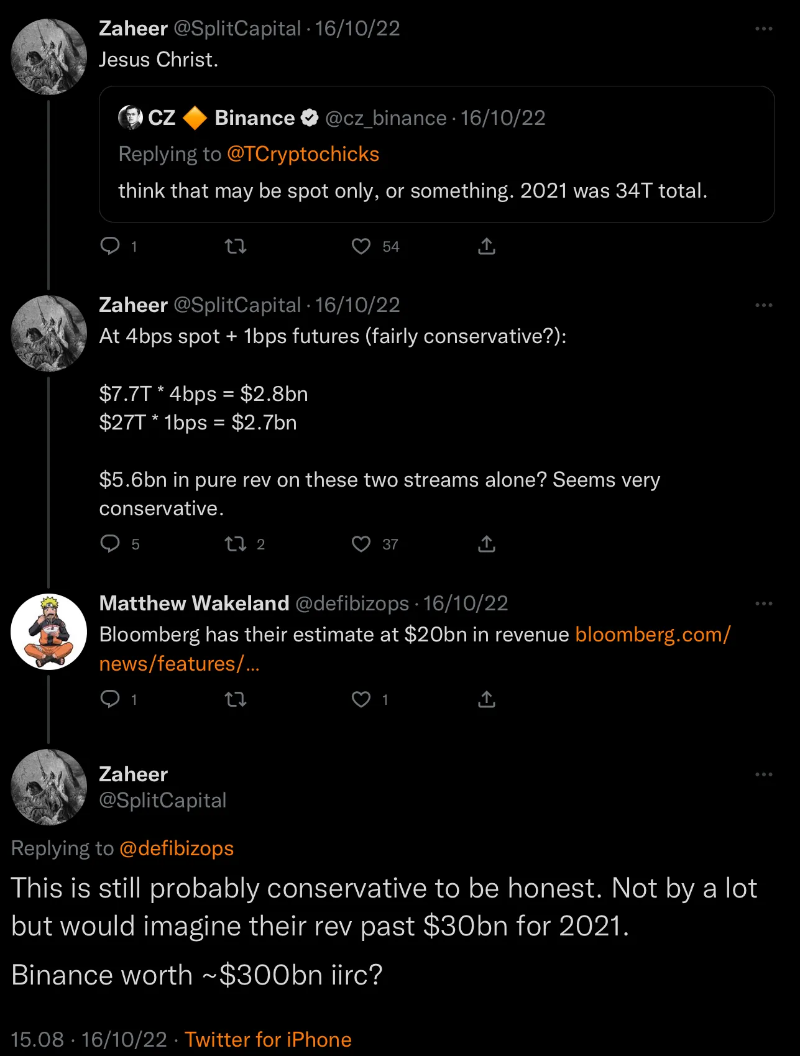
Today, Binance ranks as the 21st largest company in the world, conservatively valued at $300 billion—all achieved even before cryptocurrency has fully realized its potential, with total crypto market capitalization still hovering around $1 trillion. Binance is also actively expanding its product suite across various emerging markets and increasing its on-chain activities.
It is extremely likely that Binance will become a trillion-dollar company.
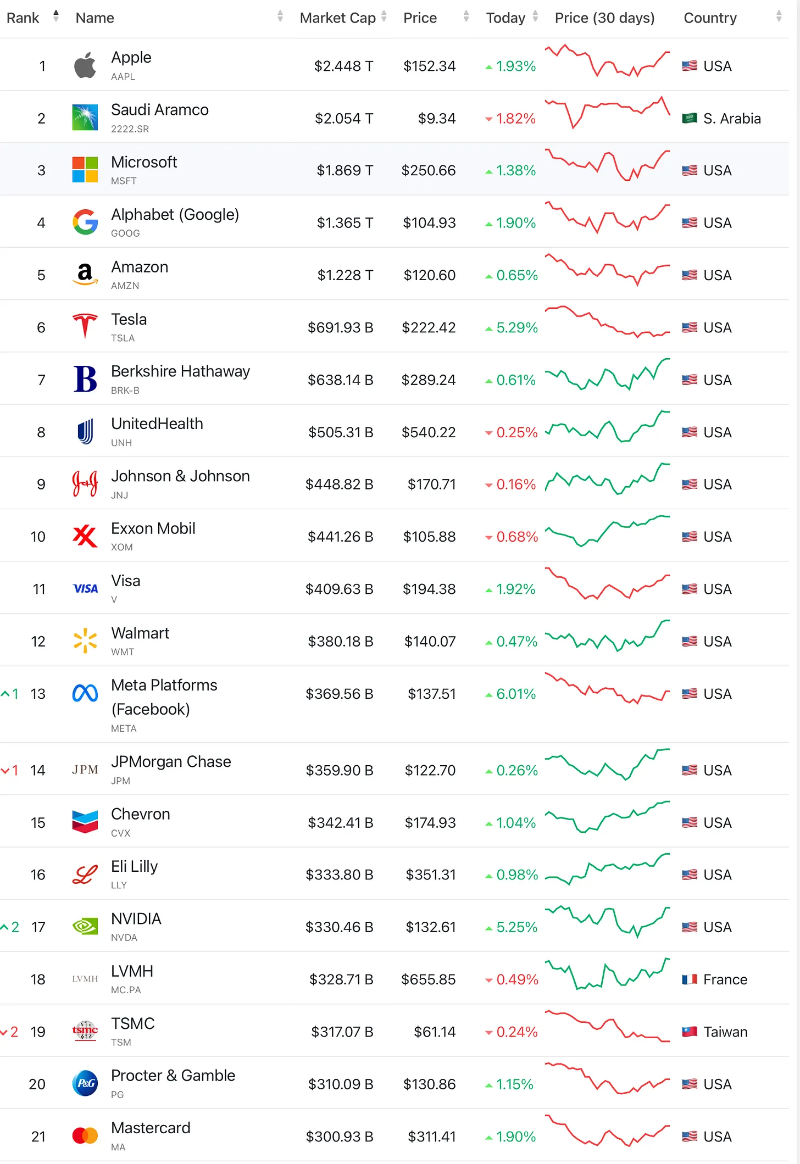
Despite all these successes and remarkable achievements, Binance remains in a precarious position.
Looking at the list above, among the 21 global companies valued at over $300 billion, only three are not based in the United States. Saudi Aramco is government-backed, LVMH is the personal empire of Bernard Arnault catering exclusively to the top 1%, and TSMC is one of the most important companies in the world.
Common trait: all three are companies from nations friendly to the U.S.
Cryptocurrency is an industry still facing heavy scrutiny from governments worldwide, and Binance itself is not a "Western" company. Mainstream financial publications globally have published investigative pieces on Binance—some justified, others appearing more like hit pieces.
Although CZ himself is a Canadian citizen (born in China), due to his ethnic background, uninformed journalists often label Binance as a Chinese company. Given that crypto touches finance—one of the most heavily regulated industries—this places Binance in a difficult position, requiring it to manage unique risks.
BUSD
For Binance, continuing to expand its stablecoin program makes perfect business sense—and I believe it is also a necessary strategic tool to help mitigate potential risks.
The U.S. dollar is the world’s reserve currency. Many stablecoin providers worldwide have attempted to create non-dollar stablecoins, but with limited success. When stablecoin advocates explain the benefits to U.S. lawmakers, they argue that dollar-pegged stablecoins strengthen the dollar’s role as the global reserve currency. This argument is highly compelling, and we’ve already witnessed its impact over recent years.
As a global company constantly under scrutiny from governments worldwide, Binance has strategically positioned its headquarters and partnerships across developing countries around the globe.
Here’s my point: having control over its own dollar stablecoin gives Binance greater leverage in regulatory discussions with governments worldwide.
-
OFAC Risk: I don’t believe Binance would completely freeze BUSD addresses in the same way USDC did with addresses linked to Tornado Cash. True, Paxos (BUSD’s partner) is American—but Binance is not.
-
European Dollars → Crypto Dollars: This theory isn’t new—Eurodollars refer to U.S. dollar-denominated deposits held outside the United States, which are not subject to Federal Reserve regulations. Crypto dollars are an extension of Eurodollars, fulfilling overseas demand for U.S. dollars.
Join TechFlow official community to stay tuned
Telegram:https://t.me/TechFlowDaily
X (Twitter):https://x.com/TechFlowPost
X (Twitter) EN:https://x.com/BlockFlow_News
 @1995research