








NFTWorld Faces a "Black Swan": How to Bridge the Divide Between Web2 and Web3?
TechFlow Selected TechFlow Selected
NFTWorld Faces a "Black Swan": How to Bridge the Divide Between Web2 and Web3?
View NFT games/GameFi from a developmental perspective.
 Navigating Web3 tides with focused insights
By Morty, TechFlow
On July 21, Minecraft updated its usage guidelines to prohibit blockchain technology integration within Minecraft clients and server applications. The update also bans the creation of NFTs linked to any in-game content—such as worlds, skins, character items, or mods.
The project most affected by this decision is NFT Worlds.
NFT Worlds is a decentralized, fully customizable gaming platform where owners of NFT Worlds NFTs can create various metaverse game experiences for players or exclusive communities. To meet the demand for customization in each world, NFT Worlds chose Minecraft as its foundational infrastructure. NFT holders leverage mature tools like the Minecraft client, WorldEdit, and MCEdit to deliver highly flexible metaverse gaming experiences.
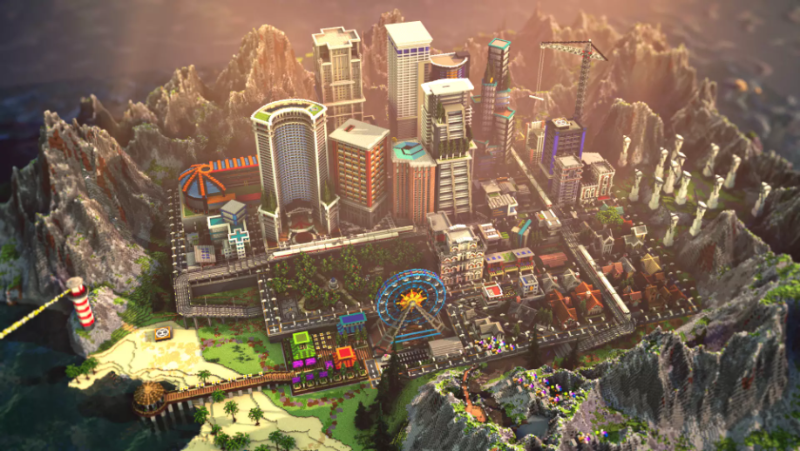
Regarding why NFT Worlds selected Minecraft, the team stated: “(Our team) has nearly a decade of experience working in Minecraft’s open-source ecosystem. We’ve seen all it’s capable of—the extensive availability of open-source tools and mods—and we believe it’s perfectly suited to power our decentralized metaverse.”
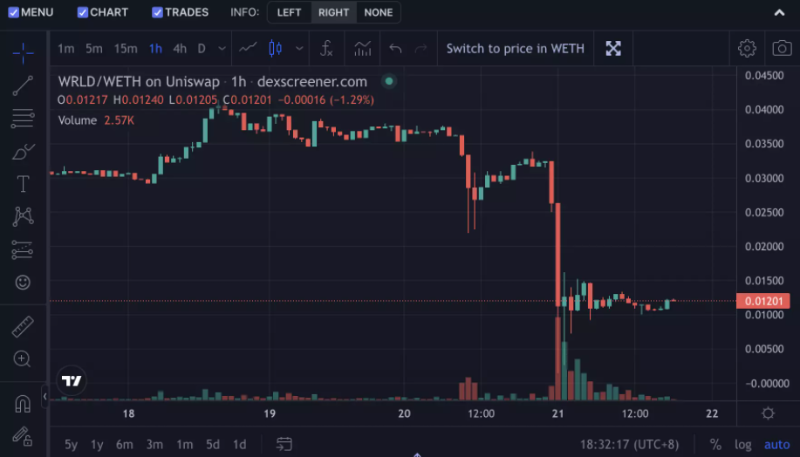
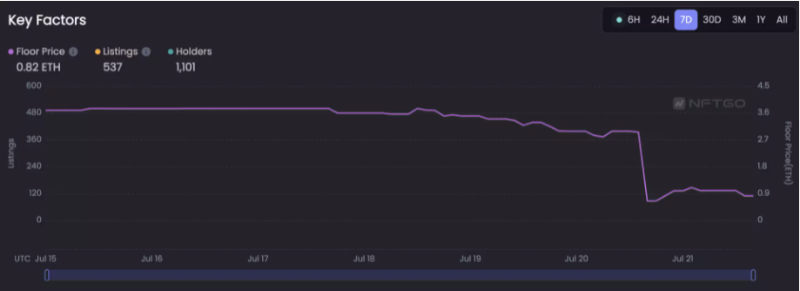
Following the announcement, NFT Worlds’ token WRLD plummeted over 60%, while its core NFT assets dropped more than 80% in value.
According to the Minecraft development team, the main reason for banning blockchain and NFT technologies is that “NFTs establish digital ownership based on scarcity and exclusivity, which contradicts Minecraft’s values of creative inclusiveness and shared play. Instead, they create a divide between the rich and the poor. Speculative pricing and investment-driven mindsets surrounding NFTs shift focus away from playing the game, encouraging profiteering. We believe this conflicts with our mission to help players achieve long-term enjoyment.”
The fundamental reason behind Minecraft’s rejection of blockchain and NFTs lies in conflicting values, along with concerns about potential fraudulent activities associated with projects like NFT Worlds—if fraud occurs, it could damage Minecraft’s own brand value. This concern is strongly evident in their statement.
Of course, one could counter every point made by the Minecraft team, but their stance reflects the prevailing gamer stereotype toward NFTs and Web3 games—that NFTs use scarcity to create digital ownership, thereby creating distinctions between rich and poor.
This issue has been unavoidable in the history of NFT gaming, as financialization remains blockchain’s primary application. Indeed, the rapid growth of blockchain games is largely tied to their high degree of financialization. However, this also invites criticism around Ponzi-like financial schemes, and unsustainability remains the biggest challenge facing NFT games/GameFi today.
This article takes a developmental perspective on NFT games/GameFi—we must address the following three aspects to ultimately shift public opinion in the gaming community.
1. Original IP Brands and Original Game Content
Lack of original content is a major issue. Just like the predicament faced by NFT Worlds, Web2 has evolved over years into a space with mature gaming systems and products. If a Web3 game chooses to rely on an existing Web2 game, it will inevitably be constrained by it.
Original games, especially high-quality ones, require lengthy development cycles. For Web3 games, which have only recently drawn attention from capital and institutions, the emergence of quality original titles may still be premature. That said, while top-tier original games remain scarce, some strong Web3 IP brands have already emerged—such as BAYC. Yuga Labs, creators of BAYC, are ambitiously preparing to launch a metaverse game based on Otherside land parcels, despite mixed early results. Nevertheless, this article advocates giving Web3 projects more time—some development timelines simply cannot be shortened with money.
Only when more original IPs and innovative metaverse/game design tools emerge will the Web3 gaming ecosystem develop in a healthier direction.
2. Playability
Playability is a frequently discussed topic in GameFi. The majority of GameFi projects lack real playability—even well-known industry leaders such as Axie Infinity and Raca fall short in this area. Developers often add mechanics involving gambling or strategy to compensate for deficiencies in gameplay depth and engagement.
Beyond these attempts, we observe that many games are now exploring ways to enhance playability. After all, numerous Web2 games serve as excellent examples in terms of engaging gameplay. The evolution path of Web3 games will likely follow the complexity of game development: starting from browser games → mobile/Web2 blockchain-integrated games → indie small-scale games → AAA titles.
NFTs and playability are not mutually exclusive. NFTs represent player ownership of game assets, while playability reflects how much players actually enjoy the game.
3. Game Accessibility
Accessibility is perhaps the most critical factor—truly successful Web3 games should not impose high barriers to entry or limit player numbers.
For example, requiring multiple NFTs to participate essentially caps the total number of players. Combined with entry costs that can reach hundreds or even thousands of dollars, such practices have severely damaged the reputation of NFT games.
These issues have two major consequences:
● First, whales gain disproportionate ability to extract value from the game—the larger their influence, the greater the imbalance. This differs fundamentally from pay-to-win models in Web2 MMOs: in traditional online games, spending enhances in-game playability through consumption, whereas in NFT games, whales leverage financial advantages to secure higher financial returns compared to regular players.
● Second, limiting the number of NFTs inherently restricts player count, and speculation driven by NFT scarcity reduces new player acquisition, eventually leading to the collapse of the game’s economy.
An economy is like a bottle filled with water. Whales profit by shaking the bottle and spilling water out. As the bottleneck grows taller, ordinary players find it harder to pour their own water in. Eventually, the water diminishes until there’s none left. Preserving the water inside the bottle, sustaining growth, and minimizing unnecessary shaking—this is the hope for sustainable development. Addressing these negative impacts will be a crucial challenge for future Web3 game developers.
Join TechFlow official community to stay tuned
Telegram:https://t.me/TechFlowDaily
X (Twitter):https://x.com/TechFlowPost
X (Twitter) EN:https://x.com/BlockFlow_News






