How to cultivate an active Ethereum address?
TechFlow Selected TechFlow Selected
How to cultivate an active Ethereum address?
The Cultivation of Ethereum Active Addresses
 Navigating Web3 tides with focused insights
Author: BTCHolder
In the future, Ethereum addresses could qualify for airdrops—for example, regular Ethereum users (especially power users) may receive benefits based on their high-quality addresses, allowing them to look forward to rewards like household income.
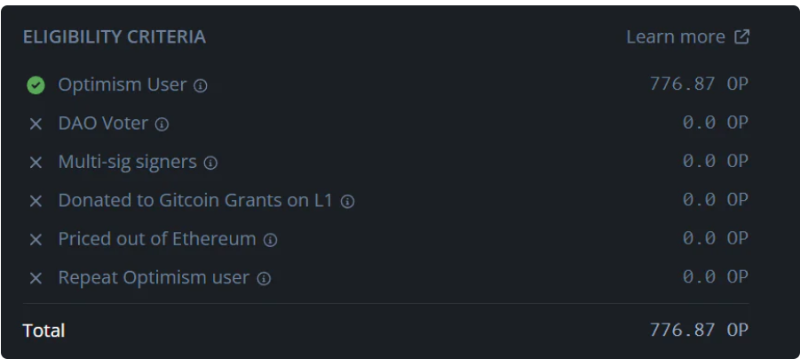
OP Airdrop Criteria
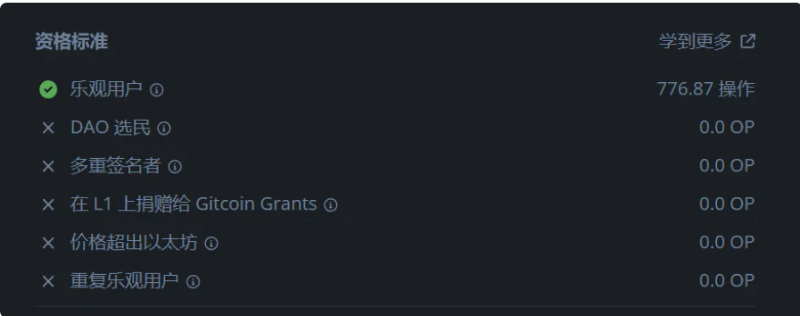
Let’s translate and analyze this
According to the criteria, we should carry out operations strategically—adding pre-selected projects into our routine, prioritizing airdrop eligibility, predicting weightings for each action, and making various strategic judgments.
This is a game! Become an active Ethereum participant now!
Below are personal strategies I've summarized, which also provide helpful insights into managing your address effectively.
1. Conduct trades and provide liquidity on major DEXs on Ethereum mainnet
Trading tokens is a common activity and a key sign of a real user. Performing swaps and providing liquidity on platforms such as Uniswap, Sushiswap, and 1inch is essential.
-
Trading: At least one trade per month; weekly trading is better
-
Liquidity Provision: Ideally provide over $1,000 worth of LP tokens; lower amounts are acceptable if funds are limited
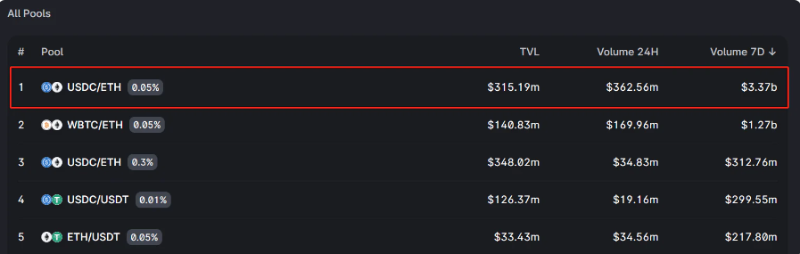
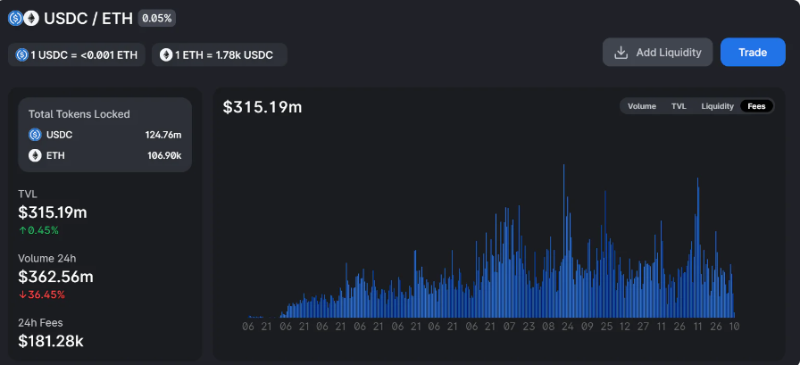
For Uniswap, the recommended pair is USDC/ETH with the 0.05% fee tier, which has the highest trading volume.
2. Perform transactions and provide liquidity on other public blockchains
Use chains such as BSC or others—essentially using ETH through cross-chain bridges. By switching networks, you can operate on BSC or Polygon using the same ETH.
All actions available on Ethereum can be mirrored on these networks as well.
It's recommended to actively use BSC and Polygon.
3. L2 Cross-Chain Activity
Bridge assets from Ethereum mainnet to Layer 2 networks. Engage in transactions on at least one L2 network such as Optimism, Arbitrum, or zkSync.
4. NFT Trading and Holding
Buy and sell NFTs on marketplaces like OpenSea or X2Y2, or participate in NFT minting events and airdrops.
5. ENS Domain Registration and Reverse Resolution
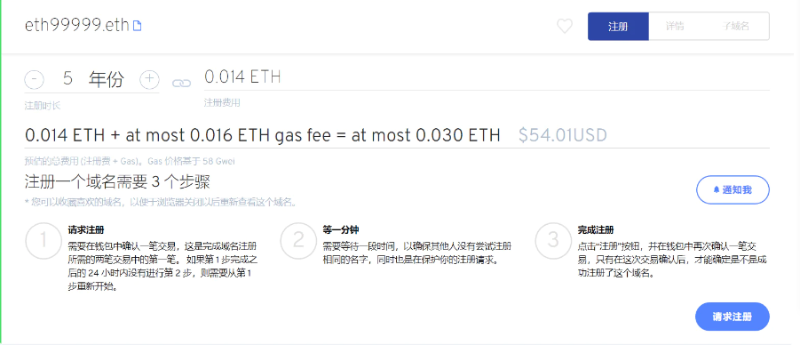
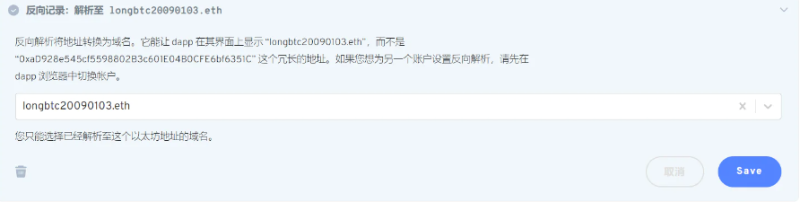
Register an ENS domain for at least four years and set up reverse resolution so that your short, memorable domain name appears instead of a long Ethereum address.
6. DAO Voter
DAO participation remains a hot topic. Active contributors and builders within DAOs are vital members of the crypto ecosystem.
DAO creation and voting primarily take place on Snapshot
https://snapshot.org/#/
You can join token-based organizations or NFT communities to participate in governance, propose ideas, or vote on proposals using your tokens or NFTs.
If you hold tokens or own an ENS domain, you can get involved in community activities.
7. Multi-Sig Signer
Being a multi-signature wallet signer grants both current authority and future recognition. This role is often central to DAO infrastructure.
If you have multiple ETH addresses, create a multi-sig wallet via Gnosis Safe and add your existing ETH address as one of the signers
https://gnosis-safe.io/app/
Setting up a multi-sig wallet is straightforward. A simple configuration is 2-of-2 signatures. For three signers, use a 3-of-3 setup—requiring all three to approve transactions.
8. Gitcoin Donor
Gitcoin has created legendary impact, embodying the spirit of supporting open-source innovation and public goods through community funding.
Actively contribute to projects during every Gitcoin funding round—every donation counts and supports the ecosystem.
Join TechFlow official community to stay tuned
Telegram:https://t.me/TechFlowDaily
X (Twitter):https://x.com/TechFlowPost
X (Twitter) EN:https://x.com/BlockFlow_News