








The next trillion-dollar opportunity in the metaverse: digital fashion brands
TechFlow Selected TechFlow Selected
The next trillion-dollar opportunity in the metaverse: digital fashion brands
Digital Fashion is no longer limited to fashion weeks in Paris, France, but has spread to every corner of the metaverse.
 Navigating Web3 tides with focused insights
Author: Songyu.eth, Jiacheng, Bixin Ventures
In Hans Christian Andersen's 1837 fairy tale "The Emperor's New Clothes," a king is tricked by two swindlers into wearing an invisible—actually nonexistent—outfit and parades naked through the city. This emperor became the first victim of Virtue Fashion. Fast forward to 2022: with just a smartphone, you can not only see clothes that don't exist but also wear them virtually using AR technology.
1. What Is Digital Fashion
Even if you don’t usually follow fashion trends, you may have already consumed Digital Fashion. If you’ve ever bought a skin in games like Honor of Kings or League of Legends, congratulations—you're already a fashion enthusiast!
Digital Fashion isn’t limited to Paris Fashion Week—it’s spreading across every corner of the metaverse.
Digital Fashion falls into two main categories:
1. On Real Life (ORL): worn by real people.
2. Un Real Life (URL): worn by virtual avatars (skins).
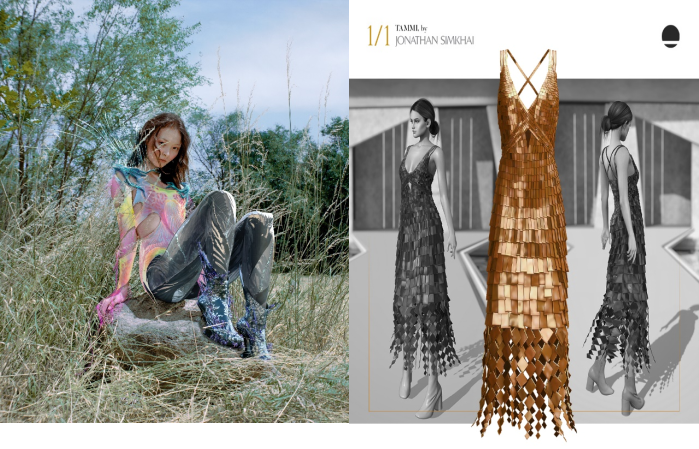
ORL and URL
2. Technology and Fashion Evolution
Fashion has always evolved hand-in-hand with technological progress. Let’s revisit humanity’s first major crisis after the birth of computers.
In 1999, the world faced a global computer bug—the Y2K bug. This software flaw caused systems to misinterpret the year 2000 as 1900, threatening to crash electronic systems across industries. By then, human life had become deeply reliant on computers and the internet. The uncertainty surrounding the millennium sparked both imagination and anxiety, giving rise to Y2K aesthetics.
Y2K (Y for Year, 2K for 2000) design features metallic materials, transparent PVC, and fluorescent colors—depicting a futuristic, hyper-technological world. If you watched the Chinese children’s sci-fi show *Happy Planet*, you’d recognize its costumes as classic Y2K style. Though the Y2K bug was long resolved, the aesthetic endures today. For example, the stage outfits from the theme song “Priceless Sister” in the variety show *Sisters Who Make Waves*, and niche youth subcultures known as “cyberpunk fashion,” are modern extensions of Y2K.
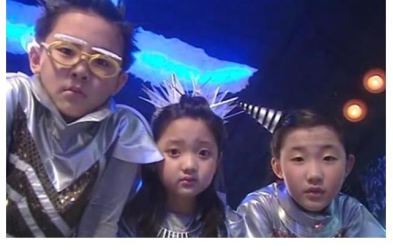
Y2K Costumes in "Happy Planet"
In 2018, Lil Miquela, a Brazilian-Spanish mixed-race girl with 3 million Instagram followers, became the darling of the fashion world. She took over Prada’s AW18 show Instagram account, collaborated with major brands, and was listed alongside Trump and Rihanna in *Time* magazine’s “Most Influential People on the Internet.” Publicly, she’s presented as a LA-based model and singer who released her own single “Not Mine.” But she isn’t real—she’s a CGI creation.
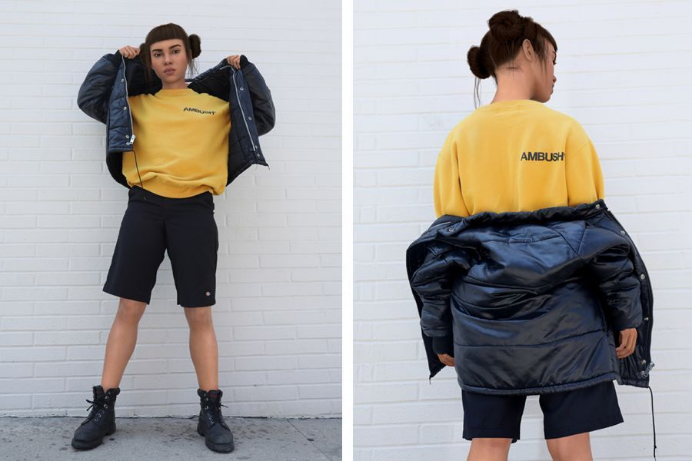
Instagram: Lil Miquela
High tech often symbolizes high value, advancement, and civilization—drawing the attention of fashion brands.
3. Entering the Space
Due to the impact of the COVID-19 pandemic in recent years, countless people were confined at home, spending more time in virtual worlds—accelerating the digitization of fashion. In October 2021, when Zuckerberg announced the rebranding of Facebook to Meta, many heard about the metaverse for the first time. Fashion instantly became a central topic in the metaverse, prompting major companies to jump in.
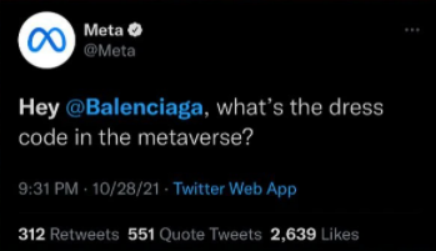
On Meta’s official Twitter: “Hey @Balenciaga, what's the dress code in the metaverse?”
Sportswear Brands:
Nike: Nike entered Roblox, the world’s largest multiplayer online creation game, launching the virtual world “NikeLand.” There, players can equip their avatars with special Nike products, including classic shoes like Air Force 1 and Nike Blazer. In 2021, Nike acquired virtual sneaker company RTFKT for an estimated $200 million. After the acquisition, RTFKT’s NFT CLONE X series surged from a floor price of 2 ETH to 16 ETH.
Adidas: In November 2021, Adidas purchased a 144-parcel space in The Sandbox. Owners of the Adidas Originals NFT series gain exclusive access to products, including wearable virtual items and physical goods like hoodies and sportswear.
On December 2, 2021, Adidas announced its “Jump into the Metaverse” initiative—a collaboration with Bored Ape Yacht Club, gmoney NFT, and PUNKS Comic. Simultaneously, Adidas launched its first NFT collection, “Into the Metaverse”—a “tech species” blending futuristic concepts, art, and street culture. Inspired by the viral dance “WOTAYI,” the collection featured collaborations with key metaverse IPs and brands, including NFT pioneers Bored Ape Yacht Club, gmoney, and the team behind PUNKS Comic. The series included 29,620 NFTs, sold out instantly at 0.2 ETH each, generating approximately $22 million in revenue.
Luxury Conglomerates:
Gucci: Gucci began exploring the virtual world several years ago, providing virtual clothing and accessories for games like The Sims and Pokémon Go. In March 2021, Gucci partnered with tech firm Wanna to sell virtual sneakers via an app. The “Gucci Virtual 25” sneaker was priced at just $12. In April, a 4-minute short film titled *Aria* auctioned on Christie’s platform for $25,000, with proceeds donated to the United Nations Foundation.
Kering, Gucci’s parent group, has been investing in blockchain for years, leveraging its traceability and transparency to pioneer new intersections between luxury and technology. Kering has long used AR (augmented reality) for product display and sales, even selling a famous $12 virtual shoe.
Balenciaga: As a pioneer in fashion-metaverse collaboration, Balenciaga teamed up with Fortnite in 2021 to release digital T-shirts, hoodies, sweatshirts, shirts, leather jackets, and baseball caps. Later, Balenciaga partnered with Epic Games to create *Afterworld*, a video game that presented their fall fashion show, with every character dressed in Balenciaga apparel.
RIMOWA: In May 2021, RIMOWA announced a collaboration with design studio NUOVA on Instagram, launching four NFT artworks titled “Blueprints from the Metaverse.”
Burberry: In August 2021, Burberry partnered with Mythical Games’ popular blockchain game *Blankos Block Party*, introducing a small shark avatar wearing Burberry’s TB monogram.
Louis Vuitton: In August 2021, Louis Vuitton launched a free mobile game, *Louis: The Game*, to commemorate the 200th anniversary of founder Louis Vuitton. The game encourages players to learn about the brand’s history. LV embedded 30 NFTs in the game, 10 of which were created by digital artist Beeple—estimated to be worth between $20,000 and $20 million. LV stated these NFTs would be distributed via periodic raffles during gameplay.
Jimmy Choo: In October 2021, Jimmy Choo collaborated with artist Eric Haze and fashion designer Poggy to launch an NFT sneaker—the brand’s first-ever NFT.
GIVENCHY: In June, Givenchy launched its first NFT artwork series, co-created with London gallery owner Amar Singh and artists from Rewind Collective. The animated portrait series was available on the VeVe platform from June 21–26, limited to 1,952 pieces, with proceeds supporting the LGBTQIA+ community.
In November, Givenchy’s creative director Matthew M. Williams collaborated with artist Chito to release 15 NFT artworks. Featuring graffiti and dog-head motifs with strong streetwear vibes, all proceeds supported ocean conservation. The “Chito x Givenchy NFT” series featured cartoon characters and symbols, some animated, others bearing Givenchy branding. The collection launched on OpenSea on November 23, with winners receiving their NFTs one week later.
Valentino: At its Episode SoHo store in New York City, Valentino displayed four digital blockchain artworks by artist Matthew Stone. Concurrently, it hosted an NFT exhibition by Stone at a residence in Rome.
Dolce & Gabbana: Dolce & Gabbana announced its first NFT series, “Collezione Genesi,” inspired by Venice. The NFTs will feature in three D&G events: Alta Moda (haute couture), Alta Sartoria (high tailoring), and Alta Gioielleria (fine jewelry), held in Venice on August 28, 29, and 30. “Collezione Genesi” went on sale starting September 1.
4. Human-Centric Approach
“These big companies don’t understand the metaverse—they’re just FOMO-driven. These clothes are useless beyond looking cool.”
“The metaverse is still early. We should focus on building infrastructure before fashion.”
“Fashion is a niche segment—the daily active users on metaverse platforms are too low.”
You might easily ask these three questions. But they can be answered by examining Digital Fashion from the perspectives of users and creators.
First, thanks to AR technology, ORL fashion is already wearable. For instance, in 2021, Snapchat enabled users to virtually carry different Prada bags within the app and take photos. Earlier, Snapchat also partnered with Gucci to offer AR shoe try-ons.
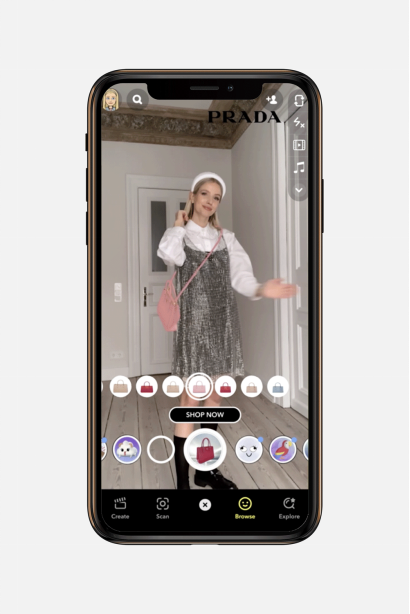
Snapchat’s AR fitting room
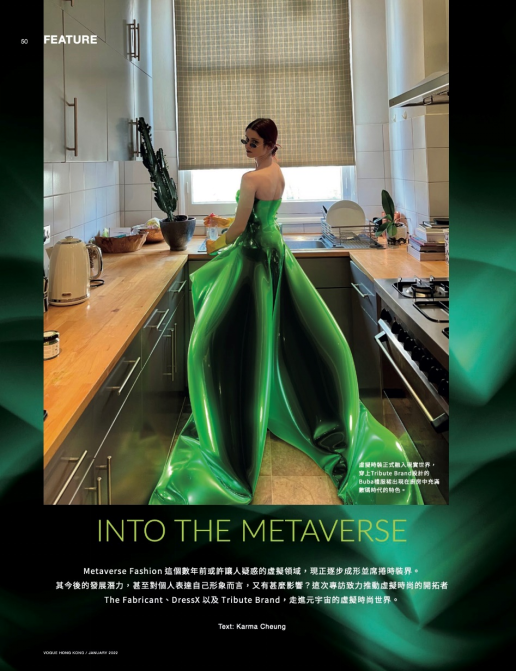
Virtual fashion enters the real world—wearing the Buba gown designed by Tribute Brand, full of digital-era flair.
The primary users of Digital Fashion fall into two groups:
- Fashion bloggers / content creators: those who monetize their audience.
Digital Fashion provides influencers with a new tool for showcasing products while reducing costs. Instead of buying physical clothes, bags, and jewelry to unbox and display, KOLs can use digital versions to cut content production expenses. They can also promote unreleased products via Digital Fashion ahead of launch.
- “Pinduoduo socialites”: those who desire luxury brands but can’t afford the high prices.
Want to pose with a Hermès bag but can’t spend $50,000? Rather than sharing a real bag with friends or buying a counterfeit from a micro-business, why not choose a digital version? Worry about clashing designs? No problem—just pool funds to buy a rare 1/1 NFT.
What Digital Fashion Offers Designers:
- Mass production capabilities
Runway shows at fashion weeks shape most people’s perception of fashion. We often see bold, avant-garde designs unsuitable for daily wear. In reality, only about 10% of runway pieces go into production—most are designed solely for the show. Now, whether ORL or URL, these designs can actually be “worn” and mass-produced (via ERC-1155) for direct consumer access.
- Protection of intellectual property
Protecting fashion designs is notoriously difficult—most garments can be easily copied, yet pursuing each infringement is costly and inefficient, discouraging creators. NFTs built on blockchain provide unique, verifiable “digital IDs” that help designers safeguard their rights.
- No waste, no shipping; any size, any gender
NFTs free fashion designers from constraints of fabric, craftsmanship, and functionality. Creativity can now serve pure imagination, enabling bolder, freer, and more innovative designs. For brands, creating NFTs reduces environmental pollution from production and helps mitigate overproduction.
From a user perspective, fashion isn’t just a niche segment in the metaverse. ORL fashion products don’t depend on a specific metaverse platform. In the future, your photo-editing app might store multiple NFTs, offering instant outfit changes for photos.
Moreover, according to a Vogue Business survey of 3,000 respondents, 47% of those interested in Digital Fashion were non-crypto users. 70% said they buy digital fashion to enhance their digital identity, express themselves, or own unique items—just like in the physical world. Digital Fashion creates fairer experiences for plus-size consumers, people with disabilities, and the LGBTQI+ community, allowing exploration of identities beyond traditional roles and limitations.
Currently, games are the primary venue for Digital Fashion consumption—62% of surveyed U.S. consumers have bought virtual items. On Roblox, the top-selling Digital Fashion items are casual wear like T-shirts and masks. According to Roblox VP Wootton, “Some users reflect their real-life appearance, while others experiment with bold looks they wouldn’t wear offline.” The Rainbow Flame Aura Top ranked among last year’s top ten bestsellers.
In 2021, NFT spending reached $41 billion. As people increasingly recognize the value of digital identity, it’s expected that within five years, you—your in-game avatar, your Zoom profile, your social media persona—will all wear Digital Fashion. The market could grow to match the current global apparel industry’s scale of $1 trillion.
5. One Last FOMO: Funding Updates
RTFKT: Acquired by Nike in 2021 for an estimated $20 million. No further introduction needed.
Space Runners: A metaverse wearable fashion brand whose products can be worn both virtually and in real life. In December last year, Space Runners launched its first NBA Champions Sneaker Collection with former NBA champions Kyle Kuzma and Nick Young. In March 2022, it announced a $10 million seed round led by Polychain and Pantera Capital, with participation from Accel, Jump Crypto, Animoca Brands co-founder Yat Siu, and Twitch co-founder Justin Kan.
UNXD: A metaverse fashion company building a B2B2C platform and developing its own NFT collections and marketplace. In March 2022, it raised a $4 million seed round from Animoca Brands, Polygon Studios, and Red DAO.
DressX: A U.S.-based virtual fashion platform founded in August 2020, collaborating with numerous designers and brands to create and trade virtual fashion items. It completed two $3 million seed rounds in July and September 2021.
Red DAO: A DAO focused on investing in Digital Fashion. It raised 3,700 ETH, worth approximately $12 million at the time.
SandStorm: Provides development services for top global brands and brings builders together. In March 2022, it closed a $2.5 million seed round backed by The Sandbox, Sanctor Capital, and Fenbushi Capital. Angel investors include Sebastien Borget, co-founder and COO of The Sandbox.
6. What’s Next:
Stay tuned for next week’s Decentraland Metaverse Fashion Week
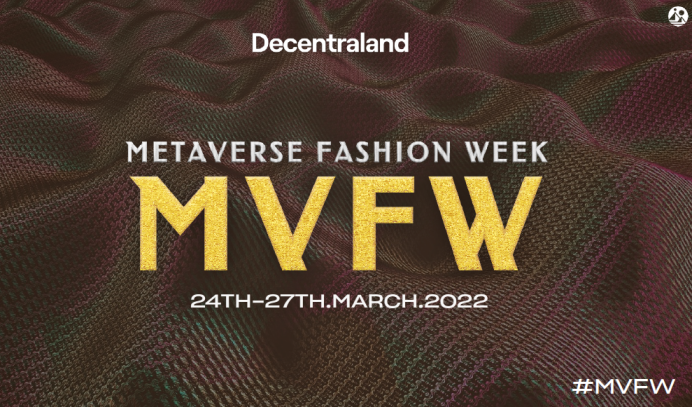
Join TechFlow official community to stay tuned
Telegram:https://t.me/TechFlowDaily
X (Twitter):https://x.com/TechFlowPost
X (Twitter) EN:https://x.com/BlockFlow_News
 Bixin Ventures






